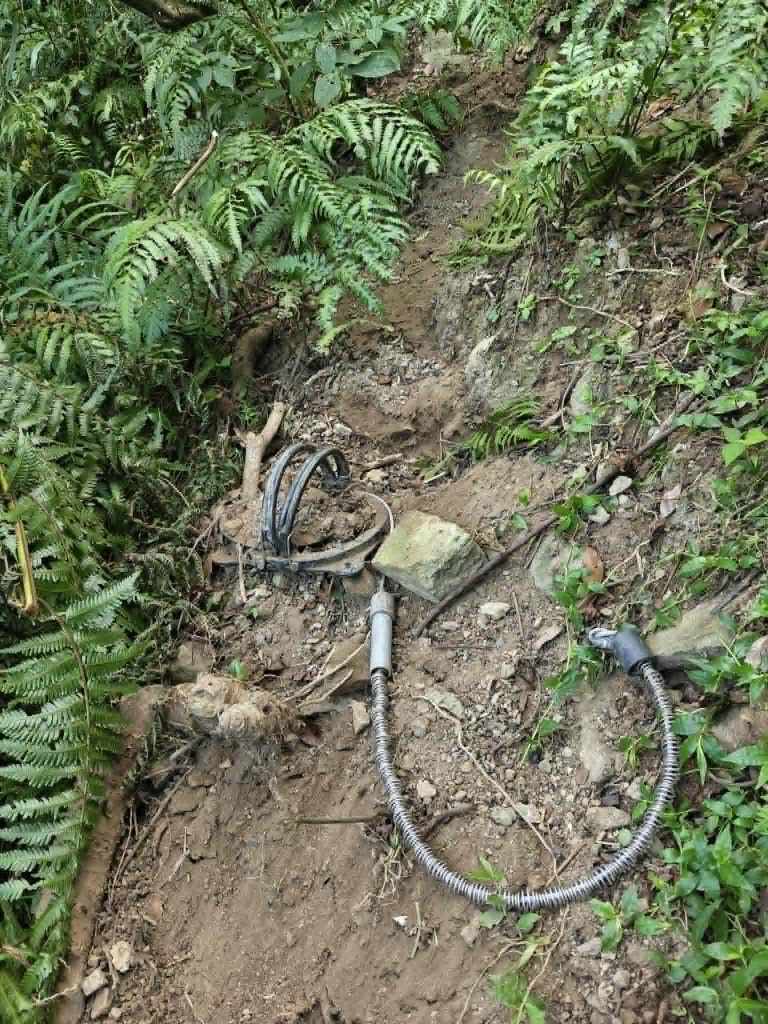
Dangerous (risk of collapse, snakes)
ed. 7/2026
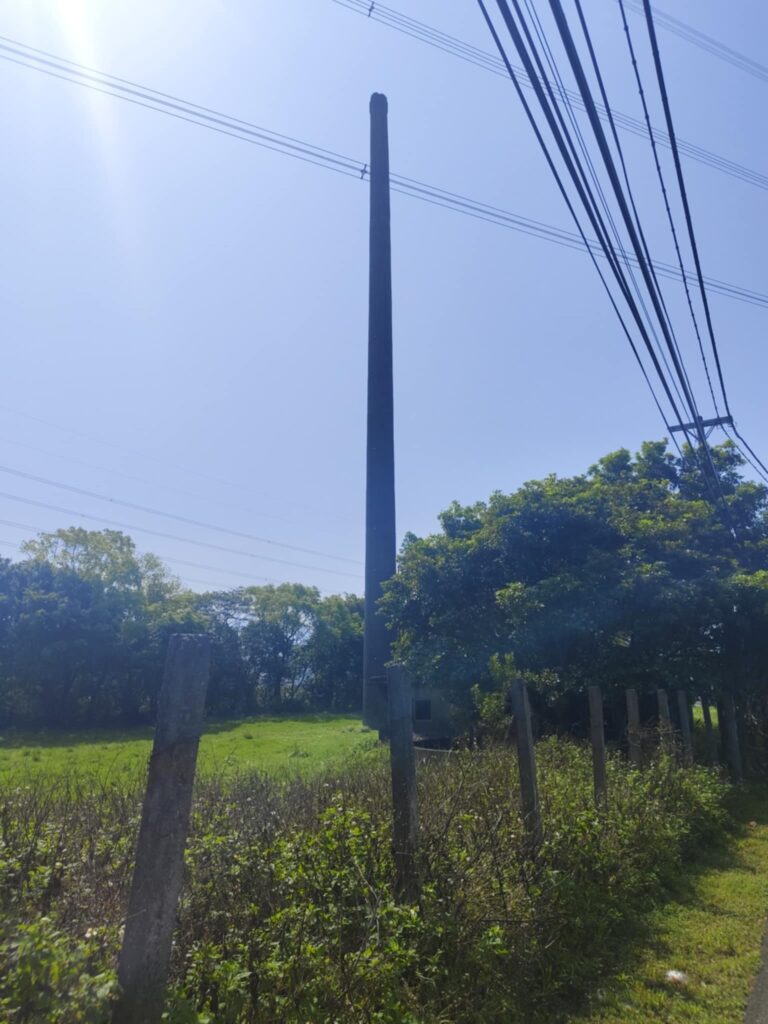
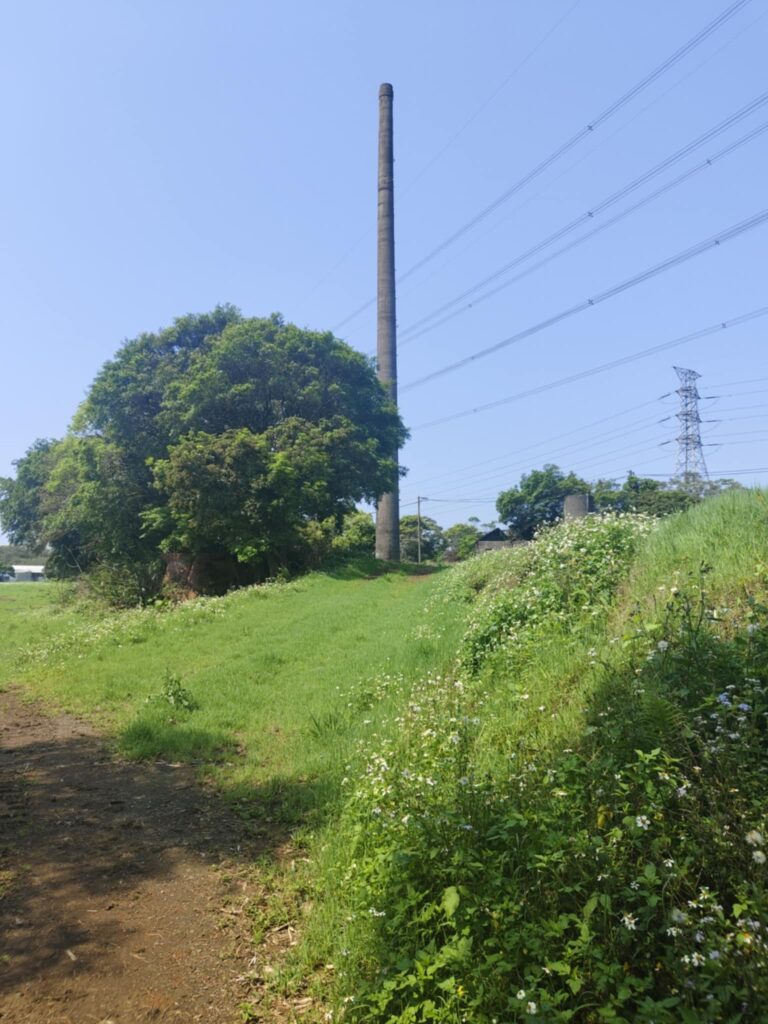
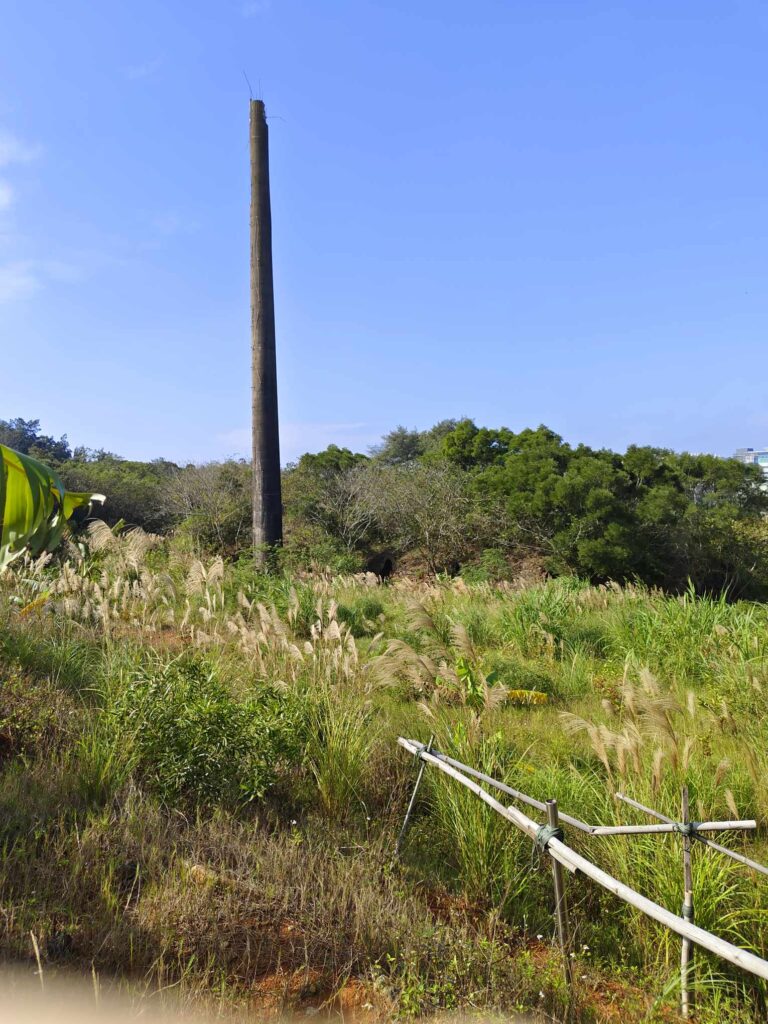
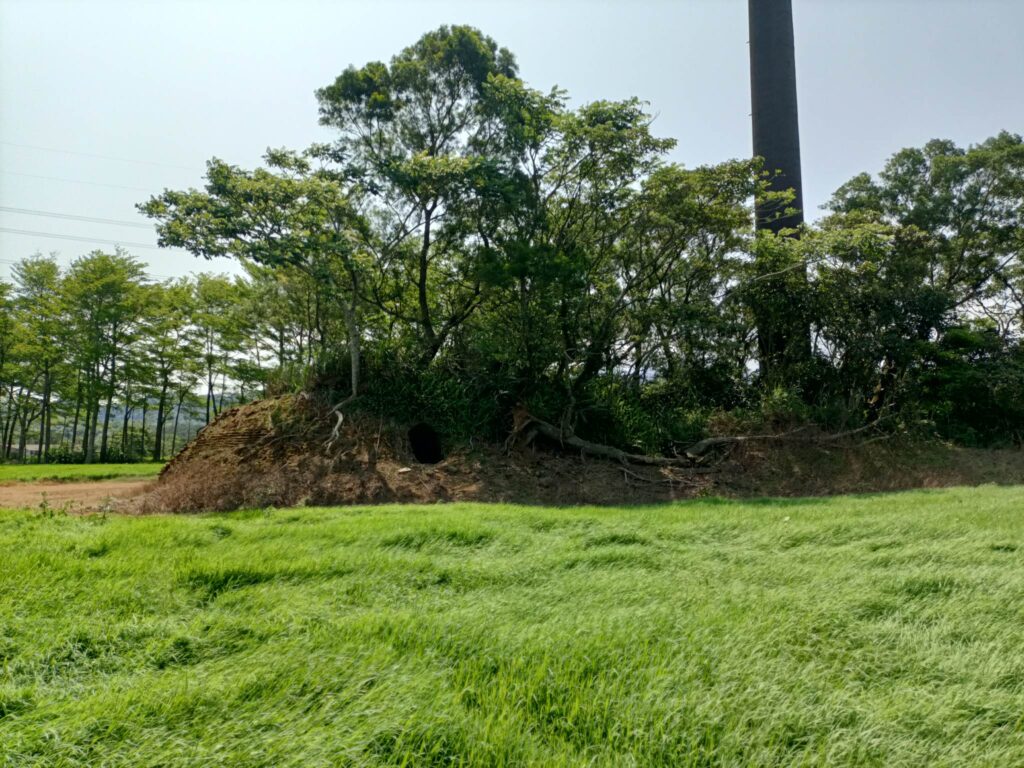
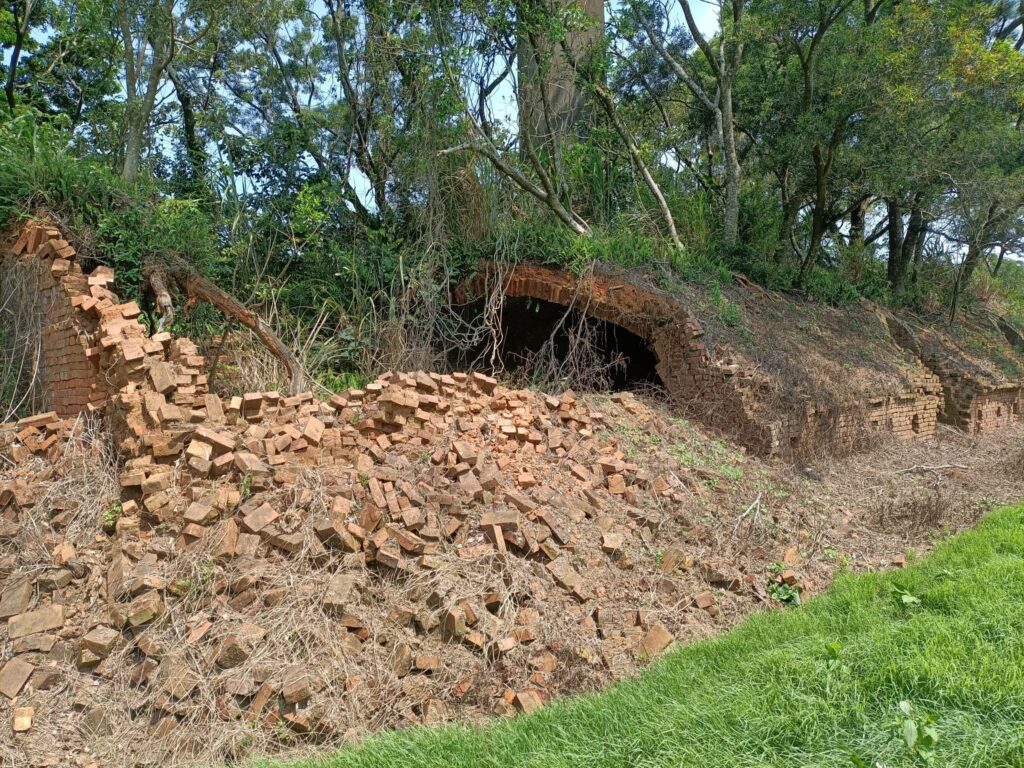
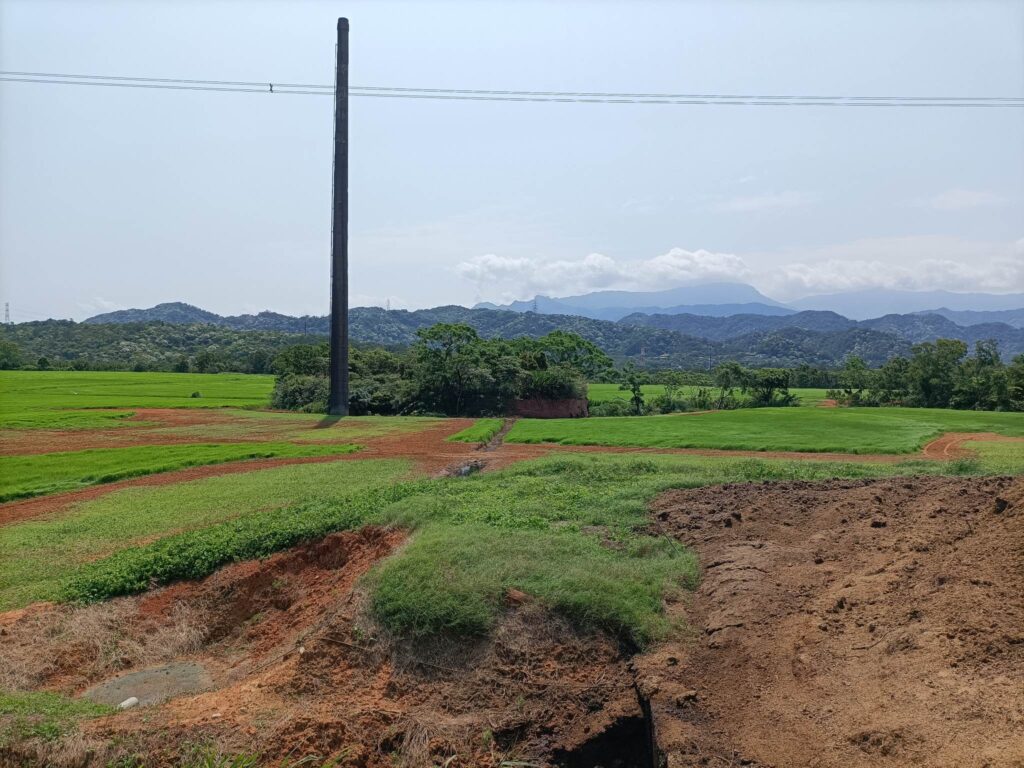
OK, let’s begin with a lesser-known spot. Can you see the entrance? The Guanxi Jianfu Brick Factory (關西建富磚廠) is fascinating, but it’s not a lost place—many people know about it, and it’s definitely worth a visit. However, just a few hundred meters away, there’s another site that far fewer people are aware of. This is one of the many forgotten kiln structures once common across Taiwan. If you spot a chimney like that, it usually means there’s a kiln nearby. But where exactly? Just start walking around and look for a small rise in the terrain. As you get closer, you’ll notice the first traces—overgrown ruins that seem completely collapsed at first glance.
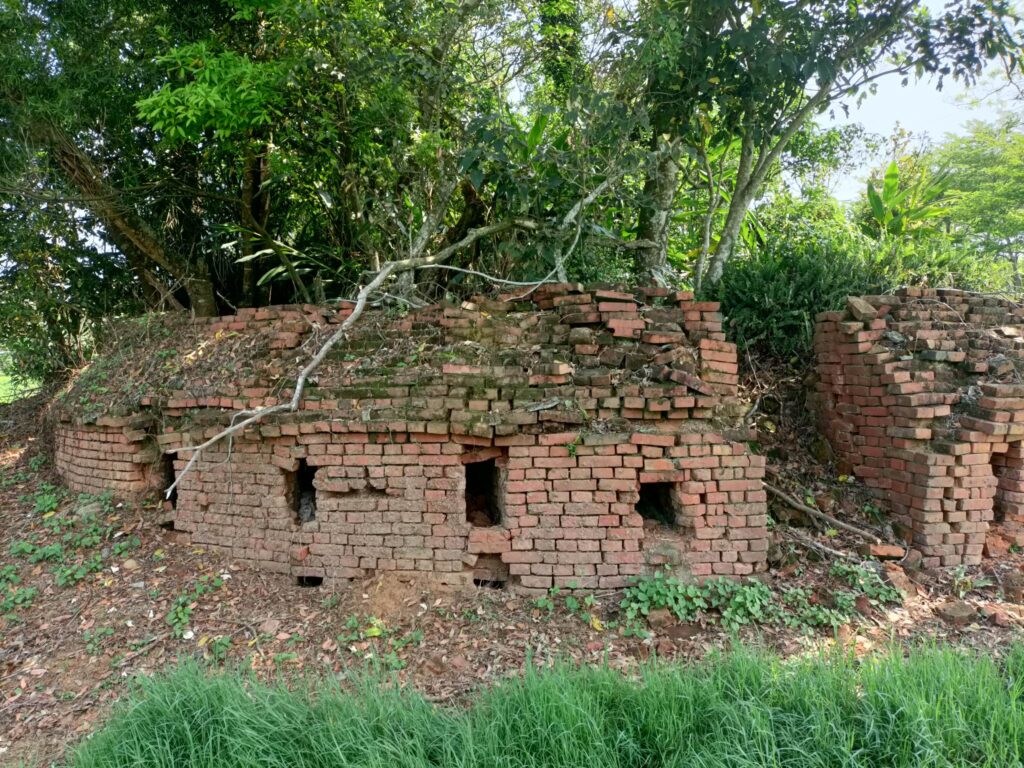
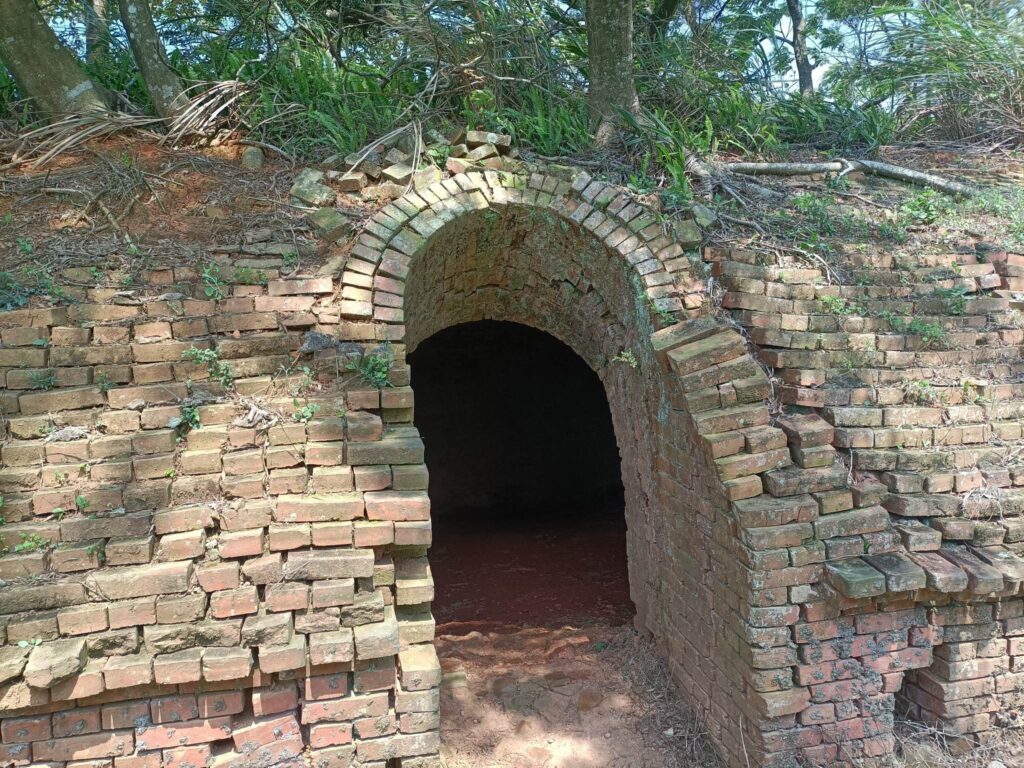
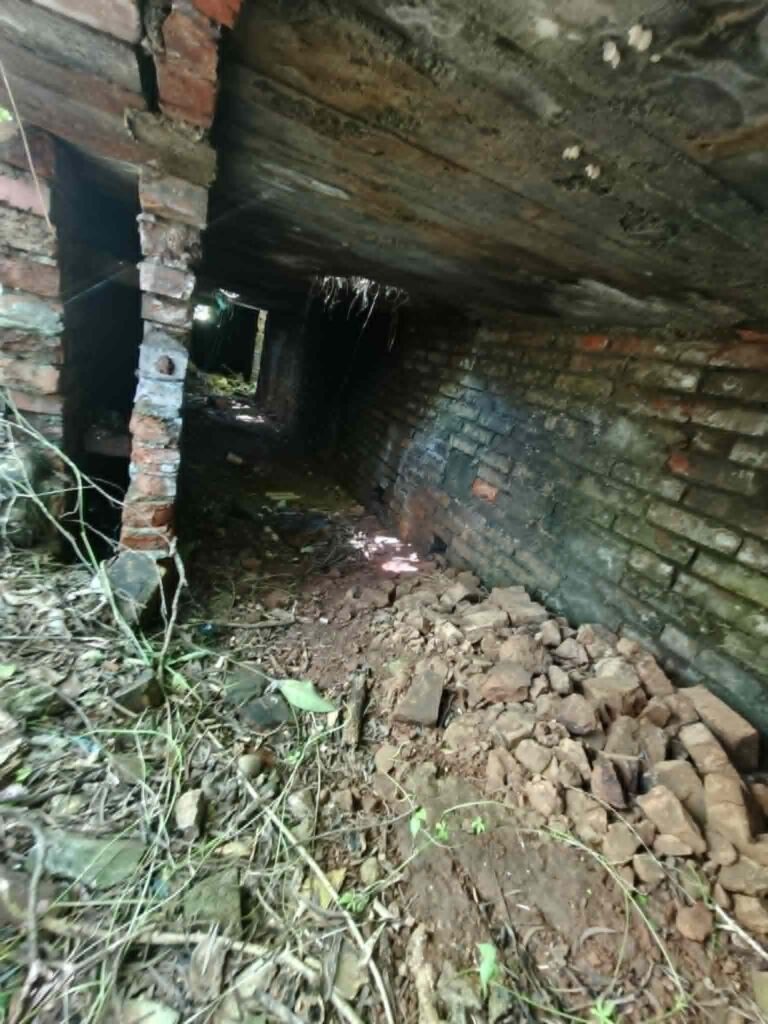
But step in a little further, and walls begin to emerge… and then the entrances.
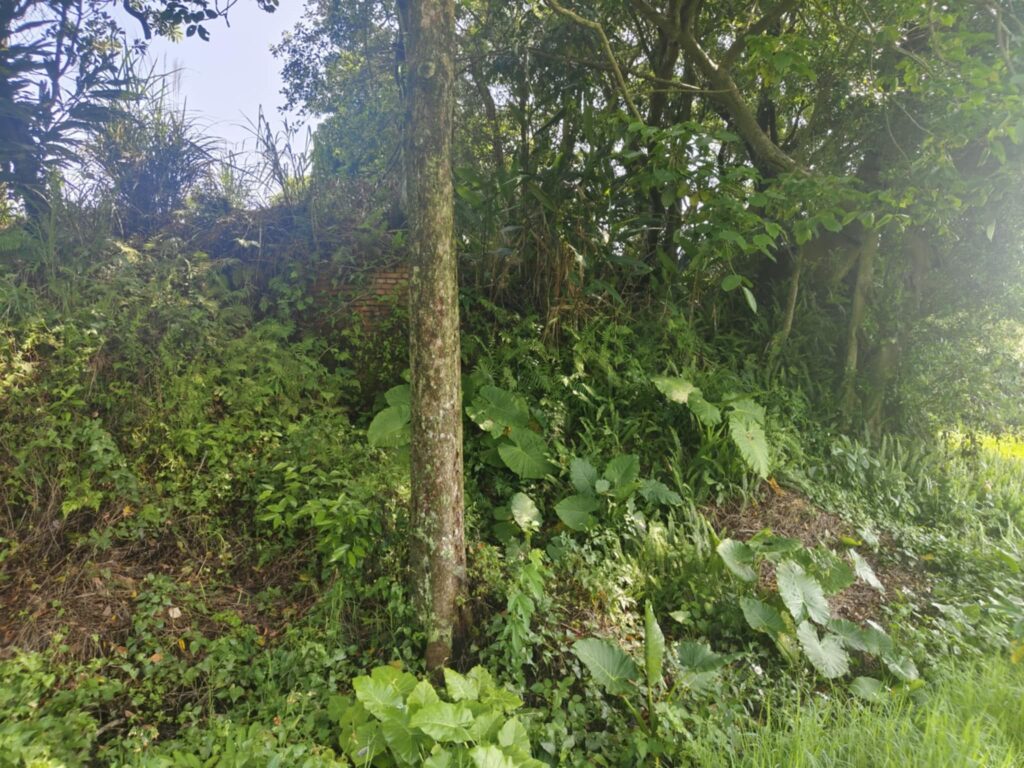
It may look impassable at first—but…
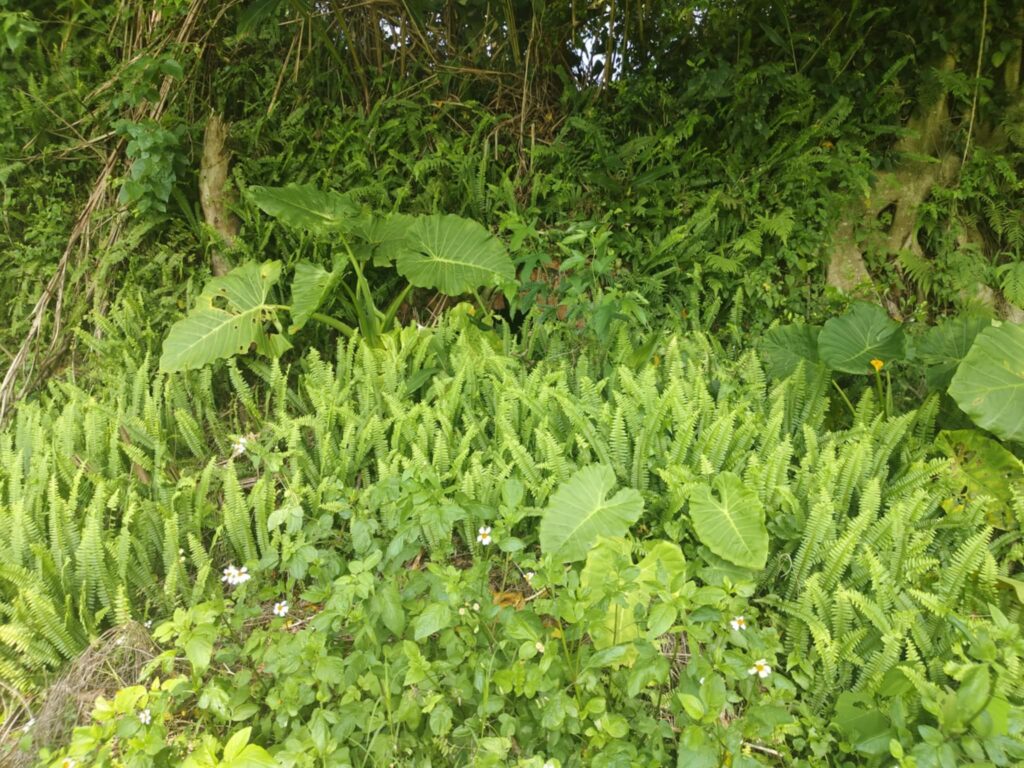
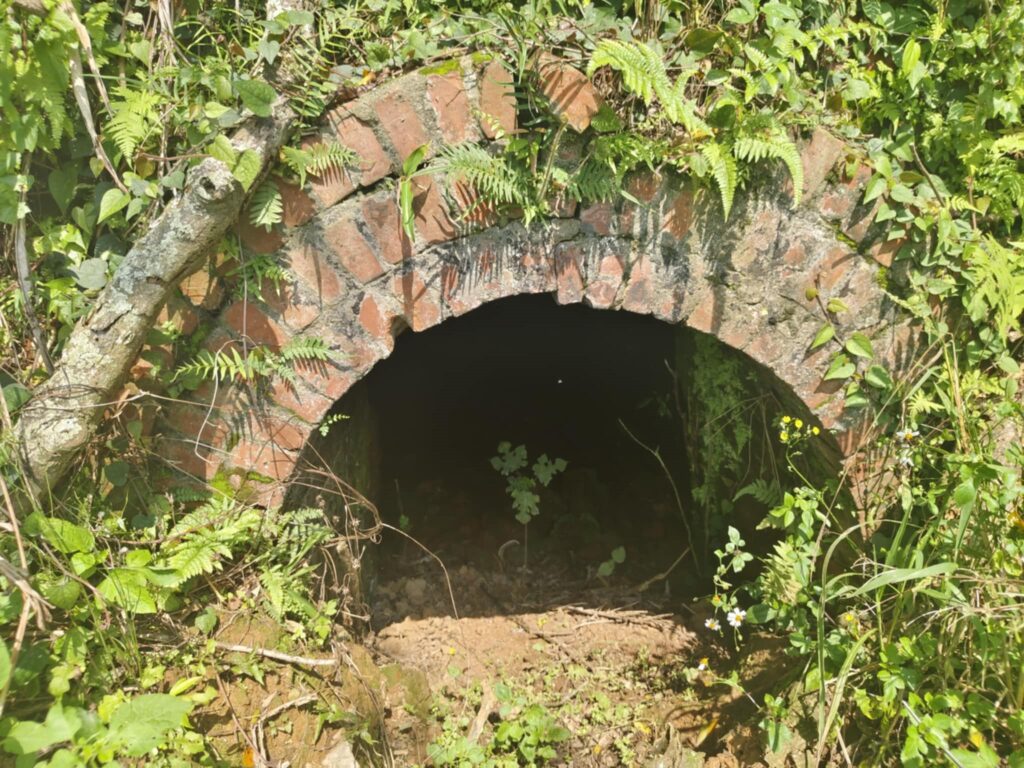
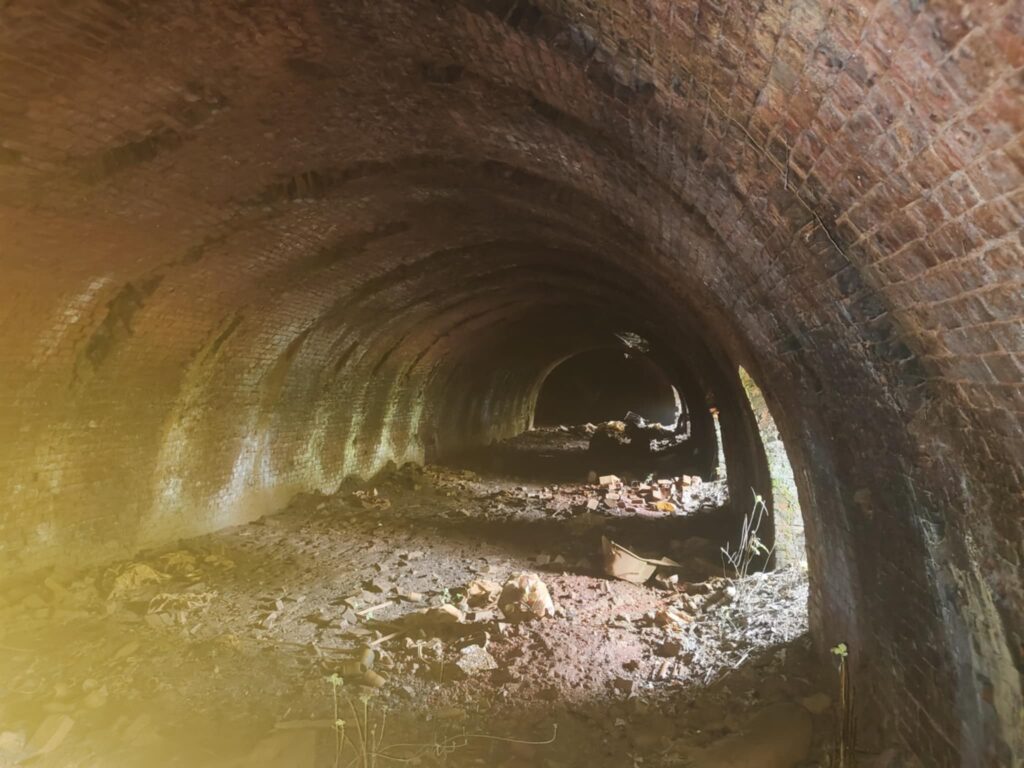
It’s incredible. From ten meters away, it just looks like a hill—completely covered in soil and overgrown. It seems unlikely that anything has survived the passage of time. And yet—
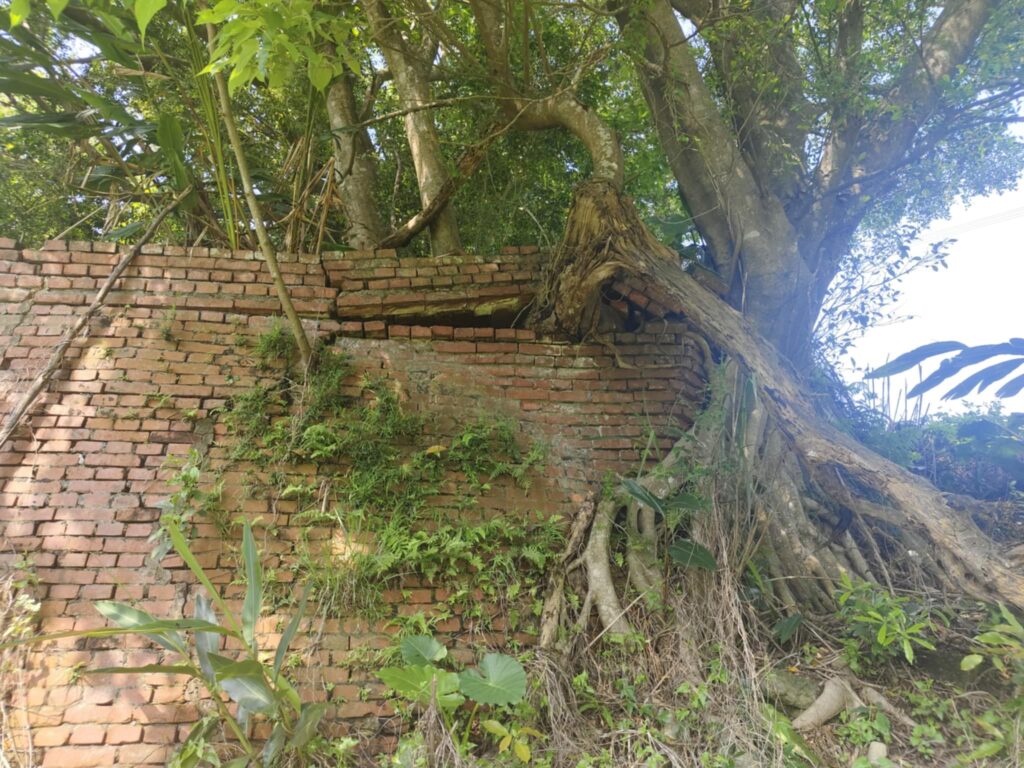
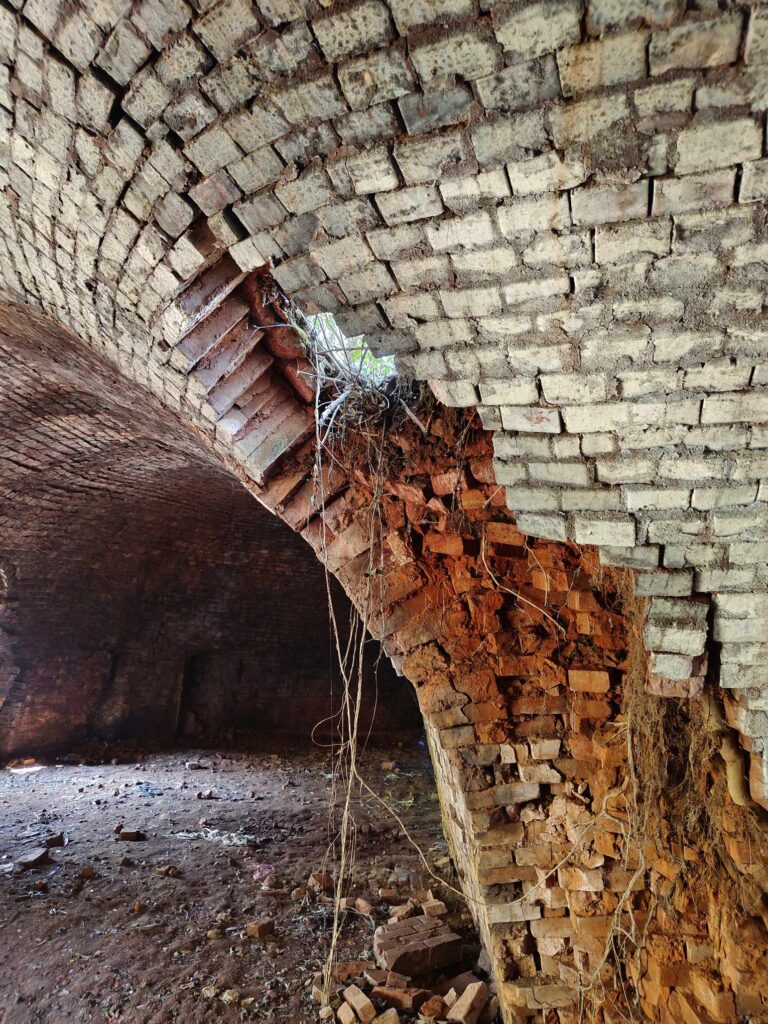
Banyan trees are undeniably majestic, but their growth habits can pose significant risks to nearby structures. Their aerial roots descend from branches and, upon reaching the ground, thicken into supportive trunks. While this allows the tree to spread extensively, it also means that these roots can infiltrate and damage buildings, walls, and other infrastructure.
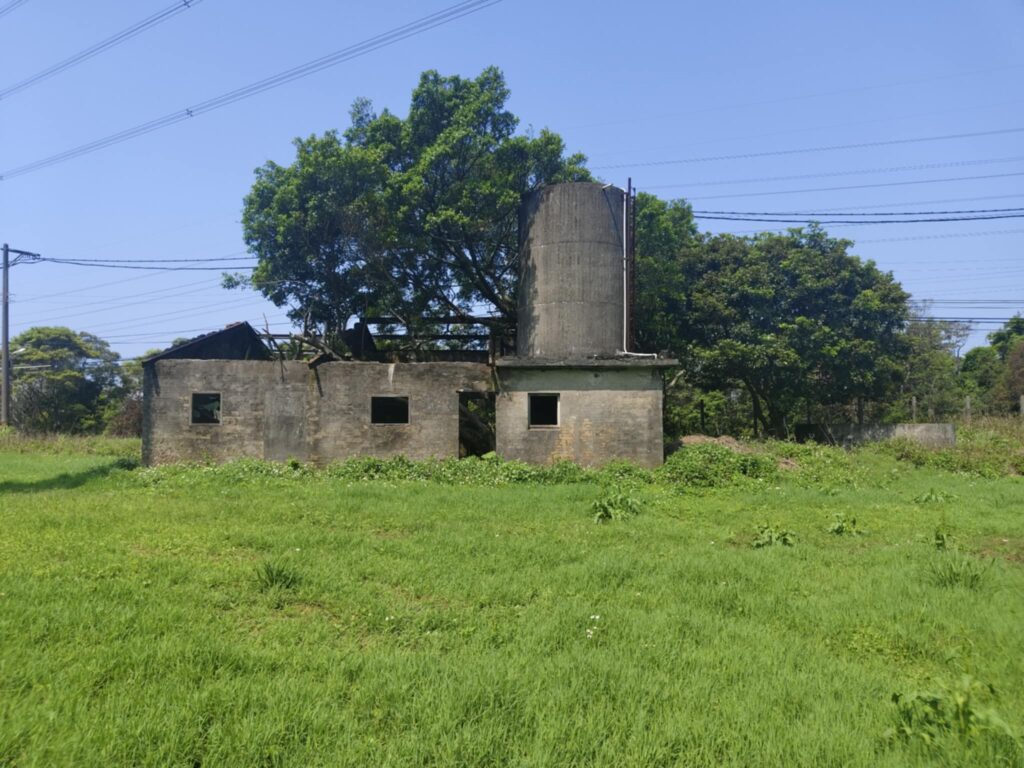
Kiln structures once common across Taiwan
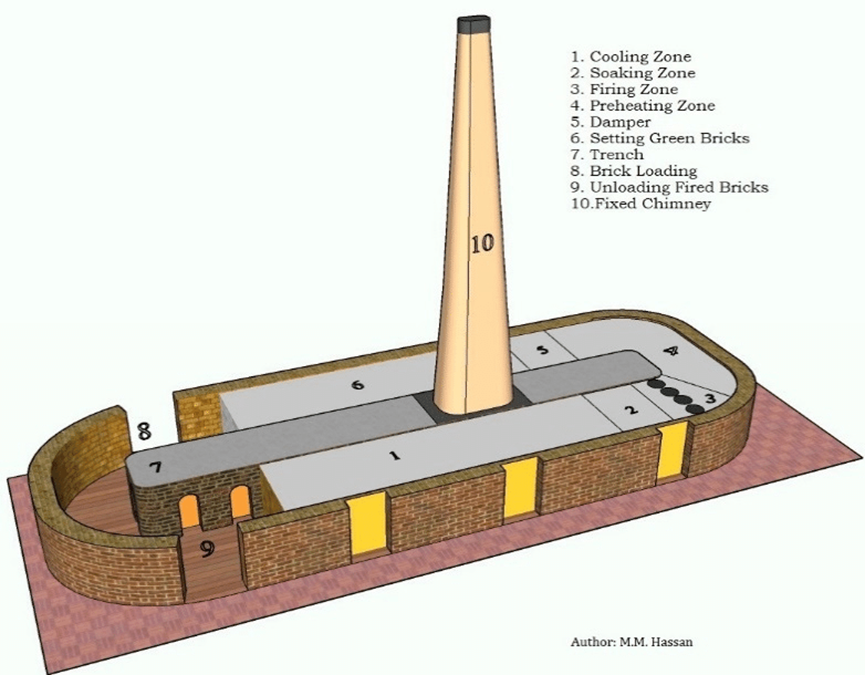
Source: https://www.researchgate.net/figure/Schematic-diagram-of-traditional-fixed-chimney-Bull-trench-clay-made-brick-burning-kilns_fig2_336454204
Hoffman kiln is a continuous, moving fire kiln in which the fire is always burning and moving forward through the bricks stacked in the circular, elliptical or rectangular shaped closed circuit. The fire movement is caused by the draught provided by a chimney or a fan. Hoffman kiln was developed and patented by Friedrich Hoffman in Germany in the year 1858. These kilns were once widely used in Europe for bricks, ceramics and lime production. The original design of Hoffman kiln had a circular circuit built around a central chimney. However, this design has been modified with time and now Hoffman kilns with elliptical or rectangular shape are more in practice.
In a Homan kiln, the fire moves through the bricks stacked in an elliptical or rectangular shaped annular circuit (central perimeter 80 – 90 m). The fire movement is caused by the draught provided by a chimney (25 – 35 m high) which is located on one side of the kiln. Sometimes a fan is also used to augment the draught. The chimney is connected to the central flue duct of the kiln through an underground duct.
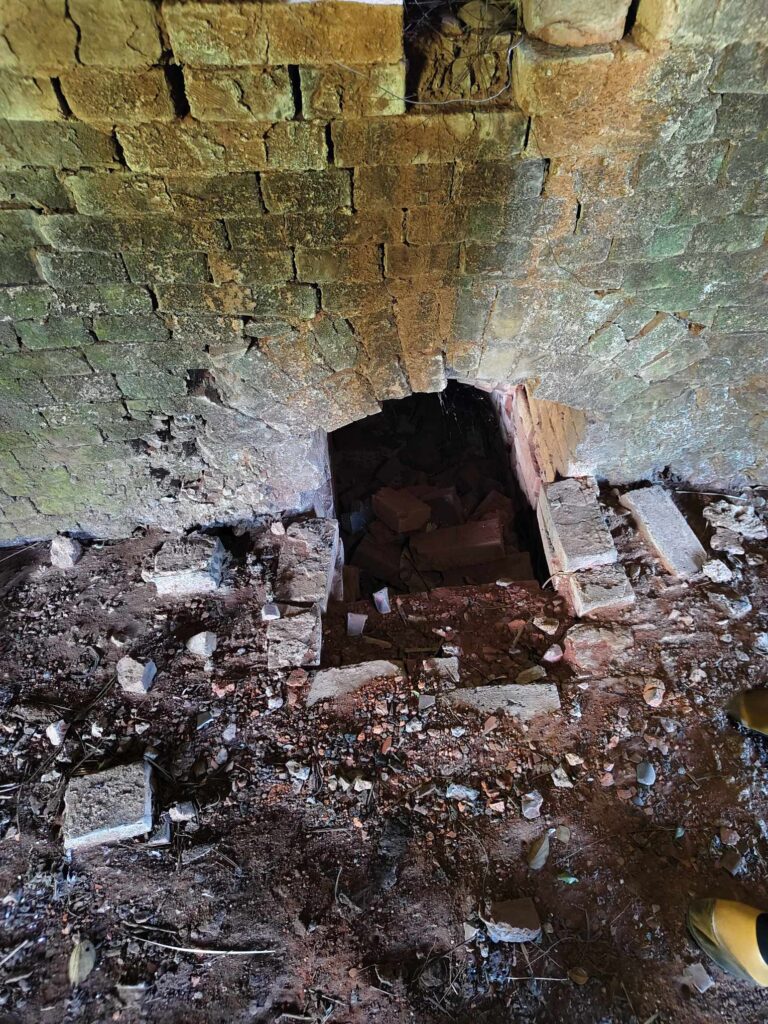
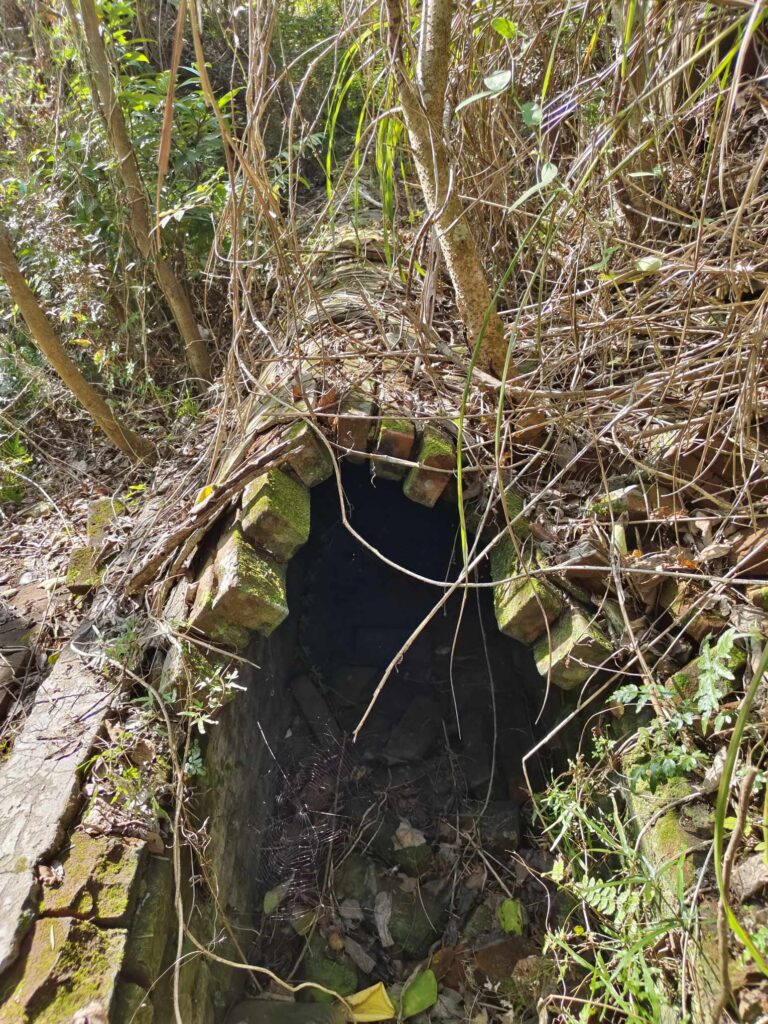
The flues in the HuKou kiln (Claudius Petzold)
There are 3 distinct zones in an operating Homan kiln:
3.1 Brick ‑ring zone where the fuel is fed and combustion is happening,
3.2 Brick preheating zone (in front of the ‑ring zone) where green bricks are stacked and being pre heated by the flue gases and
3.3 Brick cooling zone (behind the fring zone) where firred bricks are cooled by the cold air flowing into the kiln.
4.1 Air Inlet: Air enters into the kiln from the back end of the cooling zone which is kept open to allow air entrance. Seal to guide flue gas: The front end of the preheating zone is sealed to guide the flue gas to the chimney through the flue gas duct system.
4.3 The kiln is connected to the central flue duct through openings provided in the inner wall of the kiln. Openings just before the seal are kept open to allow entrance of ue gases from the kiln to the central ue duct.
Hukou Bagua Kiln (湖口八卦窯)
This kiln is in very good condition and located near the railway line. Its halls are still clearly visible. There used to be many more kilns in this area. The Boluo Bagua Kiln is located next to a road leading to a military base in Boluo Village, Hukou Township. The brick kiln ruins are believed to be a post-war “Bagua kiln” specializing in red bricks. It likely began operations in the 1960s and ceased production in the 1980s. The land is zoned for hillside conservation and is currently owned by about ten people who bought it from the former landowner in May 2024.
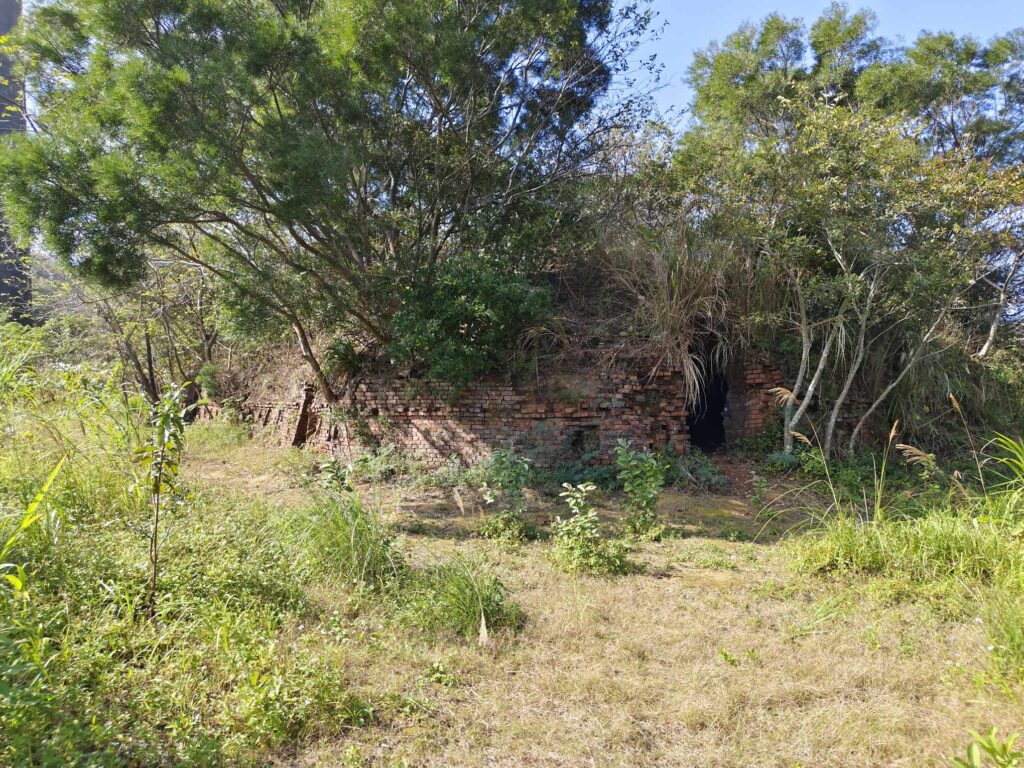
The multi-layered brick walls have been severely affected by ground subsidence, typhoons, and roots — the kiln has taken a beating. The multi-layered brick walls have been severely affected by ground subsidence, typhoons, and roots — the kiln has taken a beating. There used to be many more kilns in this area. Due to Hukou’s red soil, the area once thrived with kilns. Only a few kiln sites remain, and the Boluo Kiln is one of them. It is hoped that it can be preserved as a historic site, serving as testimony to local development history.
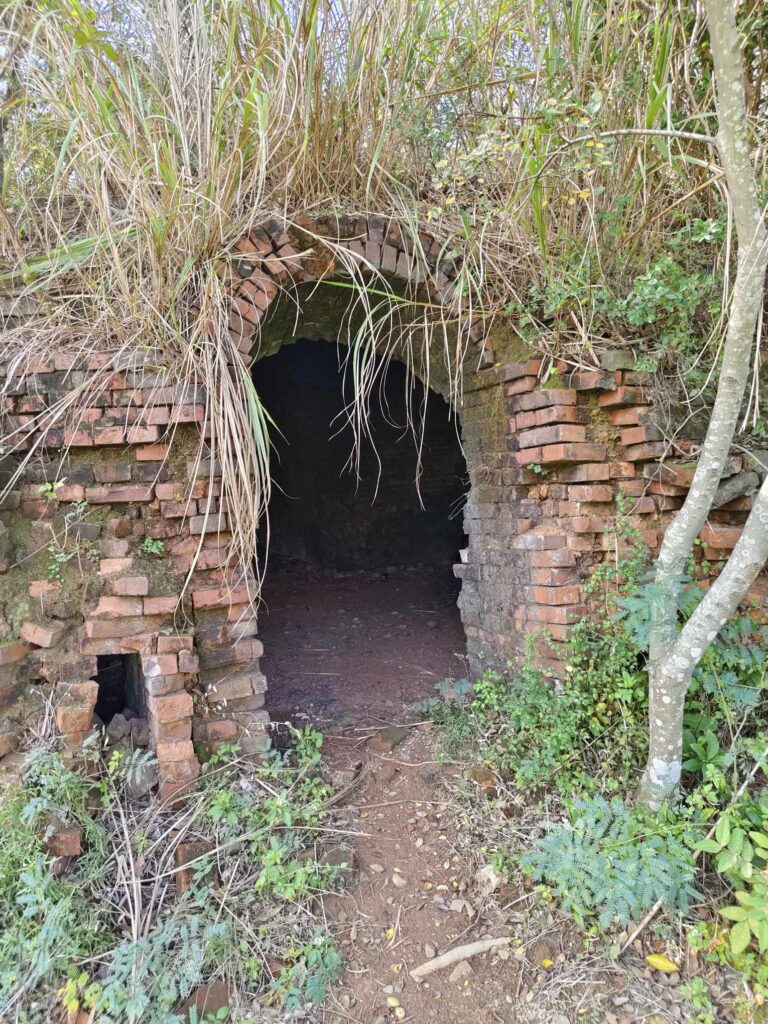
The previously good condition, as well as the recent deterioration, has alarmed some local interest groups. There have been repeated attempts to place the kiln under official protection. So far, it has only been granted provisional protection, which is regularly extended. The new owners have filed an administrative appeal with the Ministry of Culture, fearing that the provisional monument status could affect their investment plans.
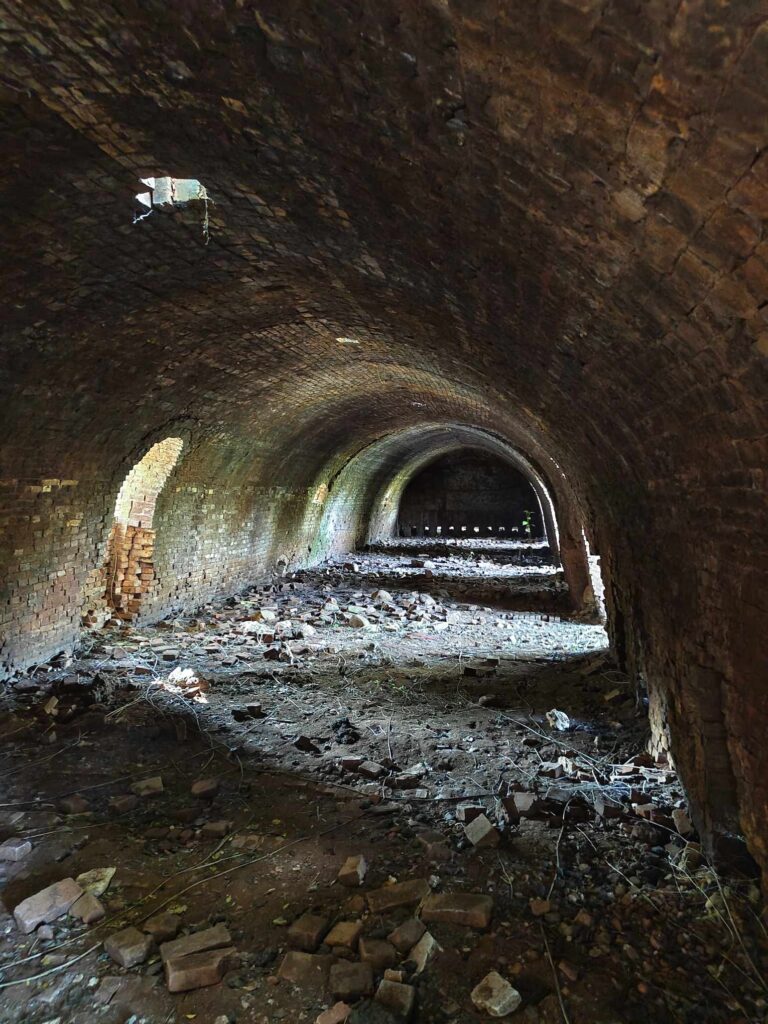
Zhong Guohua, a descendant of the kiln owners, now 63, said the kiln has been there since he was born. Originally a muzi kiln, it was converted into a continuous kiln when he was about 10 years old. He emphasized that kilns of this completeness are rare in Taiwan and expressed hope for its preservation.
Source: https://hakkanews.tw/2024/11/12/tentative-monuments-lahu-gossip-kiln-deadline-will-be-extended-until-may-next-year-to-continue-consideration/
Visit 2025
The last visit took place in 11/2025. By then, everything had been cordoned off. The new owners of the land were furious that the brick kiln had been declared a cultural heritage site. They intend to build a residential development there. In May 2024, they severely damaged the roof of part of the structure with construction machinery.
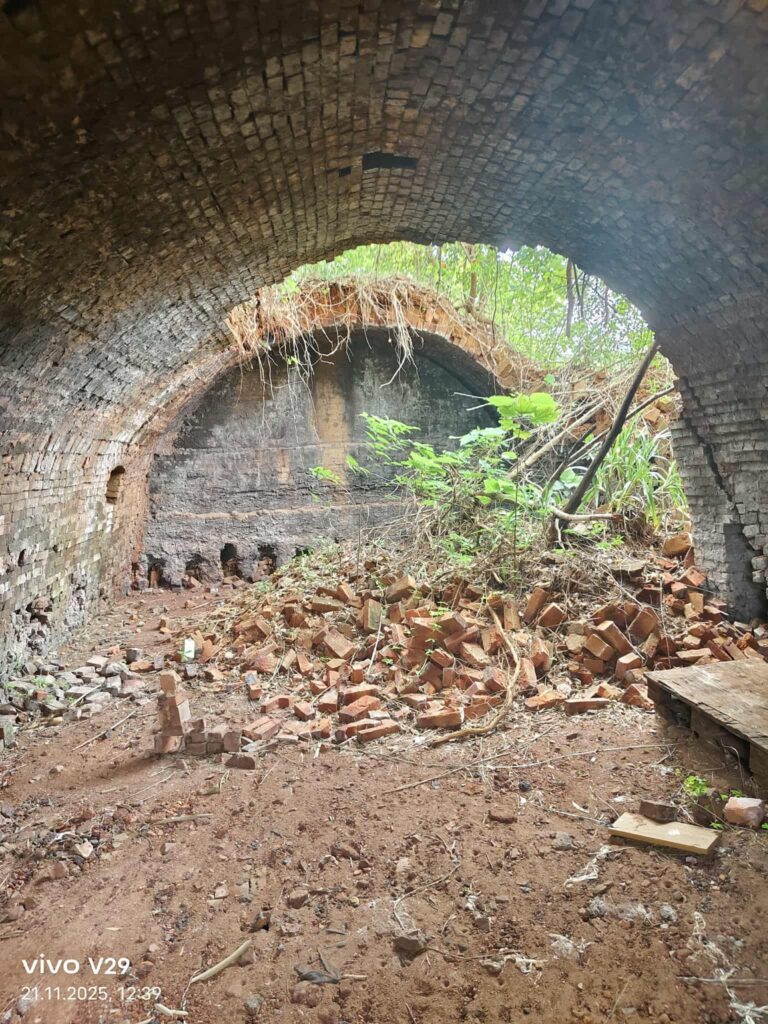
An initiative for the preservation of the site obtained an interim injunction; in 2025, the final designation as a cultural heritage site was confirmed.
Production was discontinued 50 years ago because new building materials had emerged. Constructing a kiln was quite expensive, and only a few families could afford it.
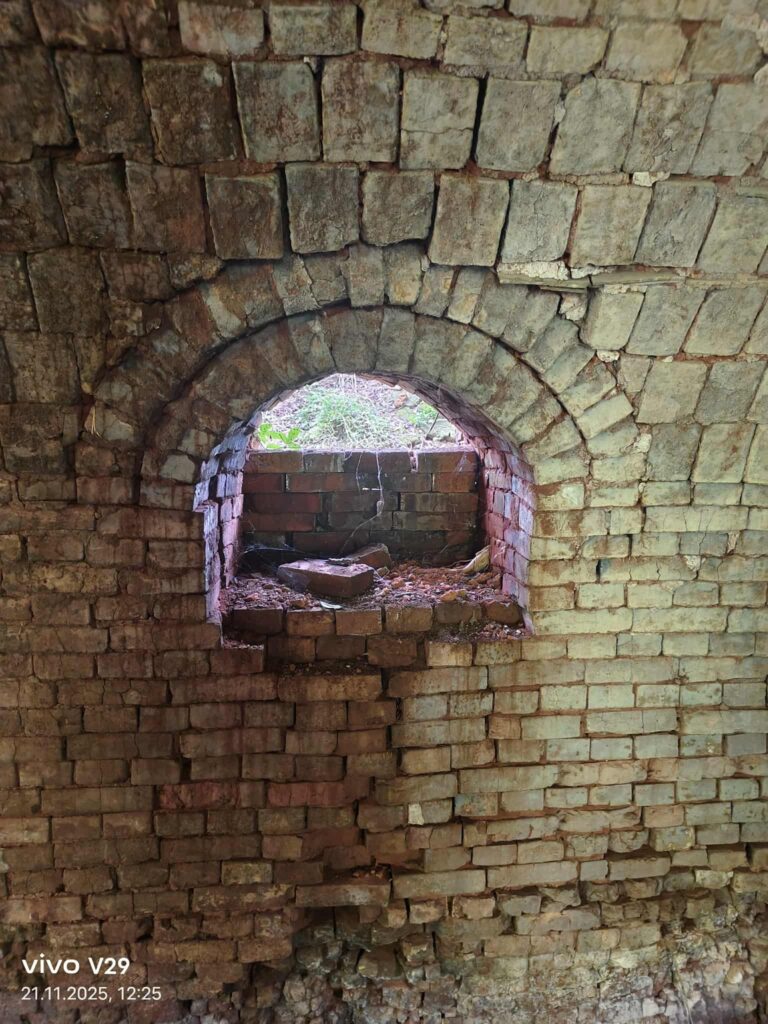
(This opening was sealed. Toward the end of the firing process, it was gradually opened to allow the hall to cool down.)
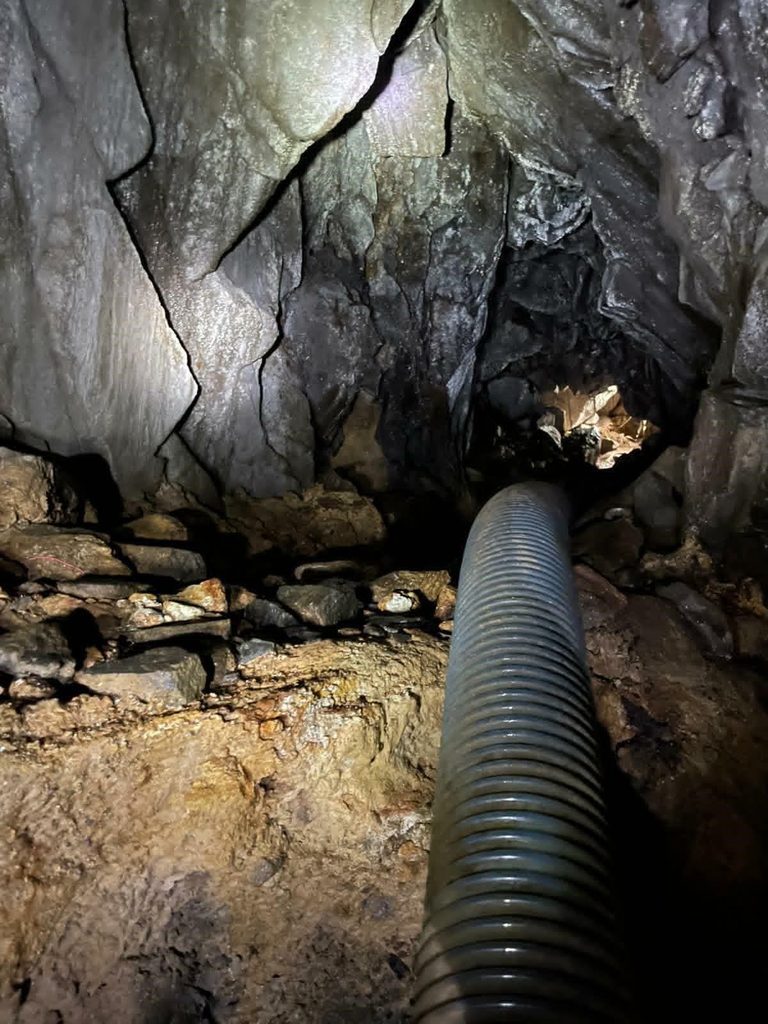
In one firing cycle, about 70,000 bricks could be produced; around 300,000 bricks in total per month. Only now was I finally able to understand the final ventilation system. From the side, fuel was fed into the kiln. As it burned, the smoke initially rose upward, charring the roof, then escaped downward through the ventilation shafts.
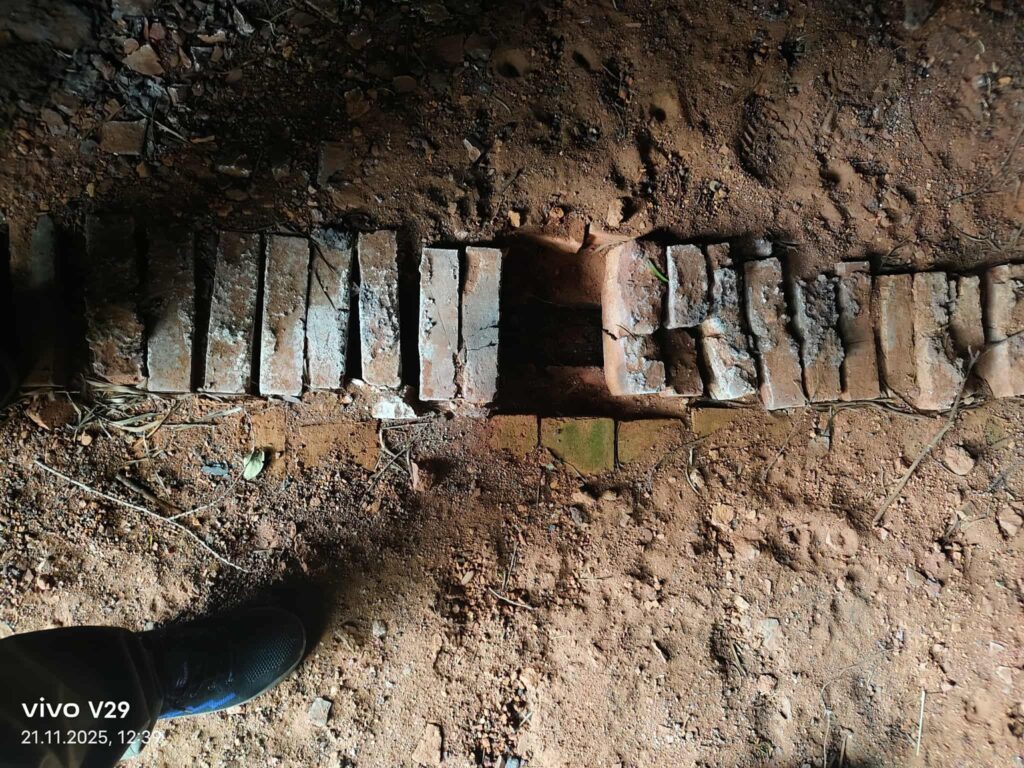
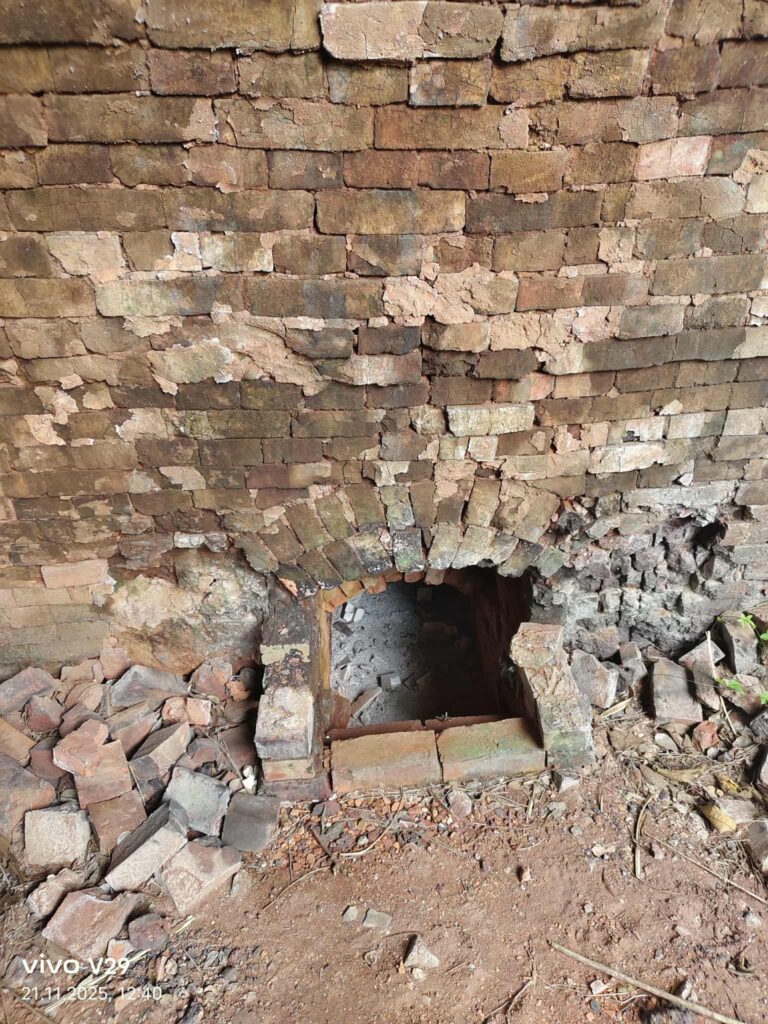
The rounded shape of the roof was achieved by using bricks of different shapes.
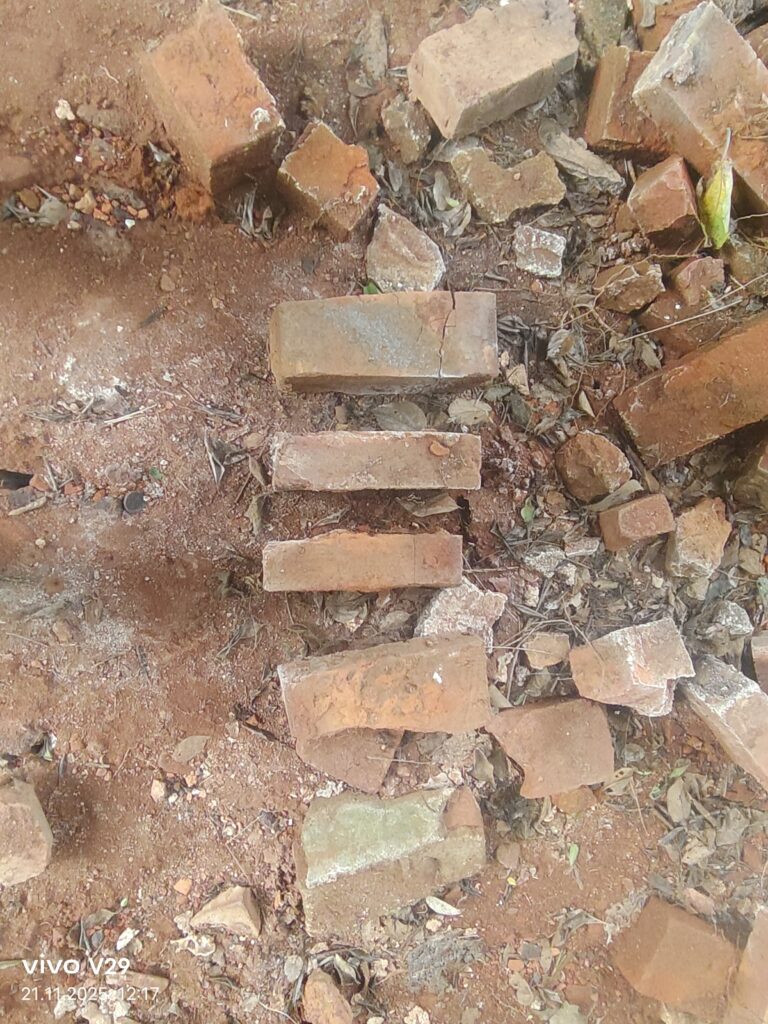
Guanxi / Longtan Kiln
This is the better-known kiln, which is open to the public. Many people only enter the first kiln. Just a few photos:
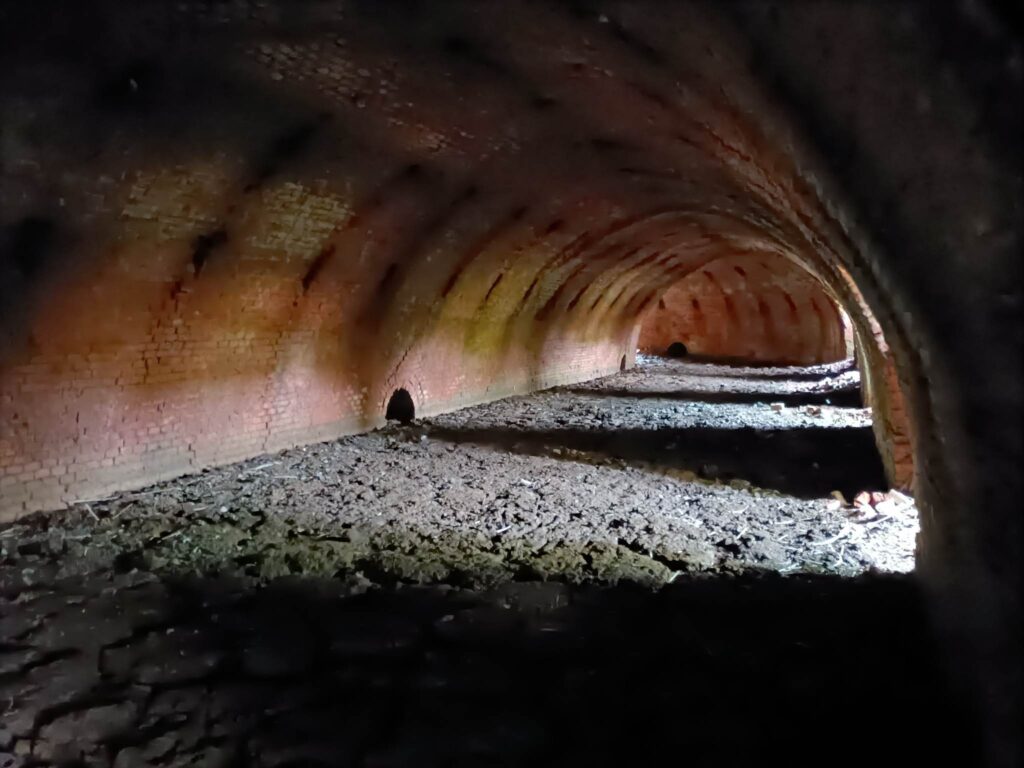
Call it a call
I had always noticed this chimney from the train whenever I passed through Yangmei. It kept calling to me. It took a long time to track it down, but eventually I succeeded.
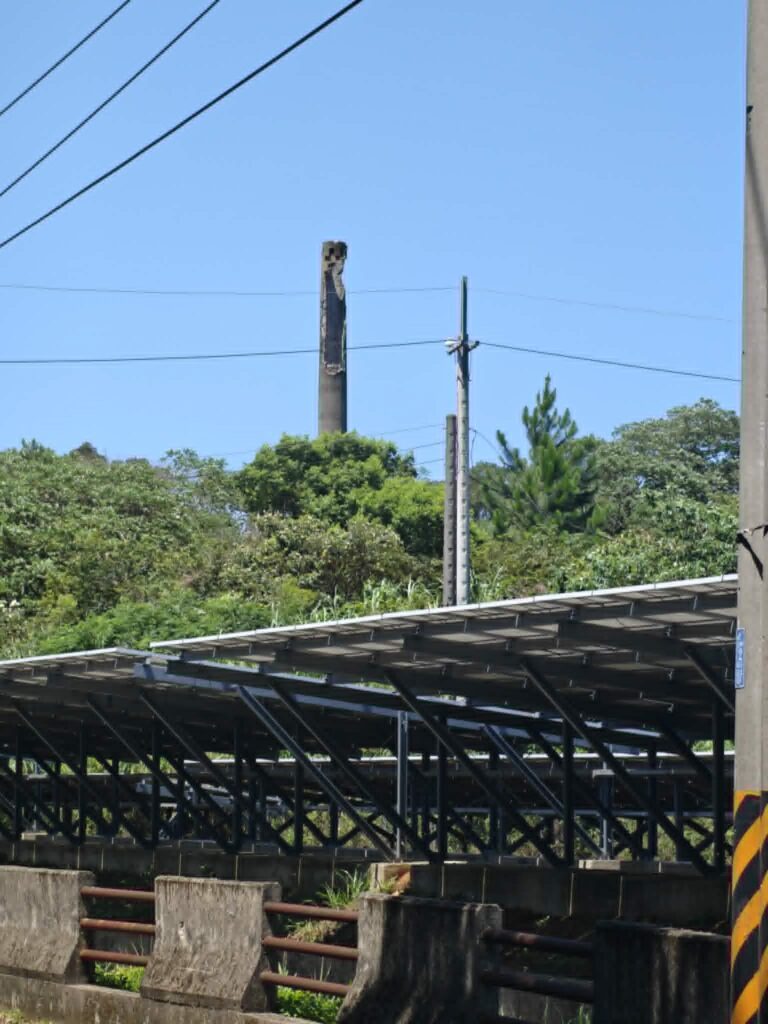
At first glance, though, it was a disappointment: a tall chimney, 35°C heat, humid air, and mosquitoes enthusiastically searching for Western food. I gave up and headed back.
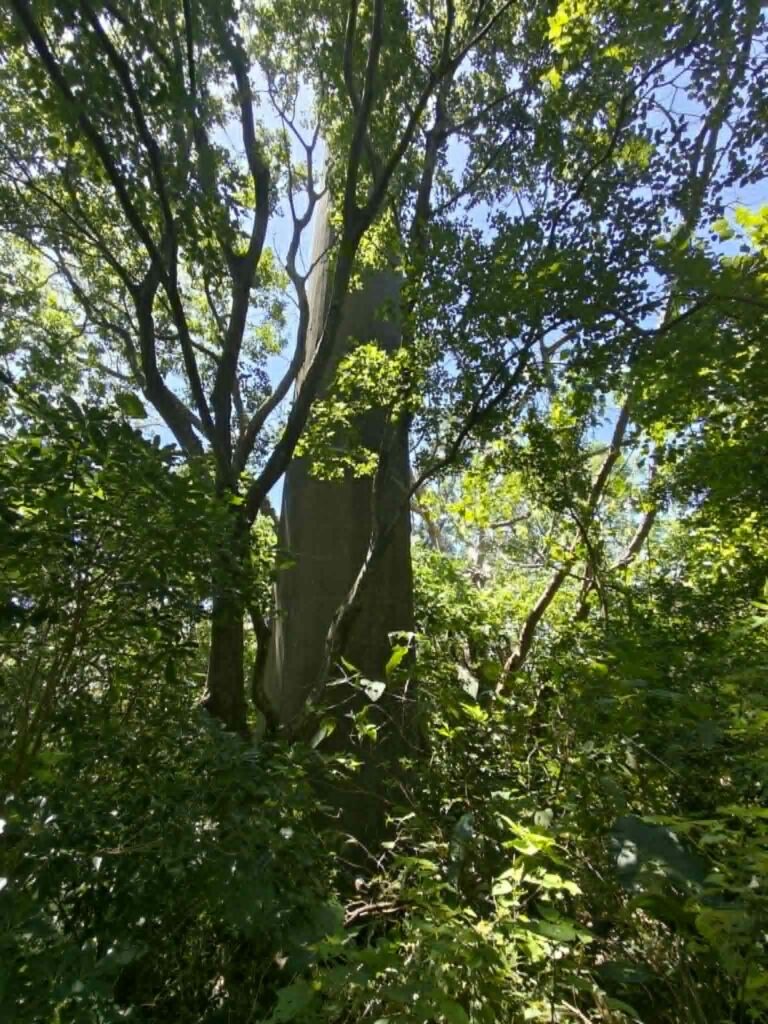
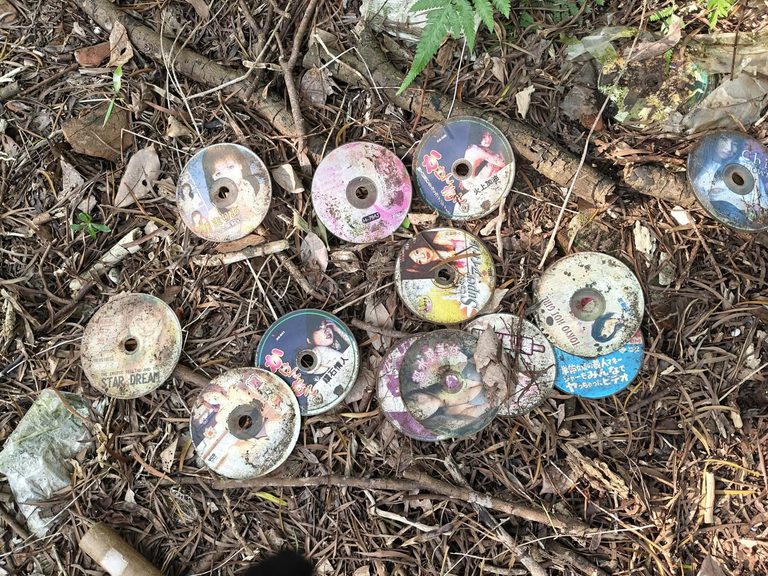
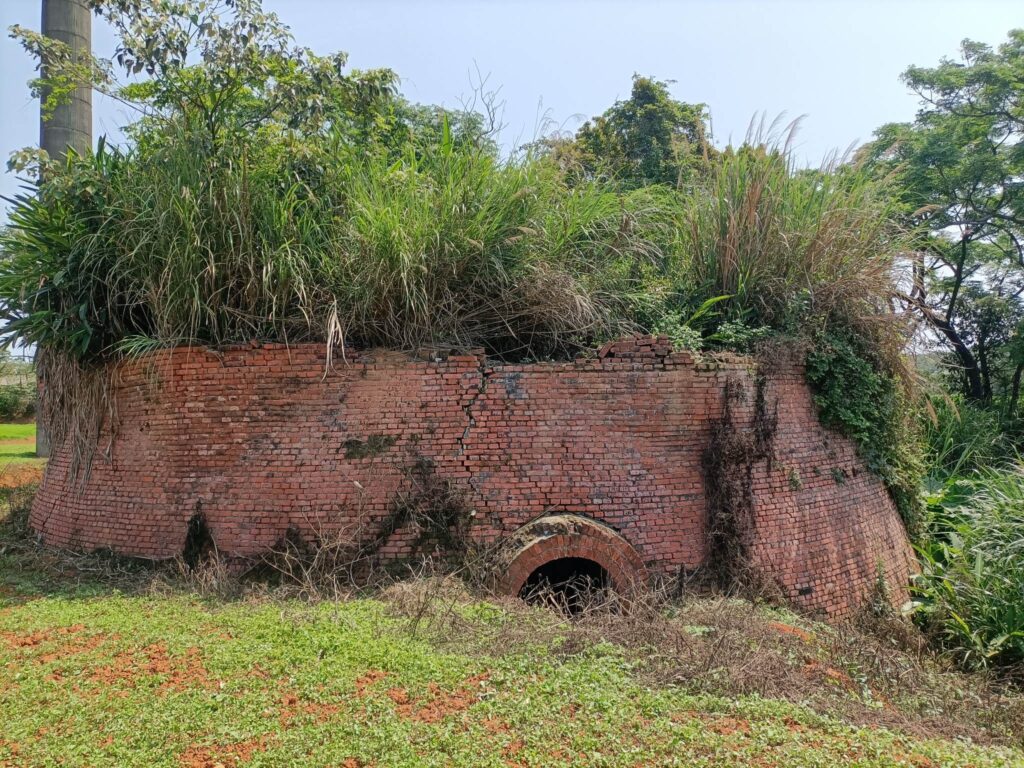
On the way, I realized I had lost my phone. After a long search, I found it lying near the chimney. Since I was there for a second time anyway, I decided to walk a little farther down the road. That’s when I noticed a large pile of rubbish. Trash is often a good indicator that something interesting is hidden nearby. I followed the trail—and found this.
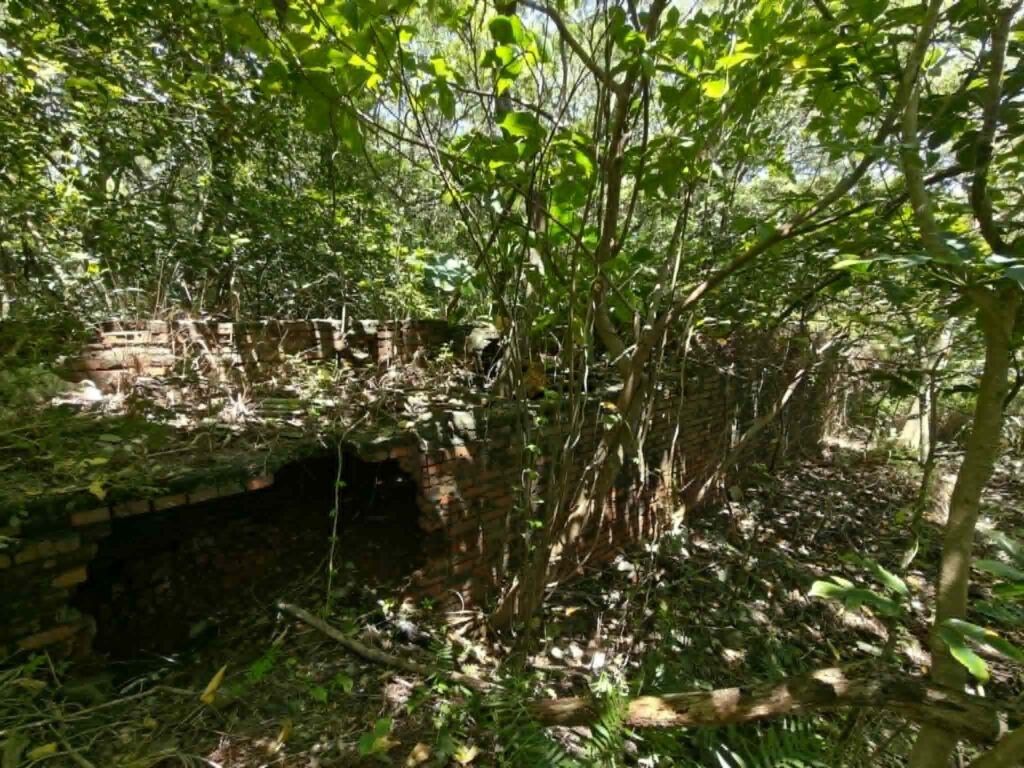
Most old brick kilns in Taiwan are Hoffmann kilns. This one isn’t. Unfortunately, I still had neither mosquito repellent nor a knife with me. Somehow, places like this keep calling me. Or, if you prefer, you can call it a call.
I’ll continue this post and to further research—please have a look at my page, which is still a work in progress.
(copyright Claudius Petzold)