Category: Closed mines

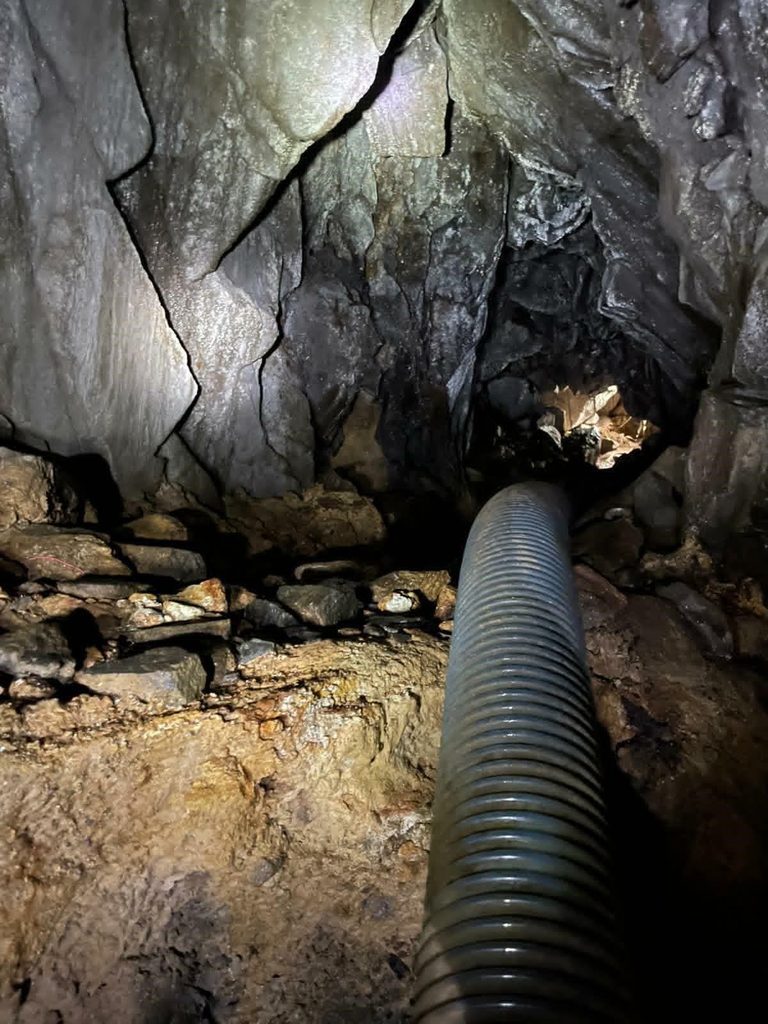
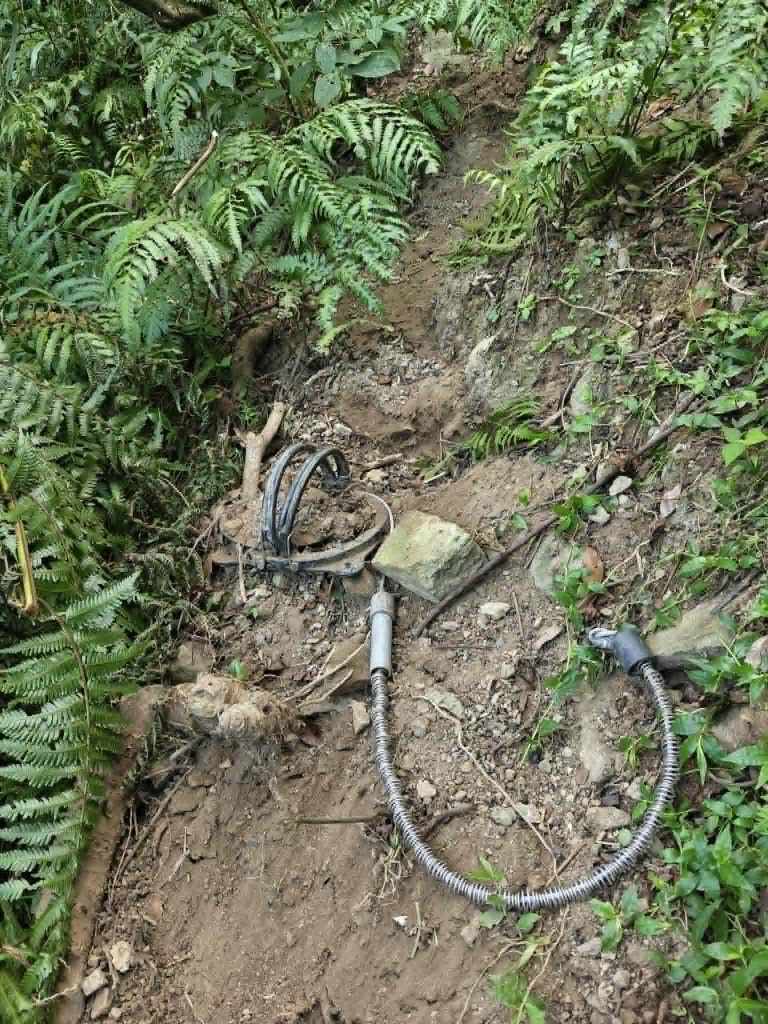
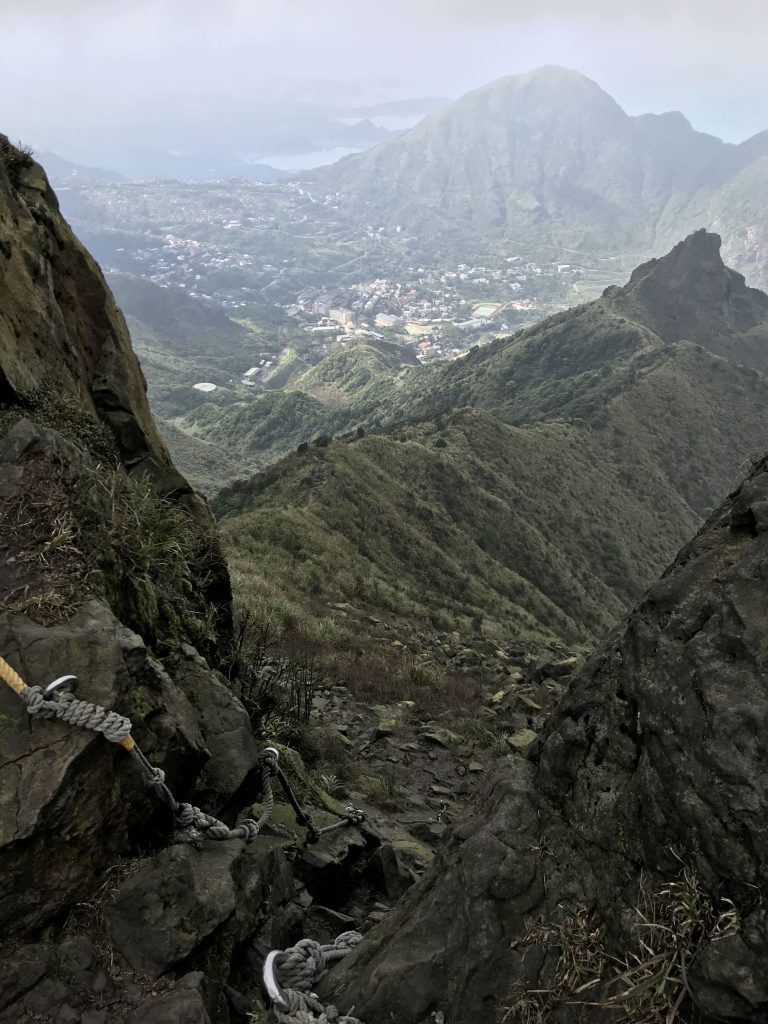
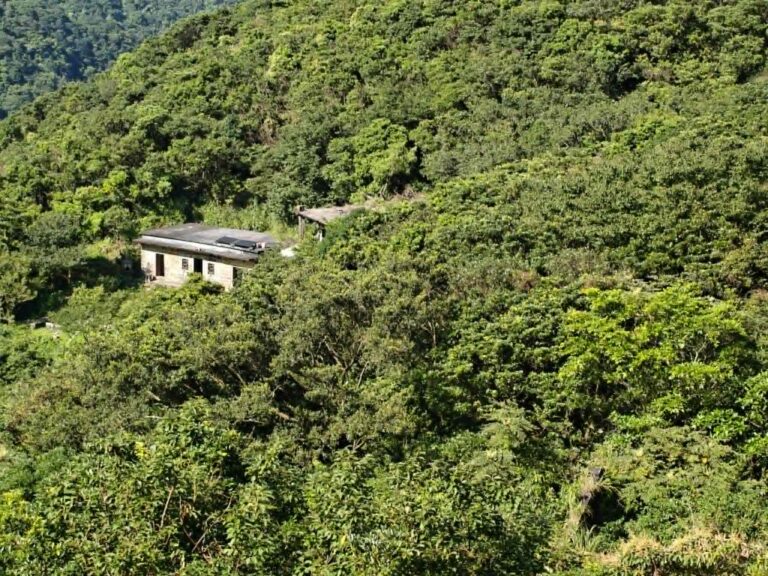
Mines are landmarks of history. Mines can teach us a great deal about the past, revealing how people once lived and worked. Taiwan is home to a large number of mines, many of which have been completely forgotten and can be risky to enter.

Some mines and factories took me weeks to locate, requiring numerous inquiries and extensive research.

Posts

Horse Head

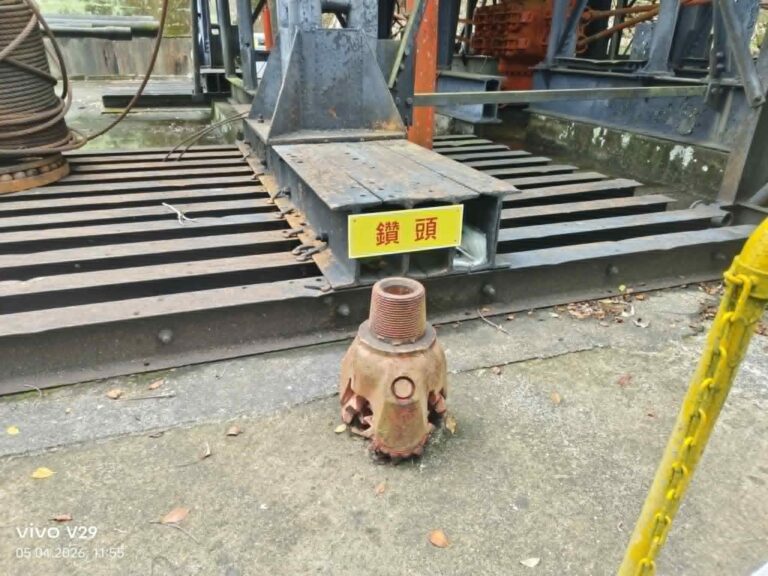
Oil was first discovered in Taiwan at the Chuhuangkeng Oilfield in Gongguan Township, Miaoli County. Oil extraction has been carried out there since 1877. During the Japanese colonial period, development became much more advanced, and approximately 98 oil wells were drilled. The site of Taiwan’s first oil well has since been transformed into the Taiwan Oil Field Exhibition Hall. (drill head) At the lower end of the site, directly beside the road, you will find the museum, which provides an excellent introduction to the history of Taiwan’s oil industry and drilling technology. Further uphill, several former residential and office buildings have

Read More »

The garbage indicator

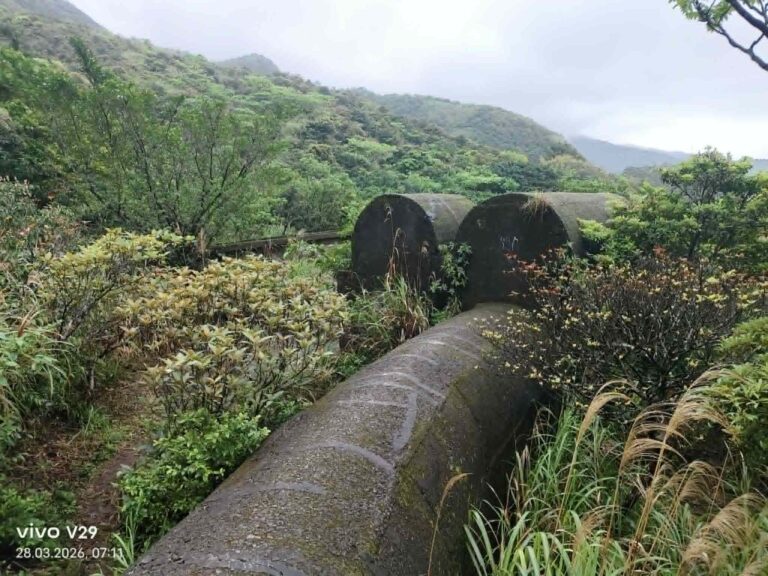
As the post goes on, you will understand this sentence. This post does not feature spectacular photos or semi-suicidal actions, but rather shows what such a search is actually like. It usually begins with looking from a distance for unnatural ridgelines, changes in vegetation, or flat terraces. Can you see them? (View from Silent Hill) This depression runs from the entrance of Tunnel No. 6 (in the direction of view) toward an old railway tunnel. Remains of rails can still be seen at both locations. On the left-hand side are large concrete blocks, presumably the remains of collapsed houses. In the

Read More »

The structure of mines

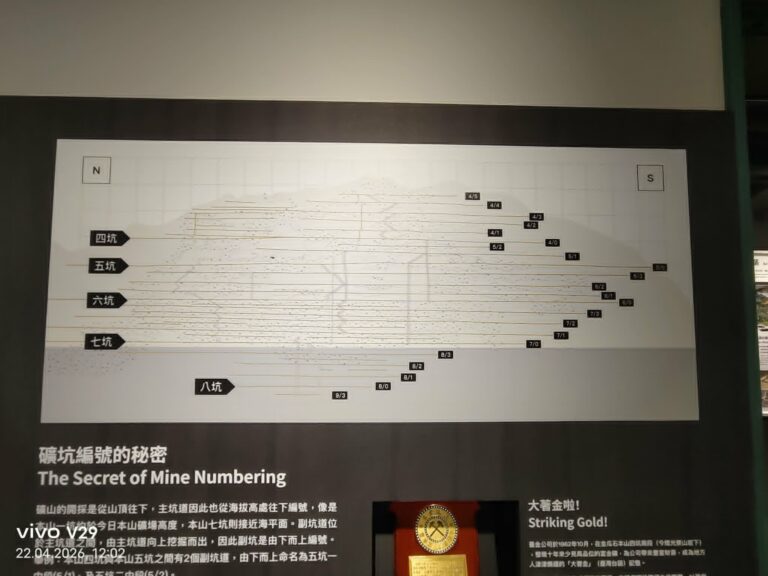
2026/5/31 very dangerous (collapse, snakes, green frogs, get lost, heavy metal contamination, please read the explanation at the end of this text) After a tour of the smelter, I went to the Gold Museum and took a photo of this diagram. It looked quite confusing and hard to understand. Then I had everything translated and discussed it with Professor ChatGPT. As the professor himself points out, I should verify everything—which I do. So far, the professor has been right. (Jinguashi Museum) The Secret of Mine Numbering Here the translation of the text above: Mining in the deposit proceeds from the top

Read More »

In the backyard

in process (very dangerous, snakes, hornets, risk of collapse, toxic inside the flues, arsenic) I am morbidly fascinated by the mines, tunnels, and flues behind the Shuinandong Smelter. From the funicular railway or Liukeng Slope Ropeway (六坑斜坡索道), it’s not that hard to find some tunnels, old buildings, and mines. You can already get a first overview using Google Maps. The rest is basically old-fashioned legwork and a bit of effort with a machete. It started off quite nicely, with a few tracks—some well preserved, others less so. (Thanks to the Jinguashi Museum) Along the sides, you can make out the remains

Read More »

Striking

edit: 2026/7/17 toxic (arsenic), snakes in the higher levels, unstable ground, green frogs with very low tolerance One of Taiwan’s most well-known landmarks is the Thirteen Levels, a large site on the northern coast. It is already noticeable from the road, but can actually be seen from many different viewpoints. The area consists of two parts. In the evening, they are illuminated with floodlights. From the road, on the right, there are several workshops and processing facilities—you can still smell strong chemicals there. On the left are the Thirteen Levels, named after the fact that the facilities were once arranged across

Read More »

Cement—and more and more cement!

ed. 2026/7/11 This is a very good place to get an introduction to cement production. Located on the way to Ali Mountain, it makes for a nice stop for families. Children can easily understand how cement is made here—well, maybe not in every single area. Reminder: During my recent visits, it was evident that many entrances and structures were heavily corroded by rust. Climbing up has become risky. The owner is also cordoning off more and more areas. (Packing station, cement silo, clinker silo) You can spot the cement silos from far away. It’s a former cement factory that has now

Read More »

Lose Yourself in the View

ed. 2026/3/1 It’s not really a vanished or enchanted place. The road and the ruins at its end are considered an excursion destination, even if the beginning of the road is somewhat steep. On the way up, you can see the endless concrete plants—some modern, others decaying. This is where the stone used to be delivered. Along the way, you can repeatedly see the pylons of the cable car. A few kilometers further uphill, you encounter the first non-human beauty: the turning station of a cable car. A few photos to get pleasantly lost in. Lets interrupt for some explanations: Anpingkeng

Read More »

Yongda Coal Mine

2026/1/18 For approximately twenty years, I have been hiking in the Wuliaojiang area. Until now, I had passed by without paying attention to the beauty that reveals itself further on. This is actually quite remarkable, especially given how well preserved the mine remains are. Yongda Coal Mine (永達煤礦礦坑口遺跡) is located in Sanxia District, New Taipei City, and was first established on 9 August 1919 by Lin Kaijun. Several structures can still be found along the sides of the site. The history is short. 1942, the mining area was expanded to 235,040 ping. After trial excavations had confirmed workable seams, preparations were

Read More »

Mines in Miaoli

edited: 2026/7/12 Very dangerous (risk of collapse, snakes) Gongguan Tianyi Mine Gongguan Tianyi Mine (公館添益煤礦) is a forgotten mine in Miaoli, not shown on maps, with no signs or labels. I got the information from a Taiwanese postman. It is actually located close to a major road, but no one would ever drive into the small entrance. This time, I’ll describe things differently—namely, how I found the individual paths. Most of the time, you end up visiting a place two or more times. On the first visit, you try to get your bearings in an overgrown area. It sounds easy, but

Read More »

Guofu Mining Site in Hualien

Unfortunately, not much remains of the old mining area. At the entrance of the Sakura Trail, you can still see two large buildings where the rock was once loaded onto trucks. These solid structures are still in good condition, though heavily overgrown. From inside, you can look up and still see the holes in the ceiling, through which the rock was dumped down from the upper transport route for loading. If you walk around the building, you will find the remains of the old transport path at the back. The modern trail doesn’t exactly follow the original route. You can also

Read More »