Category: Abandoned Industrial Sites

Posts

Addicted to Cement?

I could already see this beauty from an elevated road. As someone addicted to cement, of course I became curious — but it took a while before I found access. This is the outer area visible from the road. You can climb into it a little, but it is terribly unstable. And there I saw the beauty. But I had to look for another way and passed an old garage. Obviously, the company has been closed for ages. The entrance shows neither a name nor a warning sign. Inside, everything is heavily overgrown. Somehow romantic, snakes are mating. Like in Goethe’s

Read More »

In the backyard

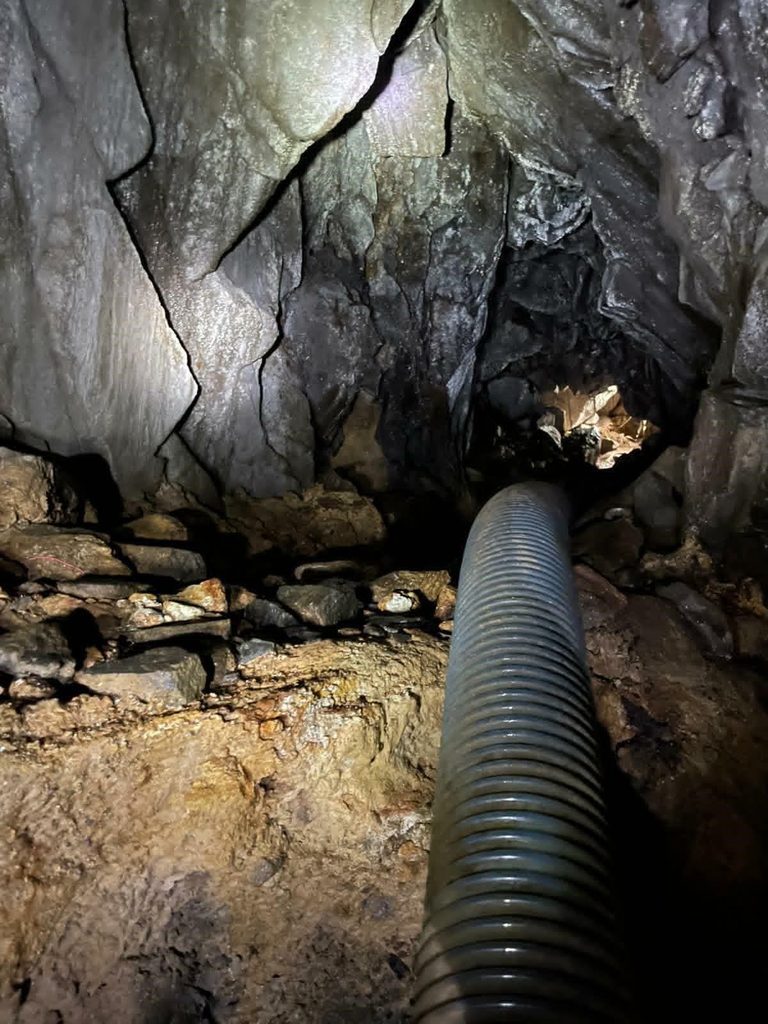
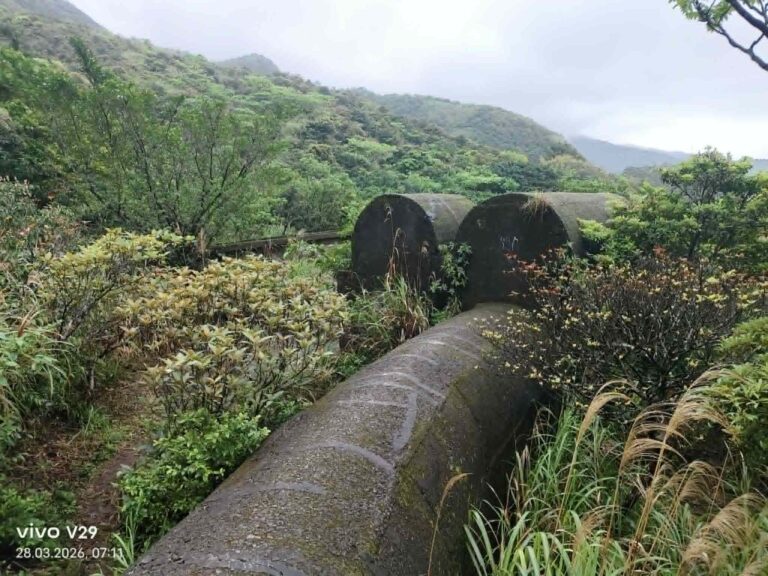
in process (very dangerous, snakes, hornets, risk of collapse, toxic inside the flues, arsenic) I am morbidly fascinated by the mines, tunnels, and flues behind the Shuinandong Smelter. From the funicular railway or Liukeng Slope Ropeway (六坑斜坡索道), it’s not that hard to find some tunnels, old buildings, and mines. You can already get a first overview using Google Maps. The rest is basically old-fashioned legwork and a bit of effort with a machete. It started off quite nicely, with a few tracks—some well preserved, others less so. (Thanks to the Jinguashi Museum) Along the sides, you can make out the remains

Read More »

From a lost place to a theme park

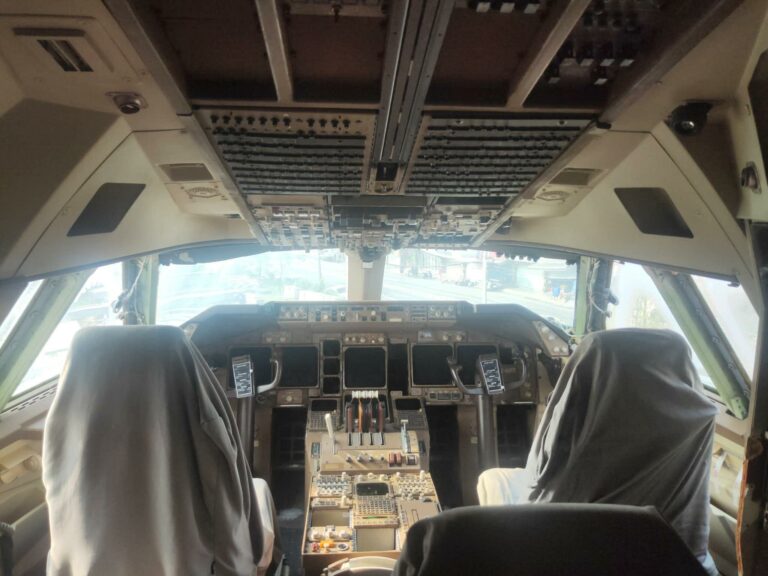
still in process At first, I thought it was an aircraft graveyard, since the planes are definitely decommissioned. The owner cleared things up for me in a very interesting 90-minute conversation. It’s a very large site in Guanyin that is privately owned. The owner used to fence it off, but that didn’t really stop people, so he eventually gave up—now it’s only monitored by cameras. He doesn’t mind visitors. He just asks that people check in with him first. If he has time, he’ll even show them around the aircraft. However, he’s had trouble with drunk visitors. He does take legal

Read More »

Striking

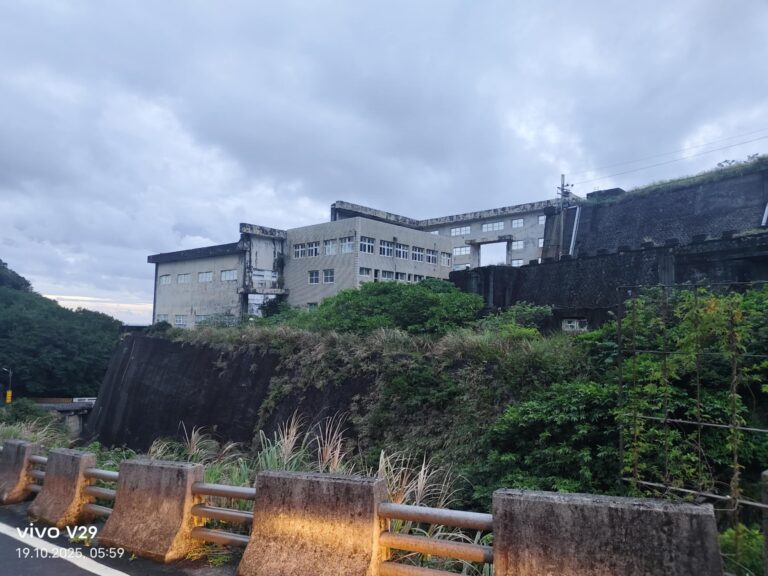
edit: 2026/5/4 toxic, snakes in the higher levels, unstable ground, green frogs One of Taiwan’s most well-known landmarks is the Thirteen Levels, a large site on the northern coast. It is already noticeable from the road, but can actually be seen from many different viewpoints. The area consists of two parts. In the evening, they are illuminated with floodlights. From the road, on the right, there are several workshops and processing facilities—you can still smell strong chemicals there. On the left are the Thirteen Levels, named after the fact that the facilities were once arranged across 13 levels, 18 levels in

Read More »

Not lost yet — but perhaps soon.

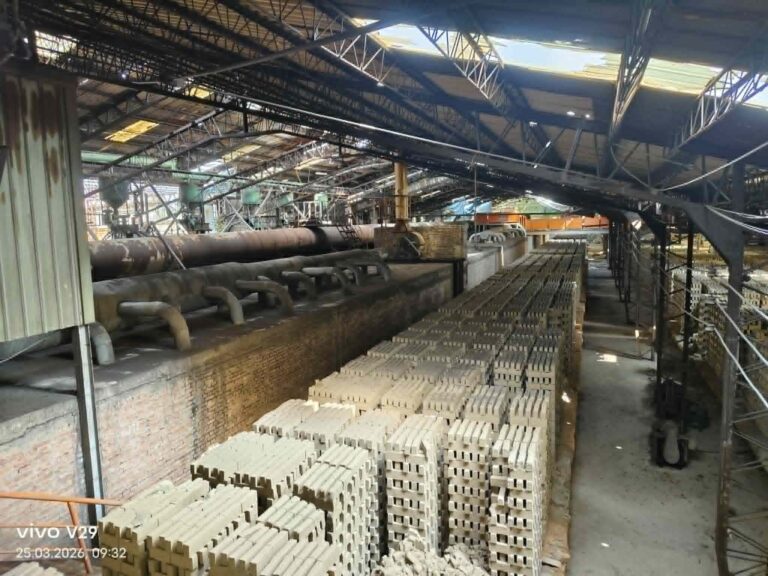
My last visit left me feeling sad. I used to come to this brick factory often with my children. About seven years ago, production was shut down and the site was turned into a demonstration factory. One of the owners hoped it could survive as an industrial museum. However, visitor numbers were too low, and there was no government support. During the last earthquake, the long kiln was partially destroyed. Now the owner will likely have to sell the factory in the coming months. The front part is still well preserved, while the rear section is more suited for the adventurous.

Read More »

Lose Yourself in the View

ed. 2026/3/1 It’s not really a vanished or enchanted place. The road and the ruins at its end are considered an excursion destination, even if the beginning of the road is somewhat steep. On the way up, you can see the endless concrete plants—some modern, others decaying. This is where the stone used to be delivered. Along the way, you can repeatedly see the pylons of the cable car. A few kilometers further uphill, you encounter the first non-human beauty: the turning station of a cable car. A few photos to get pleasantly lost in. Lets interrupt for some explanations: Anpingkeng

Read More »

Socialize the costs, privatize the profits

ed. 2026/6/11 risky, holes, stray dogs, green frogs The site is linked to the company Yu-Hong Technology (宇鴻科技), formerly known as Kun-Ye Incineration Plant (坤業焚化廠). The facility was investigated due to environmental issues and violations, which led to orders for its shutdown and subsequent cleanup measures. It has been closed since 2018, following a 2015 directive issued because of pollution in the Shenmei Pond. It is a typical example of the weak environmental awareness and negligence of government authorities in earlier years. (An earlier photo — the technical installations on the left have already been removed. https://www.chinatimes.com/realtimenews/20230131003926-260402?chdtv) Investigations by environmental agencies

Read More »

Skeleton

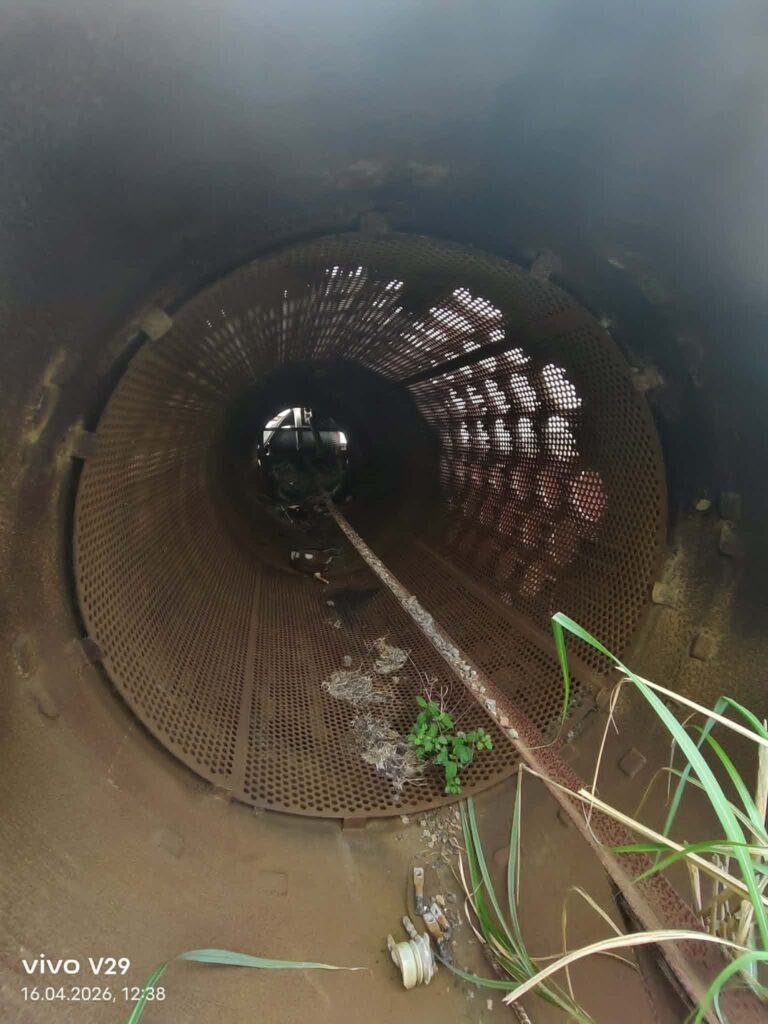
It’s hard to tell what was once extracted here — sand or gravel. I saw the large machines from the highway exit, but it took me quite some time to find an entrance through an abandoned garden. The rusty conveyor belts stretch into the sky like arms, and the whole area is heavily overgrown. This would also make a great setting for a post-apocalyptic film. The excavated material that can still be seen suggests it was more likely sand. (like a Skeleton) Everything is still easily accessible; with a bit of caution, you can even climb onto the structures. The center

Read More »

Only a bit of arsenic

hazardous to health ed. 2026/2/24 Another relic from the golden age is the Lile Copper Refinery. Some buildings can still be seen from the road, but much of it has been demolished. The surrounding environment contrasts sharply with the pollution caused. The company operated at a time when environmental awareness was low. For a long time, it was the starting point for hikes to Stegosaurus Ridge and other locations. Today, the entrance is guarded, and hikers look for ways to bypass the company, partly through the Banping River estuary below. The area is now announced as a soil pollution remediation site

Read More »

I almost shit my pants

Dangerous (unstable, corroded) Ed. 2026/2/7 The Taiwan Cement Kaohsiung Plant is a facility of Taiwan Cement located near Shoushan in Gushan District, Kaohsiung. Its predecessor was the Kaohsiung factory of Asano Cement Co., Ltd., and it was the first modern large-scale cement plant in Taiwan. The factory began production in 1917. After World War II, in April 1946, the plant was taken over by the Cement Supervisory Committee. In May 1946, Taiwan Cement Corporation was established, and the Kaohsiung Plant became part of it. However, on November 27, 1992, the Kaohsiung Plant ceased quarrying limestone from Shoushan due to the expiration

Read More »