The transition
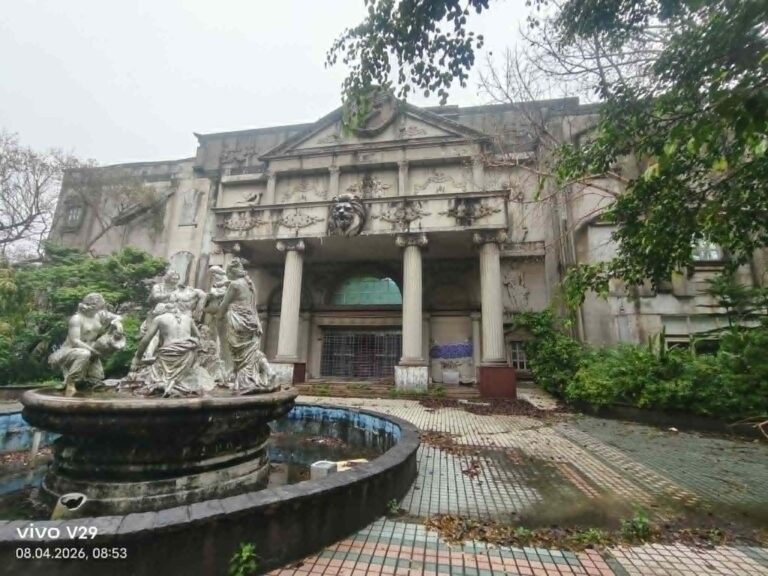
It was more by coincidence that Mr. X found these buildings. It is a connected complex consisting of several hotels. In the past, it must have been quite an attractive place. Today, however, it has been completely left to decay. This is related to the general development of domestic tourism and the trouble during transition in Taiwan. The rain was too heavy, and everything downstairs was so dirty that Mr. X did not feel like going inside. The lower complex is a large hotel, while the upper section is more resort-like, with a swimming pool. It must once have been a
The garbage indicator
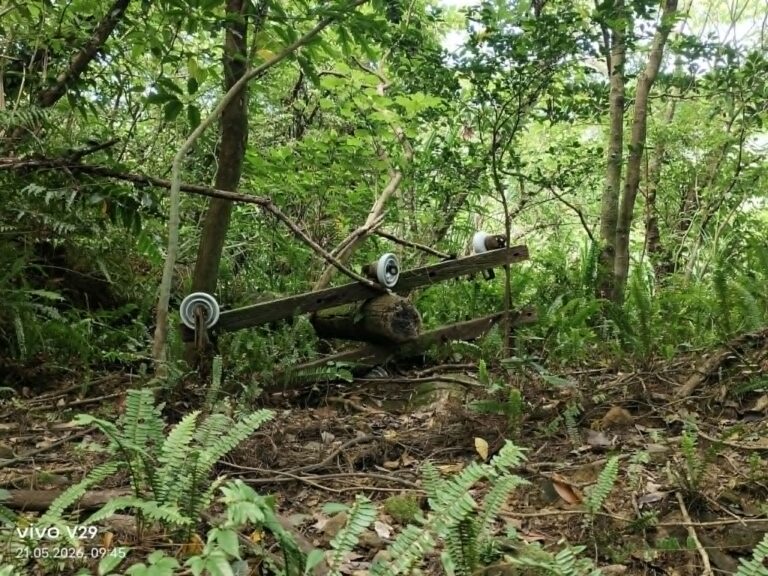
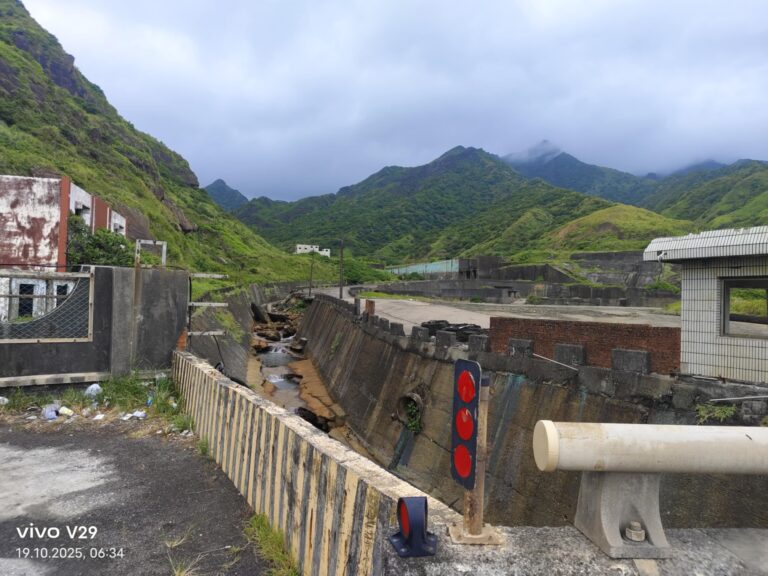
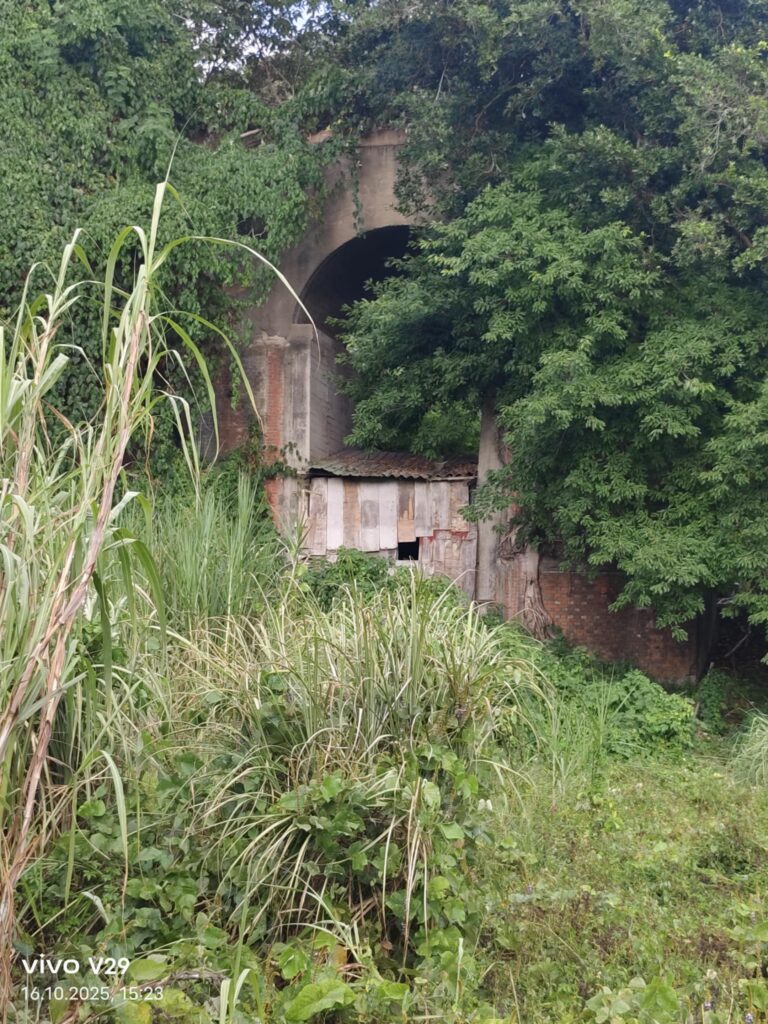
As the post goes on, you will understand this sentence. This post does not feature spectacular photos or semi-suicidal actions, but rather shows what such a search is actually like. It usually begins with looking from a distance for unnatural ridgelines, changes in vegetation, or flat terraces. Can you see them? (View from Silent Hill) This depression runs from the entrance of Tunnel No. 6 (in the direction of view) toward an old railway tunnel. Remains of rails can still be seen at both locations. On the left-hand side are large concrete blocks, presumably the remains of collapsed houses. In the
Addicted to Cement?
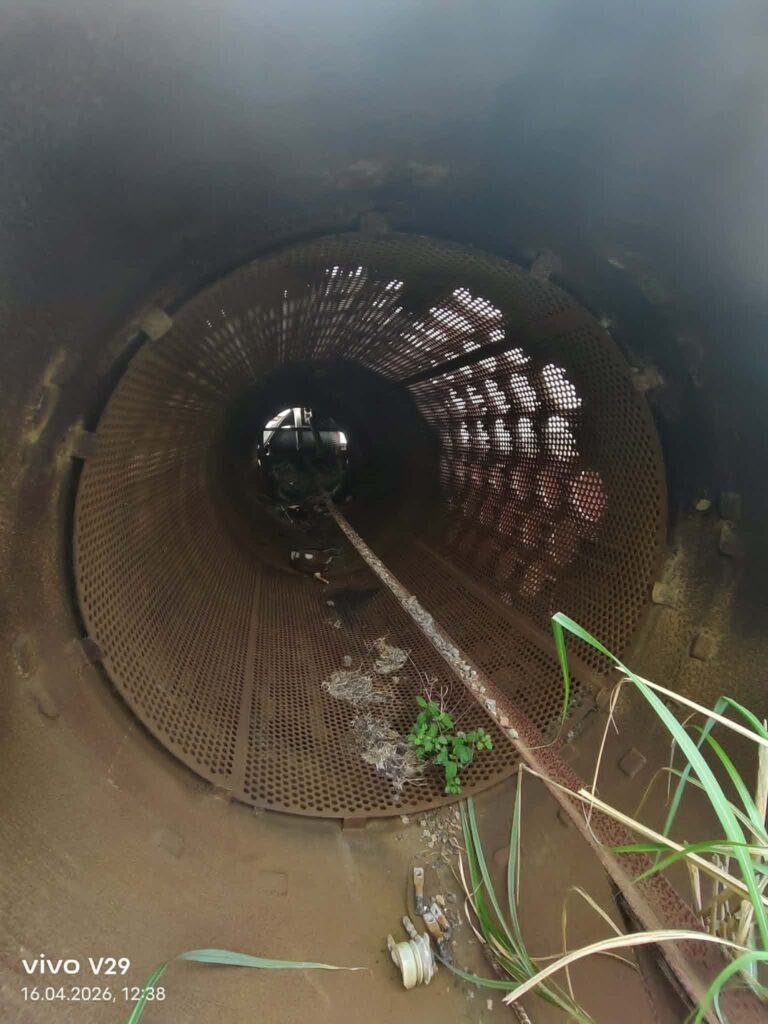
I could already see this beauty from an elevated road. As someone addicted to cement, of course I became curious — but it took a while before I found access. This is the outer area visible from the road. You can climb into it a little, but it is terribly unstable. And there I saw the beauty. But I had to look for another way and passed an old garage. Obviously, the company has been closed for ages. The entrance shows neither a name nor a warning sign. Inside, everything is heavily overgrown. Somehow romantic, snakes are mating. Like in Goethe’s
The structure of mines
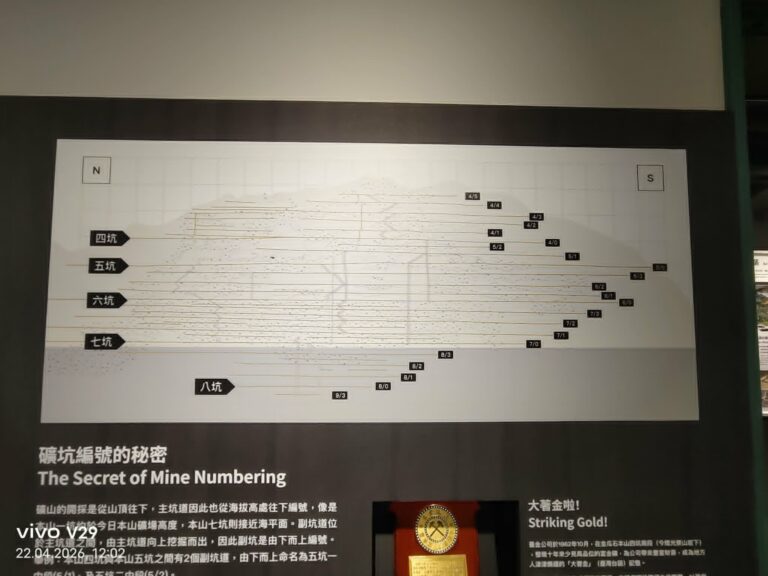
2026/5/31 very dangerous (collapse, snakes, green frogs, get lost, heavy metal contamination) in process After a tour of the smelter, I went to the Gold Museum and took a photo of this diagram. It looked quite confusing and hard to understand. Then I had everything translated and discussed it with Professor ChatGPT. As the professor himself points out, I should verify everything—which I do. So far, the professor has been right. (Jinguashi Museum) The Secret of Mine Numbering Here the translation of the text above: Mining in the deposit proceeds from the top of the mountain downward.Accordingly, the main adits are
In the backyard
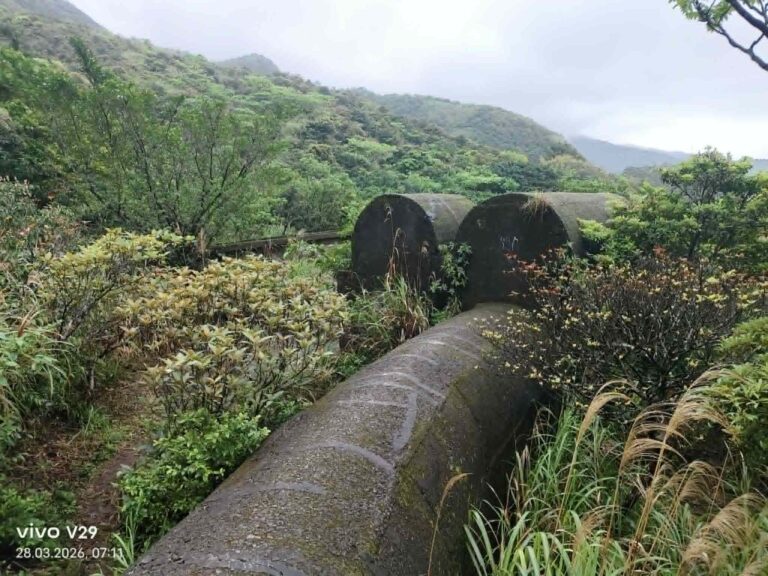
in process (very dangerous, snakes, hornets, risk of collapse, toxic inside the flues, arsenic) I am morbidly fascinated by the mines, tunnels, and flues behind the Shuinandong Smelter. From the funicular railway or Liukeng Slope Ropeway (六坑斜坡索道), it’s not that hard to find some tunnels, old buildings, and mines. You can already get a first overview using Google Maps. The rest is basically old-fashioned legwork and a bit of effort with a machete. It started off quite nicely, with a few tracks—some well preserved, others less so. (Thanks to the Jinguashi Museum) Along the sides, you can make out the remains
From a lost place to a theme park
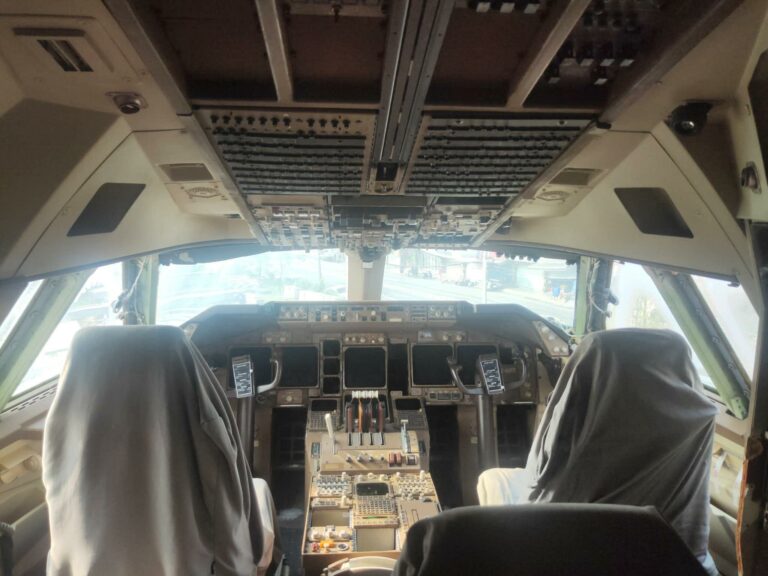
still in process At first, I thought it was an aircraft graveyard, since the planes are definitely decommissioned. The owner cleared things up for me in a very interesting 90-minute conversation. It’s a very large site in Guanyin that is privately owned. The owner used to fence it off, but that didn’t really stop people, so he eventually gave up—now it’s only monitored by cameras. He doesn’t mind visitors. He just asks that people check in with him first. If he has time, he’ll even show them around the aircraft. However, he’s had trouble with drunk visitors. He does take legal
A Journey Back in Time to Taichung’s Amusement Parks
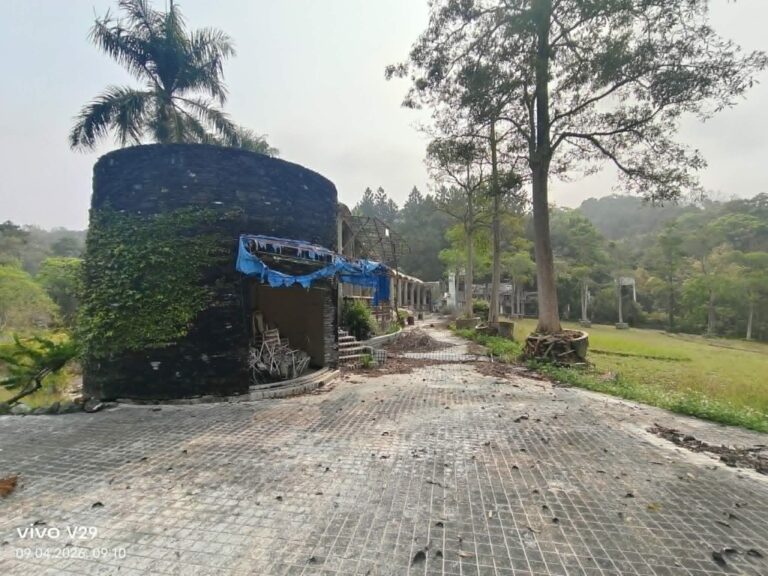
Encore Garden Encore Garden (亞哥花園), located in the Dakeng Scenic Area of Beitun District, Taichung, is a now-closed amusement park and was Taiwan’s first European-style garden-themed amusement park. It was once one of the major recreational destinations in Taiwan and ranked among the top ten privately operated amusement parks for many years. (The entrance today) The park was known for its wide variety of flowers and exotic trees, as well as Taiwan’s only nighttime water dance show and water-screen movie at the time. It also featured amusement rides and live theater performances, including singing and dancing. Encore Garden was founded in
Striking
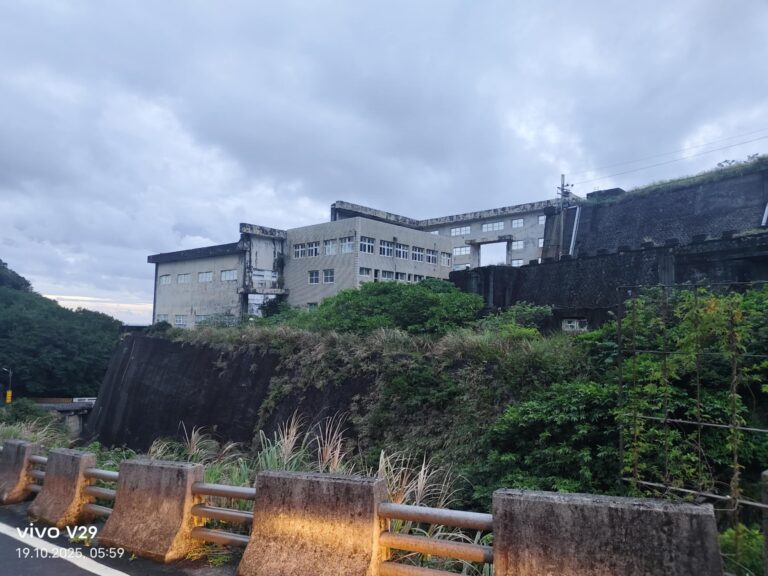
edit: 2026/5/4 toxic, snakes in the higher levels, unstable ground, green frogs One of Taiwan’s most well-known landmarks is the Thirteen Levels, a large site on the northern coast. It is already noticeable from the road, but can actually be seen from many different viewpoints. The area consists of two parts. In the evening, they are illuminated with floodlights. From the road, on the right, there are several workshops and processing facilities—you can still smell strong chemicals there. On the left are the Thirteen Levels, named after the fact that the facilities were once arranged across 13 levels. Today, it is
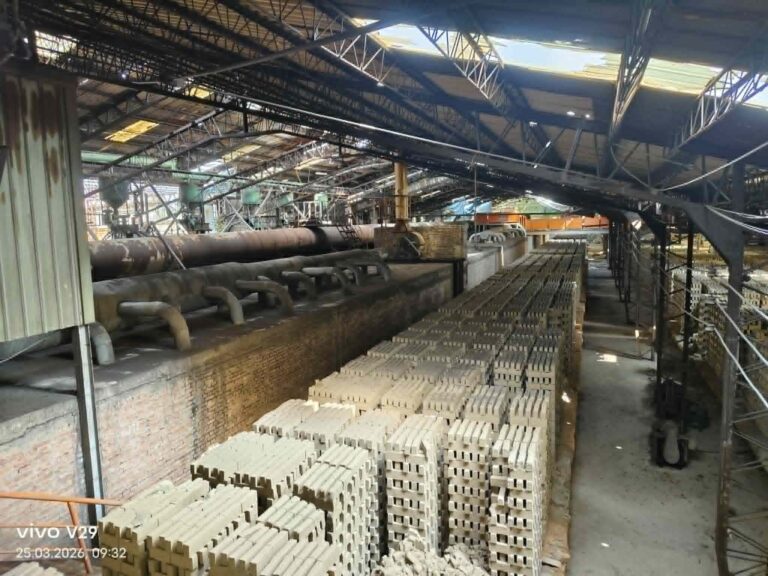
Not lost yet — but perhaps soon.
My last visit left me feeling sad. I used to come to this brick factory often with my children. About seven years ago, production was shut down and the site was turned into a demonstration factory. One of the owners hoped it could survive as an industrial museum. However, visitor numbers were too low, and there was no government support. During the last earthquake, the long kiln was partially destroyed. Now the owner will likely have to sell the factory in the coming months. The front part is still well preserved, while the rear section is more suited for the adventurous.
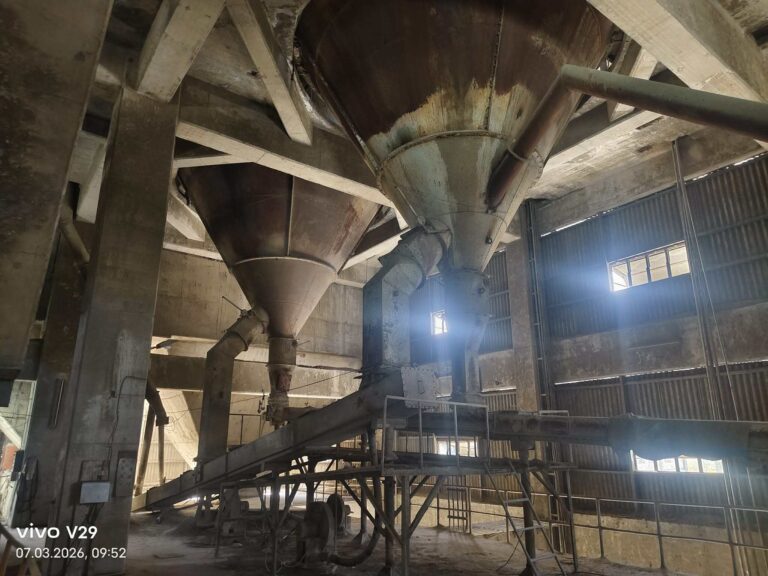
Cement—and more and more cement!
2026/3/22 This is a very good place to get an introduction to cement production. Located on the way to Ali Mountain, it makes for a nice stop for families. Children can easily understand how cement is made here—well, maybe not in every single area. (Packing station, cement silo, clinker silo) You can spot the cement silos from far away. It’s a former cement factory that has now been converted into an exhibition site. The entrance fee is a joke—only 150 per person. Many parts of the facility are open to visitors, though not all areas can be accessed. Some of the
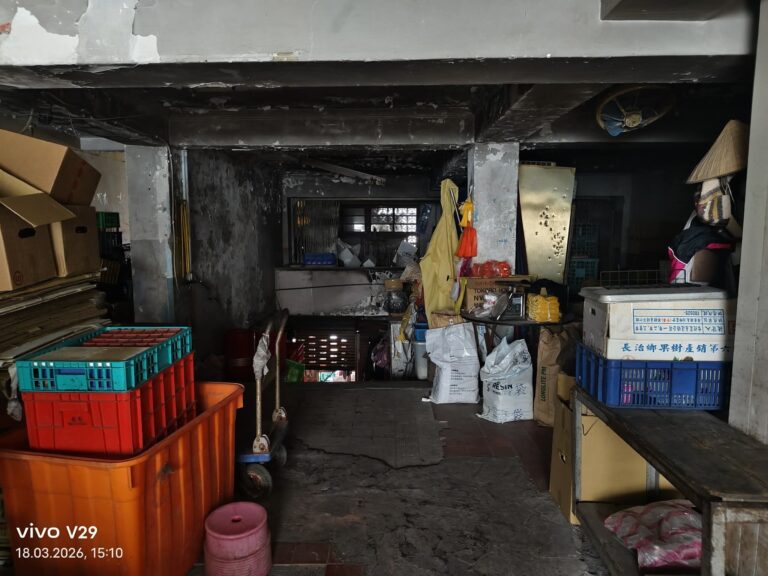
Mei Li (Mylee) and Nack Suk Cao
Ah, I think this sublime love tragedy of modern film history has come to an end, some years before. It certainly won’t be shown in this cinema ((中壢新明戲院)) anymore. Here, fortune favored the diligent—or perhaps the stubborn. I passed by several times, and it seemed impossible to get in. Until one day, a door to the second floor was open. I talked the Vietnamese migrant worker into letting me in. The structure of the cinema is still recognizable. Not everything is exactly safe, of course. The cinema was on the second floor; the third floor was probably a market hall. The
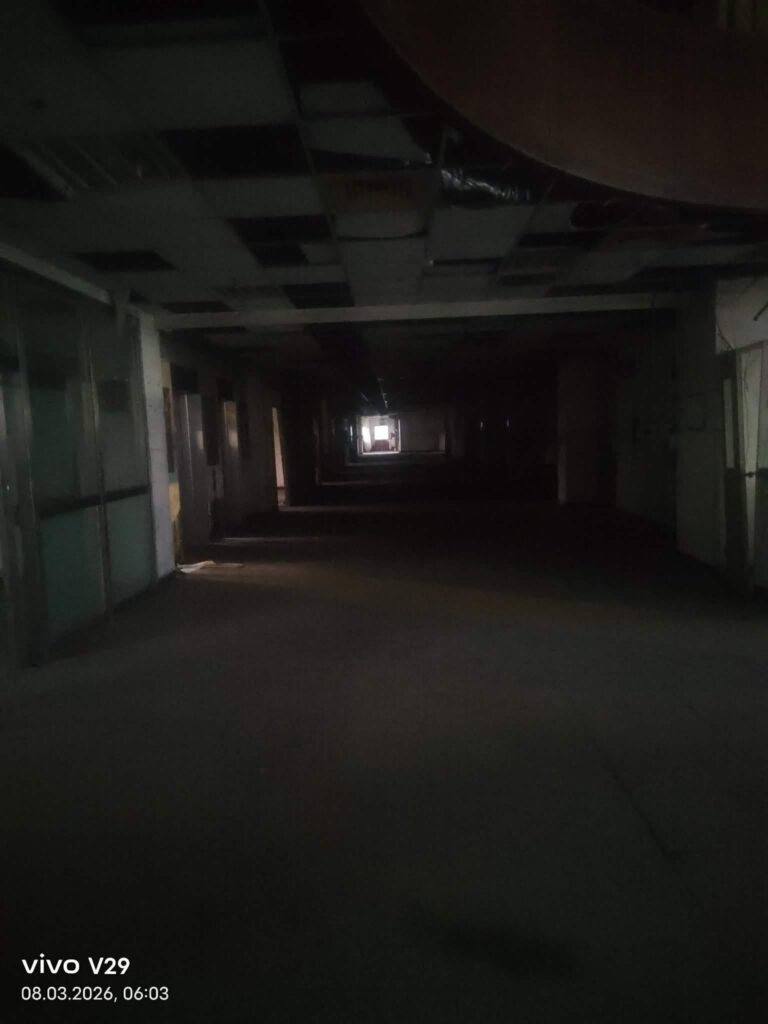
Pursued … Cursed …Haunted…
still in process Hospitals are closely connected with Taiwanese culture, but also with fear. Similar feelings exist in Western culture as well—after all, hospitals are often an inspiring source for horror movie ideas—but this sentiment is even stronger in Taiwan. Taiwanese people tend to avoid places where people have died, especially if the death was unnatural. There is a fear of provoking the anger of the deceased soul or spirit. As a result, no Taiwanese person would normally visit cemeteries or abandoned hospitals—it would be seen as tempting fate. Fortunately, we have Mr. X, who managed to find an entrance. (pharmacy
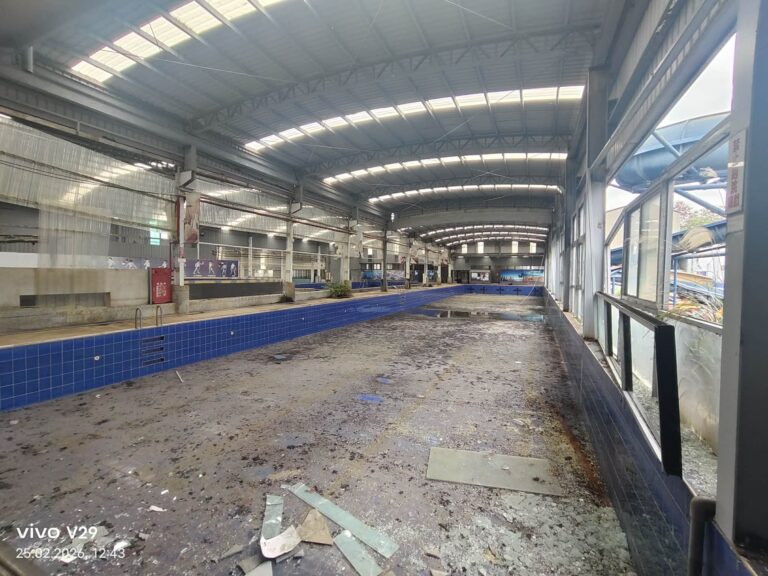
Kindheitserinnerung/Nieces
It is difficult to generate profits with swimming pools because the costs are quite high. This is especially true for traditional pools with long swimming lanes and only limited spa facilities. My nieces learned how to swim at this pool. Unfortunately, the stray dogs there are not very friendly. When we were in the process of adopting my daughter, she went to a swimming pool for the very first time. She just sat on the edge and cried because she was so scared.
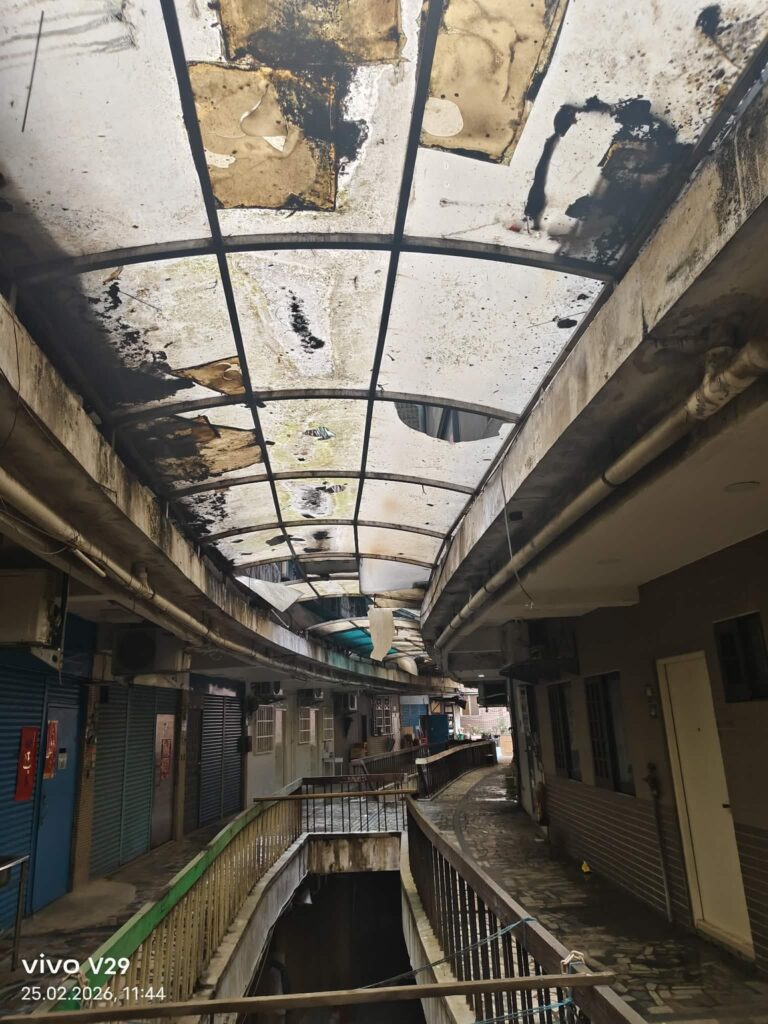
They cannot leave
ed. 2026/4/10 in process Taiwan is a wealthy country that can offer a decent standard of living to many people. Unfortunately, not to everyone. Some places are deeply saddening. Among these sad places are the decaying shopping malls. Most of them were built during the first wave of rapid economic growth in Taiwan. They all share the same story: the buildings aged, new centers were constructed, the area became less attractive, and investment in the properties declined. As a result, fires broke out, accidents increased, and wealthier tenants moved away. It is usually a vicious cycle. People from more vulnerable social
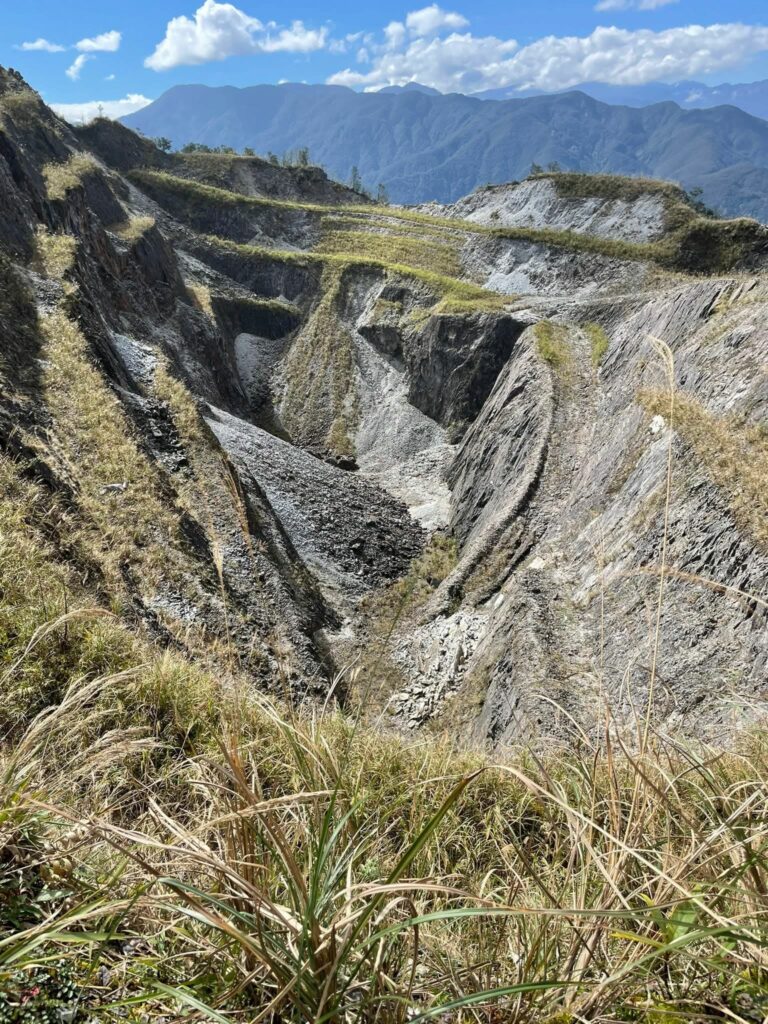
Lose Yourself in the View
ed. 2026/3/1 It’s not really a vanished or enchanted place. The road and the ruins at its end are considered an excursion destination, even if the beginning of the road is somewhat steep. On the way up, you can see the endless concrete plants—some modern, others decaying. This is where the stone used to be delivered. Along the way, you can repeatedly see the pylons of the cable car. A few kilometers further uphill, you encounter the first non-human beauty: the turning station of a cable car. A few photos to get pleasantly lost in. Lets interrupt for some explanations: Anpingkeng
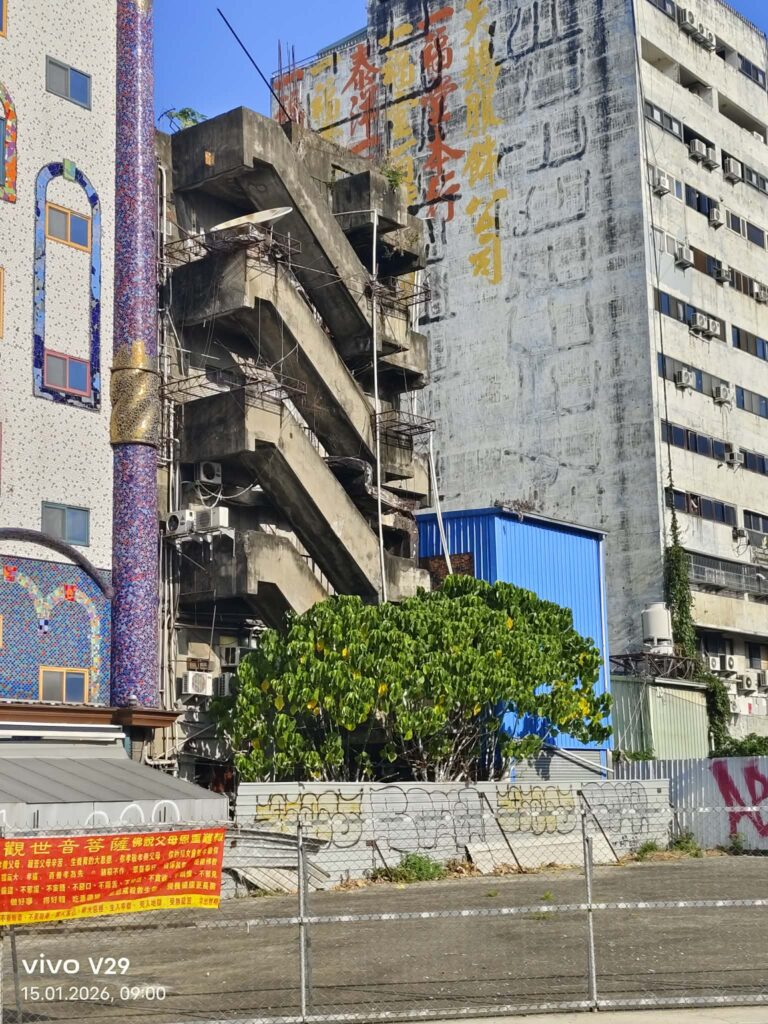
Taichung: Between Decay and Modernity, a Jewel of Ugliness
ed. 2026/5/10 Once again, pure clickbait — but I genuinely love Taichung. It is both the most modern city and the most decayed one. And I love it for exactly that. (Modern architecture, as Taichung likes to present itself) Taichung is home to Taiwan’s most famous truly haunted building (or ghost house, the Chien-Yueh Building, 千越大樓). This ugliness—or beauty, which is really a philosophical question—lies just two minutes from the main railway station. After all, the building has even made it into the Taiwan Cultural Memory Bank. Originally operating as the Chien-Yueh Department Store, it once housed Taichung’s first ice-skating rink
Yongda Coal Mine
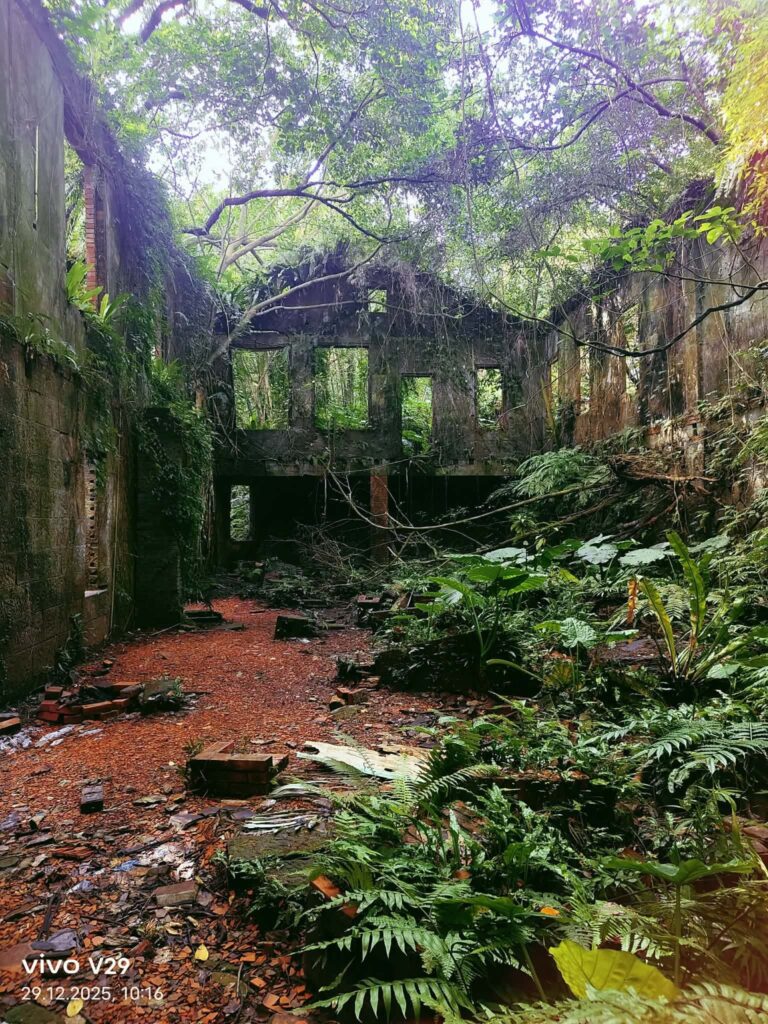
2026/1/18 For approximately twenty years, I have been hiking in the Wuliaojiang area. Until now, I had passed by without paying attention to the beauty that reveals itself further on. This is actually quite remarkable, especially given how well preserved the mine remains are. Yongda Coal Mine (永達煤礦礦坑口遺跡) is located in Sanxia District, New Taipei City, and was first established on 9 August 1919 by Lin Kaijun. Several structures can still be found along the sides of the site. The history is short. 1942, the mining area was expanded to 235,040 ping. After trial excavations had confirmed workable seams, preparations were
Unstable
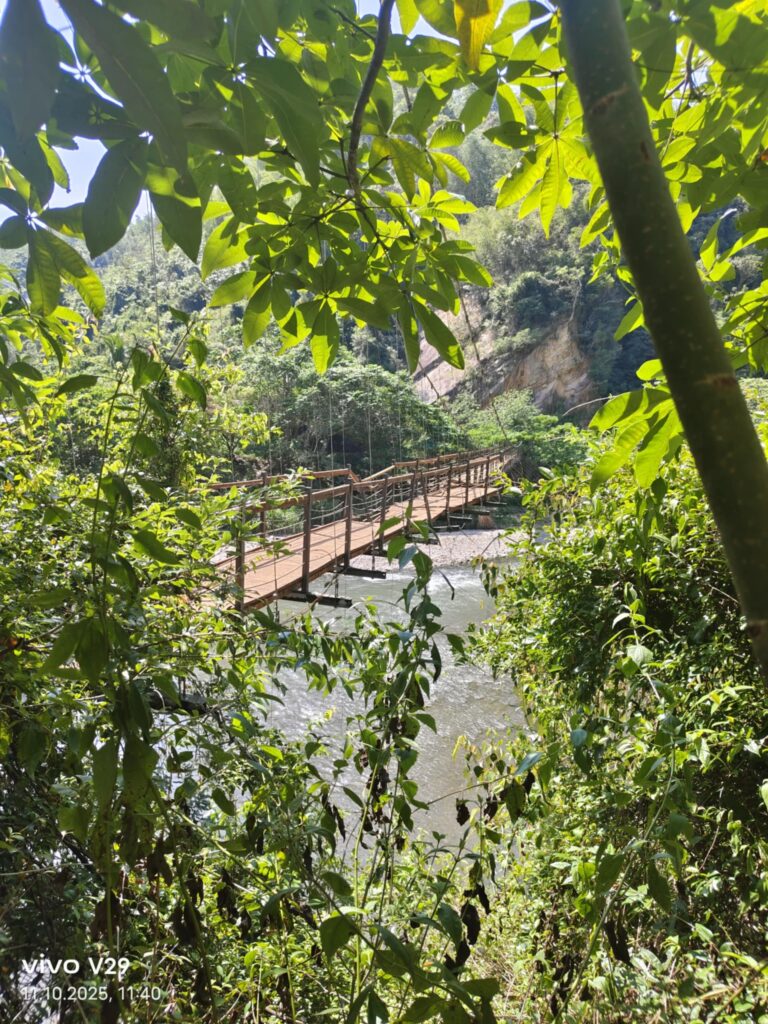
(very dangerous, risk of collapse) Puli Guanyin Bridge (觀音吊橋) is a beautiful place that gives an idea of how remote Puli once was. There is surprisingly little information available about this bridge and the surrounding area. I first saw this beautiful bridge two years ago, but because I had an injured leg, I didn’t dare to cross it. This time, however, I had to try. The connection to the road has already broken away, which makes everything very unstable. I spent some time on the bridge; at the beginning it was still quite okay. But the closer I got to the
Little Switzerland is bankrupt
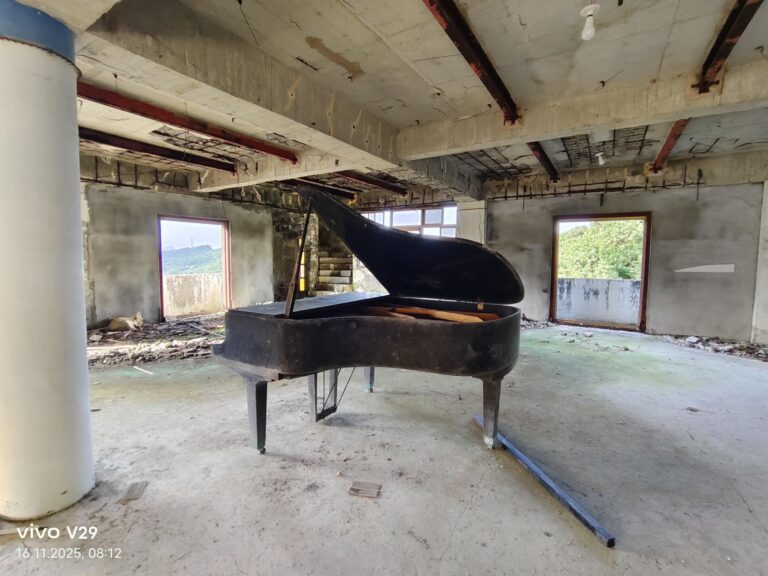
Deep in the mountains of Xizhi stands a castle known as Swiss Villa (瑞士花園廣場) that has been abandoned for more than 20 years, along with an entire row of dilapidated townhouses. The scene is bleak and unsettling. Yet the villa community itself consists of 189 households, and many people still live there today.It is probably the most well-known and easily accessible “ghost house” area in New Taipei City. Even now, one can sense how many hopes and expectations were once invested in this formerly very expensive community. The architecture evokes a strange mix of fake Switzerland, Baroque elements, and a Black
Der Fisch ist nicht mehr frisch
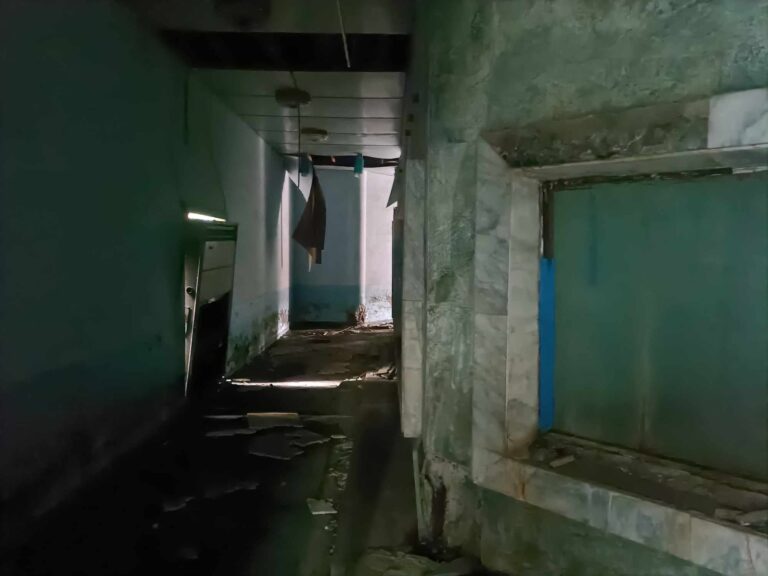
Unfortunately, I can no longer find any information about this aquarium in the outskirts of Kaohsiung. It’s an impressive building. What a pity. It was not difficult at all. A large hole in the door has become the place where one may now collect a formal invitation to enter. When I stepped inside, my leg was still badly injured, an open wound making it hard for me to move properly. I could not enter easily. Heavy rain was falling. Water dripped everywhere, and everything seemed rusted.Dear friends of decay, please forgive my timidity. (Please pick up your invitation) New visit Since
Dark Humor
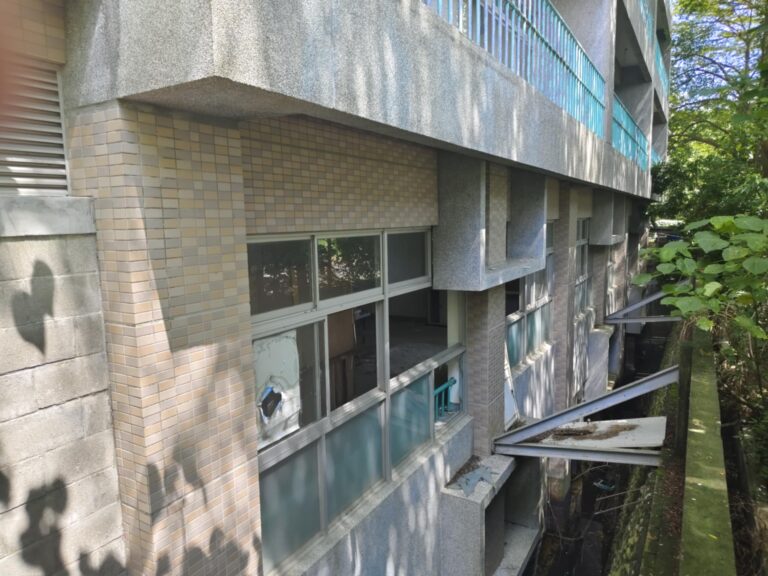
Risky (dogs, snakes), visitors not welcome Getting inside this place was not easy. It was a real challenge and cost me a lot of time — more on that later. Tainan City Private Huaji Yong’an Senior High School (often simply called Huaji High School) was located in the remote Dongshan District. Due to the impact of declining birth rates, the school eventually ceased operations. In June 2022, the Ministry of Education’s K-12 Education Administration ordered the school’s foundation to complete the legal dissolution procedures. The school began in 1969 as the Private Juguang Industrial & Commercial Vocational School, focusing on Mechanical
Tainan: Last haunted house
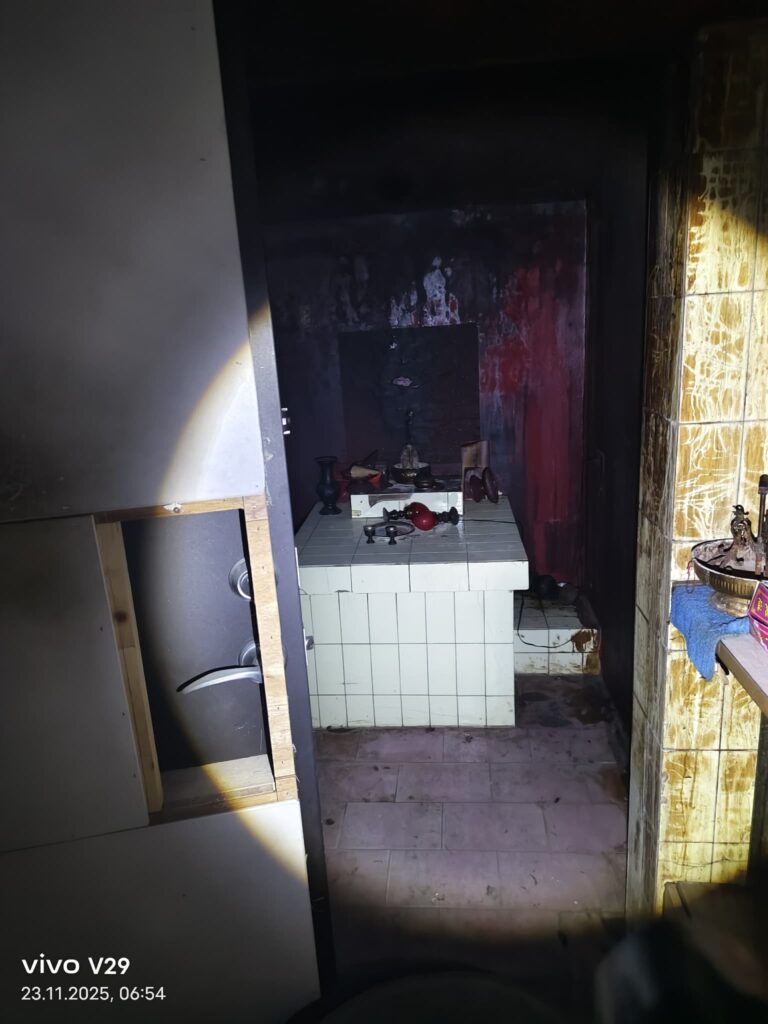
Dangerous (holes in the floor, many unstable areas) I actually came across this place by coincidence and saw this beautiful structure calling out to be explored. It took me quite some time. At first, it seemed easy—the front door was open to some small shops. But unfortunately, it didn’t lead properly into the building. So I walked around and climbed onto the scaffolding, which wasn’t put up for renovation but simply for safety, to protect people from falling debris caused by the building’s deterioration. But since we are the best Lost places page, I eventually found an entrance. It was a
The gods are watching you in secret …
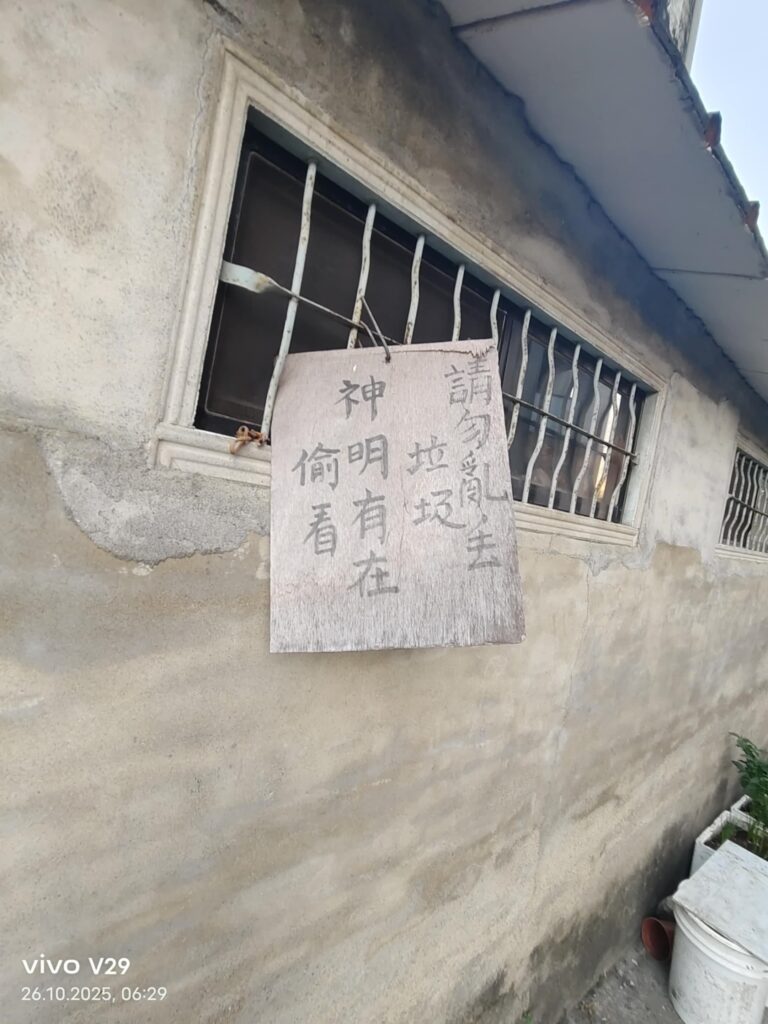
— do not throw away any trash. The Xiluo Theater (西螺大戲院) is located in the East Market area of Xiluo Township. It ceased operations around the 1980s and is now considered one of the best-known lost places in the area — and quite easy to access. The building can be explored with caution, but never during heavy rain or strong winds. It is not maintained, and sections of the roof could collapse without warning. The predecessor of the Xiluo Theater was Xiluo-za, first built during the Japanese colonial period in the 1930s. It was reconstructed in 1937 as a two-story building
A Man’s First Love – Forever
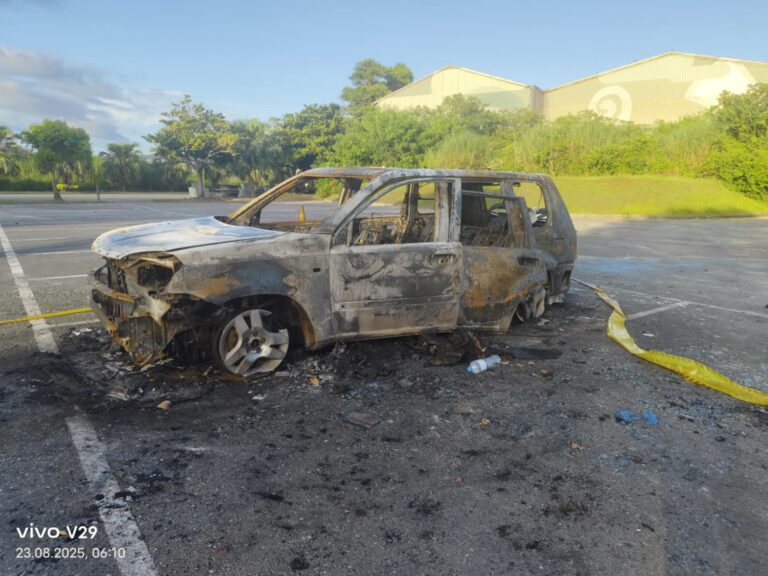
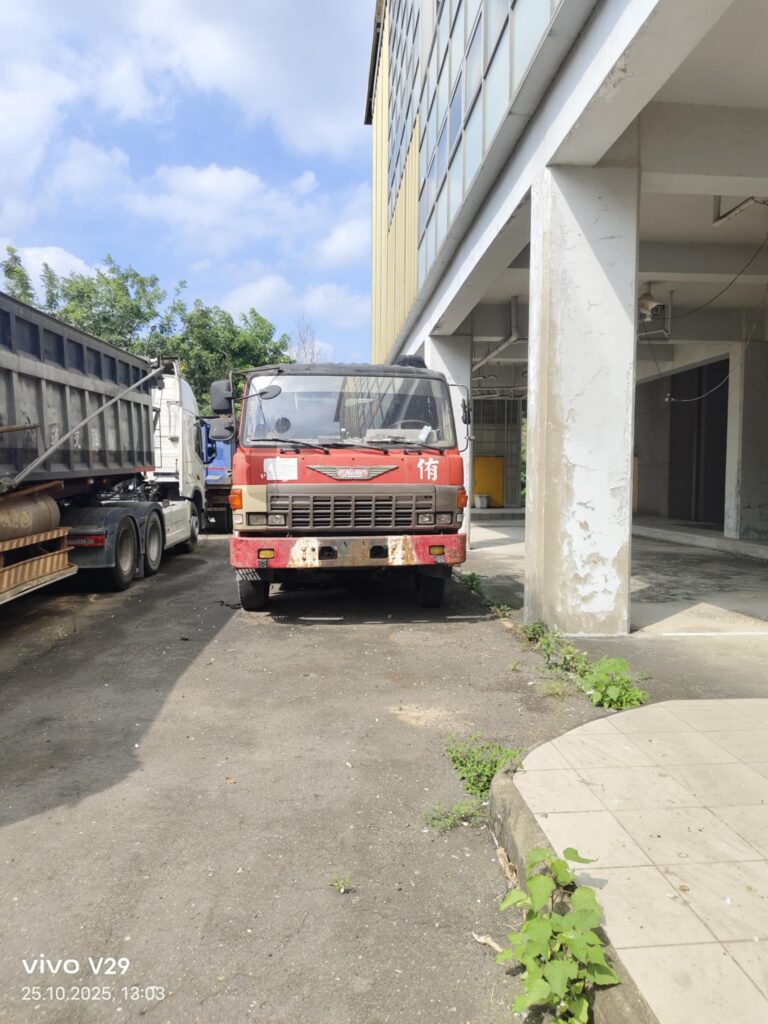
edited: 2026/03/01 Well, maybe not the first love, at least not in some countries—after all, mothers would technically come first. No jokes about Asian mothers please. But let’s not dive too deeply into Freud here. Cars and motorbikes mean a lot to us. Anyone who drives in Taiwan knows the eternal struggle of finding a parking space. Yet, I think this driver is a uniquely creative masterpiece—even by Taiwanese standards of originality. We all know it: the car or the motorcycle accompanies us throughout life. Maybe it’s where we took our first girlfriend for a ride? Maybe the motorbike helped us
Socialize the costs, privatize the profits
in process The site is linked to the company Yu-Hong Technology (宇鴻科技), formerly known as Kun-Ye Incineration Plant (坤業焚化廠). The facility was investigated due to environmental issues and violations, which led to orders for its shutdown and subsequent cleanup measures. It has been closed since 2018, following a 2015 directive issued because of pollution in the Shenmei Pond. It is a typical example of the weak environmental awareness and negligence of government authorities in earlier years. (An earlier photo — the technical installations on the left have already been removed. https://www.chinatimes.com/realtimenews/20230131003926-260402?chdtv) Investigations by environmental agencies revealed serious violations, including the uncontrolled
Skeleton
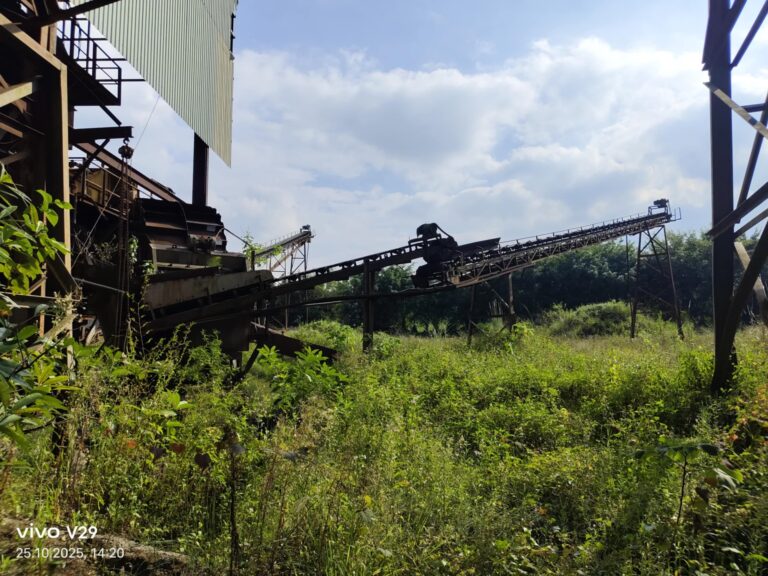
It’s hard to tell what was once extracted here — sand or gravel. I saw the large machines from the highway exit, but it took me quite some time to find an entrance through an abandoned garden. The rusty conveyor belts stretch into the sky like arms, and the whole area is heavily overgrown. This would also make a great setting for a post-apocalyptic film. The excavated material that can still be seen suggests it was more likely sand. (like a Skeleton) Everything is still easily accessible; with a bit of caution, you can even climb onto the structures. The center
Only a bit of arsenic
hazardous to health ed. 2026/2/24 Another relic from the golden age is the Lile Copper Refinery. Some buildings can still be seen from the road, but much of it has been demolished. The surrounding environment contrasts sharply with the pollution caused. The company operated at a time when environmental awareness was low. For a long time, it was the starting point for hikes to Stegosaurus Ridge and other locations. Today, the entrance is guarded, and hikers look for ways to bypass the company, partly through the Banping River estuary below. The area is now announced as a soil pollution remediation site
Old Railway Stations along the Western Trunk Line
ed. 2026/2/24 As a resident of Yangmei, I tend to focus on this part of the line. These are not particularly spectacular photos or classic “lost places,” but they illustrate the development of Taiwan’s railways and the sad fate of many old railway buildings. A common feature along the line is that the railway company built staff housing near its stations—often Japanese wooden houses that are now falling apart. Within twenty years, most of them will probably have decayed completely. The railway itself dates back largely to the Japanese colonial period: The completion in 1908 of the north–south railroad linking Taipei
Still a warning
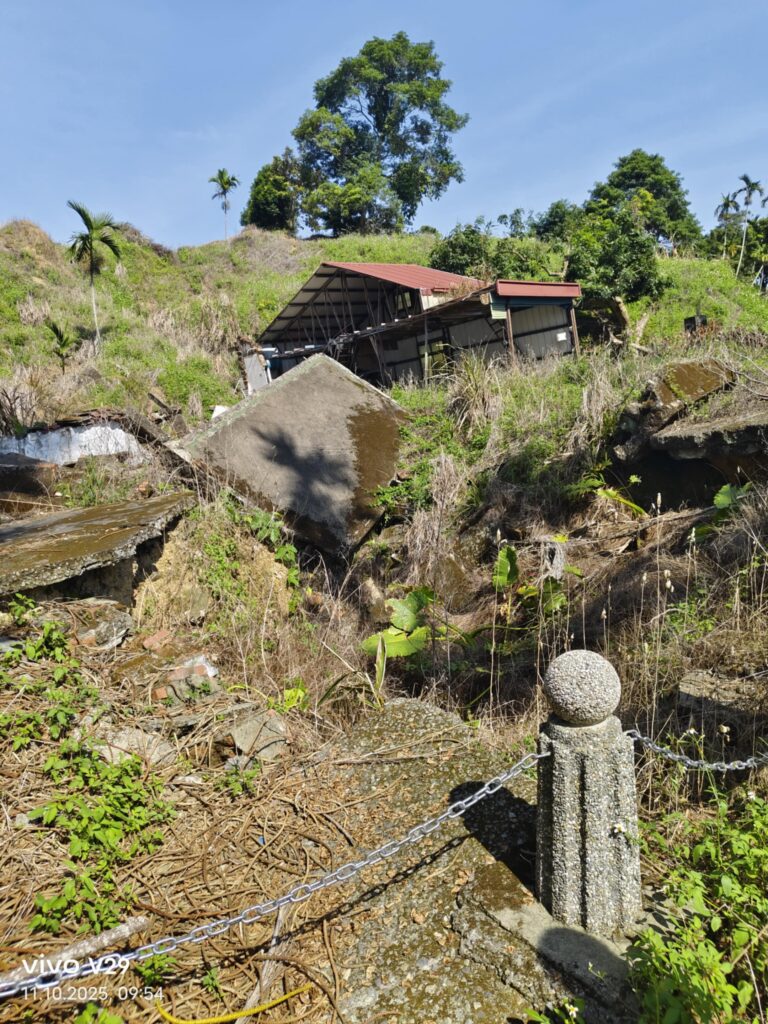
It was Taiwan’s national tragedy in recent history — the Jiji Earthquake, which claimed many lives, destroyed roads and houses, and even affected the global economy. Well known is the Earthquake Museum in Wufeng, while Jiufen Ershan has since faded from memory. It remains an accessible place, yet abandoned in the face of the tragedy that once unfolded here. Jiufen Ershan (九份二山) is located on the border between Hexing Village in Zhongliao Township and Nangang Village in Guoxing Township. The mountain forms the watershed between the Jiucaihu River, a tributary of the Nangang River, and the Pinglin River, a tributary of
No more popcorn?
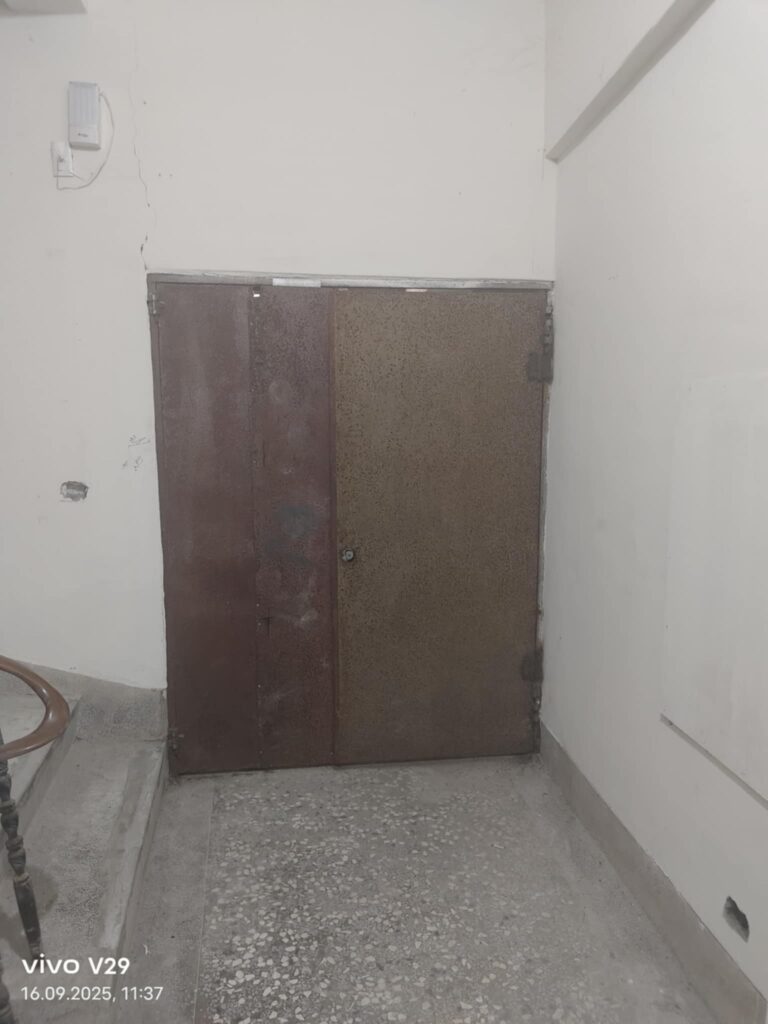
All the praise should really go first to this website: https://spectralcodex.com/hsinchu-guobin-theater/ For a long time, Taiwan had a vibrant cinema culture and even its own film industry. Those days are gone. Old movie theaters can’t compete with modern cinema complexes and Netflix anymore. I don’t want to sound like “grandpa telling war stories,” but I visited three places. Cinema 1: Jinbao TheaterLocated at No. 488, Zhongzheng E. Rd, Zhubei City. The building is still in use—there’s a large arcade on the ground floor. Some construction work seems to be going on. You can enter the building via stairwells, but the cinema