ed. 8/2026
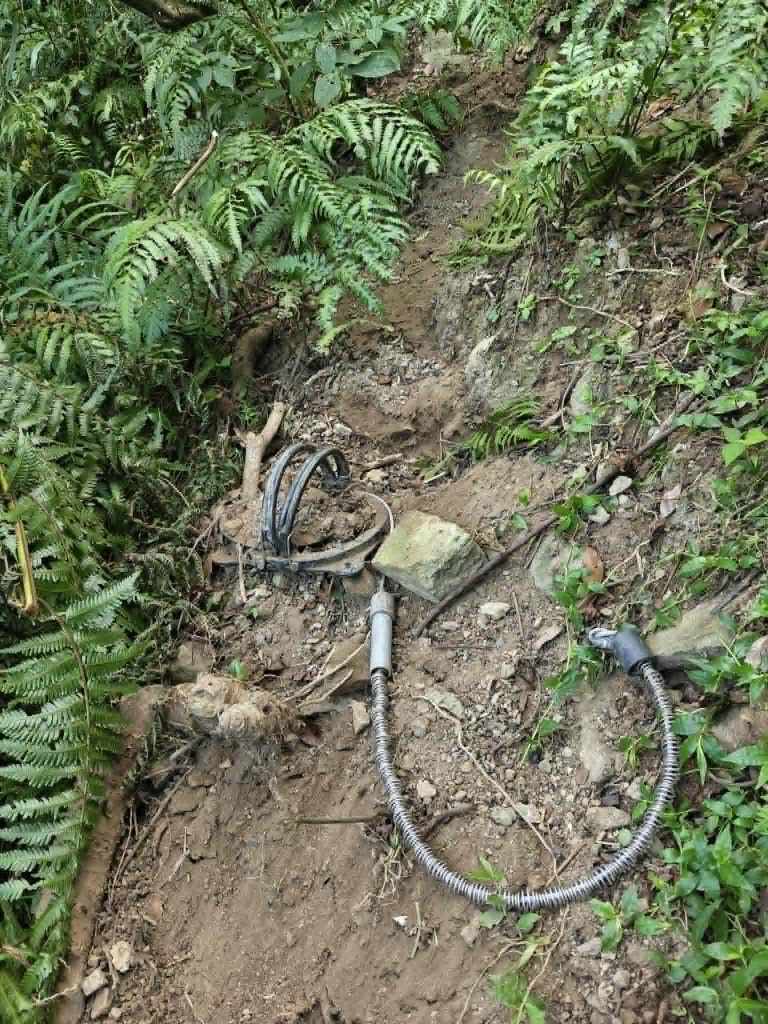
Very dangerous (risk of collapse)
Lushan Hot Springs is located in Ren’ai Township. It was originally the homeland of the Seediq tribe’s Mahebo community. The surrounding area includes Wushe, the Tarowan Creek, and the Mahaipu Creek. It holds historical significance and reflects the development of a unique region in Taiwan. The following video clearly shows the devastating impact of natural disasters:
This place holds great personal importance for me. I visited several times with children. Nearby lies the site of the final battlefield of the Wushe Incident, where Mona Rudao took his own life. It is a place of deep historical meaning.
Our Visits to the Abandoned Hotel
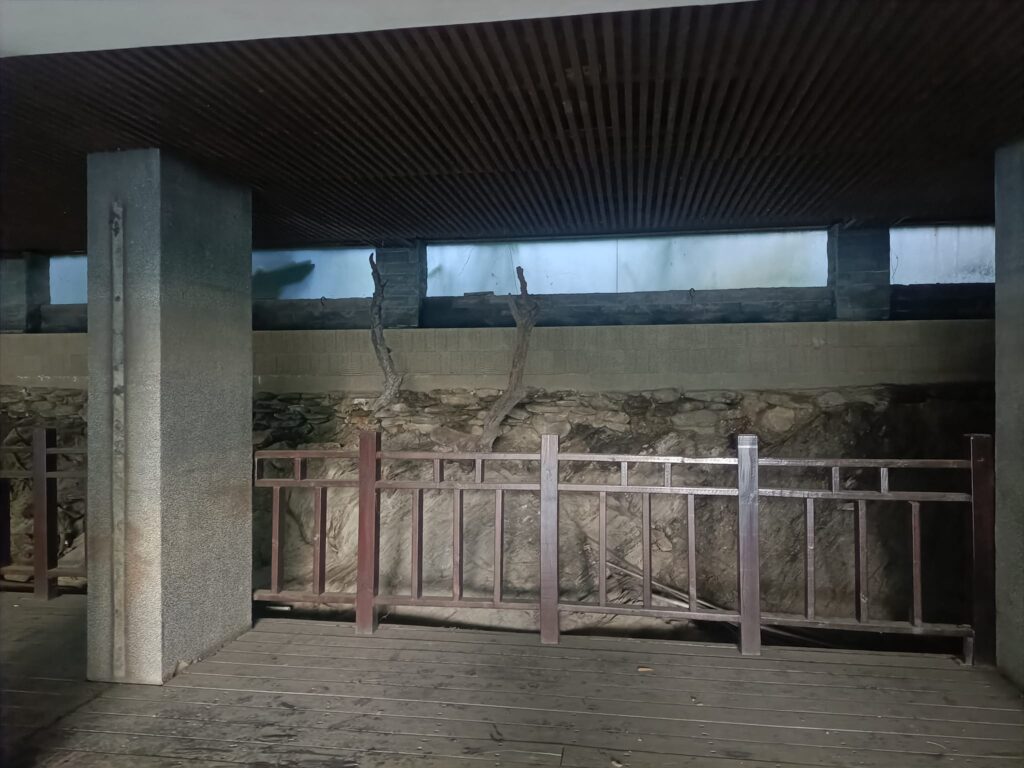
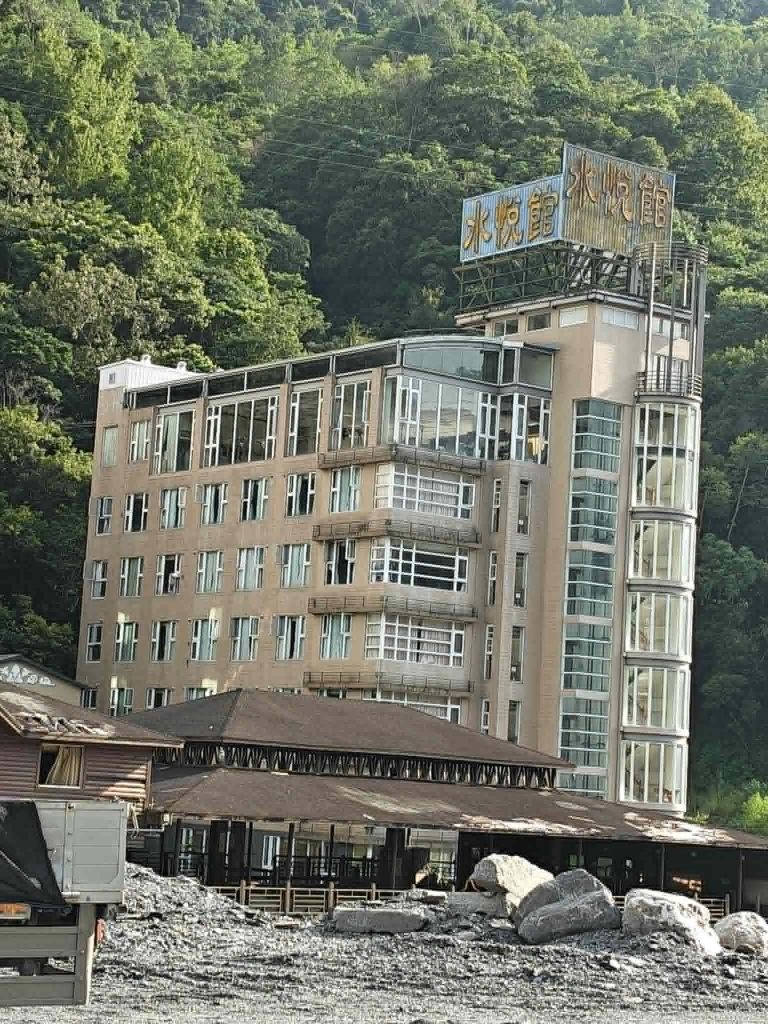
On my visits, the decline of the area was already apparent in the many shuttered hotels. It became something of a ritual for us to explore the abandoned hotel.
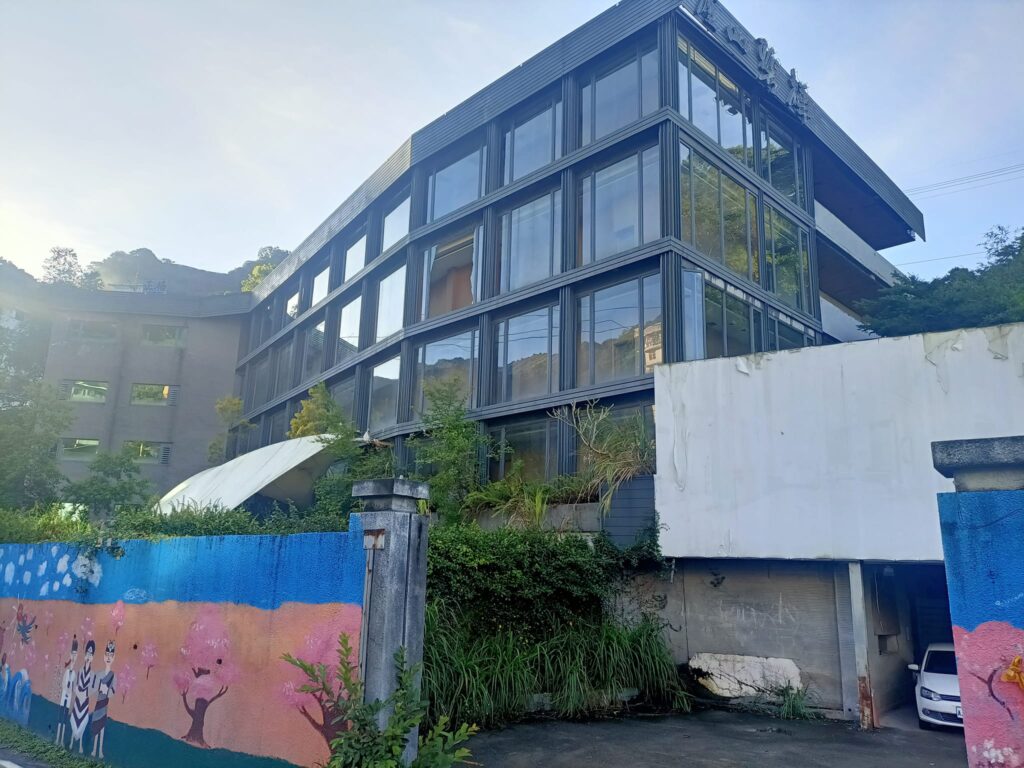
in 2026:
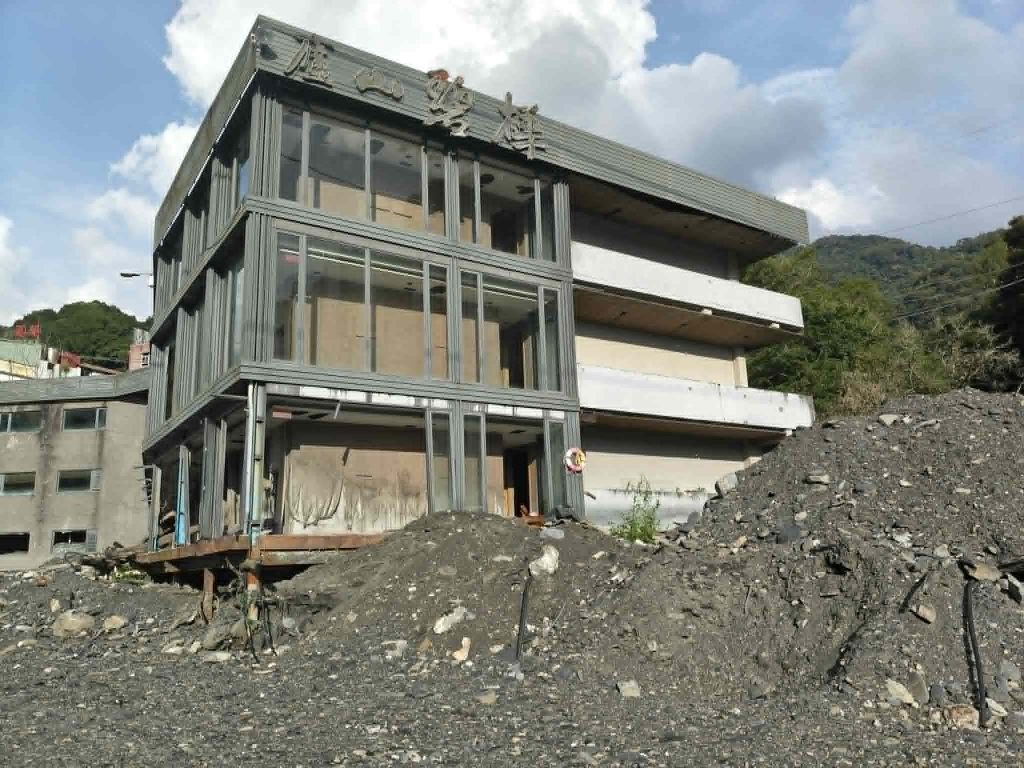
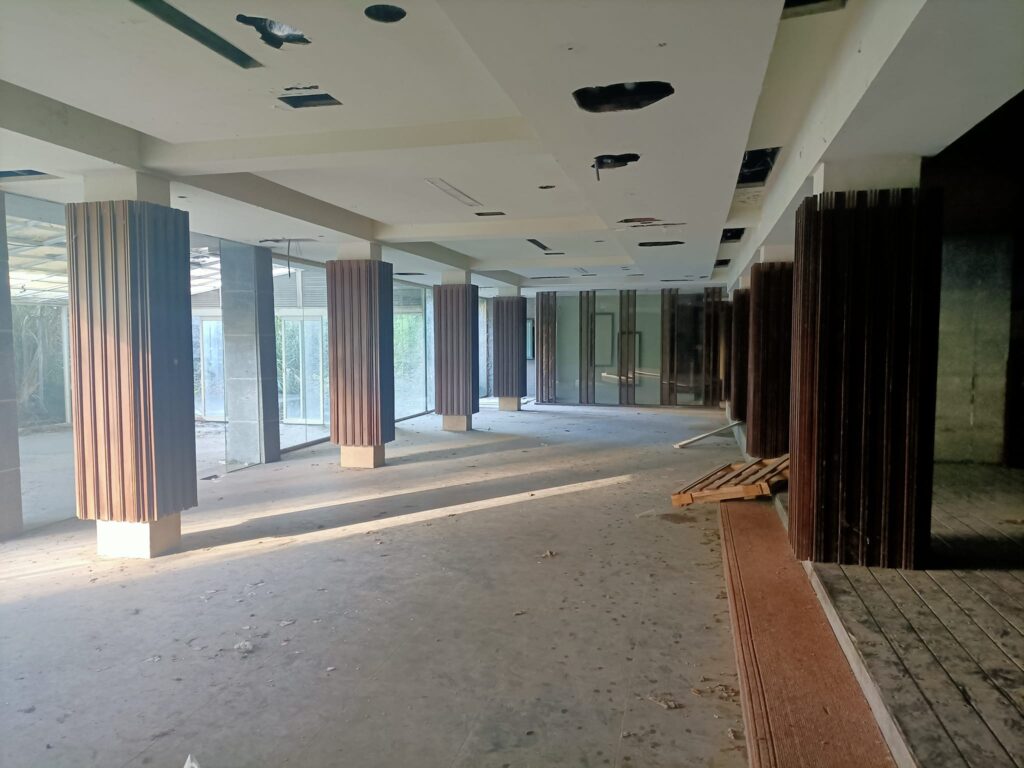
It must once have been a grand and comfortable hotel. Wandering through its empty halls, you could still sense the echoes of better days.
Significance for the Seediq People
This was the site of the Seediq’s final battle — a people who knew they would not survive, yet chose resistance over a life of forced labor and Japanese contempt. The exact battlefield can no longer be pinpointed; all that remains is a long hiking trail through the area. Everything has been rebuilt.
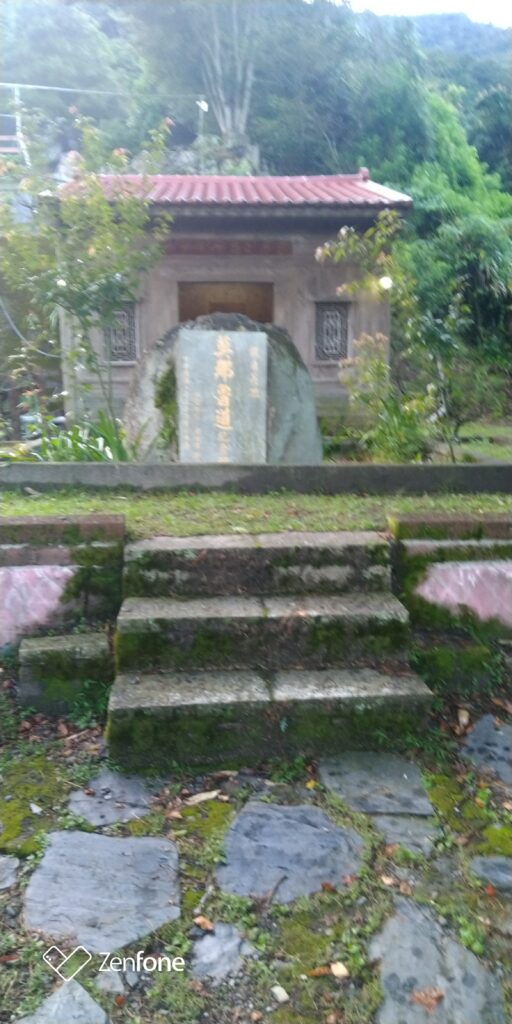
(Mona Ruda Memorial Hall)
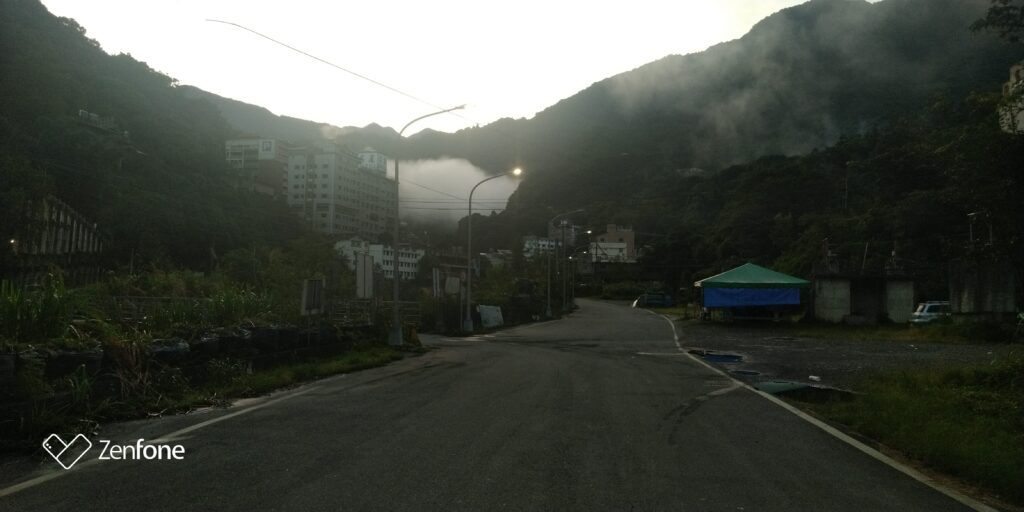
After the Wushe Incident, the Japanese colonial government forcibly relocated the Seediq people and began developing the area. During the Japanese era, Lushan Hot Springs was considered one of the “Three Great Hot Springs of Central Taiwan”. The nearby mountain, resembling Mt. Fuji, is believed to be Mu’an Mountain, located southwest of the so-called “Fuji.” In the early years of the Republic of China, it became a very popular resort area. In the early years of the ROC, it seems the Nationalist Chinese found it difficult to accept that the ‘despised barbarians’ had waged one of the greatest acts of resistance. By the time I first visited in 2018, it had already significantly declined, with many hotels shut down. It really makes a difference when you stay at a hotel multiple times and meet the very elderly owners, who are trying to hold back the decay of their life’s work. It is a place deep in the wild, often shrouded in mist.
The Power of Nature
2008, Typhoon Sinlaku severely damaged the Lushan Hot Springs area, with many hotels suffering major destruction. In March 2011, the Central Geological Survey of the Ministry of Economic Affairs found that the northern slope of Mu’an Mountain could be at high risk of landslides if rainfall exceeded 800 mm. Fearing a disaster similar to the Xiaolin Village tragedy, the Nantou County Government decided in 2011 to relocate the village. More than NT$2 billion in compensation was allocated to move residents to Fuxing Village in Puli, 36 kilometers away.
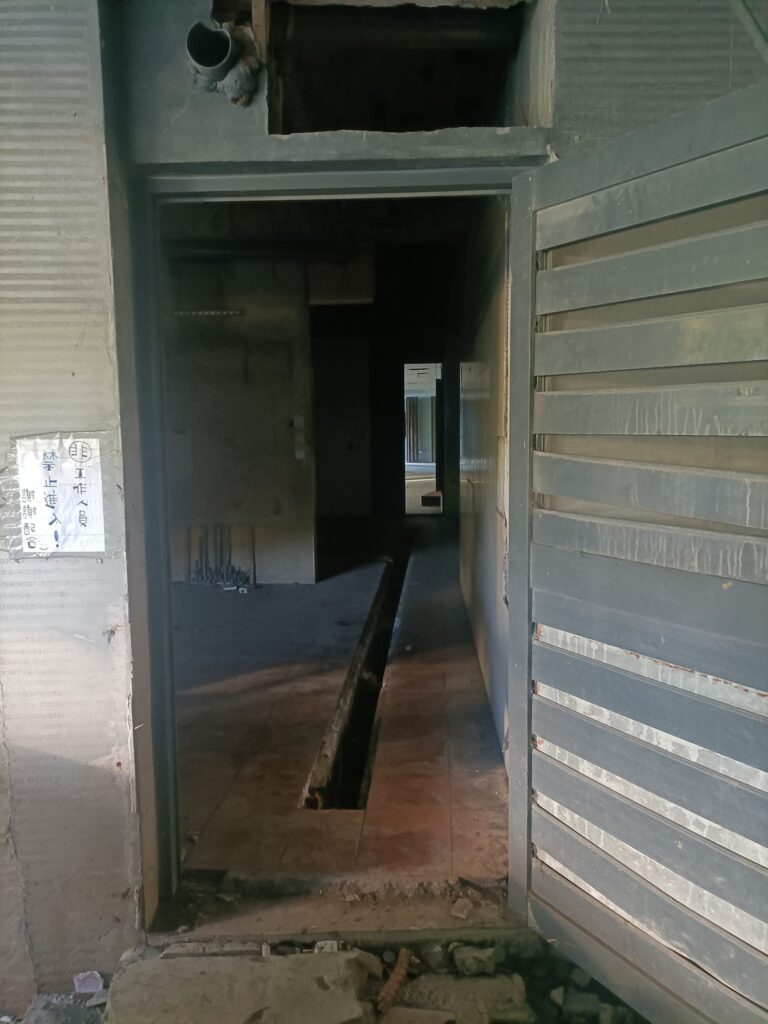
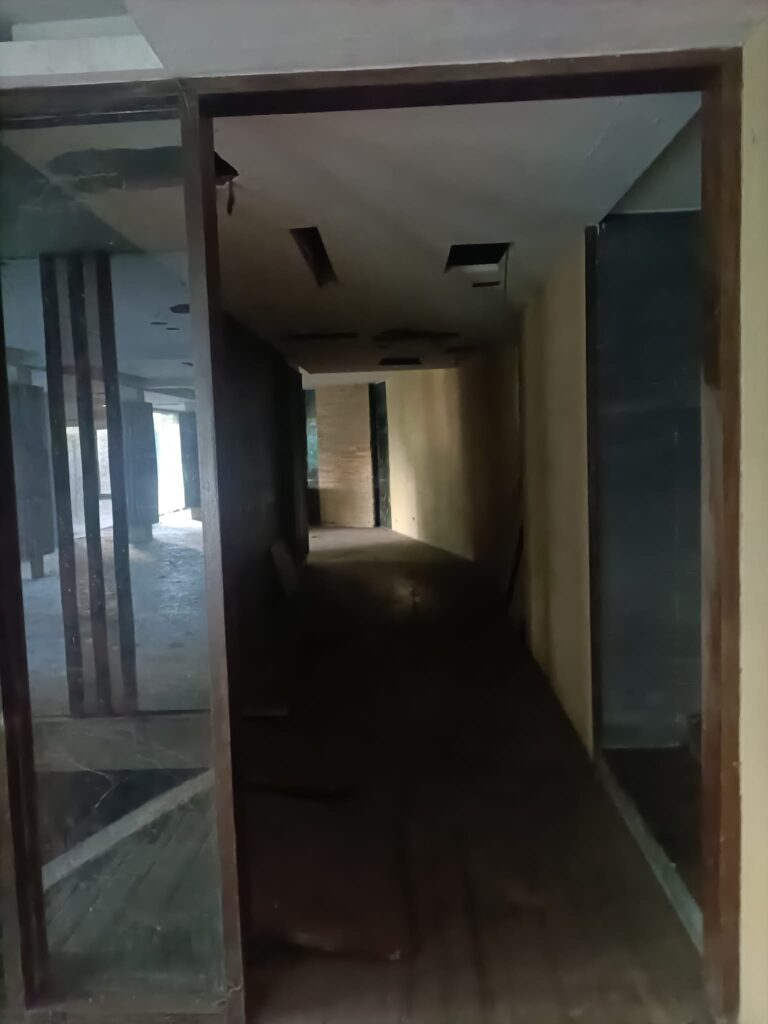
(some other pictures from the hotel)
The Water Resources Agency later completed a long-term flood control plan for Lushan Hot Springs. The three-phase project involved NT$780 million to demolish 3.63 hectares of hotels, B&Bs, and other buildings within the river zone.
In 2012, the county government officially revoked Lushan’s designation as a hot springs area. However, local business owners protested, saying the decision came before any resettlement plans were made. In June, after days of heavy rain, the township office ordered a forced evacuation of tourists and residents, leaving the area completely cleared for three days.
In 2016, Nantou County invested over NT$3 billion to develop Fuxing Farm as a new hot springs zone. Construction was set to begin in August, and it was estimated that relocating the remaining 48 businesses from Lushan Hot Springs would take at least two years. At that point, the original Lushan Hot Springs would effectively vanish from the map. On August 4, 2023, Typhoon Khanun and southwestern air currents brought torrential rain to Nantou County. The foundation of Lailai Hotel in Lushan was washed away, along with the base beneath the Lushan Hot Springs multi-level parking lot. Tarowan Creek overflowed, cutting off all access to the Lushan community.
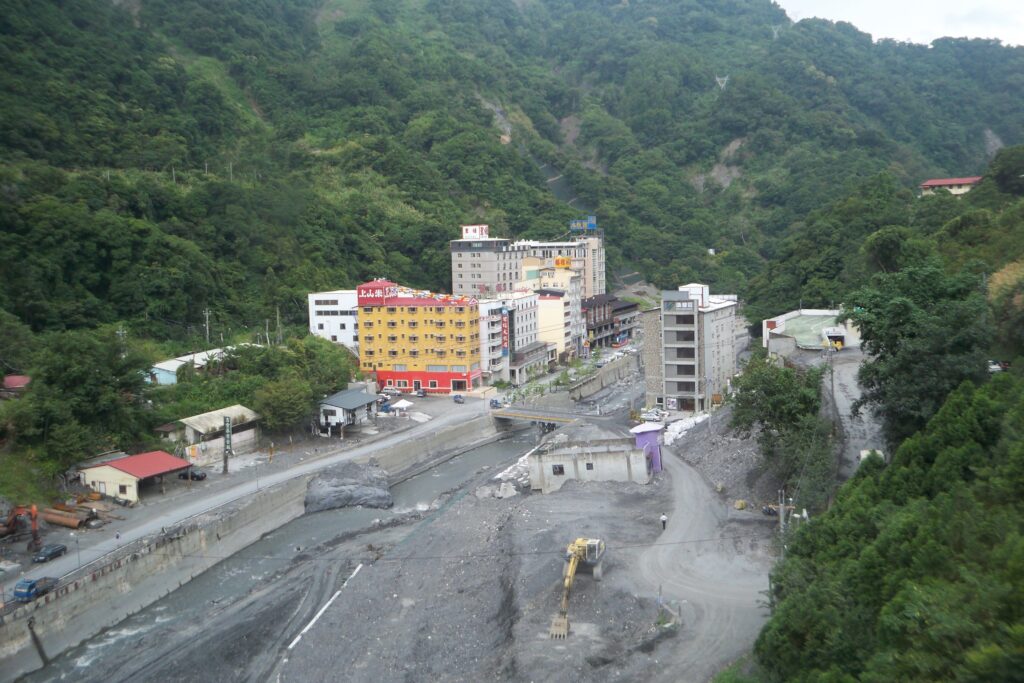
(https://commons.wikimedia.org/w/index.php?curid=54346281)
Behind the hot spring area was a wild spring. I don’t know if it still exists.
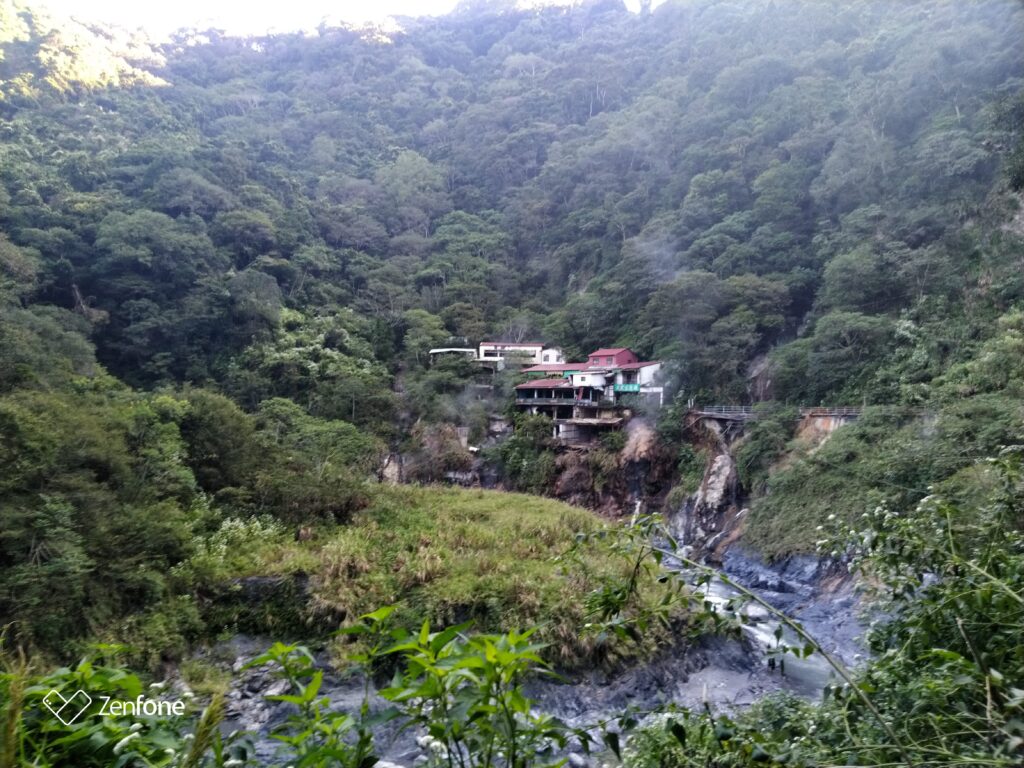
in 2026:
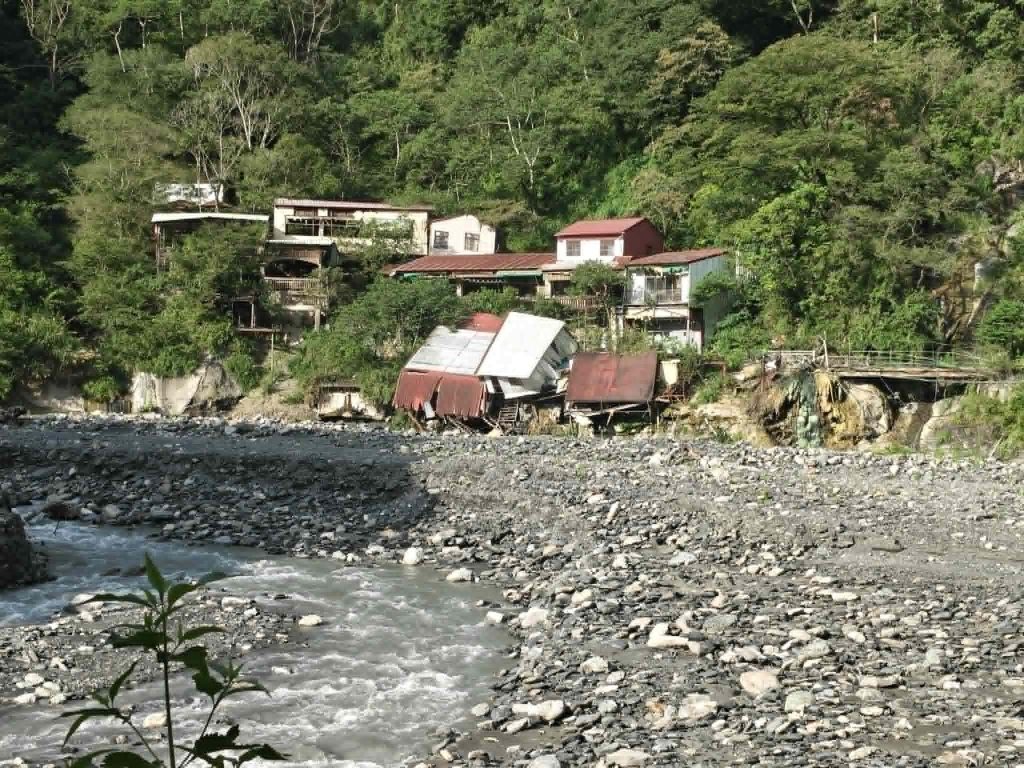
I visited Lushan many times, both privately and as a tour organizer. It is a place deep in the wild, often shrouded in mist — a place where memory clings to the landscape. There is always a debate about whether to abandon areas at risk from natural disasters. But while urban officials, guided by abstract certainties, see only danger and logistics, they often fail to grasp the human dimension. These highly educated bureaucrats struggle to understand why elderly residents refuse to leave their homes — even when offered comfortable apartments in modern city buildings. For those who remain, Lushan is more than just a location. It is history, identity, and the last anchor of a fading way of life.
Visit 2025 and 2026
I finally visited Lushan again in 2025 and 2026. They are trying to rebuild it, and it is truly astonishing what is possible in Taiwan. However, the entire former town structure is gone. The wide river course has disappeared, and without my earlier visits, I would no longer recognize anything.
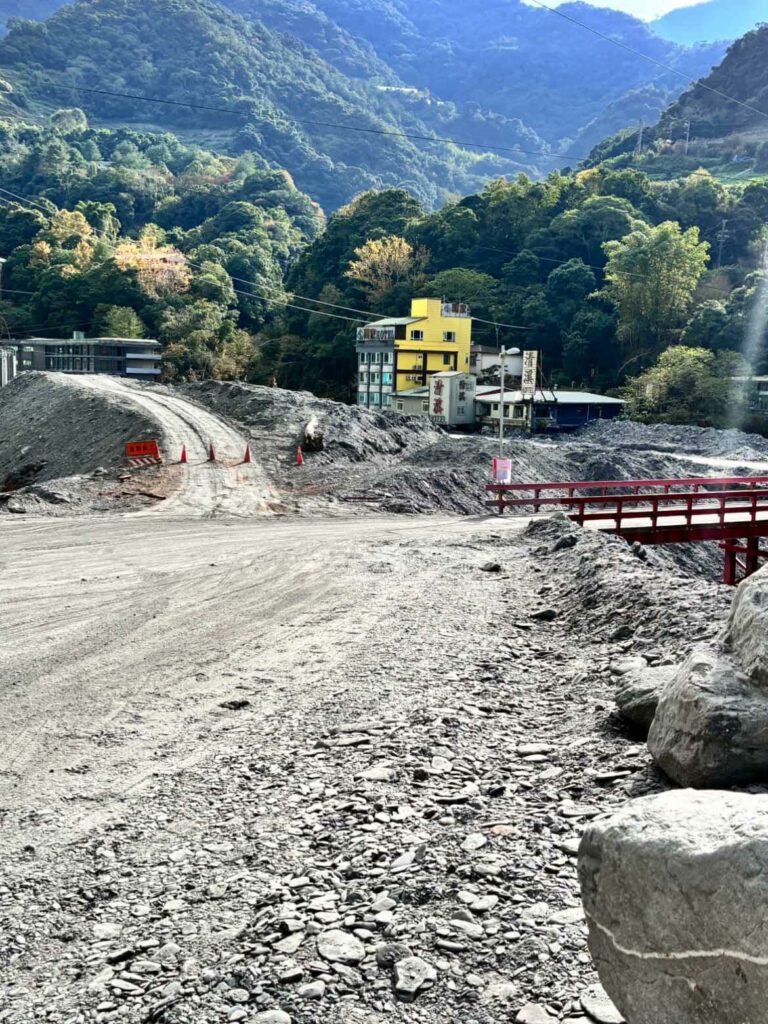
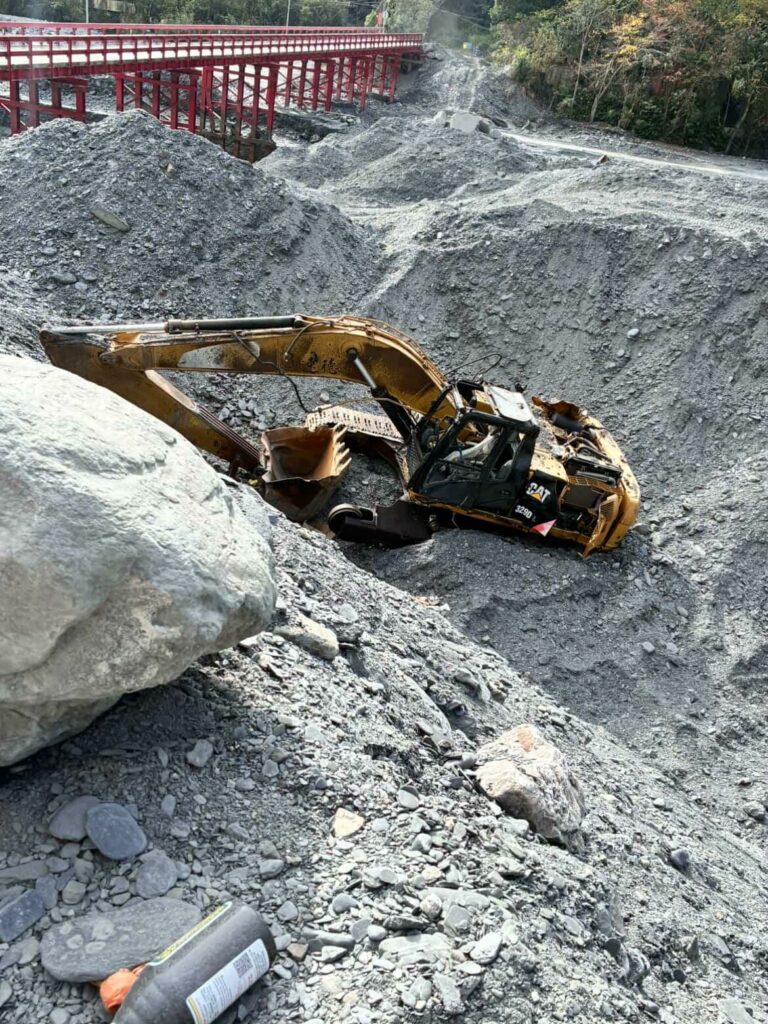
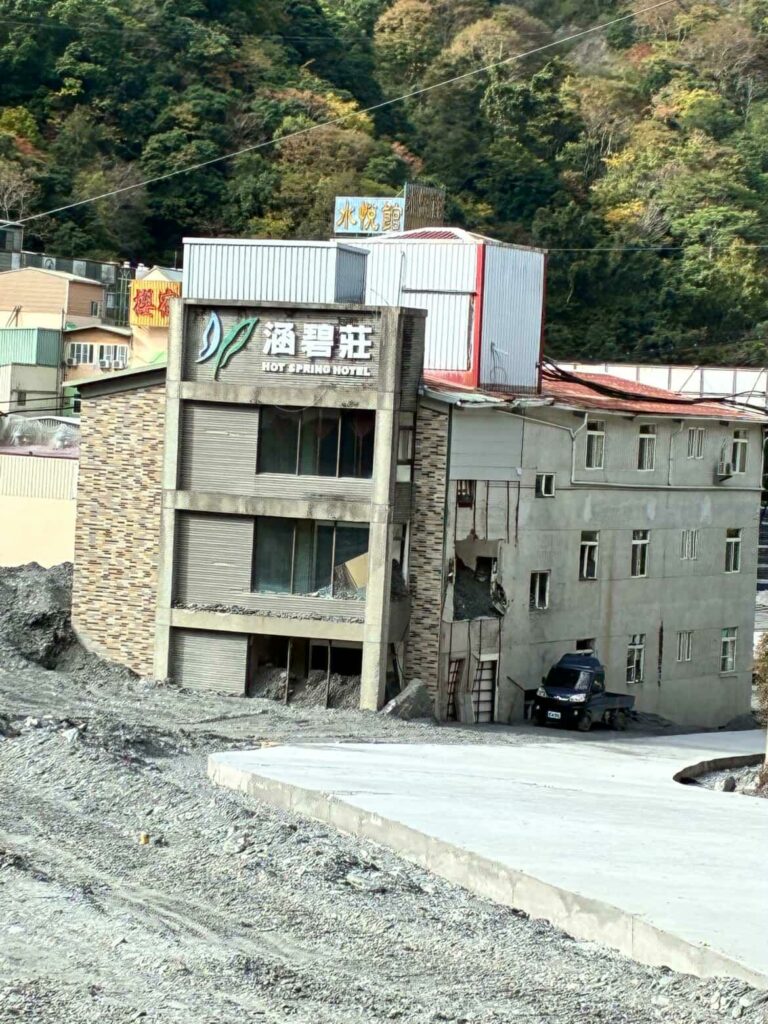
In 2026, anything is still damaged:
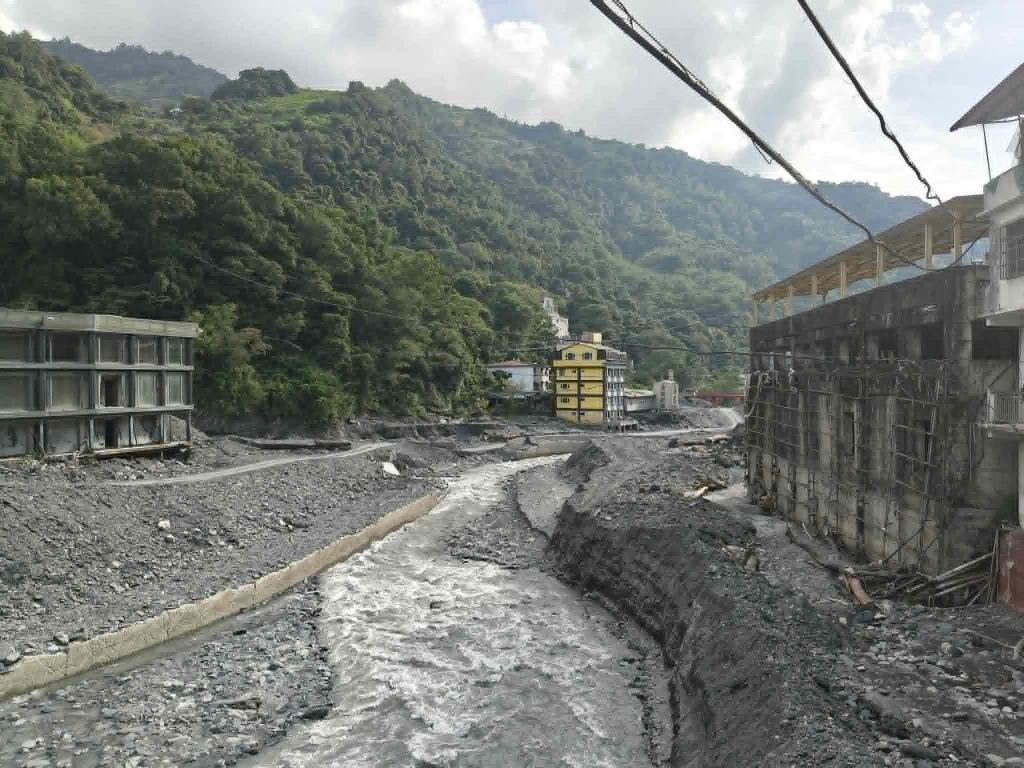
(Copyright Claudius Petzold)