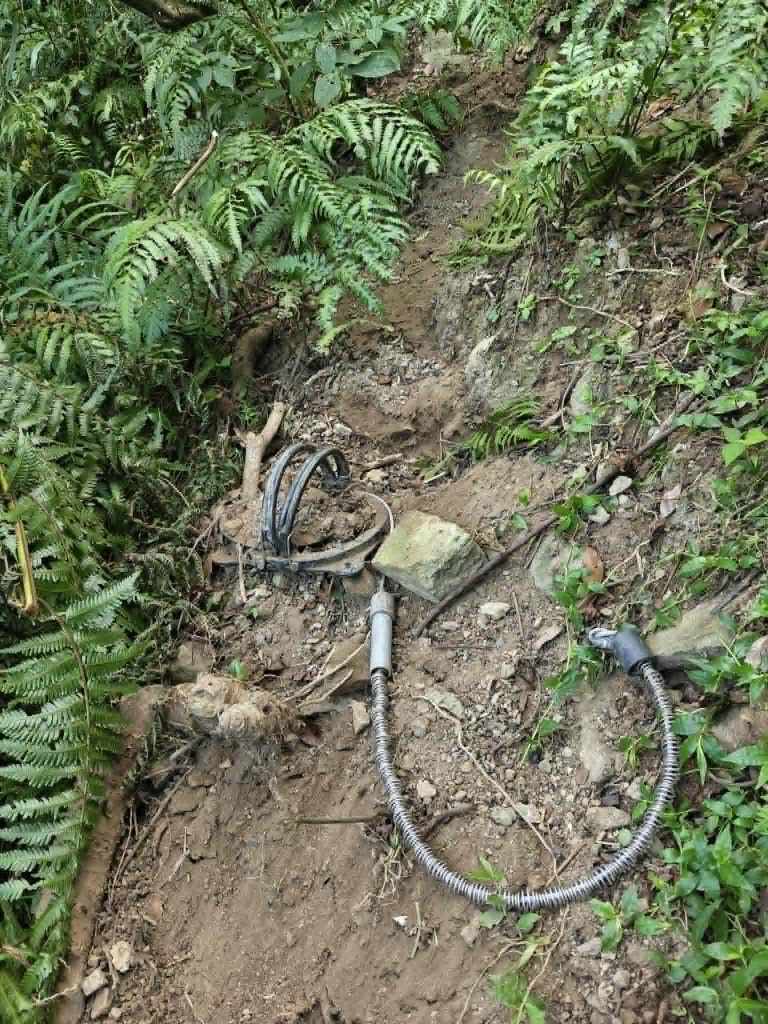
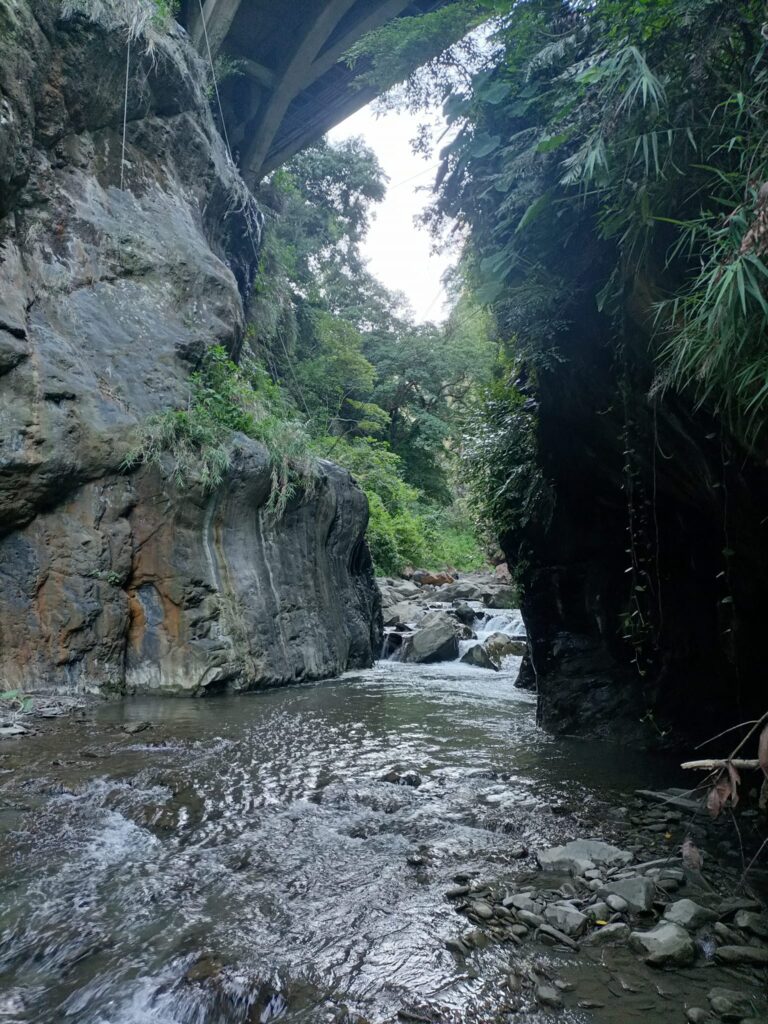
Renzhiguan is one of the most beautiful spots along Provincial Highway 14, between Puli and Hehuan Mountain. To reach Wushe, travelers must first pass through Renzhiguan, a well-known natural stronghold and strategic pass since ancient times. Located between the Daguang and Ren’ai Bridges, this section of the route follows the Meixi River. As the river flows downstream, it encounters a layer of hard sandstone in this area, and over time, it has carved a steep, narrow canyon with nearly vertical cliffs on both sides. The result is a dramatic gorge landscape, offering excellent cross-sections of the Meixi Sandstone formation.
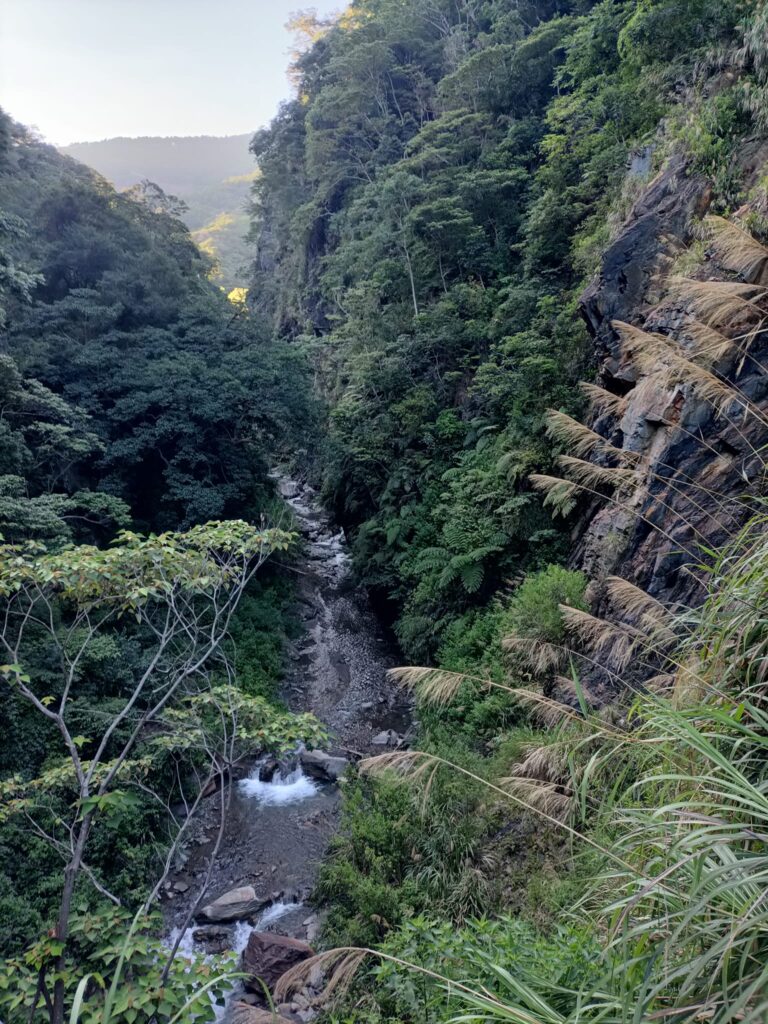
Even before Qing rule, the indigenous peoples of the Wushe area used this terrain to fend off intruders. Around a century ago, the Wushe region was home to several autonomous indigenous communities. It was also an important battleground in an earlier conflict between the Seediq and the Japanese. A scene from this battle is depicted in the film Seediq Bale, though the film was not actually shot here.
History
In 1831, the Qing government lifted the ban on entering the “fan boundary” (referring to present-day Puli) and established the boundary at Renzhiguan. From then on, Han Chinese were forbidden from ascending the mountain past this point. Renzhiguan thus became the dividing line between the Han Chinese and the indigenous people. In 1901, the Japanese Governor-General’s Office adopted the Qing dynasty’s system of “boundary guards” (aiyong) and began establishing a line of defensive outposts from Wugonglun in Puli, gradually pushing toward Wushe.
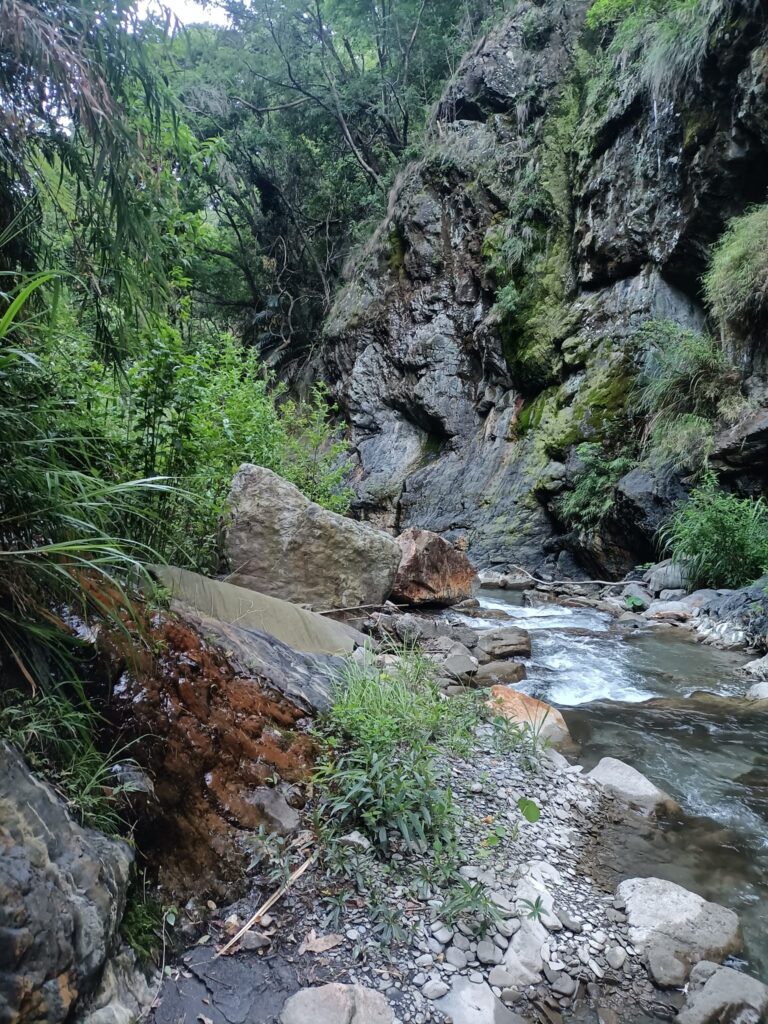
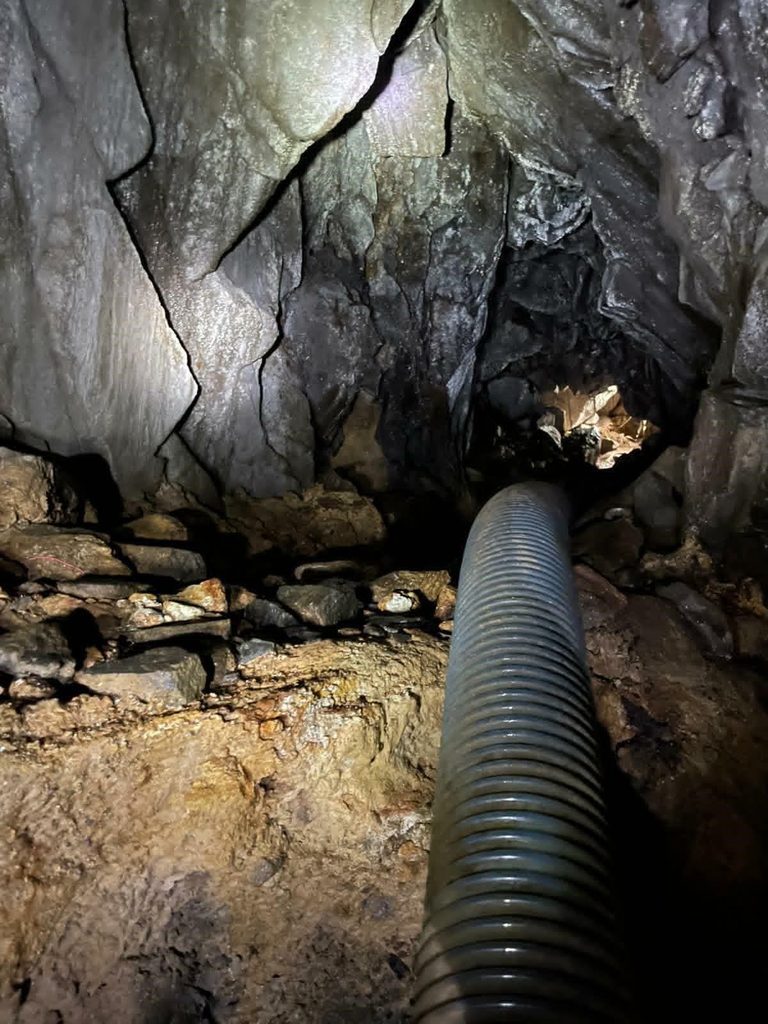
It is really difficult to penetrate today. The gorge provided an ideal defense point. But: We always find a way.
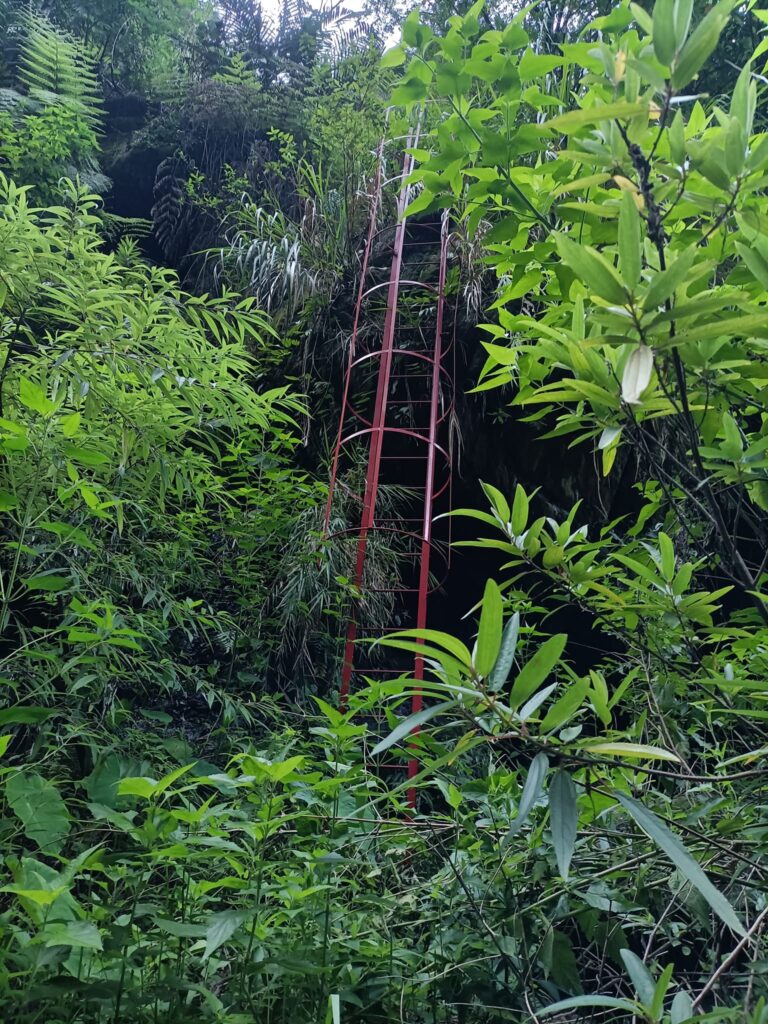
Continuing with the History: On April 29, 1902, a confrontation broke out between the indigenous people and the Puli Defense Force, led by Lieutenant Nakamura, at Renzhiguan. At that time, the Governor-General’s Office still did not know which indigenous group lived in the Wushe area; only after the incident was it discovered that they were the Seediq people. Five Seediq communities—Tongan (眉溪), Sipo (西寶), Paran (巴蘭), Hogo (荷戈), and Drodux (羅多夫)—were located on the cliffs and plateaus near Renzhiguan. They formed a defensive alliance to protect their territory. Utilizing the natural terrain advantage, they successfully repelled the Japanese regular forces. The defeat was a major blow to the Japanese authorities, who then imposed a resource blockade on the mountain indigenous communities.
In 1903, in an attempt to break the stalemate, the Japanese exploited the conflict between the Seediq and their neighbors, the Bunun people of Zhuoshe, to stage what became known as the Sister Plains Incident (officially termed the Punitive Expedition Against the Wushe Tribes). This led to significant casualties among the Seediq.
In 1905, the Japanese began a new push called the Puli Foothill Aiyong Line Advancement Operation from Shizitou, creating a series of fortified outposts toward Wushe. Due to the impact of the Sister Plains Incident and mounting resource and manpower difficulties, the Seediq were forced into a truce on November 1 that year. As a result, the Japanese gained control over seven Seediq communities: Tongan, Sipo, Paran, Hogo, Drodux, Qacuq (卡秋固), and Takanan (度卡南). In 1906, after Sakuma Samata was appointed Governor-General, he made indigenous pacification (riban) a central policy and launched the Five-Year Indigenous Pacification Plan, continuing the expansion of the aiyong line toward Wushe. According to maps of the Aiyong Line Expansion in the Wushe Region, it took three years to push the defense line from Puli to Wushe, passing through Shizitou and Renzhiguan.
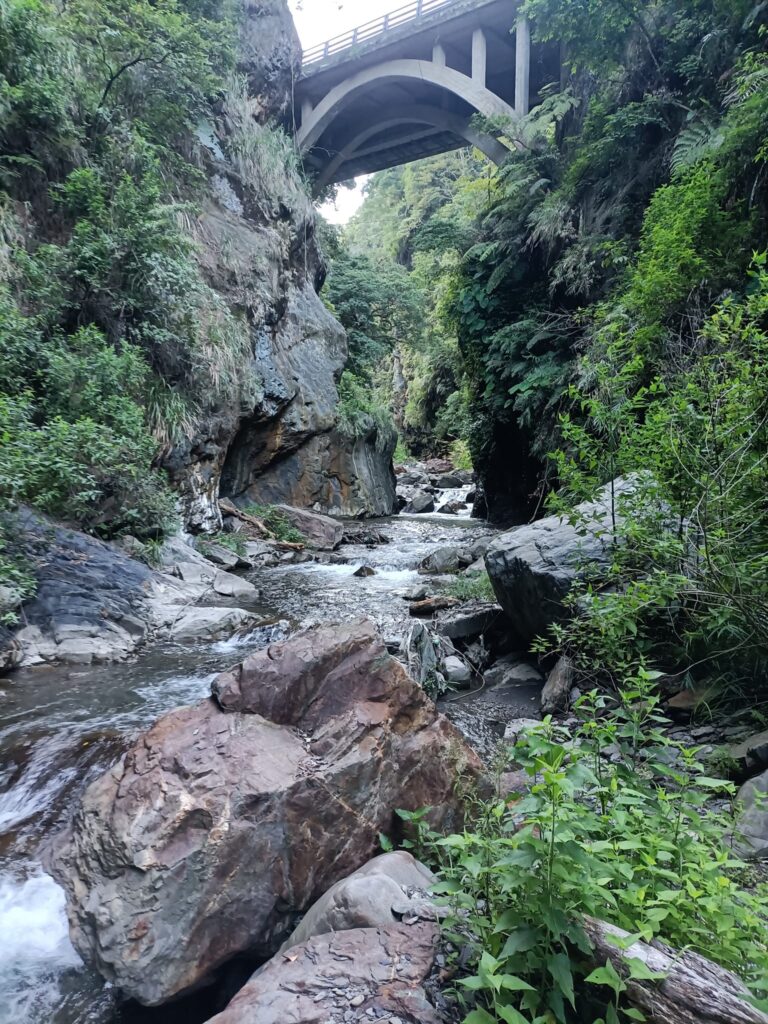
(The aforementioned bridge)
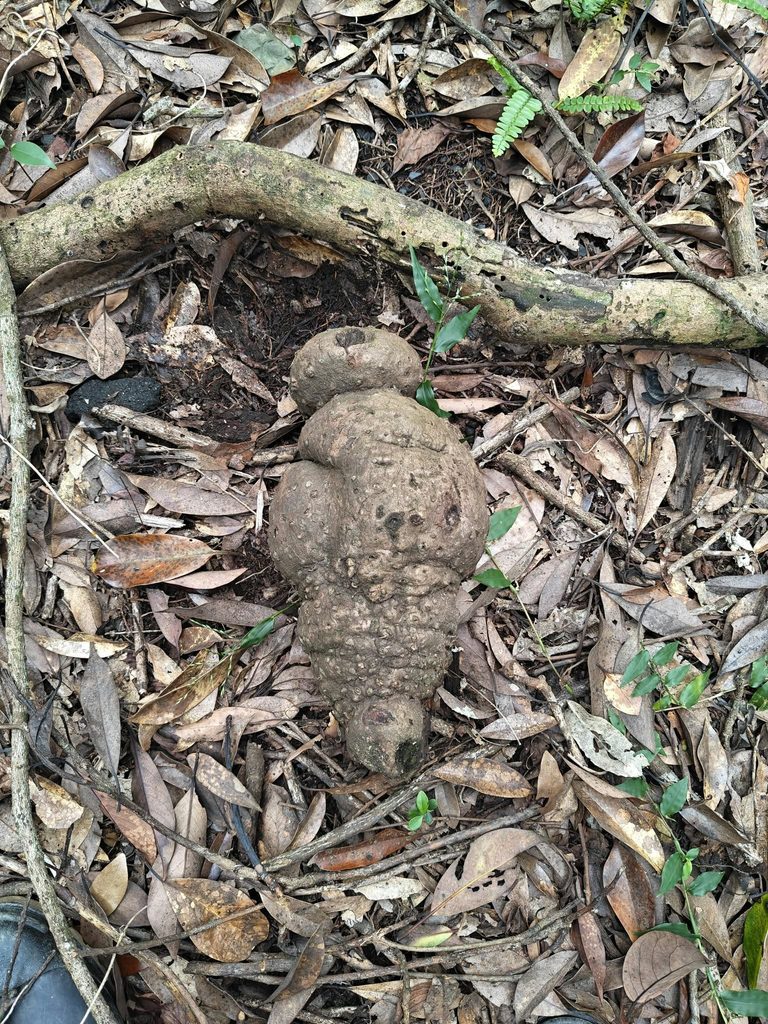
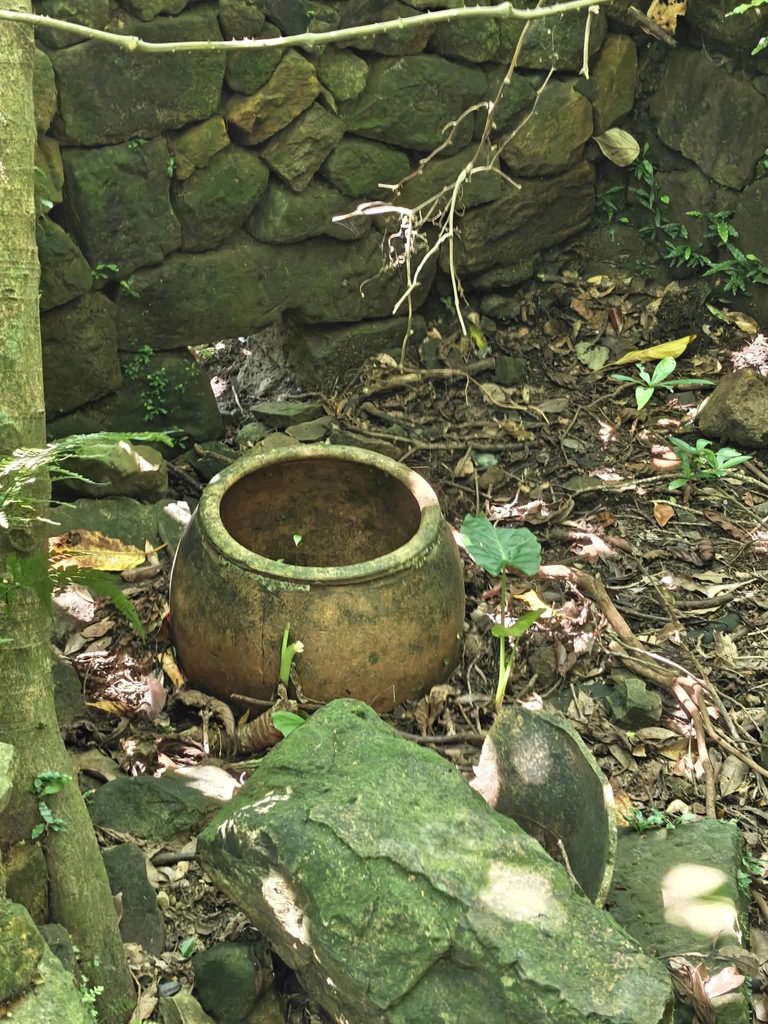
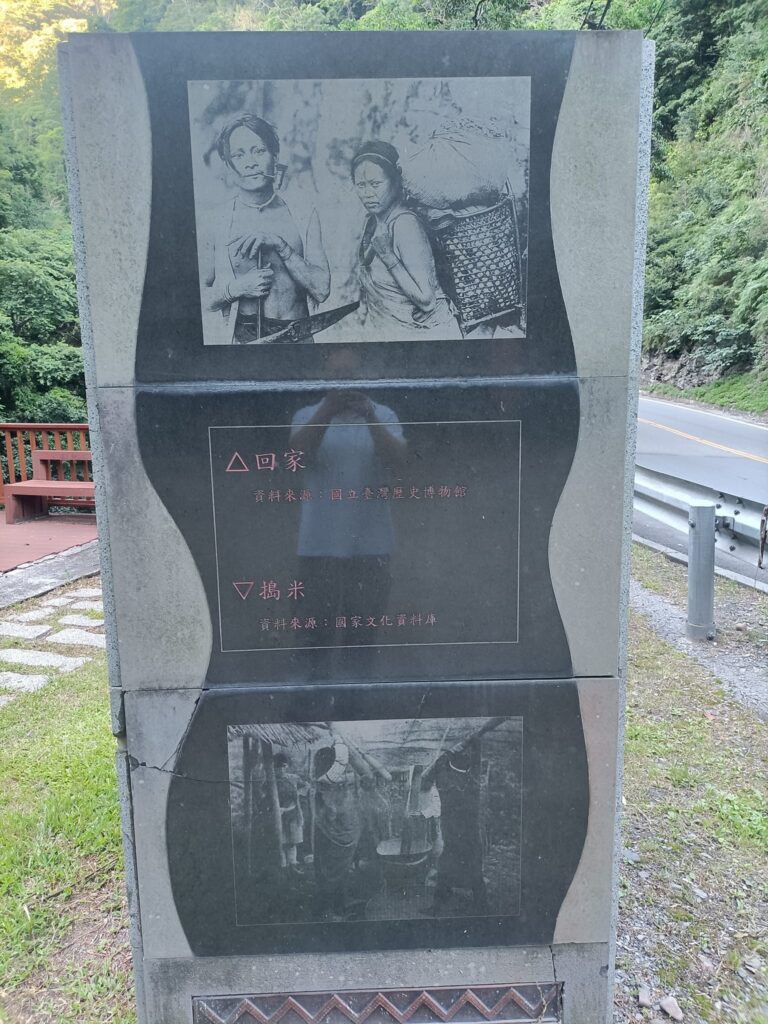
That is only left today:
copyright Claudius Petzold