(ed. 8/2025)
I visited a museum in Hsinchu and saw a video about this factory. I was told it is now closed to the public. My curiosity was instantly and electrifyingly sparked. I’m deeply fascinated by these lesser-known witnesses of the past.
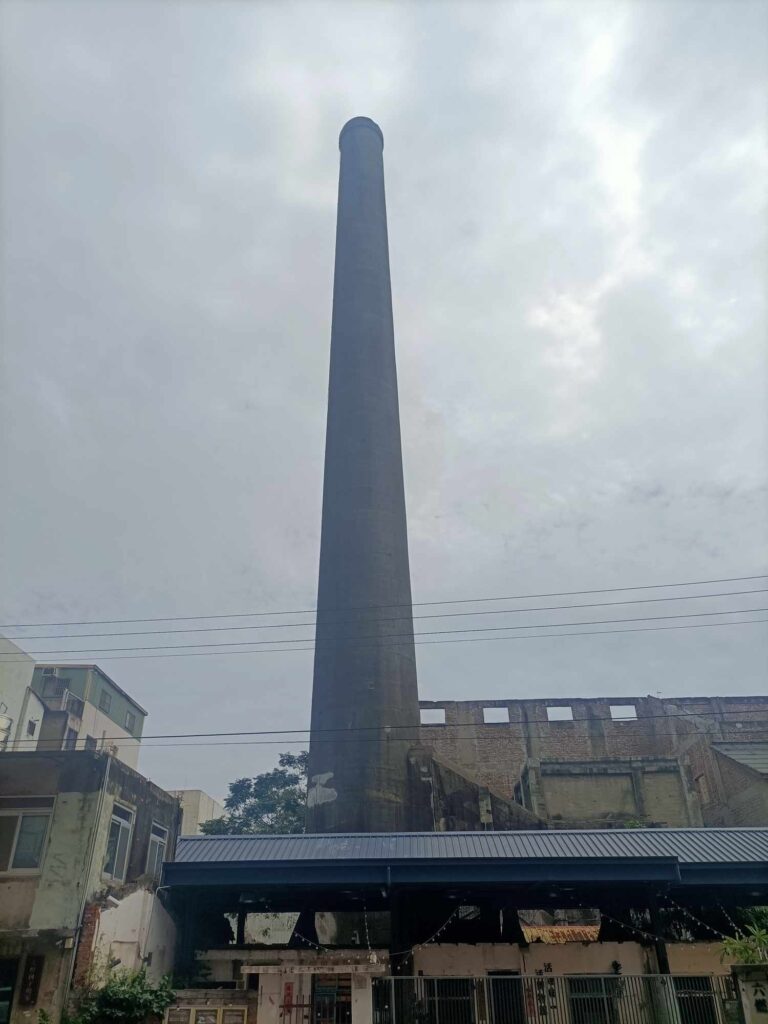
The factory was completed in 1944. The head office was situated in Zuoying, Kaohsiung, while the synthesis section was set up in Hsinchu City. However, when Kaohsiung was bombed by the US forces, the head office too was moved to Hsinchu. The primary purpose of the plan was to refine aviation fuel from locally grown plants for use by the naval air squadrons.
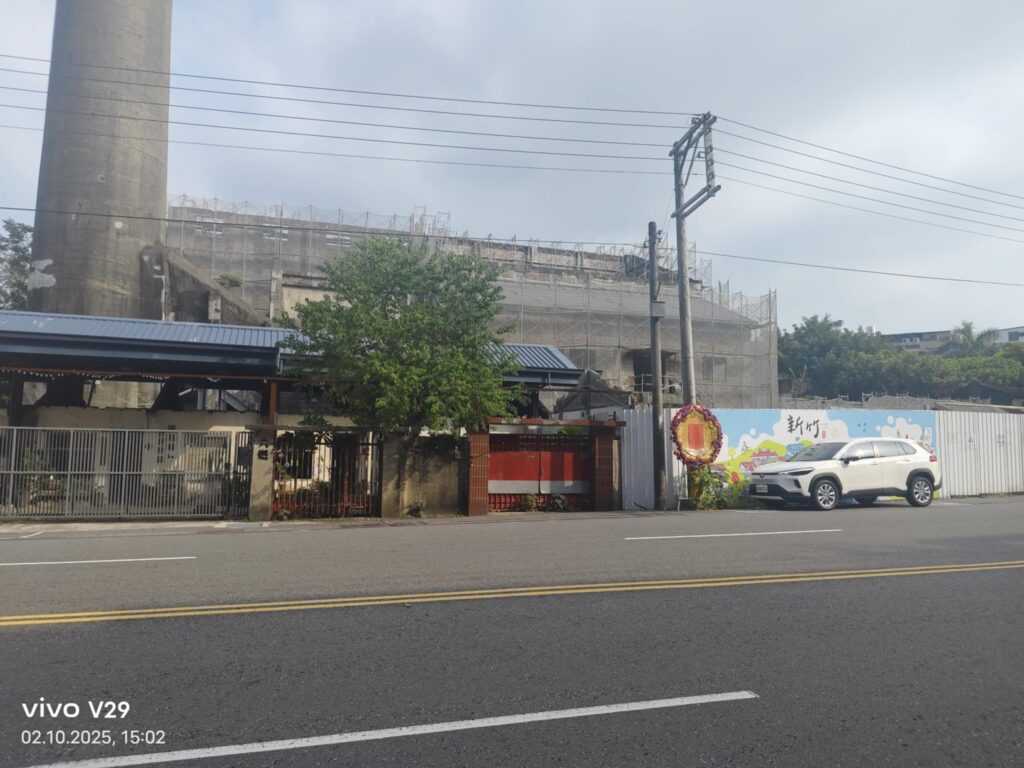
The Former Imperial Japanese Navy Sixth Fuel Factory spans a vast area, from the massive chimney of the power plant across the R&D plant, oil tanks, the actual factory itself, six fuel depots, and others. The outer wall of the chimney is covered with bullet marks left by Allied aircraft fire.
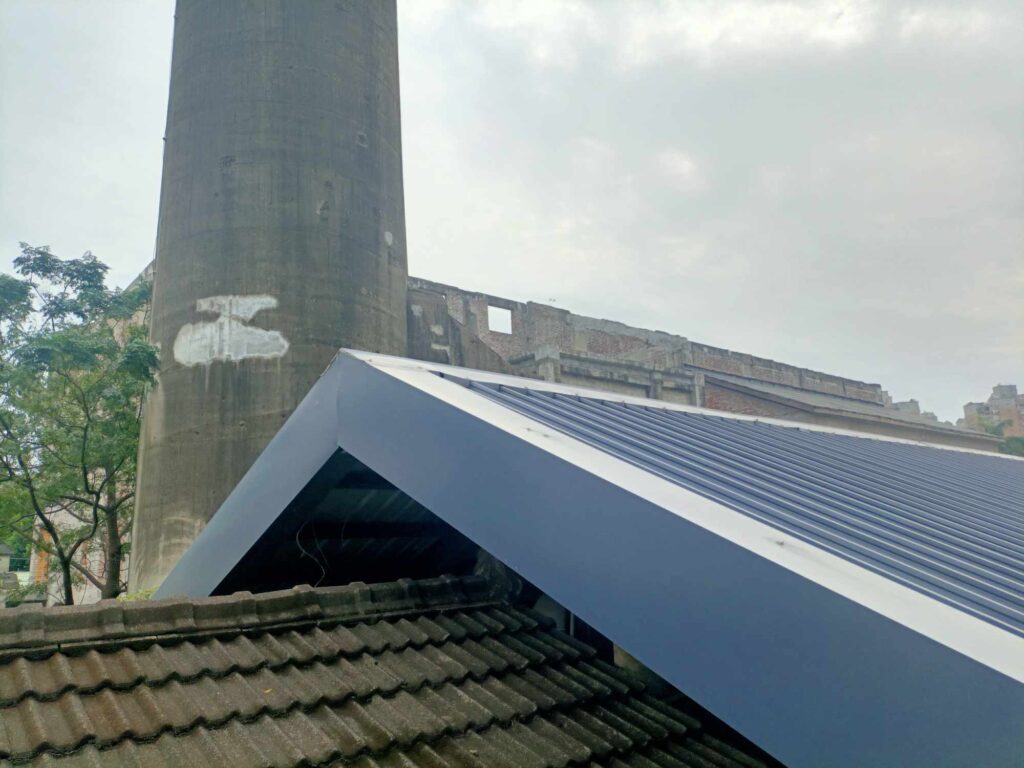
In 1945, the factory was turned over to the Chinese Petroleum Corporation and the Ministry of National Defense. The government also used the area to house dependents of military personnel coming to Taiwan, setting up several New Villages for the purpose.
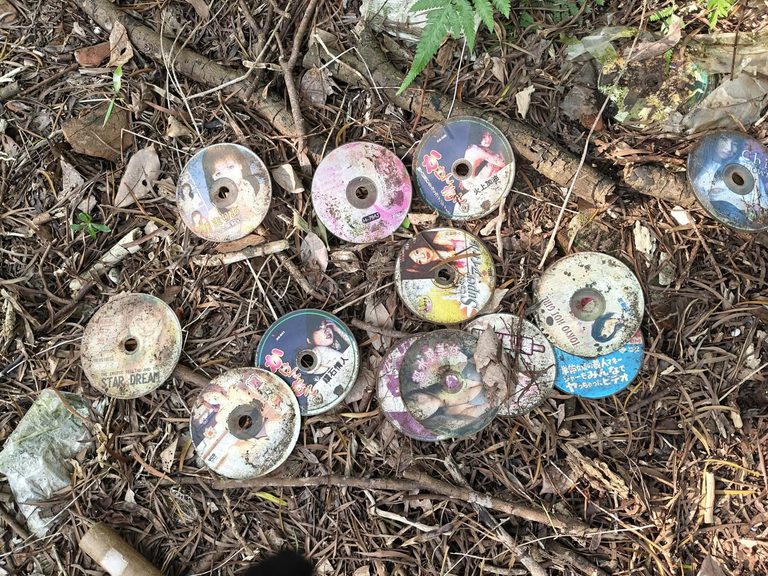
The area gradually fell into decay. Former members of the military lived directly in the large hall, building small huts inside. It may not have been legal, but no one really cared at the time. As they grew older, they left the area, which then stood abandoned for a long time. Nearby, there are still several vacant residential buildings.
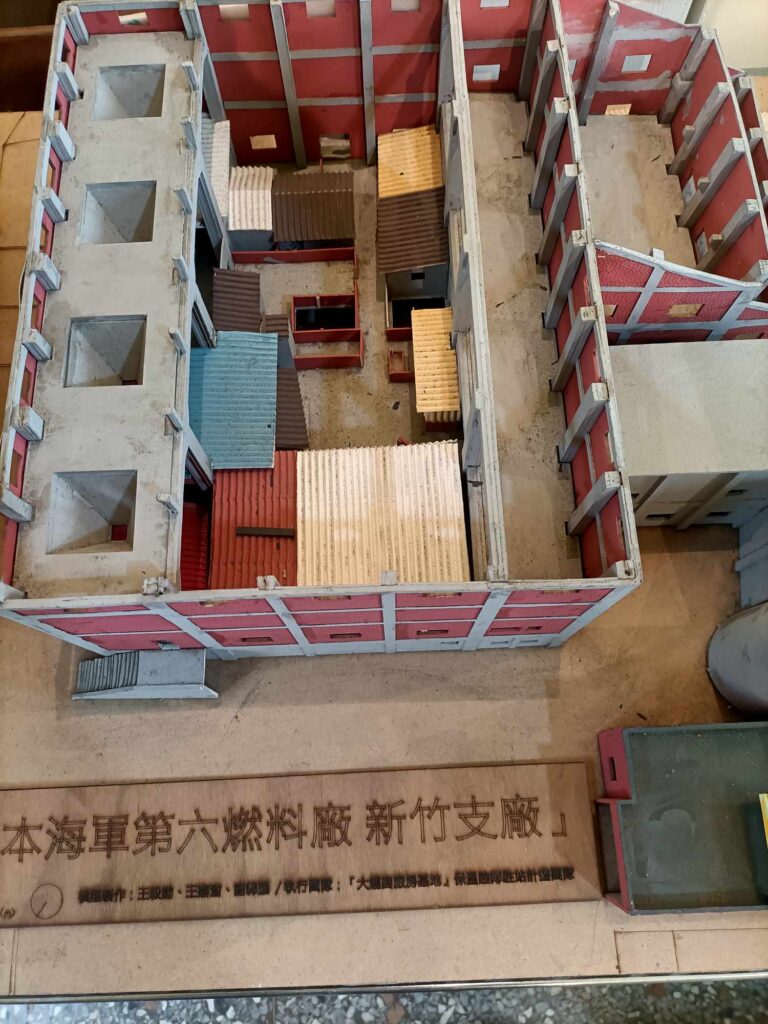
Since 2017, it has also received Ministry of Culture subsidies. In August 2020, the Former Imperial Japanese Navy Sixth Fuel Factory chimney site was officially opened to the public. The site restoration project for the chimney area has been declared completed.
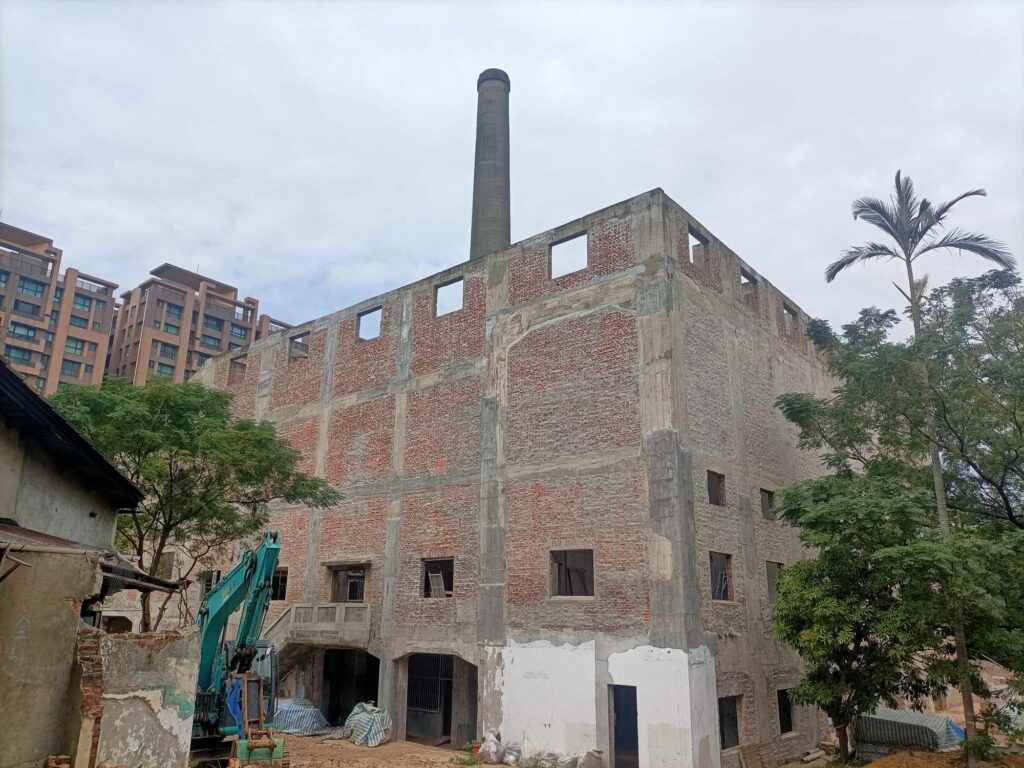
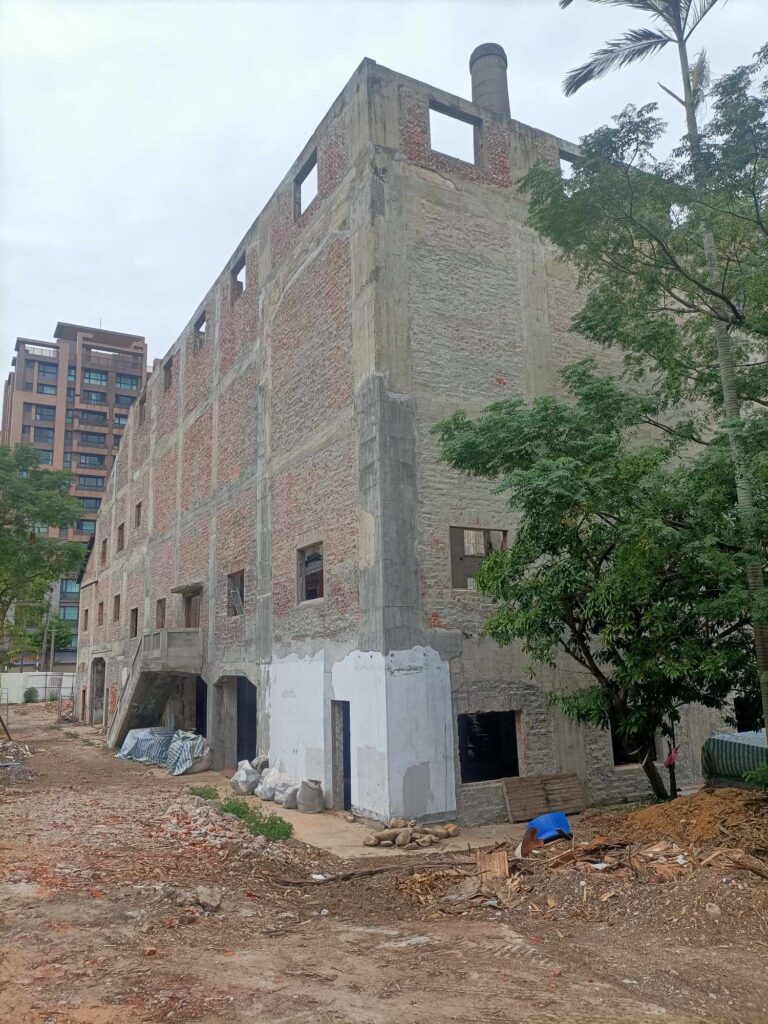
Inside, a group of rare species of Asian particolored bats has been discovered. According to Professor Lin Liang-kong of Tunghai University, experts speculate that they flew into the chimney in April or May and were using it as a “delivery room” and “post-natal recovery center.” After August, the young bats will have become grown up enough to leave.
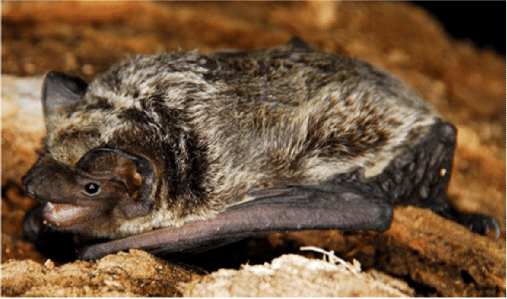
https://www.researchgate.net/figure/Asian-parti-colored-bat-Vespertilio-sinensis_fig2_343332120
According to the guide inside the museum, this species of bat is quite special because it doesn’t actually belong in Taiwan—no one really knows how it got here. Researchers are especially interested in where the bats spend the rest of their time, but since they are so small, it’s not possible to attach tracking devices. Because they are so unique, parts of the hall are not open to the public in order to protect them.
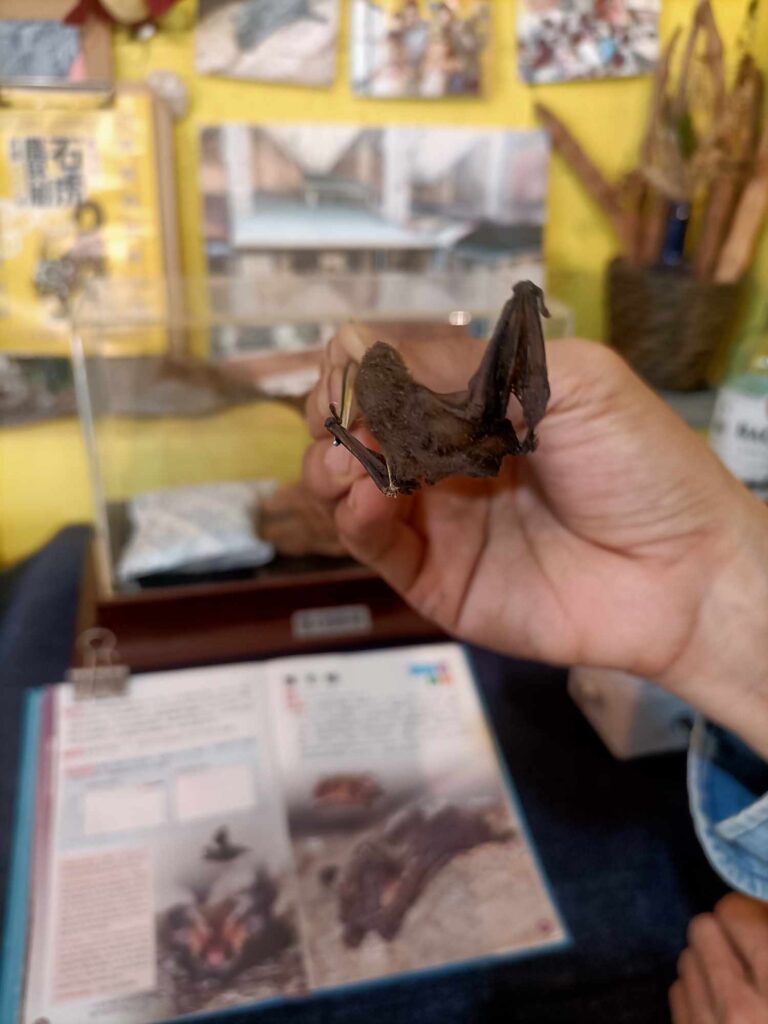
According to the website, the factory is already open to visitors. However, when we visited in 2024, everything was fenced off and under construction. We weren’t officially allowed to enter—only a small museum was accessible.
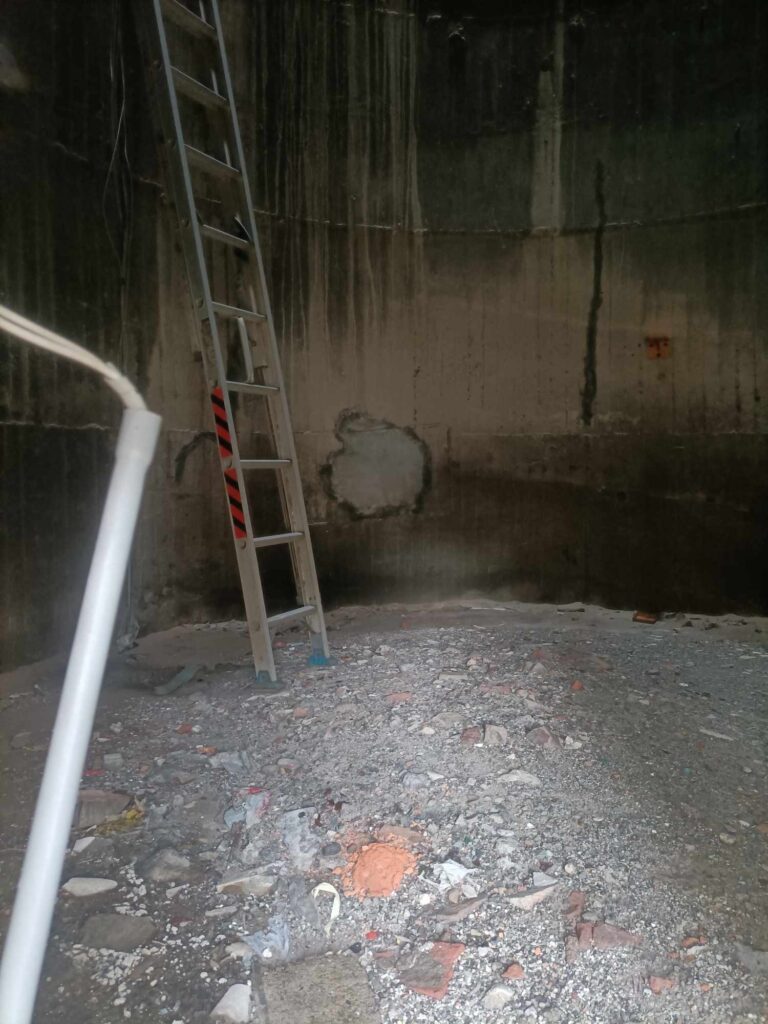
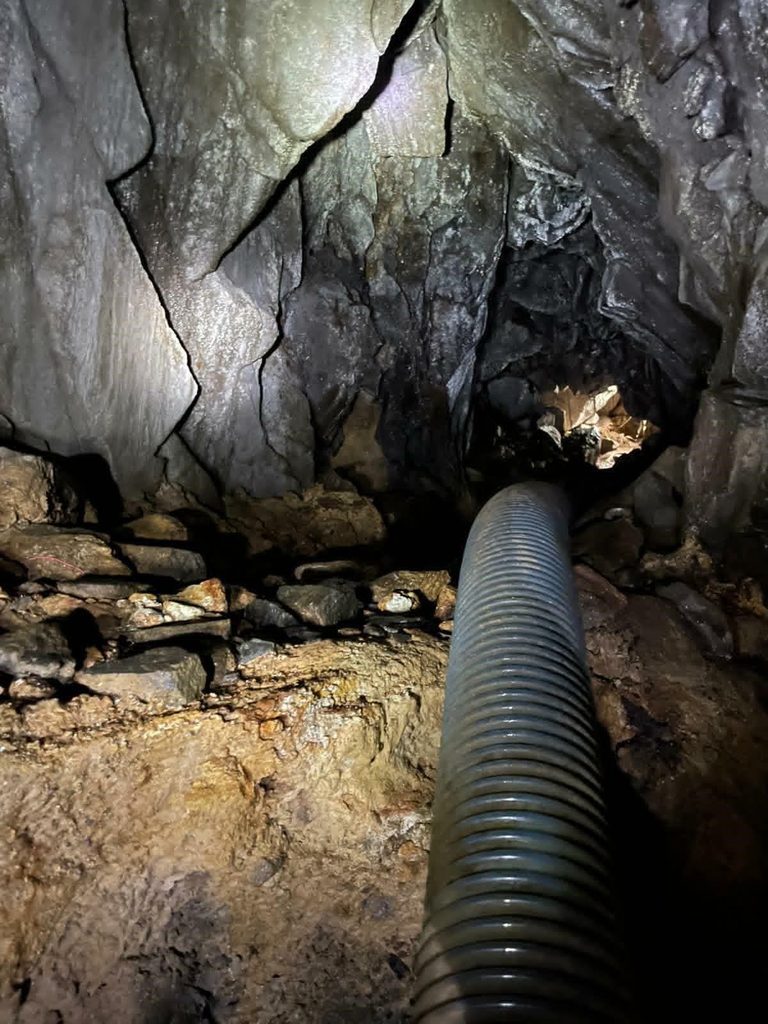
(In the chimney)
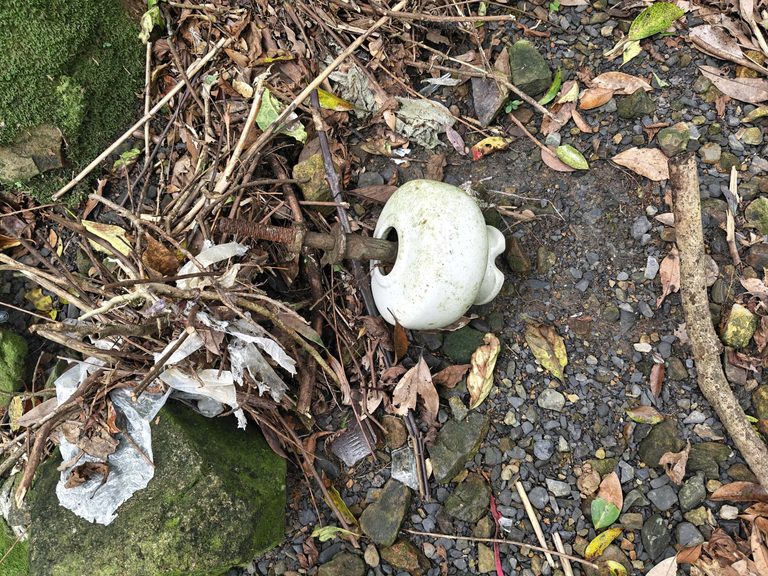
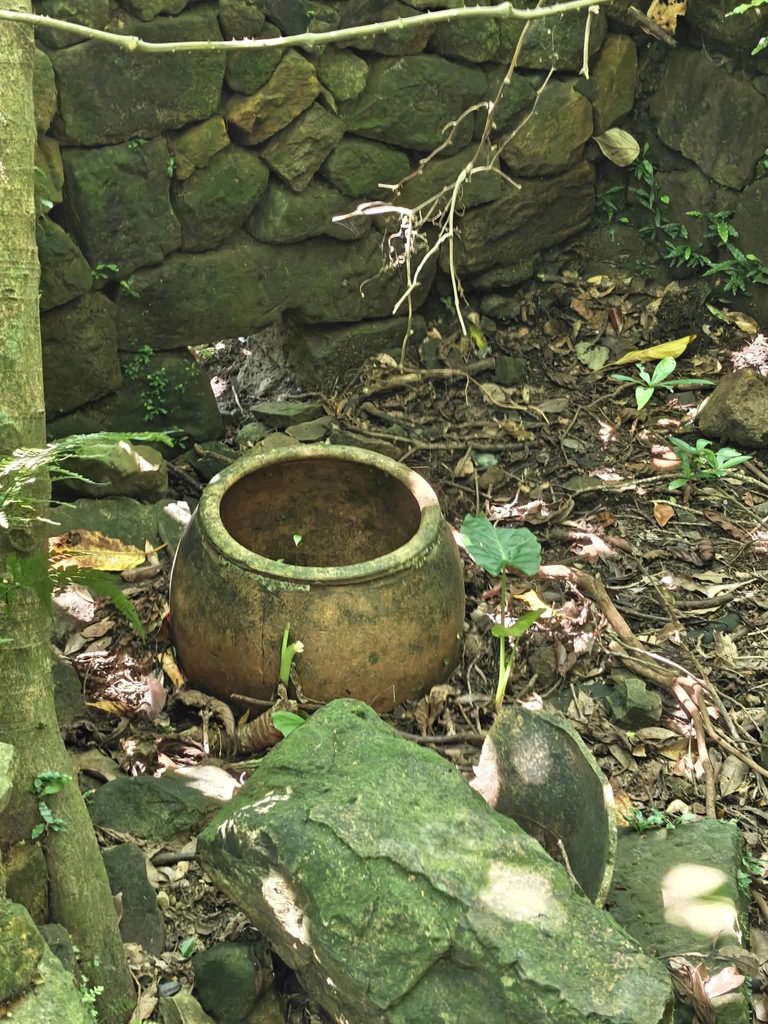
We wouldn’t be the best Lost Place website in Taiwan if we didn’t find a way in. And indeed, construction is underway (and sadly, parts are being torn down). I sweet-talked the workers in my melodious German-Chinese, and they let me in. I’d say it’ll take them another year to finish. I’m fascinated by the old residential buildings. The fence had a few gaps here and there—an implied invitation, if you ask me.
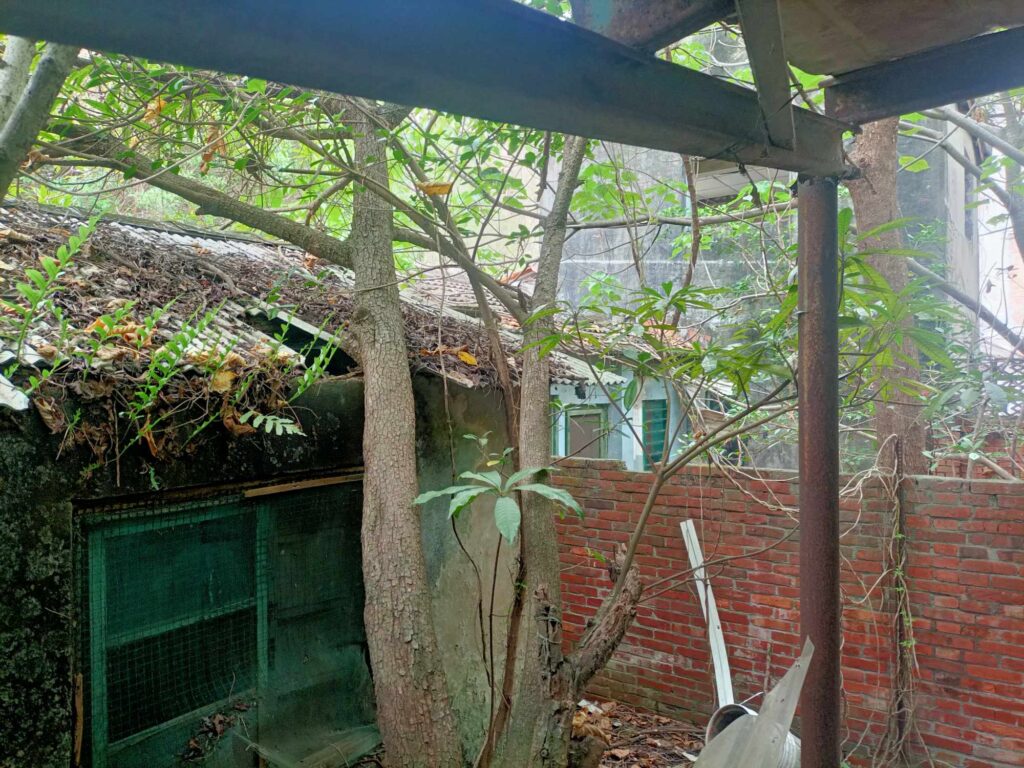
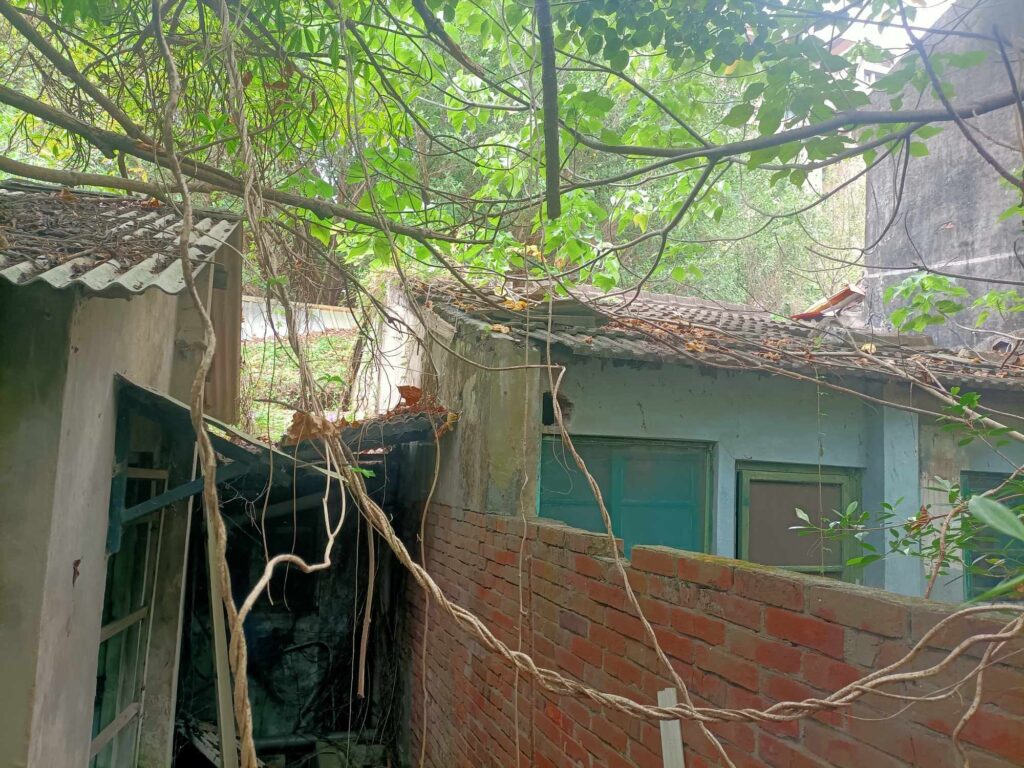
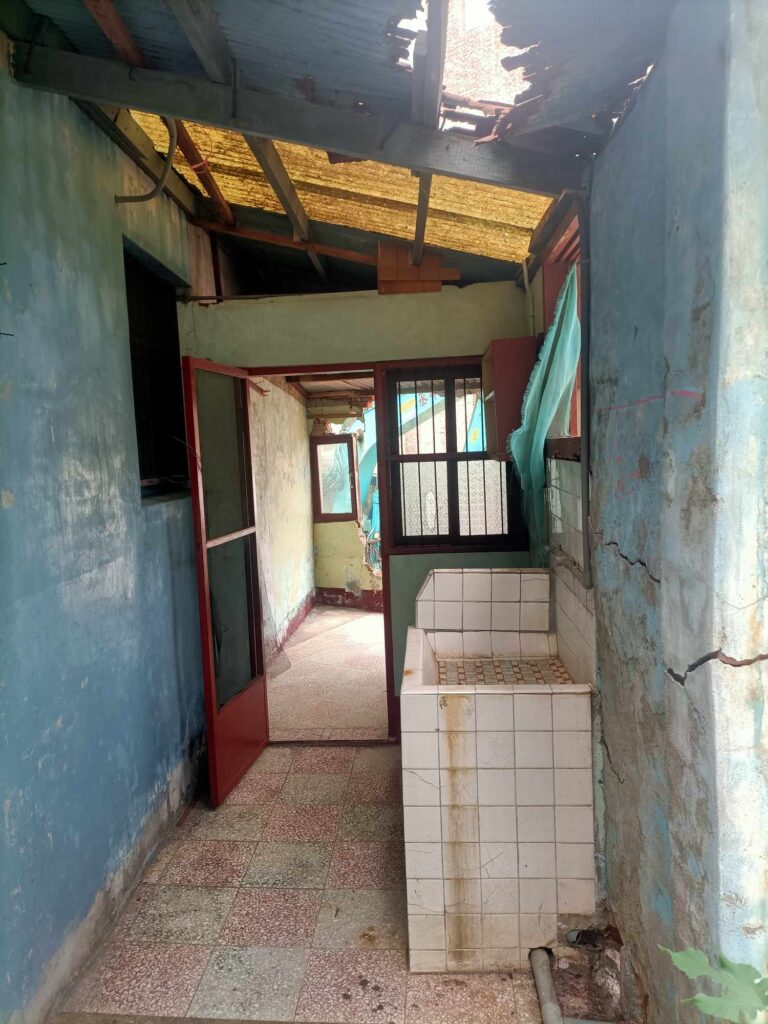
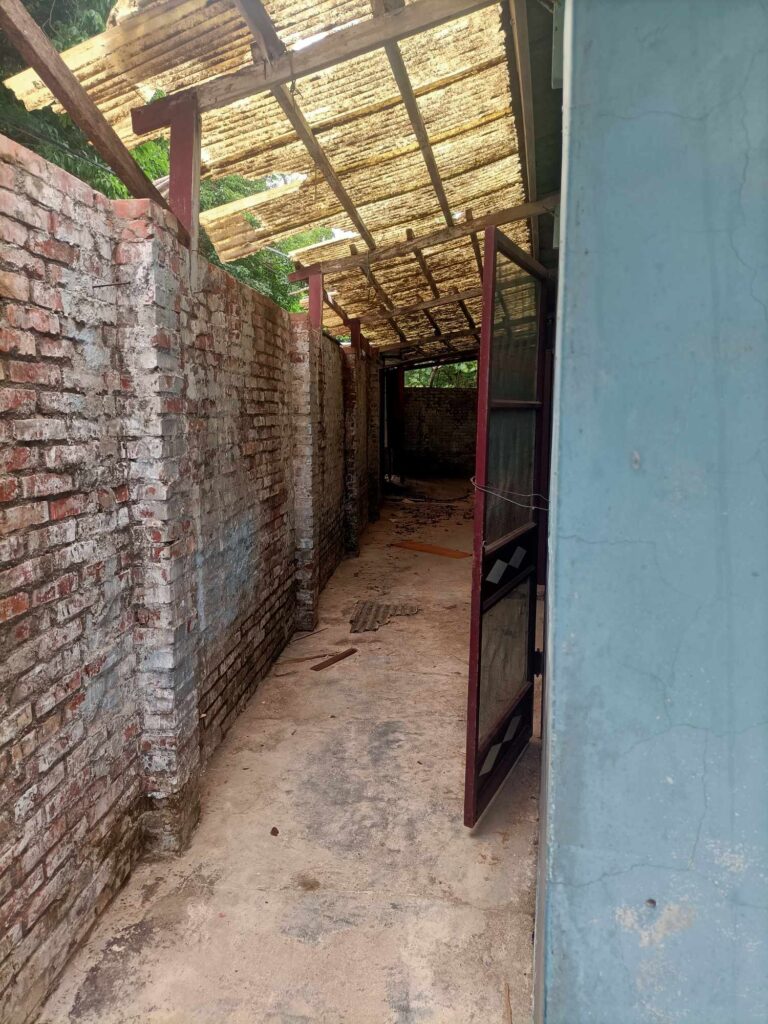
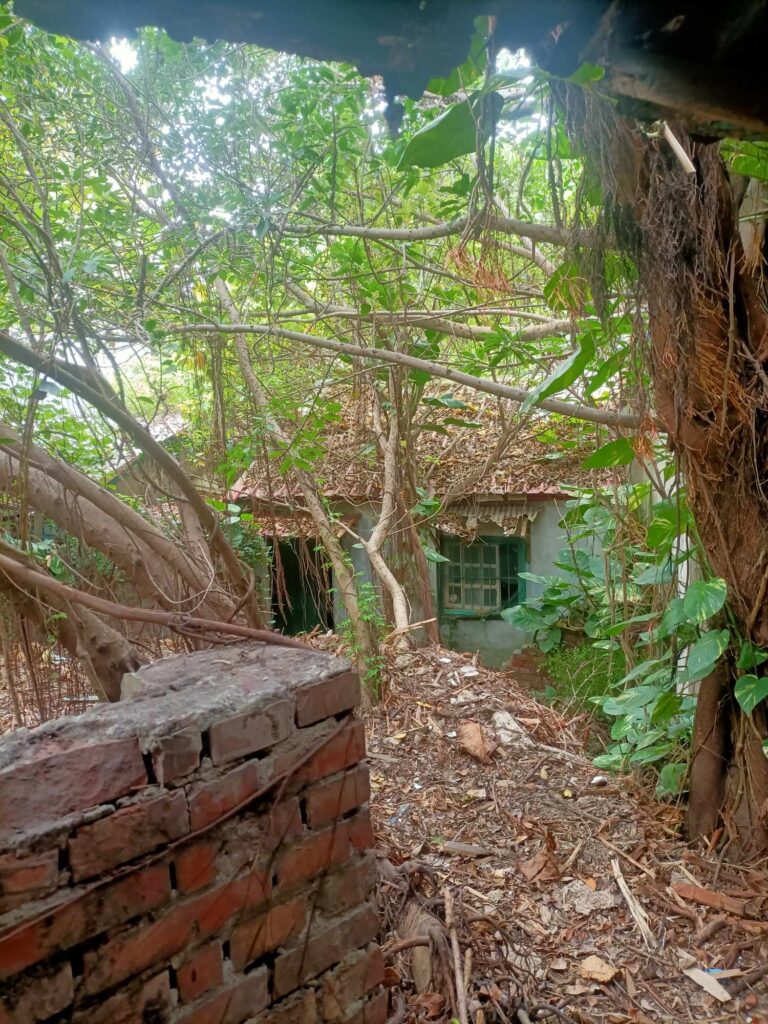
Construction work is going forward (8/2025):
copyright Claudius Petzold
Some sources: https://www.moc.gov.tw/en/News_Content2.aspx?n=502&s=18359