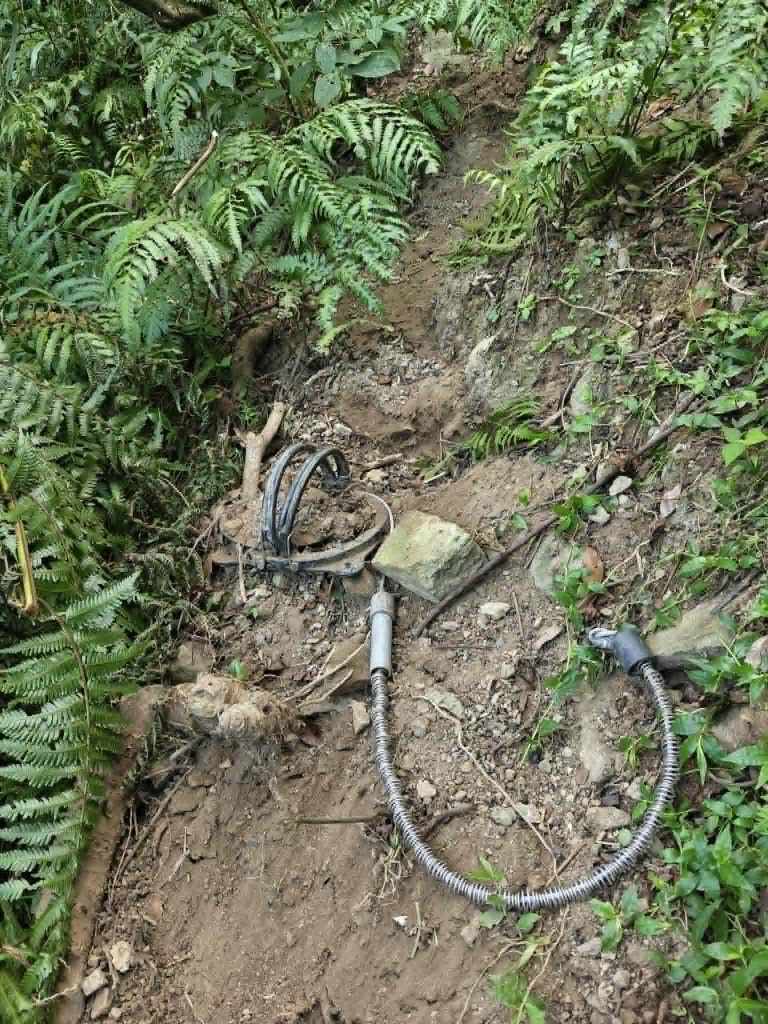
Kending is the result of misguided economic and tourism policies, as well as misjudgments by private businesses.
Let’s go back to the year 2001: Kending was a dream vacation for my young nieces. My wife and I took them there — it was their first trip without their parents. Even back then, Kending was rather overpriced. Despite everything, we remained connected to Kending. In 2008, I started organizing professional tours, including trips to Kending. Hotel prices became a headache, but the interesting parks in the area made up for it. I also made an effort within the community to convey that Kending is more than just a bit of beach — it’s nature and culture.
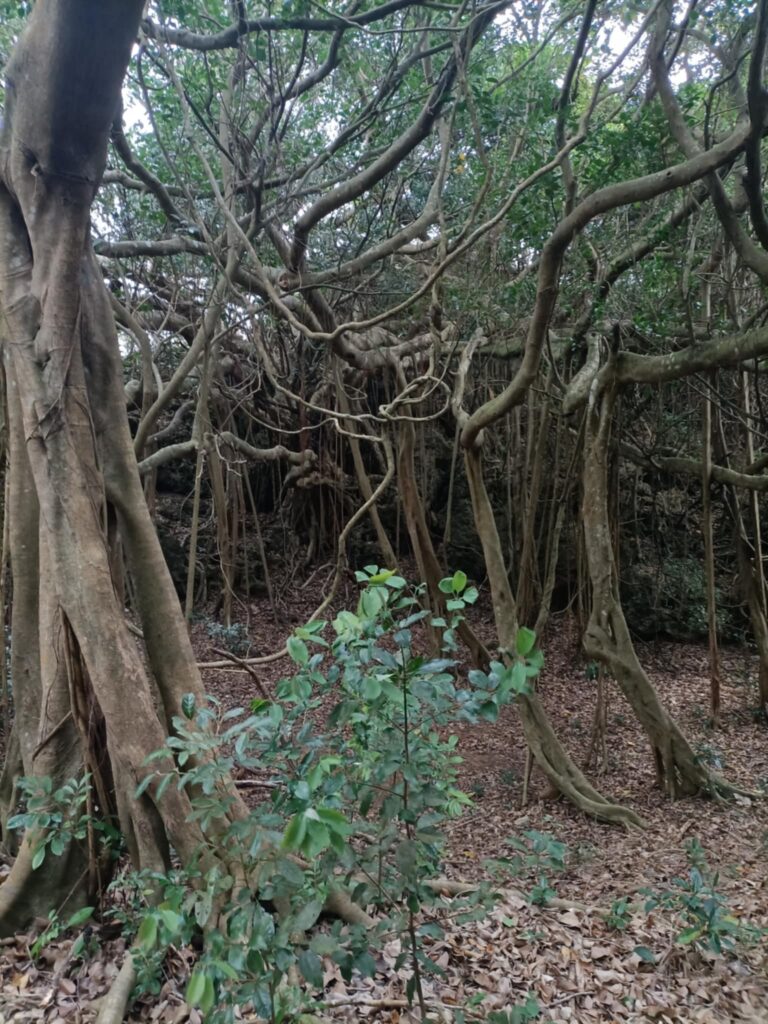
When then-president Ma opened Taiwan’s tourism market to Chinese visitors, prices skyrocketed. Driven by greed, some prices increased by 20% annually, and chain businesses had no interest in small enterprises. Headaches turned into migraines. Tourism focused exclusively on mass tourism from China, making hotel bookings very difficult. On the other hand, service declined, and there was a clear imbalance between price and quality. My article about:
https://www.taipeitimes.com/News/editorials/archives/2016/11/08/2003658800
and: https://www.taipeitimes.com/News/editorials/archives/2024/09/11/2003823587
Mostly for the joy of my children, we continued visiting Kending — often choosing the less greedy Tongyi Resort. I enjoyed the untouched landscape behind the beach scenes it and the culture of the Paiwan and Rukai peoples. Even back then, I was surprised by some of the decaying areas in Taiwan’s so-called “summer resort.”
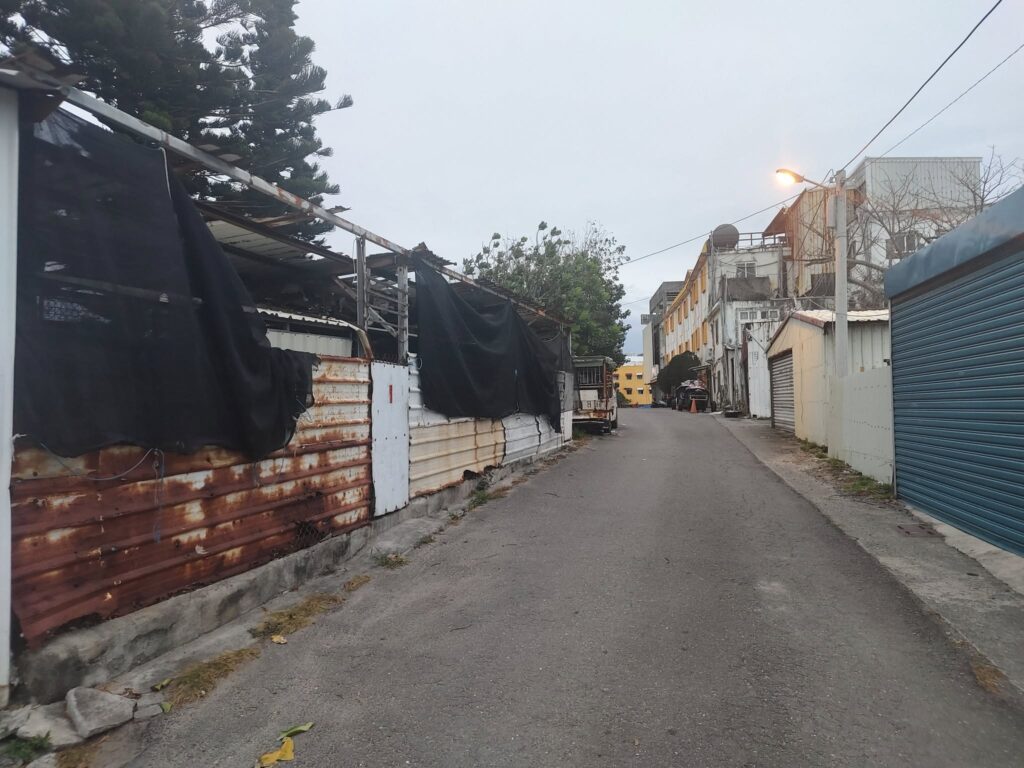
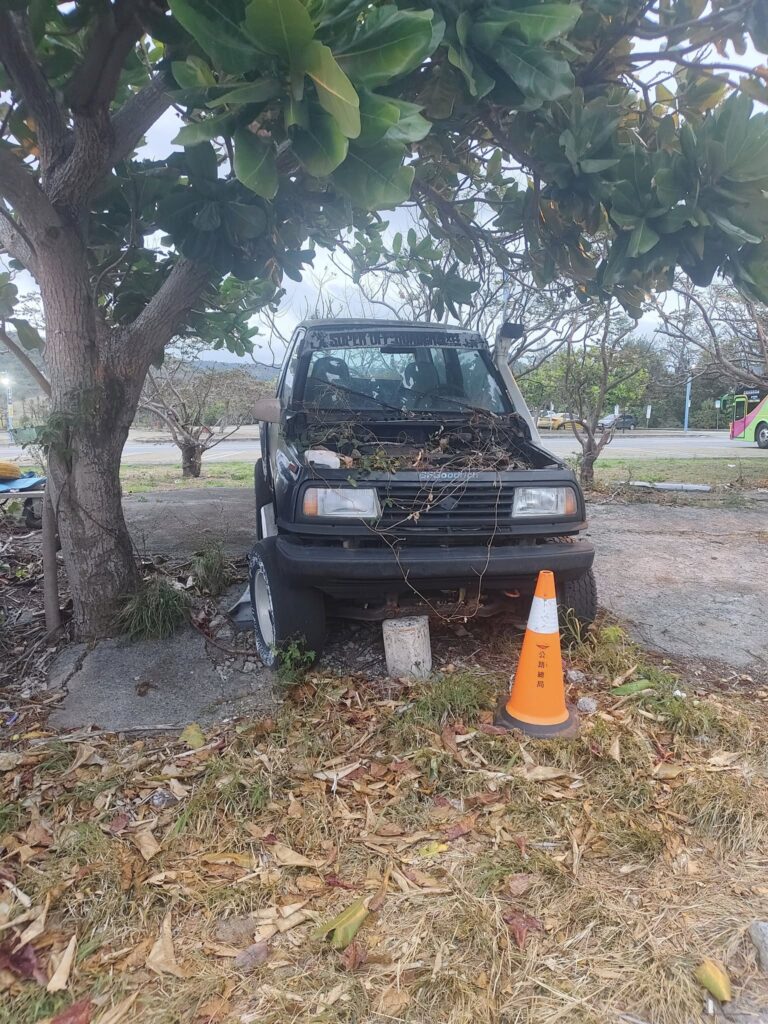
(30 m from the main street)
The tide turned: international travel became cheaper, while the greed of some local businesses kept growing. A short vacation in Thailand or even Korea became cheaper than one in Kending, despite the cost of the flight. Nevertheless, prices in Kending became absurd, and stories of scams began circulating. Taiwan turned away. Now, Kending suffers from decline — the once-vibrant night market street is empty even in summer. Bars have closed, hotel ruins are increasing — even along the main road. The food scene will survive it, but a telling sign is that even McDonald’s has shut down.
An Example of Past Mistakes
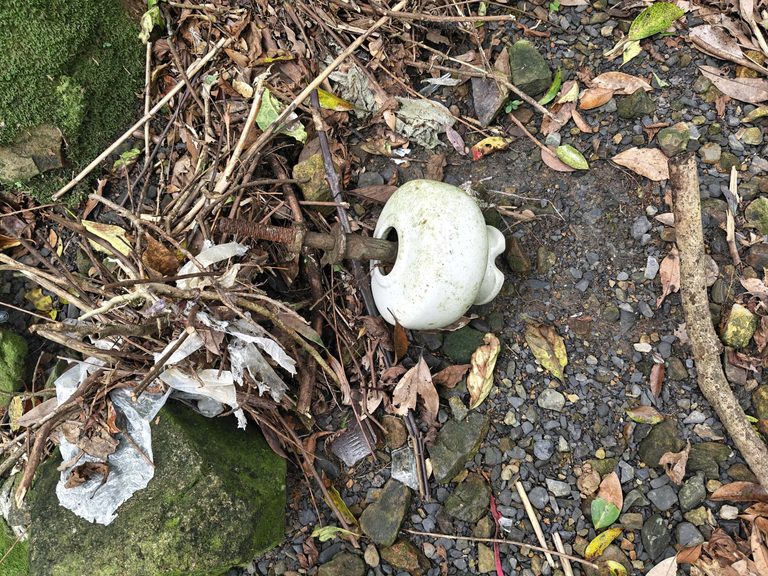
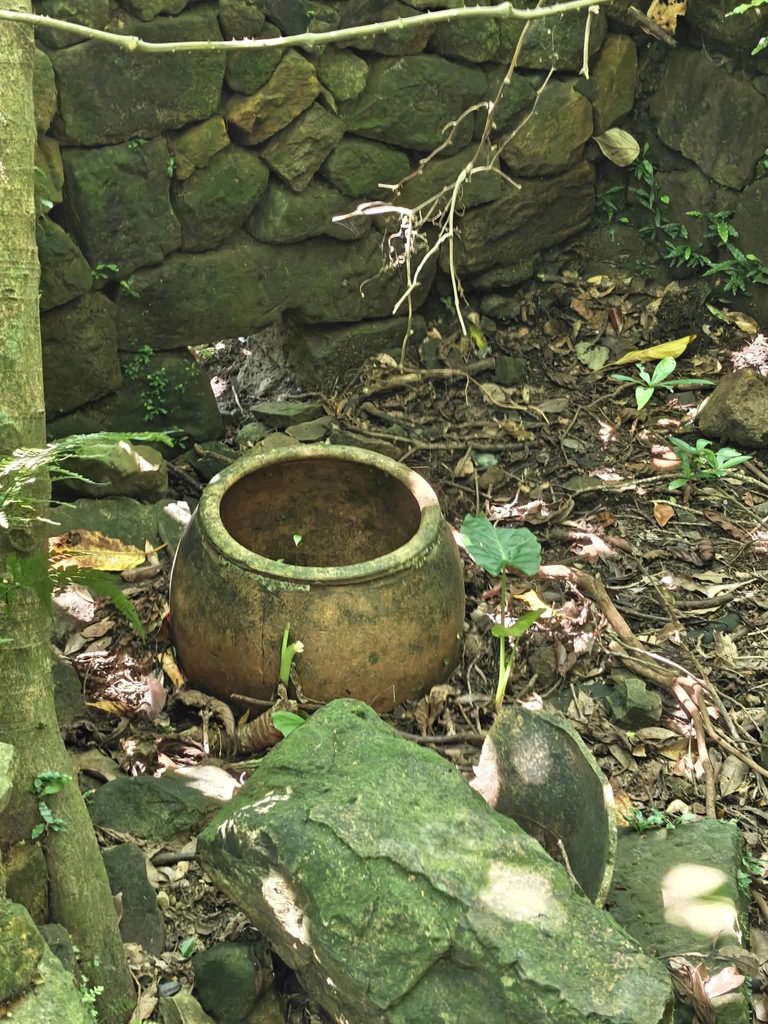
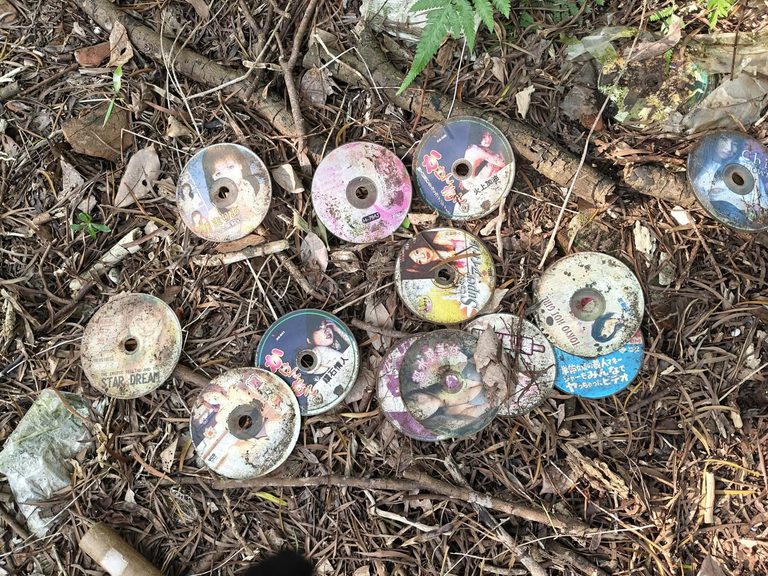
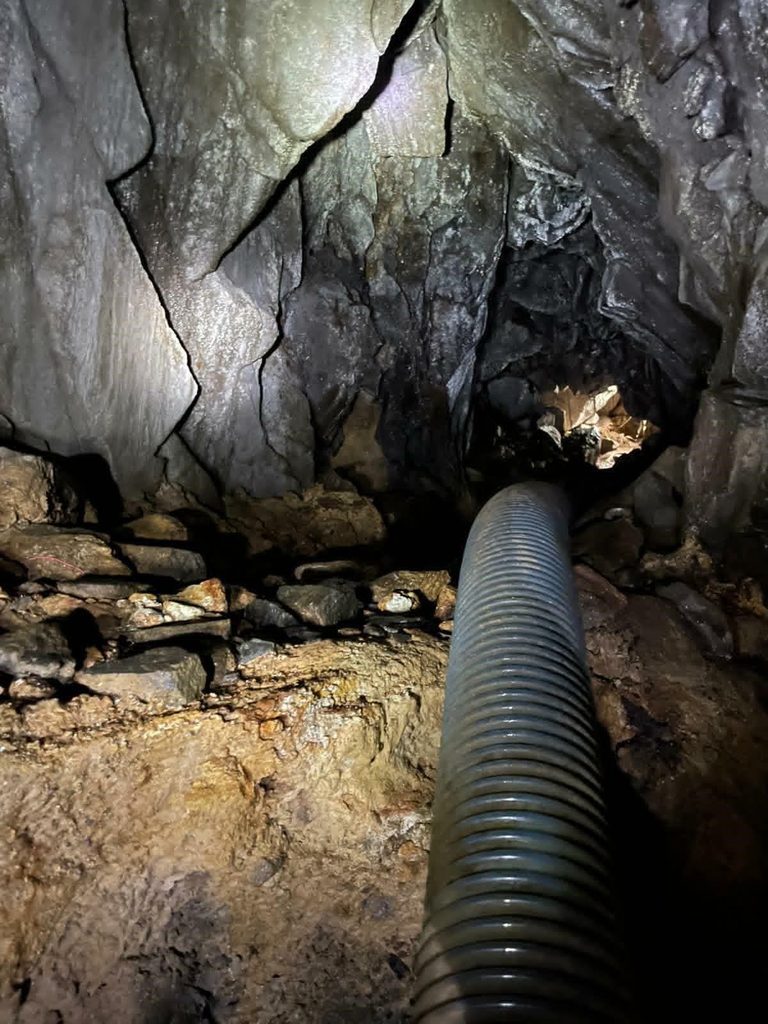
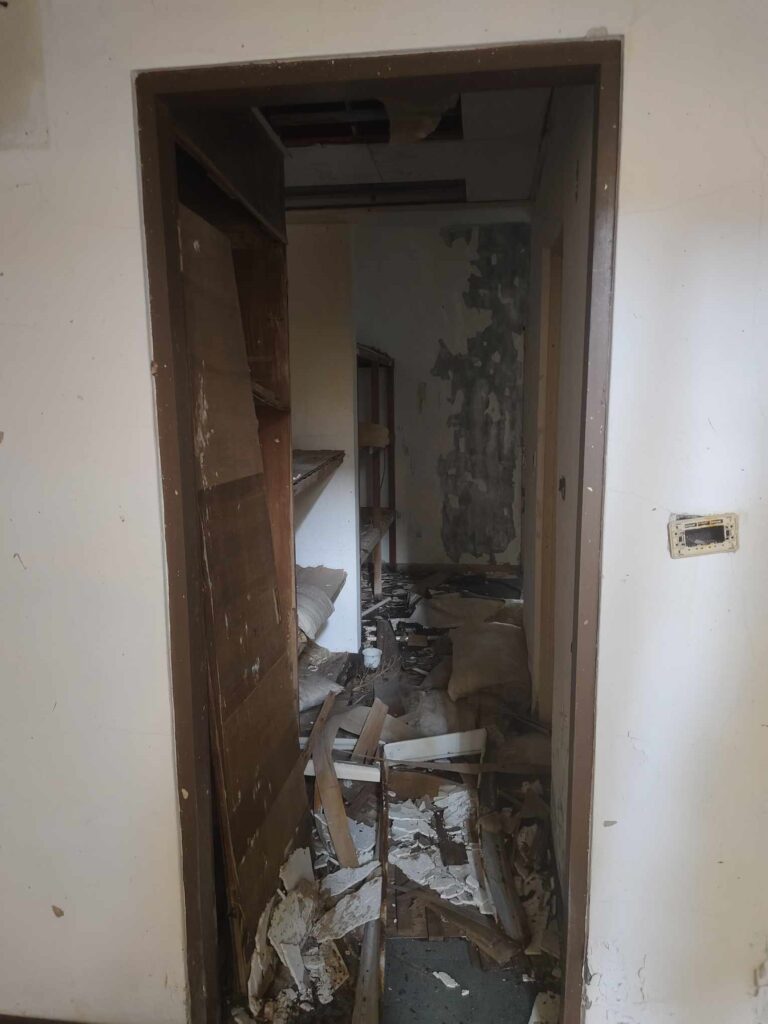
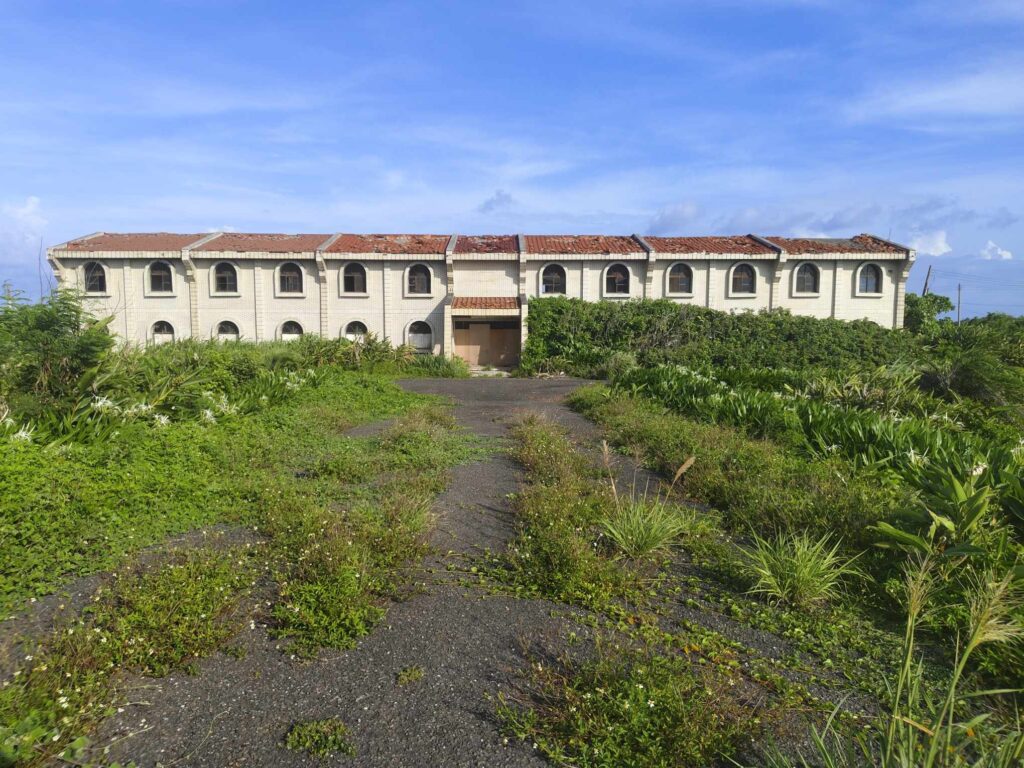
I was driving along the coast when I saw a large resort in the distance. I’d estimate it has been closed for about 30 years — well before the real phase of decline even began. Everything is already shut down, with no signs or warning notices. It has been removed from all maps. The resort is a complex made up of several buildings.
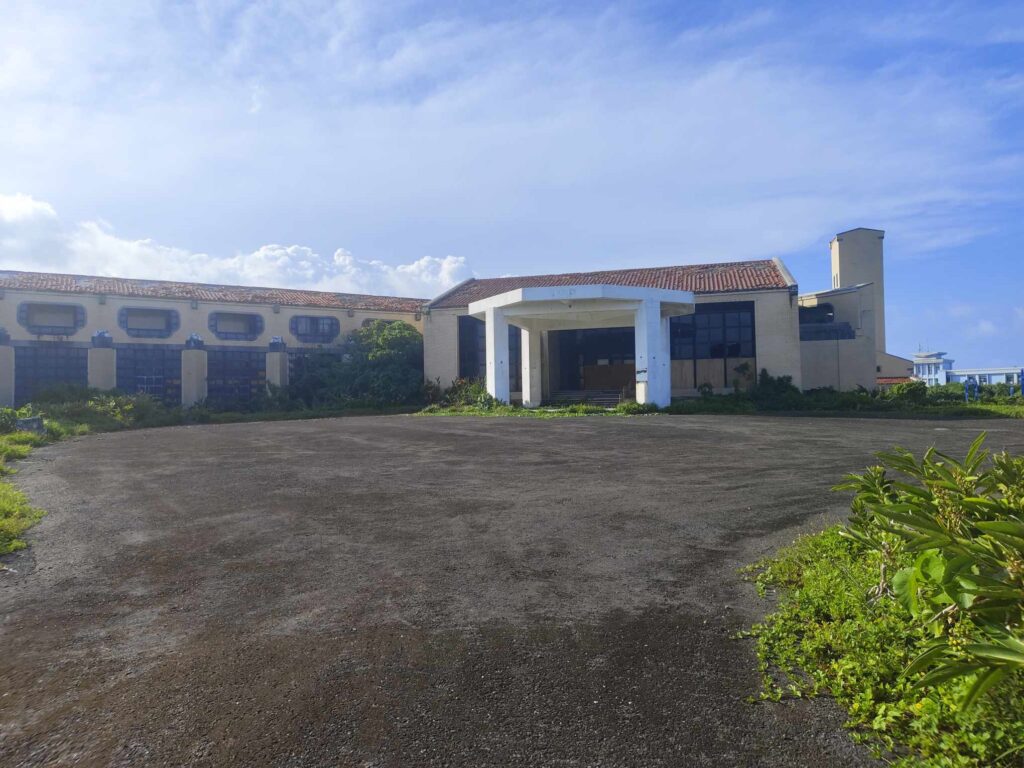
The decay is irreversible — roofs have collapsed, trees are growing through the structures.
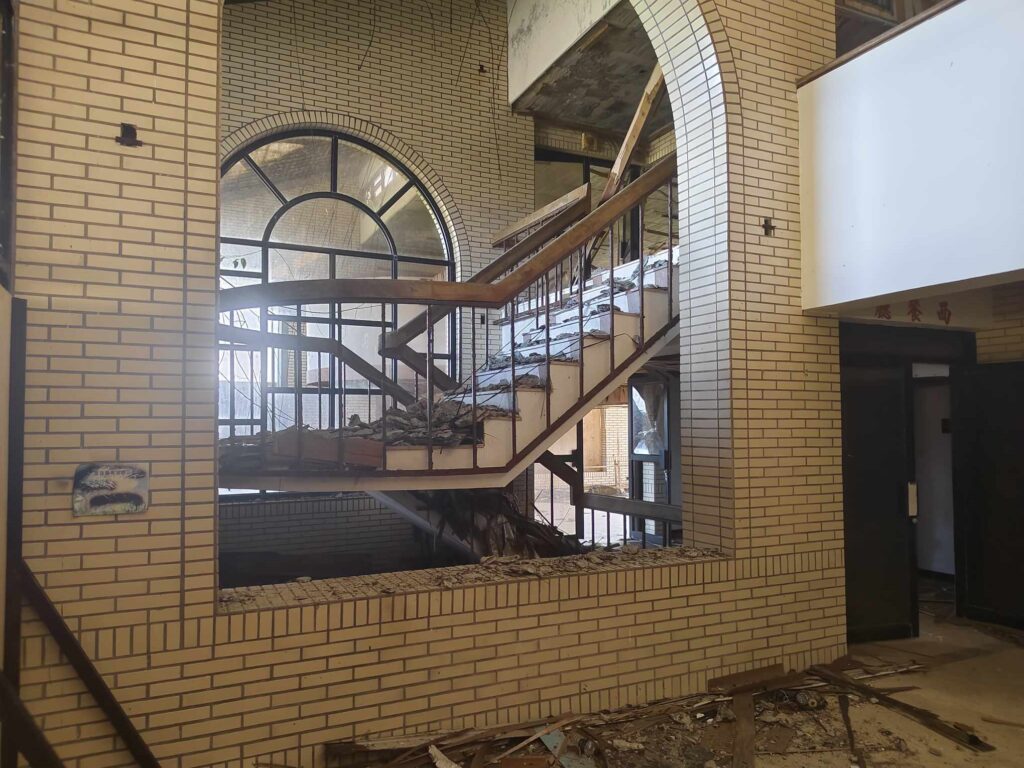
It was a bit risky.
I walked through the overgrown grounds, and in the back, there were signs of a military area.
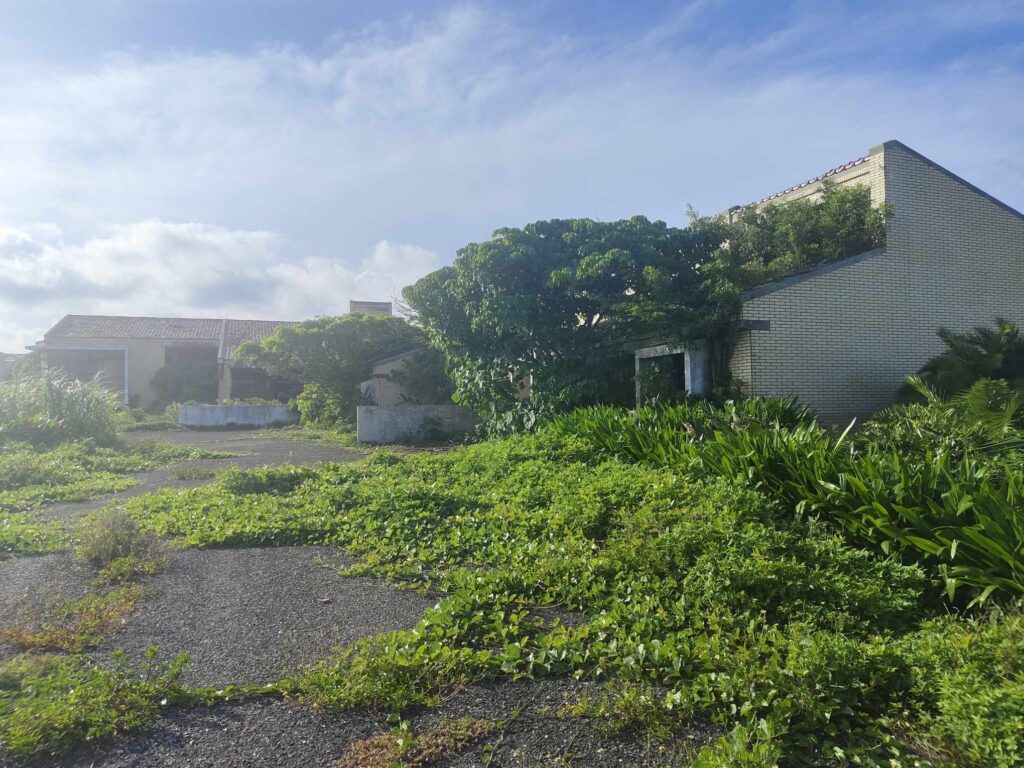
Right at the very end, there’s a small sign stating that the area is state property. There could be various reasons for this. As so often happens, construction here was likely carried out illegally with the authorities turning a blind eye — until it eventually went too far. The area is probably already part of a nature reserve. But it’s also possible that the state reclaimed the land because the owners could no longer be located.
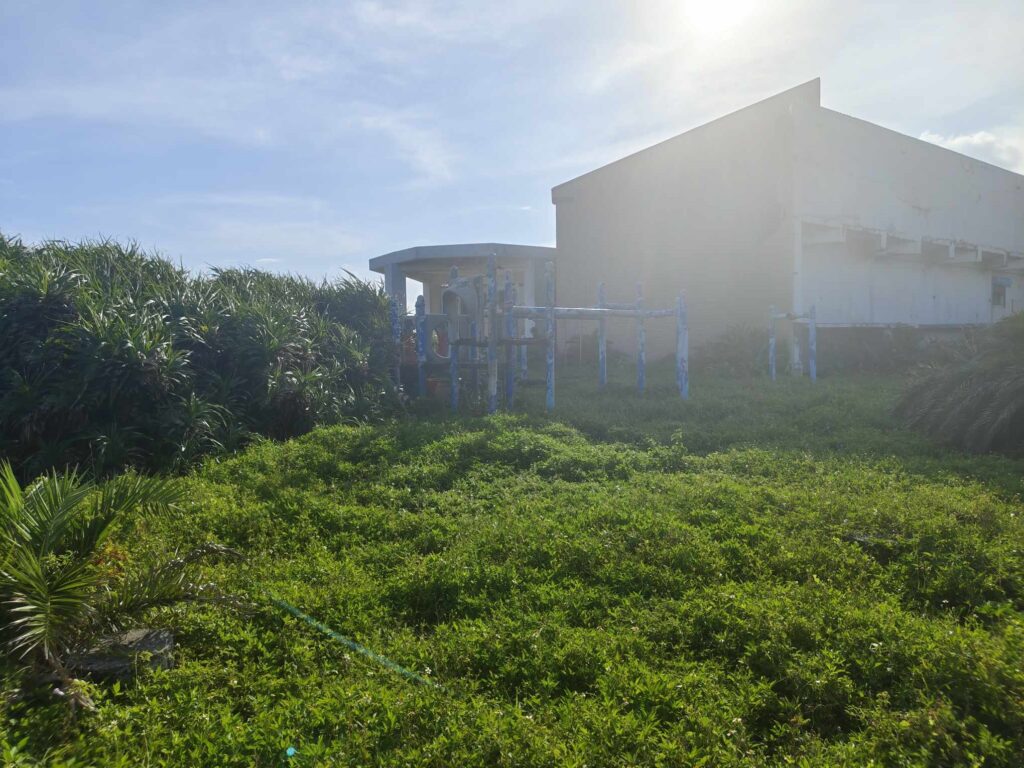
I have now received more information. It is a U.S. military guesthouse with over 50 years of history that has been closed for the past 30 years. In 1992, it was expanded into the Joint Logistics Eluanbi Activity Center (舊聯勤中心). Before Kenting’s tourism industry began to flourish, the guesthouse was the only place on the Hengchun Peninsula offering “American-style fried chicken.” After the military took over operations, its high-end steakhouse became a favorite treat for local residents, creating strong emotional ties with the community.
For about 10 years now—and increasingly since 2017—there have been efforts to revive the center. Obstacles include environmental protection regulations as well as complex administrative procedures, since the land is owned by the military. The project is intended to follow a ROT (Rebuild-Operate-Transfer) model. As so often, good plans were never implemented. This is actually a pity, as the surrounding area is very beautiful. Here, an old video:
Sadly, in August 2024, the site made headlines again after two suicides were discovered there.
References:
https://news.ltn.com.tw/news/life/breakingnews/1983589
(Copyright Claudius Petzold)