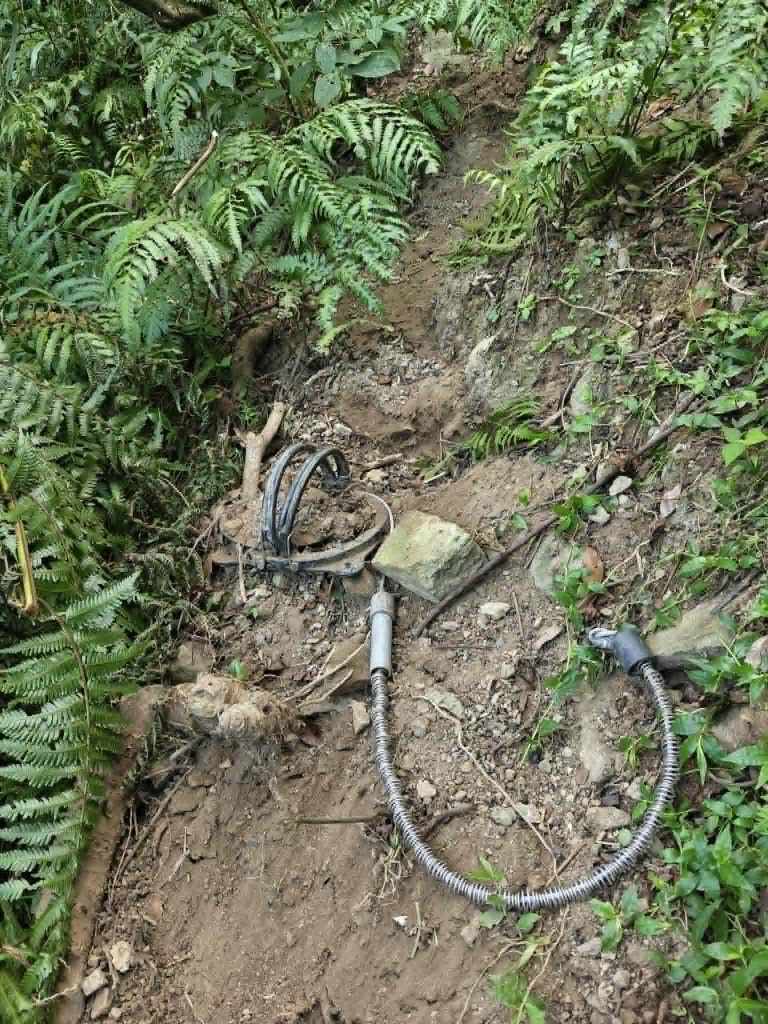
still in process
Hospitals are closely connected with Taiwanese culture, but also with fear. Similar feelings exist in Western culture as well—after all, hospitals are often an inspiring source for horror movie ideas—but this sentiment is even stronger in Taiwan. This post also offers a glimpse into Taiwanese folk beliefs and the ways they still shape daily life.
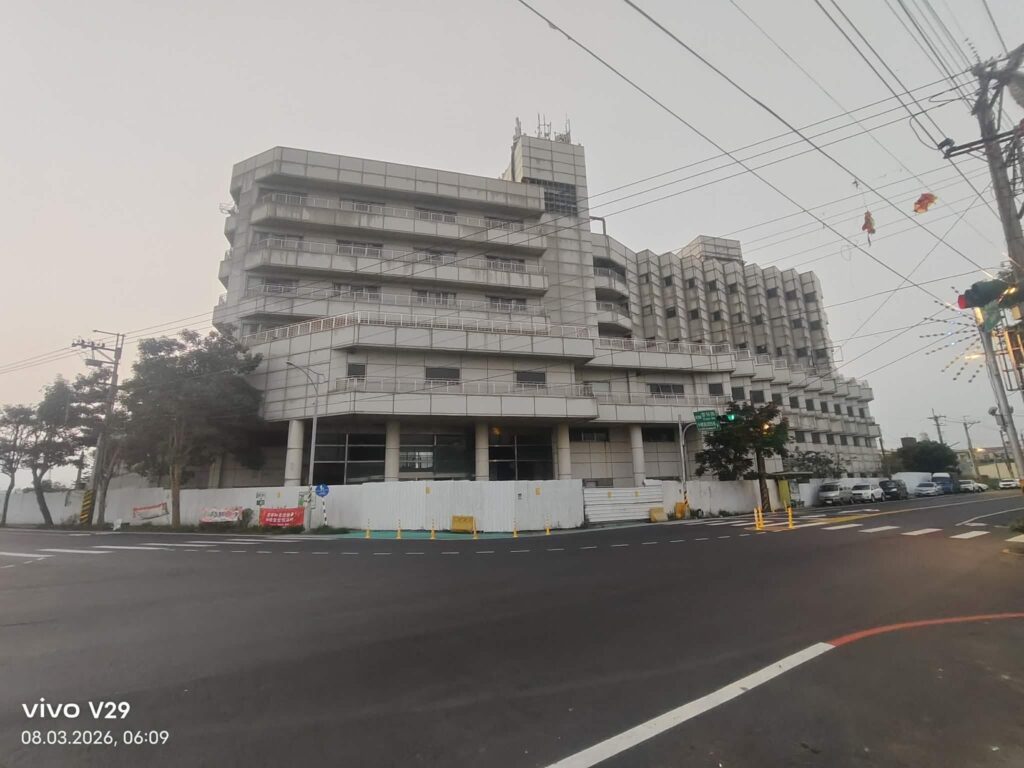
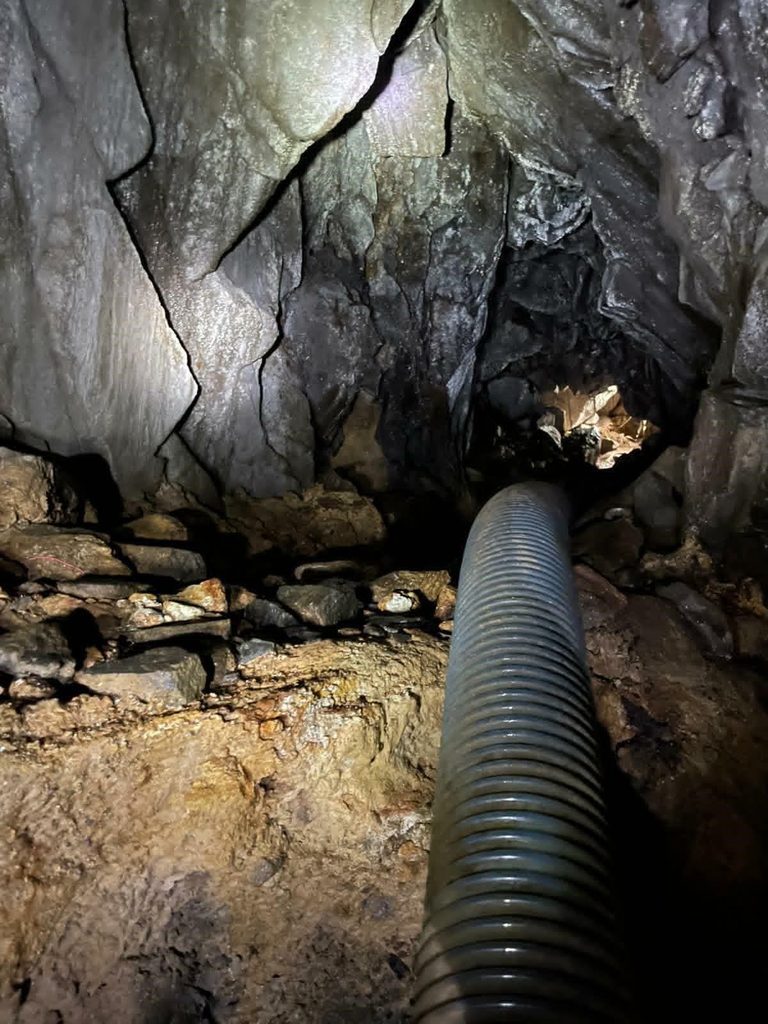
Taiwanese people tend to avoid places where people have died, especially if the death was unnatural. There is a fear of provoking the anger of the deceased soul or spirit. As a result, no Taiwanese person would normally visit cemeteries or abandoned hospitals—it would be seen as tempting fate. Fortunately, we have Mr. X, who managed to find an entrance.
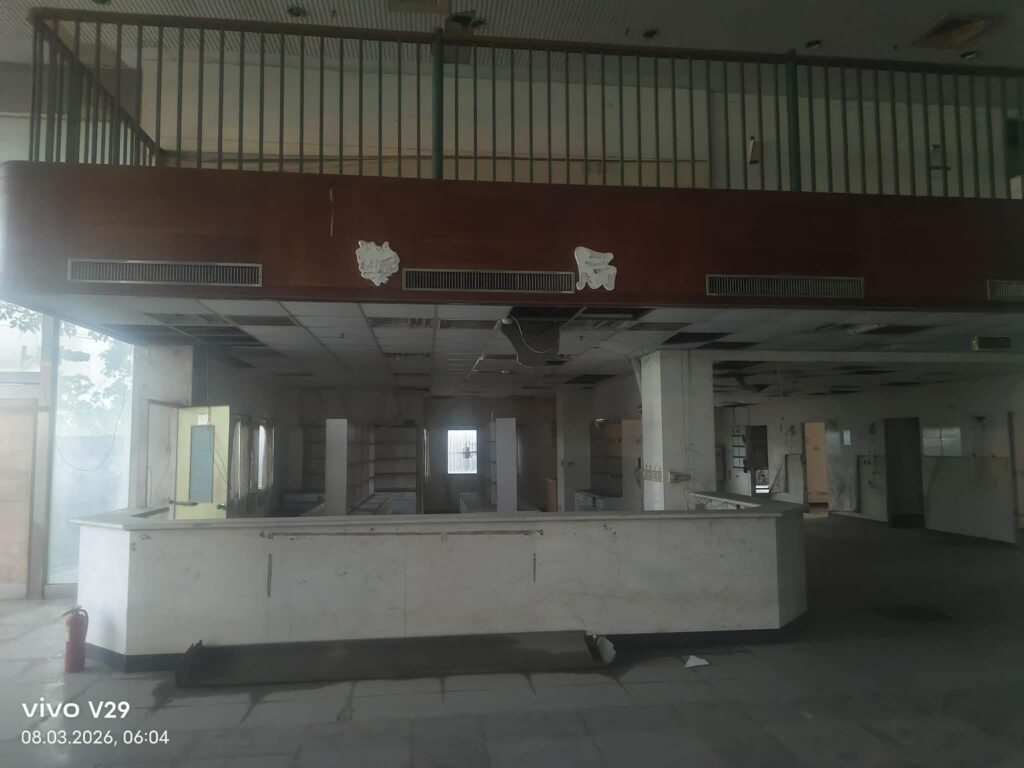
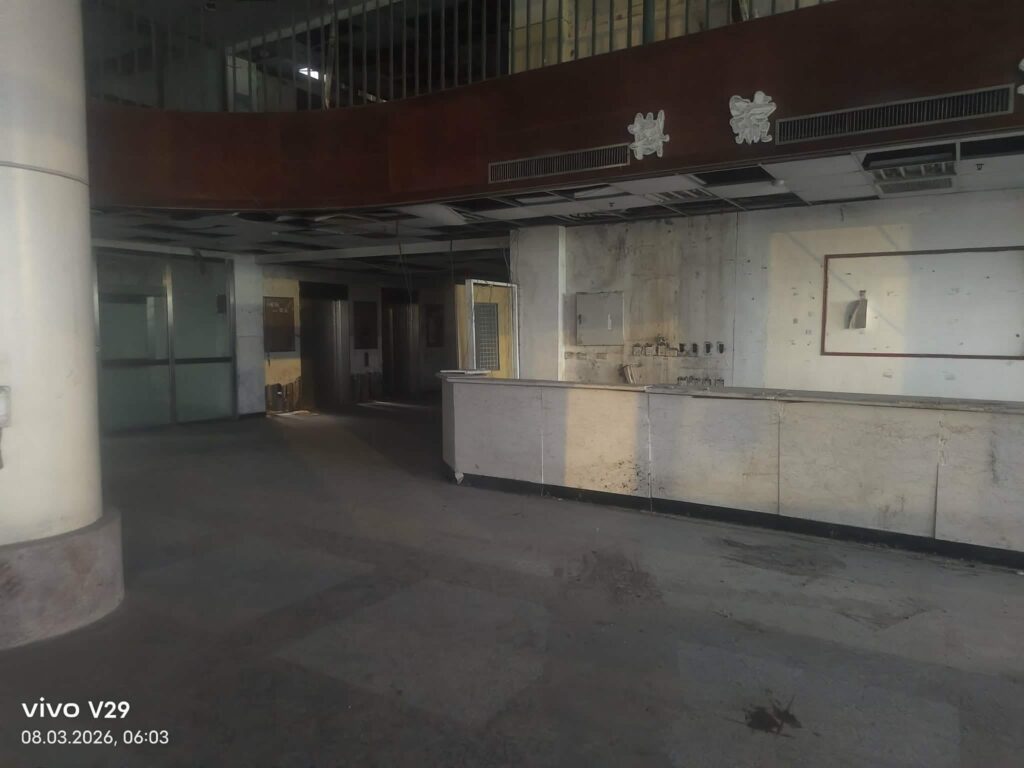
(pharmacy and registration)
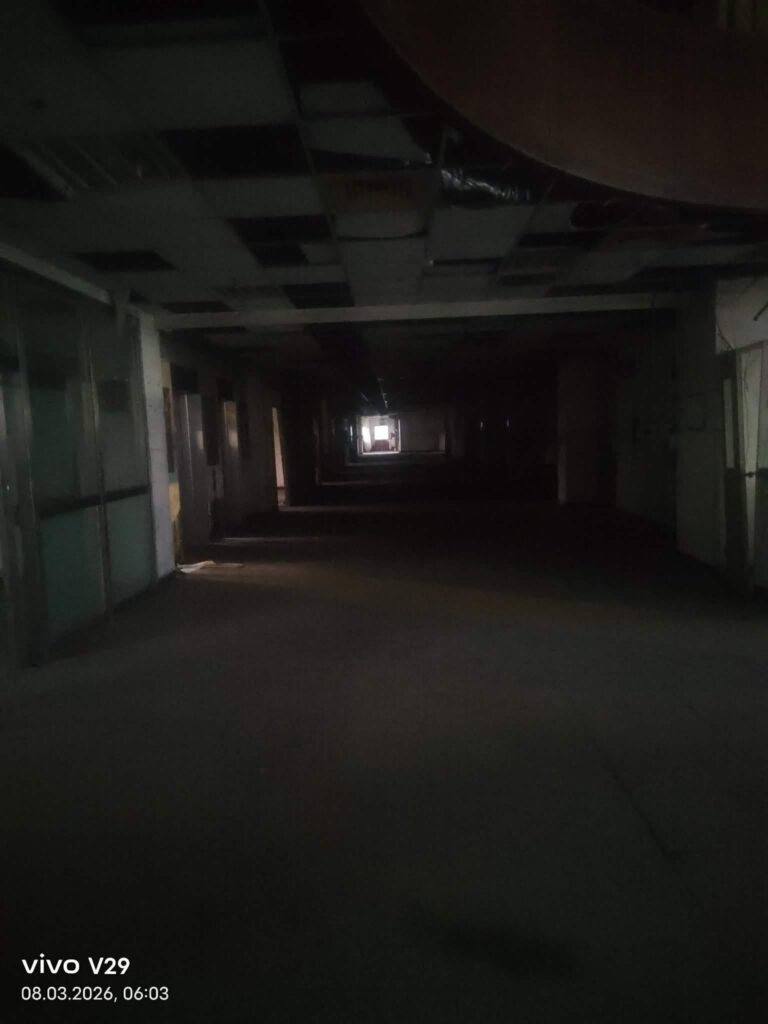
No ghosts seen by Mr. X
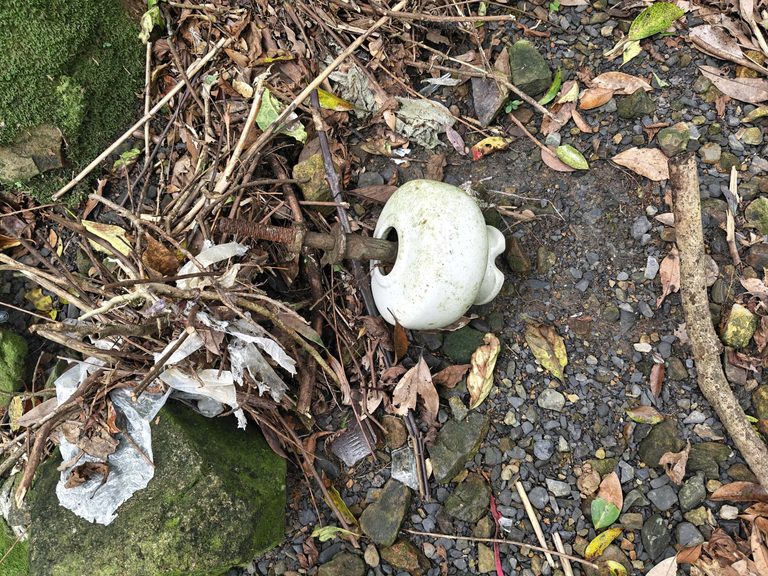
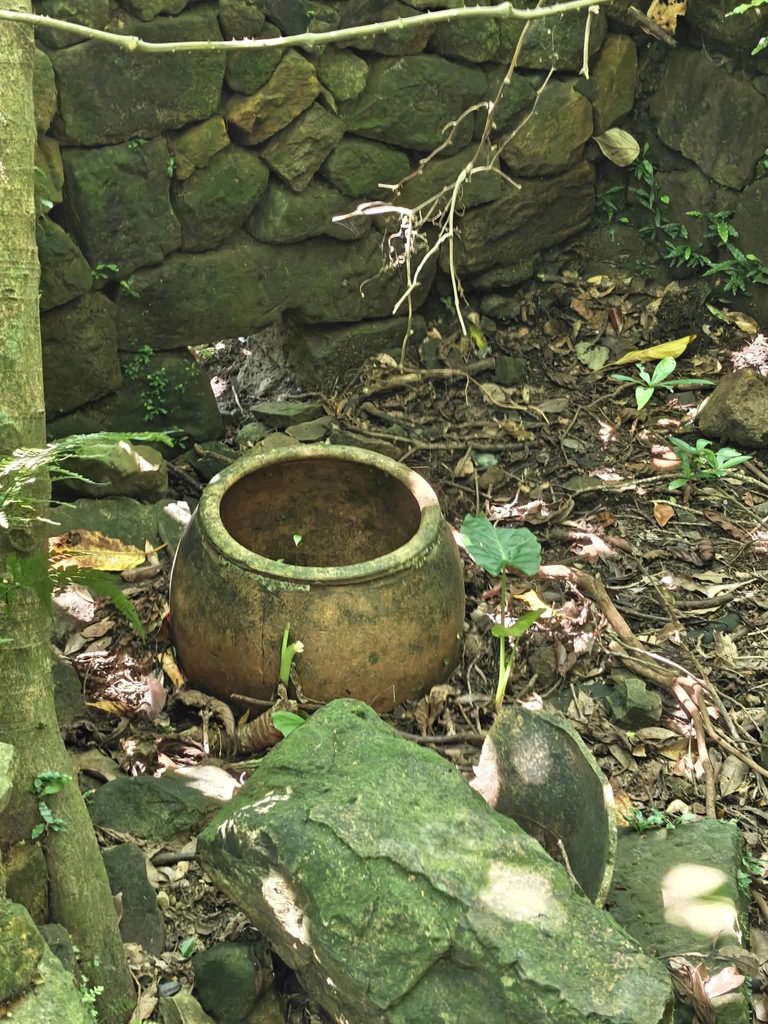
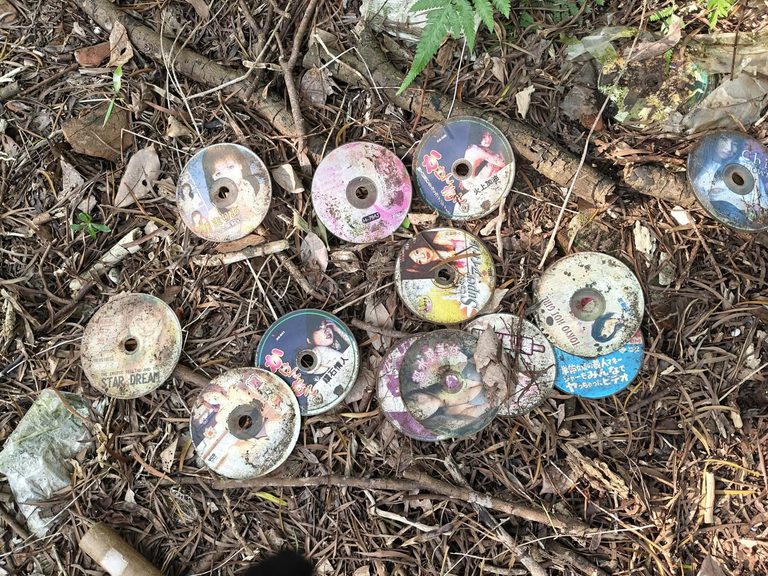
Not much is left of this hospital; it is probably awaiting demolition.
The most well-known case is likely the hospital in Tainan where a horror film was shot. It attracted so many visitors that it was eventually completely sealed off. Looks like some attempts:
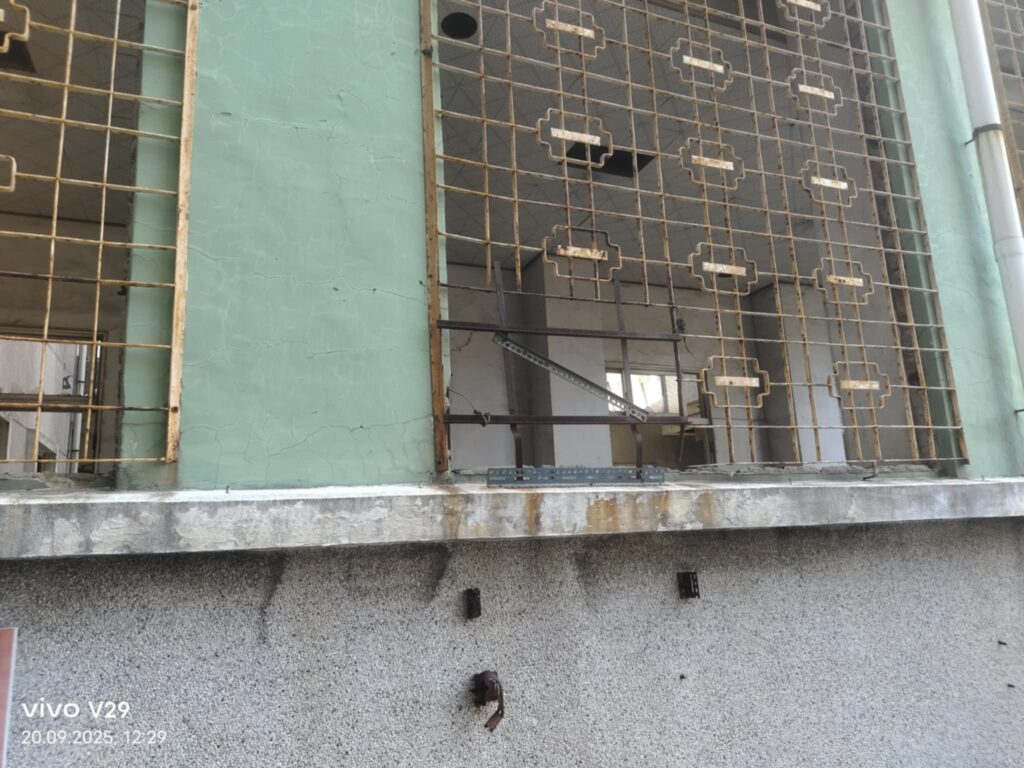
Anyone who is more familiar with Taiwanese people understands how deeply rooted this fear is and how it has been passed down through generations. Those interested in this topic can watch the Japanese horror film The Grudge.
This goes so far that houses or apartments where an unnatural death has occurred lose significant value. Nobody wants to buy them. When selling such a property, this fact must be disclosed; otherwise, the purchase can be rescinded. It is possible to remove the stigma of bad luck from one of these homes, but the house would need to undergo a drastic transformation to get rid of its unlucky status.
There was a newspaper report in Taiwan about a man who had been in an accident and was so severely injured that he was close to dying. A neighbor refused to let the firefighters pass through his apartment, preventing them from carrying the dying man through his home.
Firefighters in Taiwan encountered a delay in their attempt to rescue an injured man after a superstitious homeowner reportedly refused to let them pass through. The rescue team’s first responders who needed to reach a man in a back alley were stopped by the owner the house. The owner’s decision delayed the rescue by about 15 minutes, rescuers stated. The victim was later pronounced dead at the hospital. One of the volunteers involved in the rescue wrote in an article online that the owner of the house did not want to let firefighters through her home to reach the back alley where the electrician had fallen. She allegedly told the rescuers that she did not want her house to be linked to an unnatural death. Indeed, after the news reports reached the mainstream media, the house ended up being listed in an online “unlucky house database” which tracks these unlucky houses, listing entries based on news reports.
In Taiwan, properties where people die of unnatural causes are regarded by some as unlucky and automatically incur a diminished price. Incidents such as such as homicide, suicide, and even accidental deaths can significantly reduce the value of a house on the market. https://nextshark.com/taiwanese-homeowner-stops-rescuers-saving-dying-man-asian-superstition?utm_source=chatgpt.com
Chinese Ghost Stories: To find a substitute to die in one’s place
The idiom 抓替死鬼 (zhuā tìsǐguǐ) can be explained in English as: “To find a substitute to die in one’s place or “to claim a replacement victim.” In Taiwanese and Chinese folk belief, it is said that when a person dies suddenly or accidentally, their spirit remains at the place of death. The soul cannot move on or be reincarnated until someone else dies at the same location in the same manner. The new victim then takes the deceased’s place, allowing the original spirit to be released and reincarnated. For this reason, a restless ghost is believed to lure or cause another person to die in order to “catch a substitute”