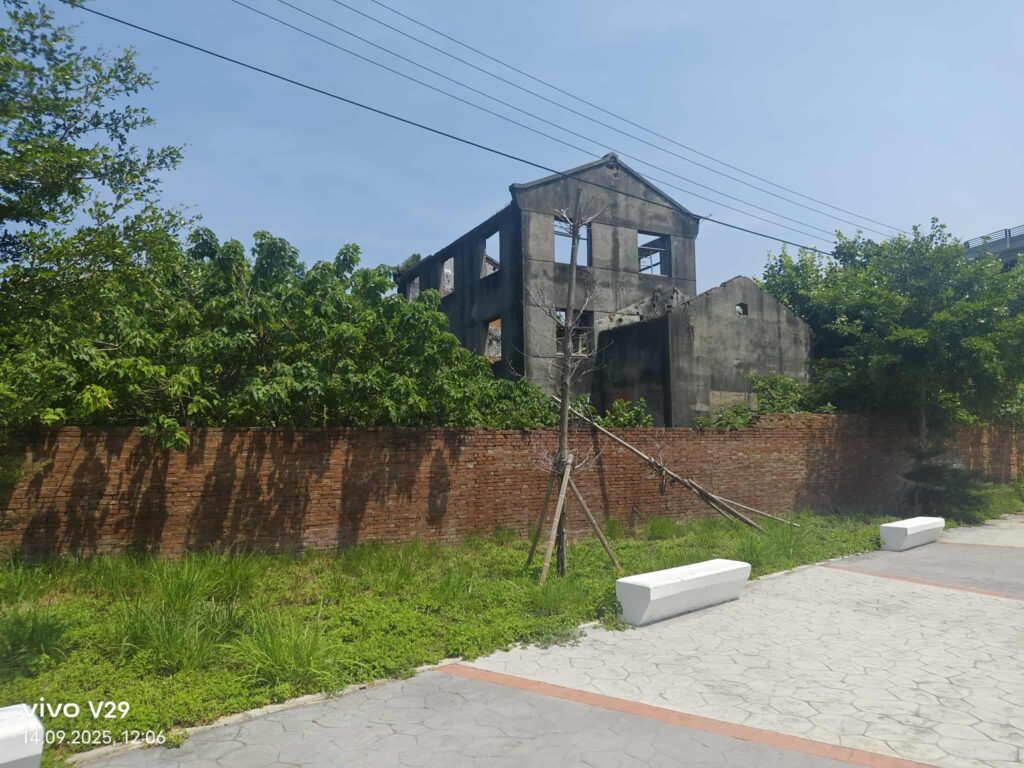
(rice-milling facilities)
The reports and photographs highlight a dilemma in Taiwan: there are still many historic buildings from earlier periods that offer valuable insights into the past. At the same time, they are often not considered “significant” enough to justify government investment. Here are some earlier photographs and survey records from government documents.
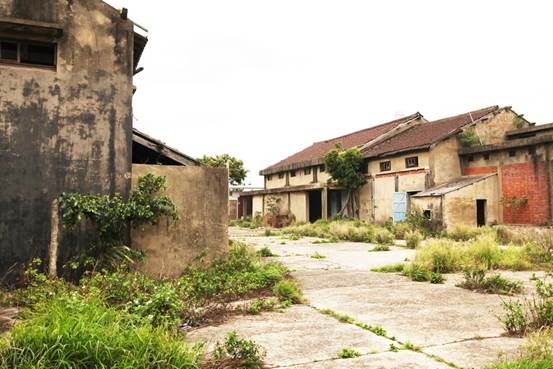
(https://nchdb.boch.gov.tw/assets/overview/historicalBuilding/20100430000001?utm)
The Tongxiao Railway Granary, located at No. 109 Zhongshan Road in Tongxiao Township, Miaoli County, was built by the Taiwan Provincial Grain Bureau around 1950. Constructed in response to postwar food shortages, it is a representative example of grain warehouses and rice-milling facilities established across Taiwan in the mid-20th century.
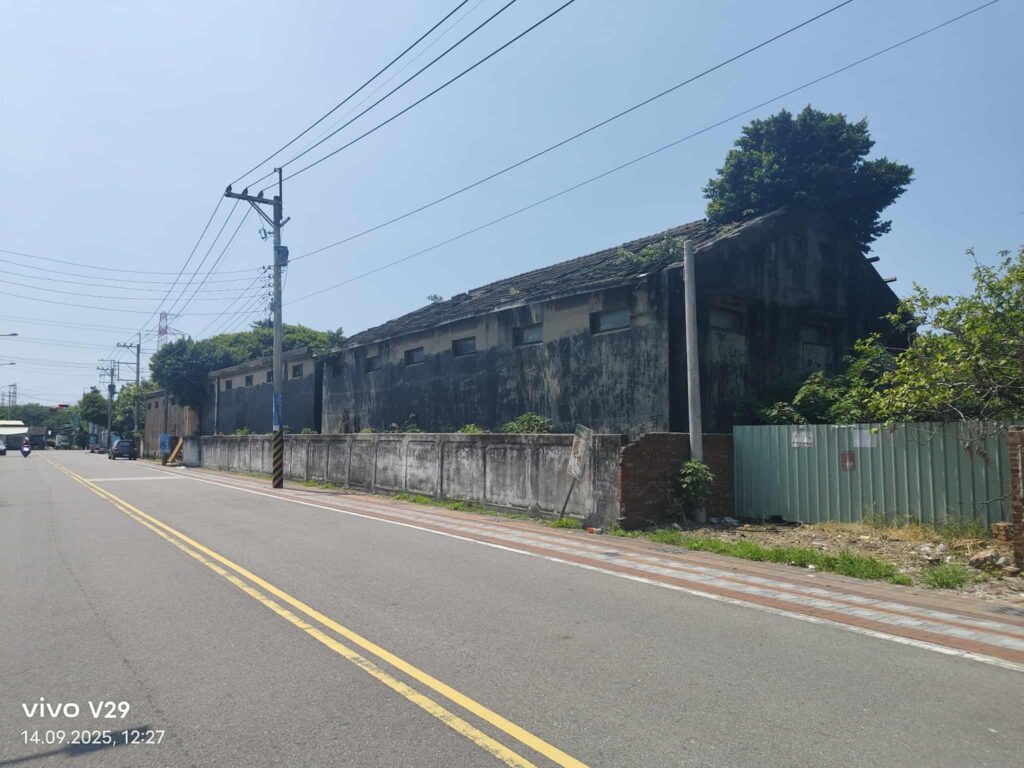
(Warehouse No 1 to 3, left side
Following World War II, the Grain Bureau was founded in 1945 to manage grain storage and distribution. At a time when agricultural production had sharply declined, the government maintained a system of state purchase and distribution while subsidizing the construction of new granaries and rice mills. Between 1950 and 1973, rising grain yields and procurement volumes prompted the Bureau to expand its storage capacity. Facilities were built both through farmers’ associations and directly by the Bureau itself. The Tongxiao Railway Granary was one such project, designed to integrate processing, storage, and transport along the coastal railway.
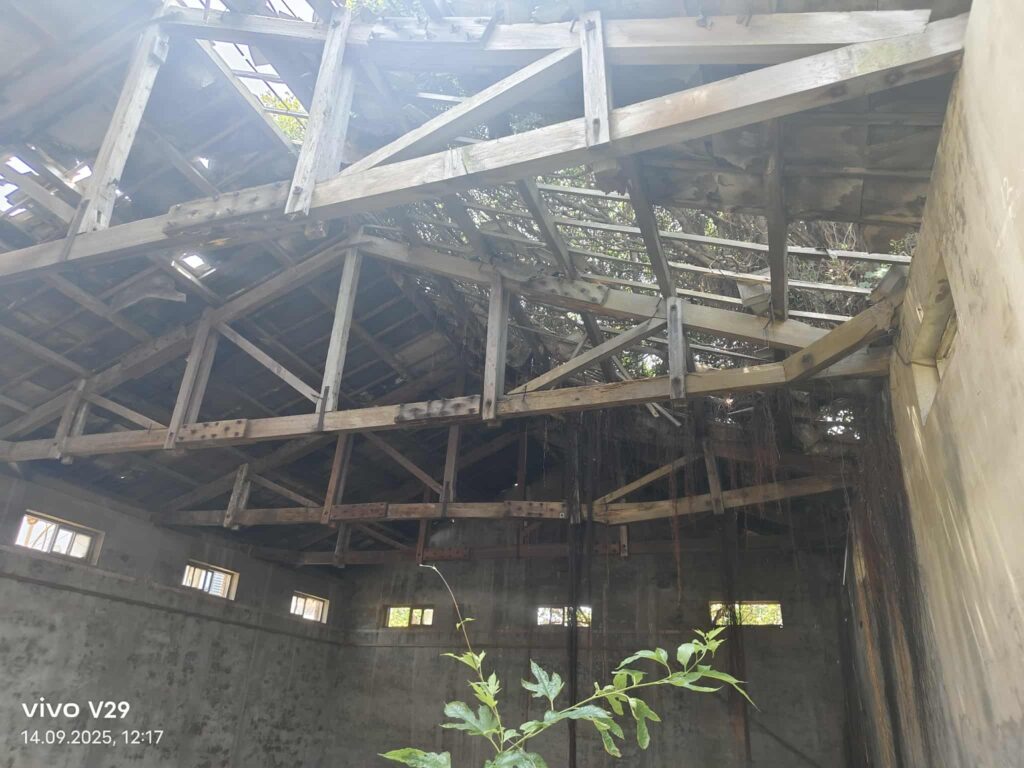
The complex comprises seven structures in eight units, including a rice mill, bulk grain warehouses, bagged grain warehouses, and a guardhouse. The rice mill served as the core, with the warehouses arranged in two parallel rows to facilitate storage and rail transport. The buildings exhibit a variety of construction techniques, combining brick walls, timber trusses, pitched tile roofs, and reinforced brickwork with concrete columns. This diversity reflects both functional needs and the transitional building practices of the time.
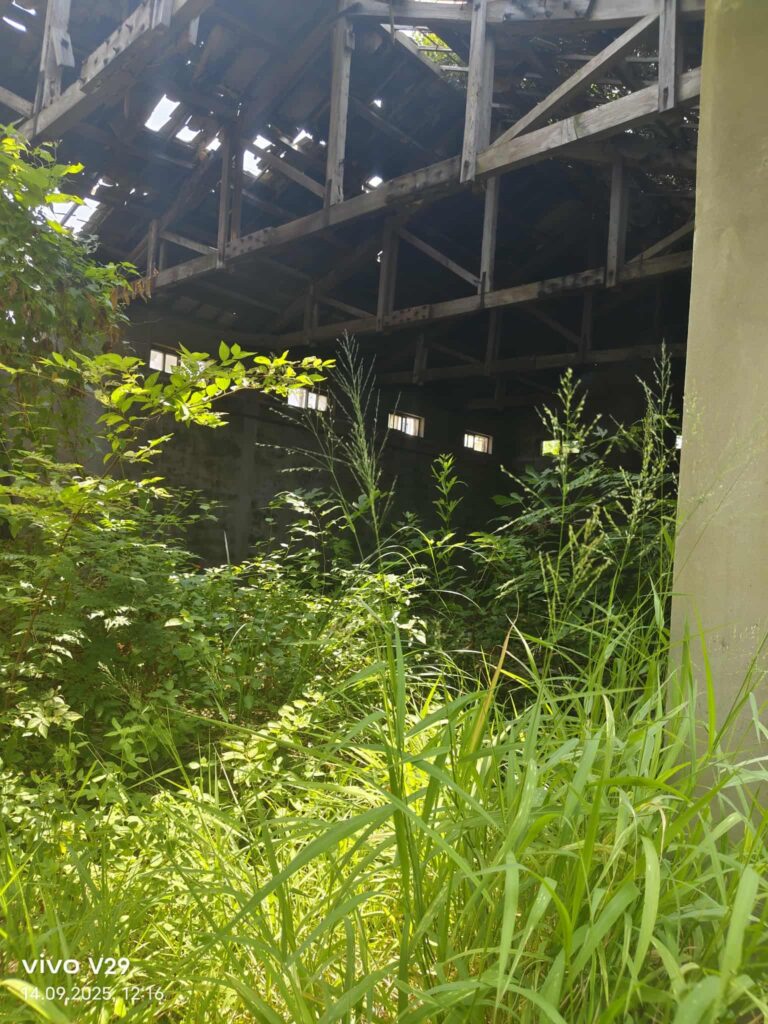
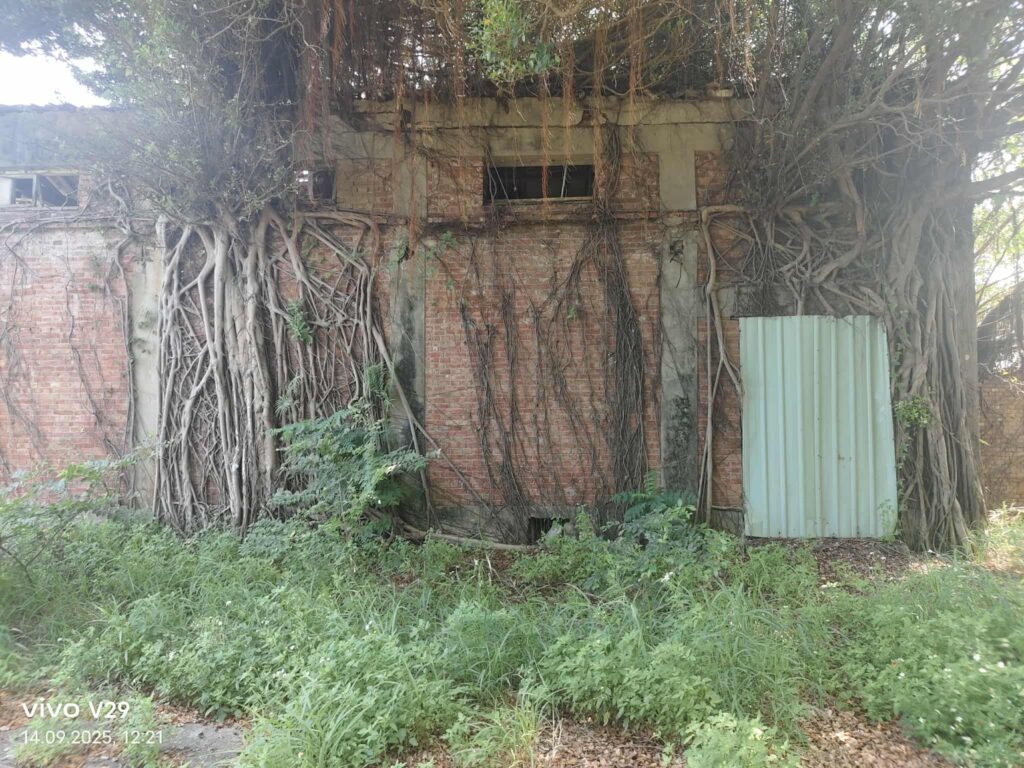
Today the site has been abandoned. While the warehouse buildings still maintain their original form, the three-story rice-milling plant has suffered severe deterioration and awaits restoration. Nevertheless, the Tongxiao Railway Granary remains an important historical site, offering insight into Taiwan’s agricultural policies in the late and immediate postwar years, as well as the close connection between food security and railway logistics.
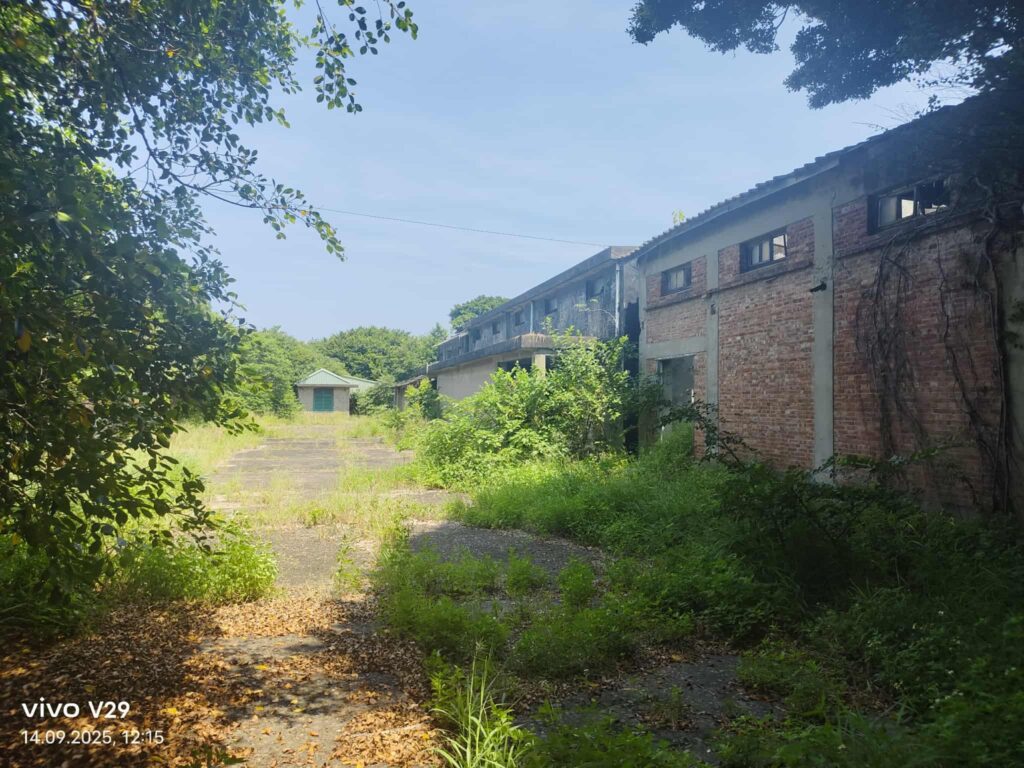
(the mill behind, opposite the guard house)
The auxiliary structures adopt a different approach: they are roofed with reinforced-concrete pitched roofs left without external cladding, exposing a hybrid structure of concrete beams and columns combined with red brick walls. These annexes are further distinguished by prominent ventilation windows projecting from the roofline.
Today, the buildings are in a state of severe decay. Some areas can still be entered, but the risk of collapse is high. The overgrown site has become a habitat for snakes and cats.
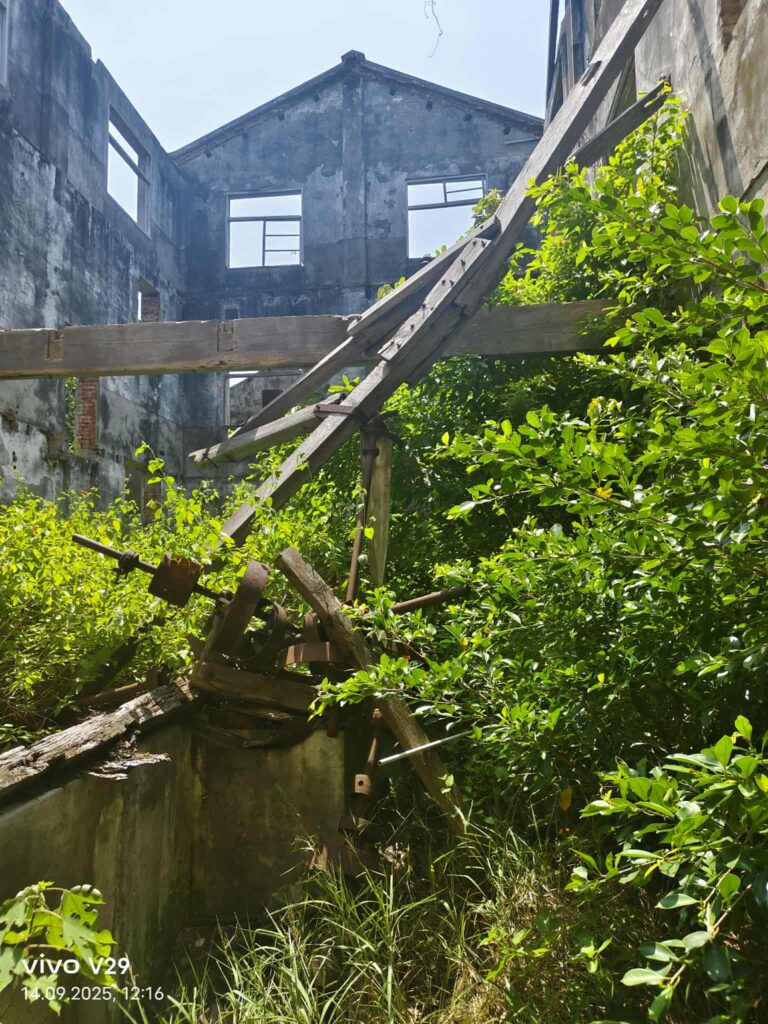
(rice mill)