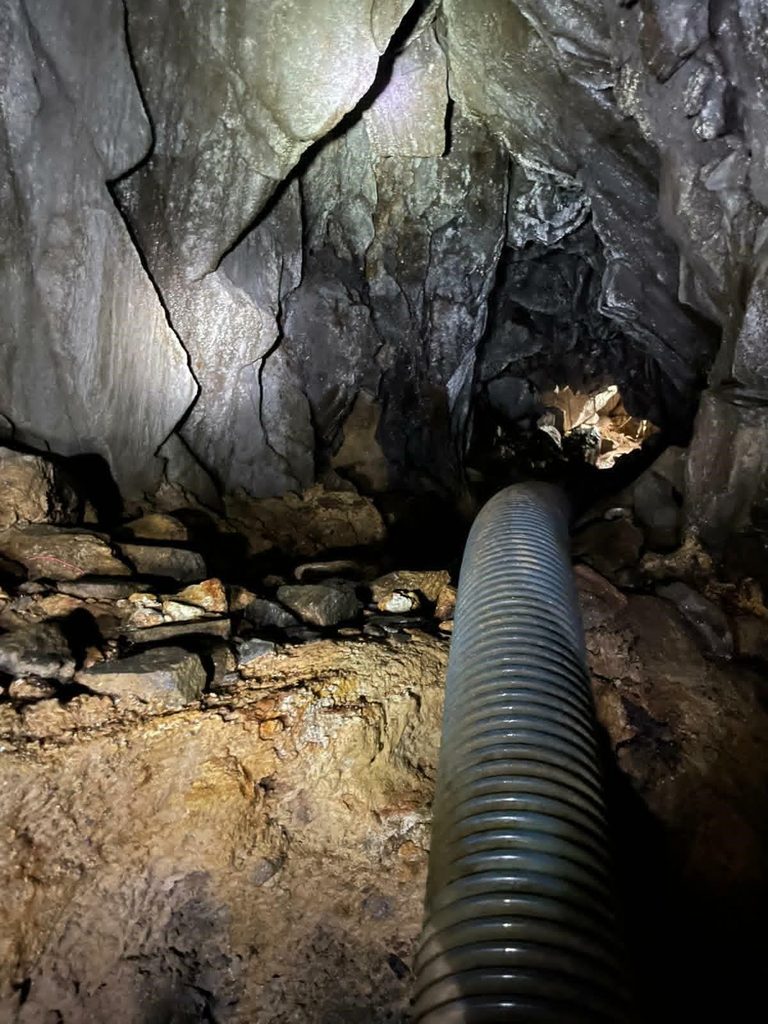
Until now, I had always read that Benshan No. 4 was buried, with the exception of a machinery room. However, this does not seem to be entirely accurate. Moreover, exploring the area is far more rewarding than online reports would suggest.Starting from the museum, I walked uphill towards the Japanese Shinto shrine. At the first gate, numerous heavily overgrown paths branch off, suggesting the presence of former fields or additional mine entrances.
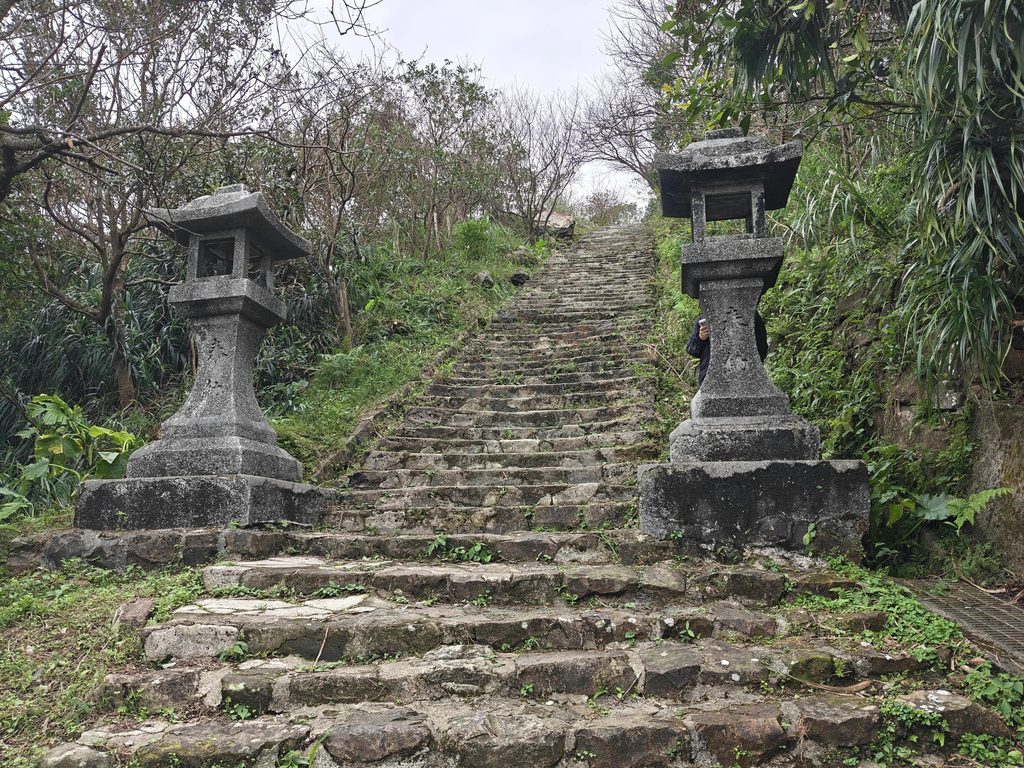
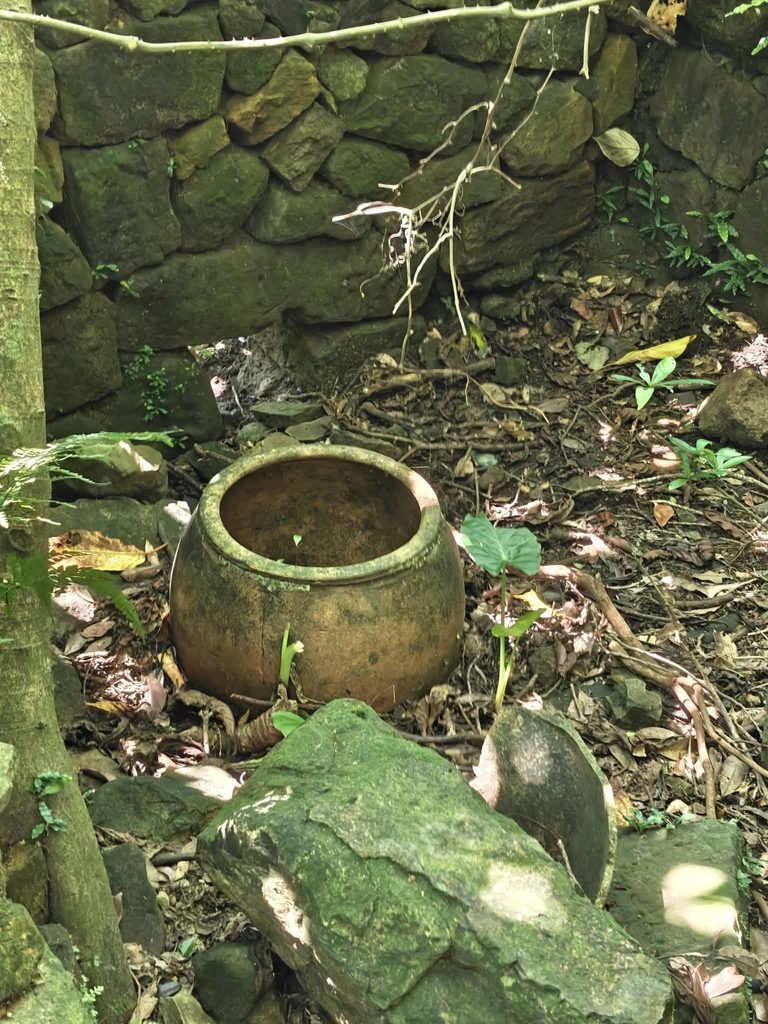
In front of the shrine, several remnants of technical installations can still be found.
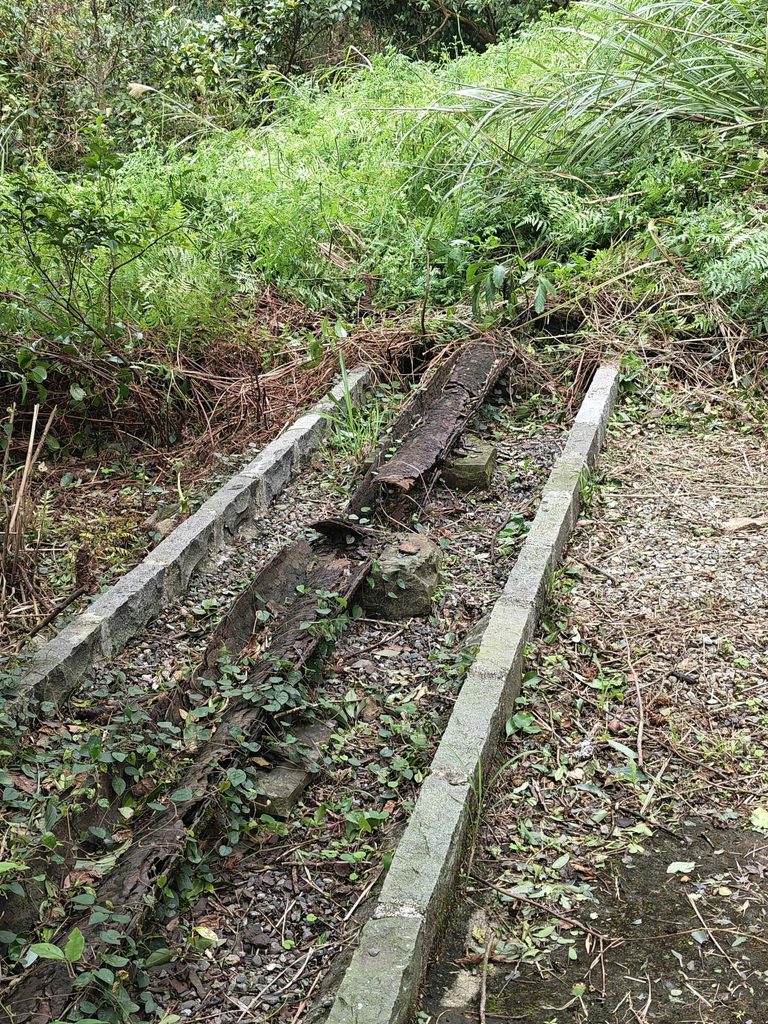
The shrine itself is impressive in its design, but it is also a place where one can sense the suffering inflicted upon the prisoners of war (POWs).
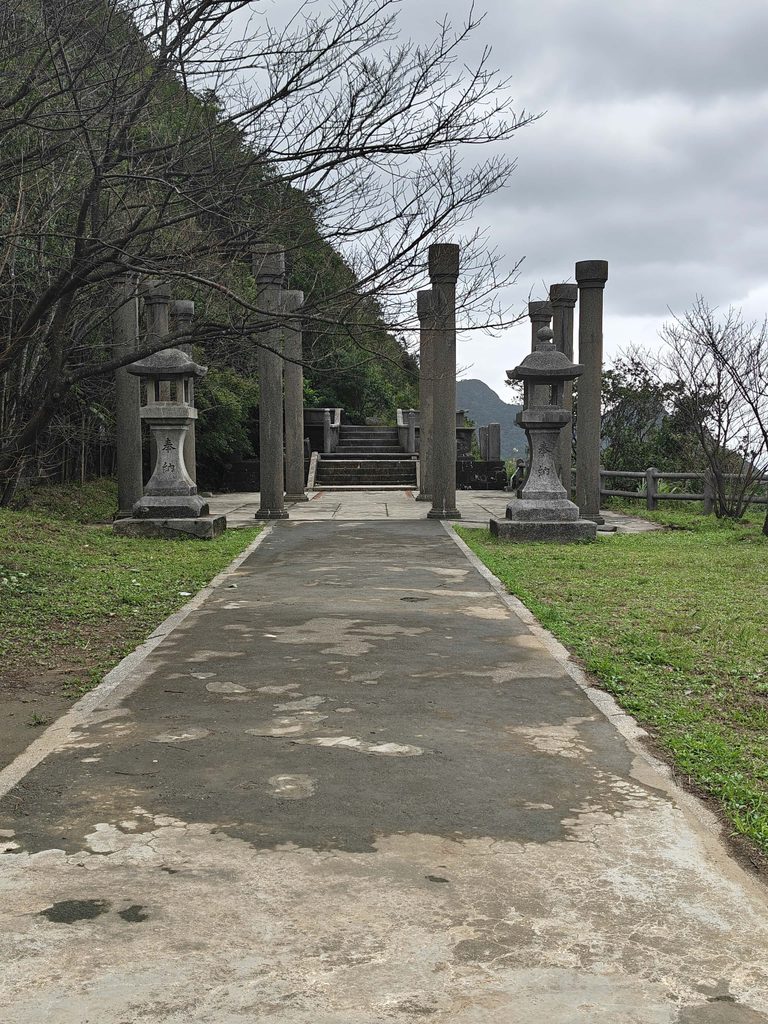
Behind the shrine is a ventilation shaft, confirming the existence of the intermediate shafts 5-2 and 5-1.
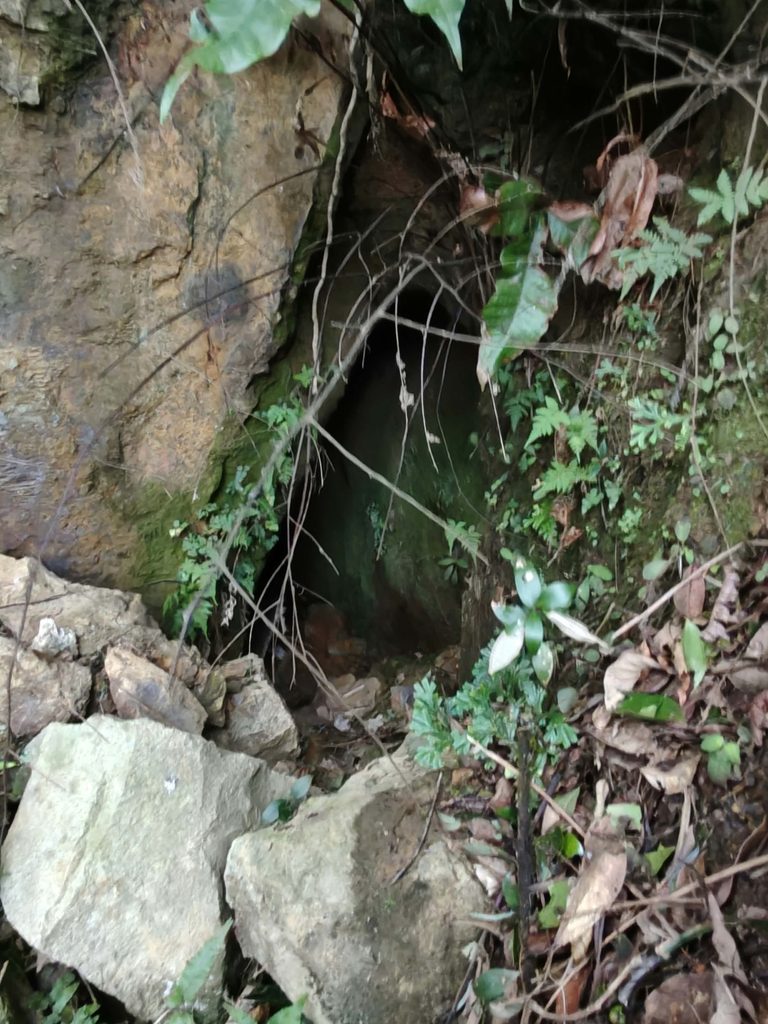
Another 100 metres or so uphill, the first remains of the No. 4 mining complex appear, although much of it is buried under debris. The remains of the entrance are heavily overgrown, and a few pieces of machinery can still be found inside.
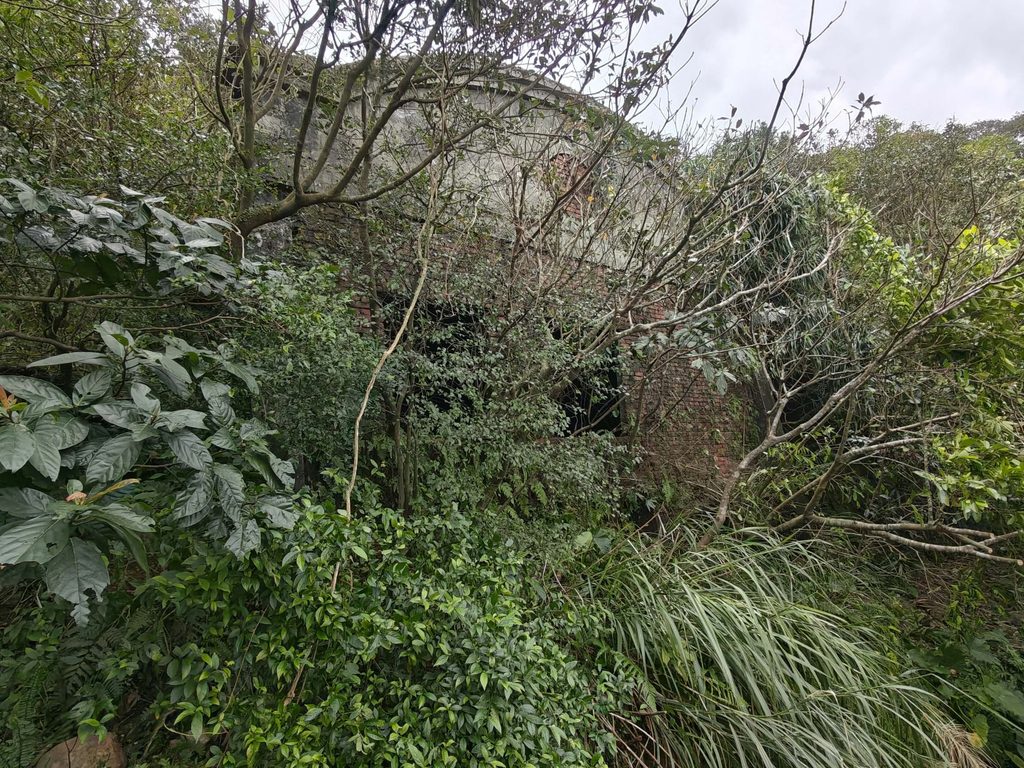
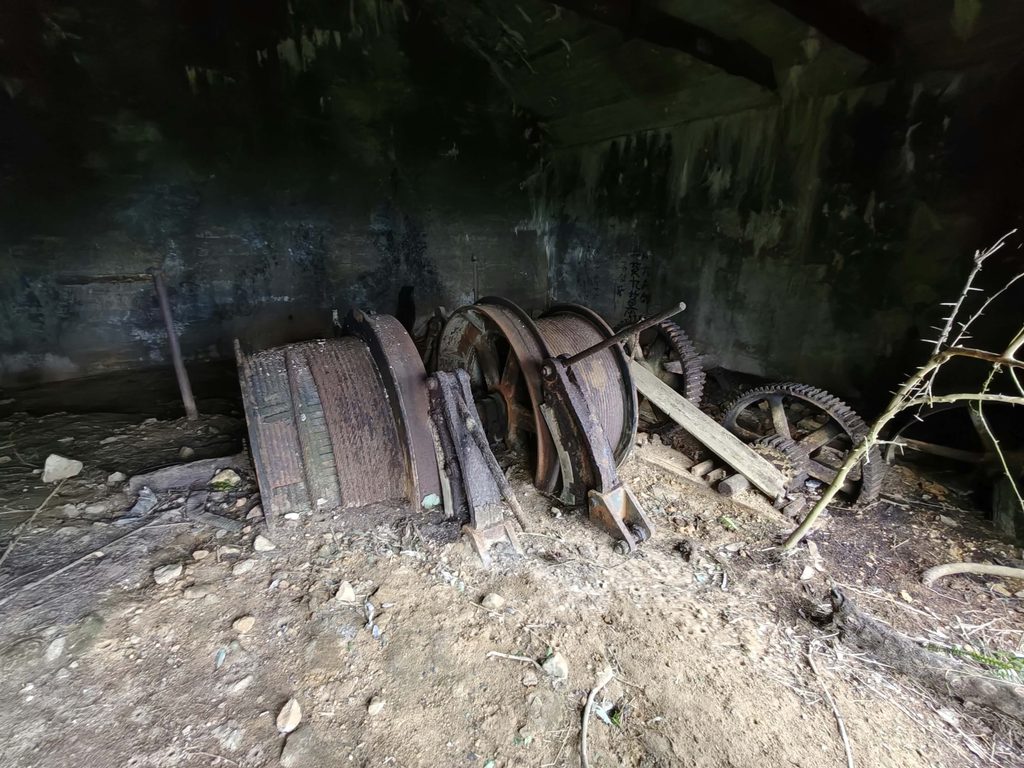
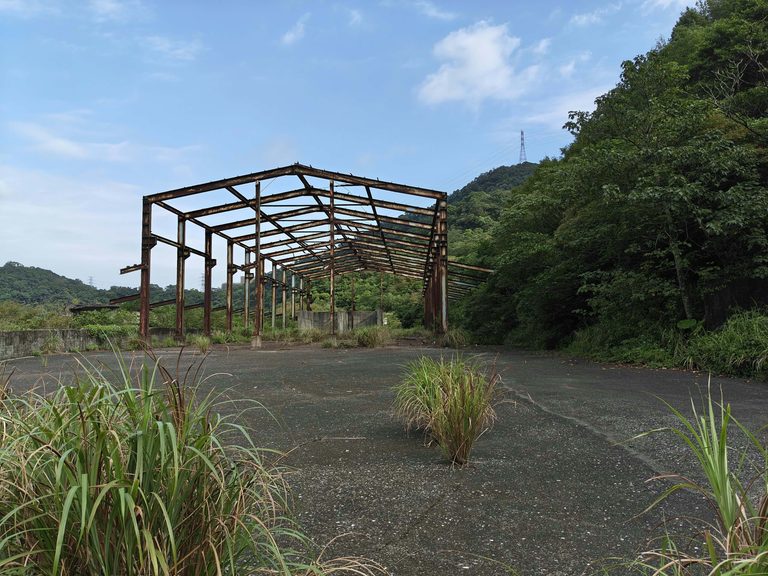
Now comes the interesting part: Near this building, a large open area has survived, with several structures still standing and additional mine entrances, some of them partially buried!
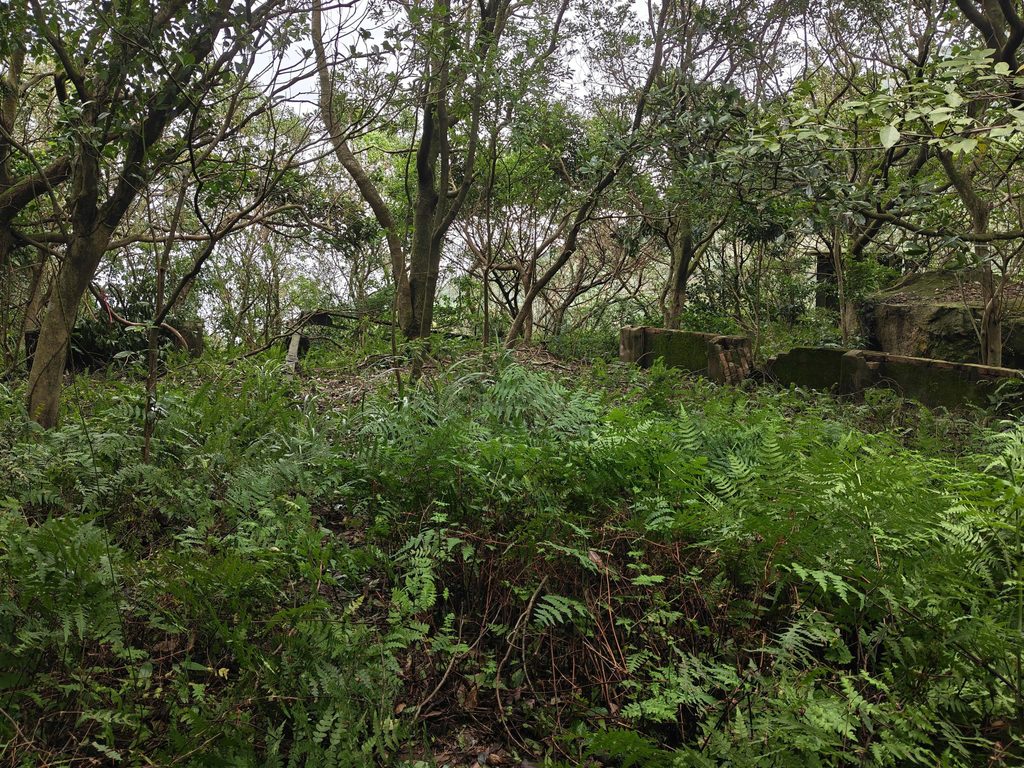
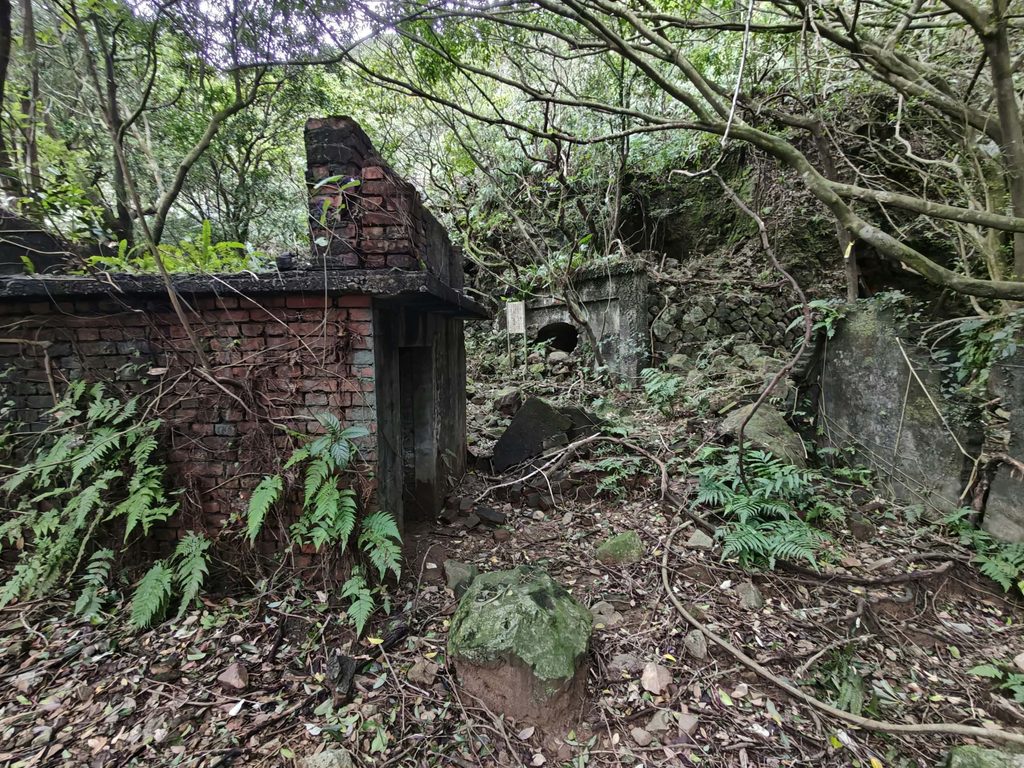
This is difficult to explain because the smaller, partially buried entrance and the larger entrance are positioned at a 90-degree angle to each other. On the other hand, the historical mine map shows two entrances extending northwards from Benshan No. 4. However, these cannot be the subsidiary shafts 4-1 and 4-2, as both entrances are located at approximately the same elevation.
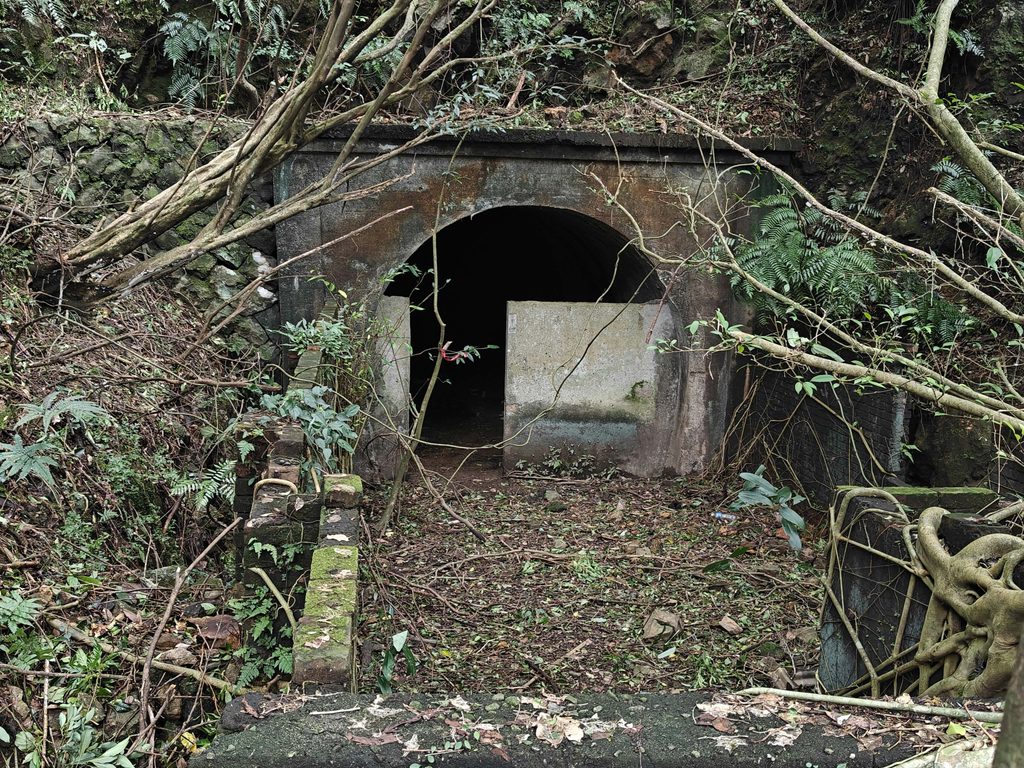
The original layout of the area is still clearly recognizable. It must once have been a substantial working area near the mine entrance.
(copyright Claudius Petzold)