in process
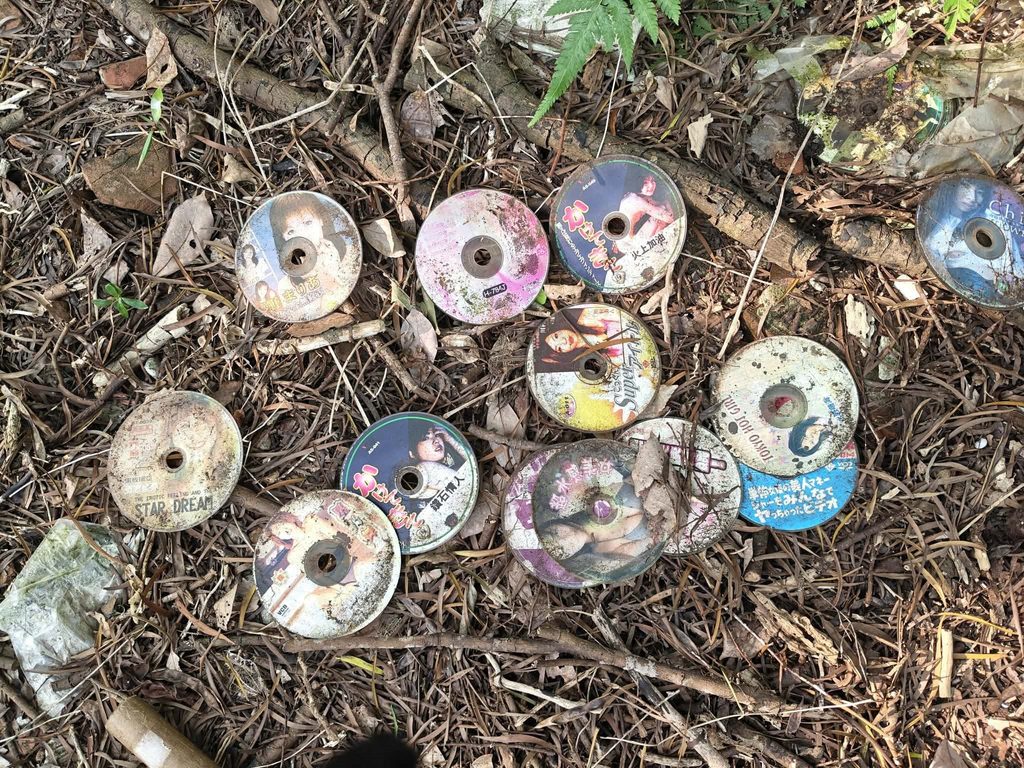
I had been seeing the chimney, which indicates the presence of a former brick factory, from the train to Hukou for a long time. When I finally managed to locate the site, I found some rather peculiar CDs near the entrance — more about that strange discovery below.
Despite searching extensively, it took me ages to finally locate this brick factory. Google Maps and Google Earth were of little help, so it was back to old-fashioned grandpa-style navigation: a sense of direction and plenty of patience.
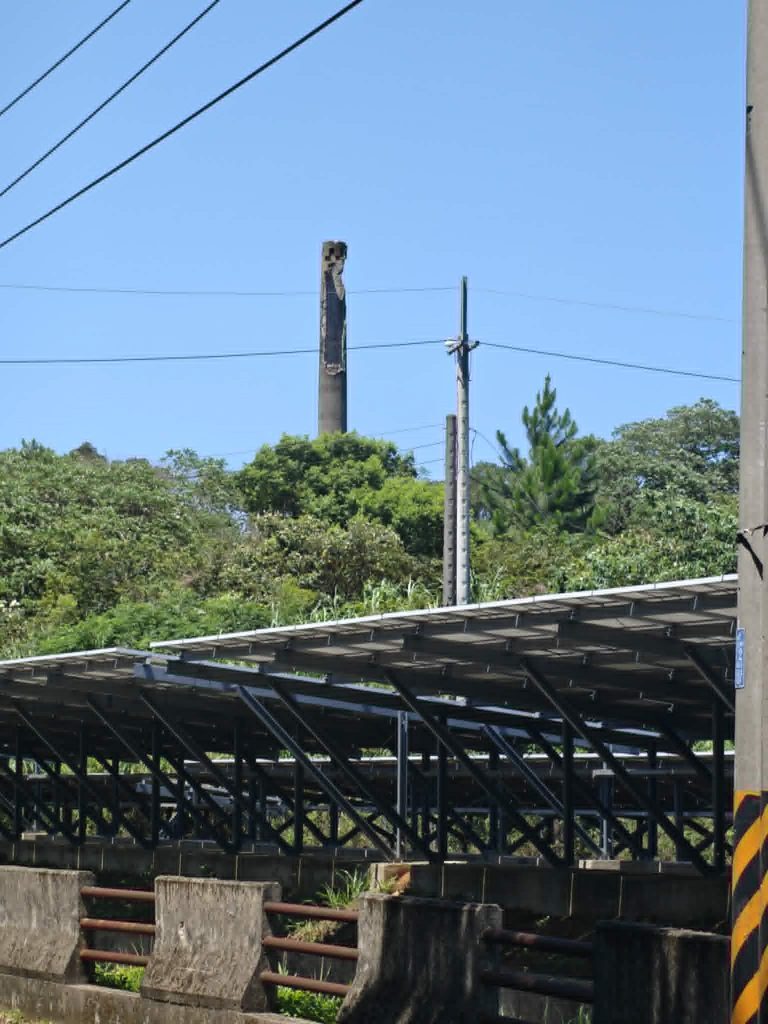
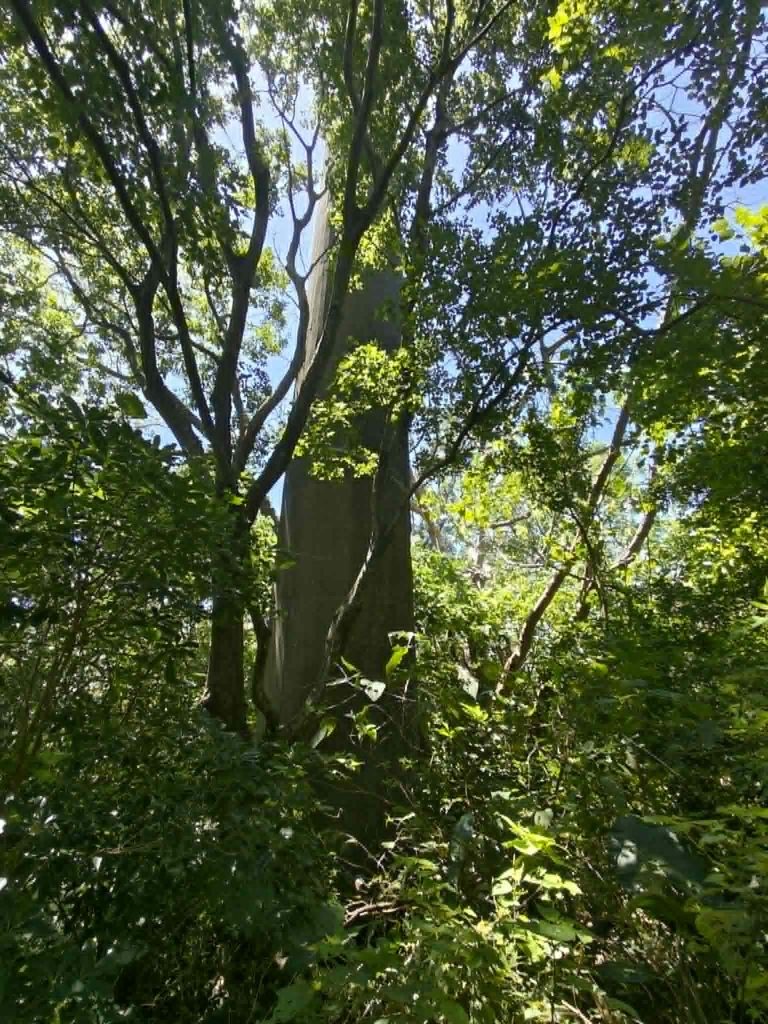
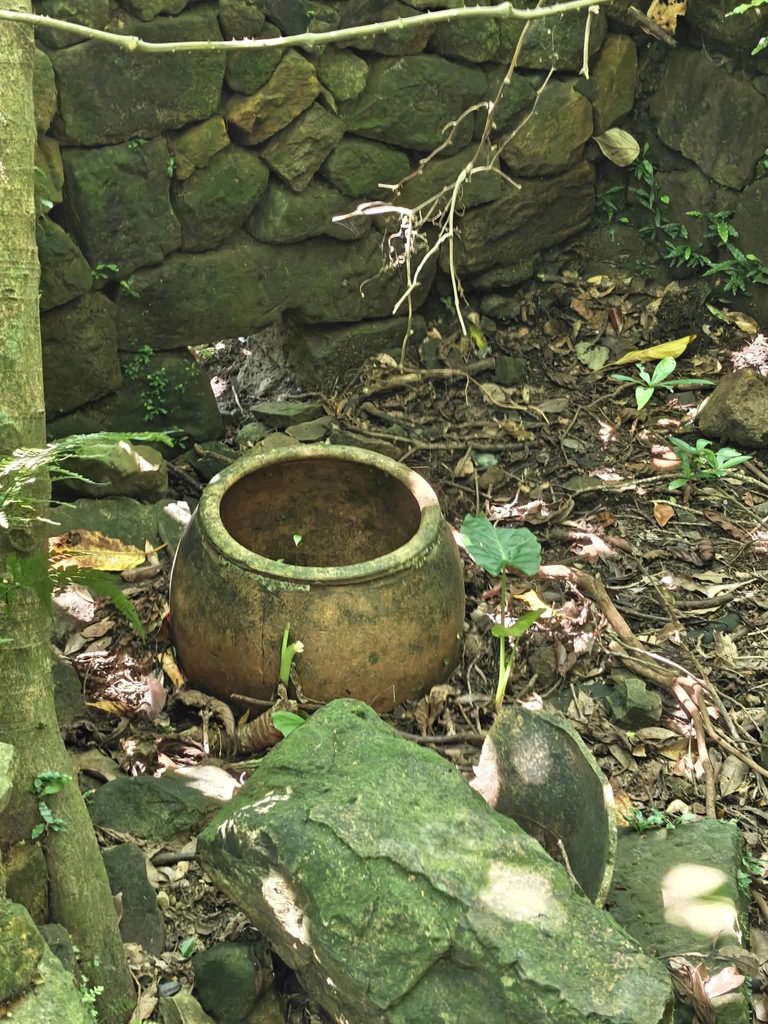
At first, the chimney did not look particularly promising. It was badly damaged, and there seemed to be very little left in its immediate surroundings. But I did not give up and soon came across rubbish. Very old rubbish is usually a good indication that things are about to get interesting. And indeed, an intriguing structure gradually emerged from the vegetation: a long, narrow chamber or passage.
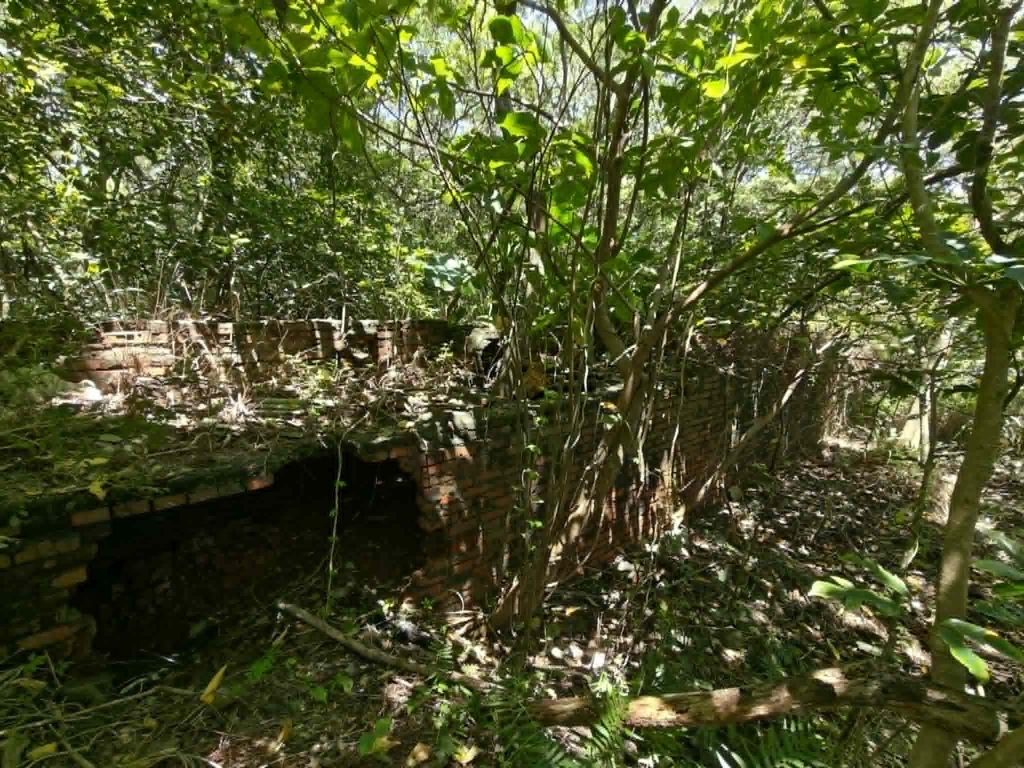
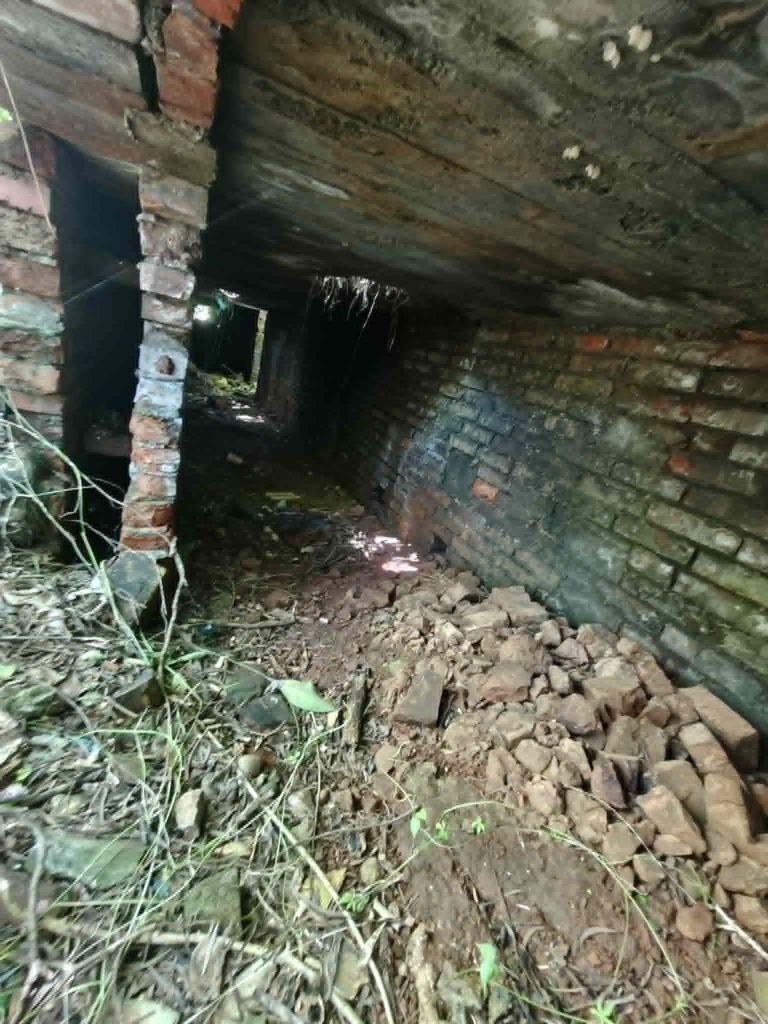
I first followed it southwards towards the chimney. Parts of the structure had collapsed there. The following photos show the passage in both directions. It appears that the brick factory had two parallel production lines. They were certainly higher originally, but have since been partially buried under sediment.
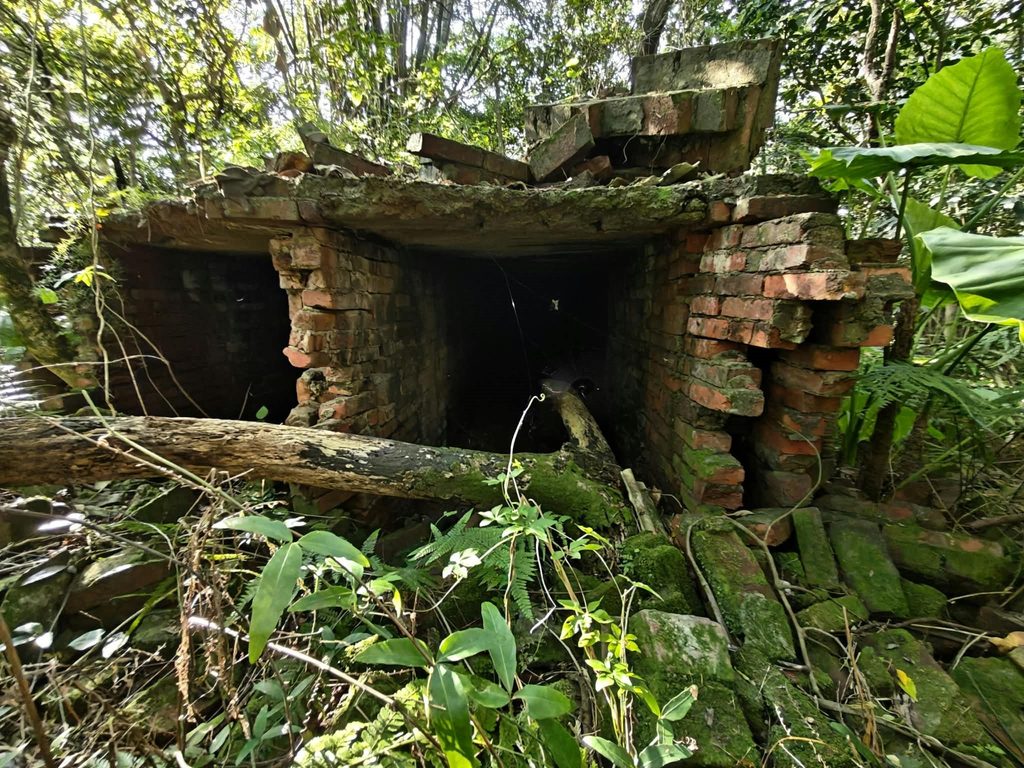
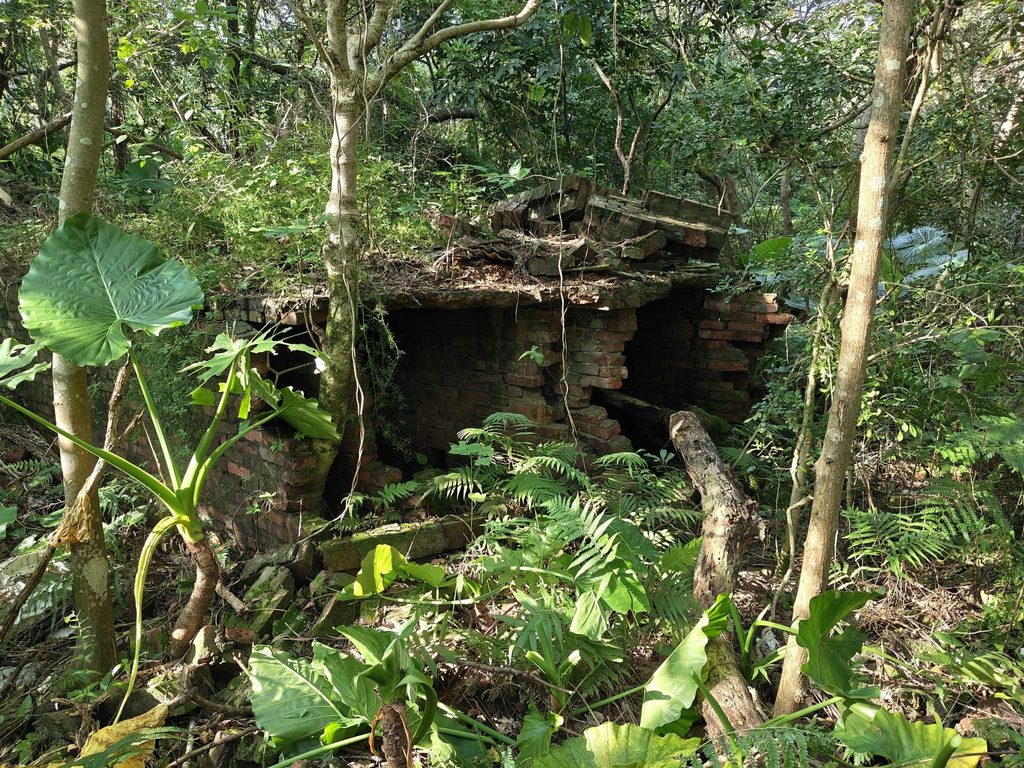
I then explored the other side, again heading south. The surviving section may be about 50 metres long, which seems rather short for a complete production line. From here, the arrangement of the structures becomes even more peculiar.
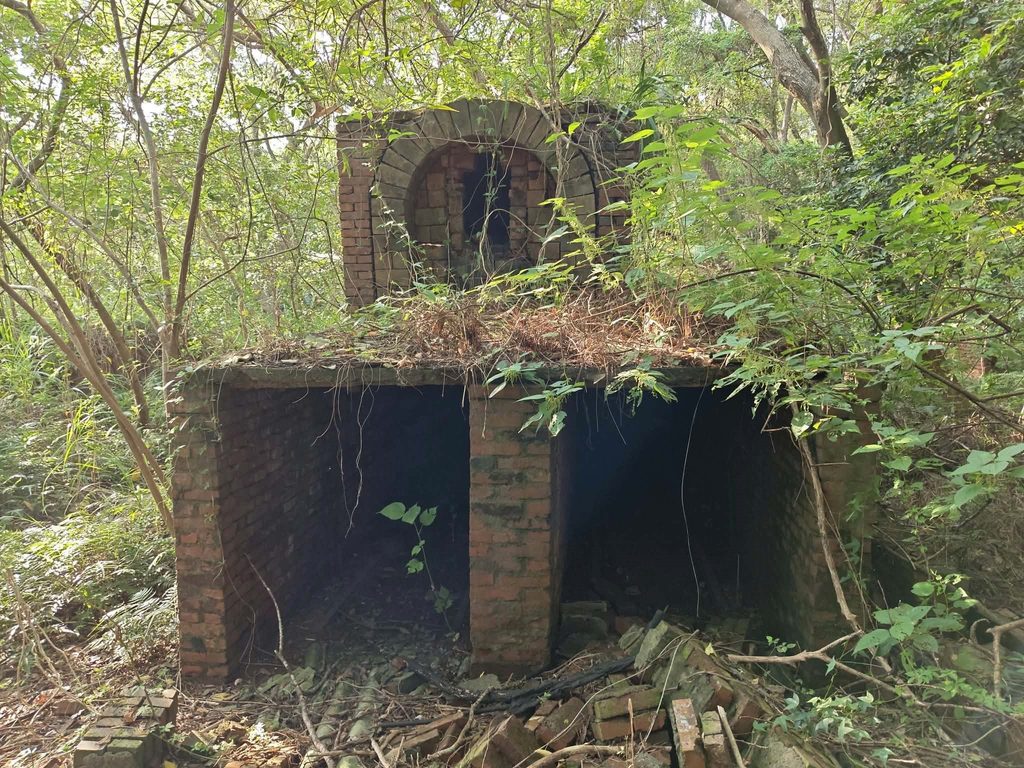
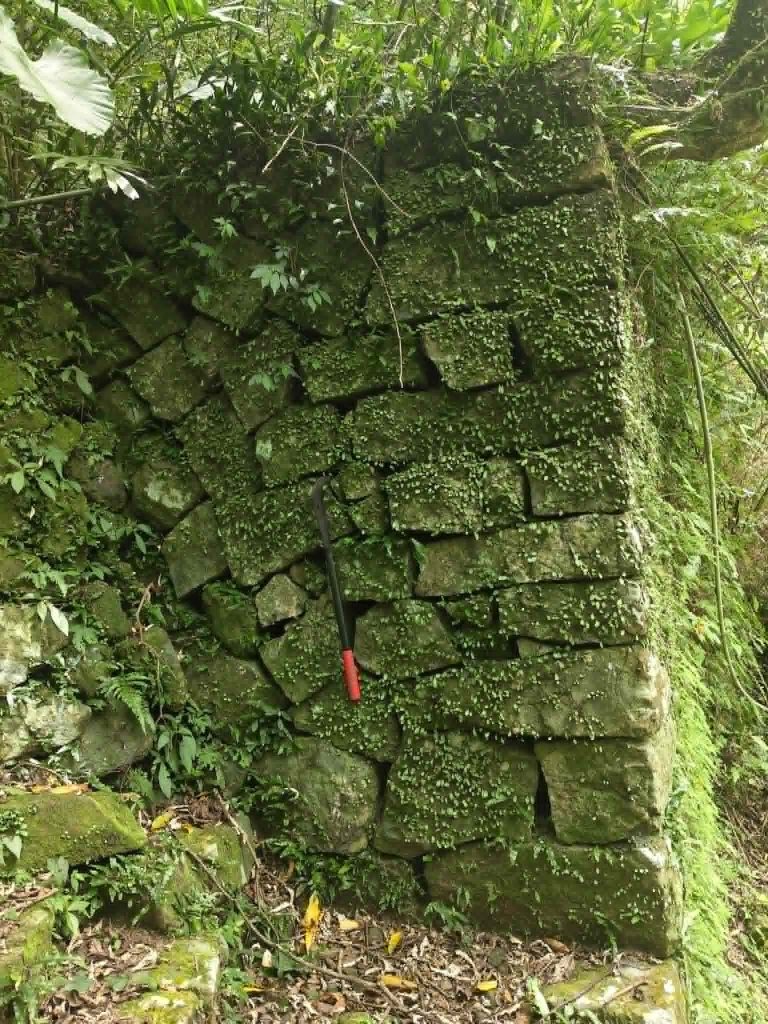
At the far end, two buildings are still standing. They suggest that the factory was constructed or expanded in several generations. The building at the front is made of traditional brickwork, while the one behind it is a conventional concrete structure.
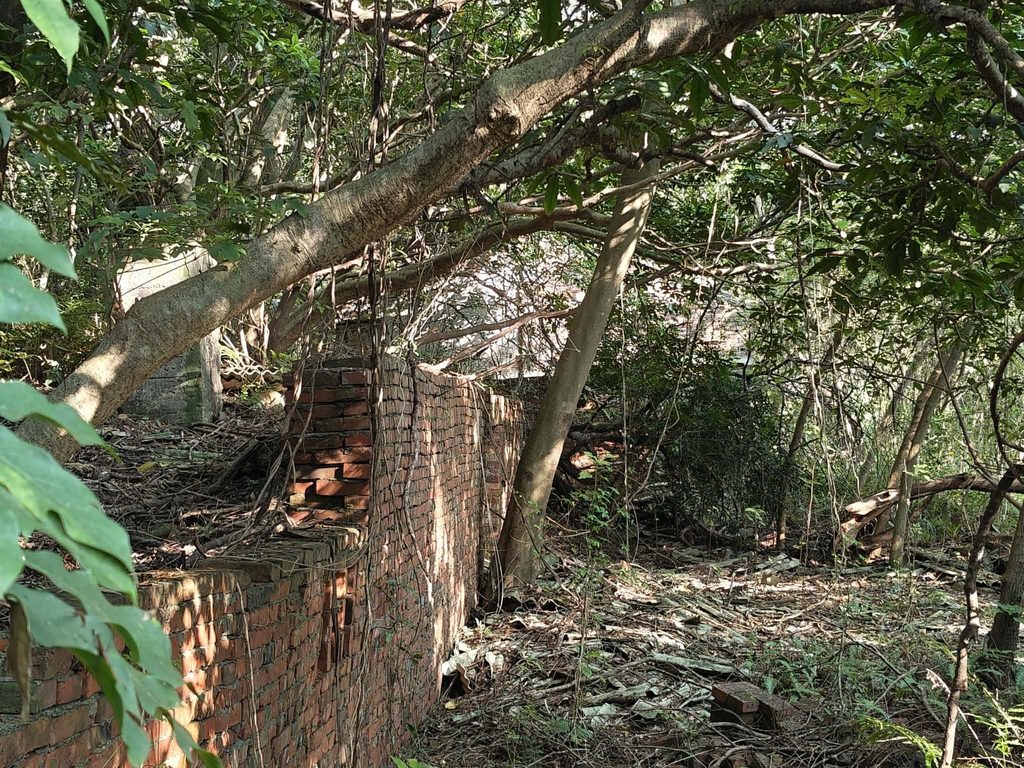
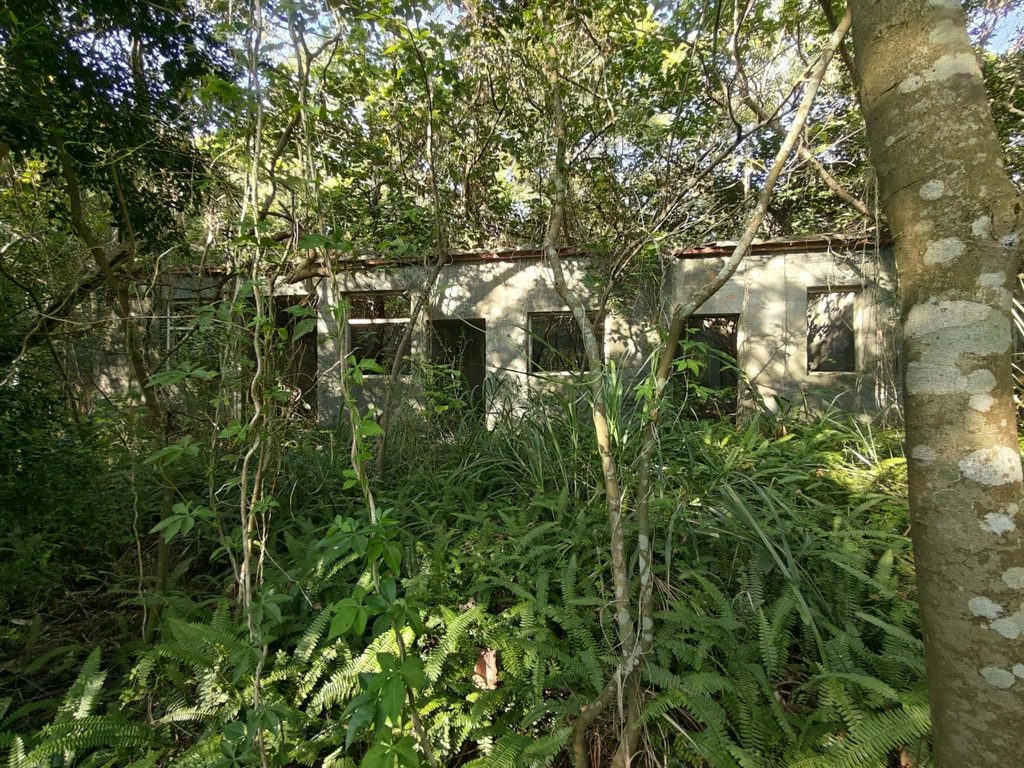
There is another phenomenon suggesting several generations of construction. Large rounded mounds in the ground may indicate that an older Hoffmann kiln lies underneath, having collapsed or subsided and subsequently been covered by soil and vegetation. Numerous depressions elsewhere on the site would be consistent with this possibility.
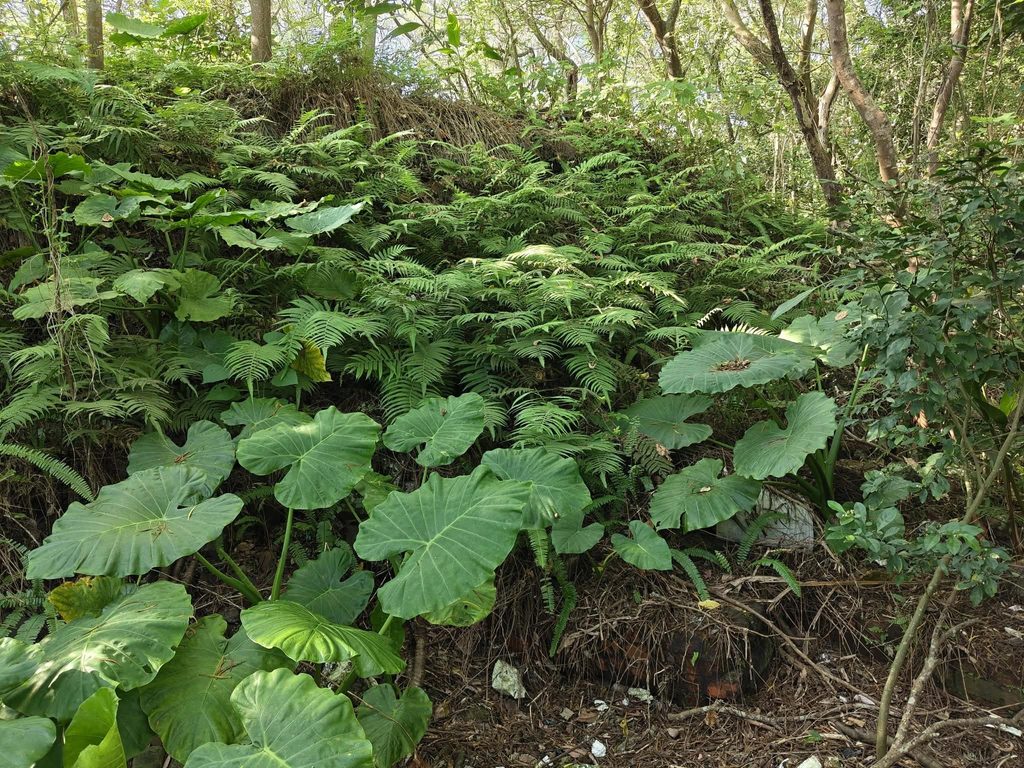
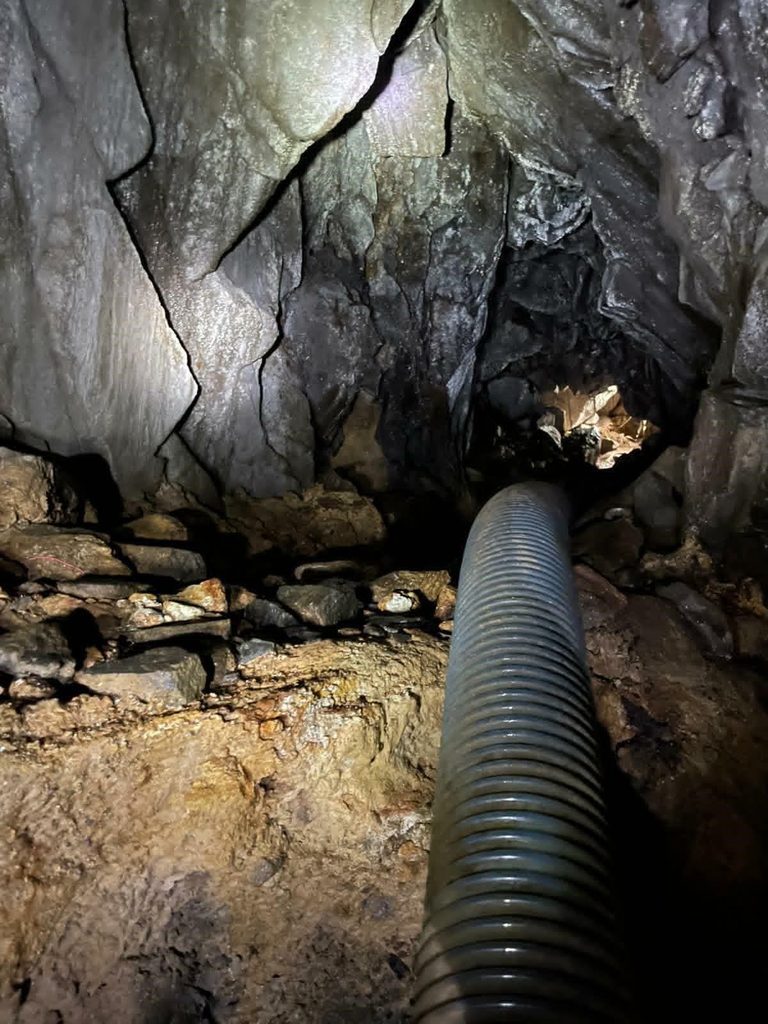
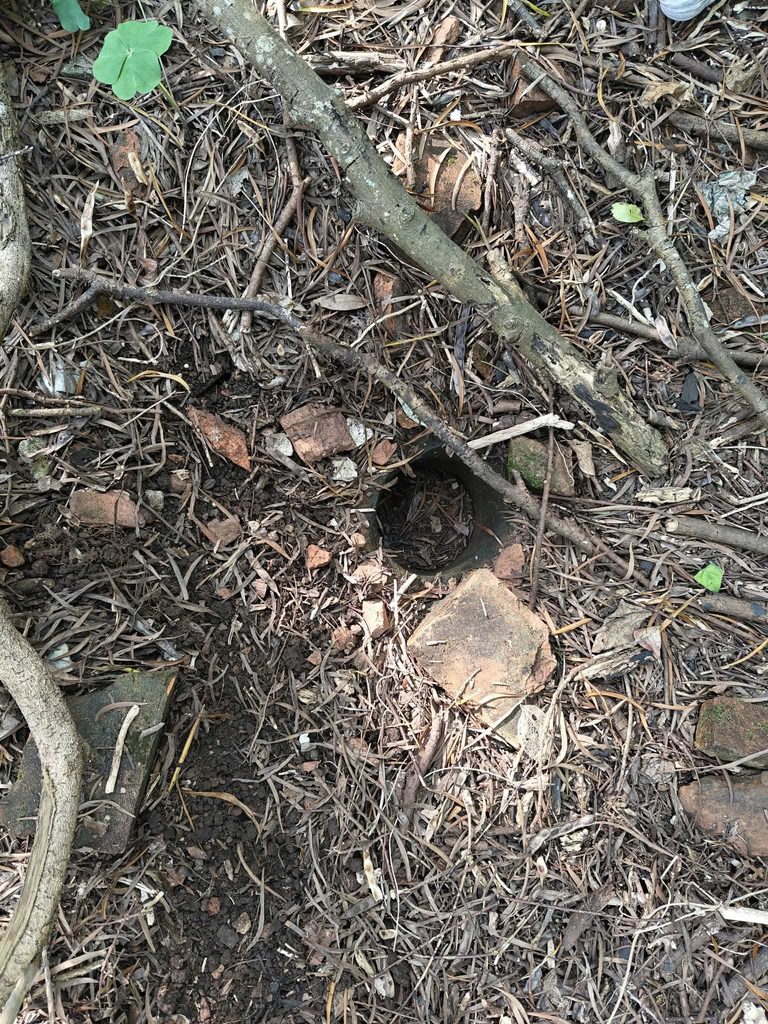
No matter whom I ask, nobody seems to know anything about the place anymore. The entire industrial site must once have been enormous. Today, it is almost completely swallowed by vegetation. This opening suggests that there was an extensive ventilation system.
And What About Those CDs?
There is a local folk belief that a person wishing to rid themselves of a curse can leave an object at an abandoned place — preferably somewhere associated with misfortune or death. The hope is that somebody else will pick up the object and take it home, thereby carrying away the bad luck or curse with them. This made me wonder whether the CDs containing “adult material” might somehow fit into this idea. One could speculate that sexual desire, as a strong and potentially troublesome emotion, might have been associated with the kind of negative energy believed to attract unwanted spirits. But this is entirely my own interpretation; I have no evidence that leaving erotic material at abandoned places is part of any particular Taiwanese custom or superstition. There is, of course, a much more mundane explanation: somebody may simply have wanted to get rid of material they did not want to keep. CDs of this kind were widespread in the 1990s, when pornographic material was also subject to considerable legal restrictions in Taiwan. So the CDs may have had some superstitious significance — or somebody may simply have decided that an abandoned brick factory was a convenient place to dispose of an embarrassing collection.