Changhua’s Peiyuan High School (培元中學), established in 1959 by overseas Chinese, was founded with private investment. The school was built on leased state-owned hillside land on Baguashan. Due to its scenic location and high elevation, it was jokingly referred to as Changhua’s “highest academic institution.”
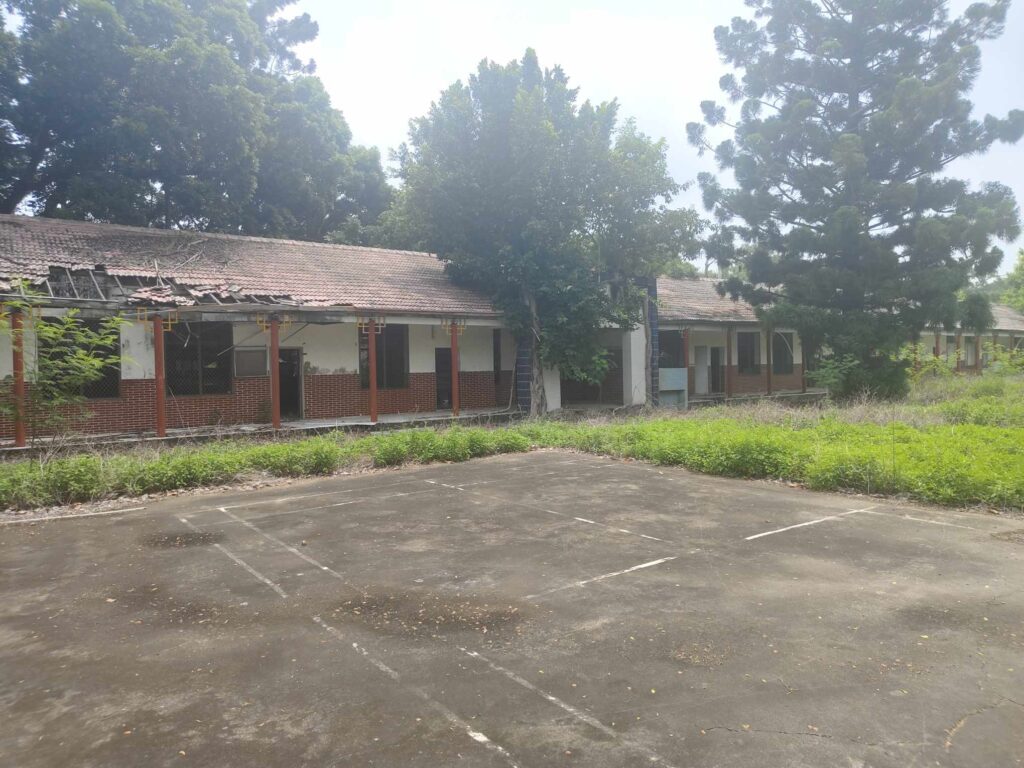
(The old building)
1970, board chairman Su Chun-sheng took over the school and launched elite high school classes. He also opened a driving school to generate additional income. Under this commercialized management style, Peiyuan eagerly expanded its enrollment, attracting many local politicians who, after being elected, enrolled there to “make up” their educational credentials.
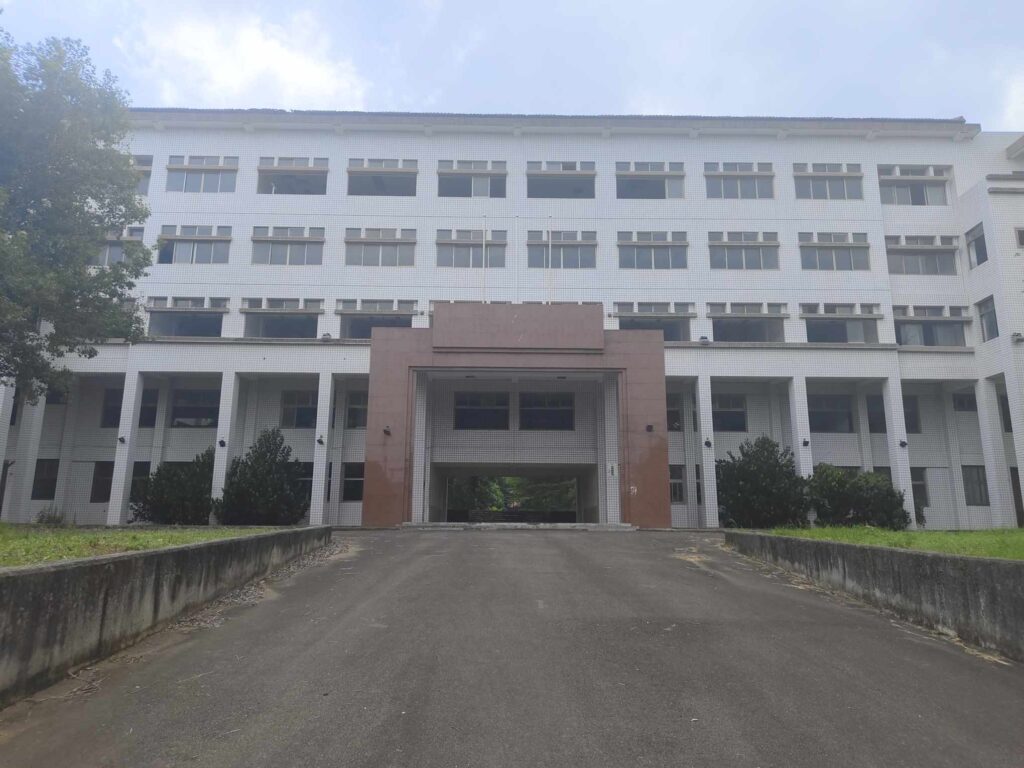
(The entrance was still blocked four years ago.)
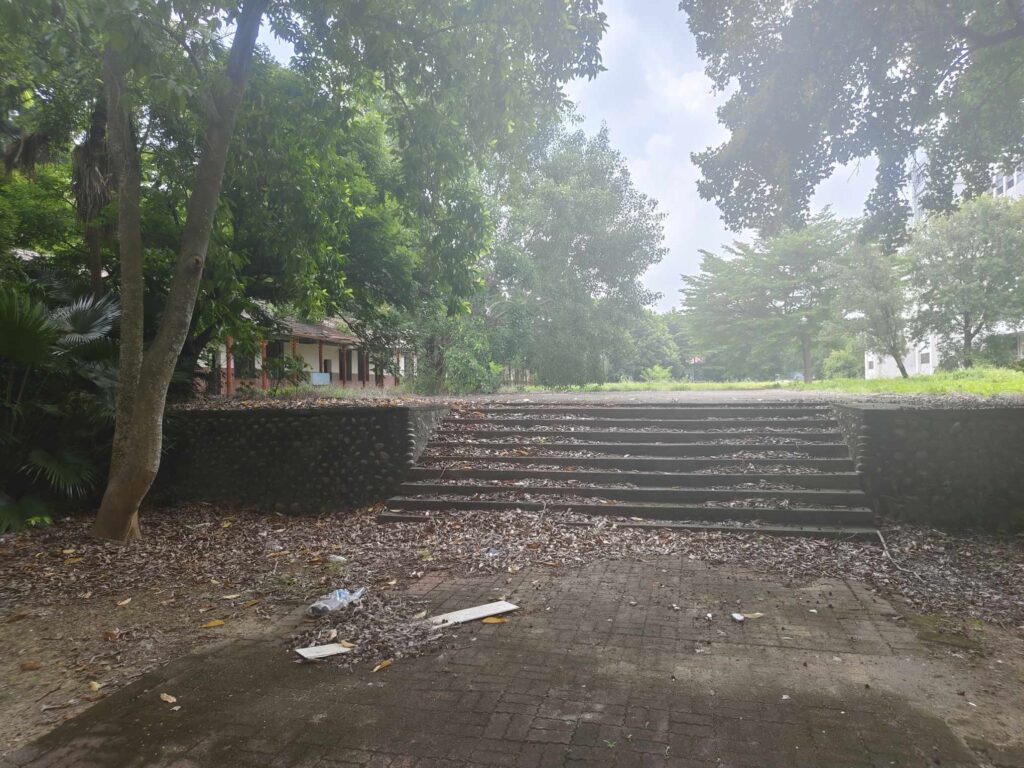
(Large courtyards with many trees are typical of the old schools in the countryside.)
In 1997, Peiyuan High School built its first classroom building. However, Su decided to build a second one, borrowing from banks and private lenders. Unfortunately, enrollment in the day program remained poor, and the school’s finances could not keep up. The two buildings together cost over NT$100 million, and the snowballing interest on private loans drove the school into a financial crisis. In 2001, first-year students waited in vain for their NT$8,000 uniforms; graduates never received yearbooks. Even midterm exams had to be printed using money from the teachers’ own pockets.
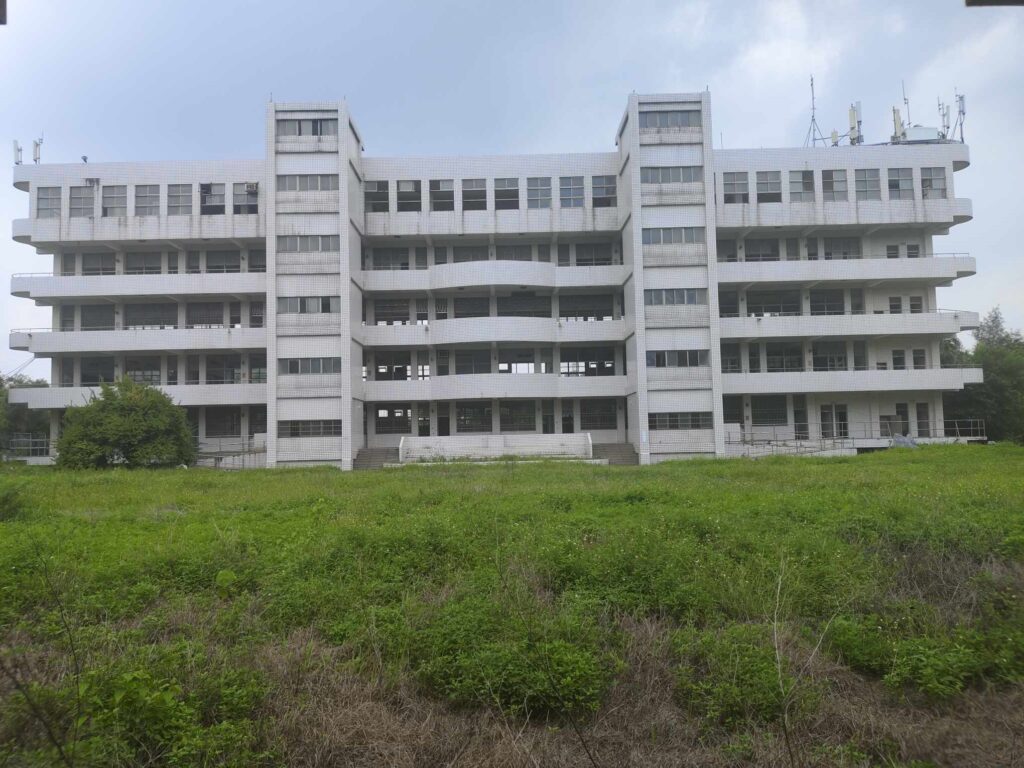
Due to the financial issues, teachers lost motivation and began to resign. Nearly two-thirds of the students transferred out. Between 2001 and 2002, the school went through four principals. In 2002, the Ministry of Education ordered Peiyuan to stop admitting new students. At the final graduation ceremony, only 180 students remained. Most of the gifts in the auditorium had been donated through fundraising efforts. The ceremony was simple and emotionally charged for both students and staff.
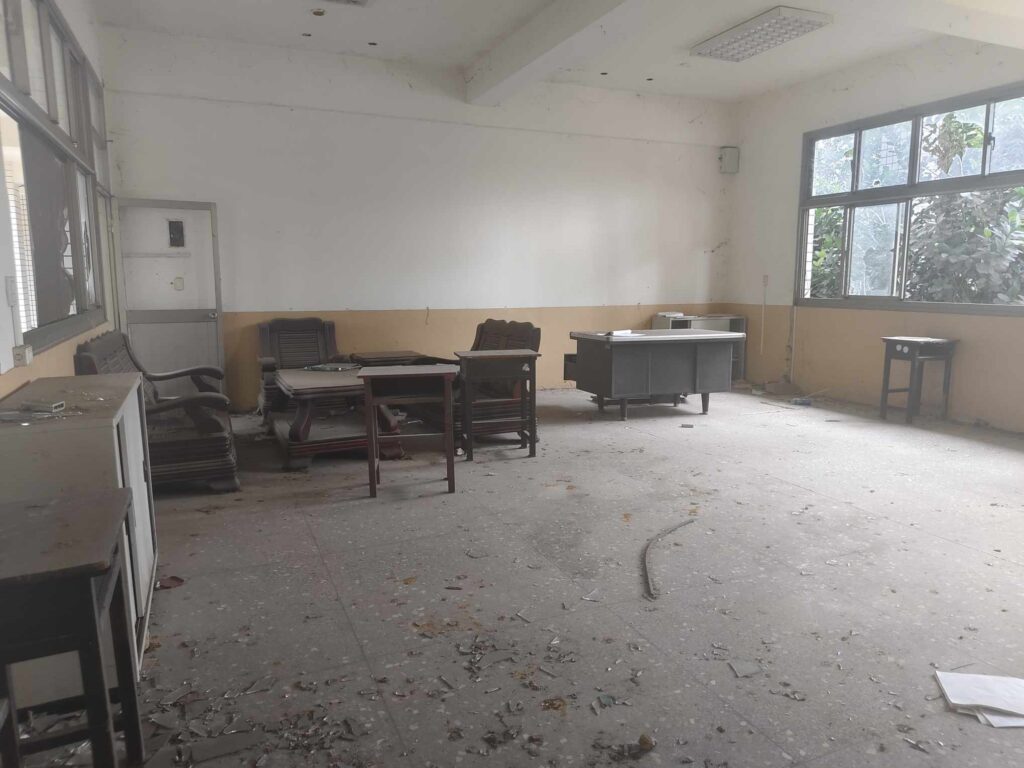
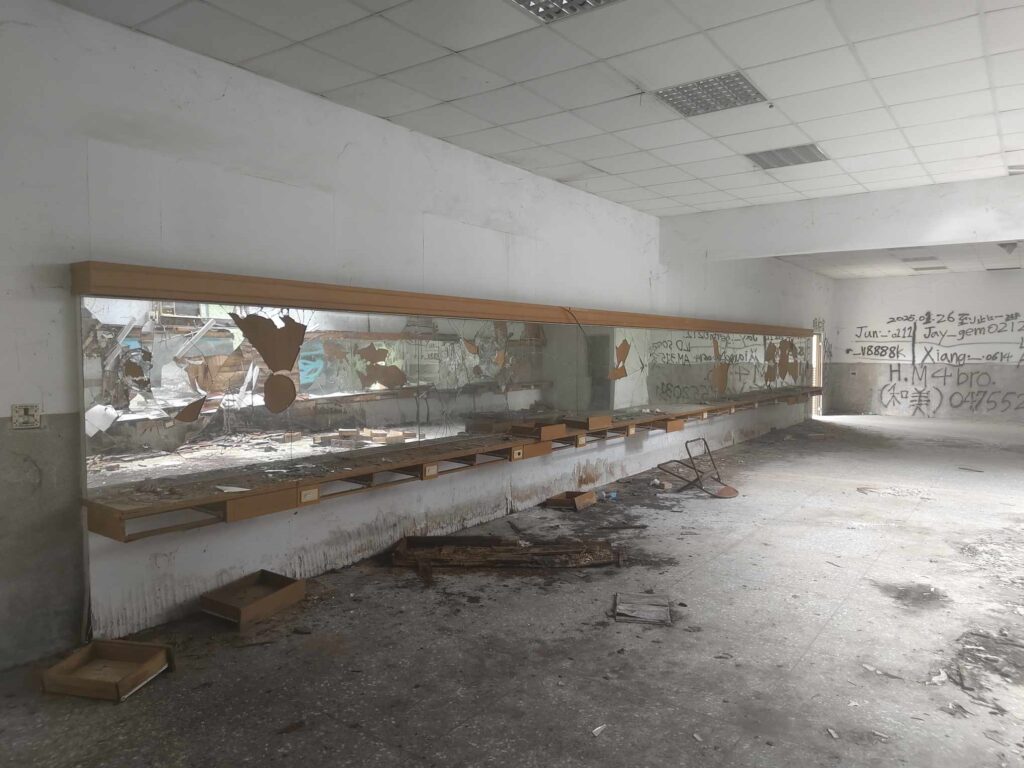
(Principal’s office?)
Su and his wife, who also served as the school’s head accountant, were charged with borrowing NT$2.4 billion in the school’s name from banks, part of which was used for personal gain. They were also accused of embezzling public funds.
The school’s assets were previously auctioned in 2006 and were bid on by a Mr. Li, who, however, failed to pay the full amount. Now, the property is scheduled for a new auction on October 15, with the starting price reduced to NT$128 million. Mr. Li paid over NT$111 million in the following two years but was unable to pay the full amount. He and the bankruptcy trustee agreed to reauction the property. If it is sold, the proceeds—after deducting the unpaid NT$40 million, damages, and interest—must be returned to Mr. Li.
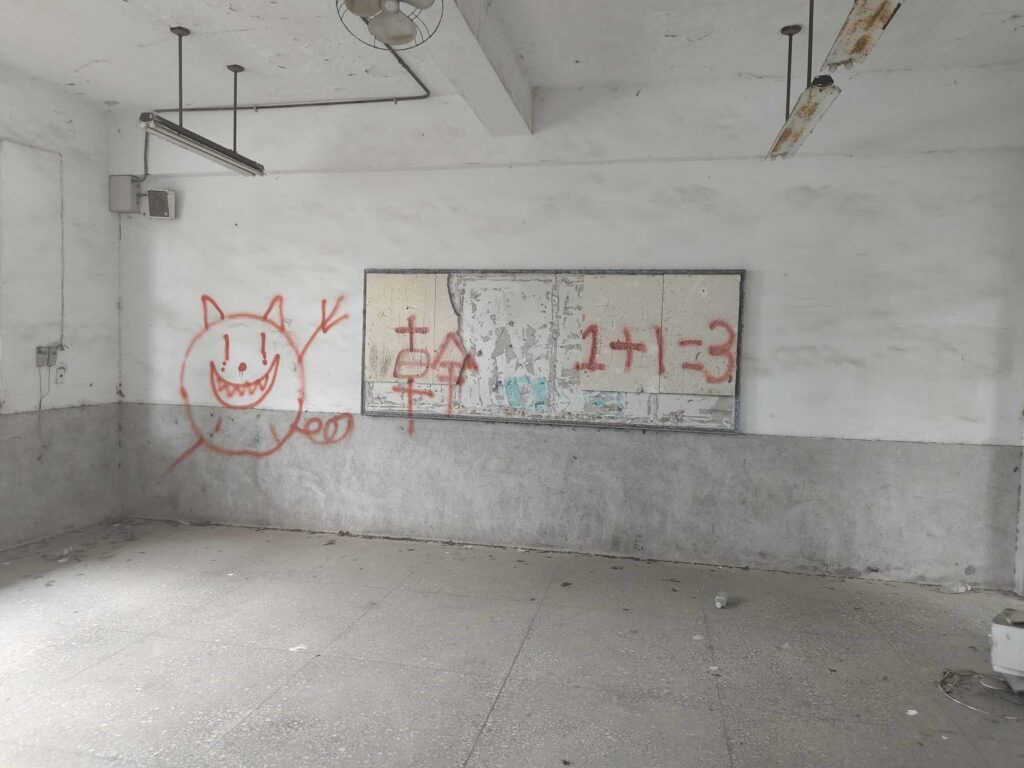
(Failed education?)
Today, more than 20 years after its closure, the abandoned campus of Peiyuan High School remains. Because the school was built on what was once a mass burial site and is located next to a cemetery (彰化第二公墓萬), stories of paranormal activity are common, and the site has become a destination for local thrill-seekers.
The stories
The Wanshan Shrine nearby, was built to commemorate the souls of unidentified or neglected dead, many of whom were buried in mass graves. These kinds of shrines are typically built for the “lonely spirits” (孤魂), meaning: people without descendants to perform rituals, war victims, those who died in disasters or epidemics, and the unnamed dead in mass burials. The presence of mass burials in the Baguashan area is due to several historical and practical factors:
Military conflicts such as the local rebellions during the Qing Dynasty, and the violent transition to Japanese colonial rule in 1895. These led to many casualties who were buried quickly and collectively.
In traditional Chinese belief systems, those who die without proper rites or descendants may become wandering spirits.
That’s usually when the know-it-alls from the internet come out of the woodwork: One male netizen recently shared a series of photos taken during an exploration of the campus. Upon closer inspection, the photos are chilling — they appear to be filled with “ghostly figures,” prompting viewers to exclaim, “That place is super haunted!” The OP shared his story, saying that he and some classmates decided to explore the abandoned school out of curiosity. On the way, they passed a cemetery. During the walk, one friend suddenly fell, and an alarm began to sound. They slipped into an abandoned dormitory and explored the campus, taking photos along the way.
The OP swore that no one else was present during the photo shoot — yet multiple figures appeared in the images. After returning home and reviewing the photos, he was stunned: “I was so scared my legs went weak. I swear no one was there when I took those pictures, but the photos show several people — it felt like they were warning us.” The ghostly figures in the photos seem to be giving a message: You shouldn’t have entered this forbidden place. The post drew many responses from other users:
- That place is really haunted — be careful. I went once, and when a gust of wind blew through, all ten of our scooters shut off at once.
- I went there one afternoon and heard a girl crying.
- I went at night with some friends. Some of them started feeling unwell, so we left. Afterward, I felt dizzy, couldn’t sleep well, caught a cold and had a fever. My family took me for a spiritual cleansing, and I got better.
Reflecting on the experience, the OP added: due to the frequent supernatural incidents, including a car that caught fire, he does not encourage others to explore the site and urges everyone to prioritize safety.
https://time.udn.com/udntime/story/122835/7227378
https://www.ettoday.net/news/20210825/2063752.htm
https://www.epochtimes.com/b5/9/9/29/n2671773.htm
The Accommodation
The school often provided accommodation for the teachers because the salaries were so low. These were usually nice single-family houses.
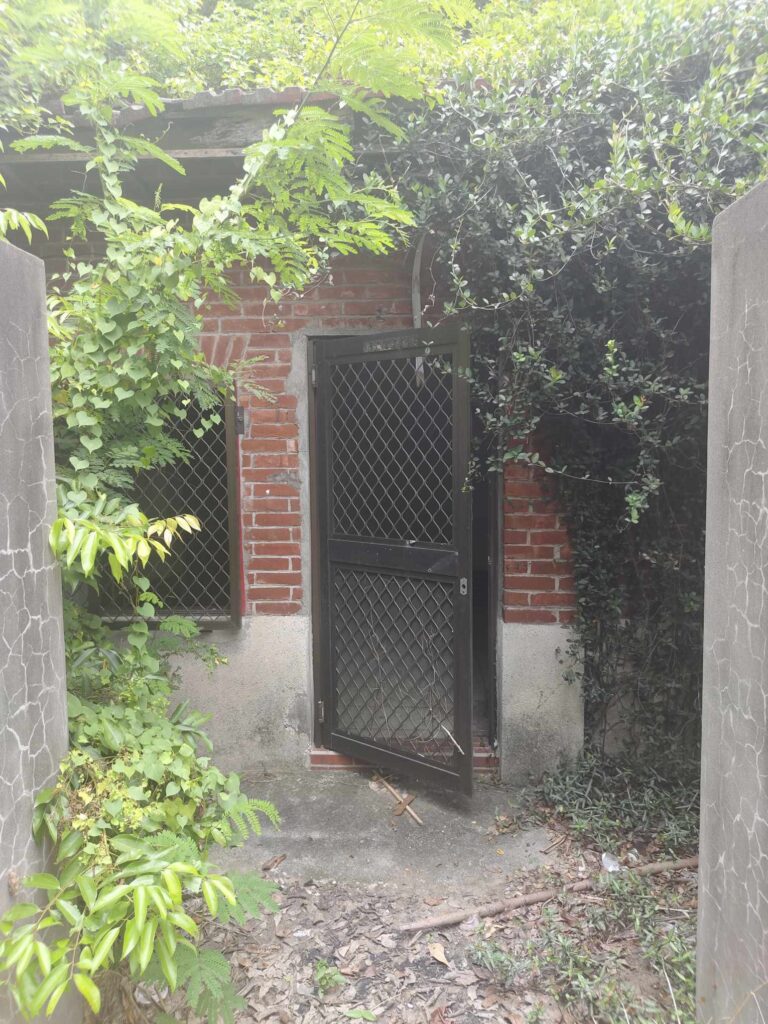
There were also accommodations for the students, including long dormitory halls.
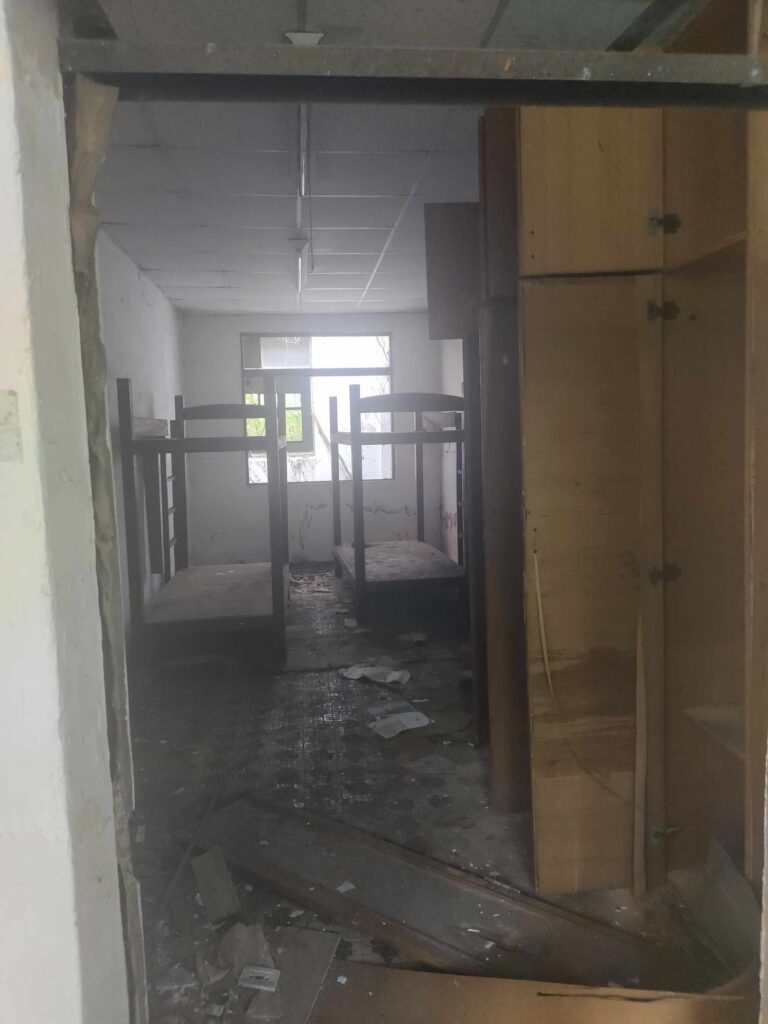
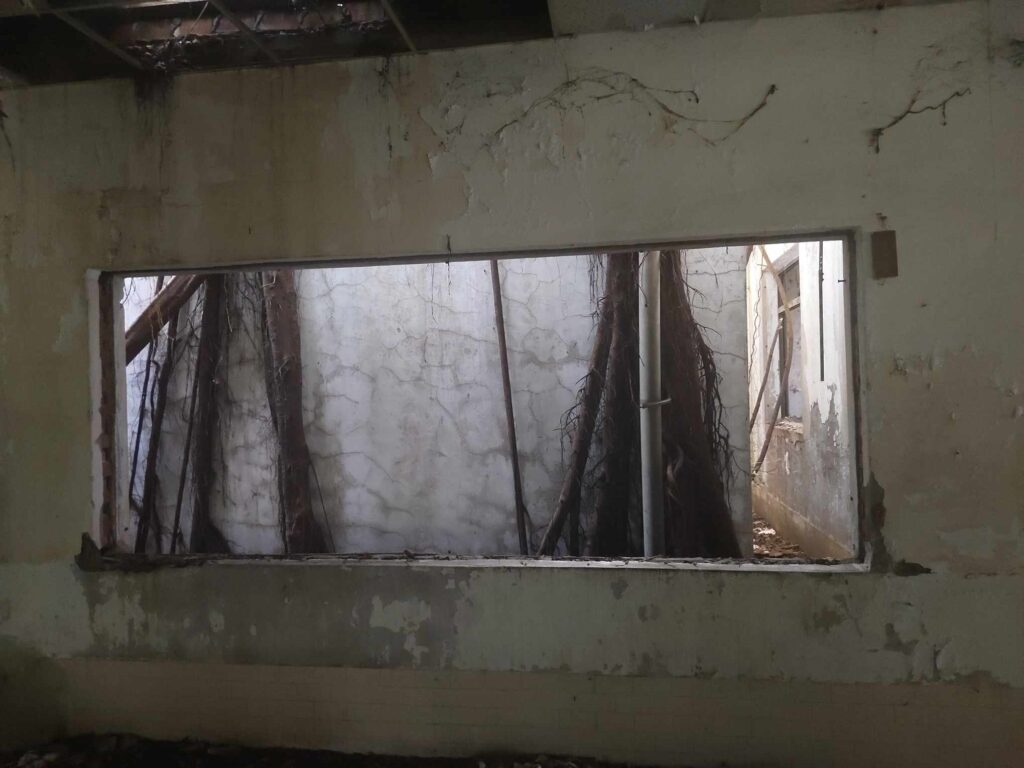
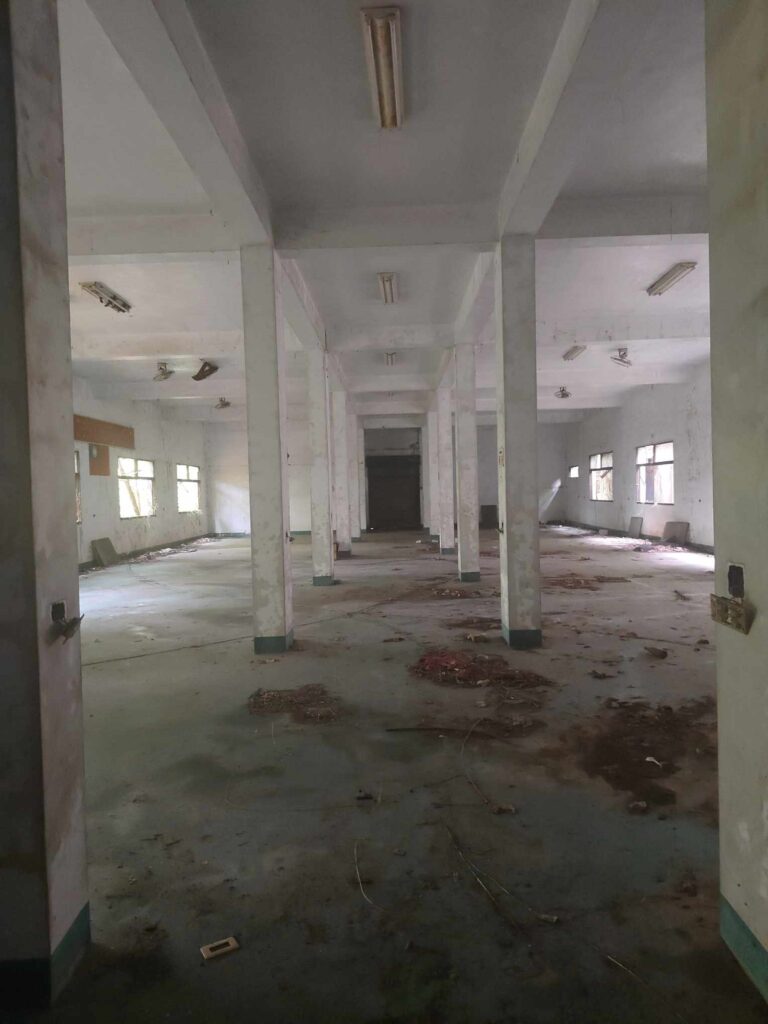
The section of the accommodations is located across the street and was evidently expanded; the rear part is taller and more modern.
(Copyright Claudius Petzold)