ed.: 2026/4/17
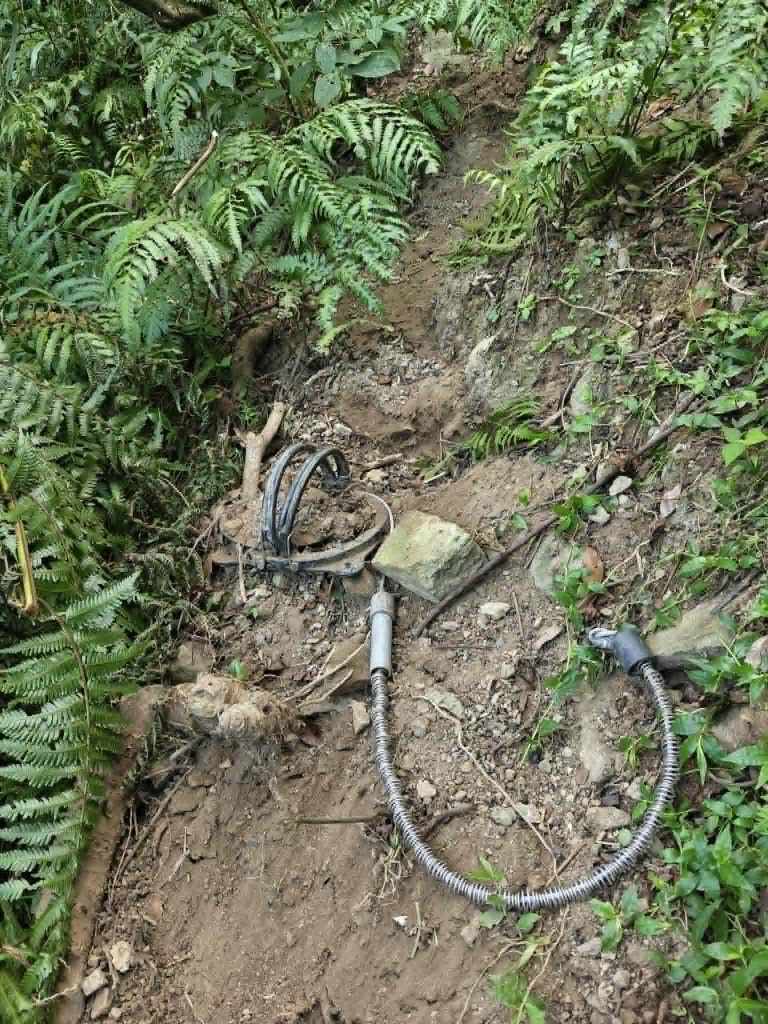
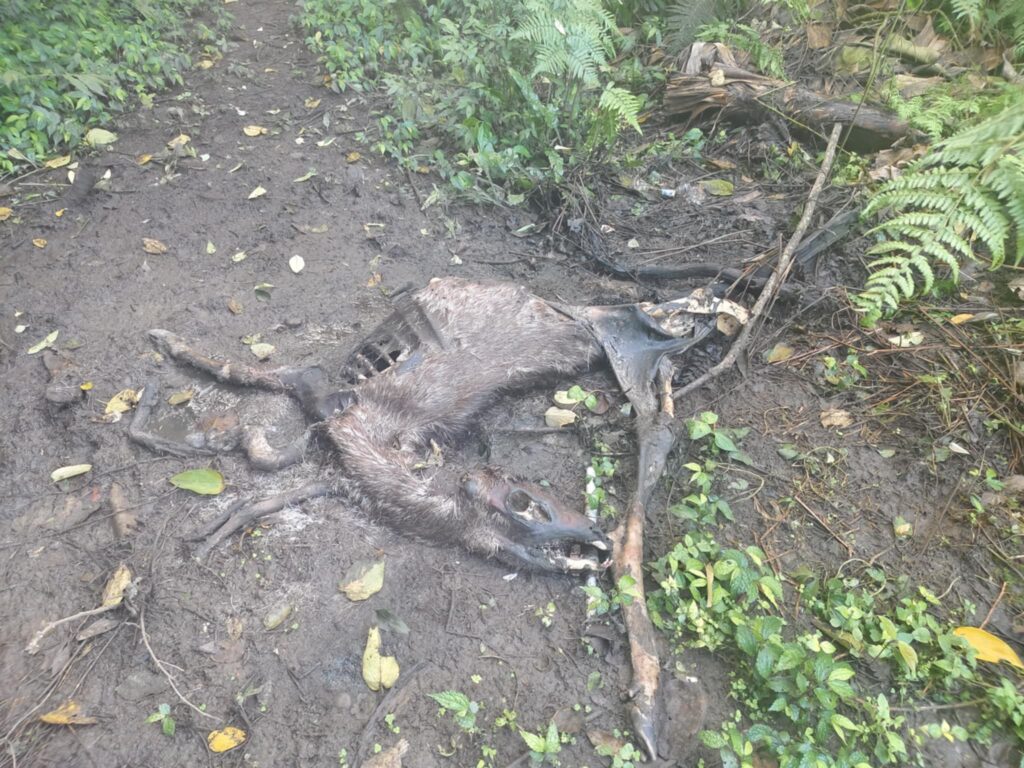
snakes, aggressive dogs, hornets, collapsed buildings
… this could have been filmed here at the Daxi Shunhe Coal Mine. A once majestic place is slowly being swallowed by the jungle. At first glance, it seems like just a few buildings. But as you walk through the area, more and more work zones, conveyor systems, and mine entrances start to reveal themselves.
Description
A road leads to within about 1 kilometer of the mine. Along this stretch are illegal homesteads guarded by aggressive large dogs that can only be driven off with a big stick. They may attack or even bite. From there, the road narrows. The former road is barely recognizable and eventually turns into a footpath. We followed a trail into the woods, but the path gradually disappeared under overgrown weeds and wild vegetation. After walking for about ten minutes, a striking two-story brick building suddenly emerged from the forest.
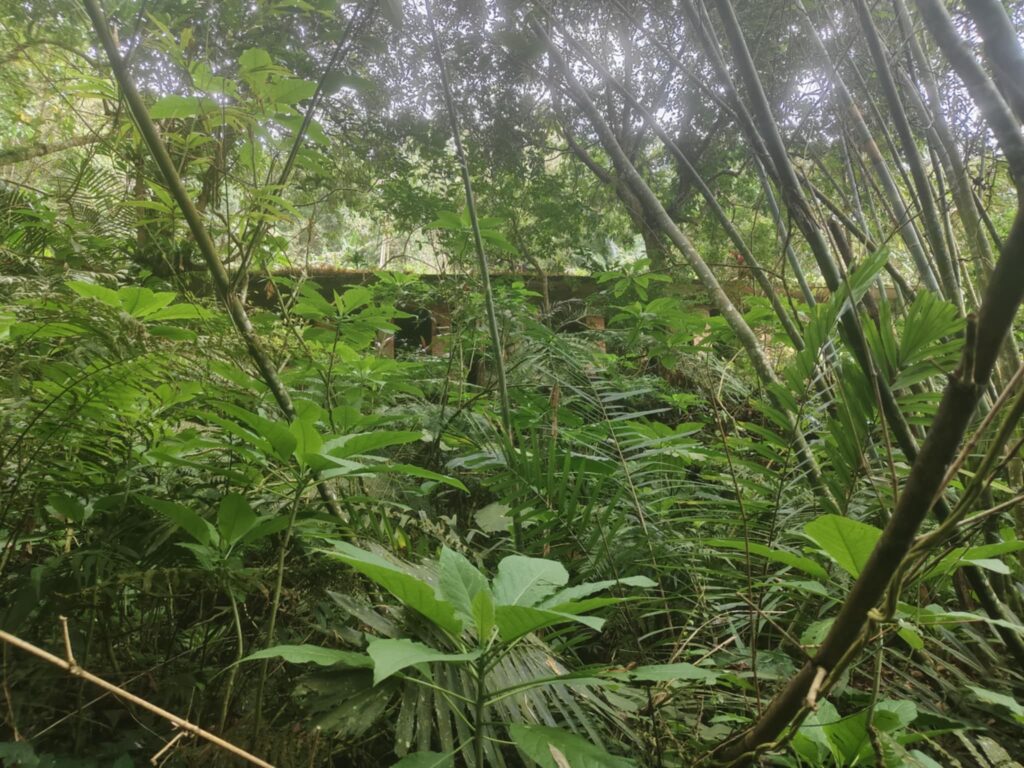
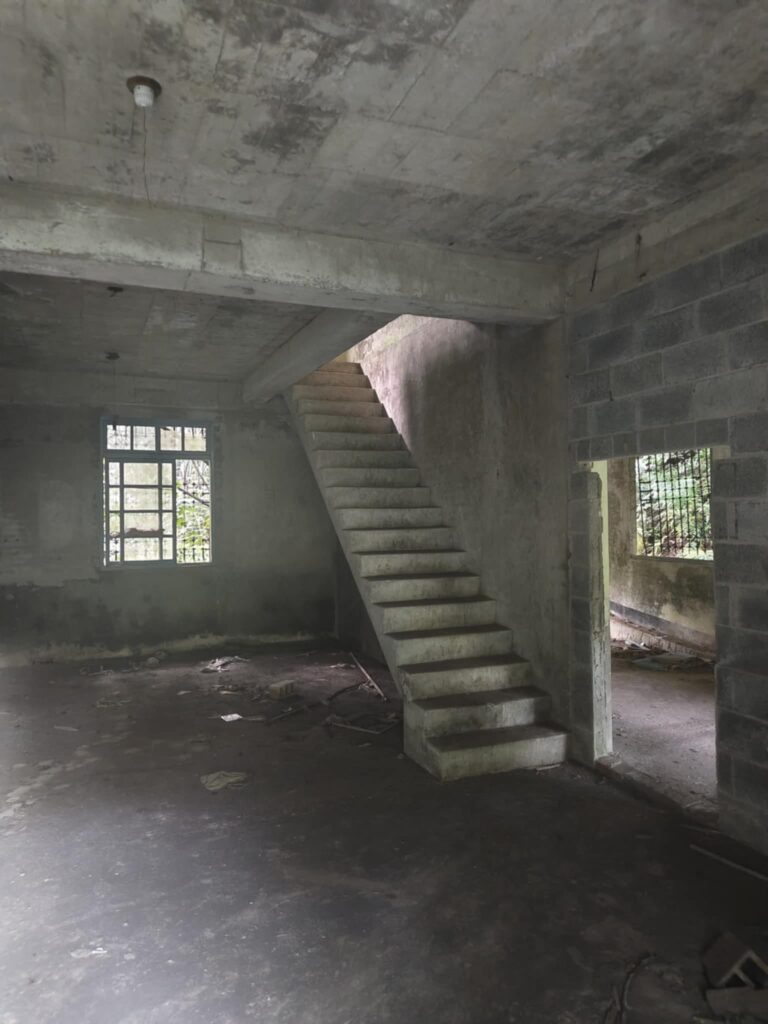
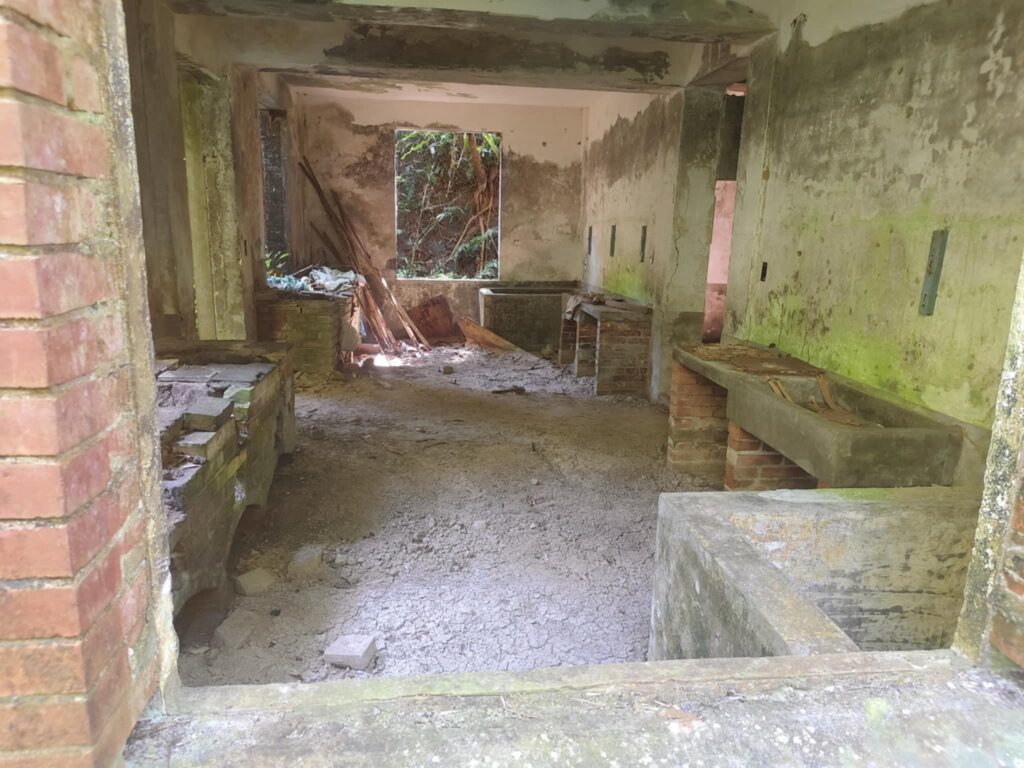
Just above it is the second building — also a multi-story residential structure with 56 rooms. You can enter freely and explore everything, getting a sense of the time and the simplicity of life back then. Most of the wood and interior fittings have been stolen. It features a rather unusual slanted staircase leading to the upper floor. The kitchen, bathroom, and toilets are still clearly recognizable.
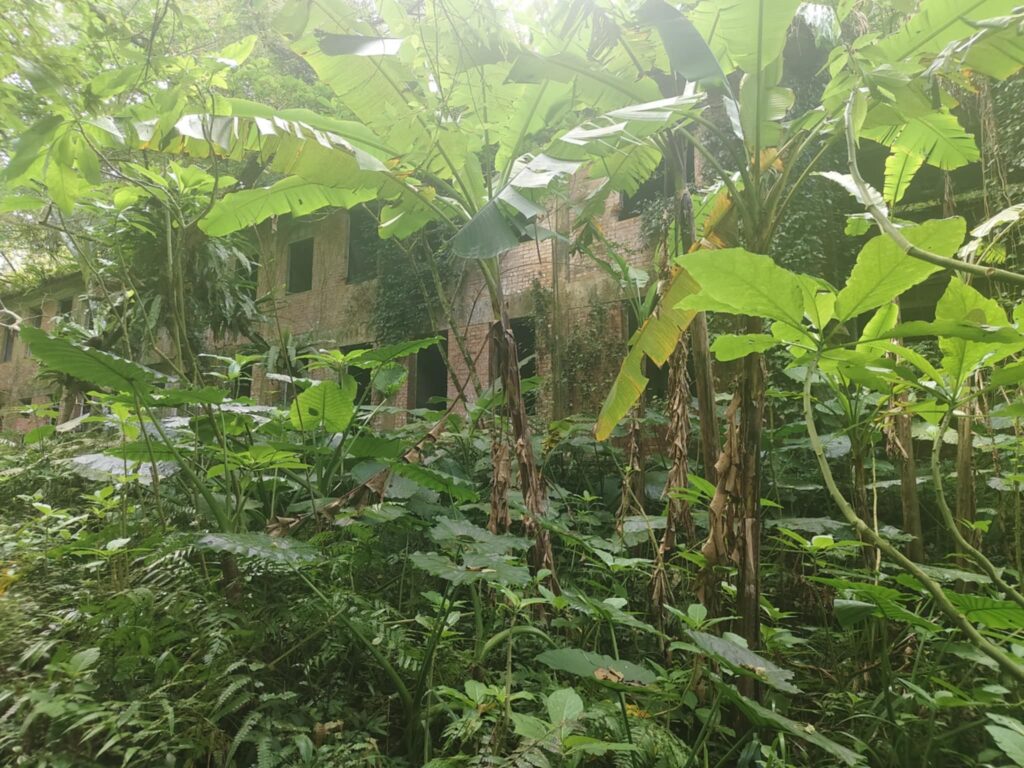
Shortly after that, you reach a third building, accessible via an internal staircase. The large number of bottles suggests it once housed a shop, though the rest is completely empty.
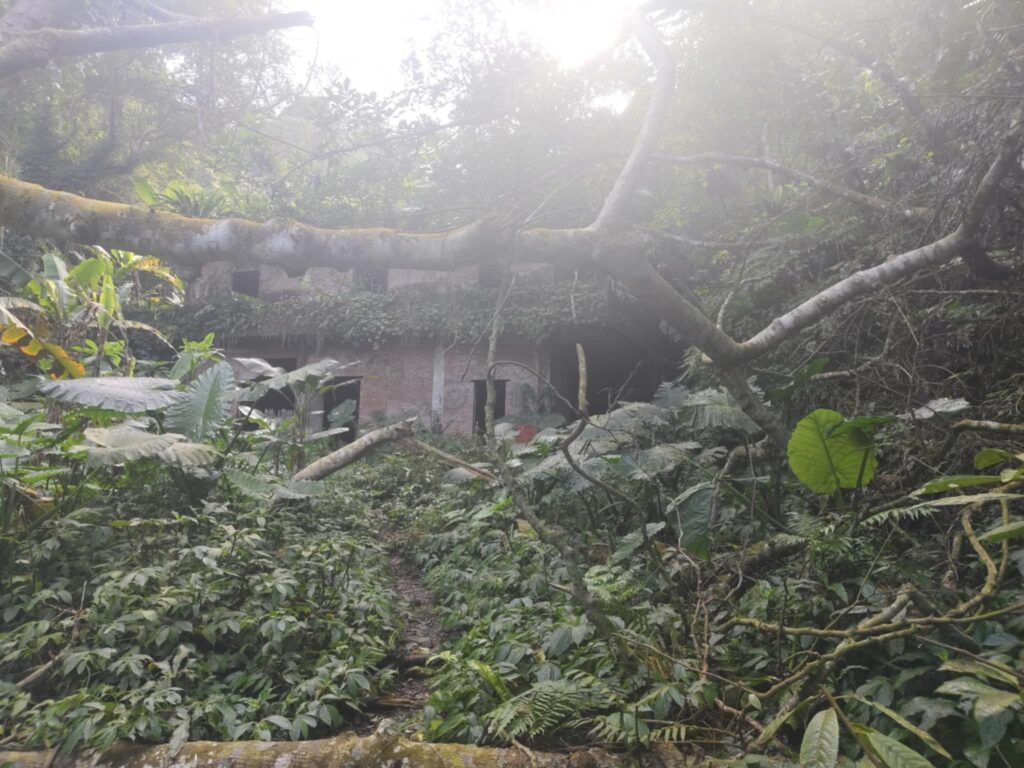
Next, you pass several buildings that are heavily overgrown and barely recognizable. For a short stretch, the road widens considerably, hinting at its original dimensions. Around the bend, there used to be a checkpoint leading into the main work area. From this point on, you can see — barely — the remains of a transport system down to the right.
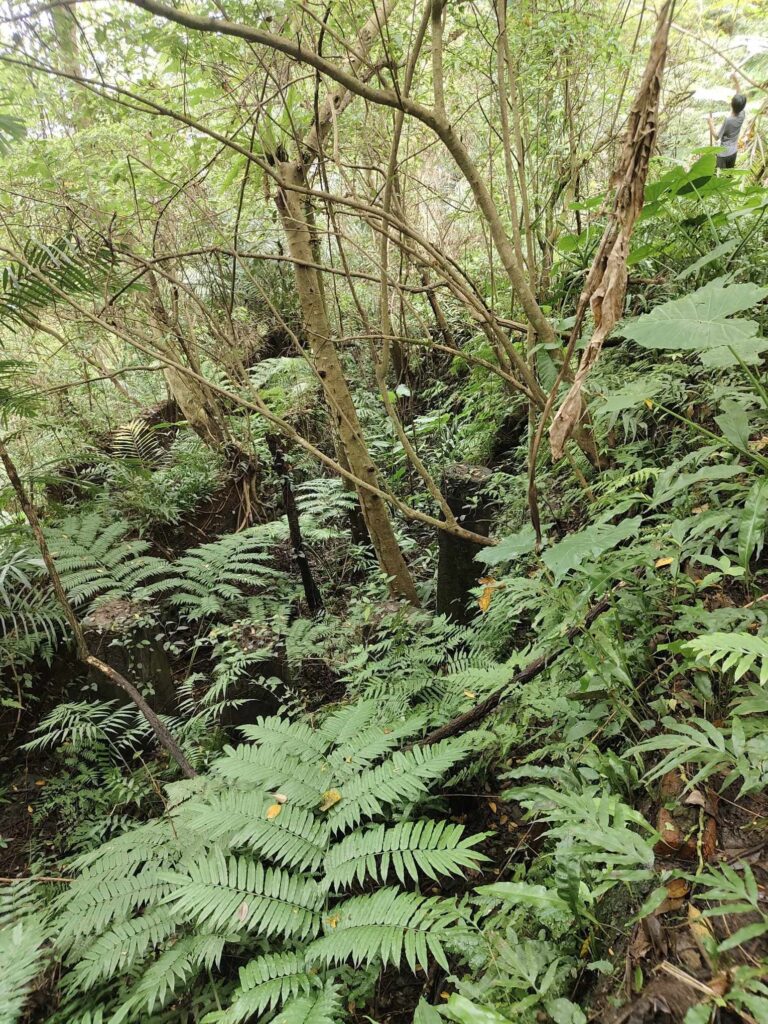
It was likely a conveyor belt, given the regular placement of the support pillars. On a first visit, though, it’s hard to make out. I also don’t believe there was ever a creek here originally.
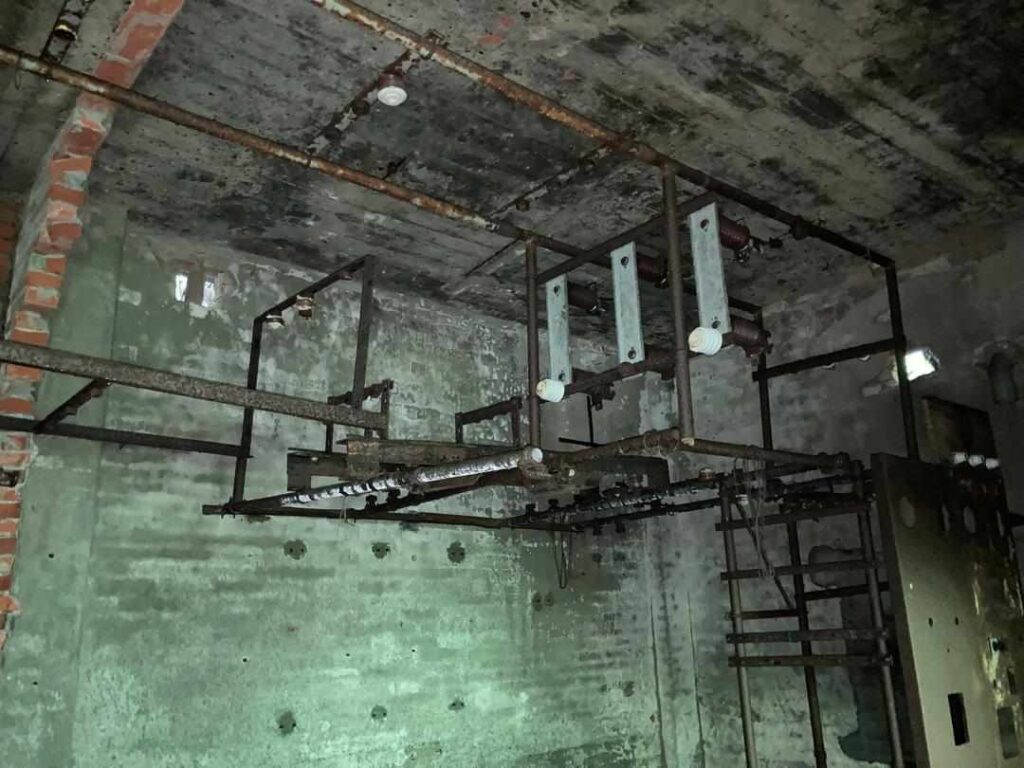
Continue walking a bit further, and you’ll reach the most interesting section — the work area. On the left are technical rooms. Someone with a technical background suggested that the remains point to a substation with an emergency generator.
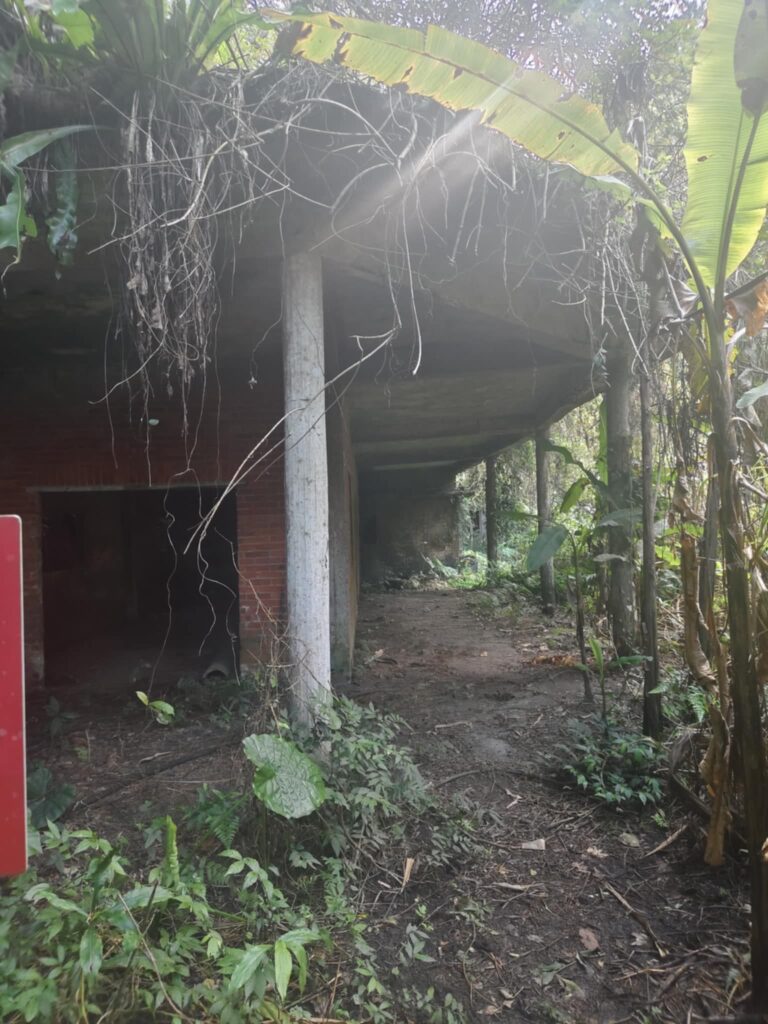
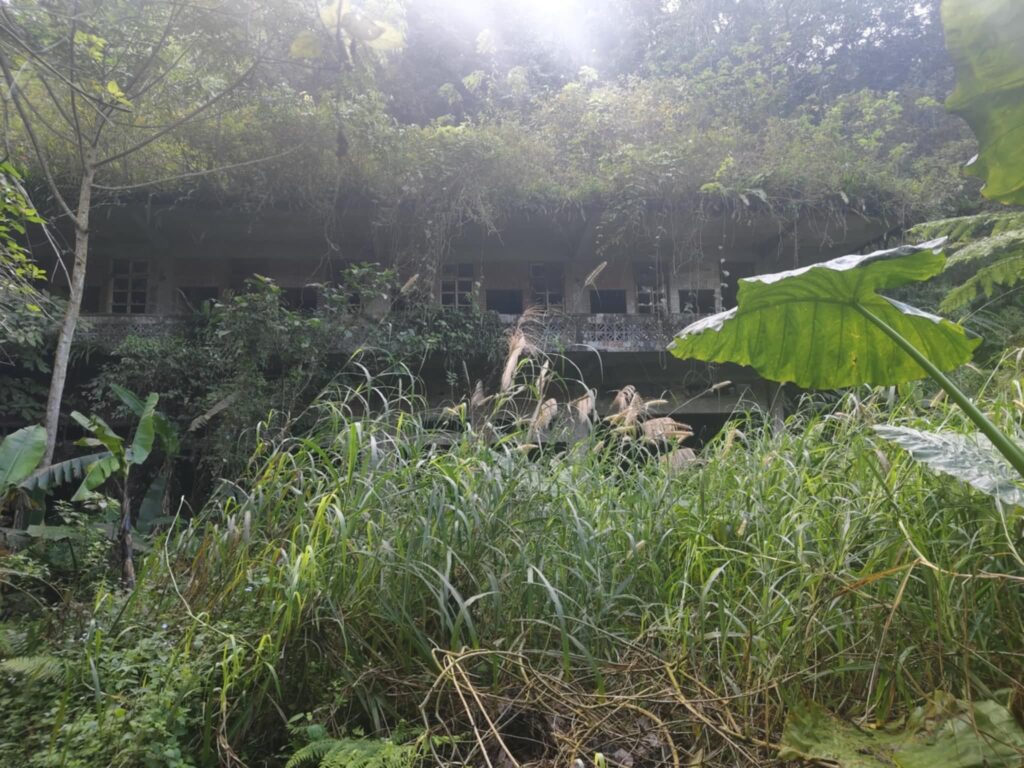
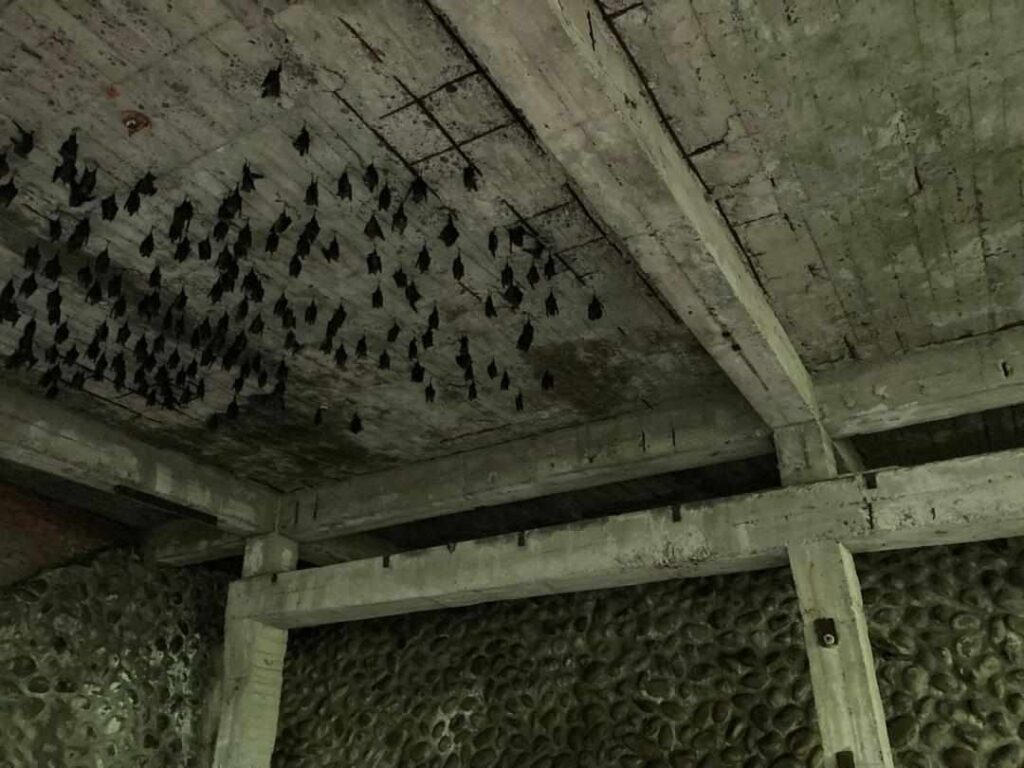
To the right stands a two-story office building. The original purpose of the upper floor is easier to identify. In the lower floor, you’ll quickly smell — and see — the bats.
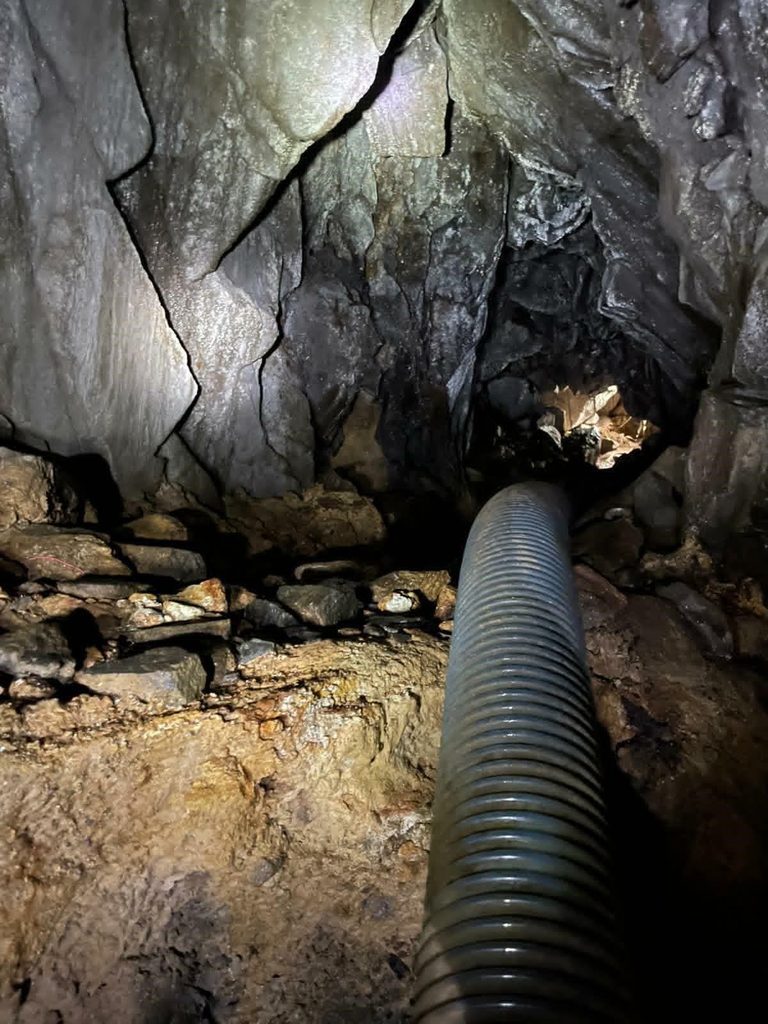
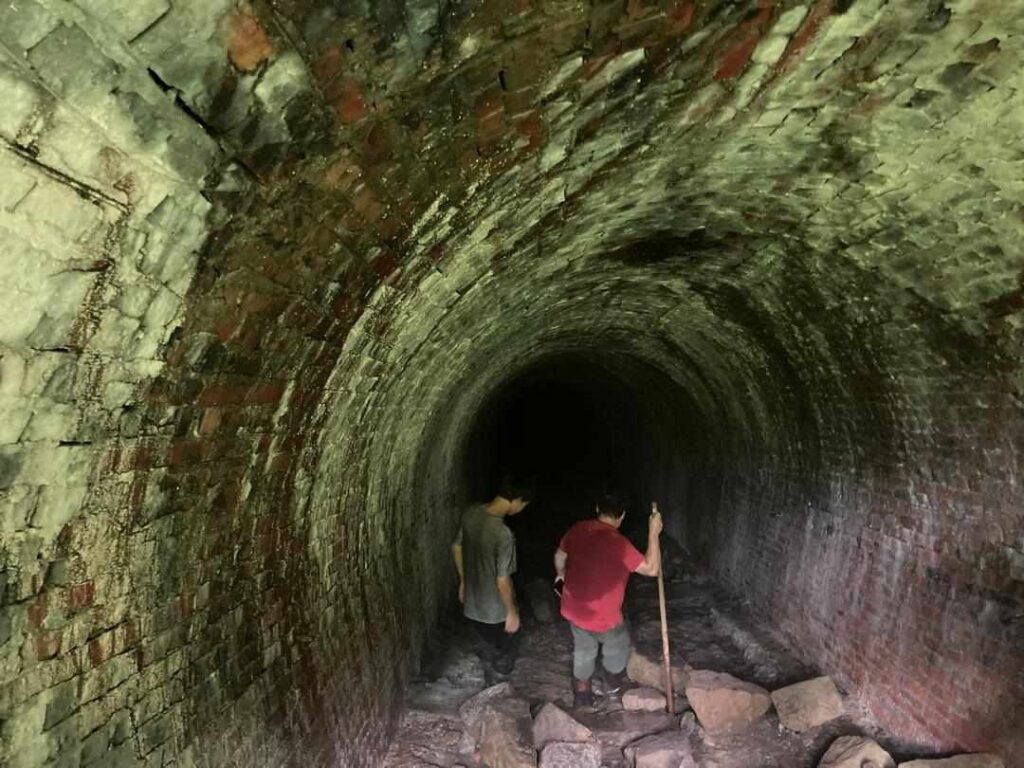
Moving around in a clockwise direction, you reach the fenced-off entrance to the mine. The tunnel walls are still in good condition. The debris and large rocks covering the floor are difficult to explain. After about 40 meters, the tunnel is blocked, though the blockage appears to be man-made.
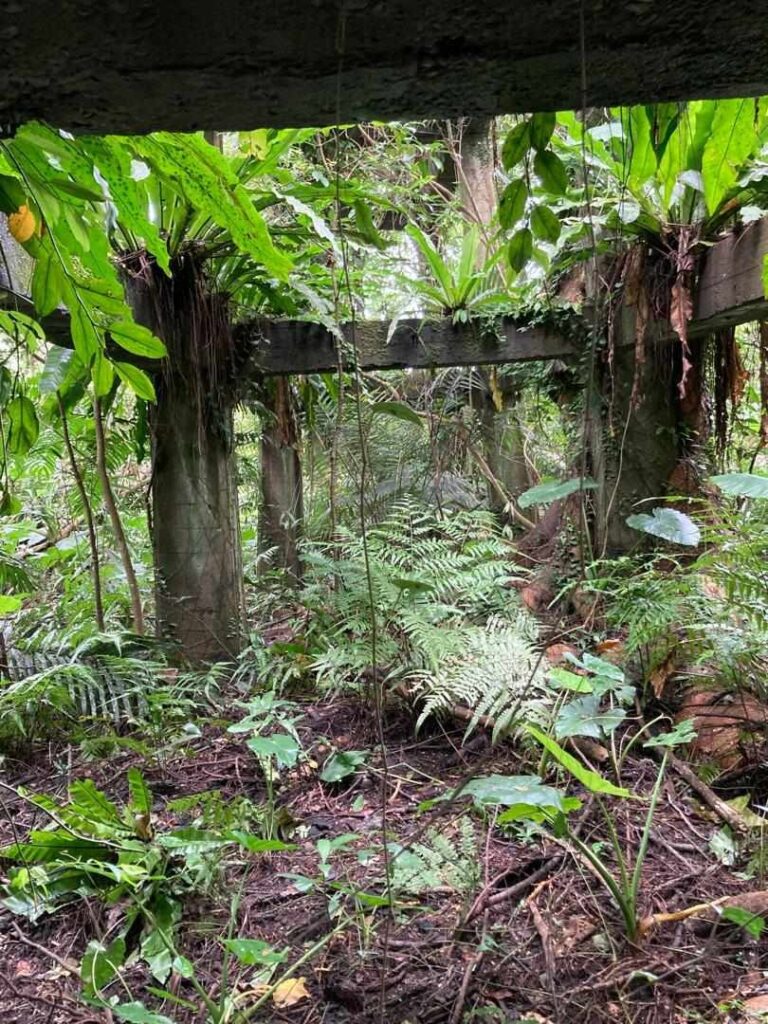
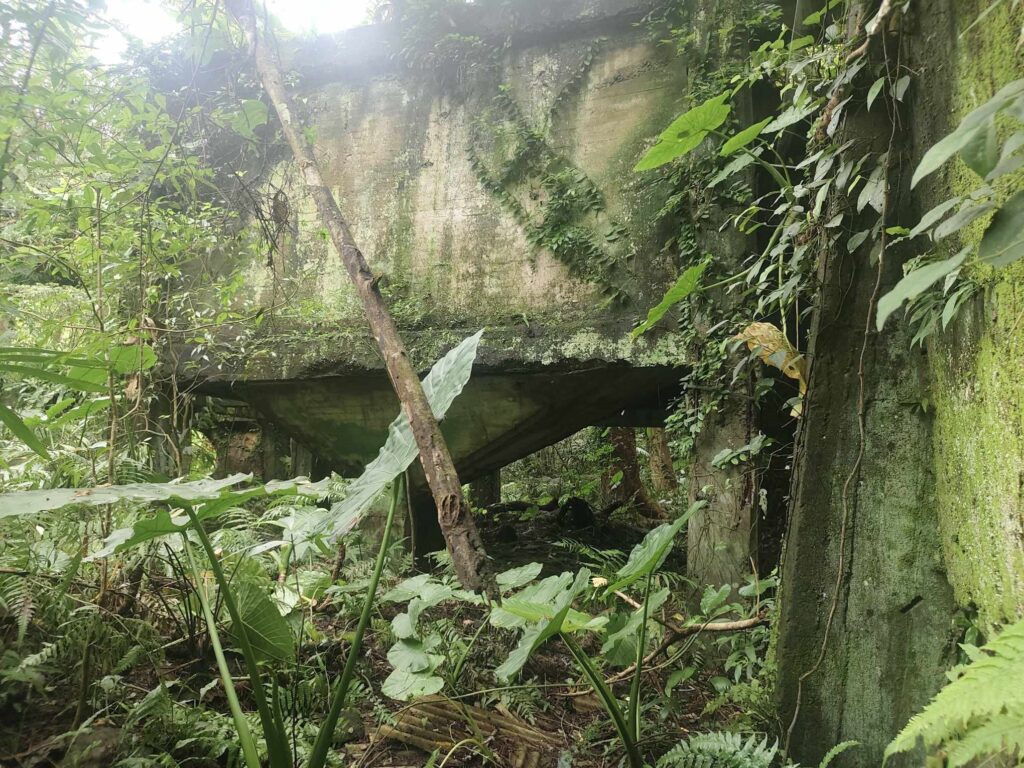
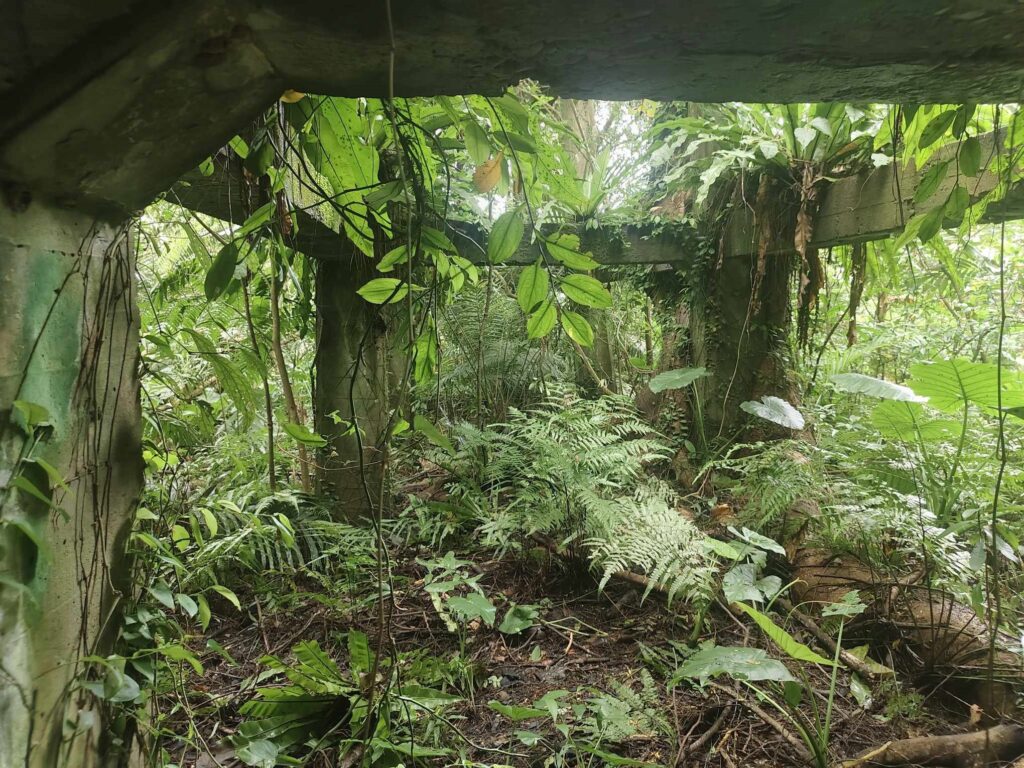
You can now proceed to the buildings opposite the mine entrance. Their purpose remains unclear. From there, head downhill to the area where the transport system was once loaded. The old path has collapsed, but the structure is still quite visible.
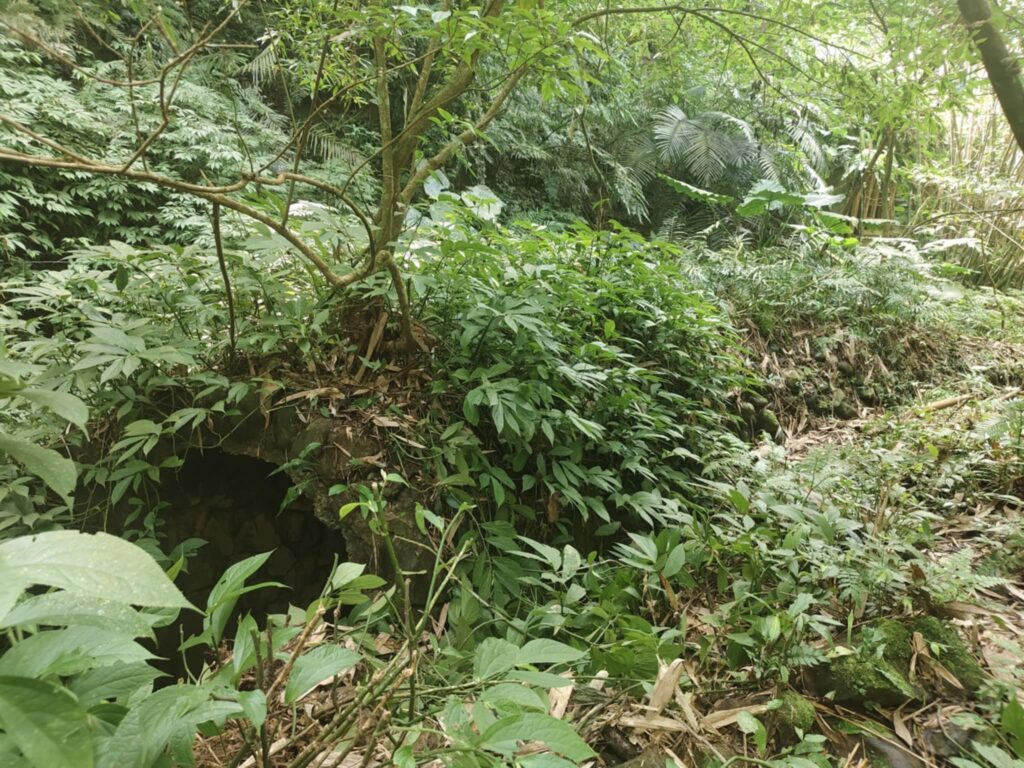
I know there’s supposed to be a long, old ammunition tunnel somewhere nearby. However, every time I’ve visited, it’s been raining, making any attempt to reach it impossible.
I plan to visit some libraries to search for old photos and compare them to the current condition of the site.
Daxi’s Hidden Coal Mining Legacy: Unearthing 120 Years of History
Daxi holds a lesser-known historical gem: its coal mining heritage. In the 1960s, coal was a crucial resource that fueled Taiwan’s economic rise. From the first mining rights acquired by Qiu Mingfu in 1901 during the Japanese era, the industry flourished with contributions from local elites. This year marks the 120th anniversary of coal mining in Daxi. Among the most significant enterprises were the Taiyang Company system and Jian’an Pit (建成炭坑). Spanning from Sanxia to Daxi, the coal fields were part of Taiwan’s mid-section Shihding coal formation, extending from Keelung to Daxi. Daxi coal was prized for its quality and coking properties, making the 1950s and 1960s the heyday of the region’s coal industry. According to Zhan Deyun’s Daxi Coal Mining Chronicles, 34 mines were operational in Daxi and its surrounding areas (including today’s Fuxing District) in 1967.
The older generations in Daxi remember a way of life where farming and coal mining coexisted. Yu Delong, a former manager of Shunhe Coal Mine, recalled miners occasionally skipping work during harvest season, prompting the recruitment of workers from Daxi and other areas. Anecdotes from that era include the saying, “half-human, half-ghost,” referencing hurried, unwashed miners trekking along the Weiliao Qigu Trail, which passed near Daxi’s first cemetery.
The Shunhe Coal Mine ceased operations in 1986. After the lease agreement between the Shunhe Coal Mine Company and the Mining Bureau was terminated, the company did not remove above-ground structures or formally relinquish their ownership, leaving the structures legally under the company’s name. However, the company was dissolved in 1991, complicating the situation. Shunhe Coal Mine’s land technically reverted to the Forestry Bureau after mining ceased in the 1970s, but the structures were never removed. Ownership of these remaining structures remains unresolved. In January, the Cultural Affairs Bureau submitted the site for cultural asset designation, and committee members have conducted evaluations. In 2019, the site was vandalized with spray paint and joss paper. In 2021, the Cultural Affairs Bureau initiated a cultural landscape study of the Shunhe Coal Mine. The aim is to transform the mine into a cultural park.
(Copyright Claudius Petzold)