Last update: 2025/9/1
Near the Tongjing Village is a Cave System. The residents of the village put up fierce resistance against the Japanese, protected by the cliffs near the Emei River, the terrain was easily defensible. They constructed a long tunnel system and stationed troops there. The Americans also attempted to destroy the bunker facilities because the Japanese stored materials there. Little remains of a former sugar factory at the end of the road. The factory was later taken over by the KMT. Subsequently, the surrounding area and the abandoned bunkers provided good protection for fruit bats. A typhoon later destroyed many entrances and the hiking trail around it. Above, in the village, many old houses are still preserved, offering a stroll back into history.
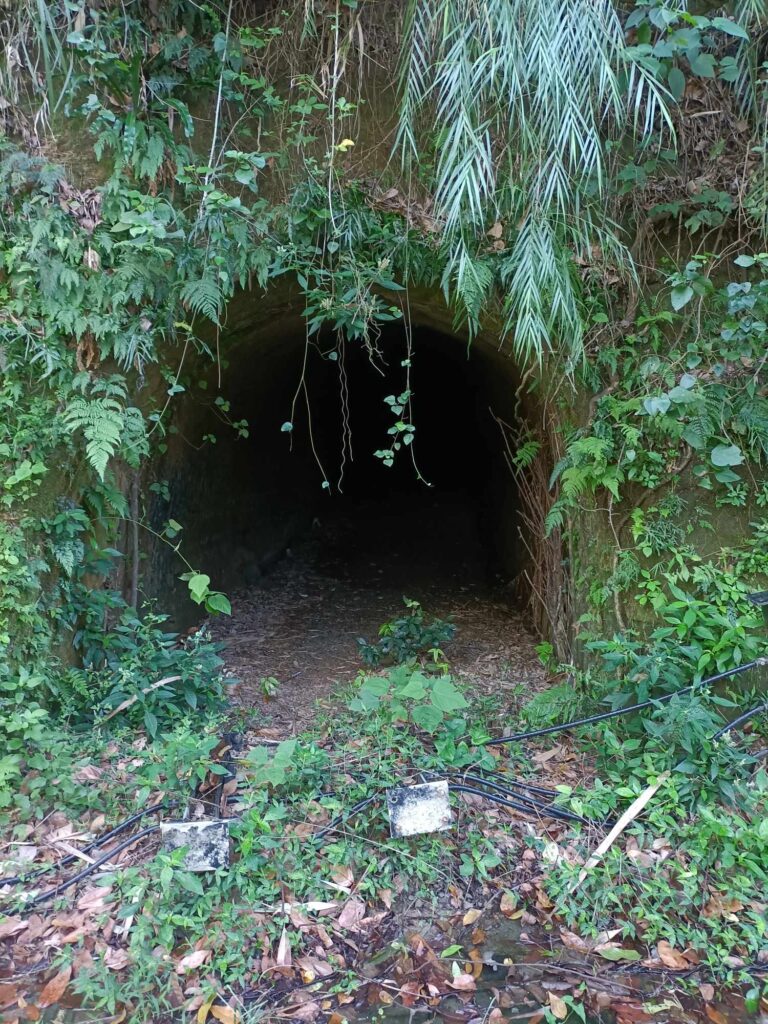
(The entrance)
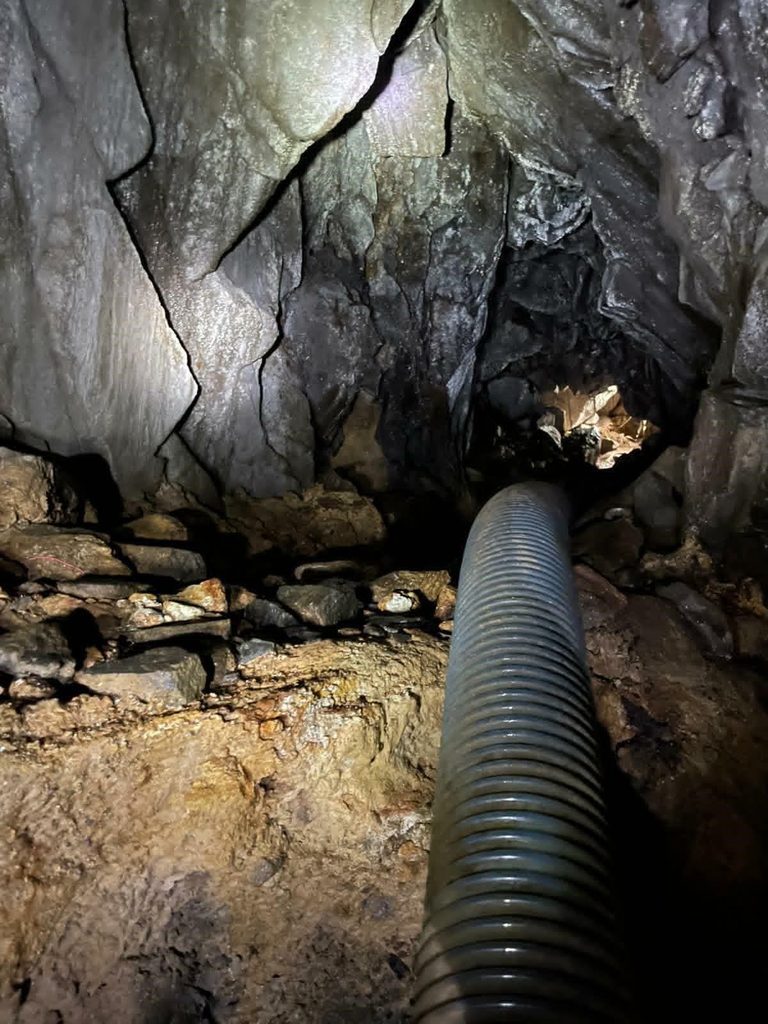
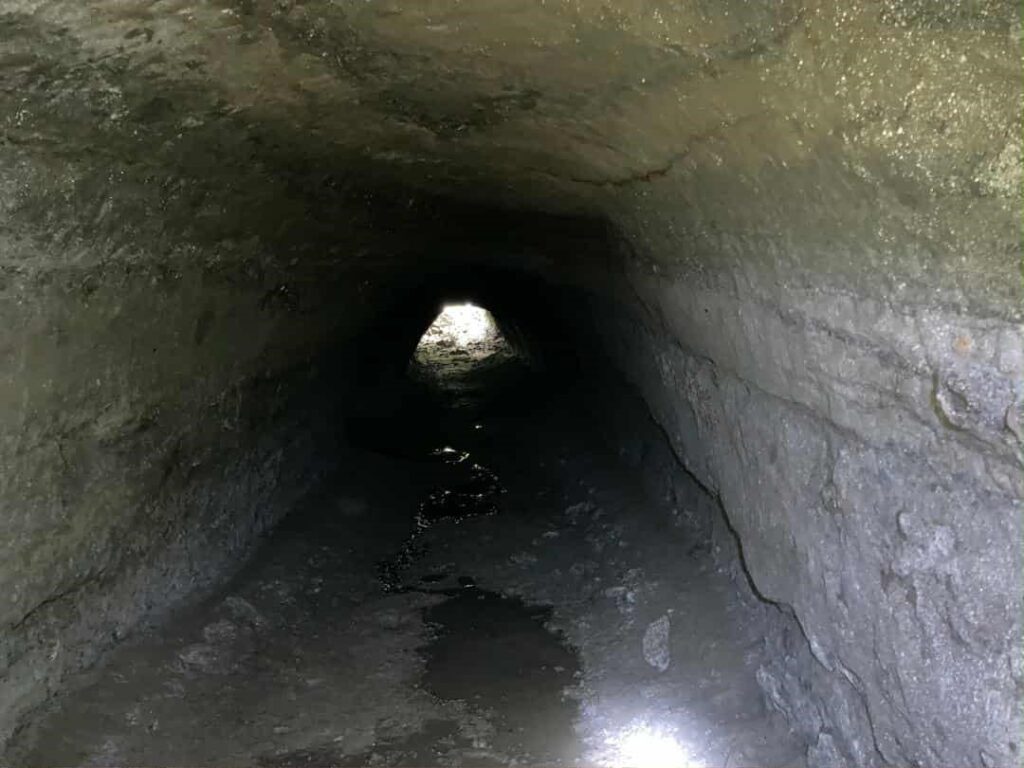
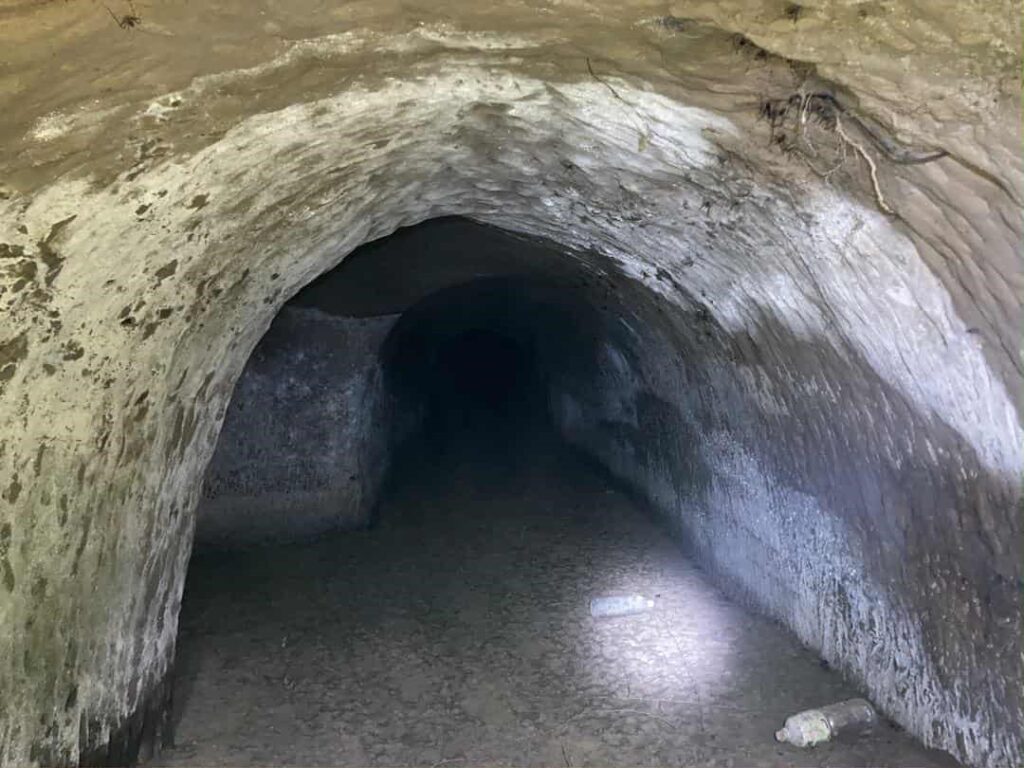
It is a network of different tunnels, appearing like square-shaped systems. A lot of debris has accumulated on the ground, making the tunnel very low. You can enter wearing rubber boots, but caution is advised. Some spots are unpleasant to pass through, as bats flit about nervously, and their droppings are very dense underneath. It’s better to look for detours.
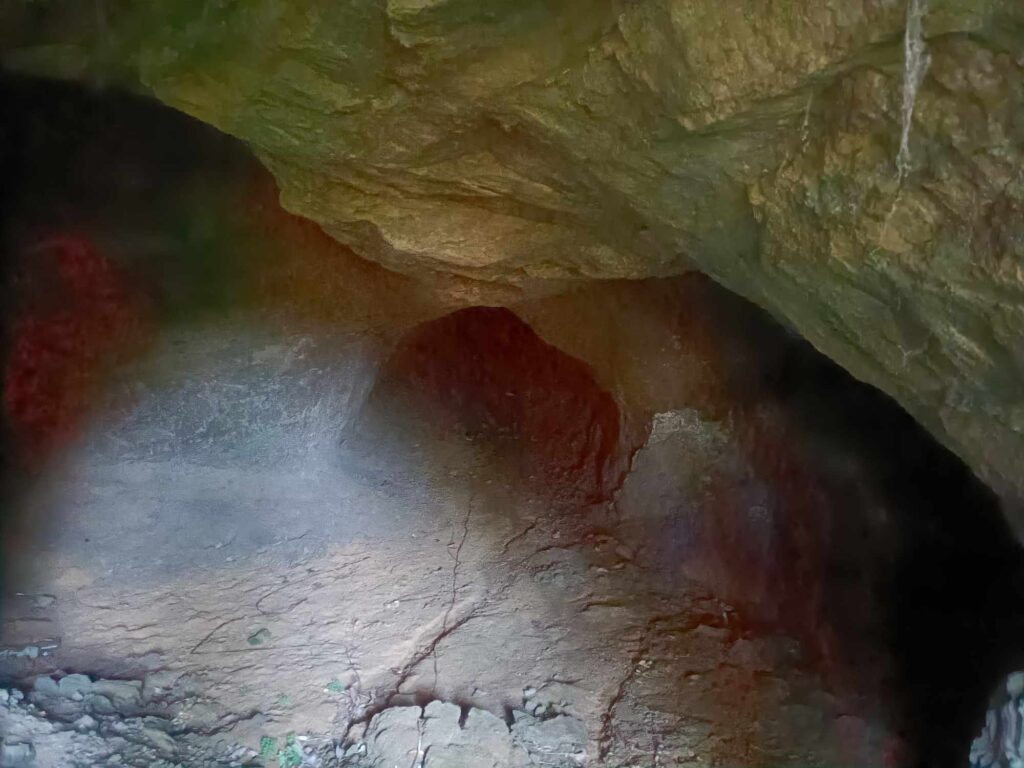
(An intersection)
Please do not enter after October or before September. Our little bat sisters are in hibernation, and if they are awakened, they expend too much energy and may die.
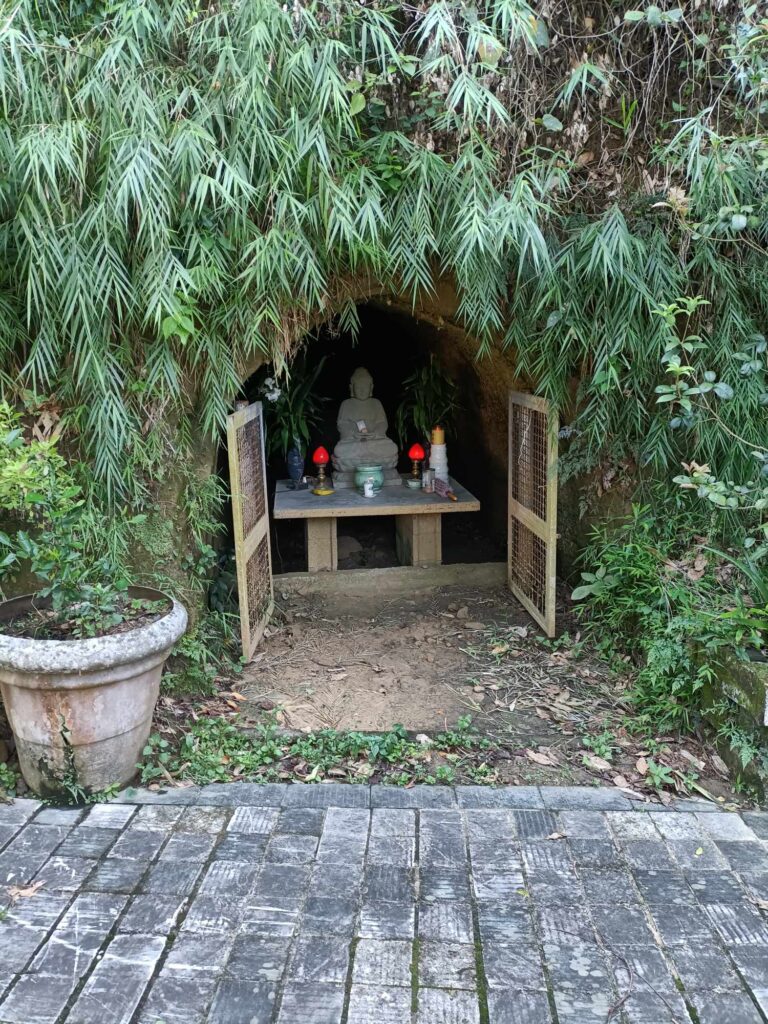
(Pray before entry)
I went in two more times, this time relatively deep into the cave system. It seems there are three main longitudinal axes running parallel to the river and the road, each about 400 meters long. At the end, each makes a loop and they are interconnected. Horizontally, there appear to be about six cross passages, some of which also serve as entrances. Three are blocked. The first entrance leads, after about 100 meters, through a bat colony — the stench is terrible. The bats are quite large and come agitatedly as close as a meter.
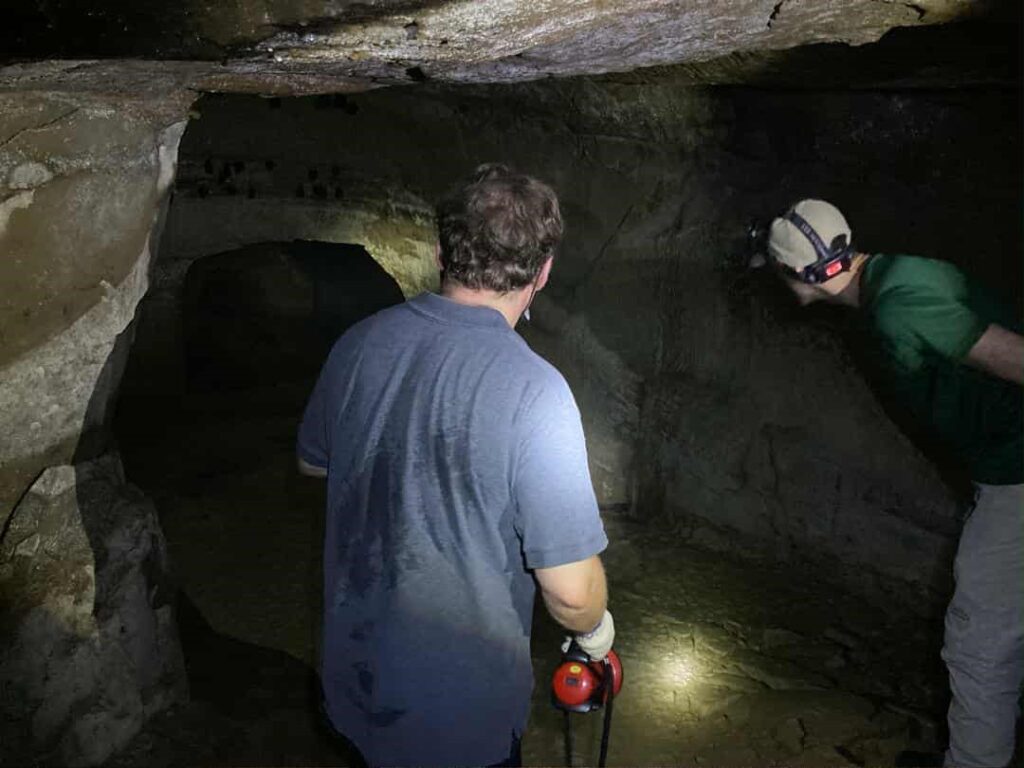
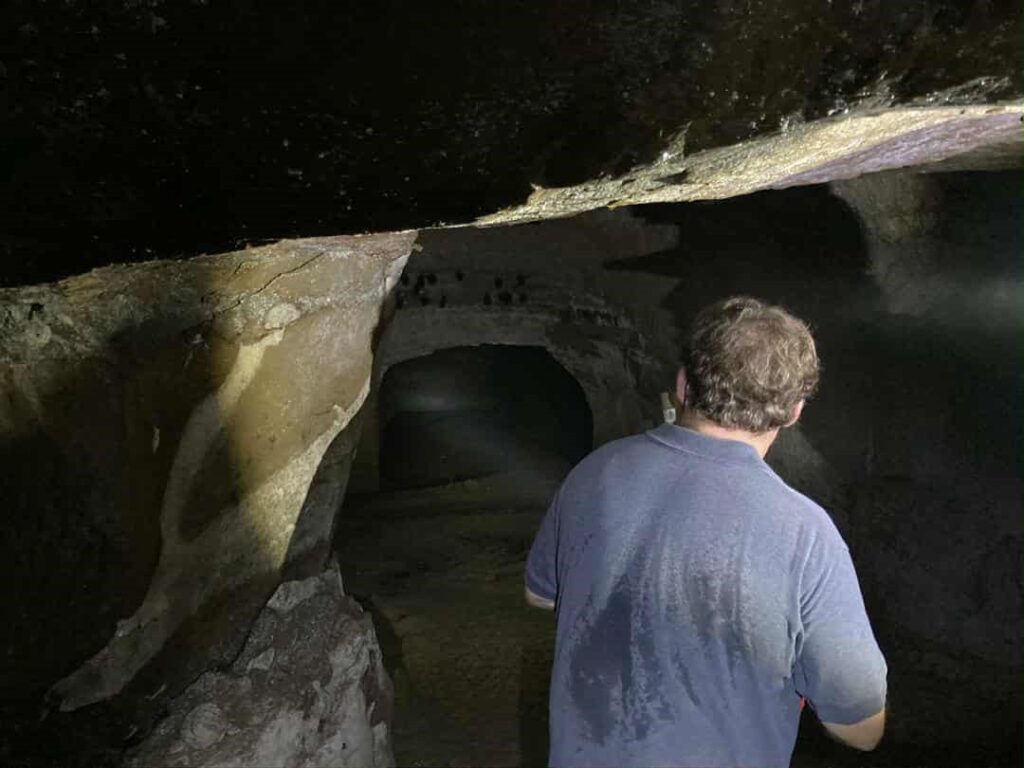
(little bat sisters)
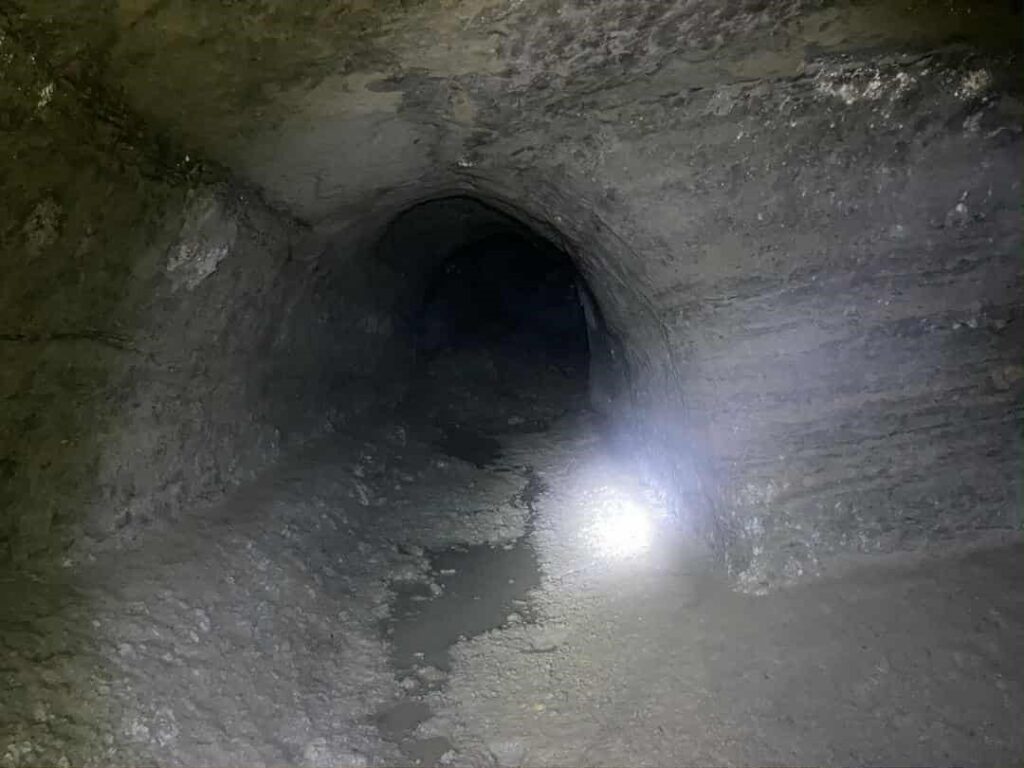
(It can get muddy inside.)
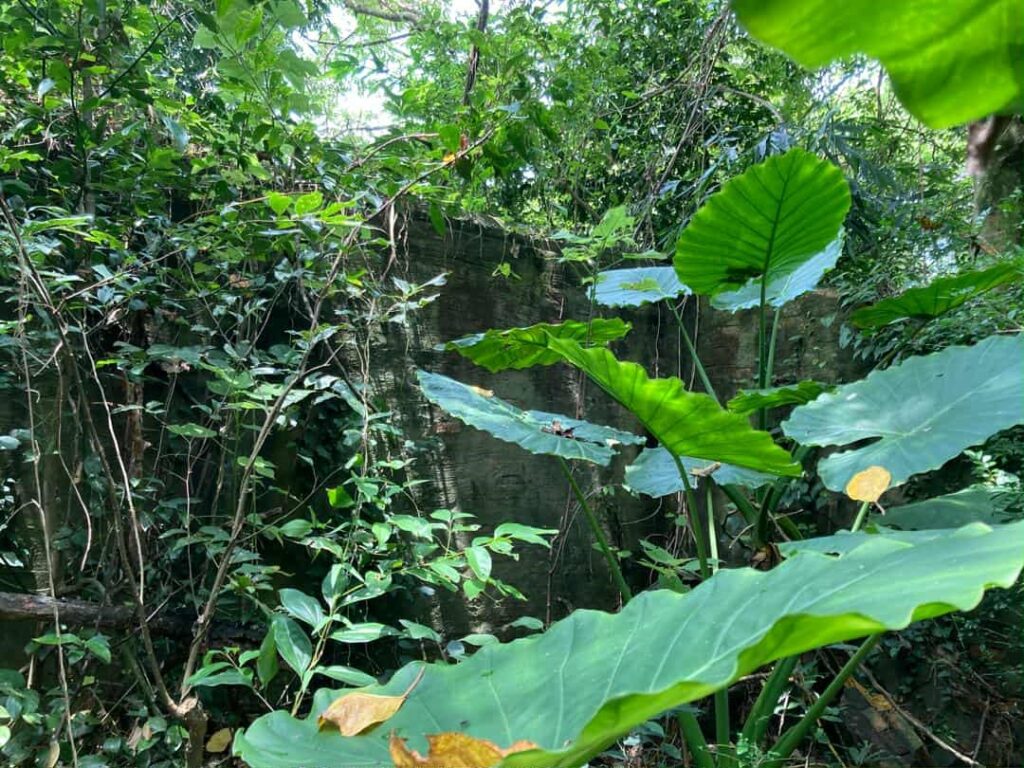
One reason for the air raids was the nearby factory, but nothing of it remains today.
(Copyright Claudius Petzold)