The Chiayi Tobacco Factory(嘉義菸葉廠) is located in Bao’an Village, West District, Chiayi City. It is bordered by Ziyou Road to the north, Beixing Street to the south, You’ai Road to the east, and Beian Road to the west. The complex is one of the most completely preserved tobacco factories in Taiwan and holds significant historical and cultural value. However, only some of the buildings are of high value, while others are modern additions.
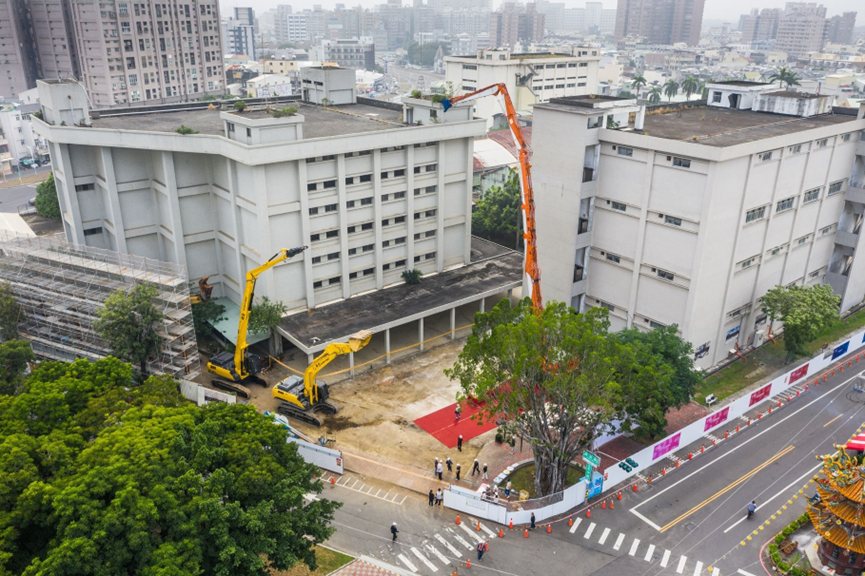
(earlier picture of the modern parts, warehouse 10 right side, warehouse 11 – now demolished, https://www.chiayi.gov.tw/News_Content.aspx?n=455&s=839542&utm)
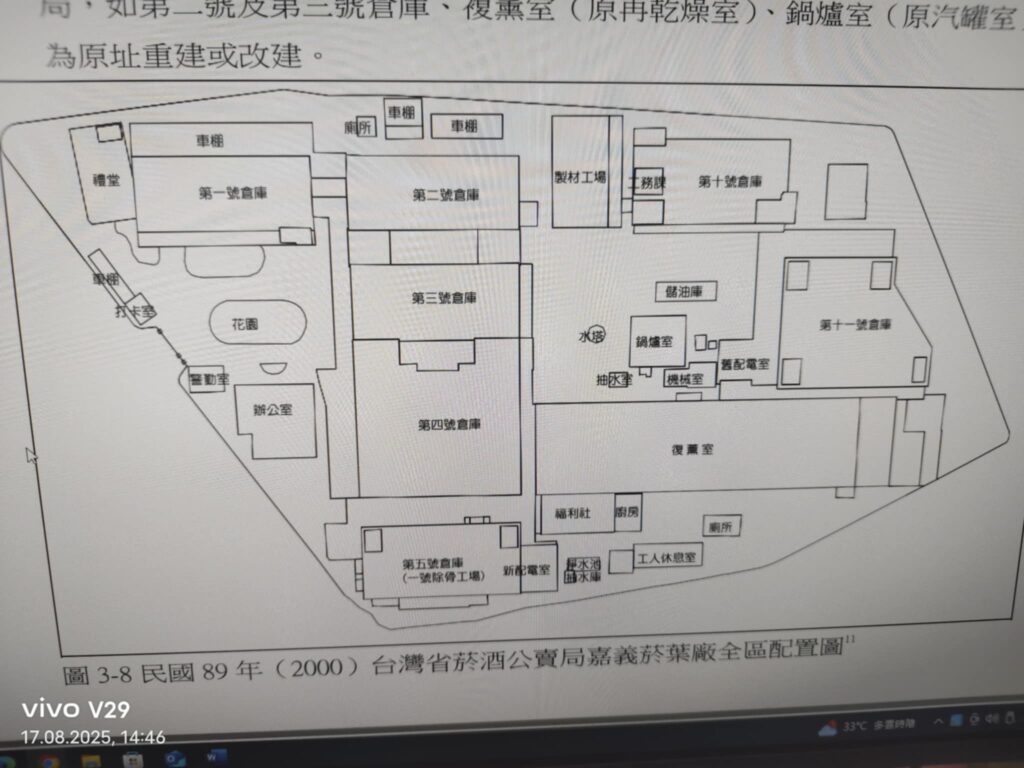
Construction was undertaken by Nakajima-gumi of Chiayi City, designed by Ufu Takeo, and began in 1939. It was completed in 1940. From 1939 to 1945, it served as a processing plant for tobacco leaves (upstream stage) rather than for cigarette manufacturing itself. The delivered leaves were dried and underwent ‘redrying’ (複薰) — repeated drying and fermentation — after which the ribs/stems were removed, the leaves were flavored, and finally packaged.
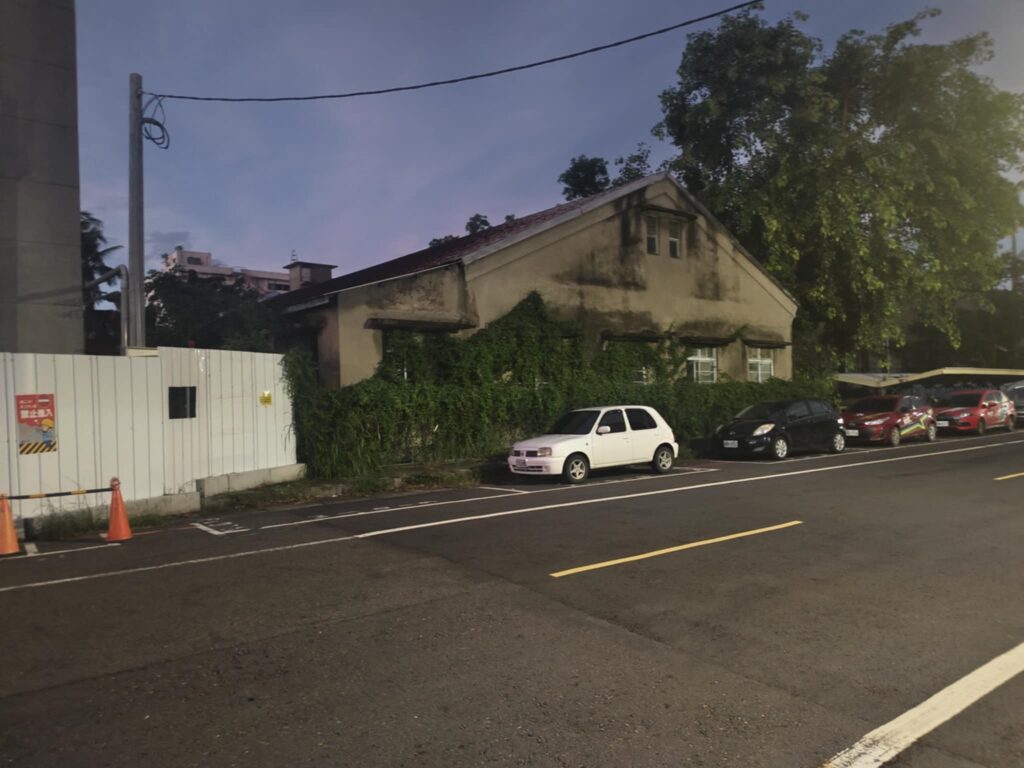
(wood processing plant, built 1964)
At the time of the takeover nach 1945, most of the factory buildings were wooden structures left from the Japanese colonial period, some of which had been damaged by bombing during World War II. Beginning in 1953, as business expanded, the demand for factory facilities gradually increased. To provide space for storing cask tobacco and to meet the daily needs of factory employees, the site underwent multiple expansions, the addition of new facilities, and the updating of machinery and equipment. Nevertheless, the overall spatial layout of the factory area continued to follow the configuration inherited from the Japanese colonial period.
Some more info and pictures: http://192.192.83.167/bitstream/987654321/1567/2/%E8%88%8A%E5%98%89%E7%BE%A9%E8%8F%B8%E8%91%89%E5%BB%A0%E6%AD%B7%E5%8F%B2%E6%B2%BF%E9%9D%A9%E8%AA%BF%E6%9F%A5%E7%A0%94%E7%A9%B6%E8%A8%88%E7%95%AB.pdf
The Chiayi Tobacco Factory was decommissioned and left idle in 2002 when the Monopoly Bureau was corporatized. It was later transferred to the National Property Administration in 2007 and subsequently handed over to the Chiayi City Government. Plans call for its future revitalization as a cultural and arts venue.
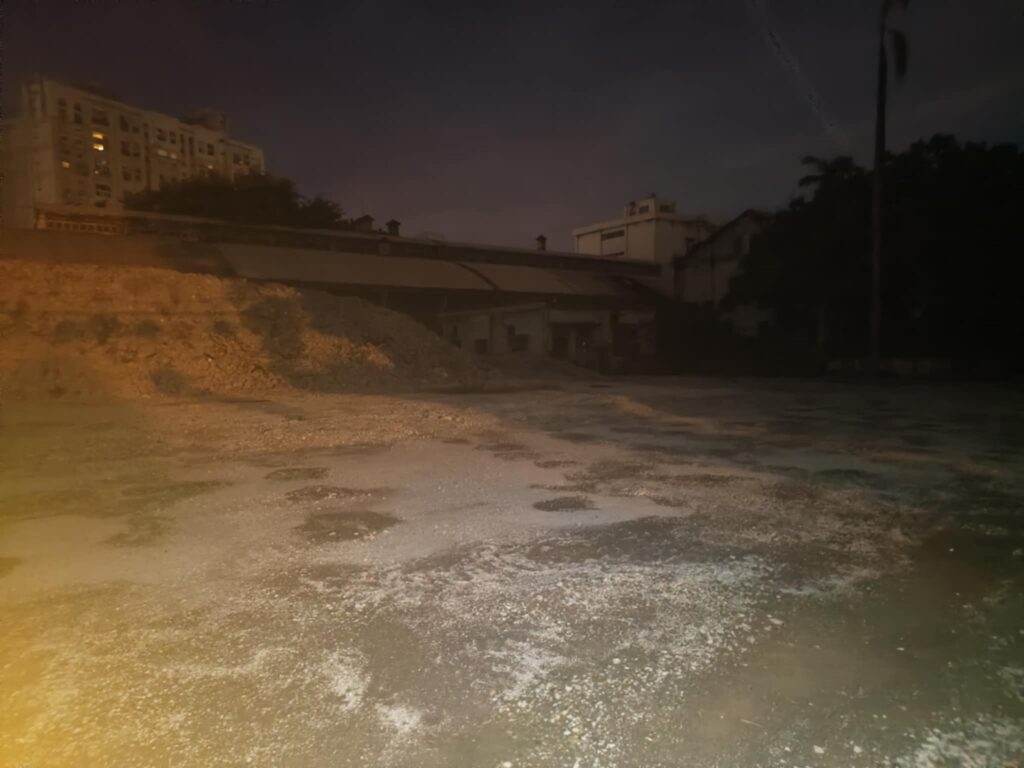
(re-drying room, warehouse No.11 is already demolished, originally in front of the room)
In December 2019, it was registered as a historic building of Chiayi City. The historical building body includes Warehouses 1–5, Boiler Room, Re-smoking Room, Old Power Distribution Room, Machinery Room, Semi-underground Guardhouse, Water Tower, Bathhouse, Sawmill, a second Semi-underground Guardhouse, and essential auxiliary facilities (Auditorium, Guardhouse, and Welfare Center), totaling 17 buildings. The total floor area of the historical building body is 11,803 square meters, with the designated land area covering 30,095 square meters.
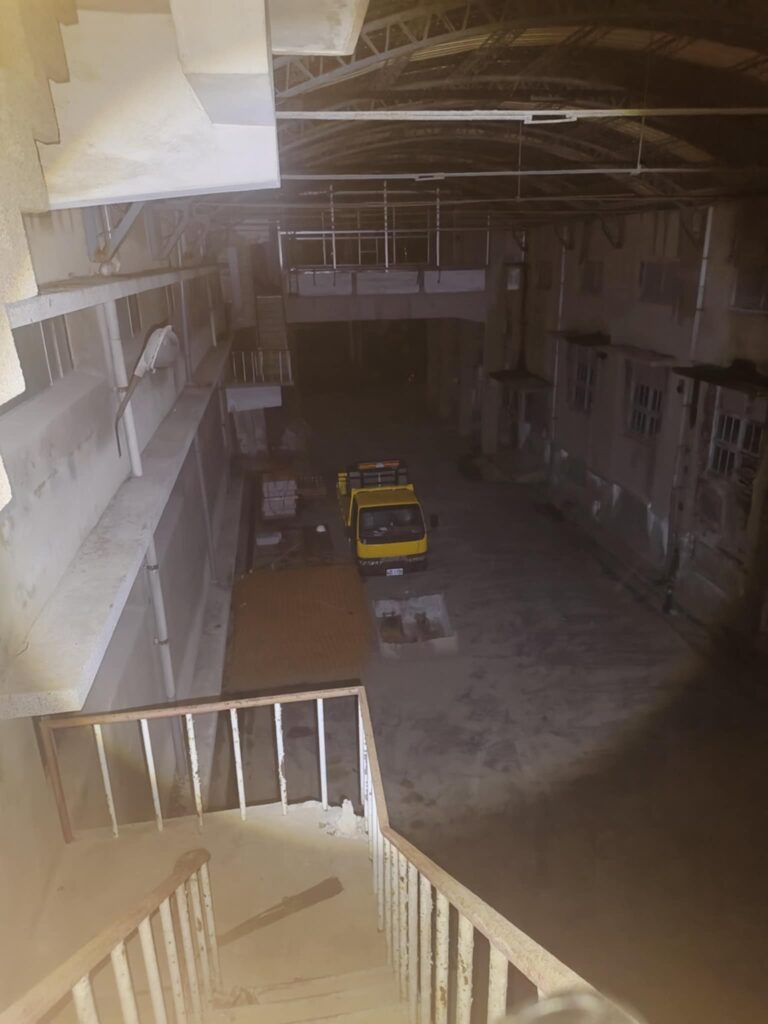
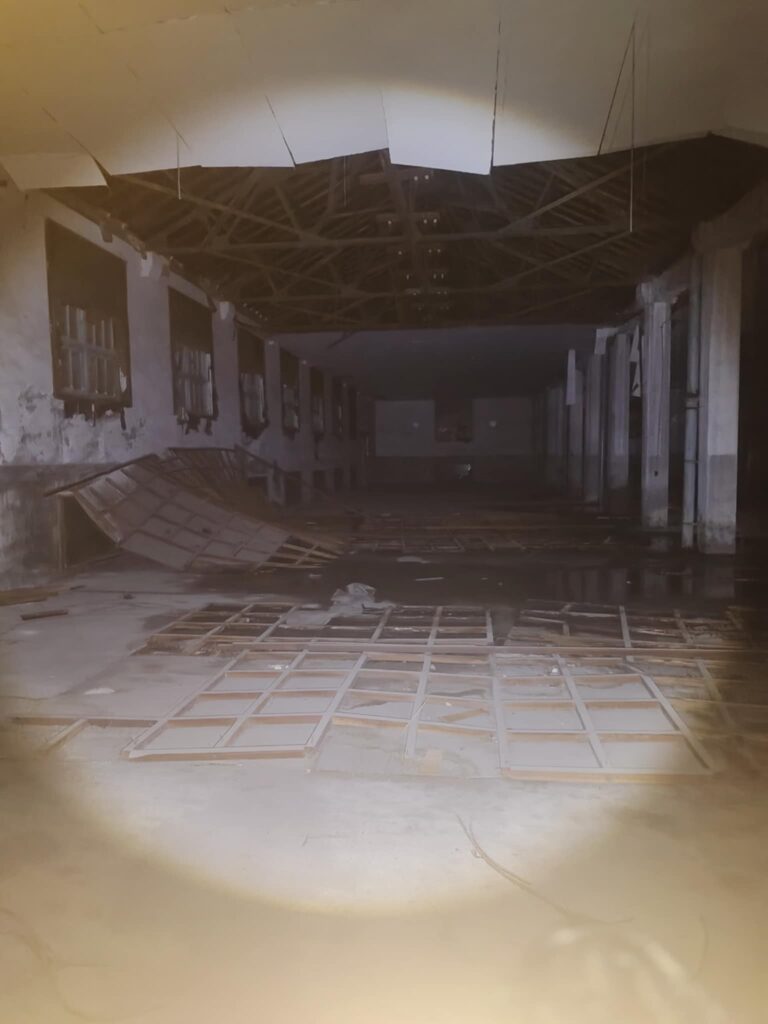
(warehouse No. 3)
Earlier visits were still quite easy, and many of the factory halls contained old objects, pictures, flags, and machines. See, for example, the 2016 report.: https://www.tomrookart.com/hiddentaiwan/2016/12/23/chaiyi-tobacco-factory. When I first visited the factory in April 2025, it was hardly possible to enter, as everything was fenced off. Construction work could be seen, but it appeared largely inactive. In August 2025, a typhoon destroyed the entrance, and the guard was absent due to the storm. However, very aggressive stray dogs are a serious problem.
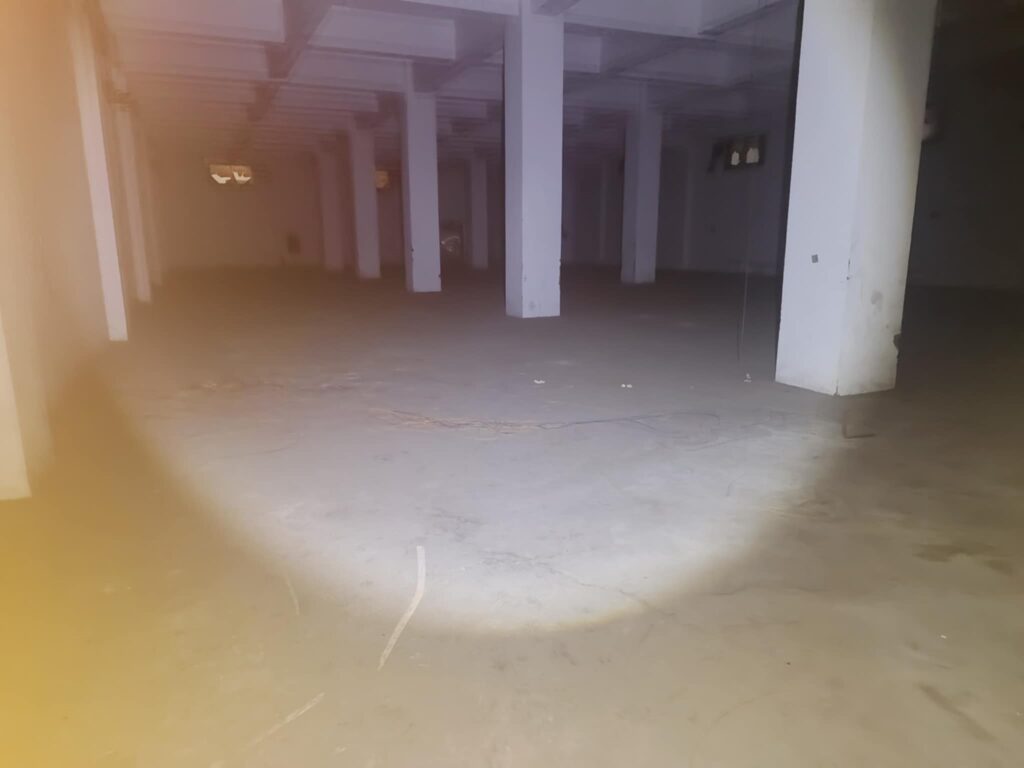
(The large halls are empty today. In Warehouse No. 10 you can walk across all the floors and see nothing but vast halls that appear ghostly at night. From there, you have a view over the rooftops in the dark.)
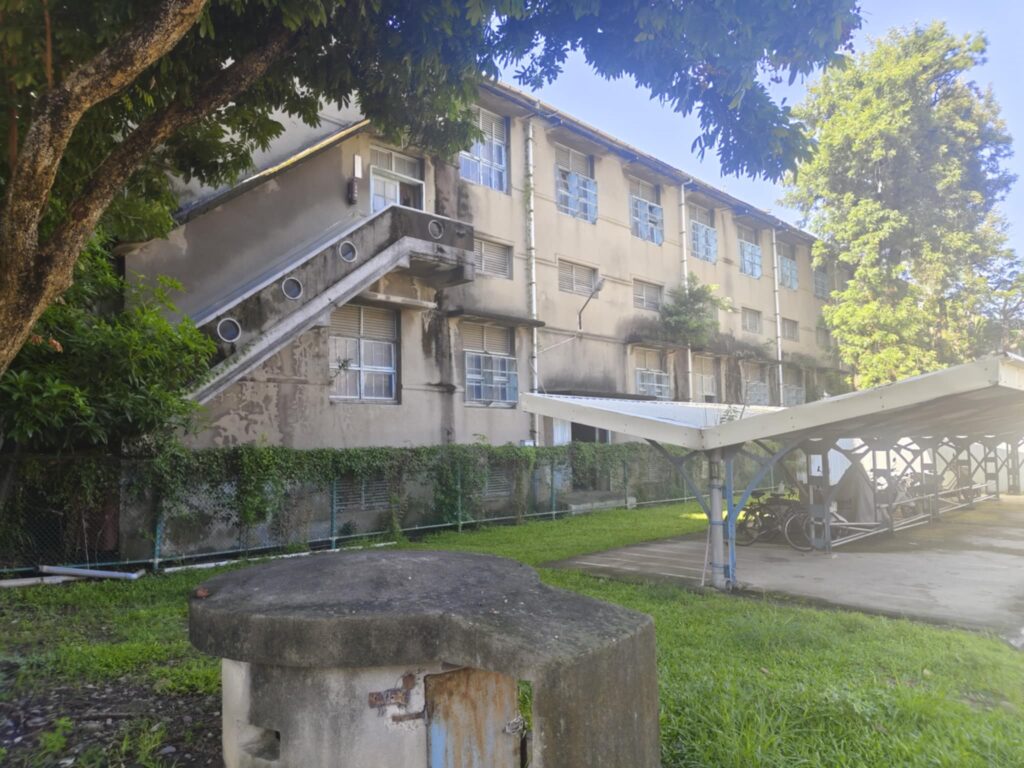
(Warehouse No. 2)
The cultivation of tobacco in Taiwan predates Han Chinese settlement, as indigenous peoples had already been growing it. During the Qing Dynasty, most tobacco came as finished products imported from China. In 1901, the Taiwan Governor-General’s Monopoly Bureau was established, primarily responsible for pharmaceuticals, salt, and camphor. In 1905, a Tobacco Division was added, officially incorporating the tobacco industry into the monopoly system. In 1922, liquor monopolies were implemented, and branch offices were established in Taipei, Taichung, Chiayi, Pingtung, and Hualien. Initially, farmers mainly cultivated the “Luzon variety,” which proved to be of poor quality. Later, the successful trial of yellow tobacco replaced the Chinese strains as the main crop in Taiwan.
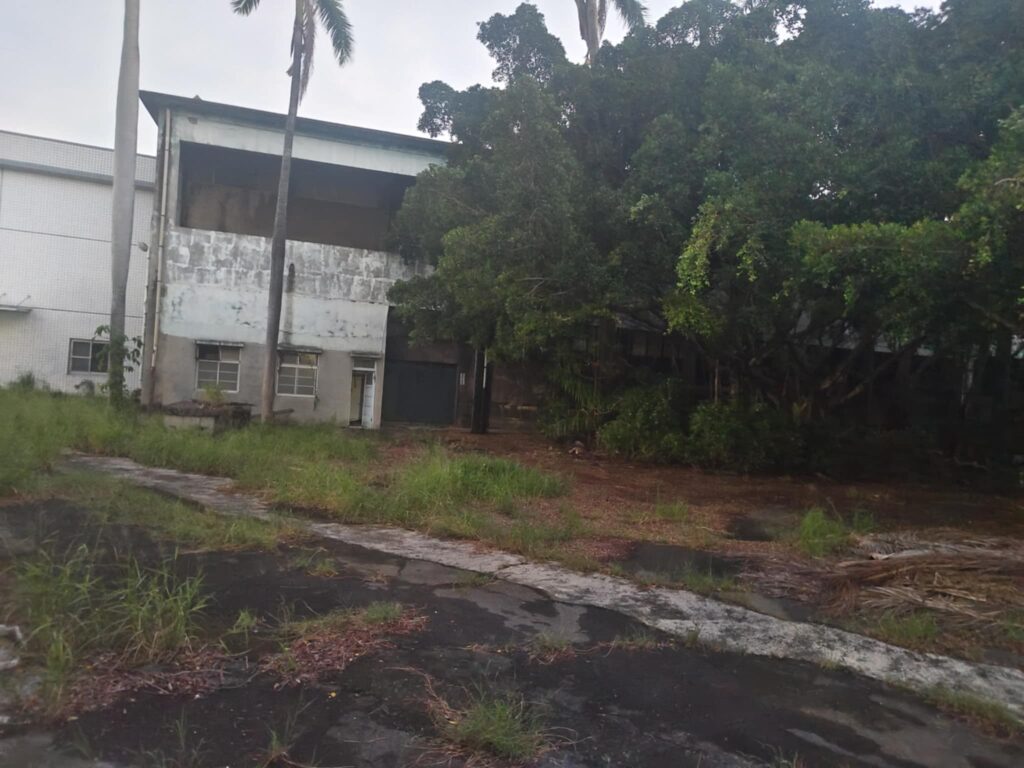
(rear entrance)
more info: https://nchdb.boch.gov.tw/assets/overview/historicalBuilding/20200121000002
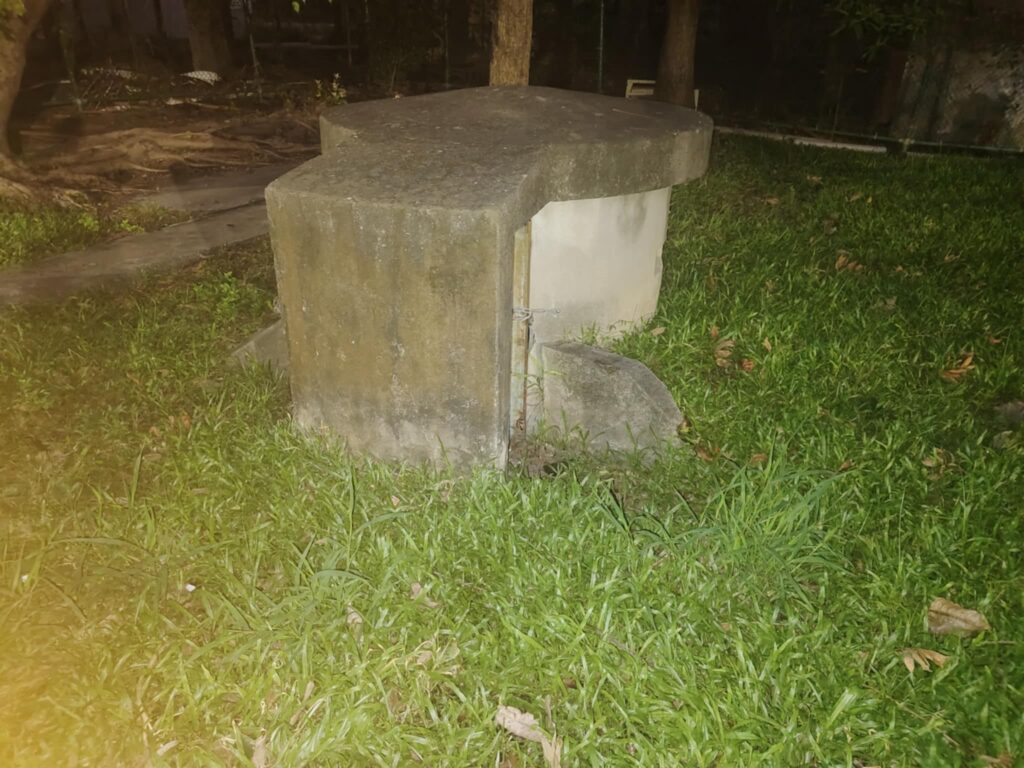
(copyright Claudius Petzold)