ed. 2026/7/11
This is a very good place to get an introduction to cement production. Located on the way to Ali Mountain, it makes for a nice stop for families. Children can easily understand how cement is made here—well, maybe not in every single area.
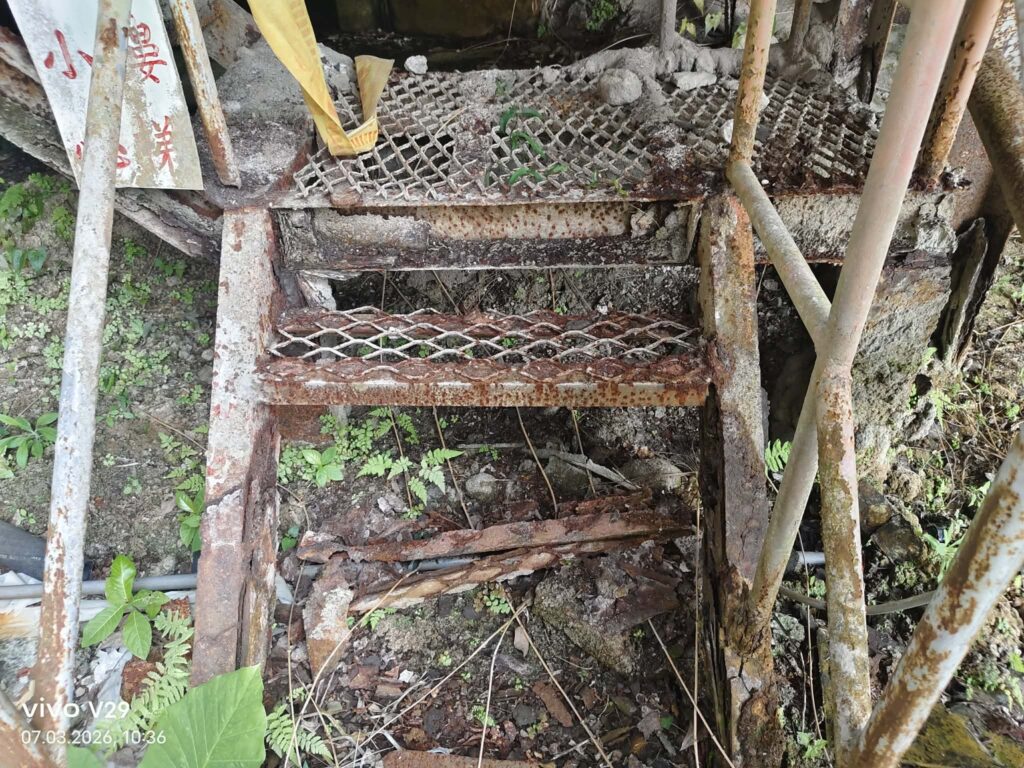
Reminder: During my recent visits, it was evident that many entrances and structures were heavily corroded by rust. Climbing up has become risky. The owner is also cordoning off more and more areas.
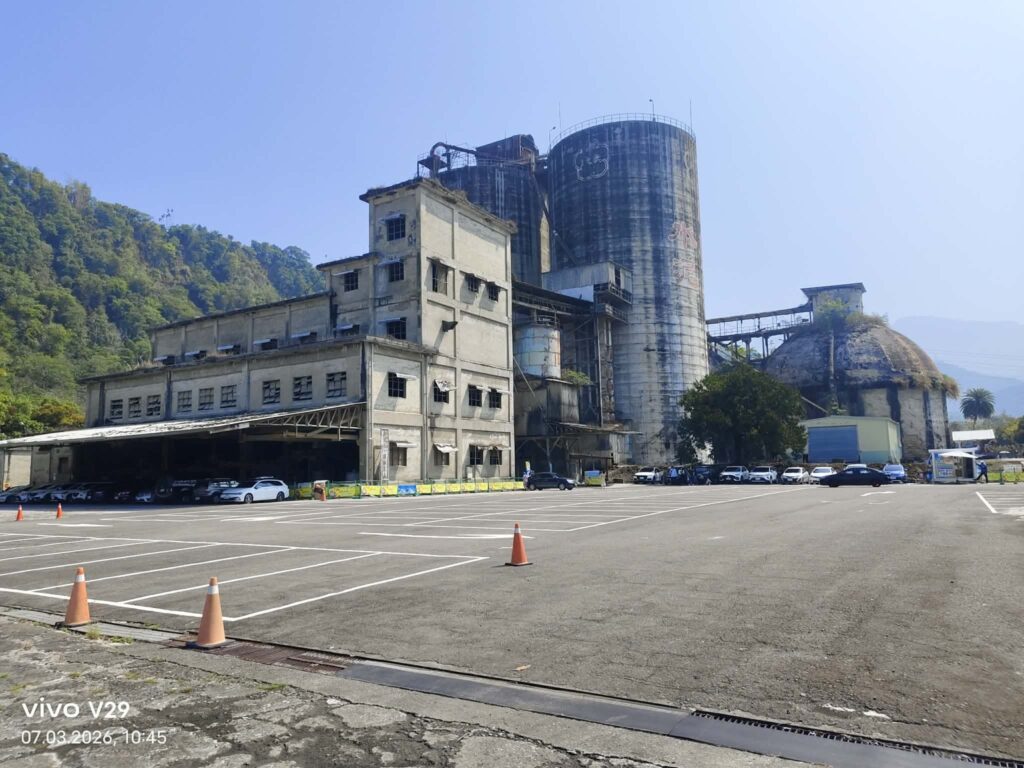
(Packing station, cement silo, clinker silo)
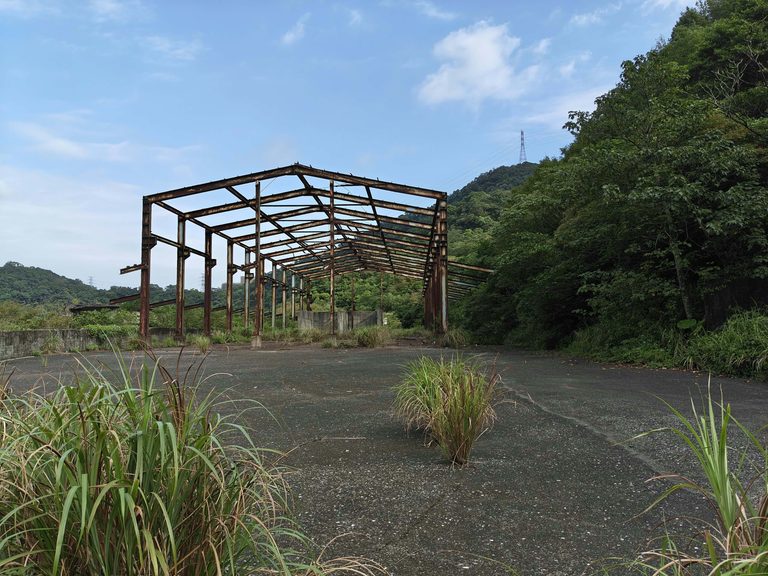
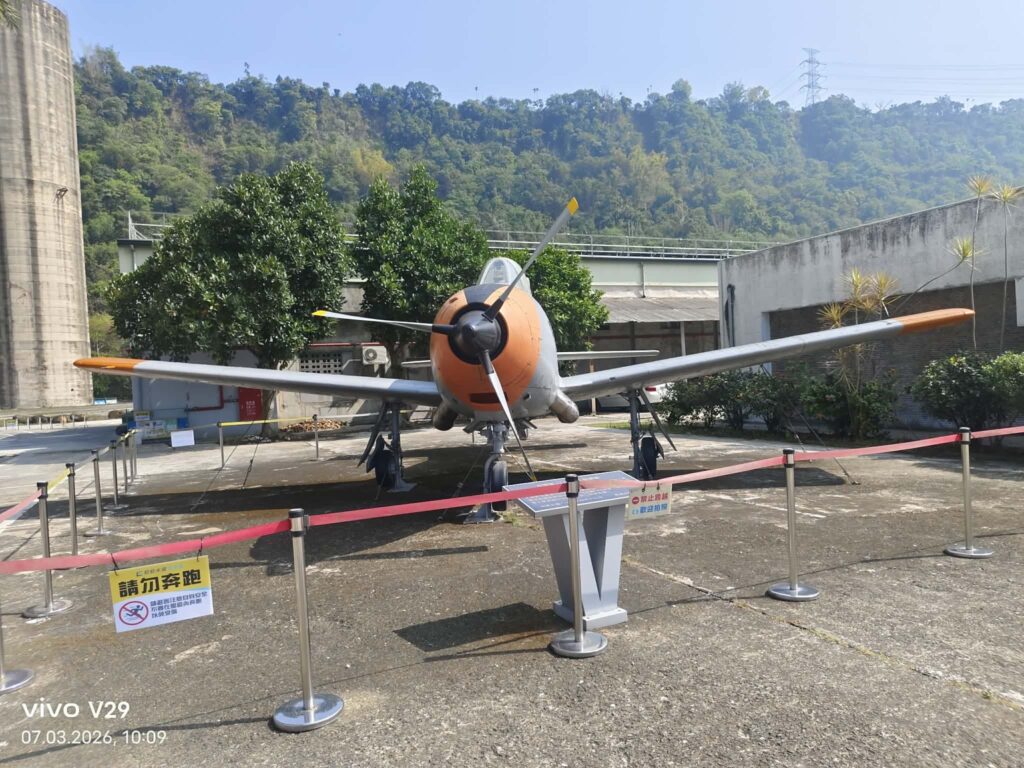
You can spot the cement silos from far away. It’s a former cement factory that has now been converted into an exhibition site. The entrance fee is a joke—only 50 per person. Many parts of the facility are open to visitors, though not all areas can be accessed. Some of the restricted sections are quite at risk of collapse. In front of the DIY hall, there’s an old airplane on display, still in good condition.
Passing by the barely preserved central control system, you first see the preheater. Unfortunately, you can’t climb the outer structure, and from the back only partially. Rusty metal platforms.
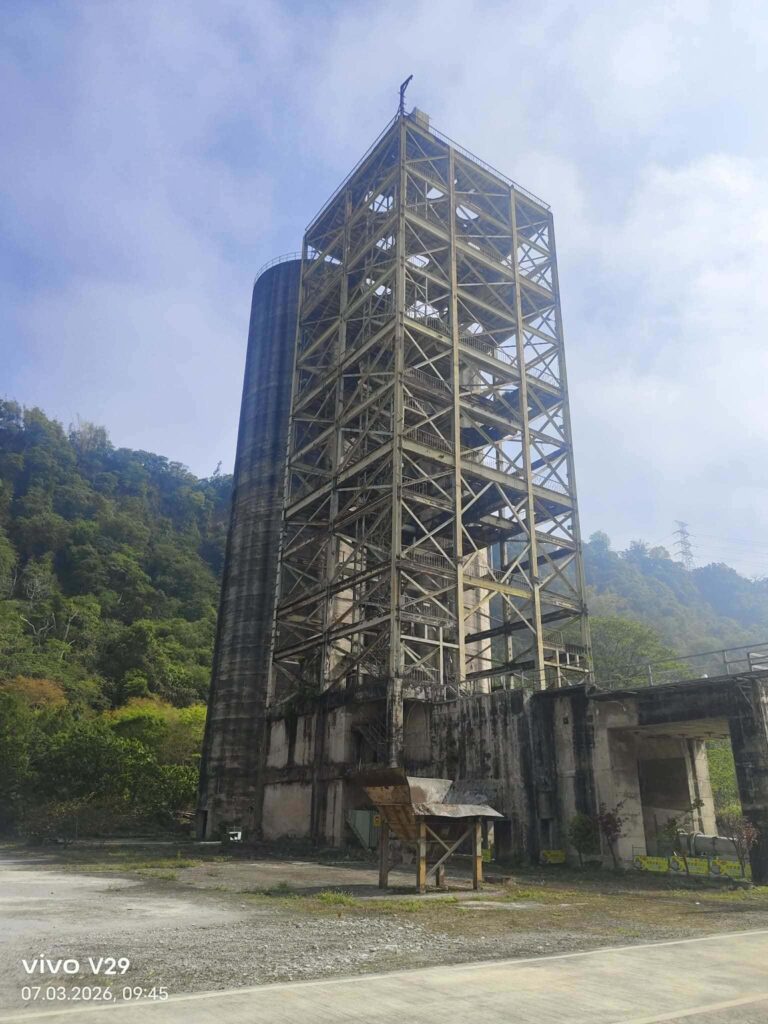
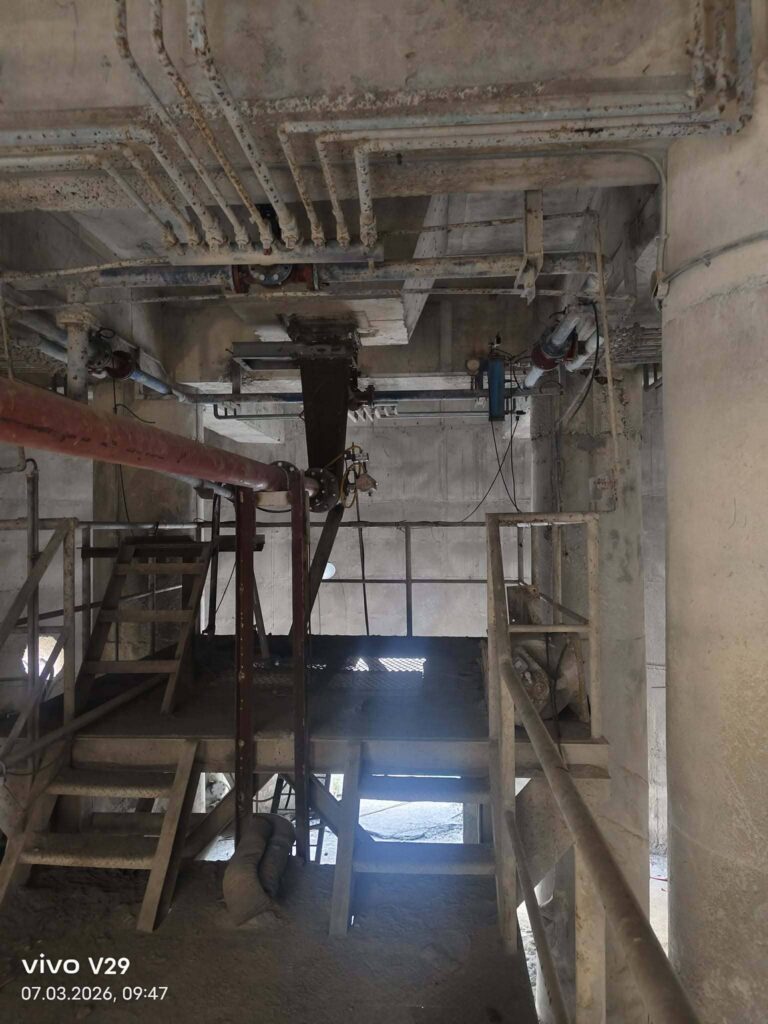
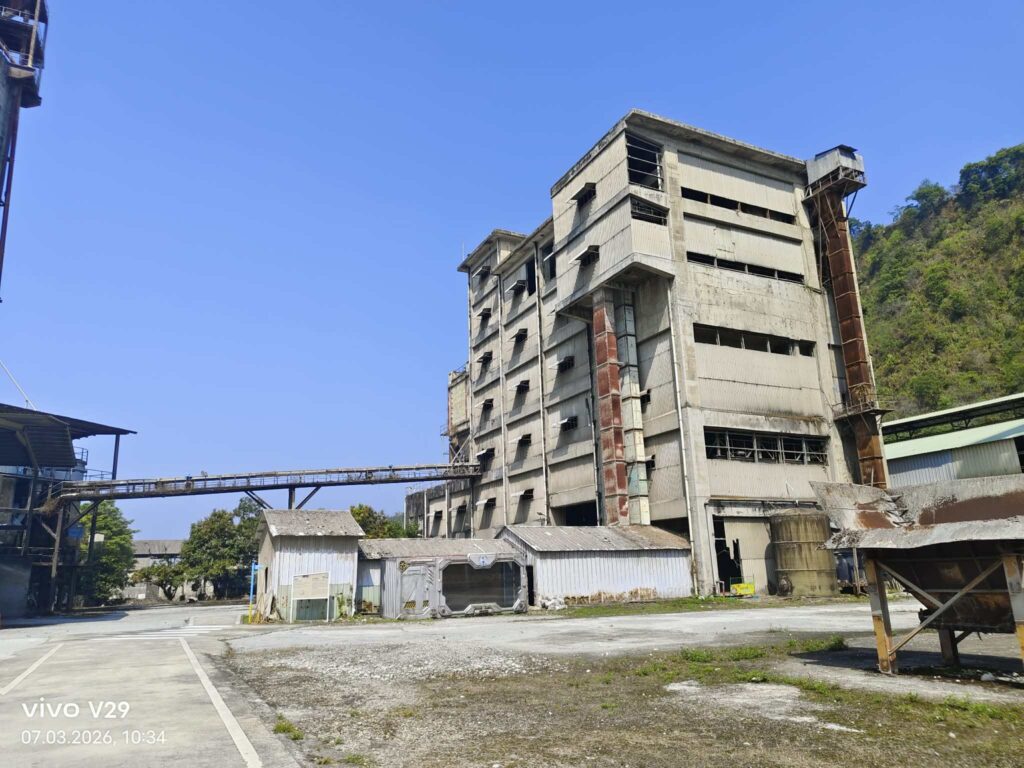
Now for the fun part: to the left, the two-chamber air separator mill.
It wasn’t exactly designed to be explored this way, but… the very first step already broke as I stepped on it, which made the climb a bit more thrilling. As a true blogger, Mr. X is willing to risk a small accident now and then.
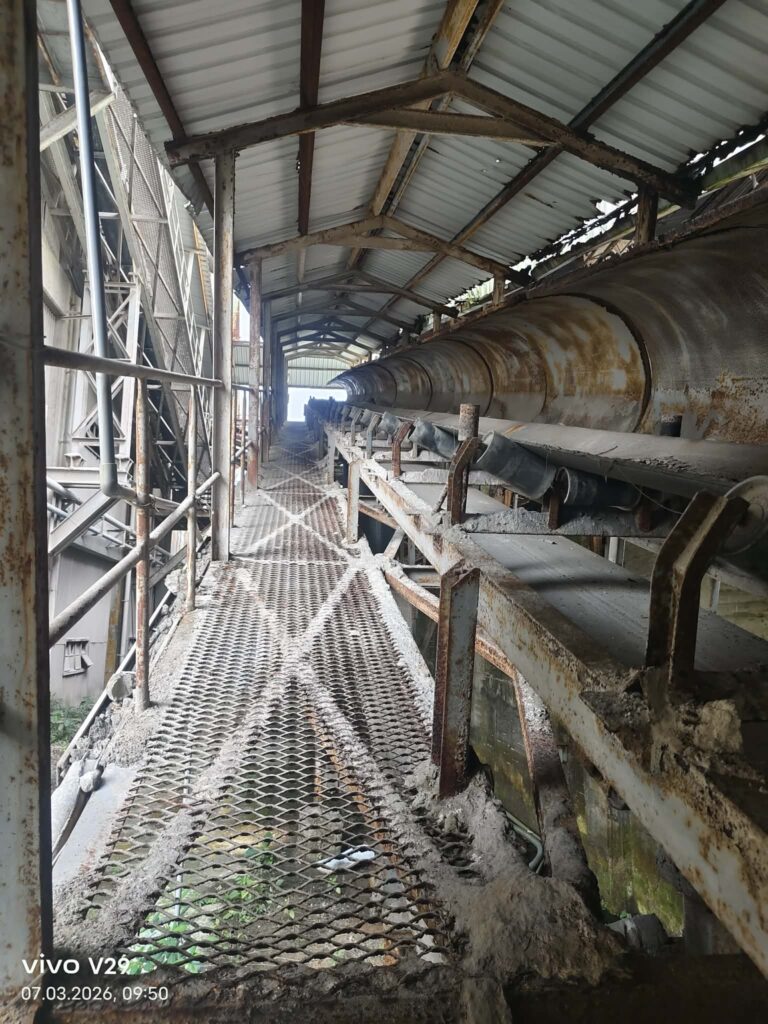
From there, you could climb several levels and take in the impressive equipment.
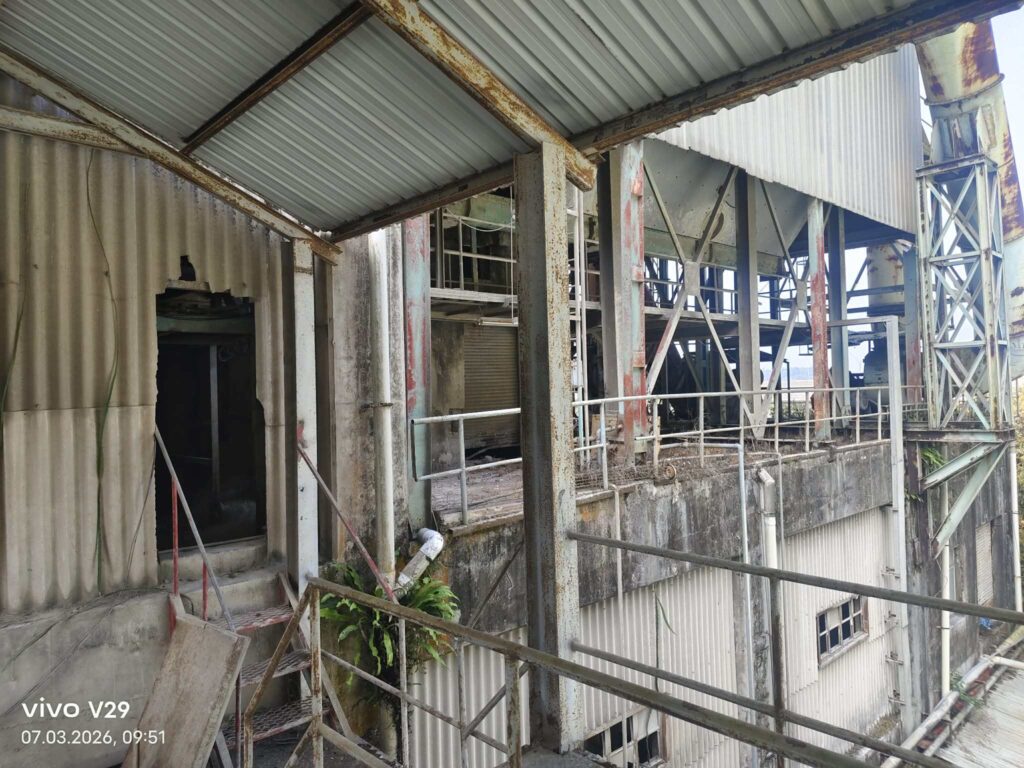
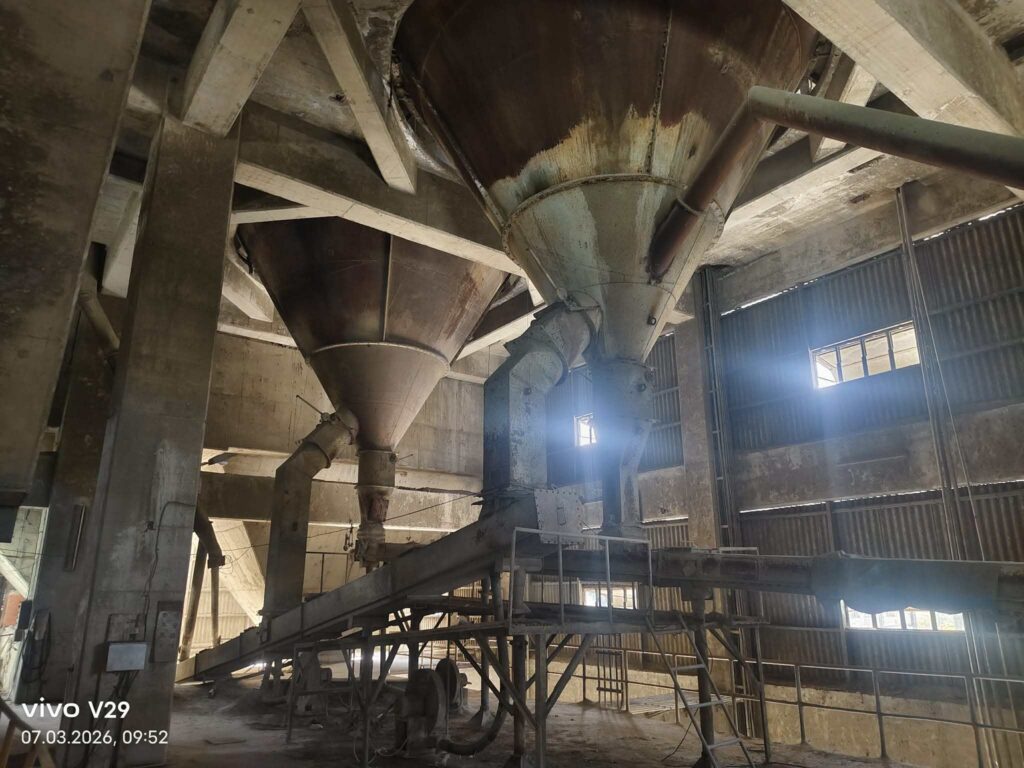
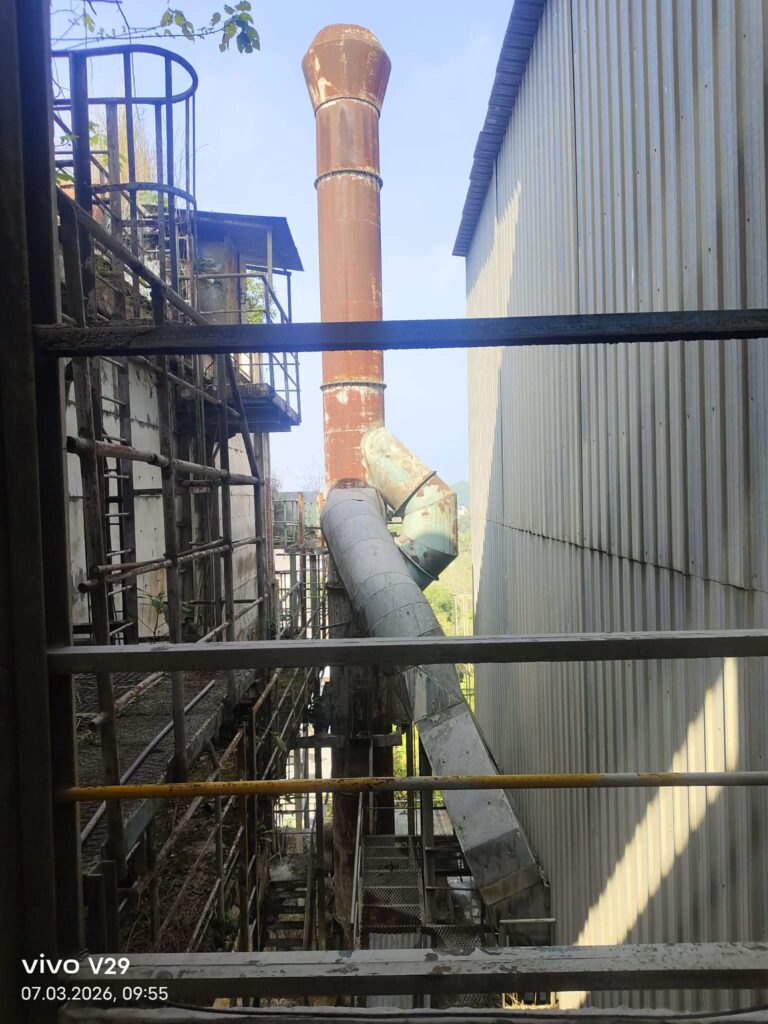
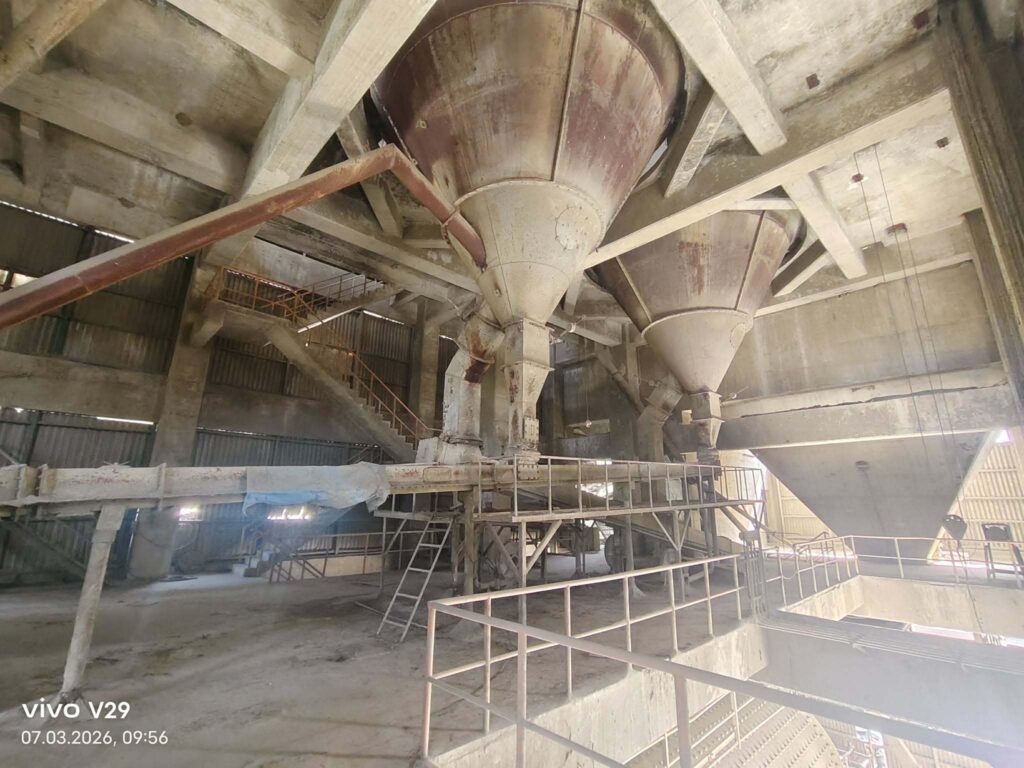
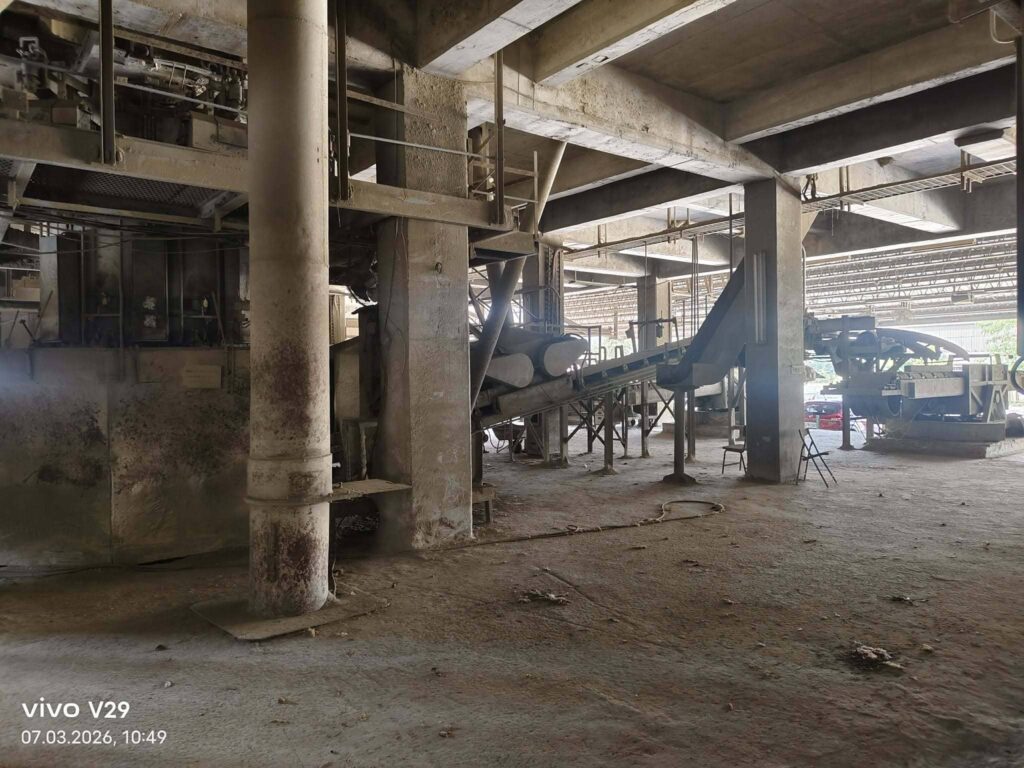
More accessible to the public is the grinder. A grinder in a cement plant is a large industrial machine that reduces solid materials such as clinker, limestone, gypsum, or other additives into a very fine powder. This grinding process is essential, because cement must have a very fine particle size to properly react with water during the hardening process. The grinder works through mechanical force, typically using rotating rollers or steel balls that crush the material as it moves through the mill. During the process, the material is continuously separated and classified: only particles that are fine enough leave the system, while larger ones are returned for further grinding.
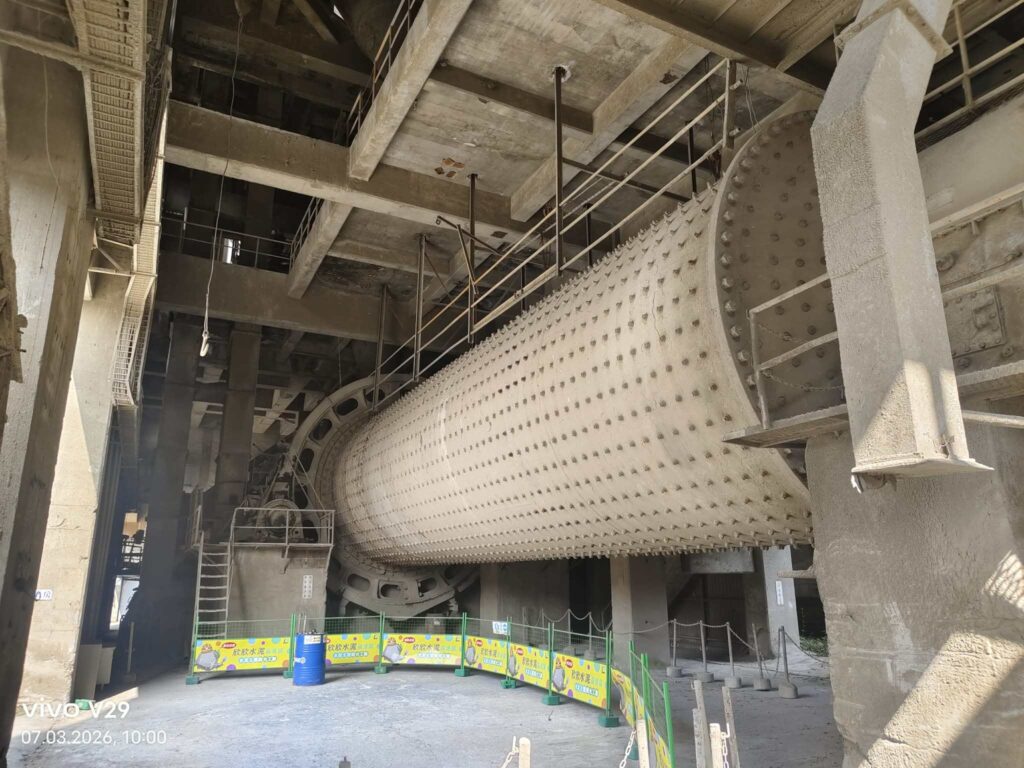
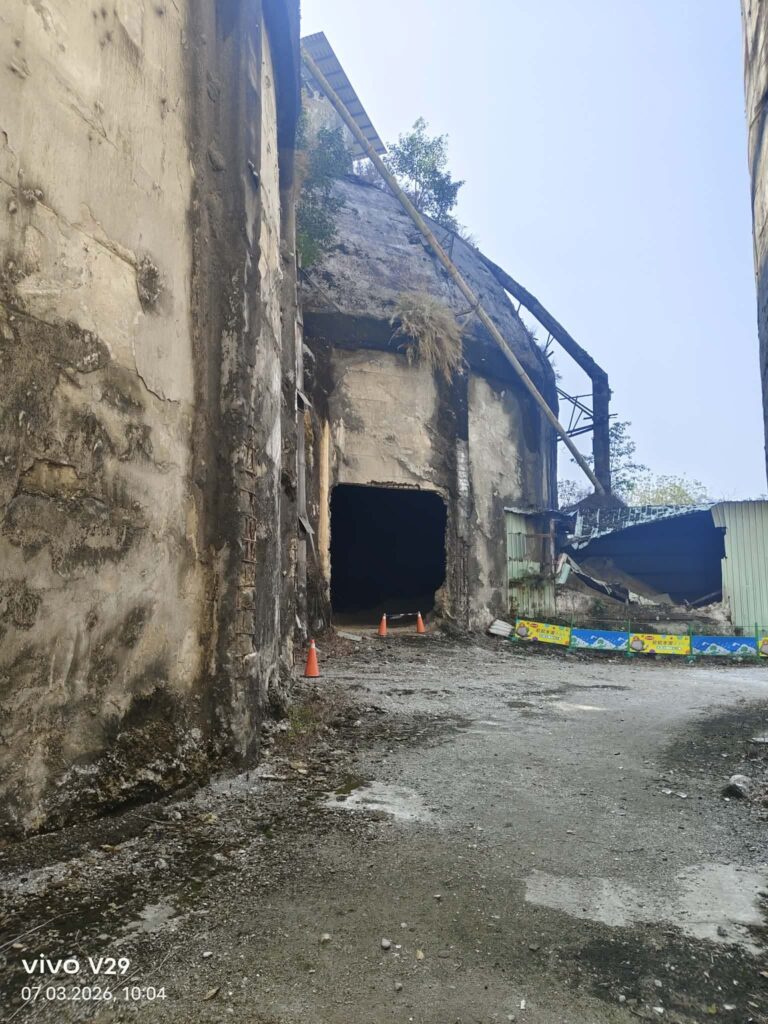
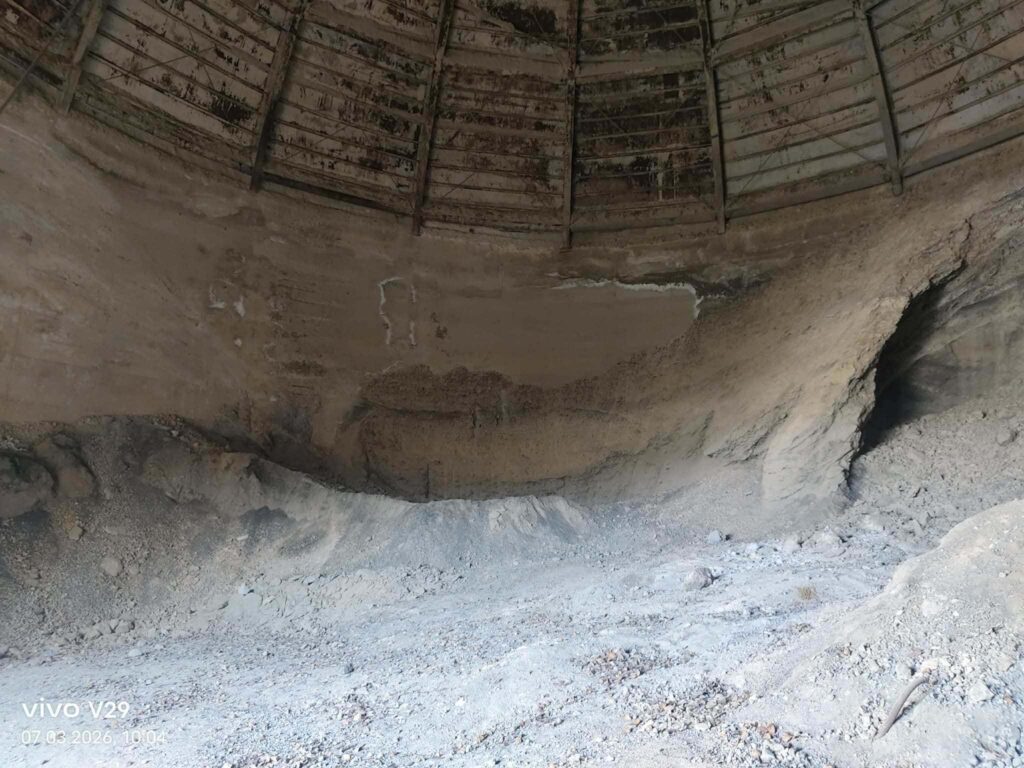
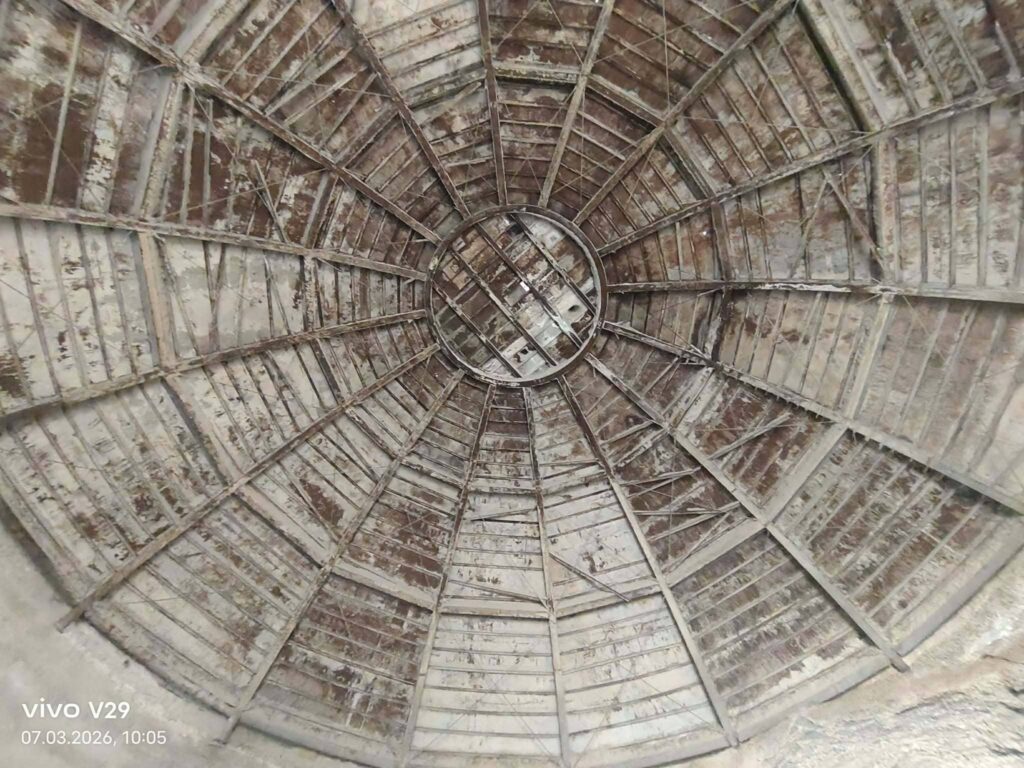
Then on to the cement silos…
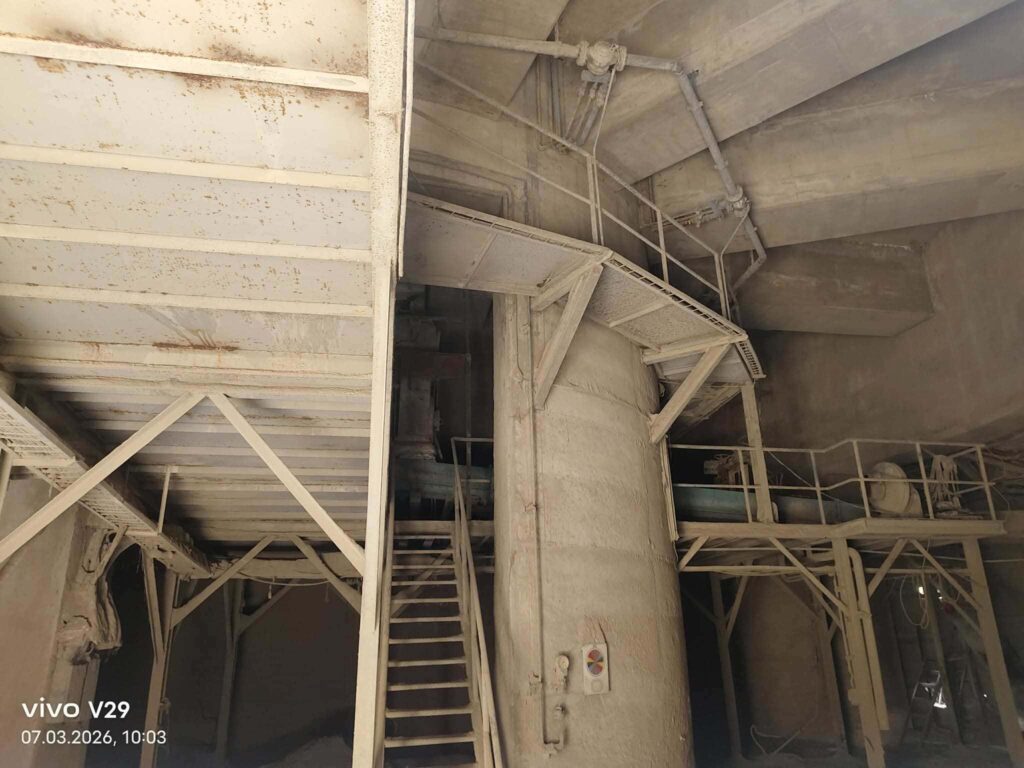
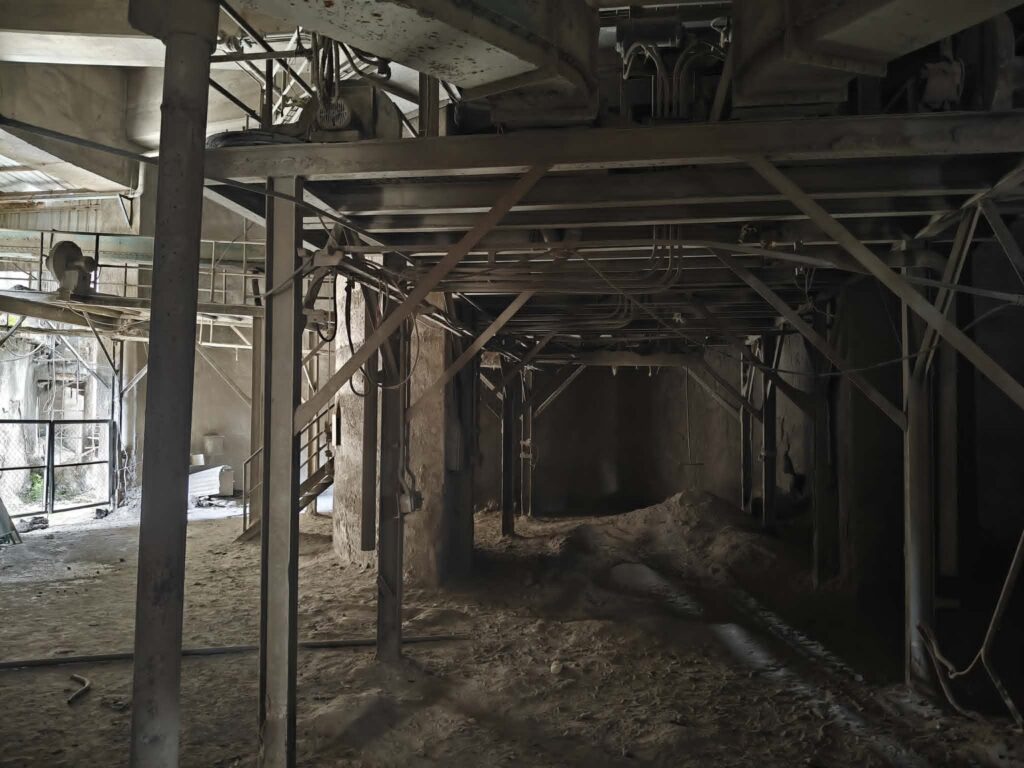
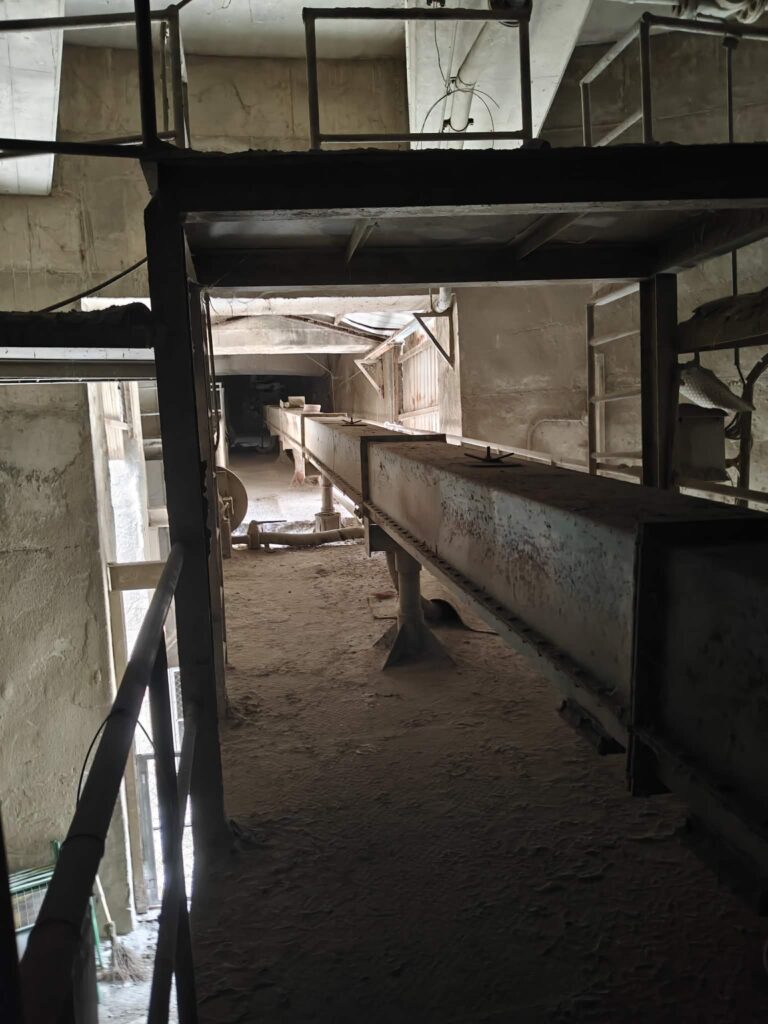
and the clinker silos.
And finally, wrapping a few bags of cement as Christmas presents.