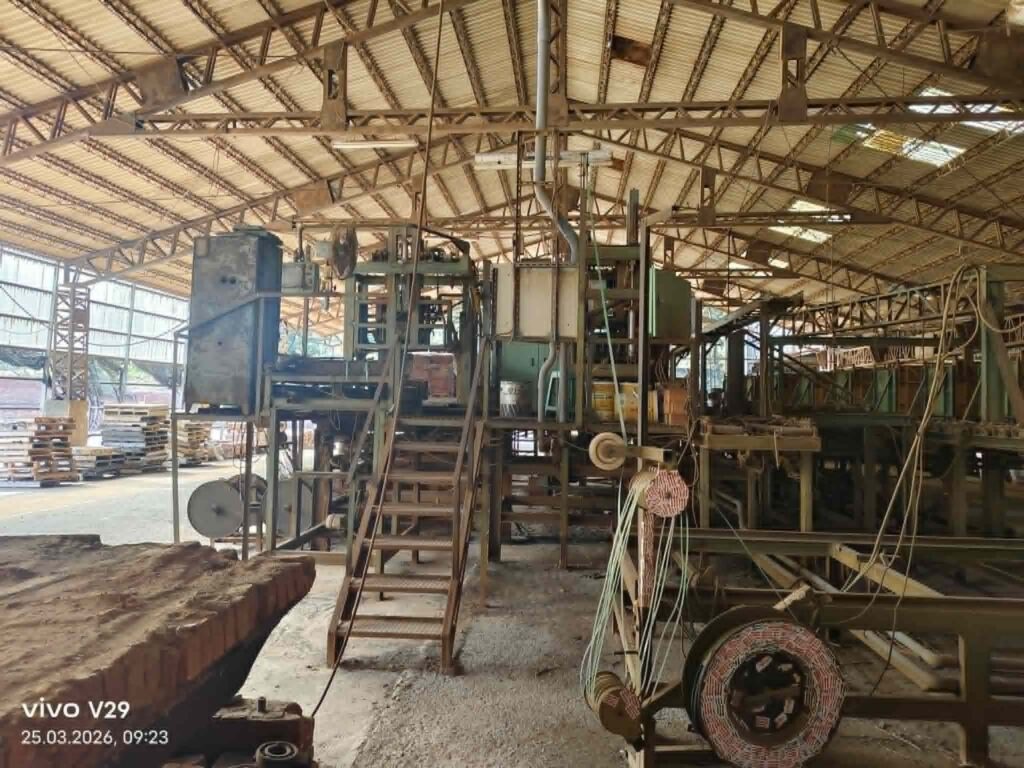
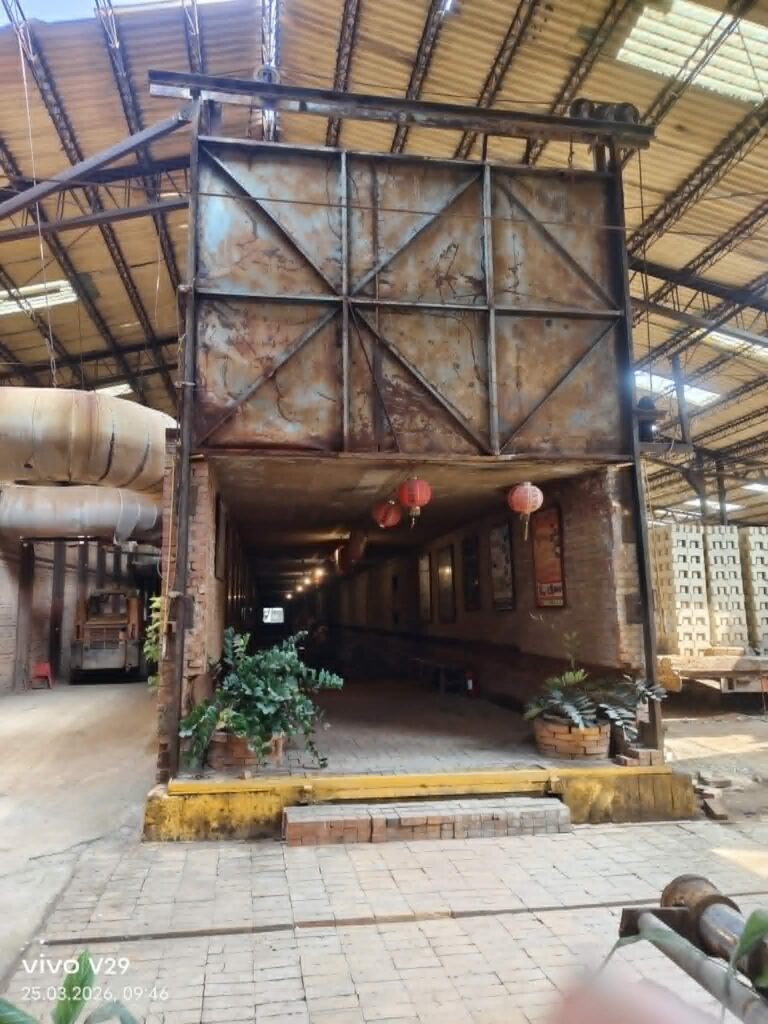
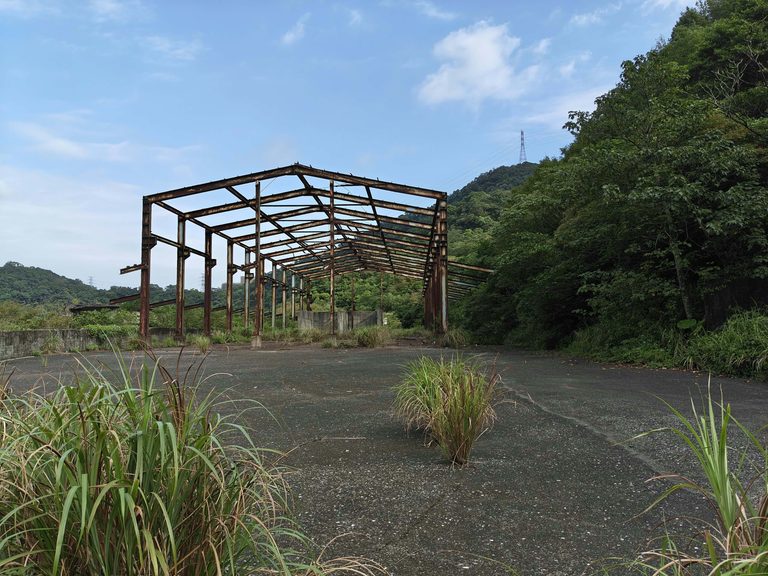
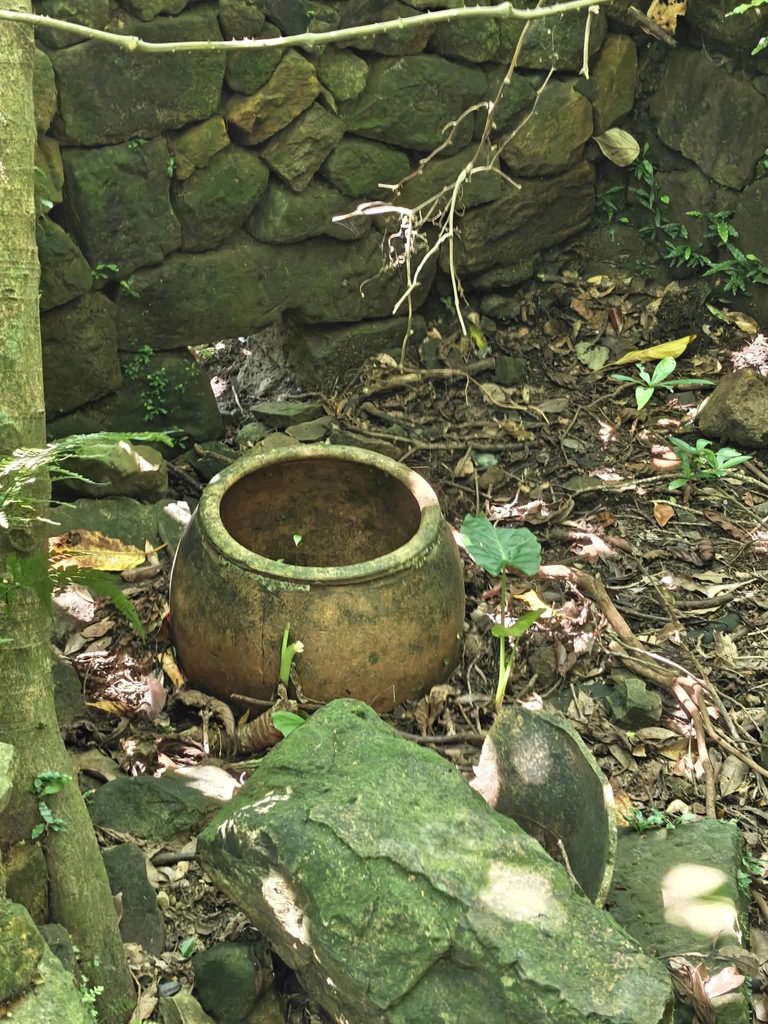
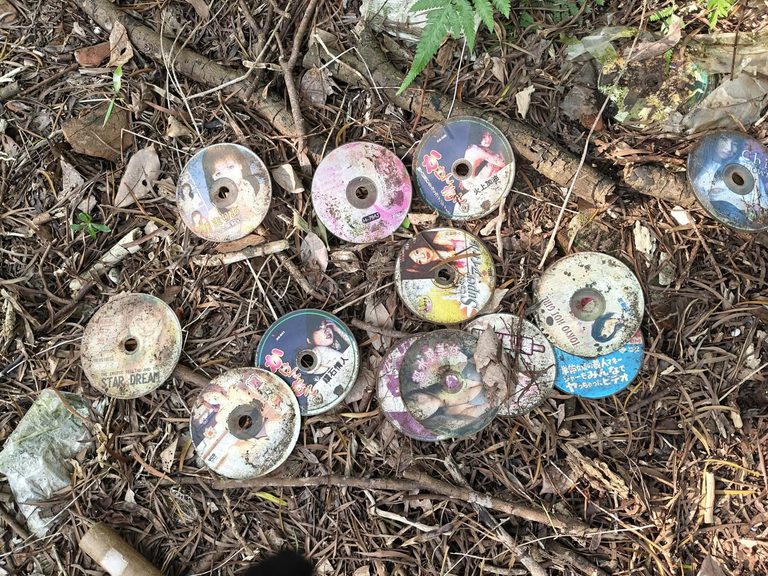
My last visit left me feeling sad. I used to come to this brick factory often with my children. About seven years ago, production was shut down and the site was turned into a demonstration factory. One of the owners hoped it could survive as an industrial museum. However, visitor numbers were too low, and there was no government support.
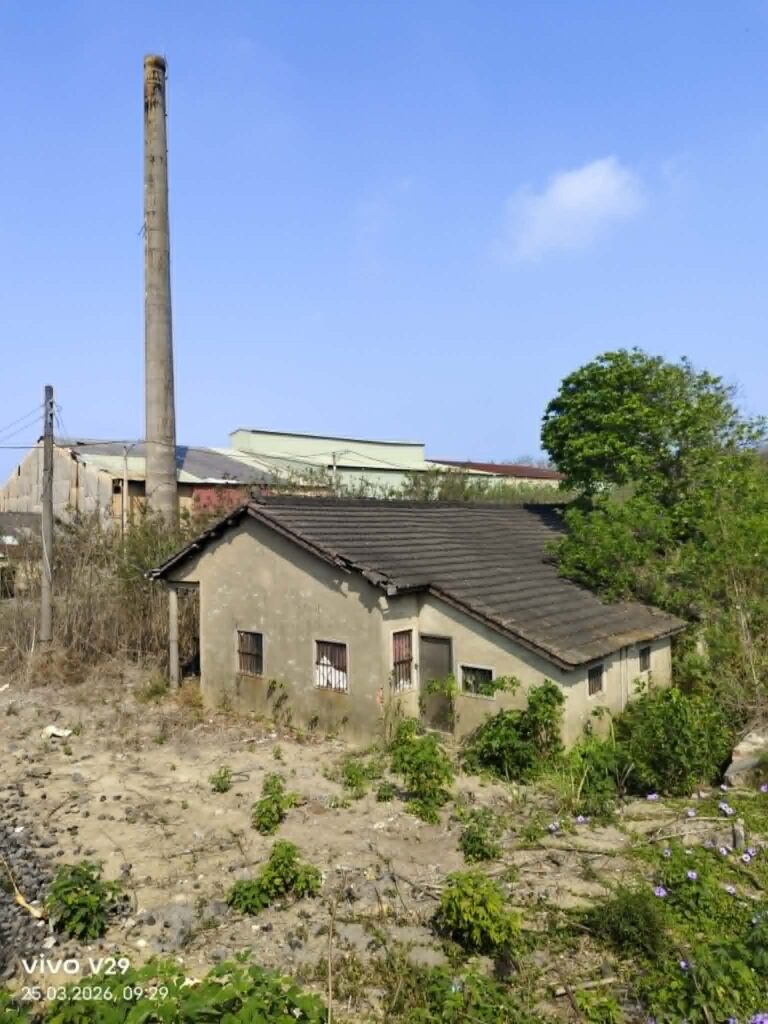
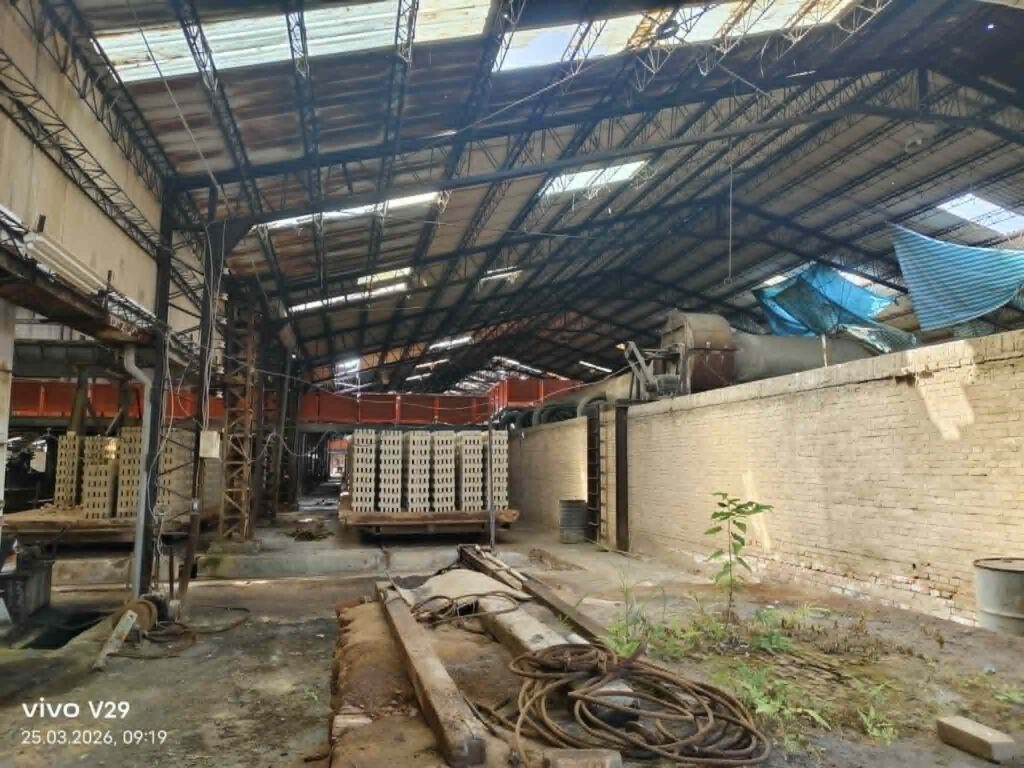
During the last earthquake, the long kiln was partially destroyed. Now the owner will likely have to sell the factory in the coming months. The front part is still well preserved, while the rear section is more suited for the adventurous. In the end, you can move around freely and even climb almost anywhere.
Let’s begin with the process of brick manufacturing:
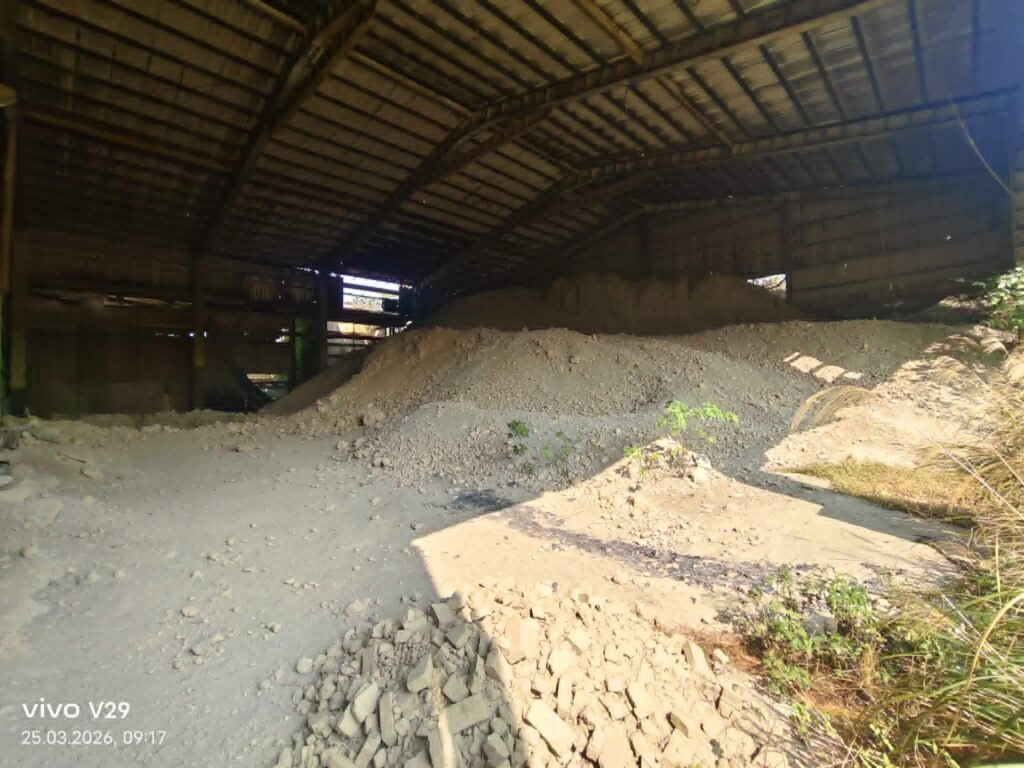
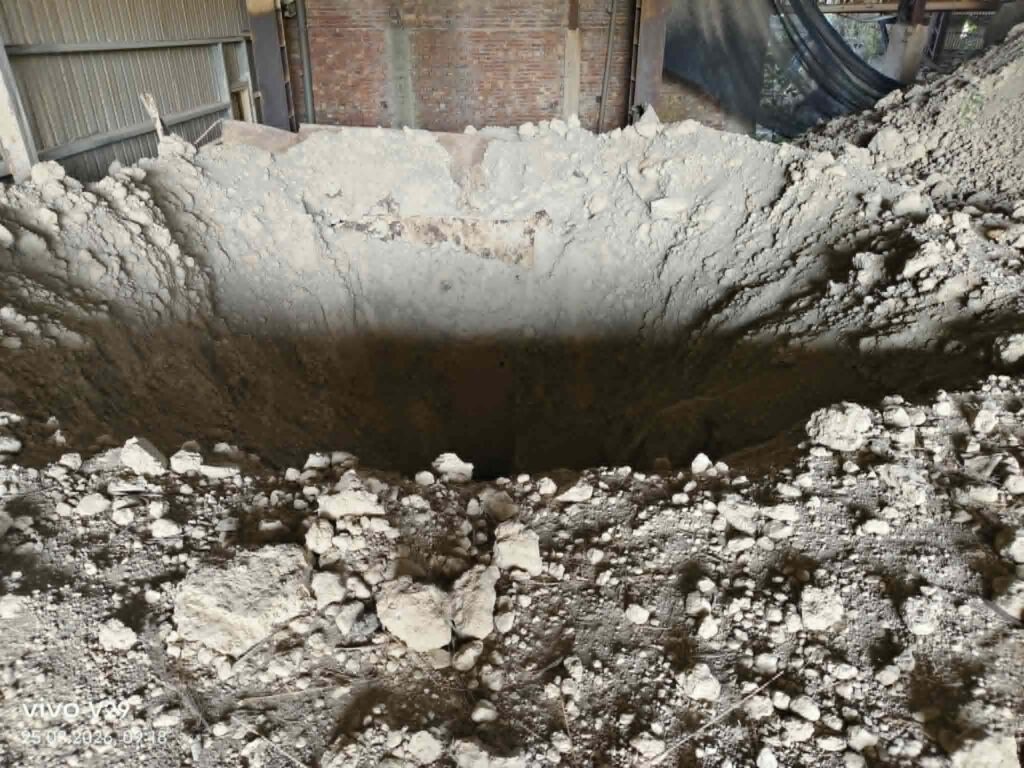
The first step is raw material extraction (clay mining). The main material is clay, often mixed with sand and loam. It is extracted from pits or open quarries and then stored.
In the next step, clay preparation, the raw material is crushed, screened, and cleaned to remove stones and other impurities. Water is then added to create a workable, plastic mass. In some cases, the clay is stored (“aged”) to improve its consistency.
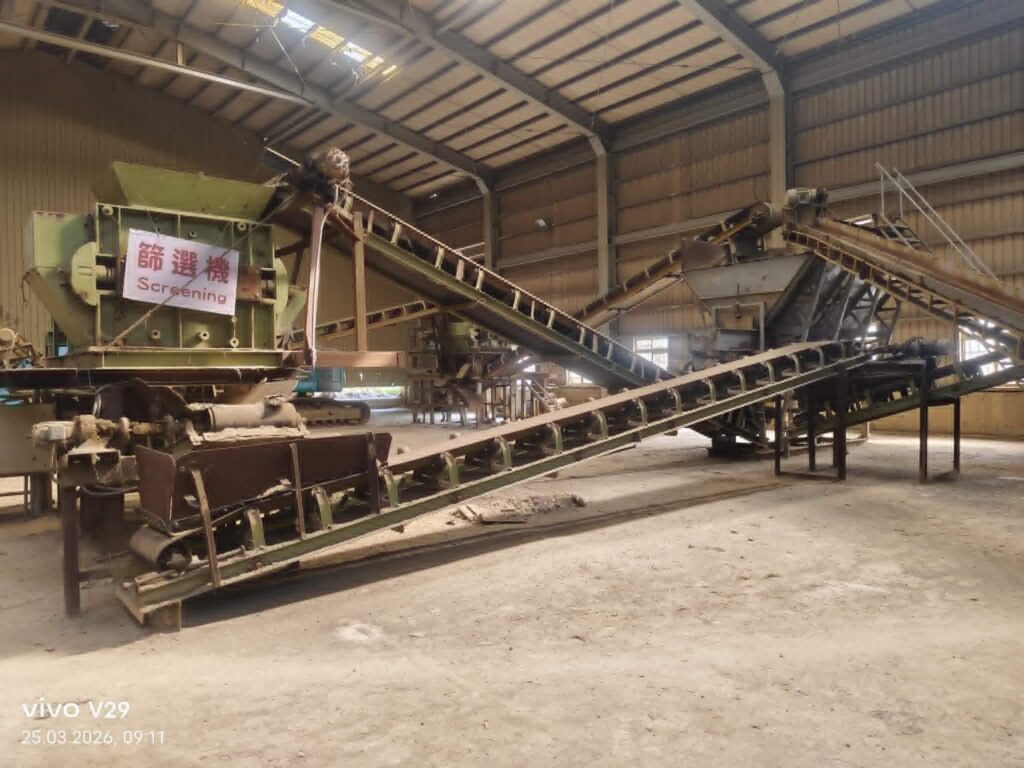
During the shaping (forming) stage, extrusion is the most common method: the clay is pushed through a die and then cut into individual bricks.
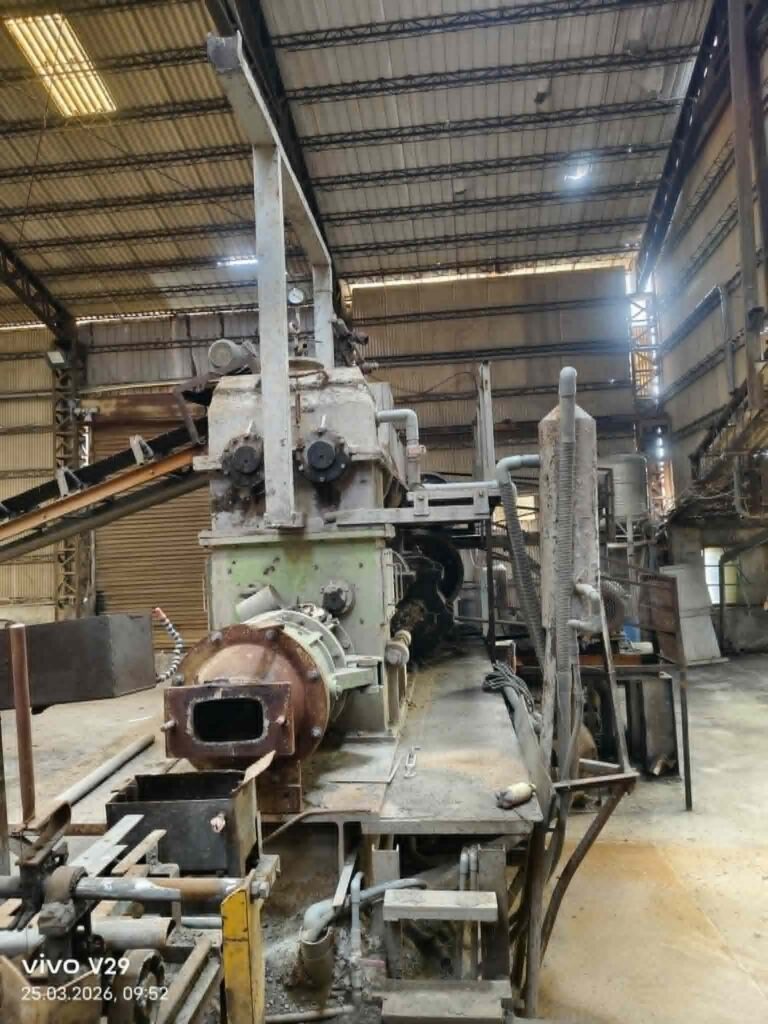
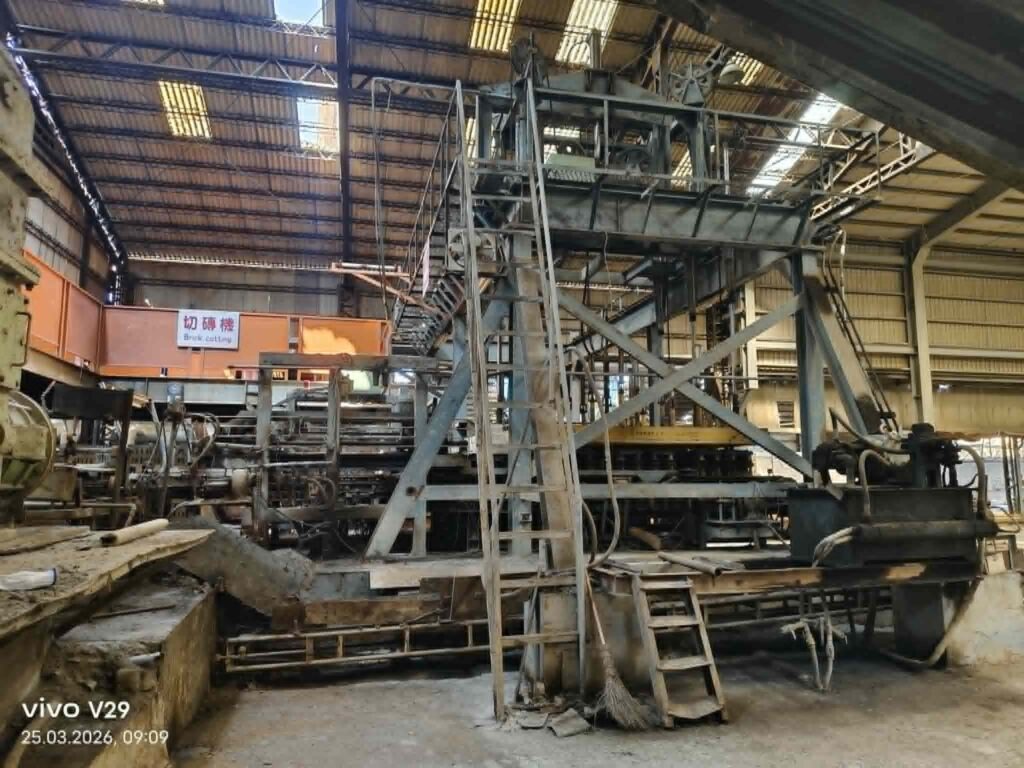
The shaped bricks, known as “green bricks,” still contain a significant amount of moisture. They are therefore dried in chambers or in the open air. The purpose of this step is to prevent cracking during firing.
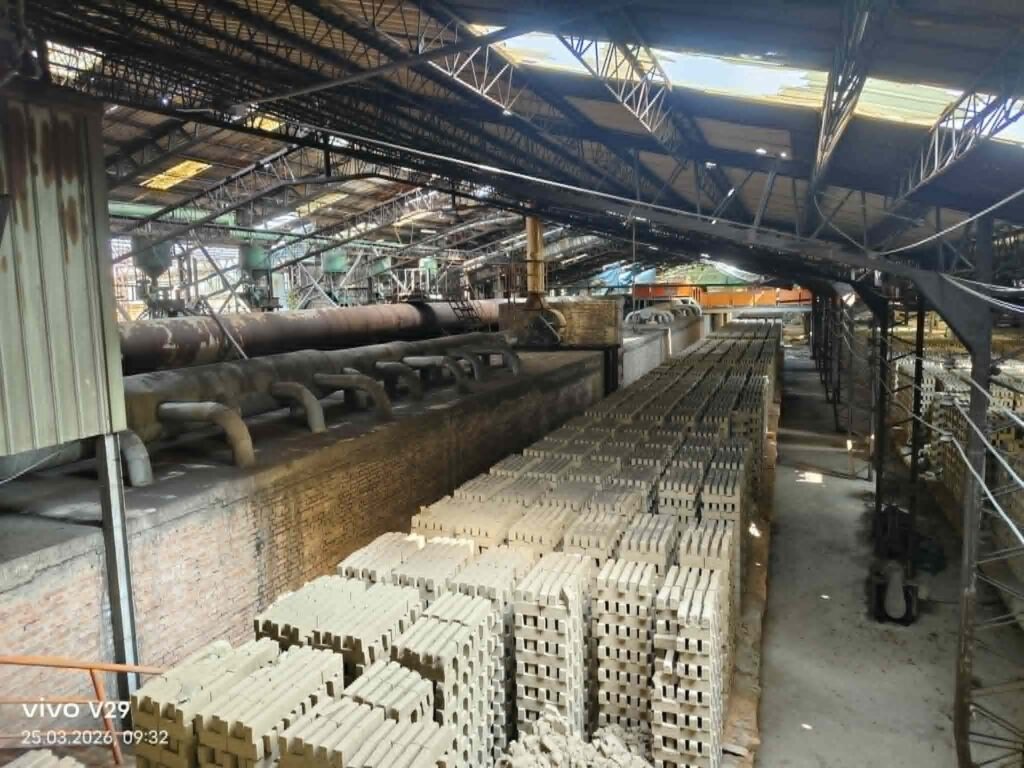
Firing (burning) is the most important step in the process. The bricks are fired in kilns at temperatures of about 900–1,100 °C. During this stage, the remaining water evaporates and the clay undergoes a permanent transformation into a hard ceramic material. Finally, the bricks are cooled slowly to prevent cracks and internal stresses.
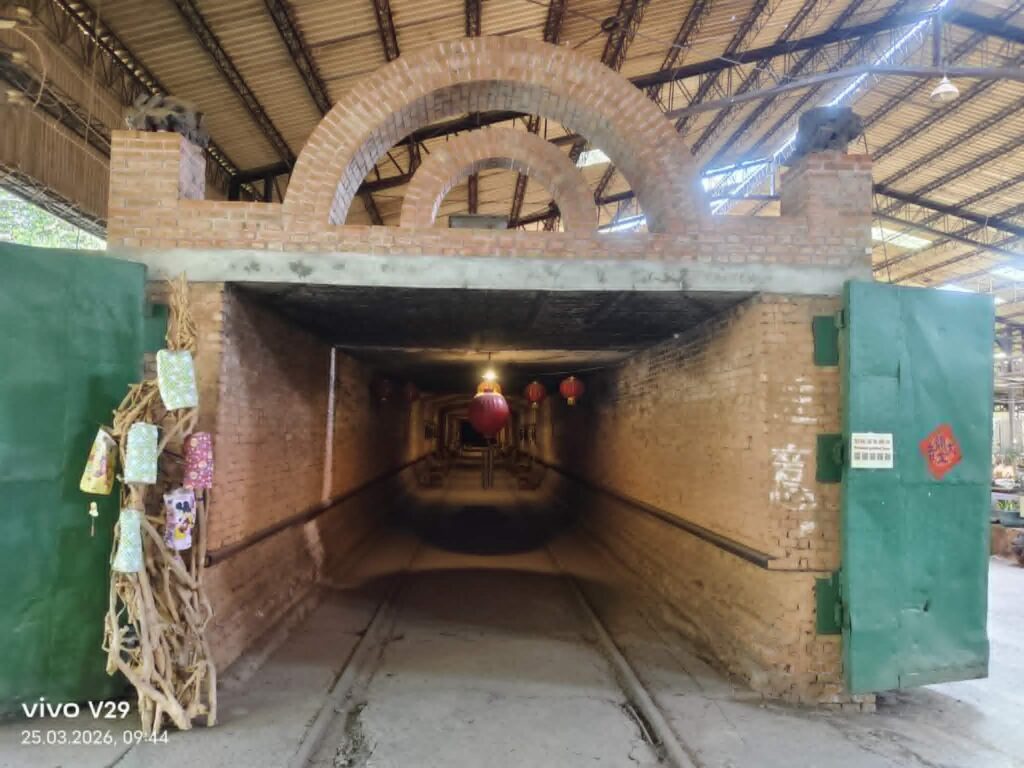
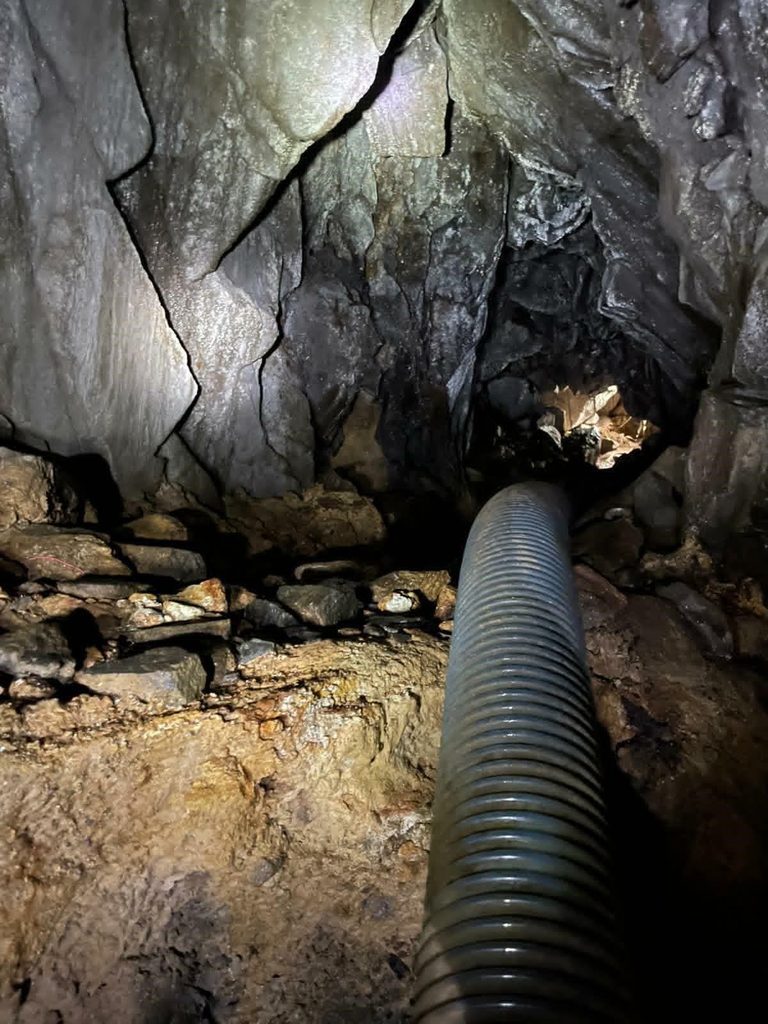
You can basically climb everywhere, but some caution is necessary.
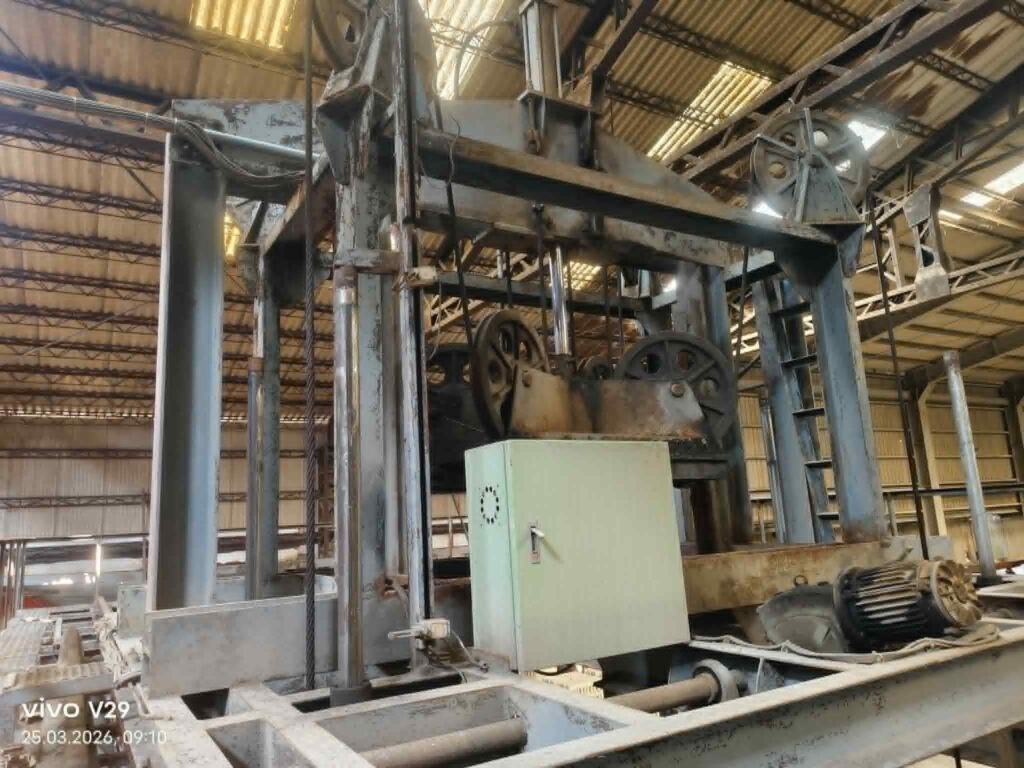
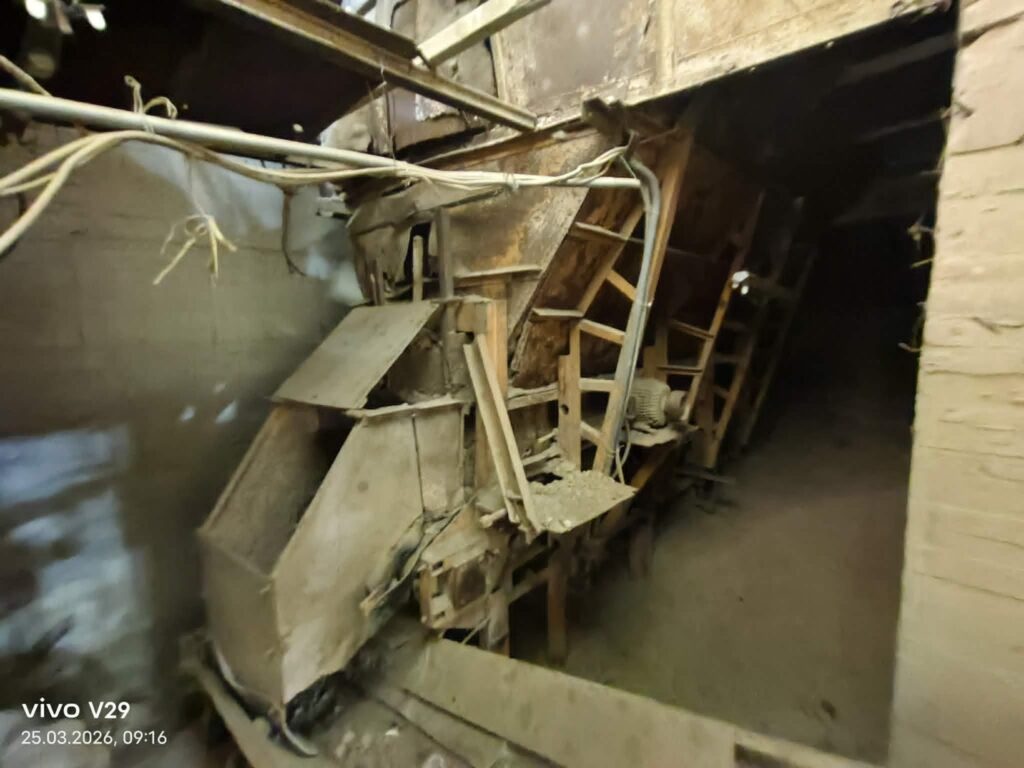
It gets dirty inside the kiln area.
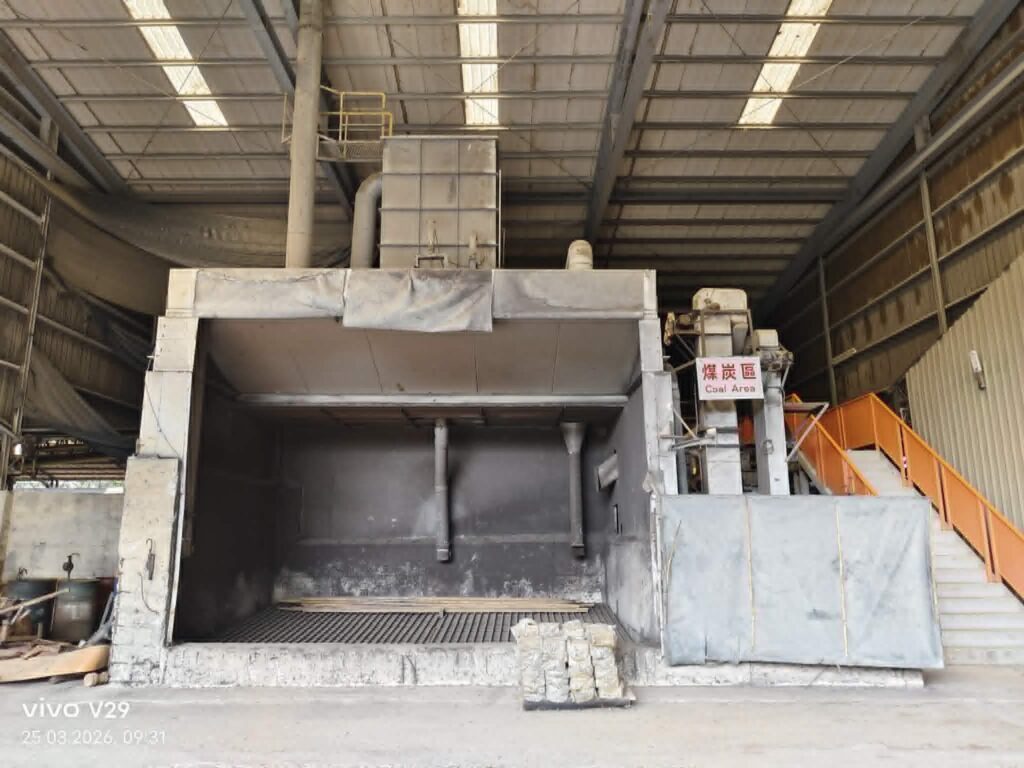
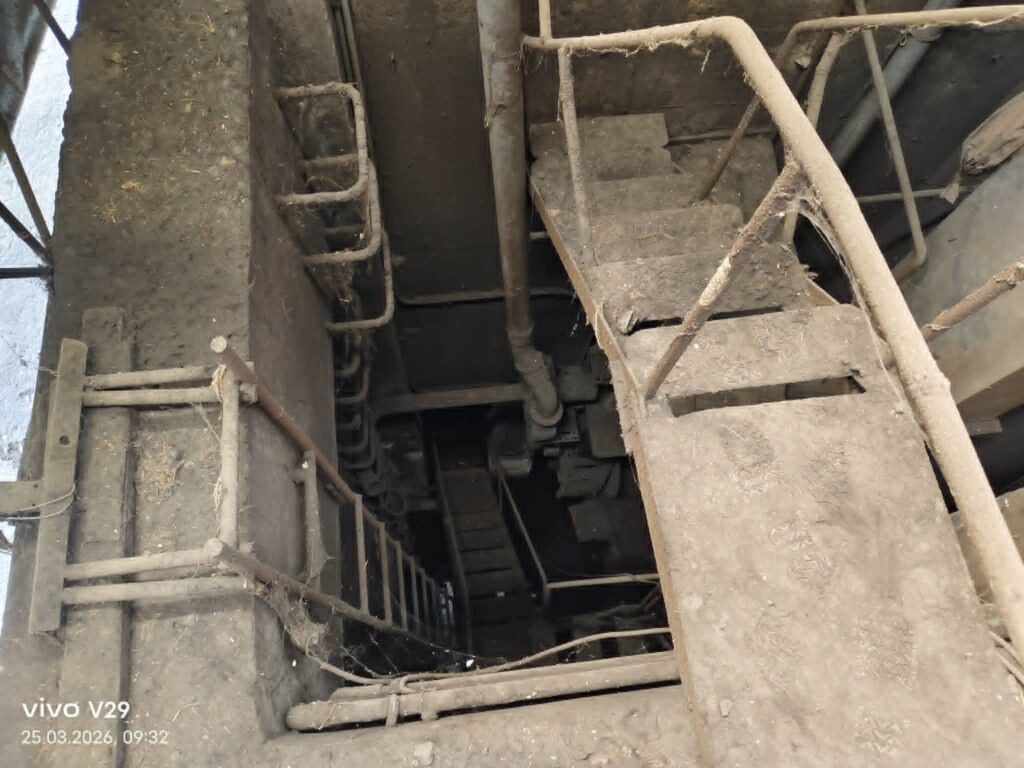
Such companies often provided accommodation for their employees.
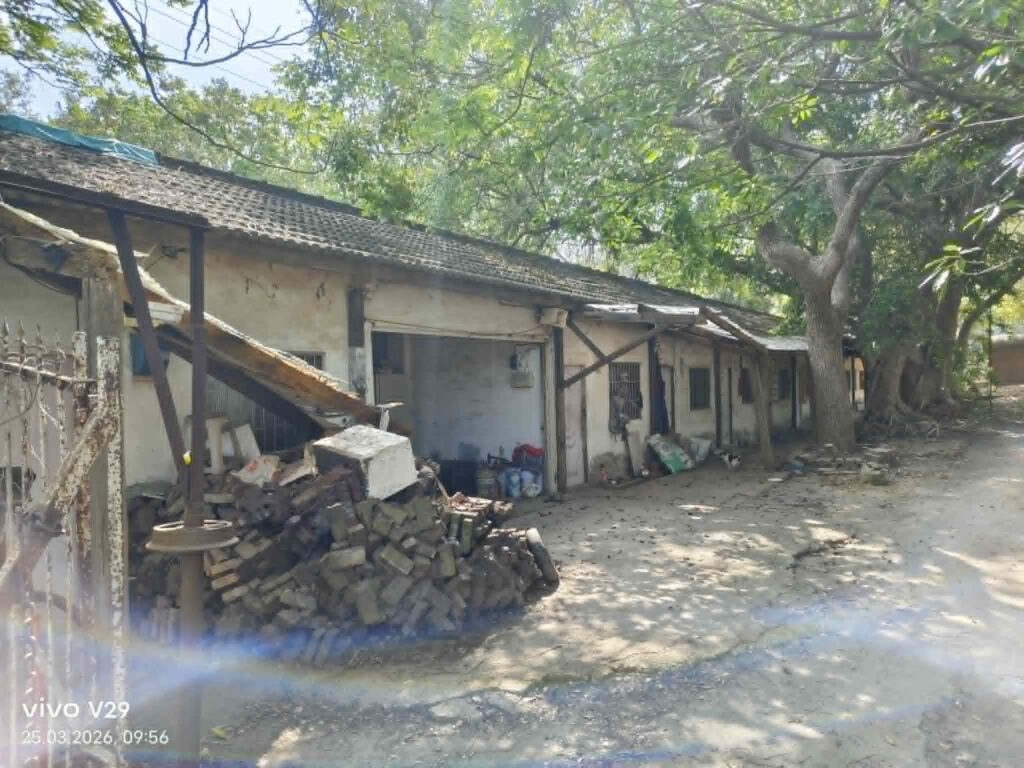
The Jin Liang Xing Brick Factory was founded in 1973 by Mr. Yi Sen-shi and was the first tunnel kiln factory in Miaoli. Its kiln, measuring 162 meters in length, produced high-quality red bricks from the weathered shale of Huoyanshan, earning an excellent reputation throughout Taiwan.