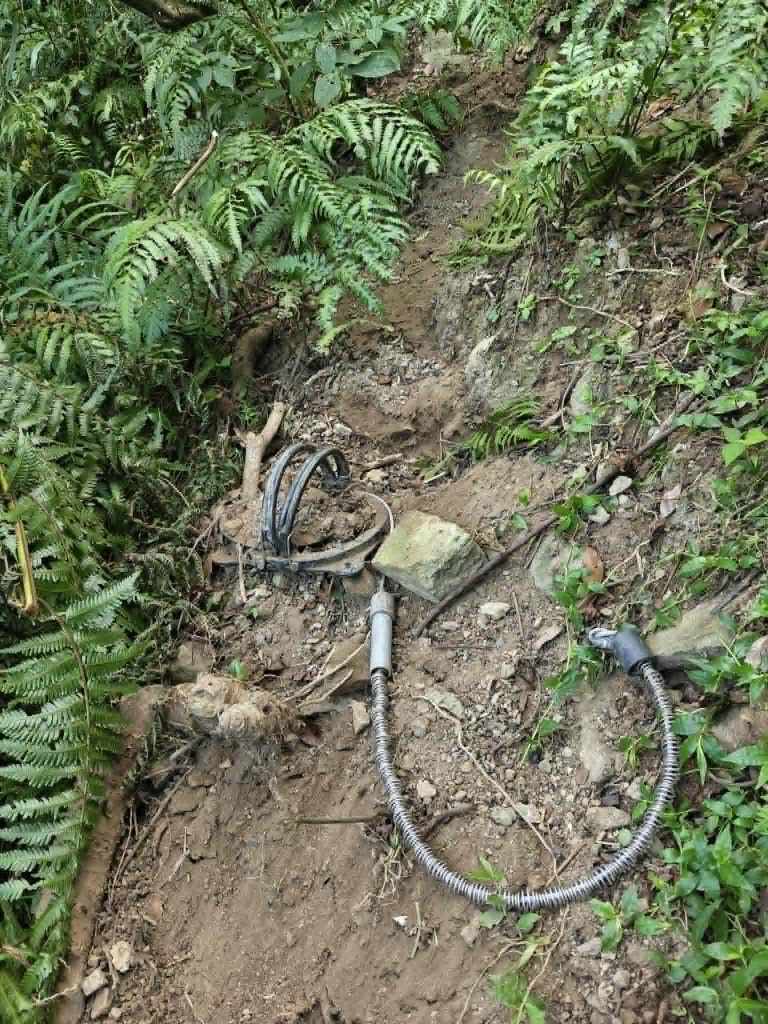
Dangerous (unstable, corroded)
Ed. 2026/2/7
The Taiwan Cement Kaohsiung Plant is a facility of Taiwan Cement located near Shoushan in Gushan District, Kaohsiung.
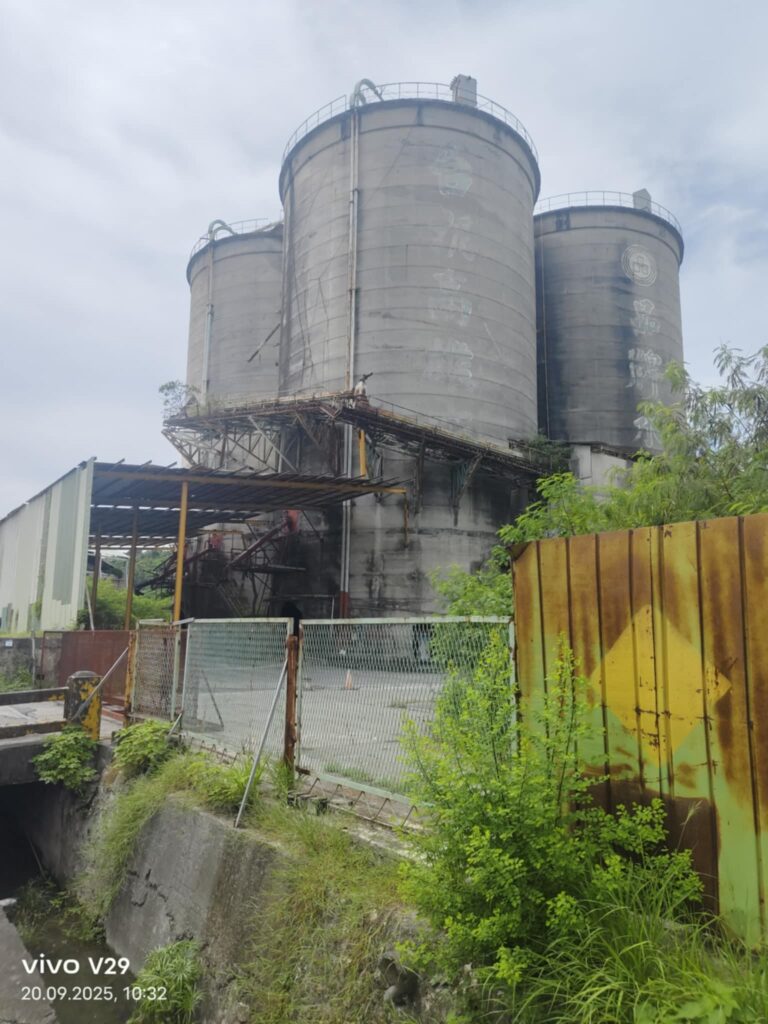
Its predecessor was the Kaohsiung factory of Asano Cement Co., Ltd., and it was the first modern large-scale cement plant in Taiwan. The factory began production in 1917. After World War II, in April 1946, the plant was taken over by the Cement Supervisory Committee. In May 1946, Taiwan Cement Corporation was established, and the Kaohsiung Plant became part of it. However, on November 27, 1992, the Kaohsiung Plant ceased quarrying limestone from Shoushan due to the expiration of mining rights. In July 1994, the kiln was shut down and cement production stopped. Most of the plant area has since been inactive. In 2019, the former Asano Cement Taiwan Factory red-brick warehouse and lime kiln were registered as historic buildings.
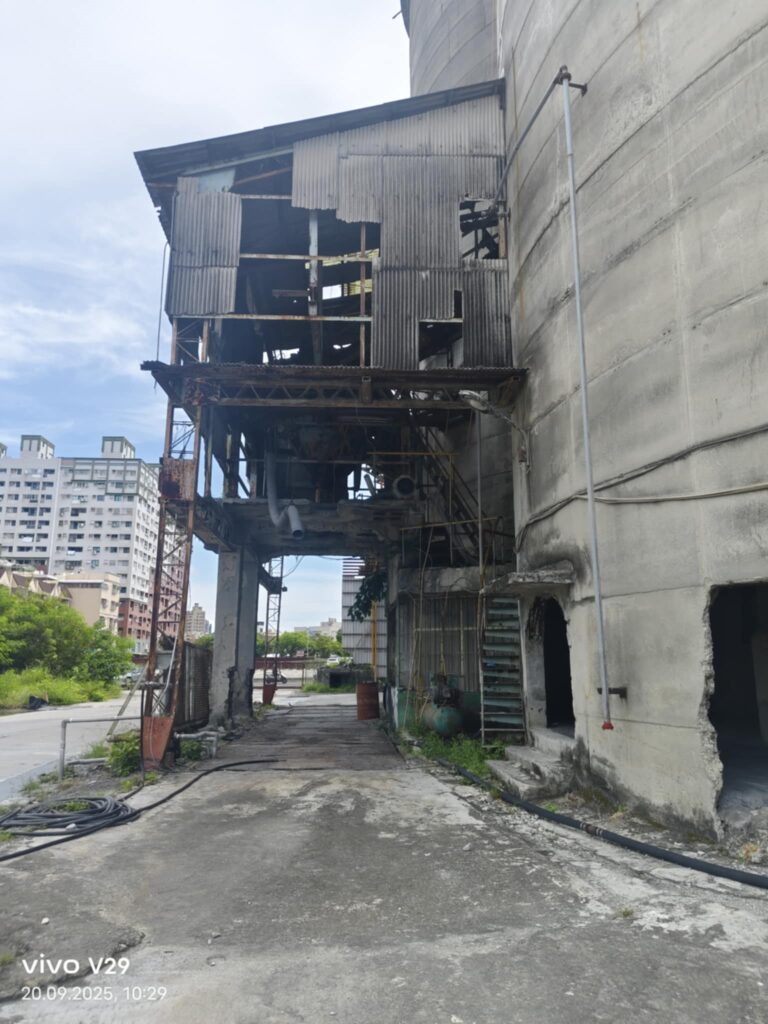
Before this factory was built, all cement required in Taiwan had to be imported from Japan. Later, as Japanese production could not meet local demand, Asano Cement planned to establish a plant in Taiwan. During World War II, the Kaohsiung Plant was heavily damaged by Allied forces. After privatization, thanks to Taiwan’s economic growth and rising demand for cement, Taiwan Cement diversified its operations and grew into the TCC Group.
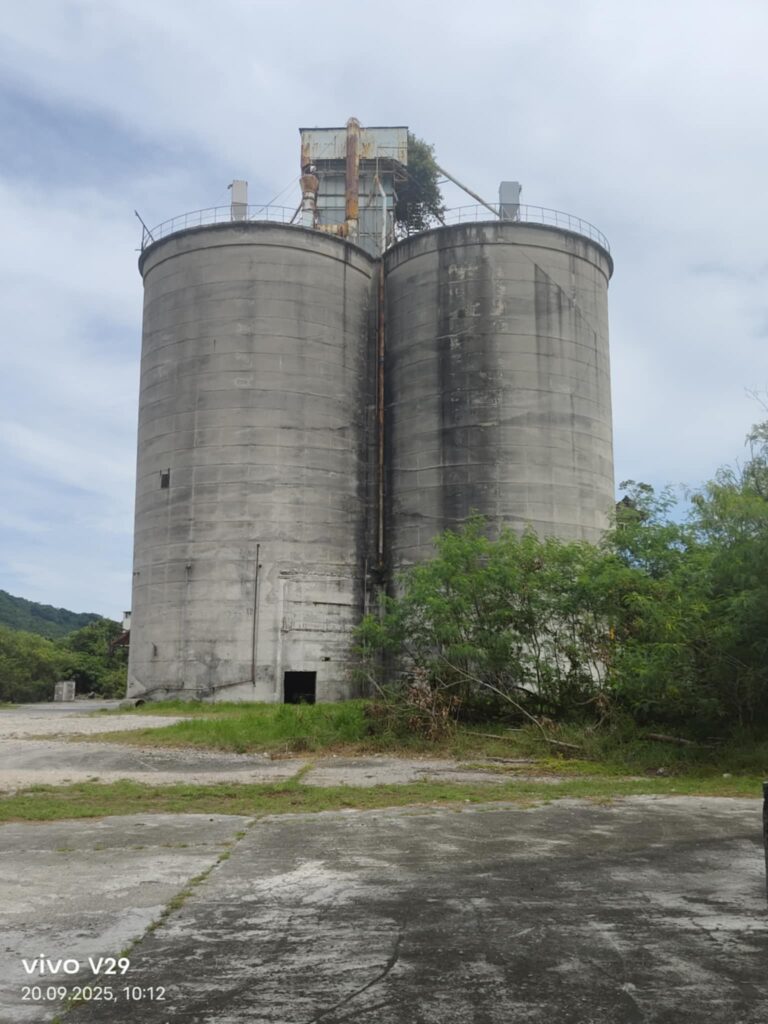
Why are silos cylindrical in shape?
Cylindrical silos save ground space. By filling them from above, the material can slide down smoothly. The cylindrical shape also prevents uneven pressure from building up on the silo walls.
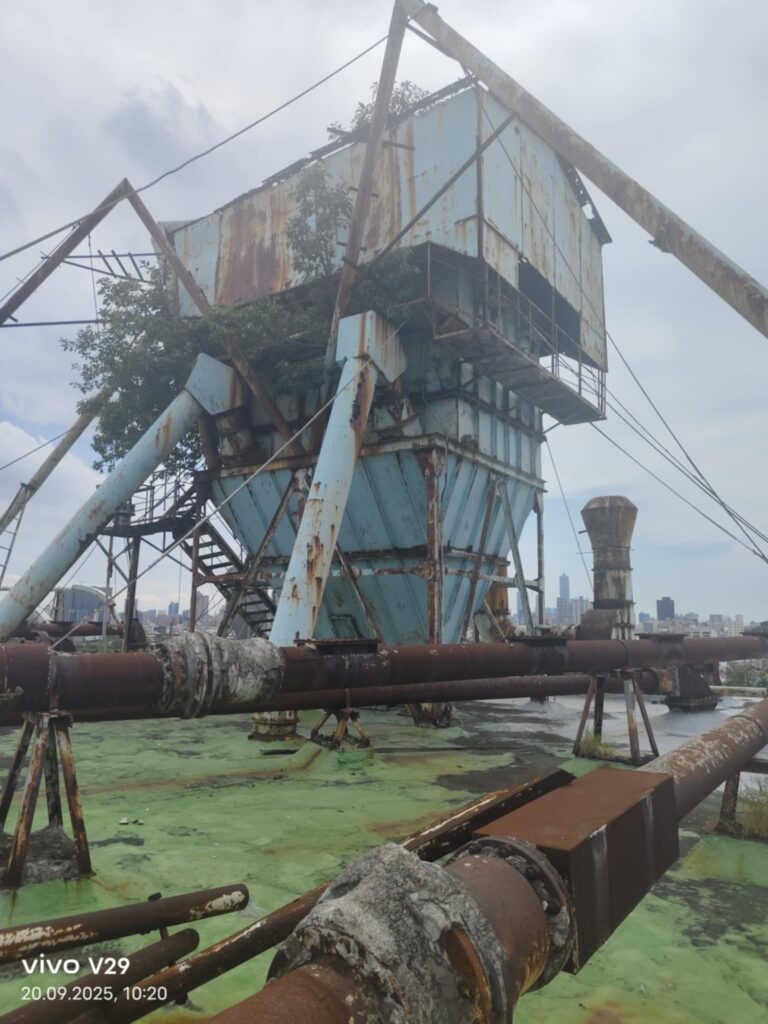
The metal structures on top of silos have typical functions related to filling, ventilation, and safety:
- Conveyors / Filling pipes: Usually pipelines or screw conveyors that transport the material from the mill or elevator into the silo. Often you see a whole network of pipes or a “distributor head” (similar to a funnel with arms).
- Filter and ventilation systems: When fine powder such as cement is filled, a lot of dust is generated. Therefore, dust filters (e.g., fabric filters or cartridge filters) are installed on the roof to balance pressure and allow clean air to escape. Without these filters, a huge dust cloud would form during filling.
- Safety valves and pressure relief devices: To prevent dangerous overpressure in case of blockages, there are safety flaps or rupture discs that open when pressure gets too high.
- Access and maintenance structures: Ladders, railings, and small platforms for workers who need to perform maintenance at the top of the silo. Inspection openings may also be present.
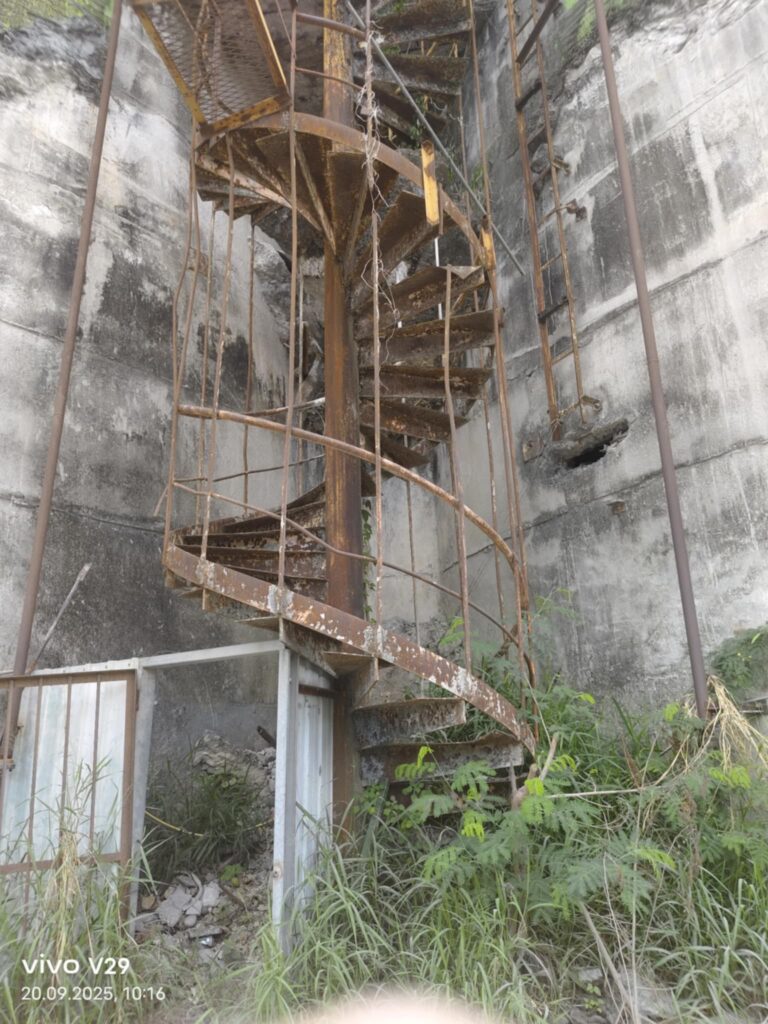
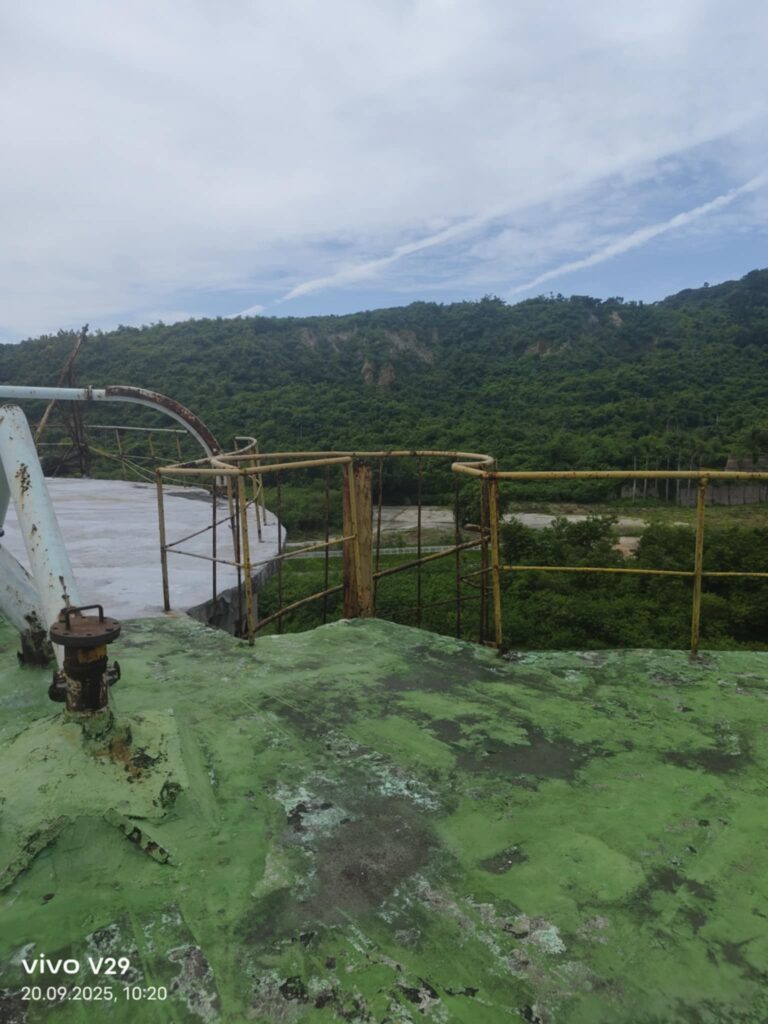
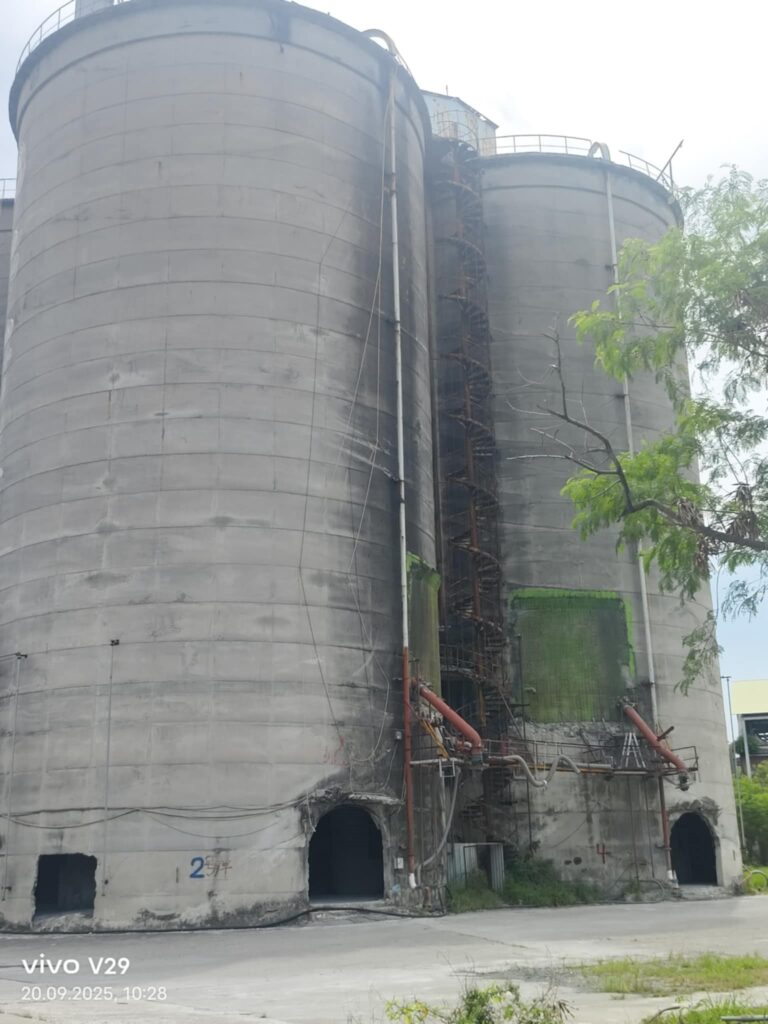
I went up there. The ladder was rusty, partly corroded, some joints were loose, partly covered with broken rock. I almost shit my pants.
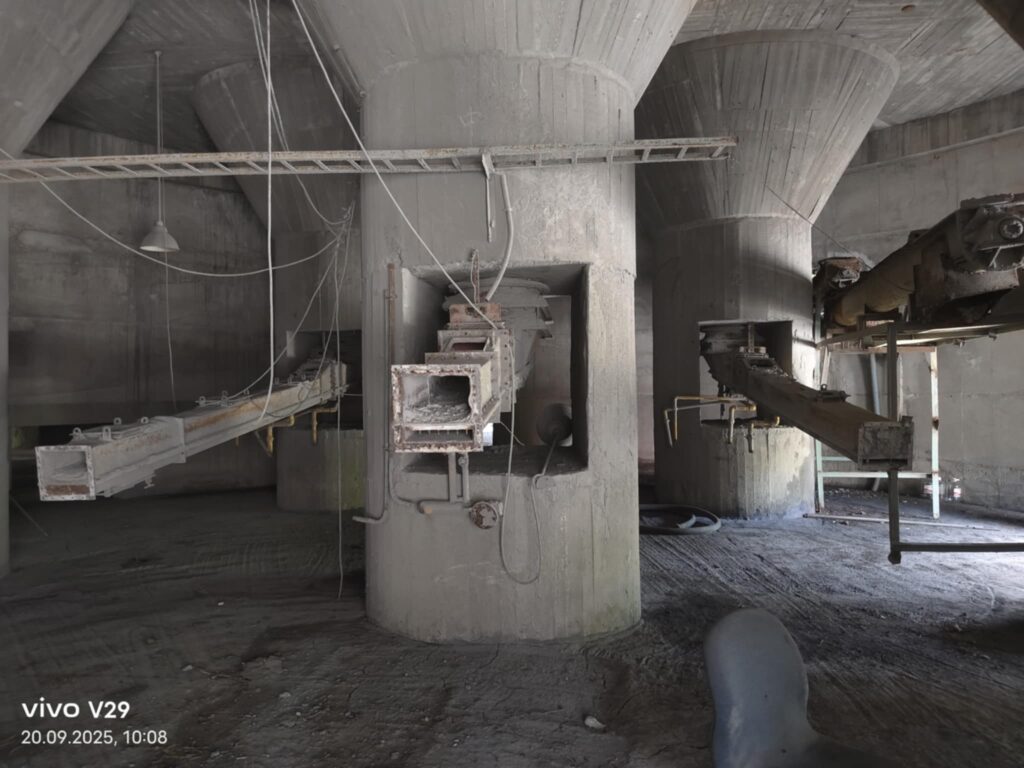
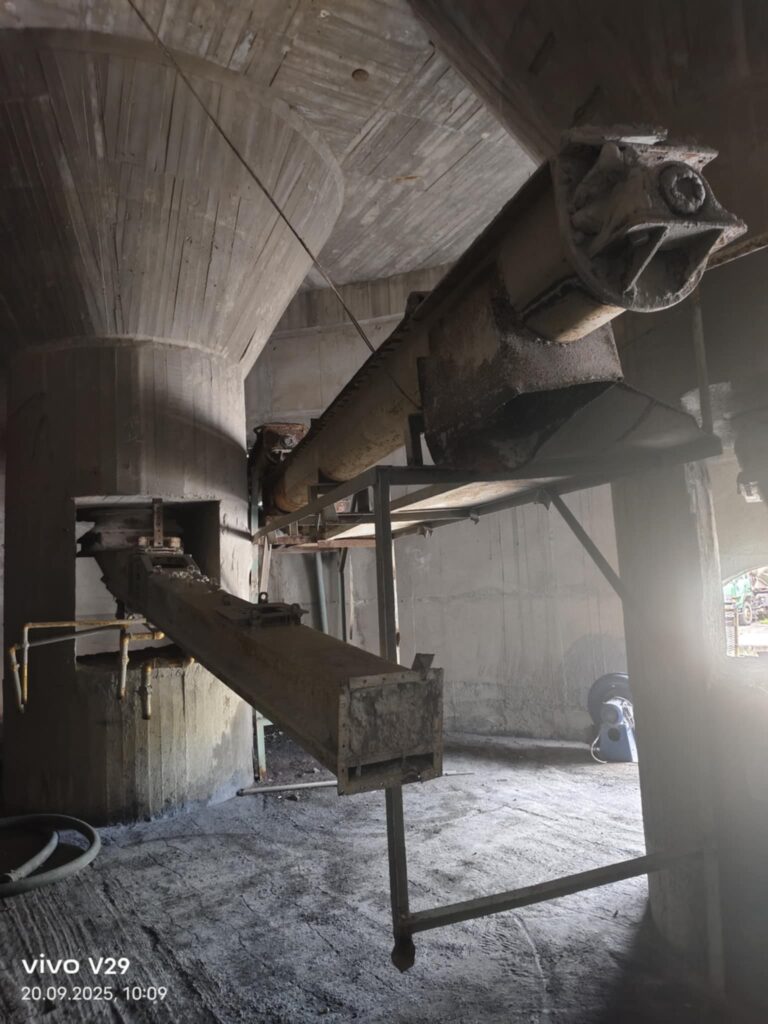
Material inside this silo
The material inside this silo is more gray to dark gray, not bright white. At the discharge openings, the material appears granular-dusty rather than purely powdery. The conveying equipment is also massive. This strongly suggests that these are not cement product silos but clinker silos (intermediate product). However, the large rooftop structures again argue against this.
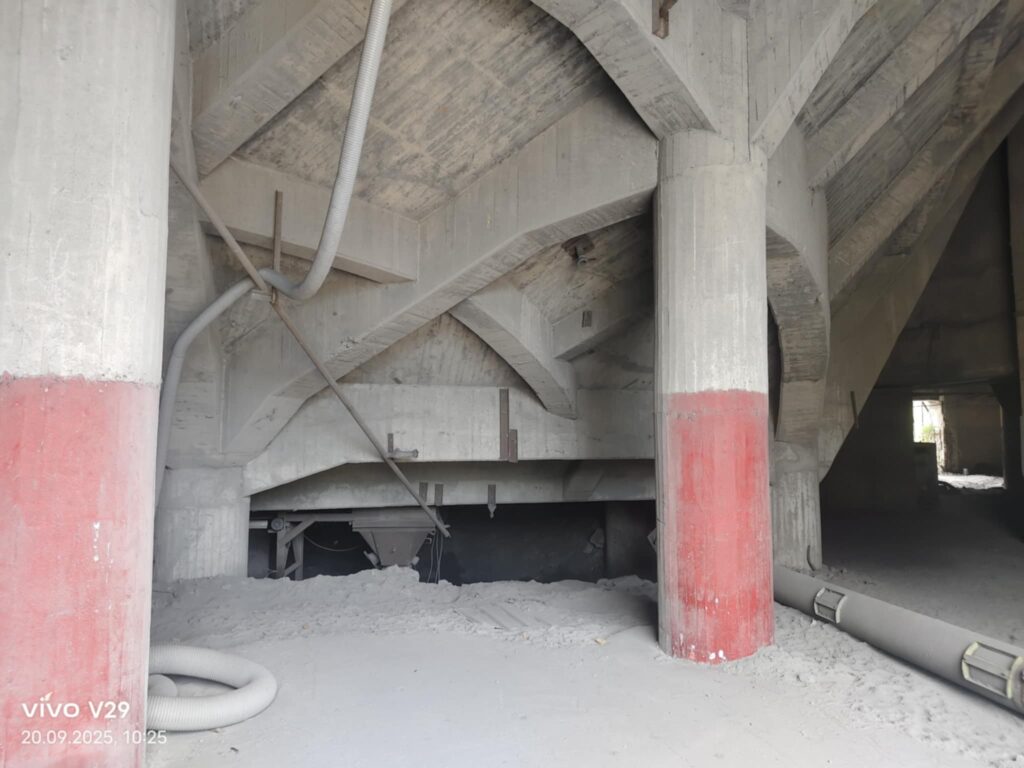
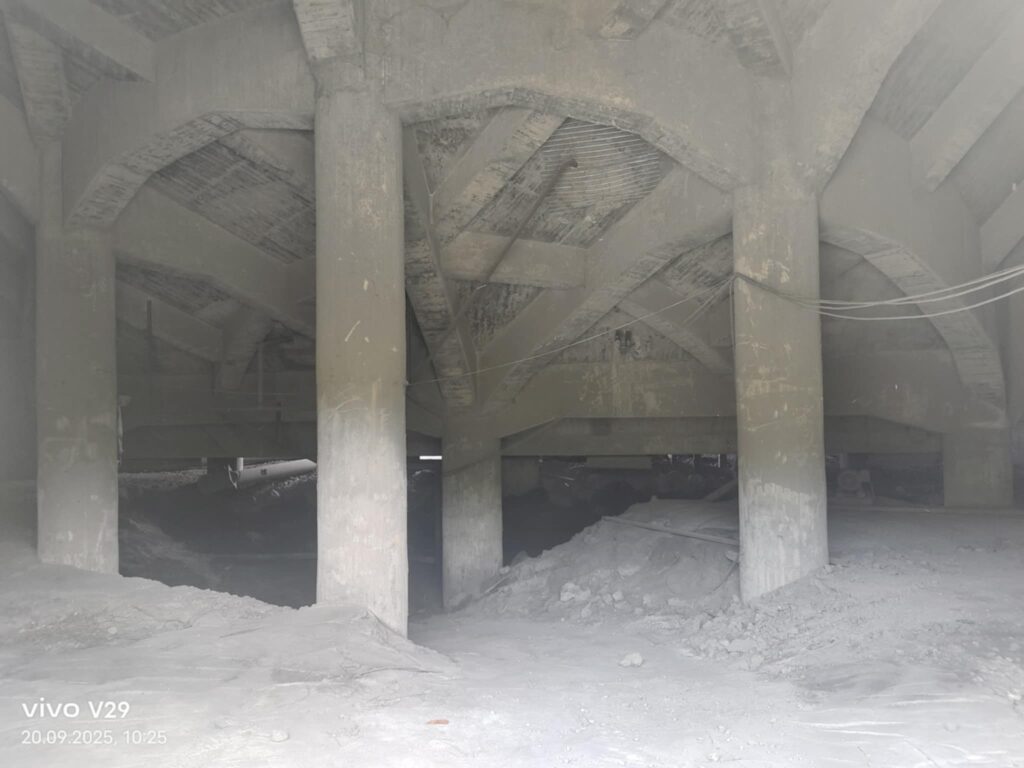
(A Cement Silo)
Red brick warehouse
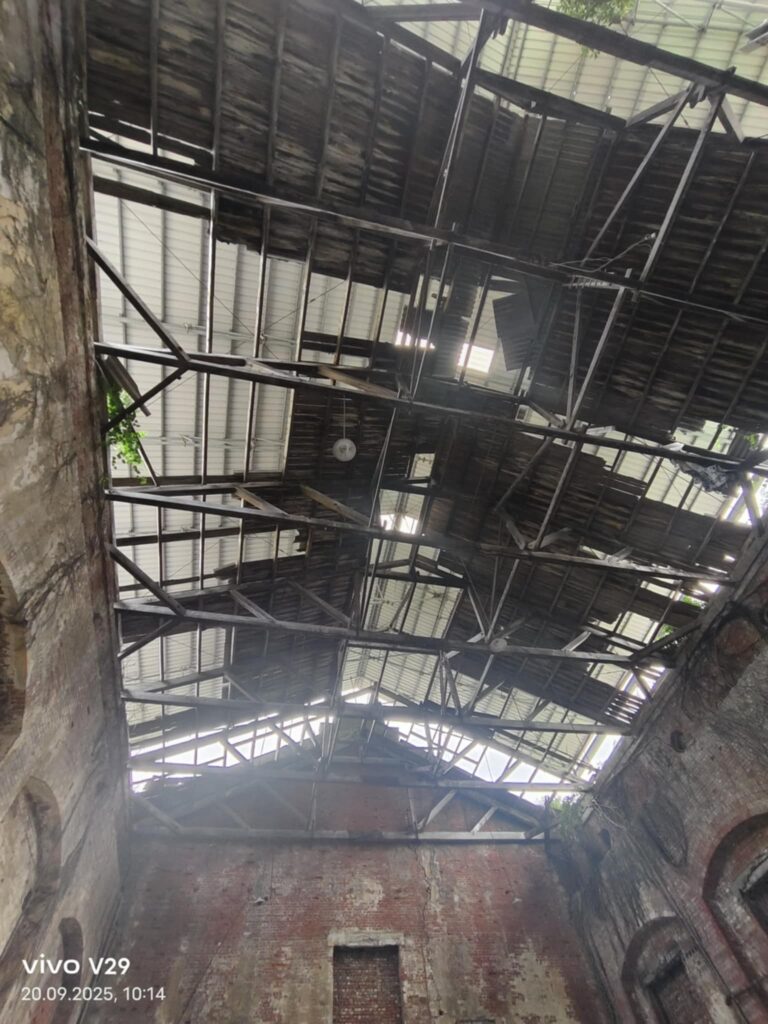
The red brick warehouse of the Asano Cement Taiwan Plant was constructed during the Japanese colonial period. The building features a mixed brick-and-timber structure. The walls are built of exposed red brick masonry, while the roof structure consists of a timber double-beam king-post truss system. This form allows for a large span and is rare in this city. Overall, the exterior presents a highly distinctive example of exposed red brick architecture. Today it has to be supported by steel beams. Registered as a historical building, efforts are being made to preserve it. In the meantime, however, it already requires structural supports.
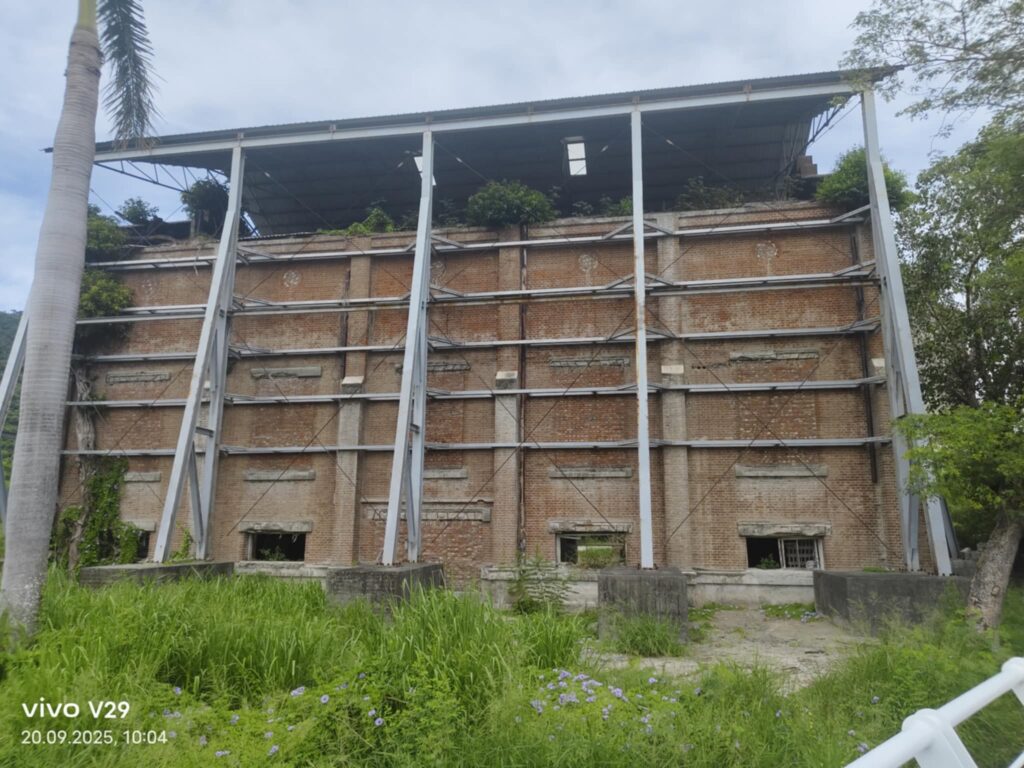
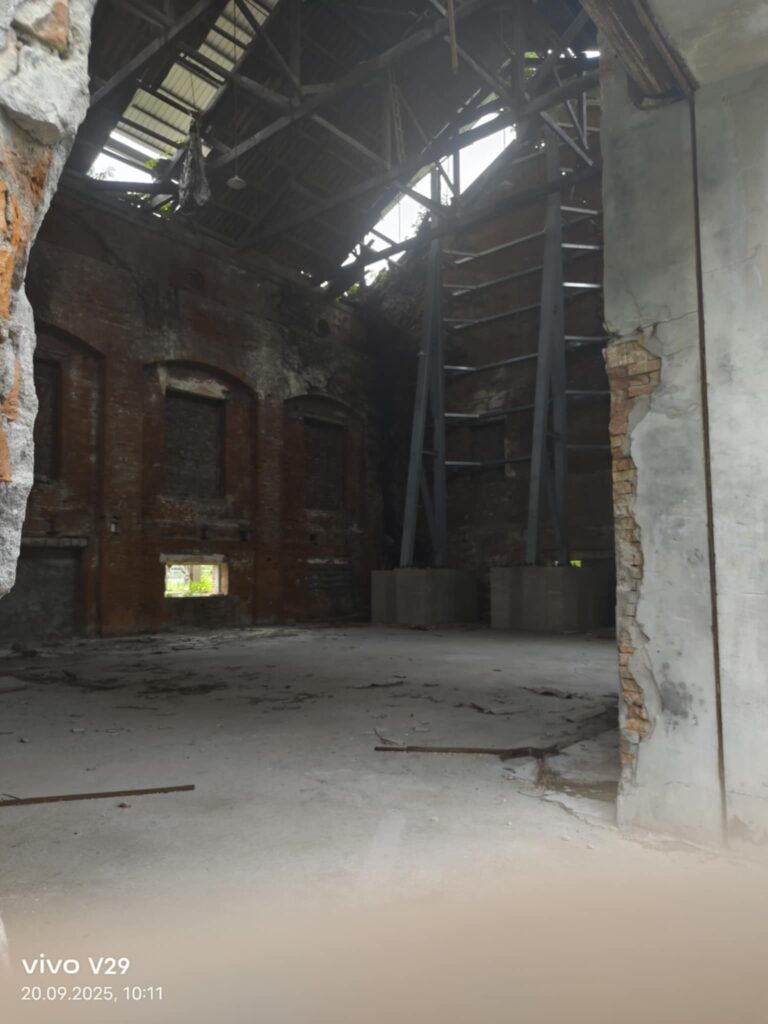
The once beautiful roof has collapsed. Perhaps it’s not advisable to spend too much time inside the building.
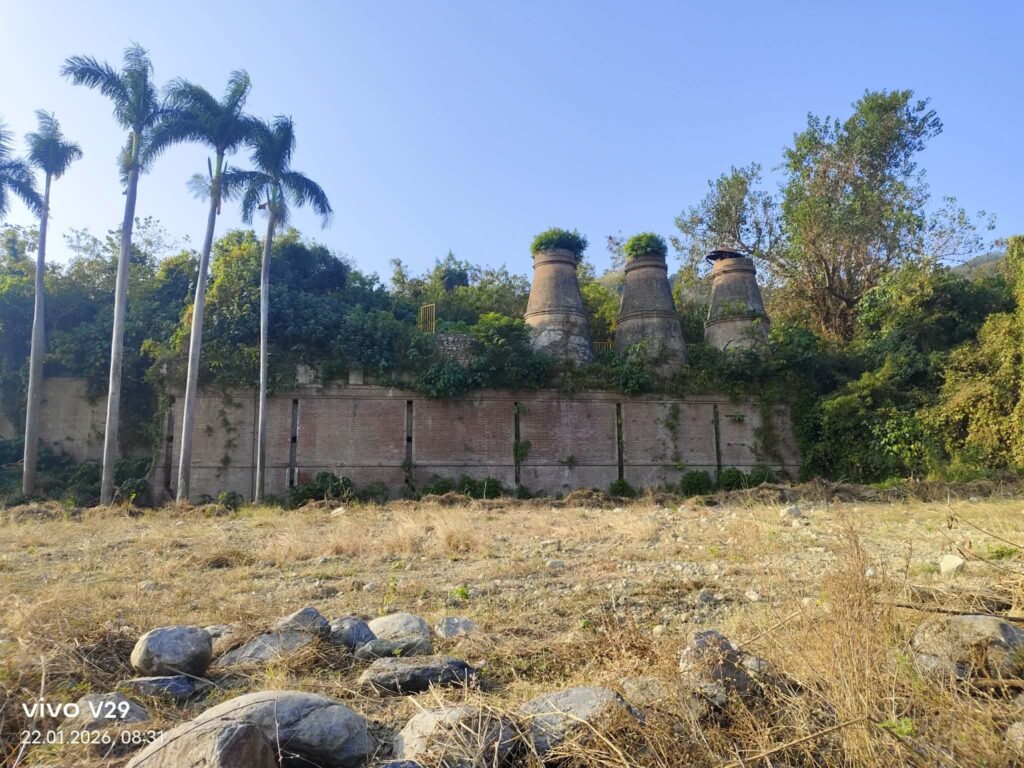
The old kilns
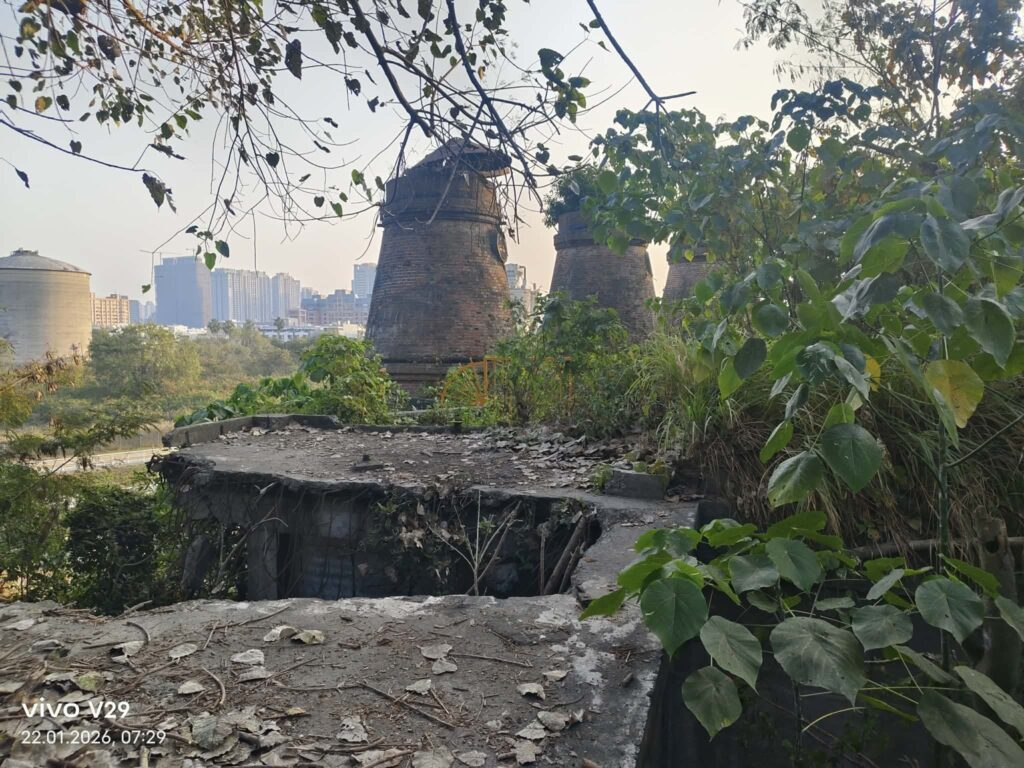
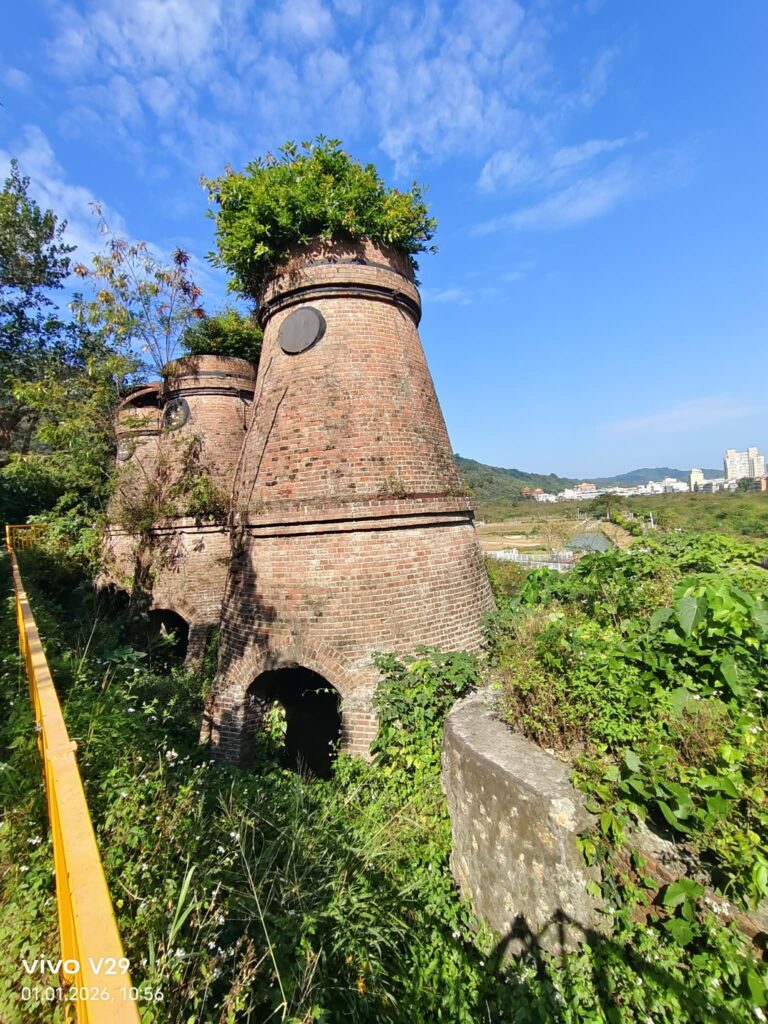
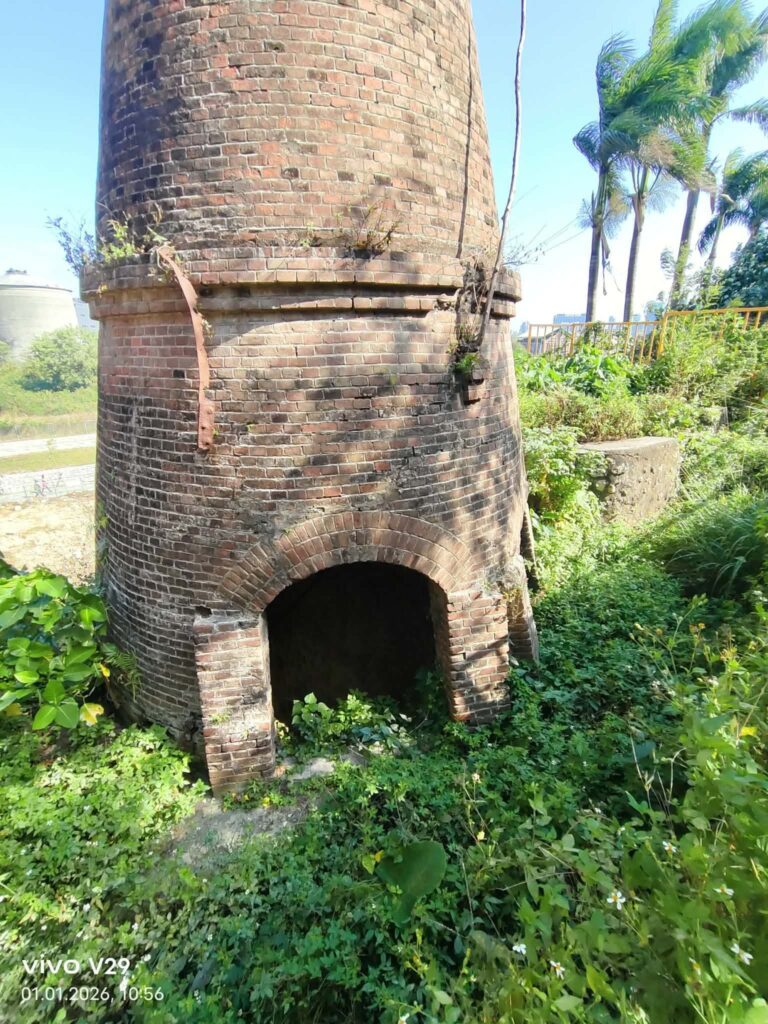
These kilns near the plant alongside the Gushan Canal can already be seen from a distance. They must not be entered from below. The structures were built in 1918. Of the original seven lime kilns (12 meters high and 6 meters in diameter) that were constructed and put into operation, only three remain today. They are cylindrical structures made of red bricks laid in a circular pattern. These kilns are remnants of the first-generation facilities of Asano Cement and represent a rare, well-preserved prototype of modern cement calcination facilities in Taiwan. They demonstrate that the siting of cement plants at the time not only considered the availability of abundant limestone resources, but also relied on canal transportation.
(sources: 歷史建築登錄公告表,原淺野水泥台灣工場(紅磚倉庫及石灰窯)https://wrb.kcg.gov.tw/cspool/LocalElement.htm?utm_source=chatgpt.com)
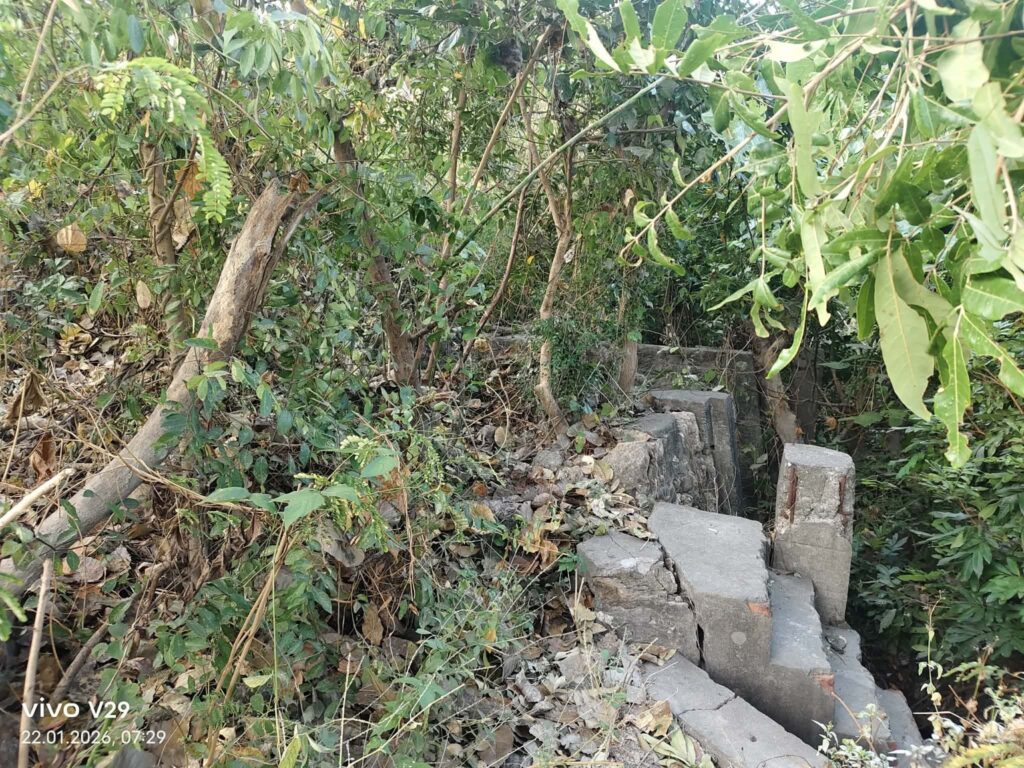
However, it is quite easy to walk around them via the hiking trail. You may have to search a little uphill to locate the kilns, but from this side you can legally approach them. You should not climb over the barrier fence or attempt to enter – it appears rather improvised and unstable. It feels like stepping into another era – as long as you are not being chased by wild monkeys because they are hungry or because you disturbed them during mating. Walk a bit further toward the rear area, where you can still find remains of stairways and buildings.
Weighing station
Now you still have about 2 kilometers ahead of you to reach the old weighing station. Try to find the old paths along the hillside — from there you can enjoy a view into the valley, or possibly make contact with the gentle and charming macaques. Well… unless they feel annoyed or hungry, which is almost always the case.
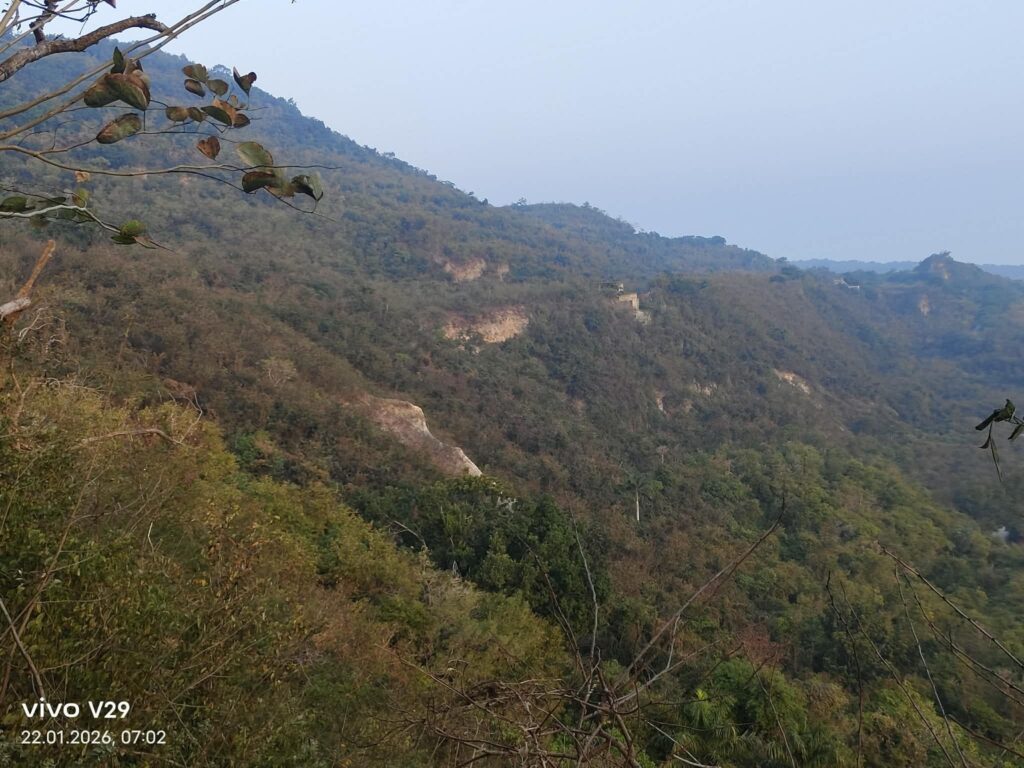
(The levels can still be recognized.)
And now comes the absolute biggest disappointment: As of January 2026, it was still possible to enter the structure and explore the interior, including the lower levels — provided you didn’t happen to bring along your personal pet dragon. Only a few weeks later, the successor company sealed everything off. Too many visitors, too much litter, according to a local tea-drinking resident.
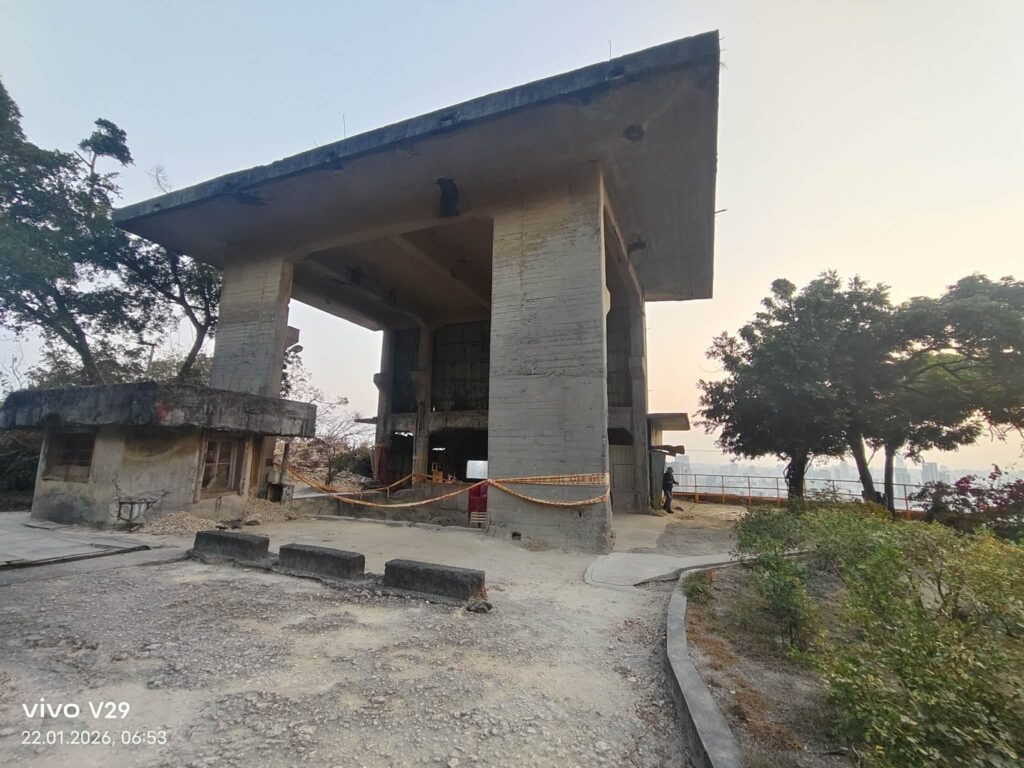
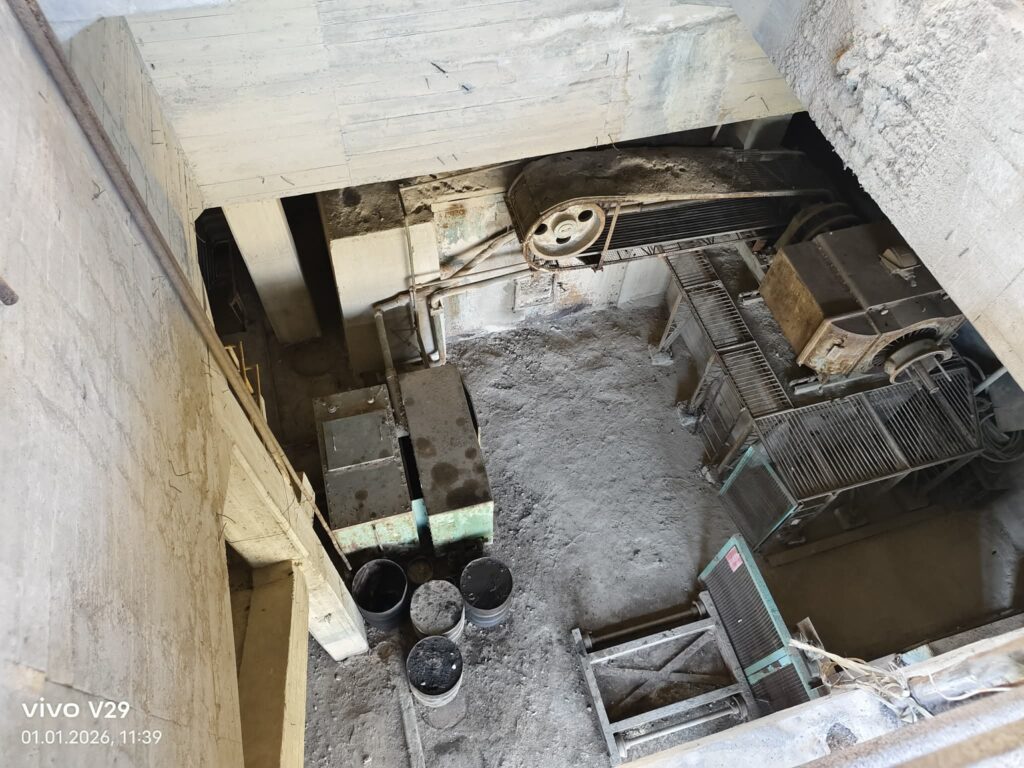
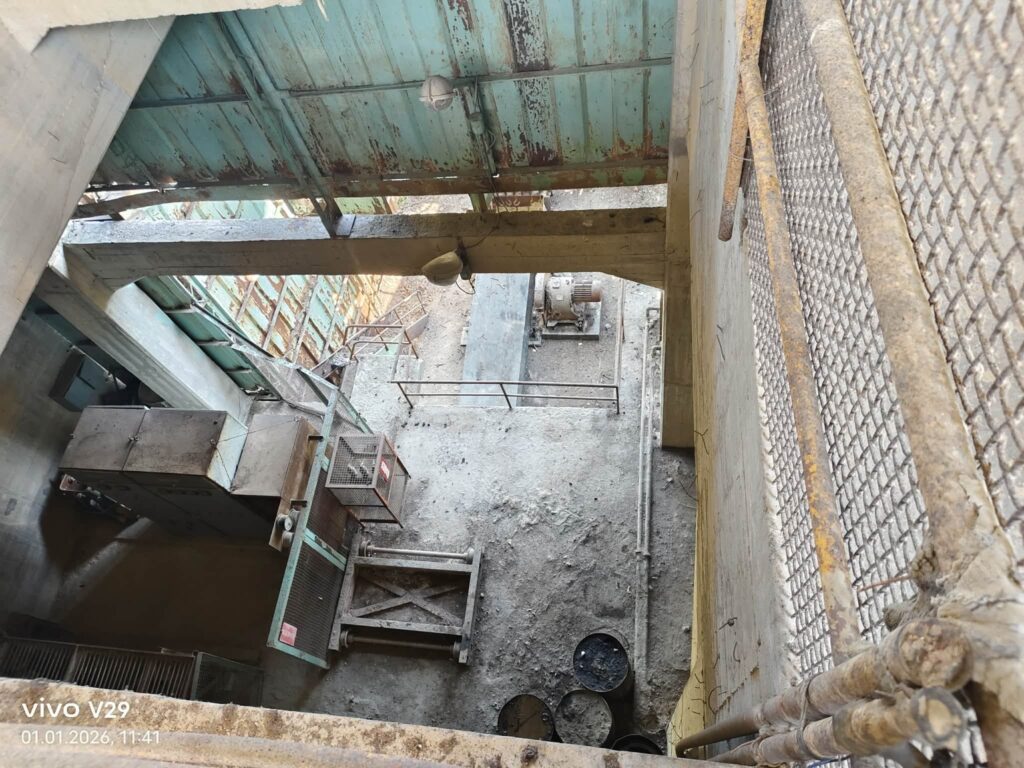
(now sealed)
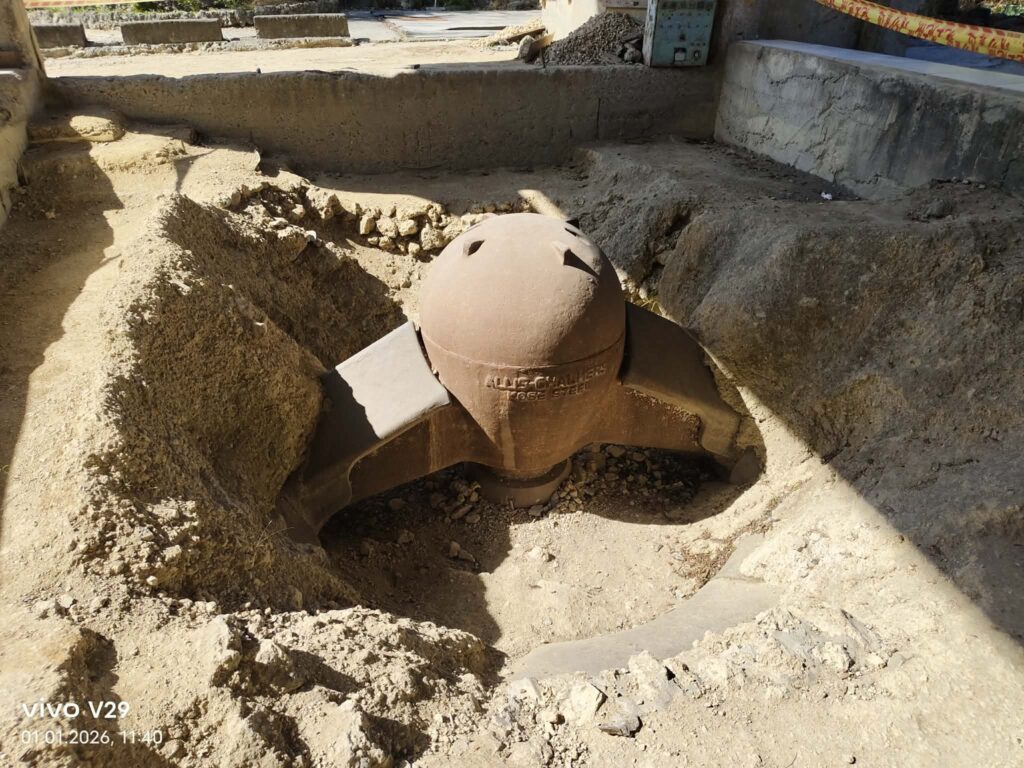
Others
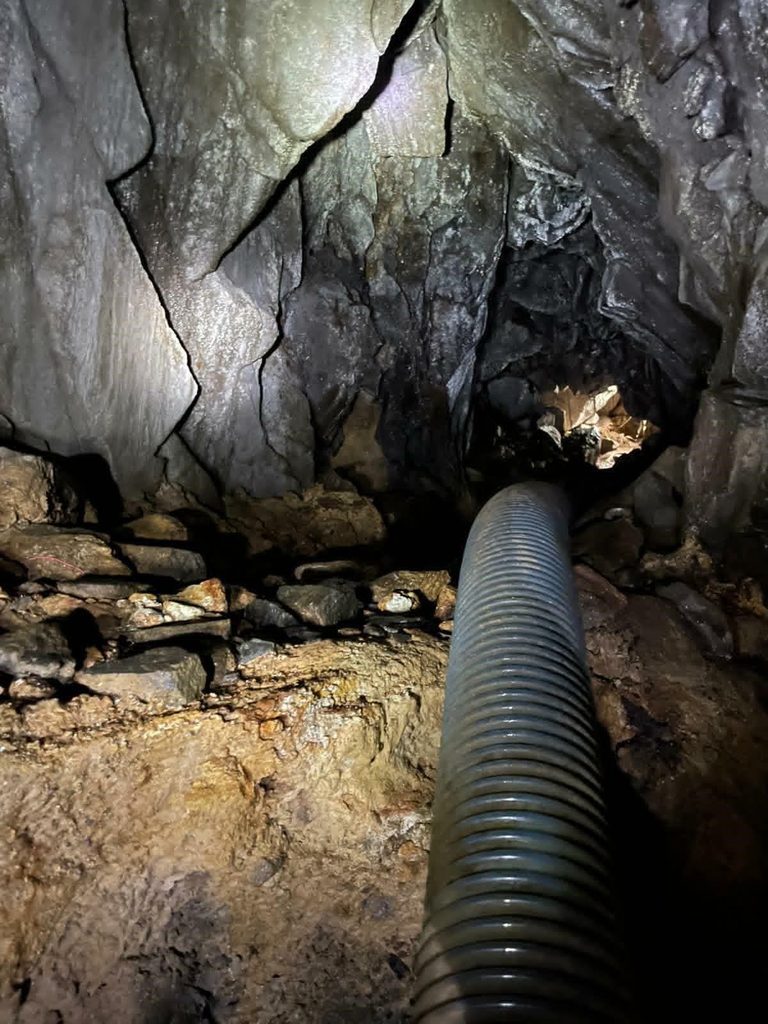
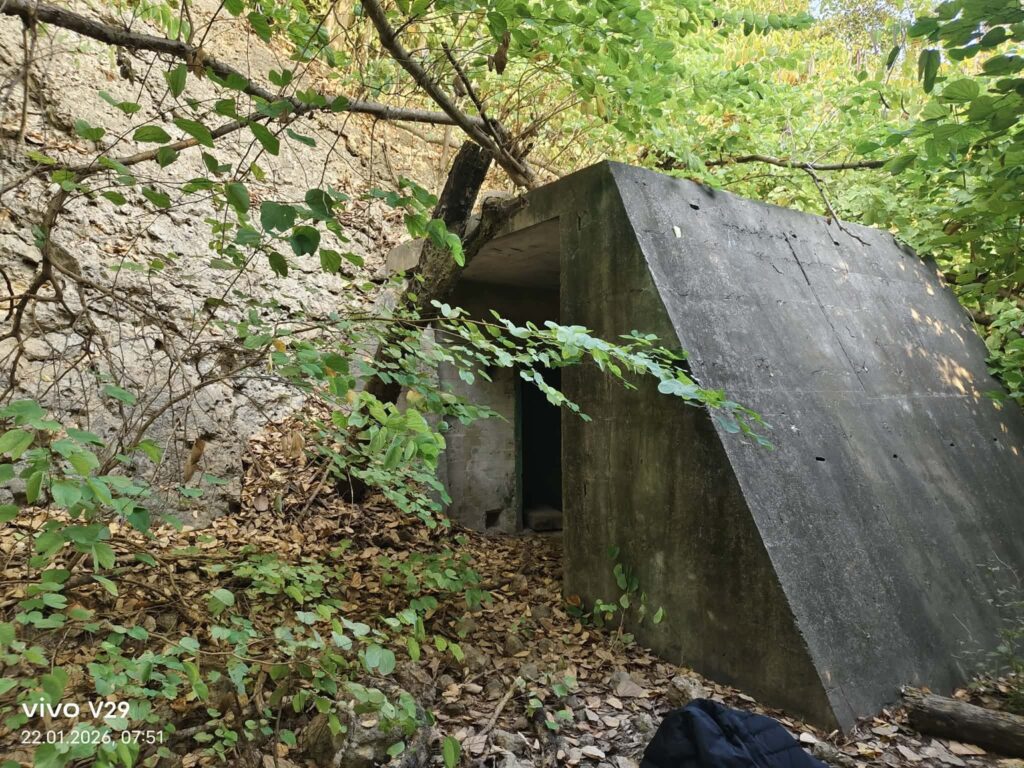
You can still explore quite extensively, although sometimes it requires a bit of luck. Hidden deep in the area, there is also a large bunker complex, perhaps about 40 meters long, and surprisingly dry. Due to its internal compartments, it was likely designed for longer stays.
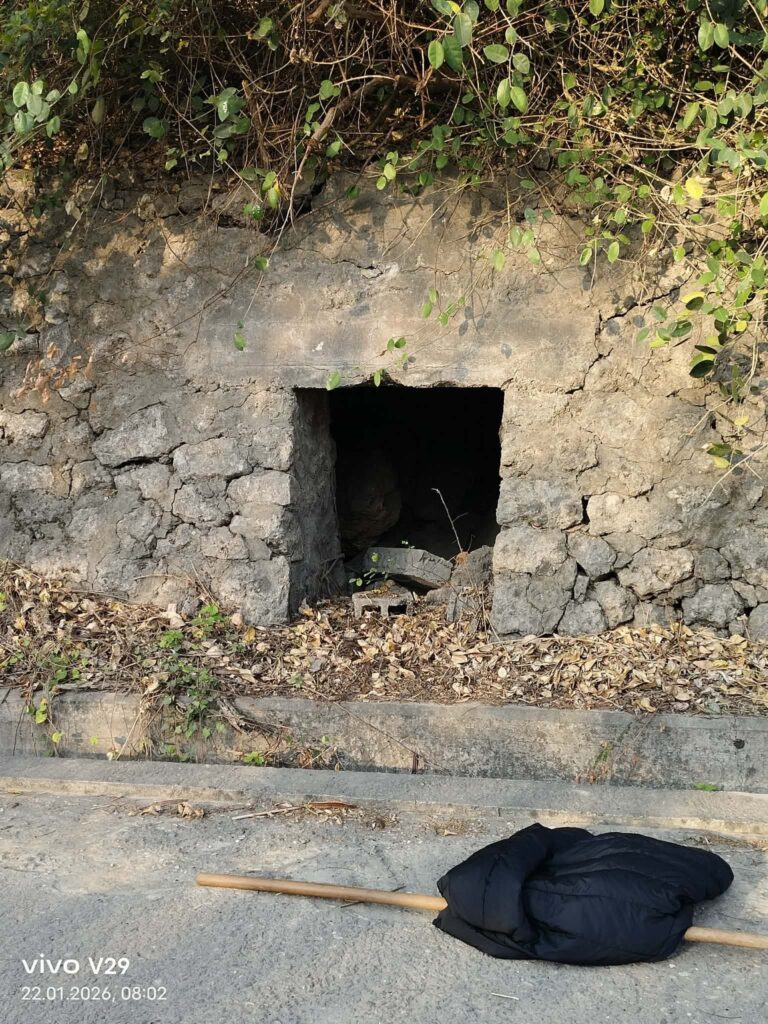
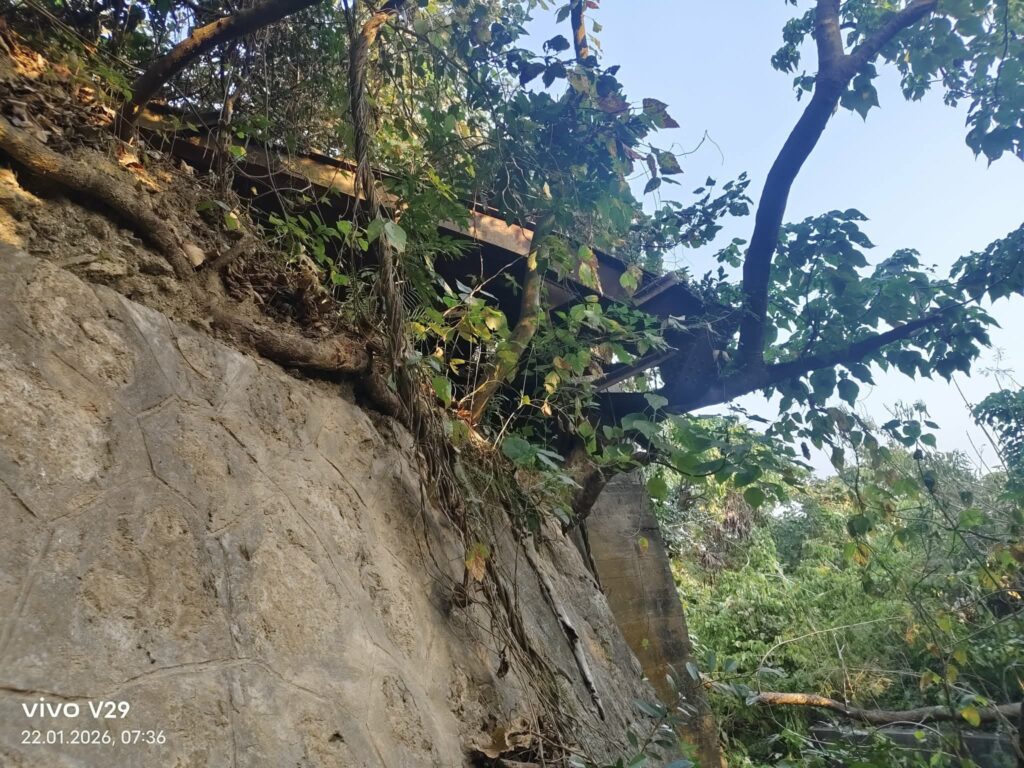
The exact purpose of this is not entirely clear. A Taiwanese local gave me a few hints. The road I am standing on is new and has been elevated. What can be seen below appear to be some kind of chutes or outlets for rock material. Several hundred meters further uphill, there is also the weighing station.
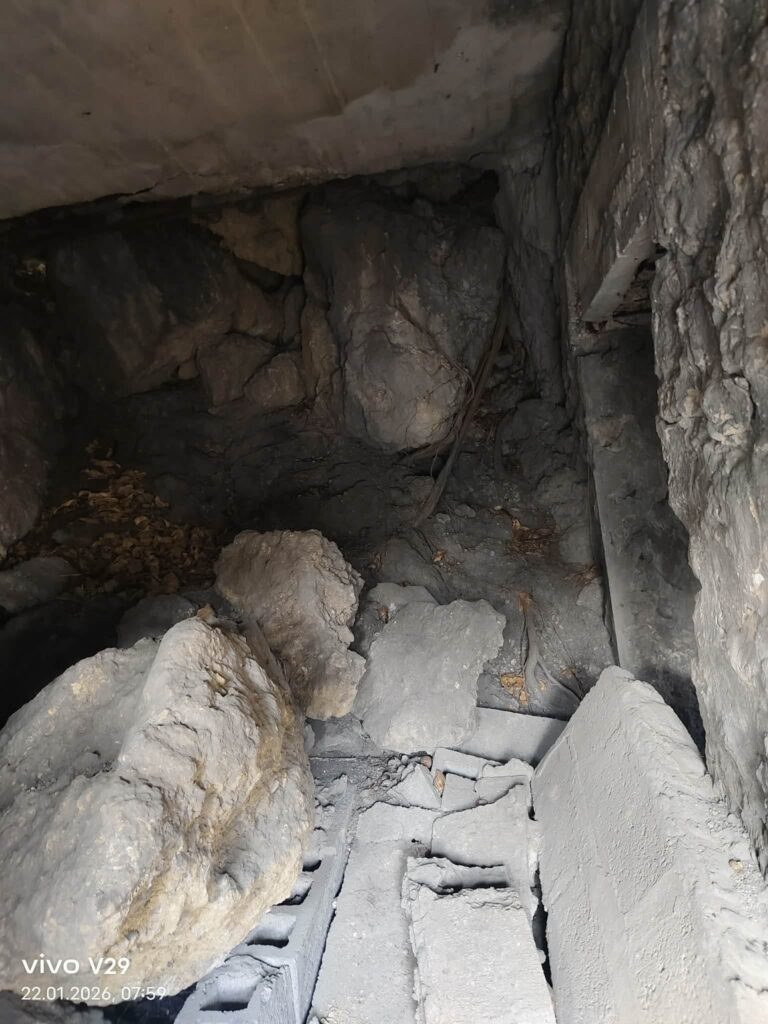
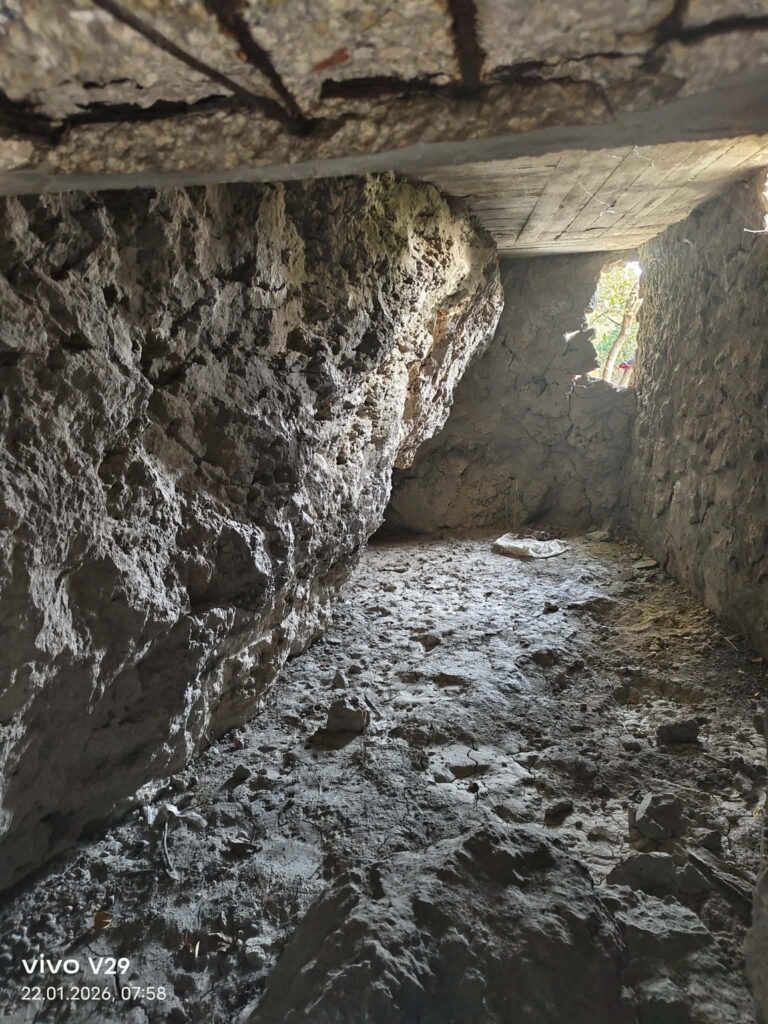
Perhaps part of a transport system.
(copyright Claudius Petzold)