Ed: 2026/7/2
One day, I was passing through Zhongli and remembered. (Below is a traditional Chinese ghost story based on Taiwanese folk belief for a bit of cultural insight.)
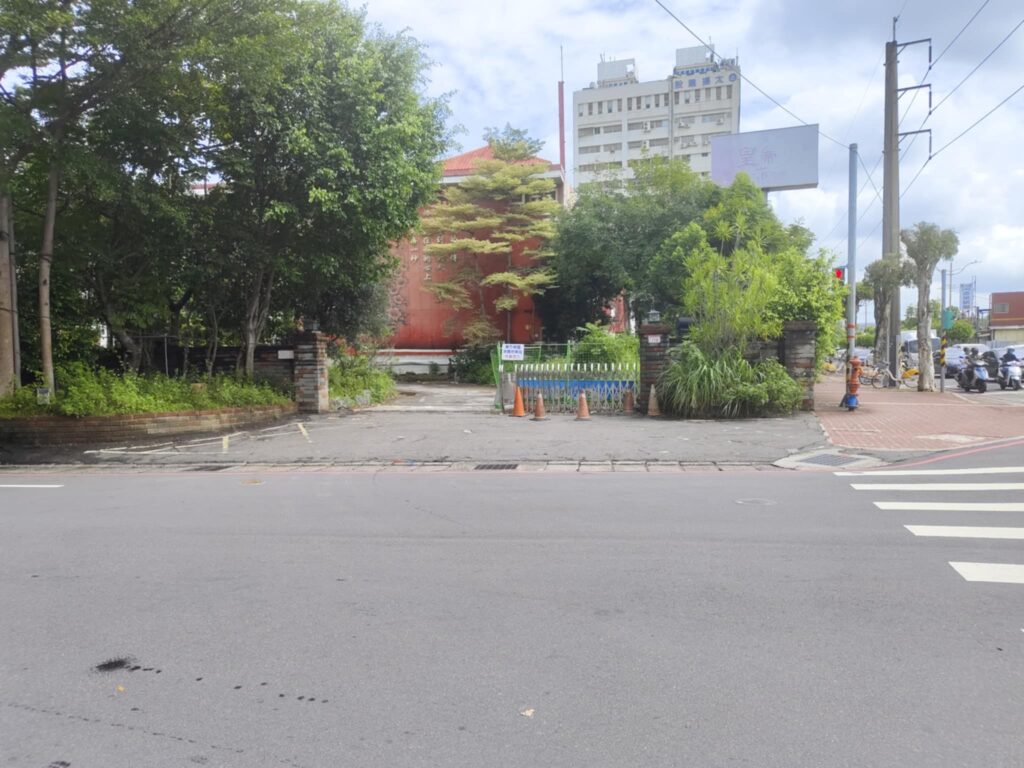
A Taiwanese wedding has different purposes—it marks the beginning of a new stage in life and is also meant to bring in some income for the future. That’s why there are large restaurants specializing in weddings. However, demographic changes are hitting these venues hard, as young people are becoming less inclined to marry.
Don’t worry, I didn’t celebrate here—but some members of my extensive Taiwanese family did. I stepped inside, and memories hit me with the force of a hormonal hammer. At first, I wanted to climb the steps of love, even though love had lost its “L.”
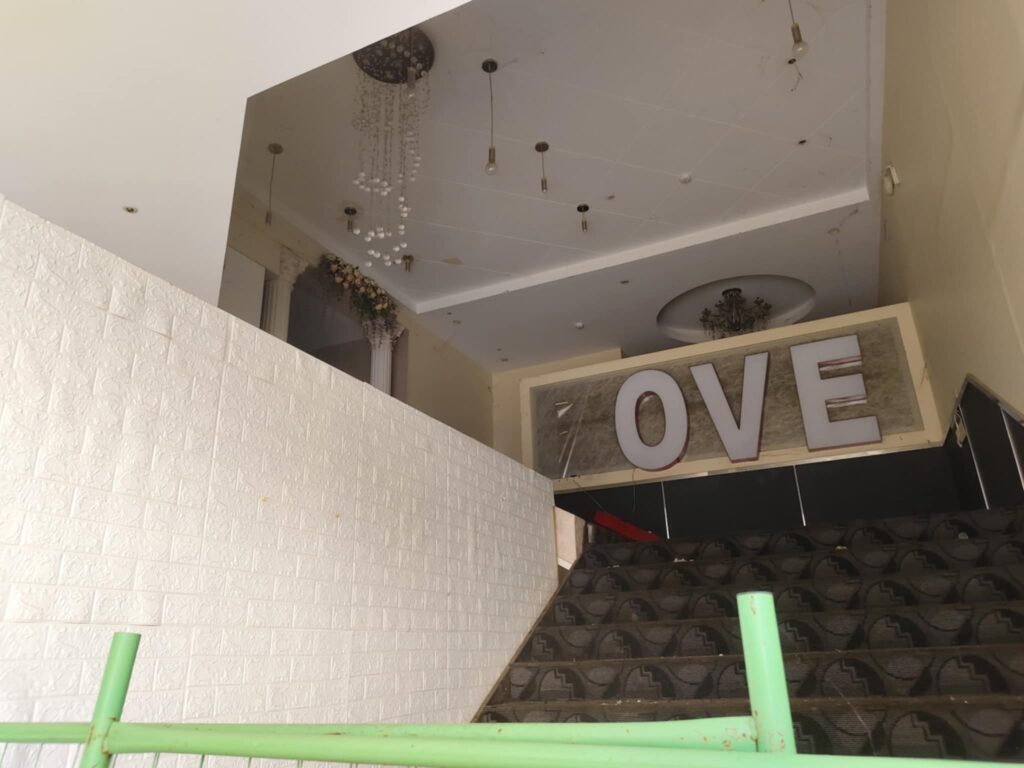
Fortunately, I didn’t—because the mezzanine had already collapsed. So, consider this a warning, dear fellows: we should approach our task with caution.

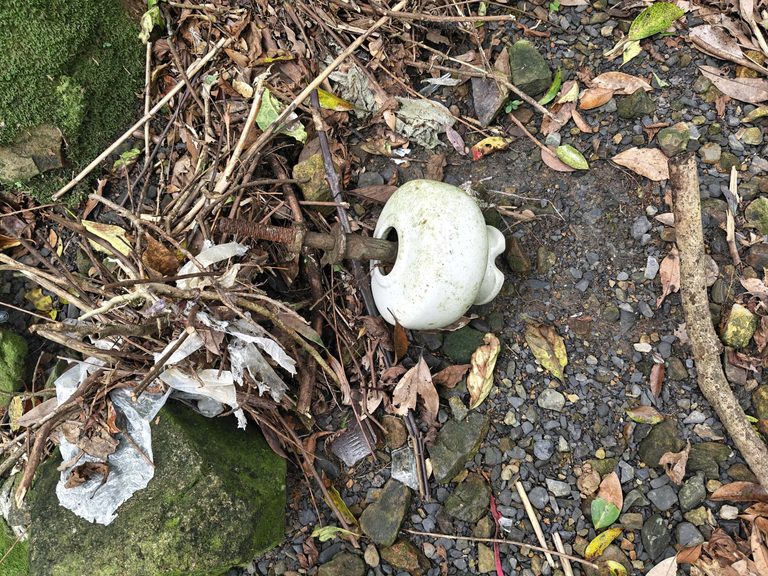
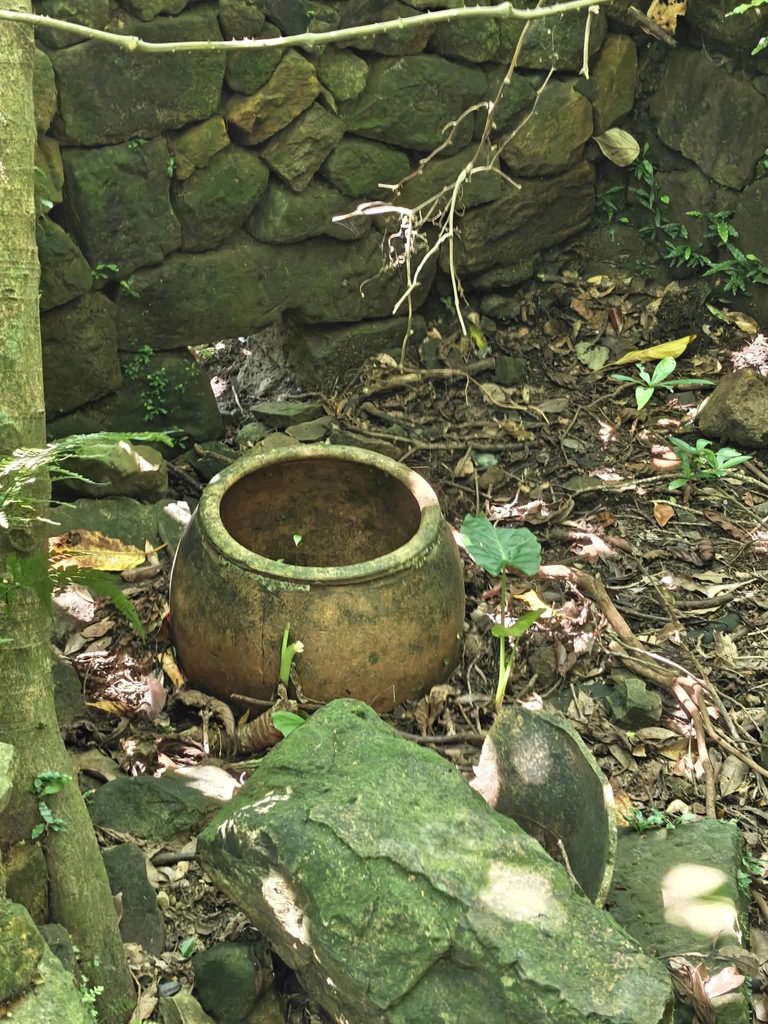
The interiors are still clearly recognizable—even the notorious Taiwanese “kitchen bombs.”


(Copyright Claudius Petzold) If you face difficulties finding a partner, please consider that:
Marrying a Ghost Bride – Ghost Marriage in Taiwanese Funeral Traditions
Ghost marriages are a recurring theme in Taiwanese folklore. A common scene depicts a man casually walking down the street when he unknowingly picks up a red envelope. Suddenly, people who have been waiting nearby surround him, calling him “brother-in-law” and insisting that he marry the woman whose birth details are inside the envelope. The catch is that the “bride” is usually a young woman who has already died.
A ghost marriage (冥婚), or “marrying a spirit tablet” (娶神主), is a traditional ritual in which a living man symbolically marries an unmarried deceased woman. The purpose is to provide the woman’s spirit with a husband’s family so that she will be worshipped as an ancestor for generations to come.
According to traditional Taiwanese custom, an unmarried daughter could not be enshrined on her natal family’s ancestral altar. Instead, her spirit tablet was often placed separately in a corner of the house, awaiting either a ghost marriage or dedication to a temple. Without descendants or ancestral worship, it was feared that she would become a lonely, wandering ghost. Ghost marriage was therefore regarded as a way of giving her a proper place in both the family and the afterlife.
Even today, reports of ghost marriages occasionally surface in Taiwan. The reasons why a man might agree to such a marriage vary widely. Some believe a fortune teller’s prediction that they are destined to have two wives, making a ghost bride a symbolic fulfillment of that fate. Others hope that a ghost wife will bring good fortune, improve family harmony, or protect the household from misfortune. In some cases, a man marries the spirit of a deceased fiancée or girlfriend out of love and loyalty. The ceremony itself resembles a traditional wedding, although it is generally much simpler. The bride’s family bears all the expenses, and the groom ceremonially brings the deceased woman’s spirit tablet to his home for permanent worship.
Traditional customs surrounding the marriage can be surprisingly elaborate. If the man already has a living wife, the deceased bride is often regarded as the senior wife, while the living wife is expected to acknowledge her symbolically as an elder sister. Any sons may even be considered descendants of the deceased wife for the purpose of continuing her ancestral line. On the wedding night, the groom may be expected to sleep alone, sometimes for seven days or even a month. During family meals and festivals, an extra place setting is prepared for the deceased bride, and her name is called before the meal begins. During the Lunar New Year, the husband may even make the customary visit to his late wife’s parental home, just as he would if she were still alive.
The tradition of ghost marriage reflects both fear of restless spirits and deep compassion for the deceased. Whether believed literally or not, many parents have been willing to fulfill what they see as their daughter’s final wish.https://women.nmth.gov.tw/?p=1940