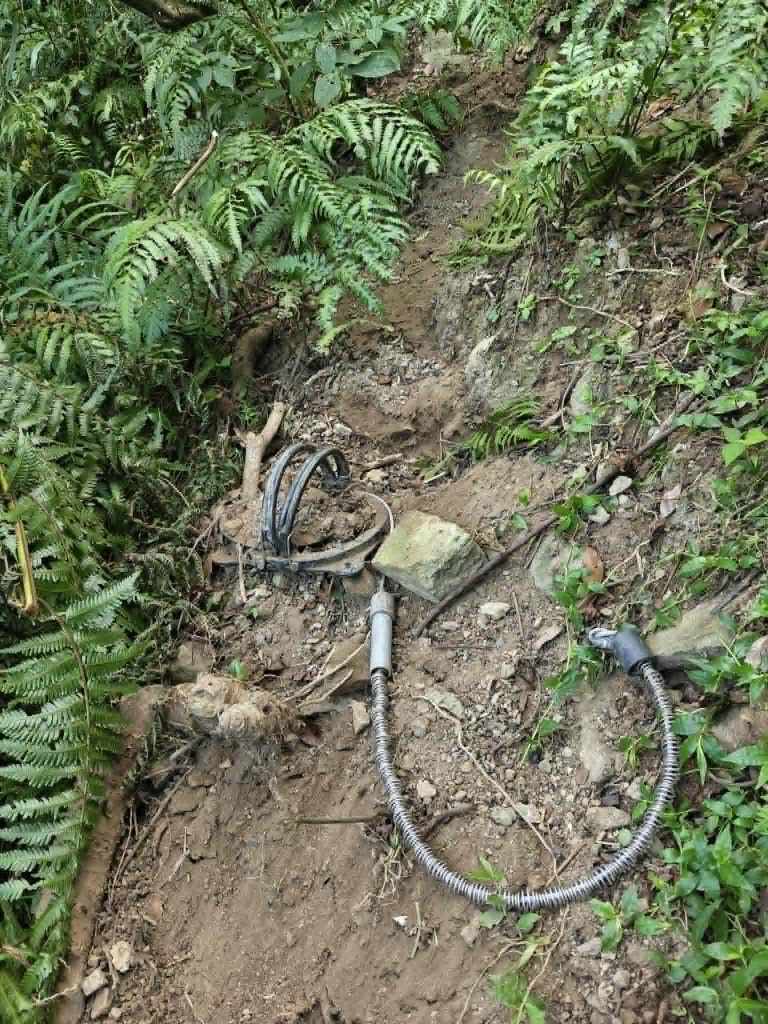
dangerous places (get lost, hornets, dogs, snakes)
In this part, I will merge two themes: the old village of WuDa, deep in the hinterlands of Nanao, and the question of revitalizing Atayal culture. The depiction is based on many visits to WuDa and numerous conversations with the elderly residents. It also delves deeper into questions of identity.
This section is a work in progress.
Let’s start with an event: I accompanied a team from German public television to Jingyue, the new settlement. They wanted to film and needed material for a broadcast. They asked me if we could organize some traditional dances and celebrations. They reacted somewhat irritated when they realized that such things could not simply be arranged on demand. Unconsciously, they have raised many questions: the terminology of culture, the defining characteristics of culture, external perceptions, the limitation of an ancient culture to dances, and the unconscious devaluation.
Here is a video in the Atayal language. It is a very melodic and beautiful language. At the same time, it is unexpectedly complex—I gave up trying to learn it. It is impressive to hear such an ancient language. It is the language of former hunters and warriors. Sadly, it is threatened with extinction.
(A prayer in Atayal)
The language is endangered for several reasons: The Atayal as a tribe is an artificial construct. In the past, they only identified with their Buluo, their local communities. It was the Japanese who grouped similar communities together based on perceived commonalities. As a result, there are many very distinct dialects. According to various estimates, fewer than 10% of Atayal people are truly fluent in their language. Many Atayal people can speak it, but not at a high level. The only place where it is still partly used as a daily language is Smangus.
The village
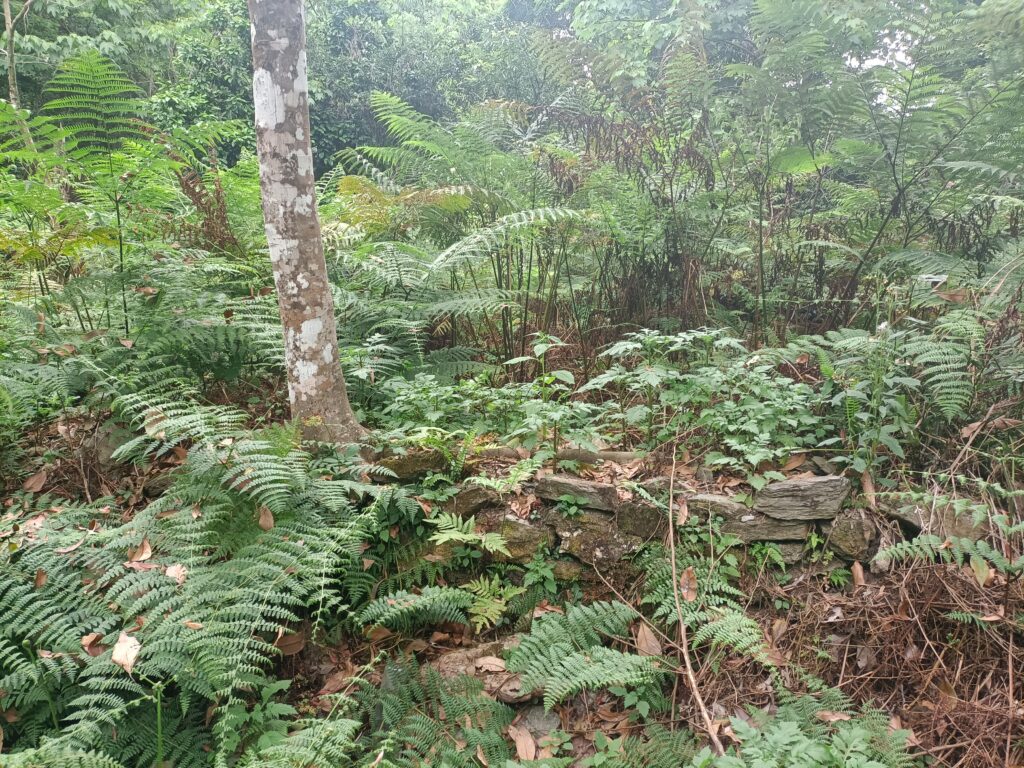
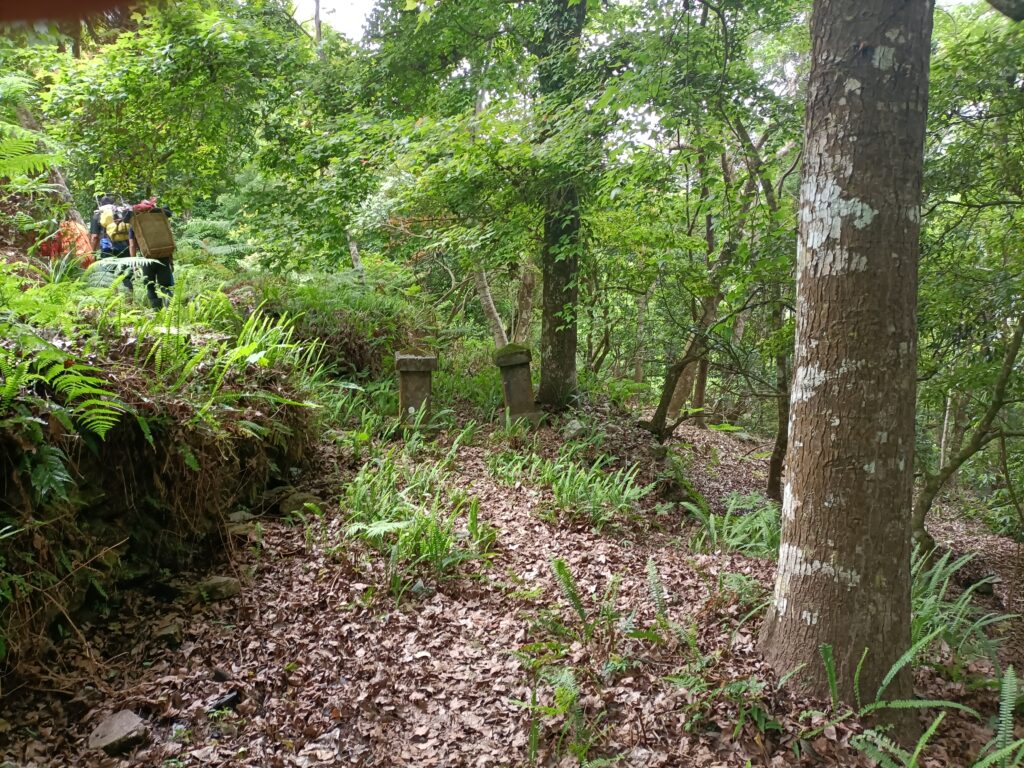
The village was one of many in the hinterlands of Nanao. The Japanese forced the Atayal to build good roads between the villages in order to better control them. At the same time, they set up schools and basic provisions. Not much remains of the village today. The walls give a hint of its original size.
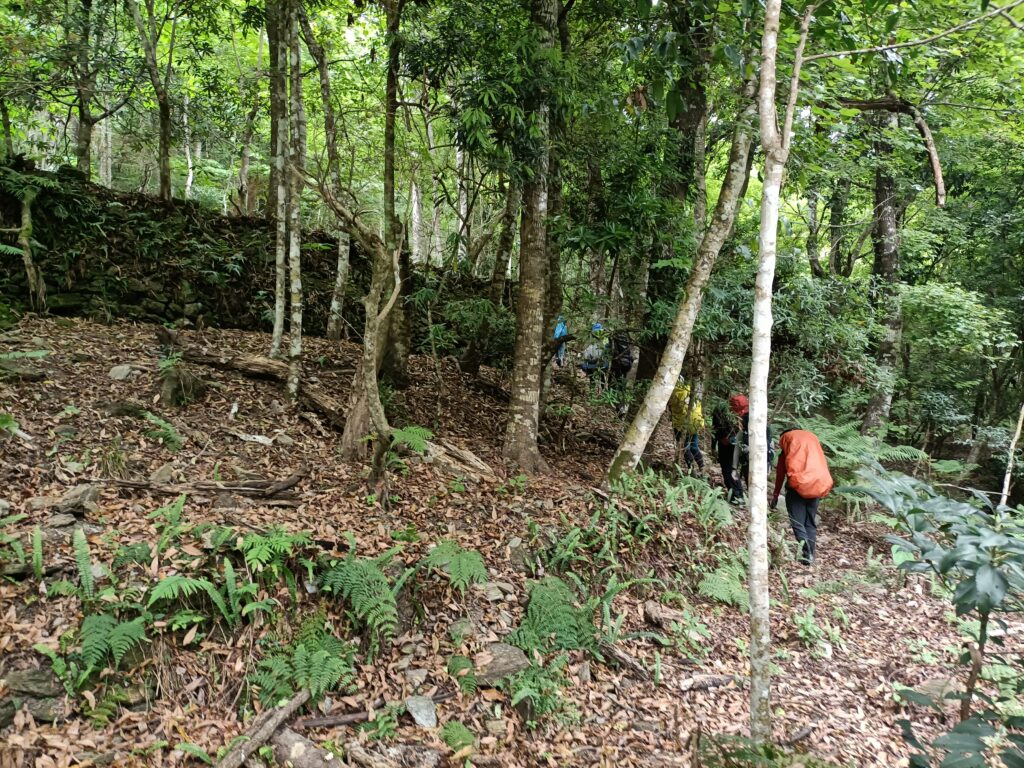
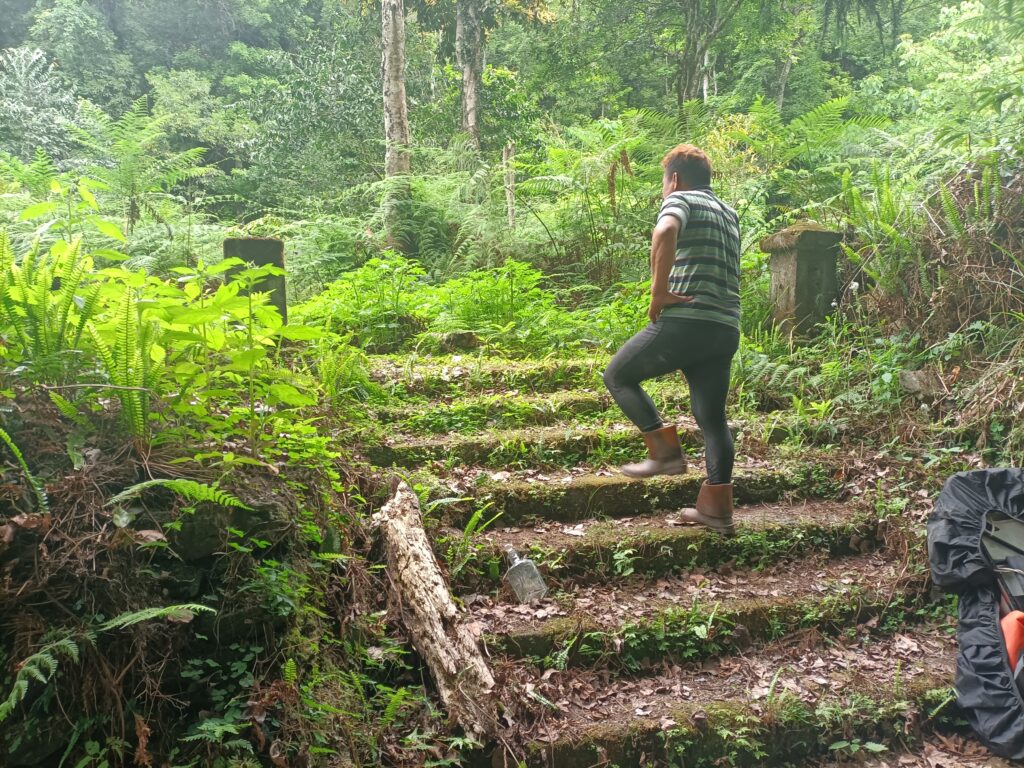
The entrance
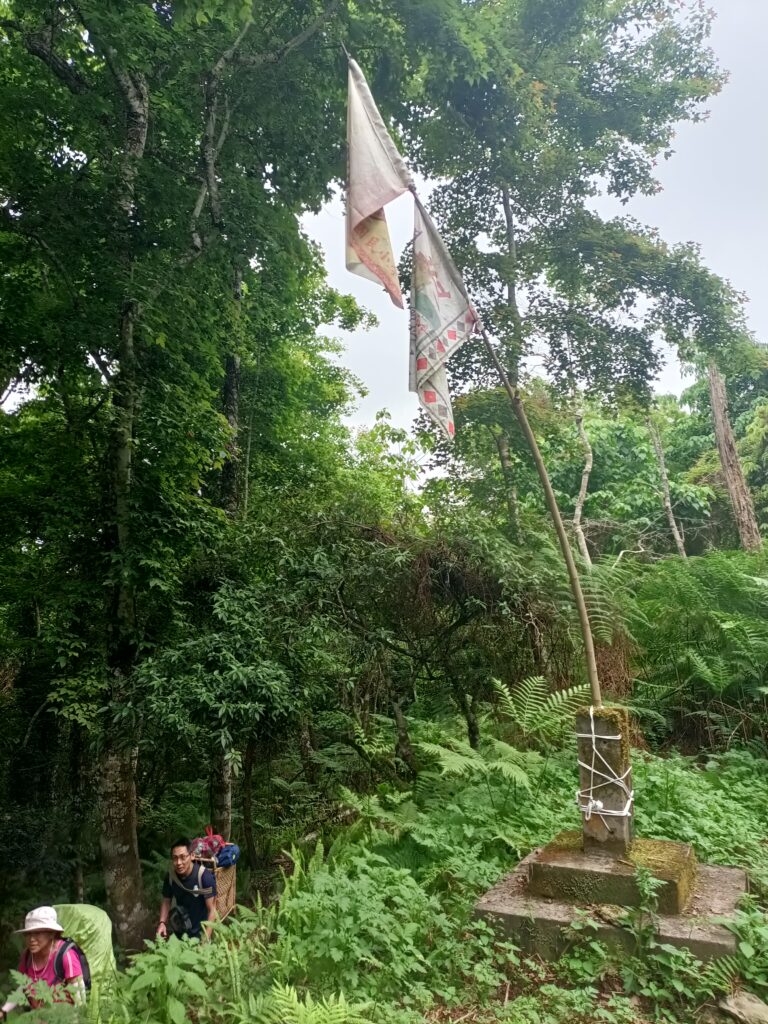
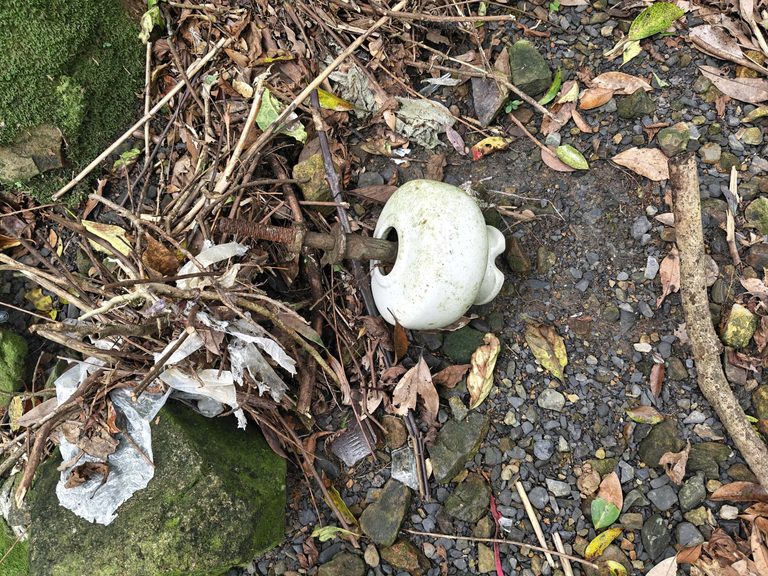
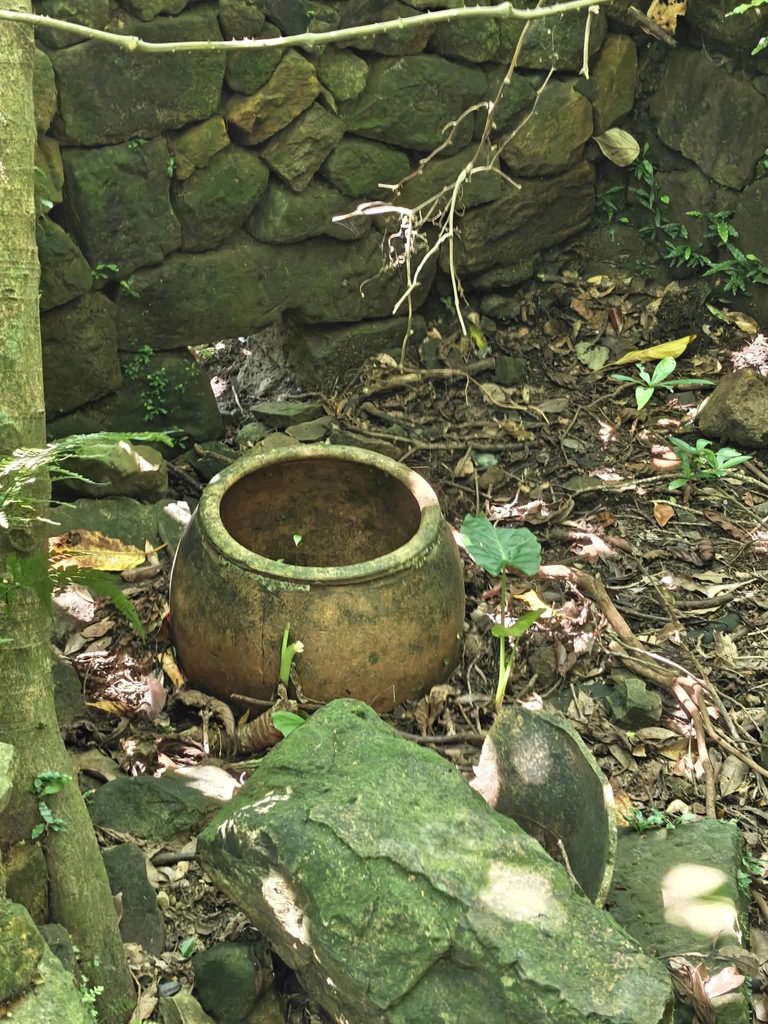
There is not so much left.
Core elements of the Atayal culture
Before discussing revitalization, the core elements of the culture should be explored. They were shaped by a harsh life in the unforgiving nature of Taiwan. The people were hunters, gatherers, and partly farmers. Technically, their development was limited. Out of these circumstances, their culture emerged. Men and women lived in separate spheres—for example, it was forbidden to touch each other’s tools. Women were not allowed to hunt. There were unwritten rules governing communal life, known as Gaya or Gaga. These were not written laws, and there was no formal enforcement. Those who broke the rules brought misfortune upon themselves, their families, or even the entire buluo (village community).
In the words of my language teacher:
It is unusual for us that young people study for a long time and remain dependent on their parents. Atayal are expected to grow up as quickly as possible and take care of themselves. That’s also why our people still often work as soldiers, construction workers, or nurses today.
A man who has mastered hunting techniques and has killed an enemy is allowed to get tattooed. It is the traditional tattoo on the chin and forehead. The same applies to a woman who has mastered the art of weaving.
How is Atayal society regulated?
It is hard to imagine a society without laws and without legal enforcement. Gaya are these unwritten rules that are passed down through generations. They derive their power purely from being followed and from their embedding in ancestral lineage. Whoever breaks these rules brings misfortune.
When you go to the toilet, please use the one we dug; don’t throw toilet paper around. This happened during the last tour and it was inappropriate. On the following tour, someone actually got injured. (guide in Wuta)
I believe the Atayal have learned to adapt to the circumstances and apply the relevant rules. In some Buluo (villages), there is even a sense of pride: the state’s rules do not apply in their territory.
Whether the government classifies our ancestral land as a national park is of no real concern to us. It is our land, our rules. How is a city police officer supposed to enforce laws deep in the forest? How would he even chase down tree rats?
This is truly the case — the traditional territories are extremely remote and difficult to access. It takes a great deal of experience and physical fitness to enter these areas. Patrols or inspections can realistically only be carried out by the Atayal themselves or by experienced Taiwanese hikers. Many of the trails are not even known to the government. When I enter these areas, I always ask the local people for permission.
(Copyright Claudius Petzold)