ed. 12/2025
West of Tainan, heading north toward Anping, you pass extensive industrial zones. Along what is now only a narrow strip of wilderness, however, a unique ecosystem has survived—the Taijiang National Park (台江國家公園). It stretches from the Southern District up to Qigu. Anyone who wants to observe the black-faced spoonbill, experience a natural habitat, old fields, and traces of traditional culture will find it here. Originally, this area was crisscrossed by canals. Even though there is little to see today, the first skirmishes between Koxinga and the Dutch took place here. The area is still intersected by several roads, but not all of them should be driven on.
Salt Police Watchtower (頂山鹽警槍樓)
Built in 1949, this structure was originally an abandoned outpost of the Third Security Corps.
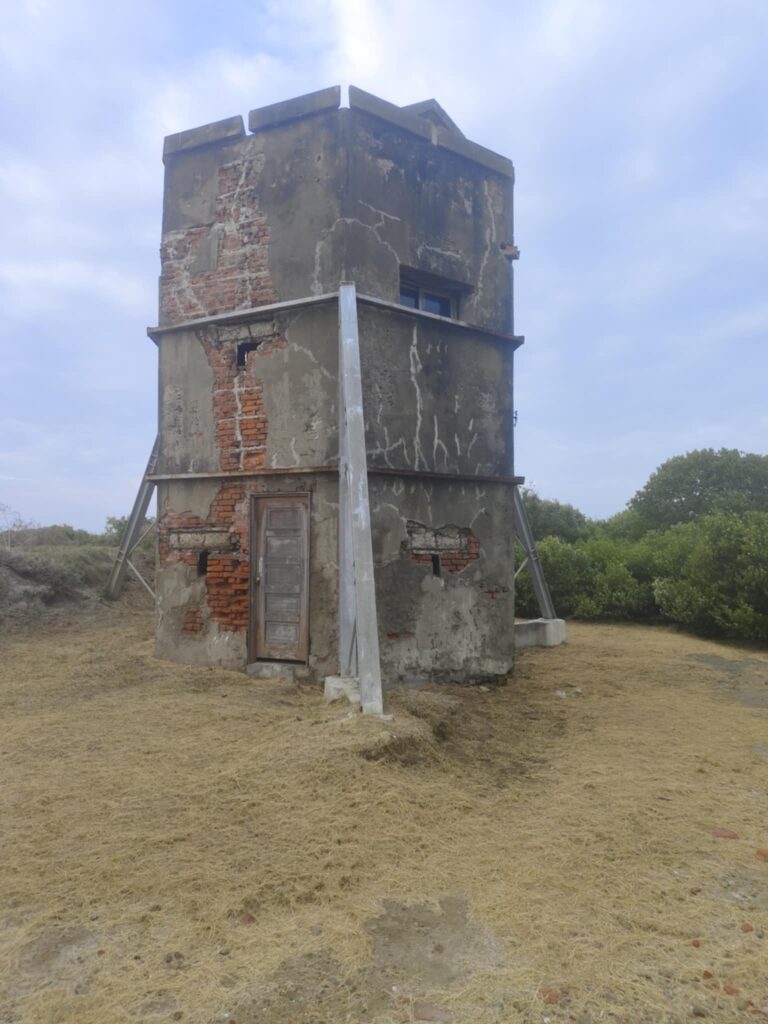
Historical Overview: Before the 1960s, the government’s fiscal revenue relied heavily on salt tax income. The glistening white salt crystals in the salt fields were often referred to as “white silver” due to their economic value. To ensure the effective collection of the salt tax and strengthen national finances, a comprehensive monitoring system was established to oversee production, transportation, and sales.
As part of this system, various buildings were constructed to house the Salt Police, whose presence was widespread throughout the salt fields to maintain regulatory control. Until the abolition of the salt tax in 1977, Salt Police officers were stationed in watchtowers, where they worked in cramped conditions. Each tower accommodated five to six officers and was equipped with a kitchen and beds, allowing for basic self-sufficiency. Today, only two watchtowers remain at the Qigu Salt Fields, located in Dingshan and Taiqu. The watchtower in Taiqu is in a more deteriorated state.
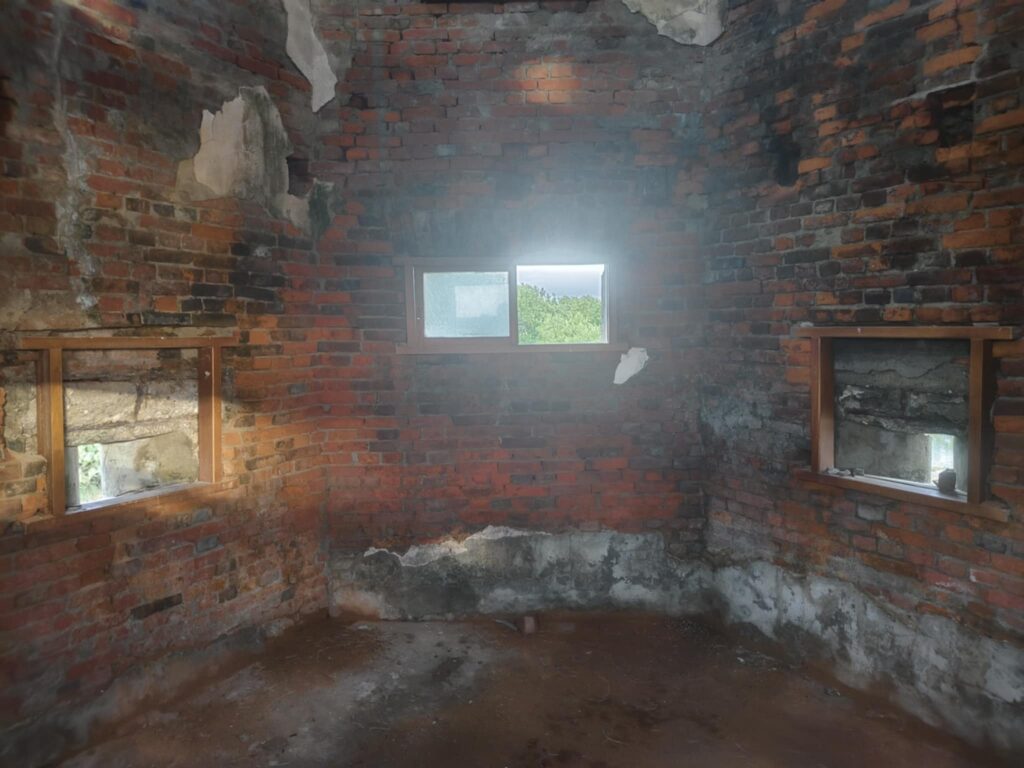
The watchtower has a hexagonal floor plan and a tower-like structure with a brick façade. It is equipped with machine gun ports and sniper loopholes. The interior is severely damaged, with structural walls showing cracks extending from the top to the foundation. It is already supported from the outside. It was registered as a national heritage site, and there were also private efforts to save it. Unfortunately, nothing was achieved.
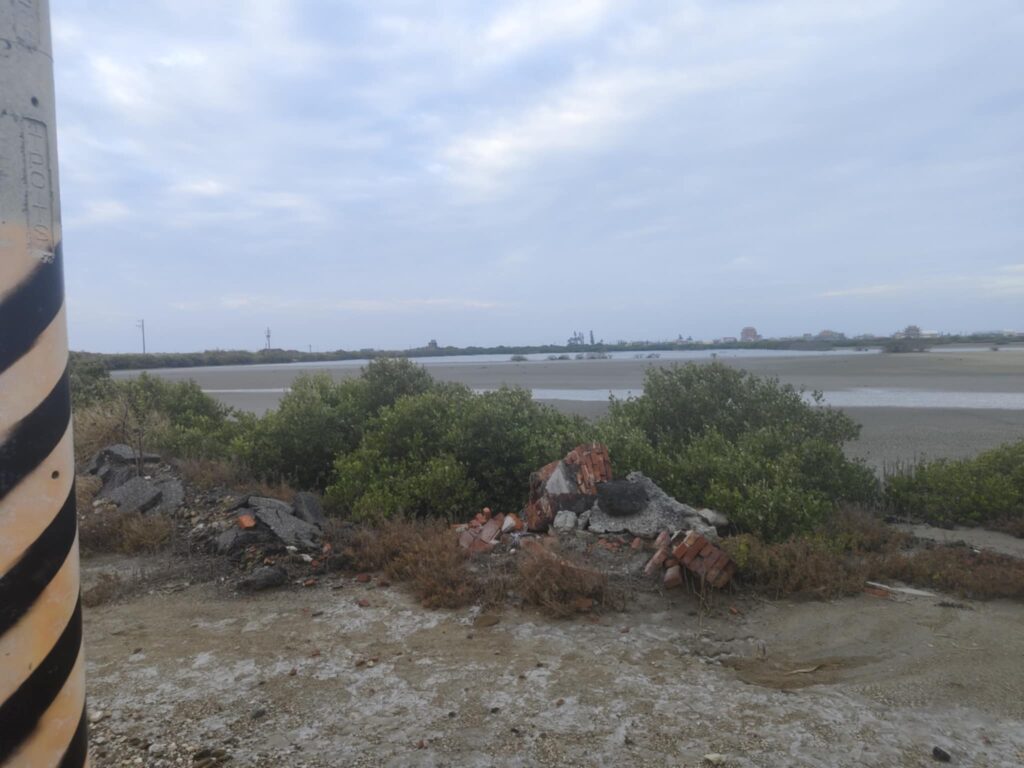
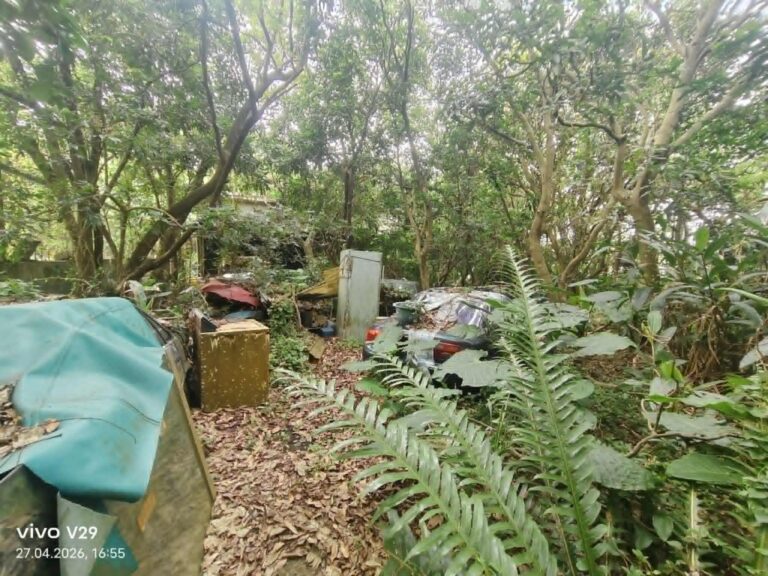
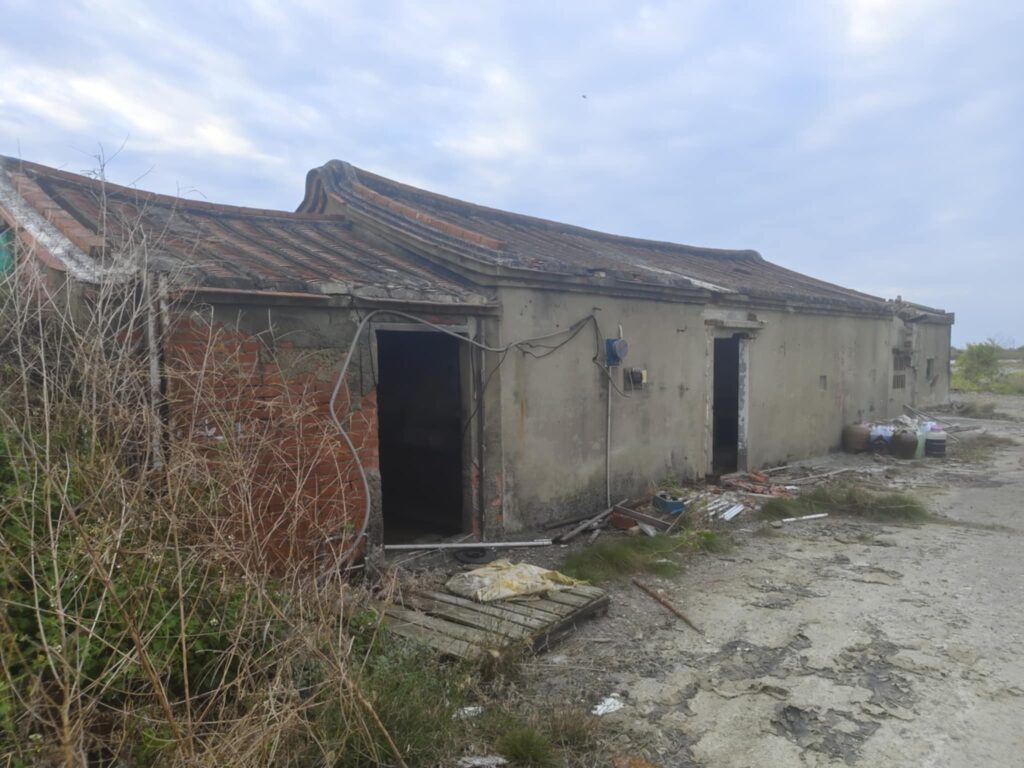
The area around the tower is now abandoned; everything feels very gloomy and lonely, especially when it’s cloudy. Some houses still remain.
For animals, it has now become a refuge, as they do not expect visitors, allowing one to get quite close to them. The canal systems are still recognizable.
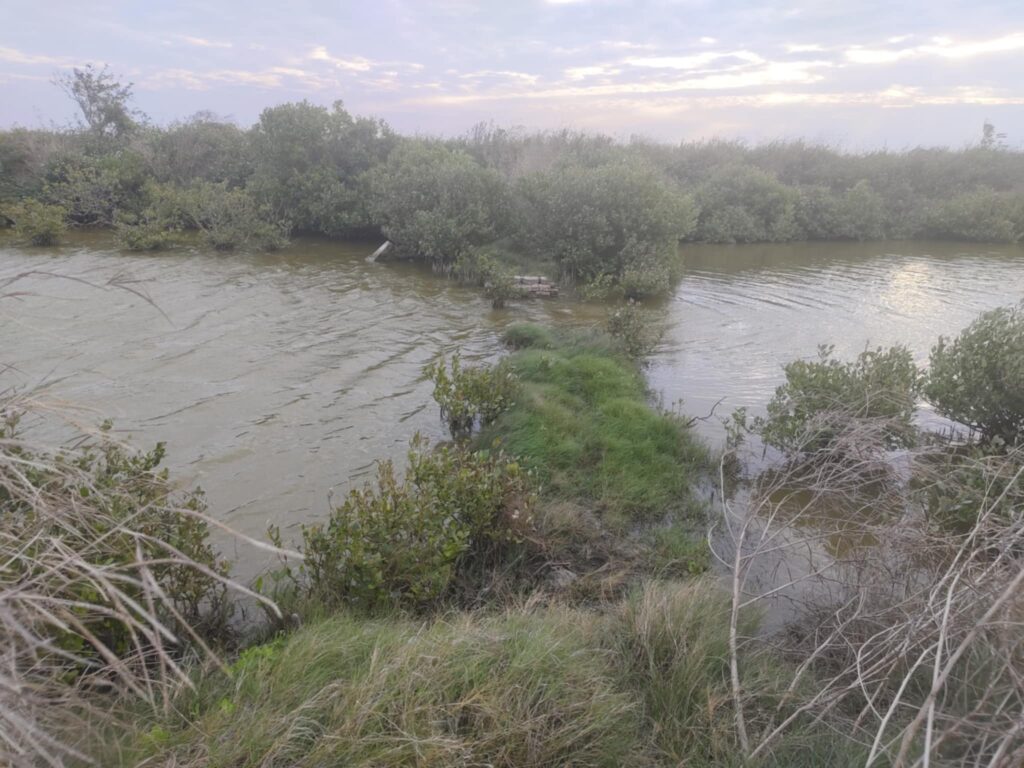
The area and its history become depressing in winter.
Quelle: https://data.boch.gov.tw/upload/documents/2019-01-08/5994b9fb-8407-4837-86df-2398411b65ba/%E4%B8%83%E8%82%A1%E9%A0%82%E5%B1%B1%E9%B9%BD%E8%AD%A6%E6%A7%8D%E6%A8%93%E6%B8%85%E5%86%8A.pdf
Anshun Salt Field
The Anshun Salt Fields were further expanded and developed by the Japanese from 1921 onward. Here, the Anshun fields were considered rather second-rate in terms of quality. The salt field was constructed by isolating seawater.
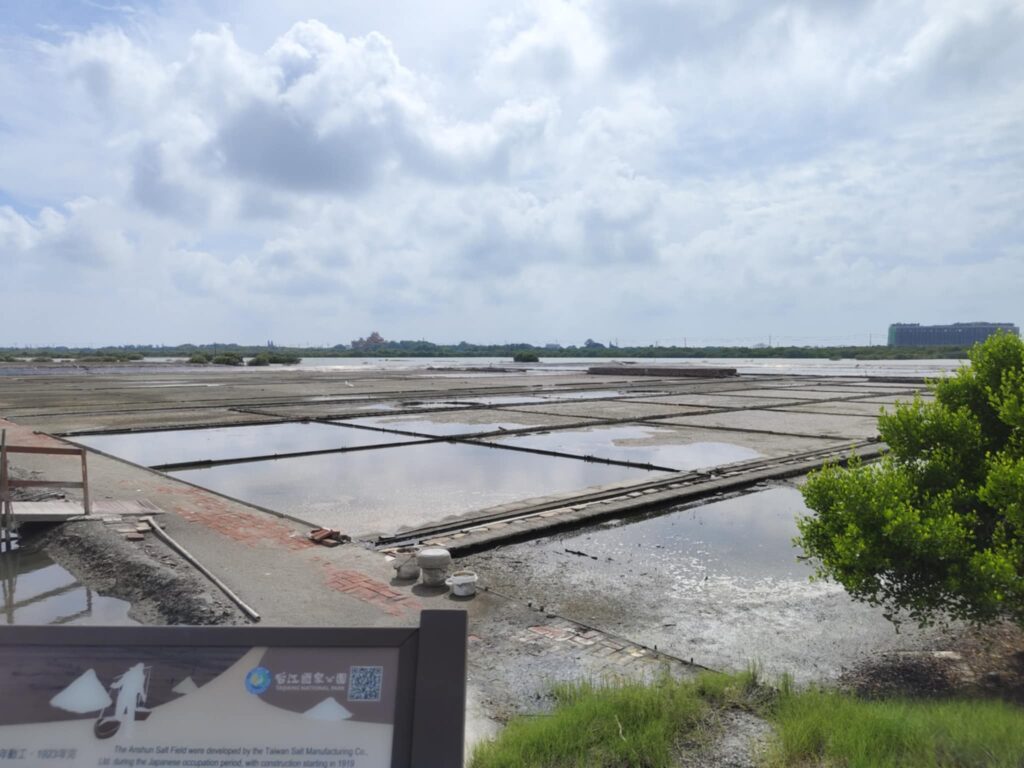
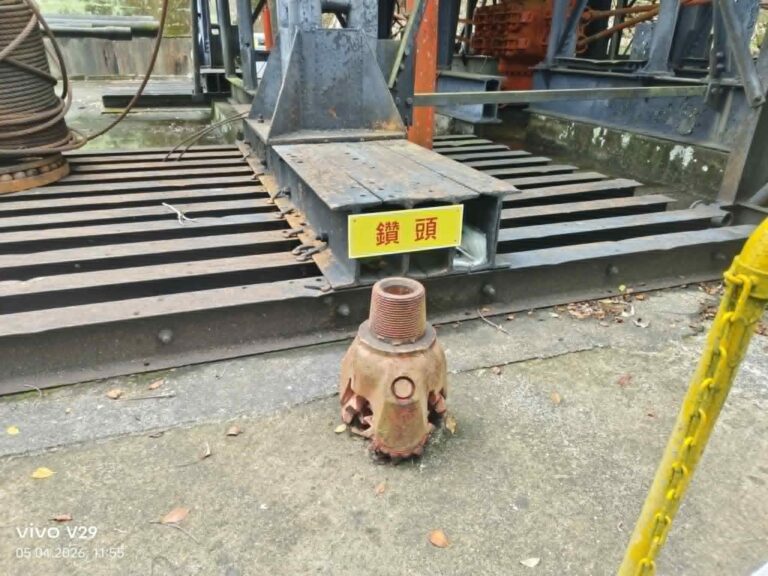
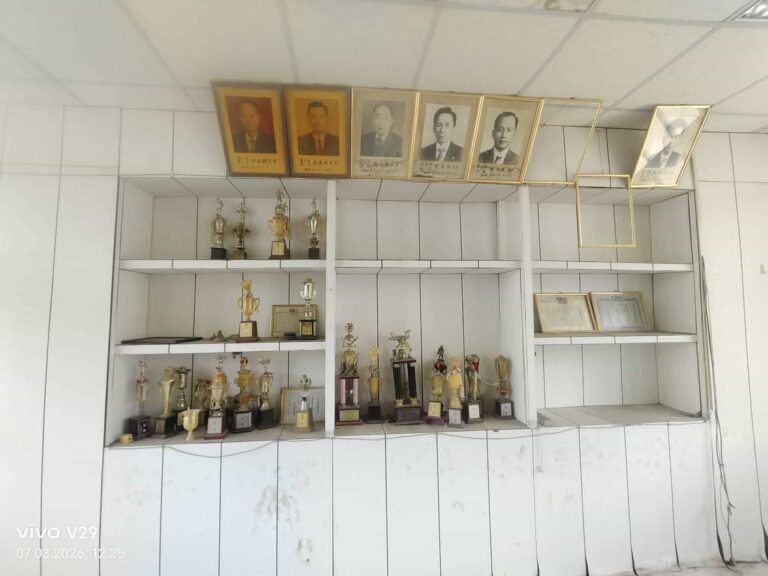
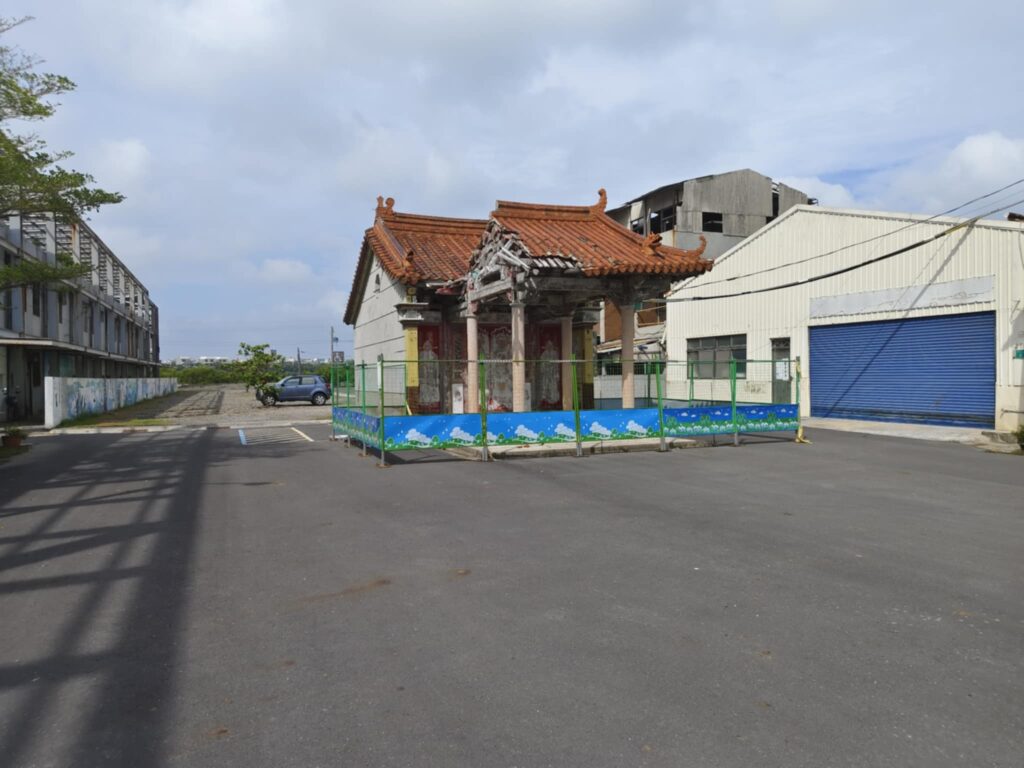
At first, you pass residential buildings that I estimate to be about 60 years old. They are run down; one building once housed a museum with a safe and working equipment, but it is now decaying. Some of the buildings are likely to be partially demolished, including the Tudigong shrine.
The “Half Salt, Half Brine” harvesting method: The internal structure of the Anshun Salt Field was the most advanced of its time. In addition to producing sun-dried salt for the Japanese, brine was directly boiled into salt to increase output. The sun-dried salt was transported by rail directly to a warehouse and then shipped from there to Anping by waterway.
Using the transportation canal as a boundary, the salt pans were divided into eastern and western sections. The western half consisted of sun-dried salt pans (tile-paved salt pans) with 92 pairs of tiles, and the salt produced there was transported along the canal to Anping Port for export. In the eastern half, there were 105 salt pans for brine harvesting (brine-style clay-paved salt pans). These brine-harvesting pans had no crystallization ponds; instead, ditches were built to allow a 4-inch-diameter iron pipe to pass through the brine channels and transport the brine under pressure to the Anping salt-boiling factory, where refined salt was produced.
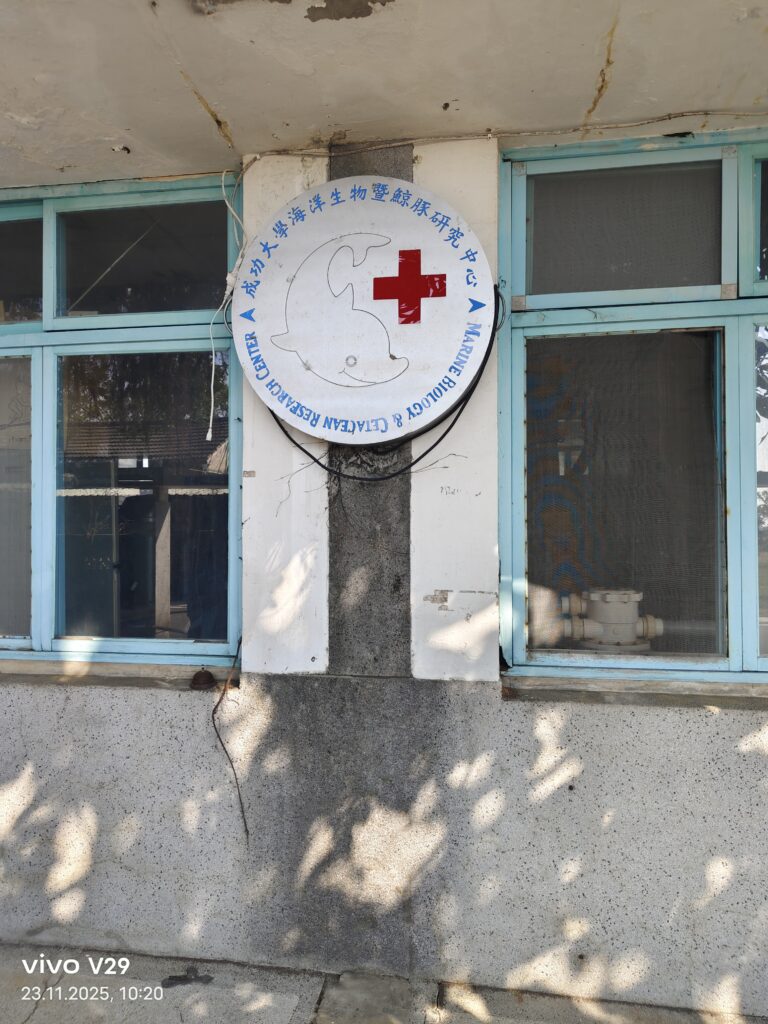
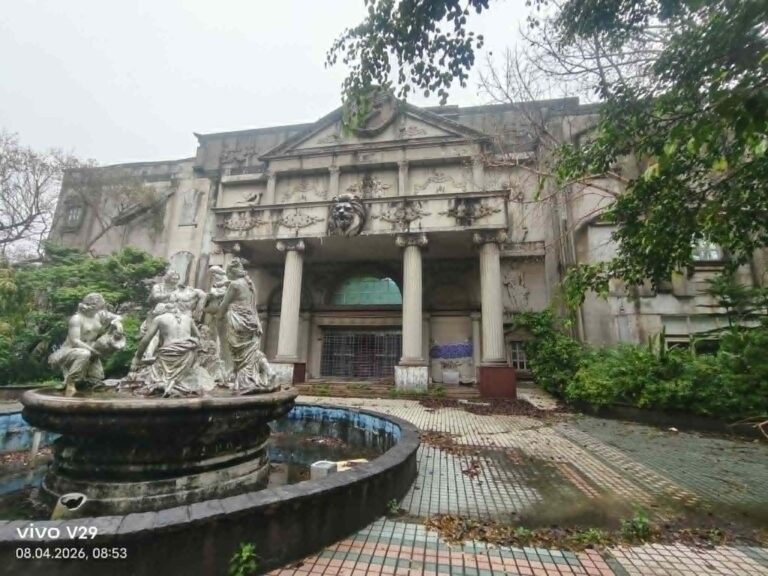
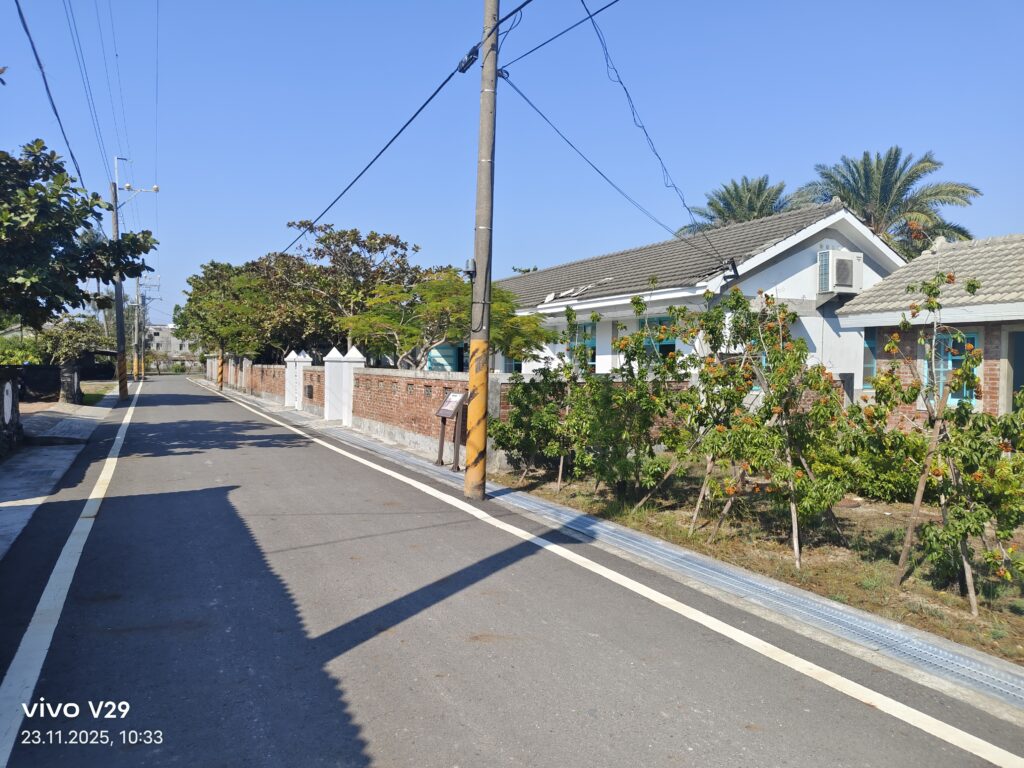
Continuing on, you reach the original village, where some houses are still well preserved while others have fallen into ruin—here, nearly 100 years of generations seem to overlap. There was a medical station as well as water-treatment facilities.
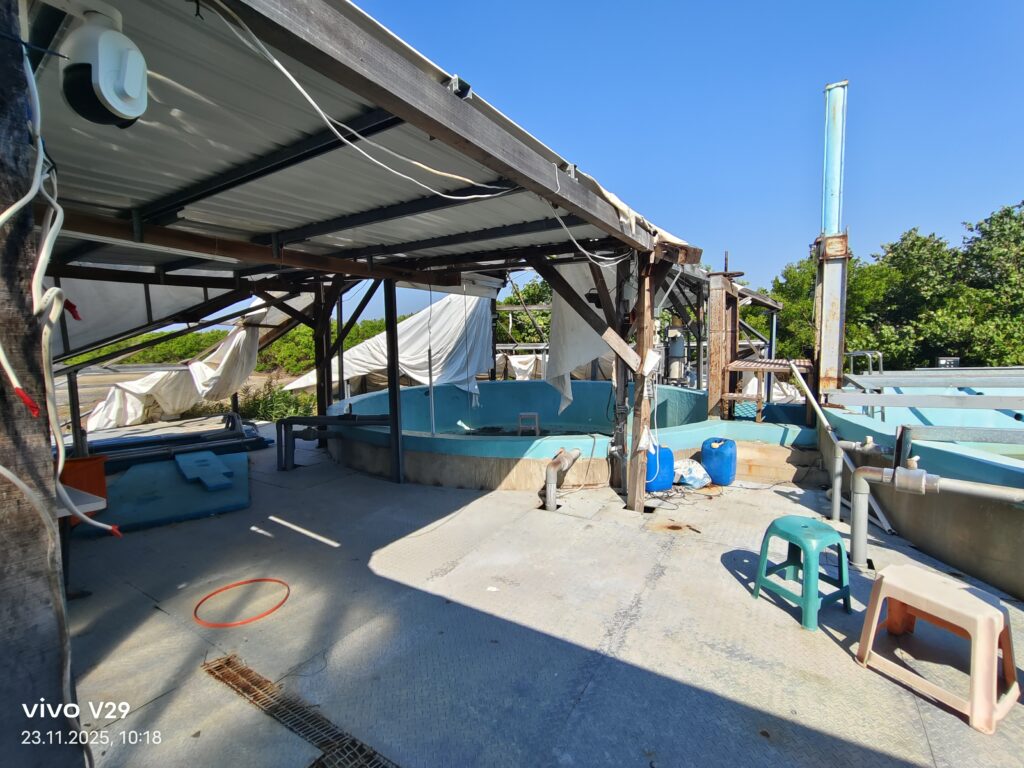
The English-language museum provides an excellent impression, making further explanations almost unnecessary. In the rear area, additional buildings have been preserved, along with several steps of the former harbor (原安順鹽場運鹽碼頭).
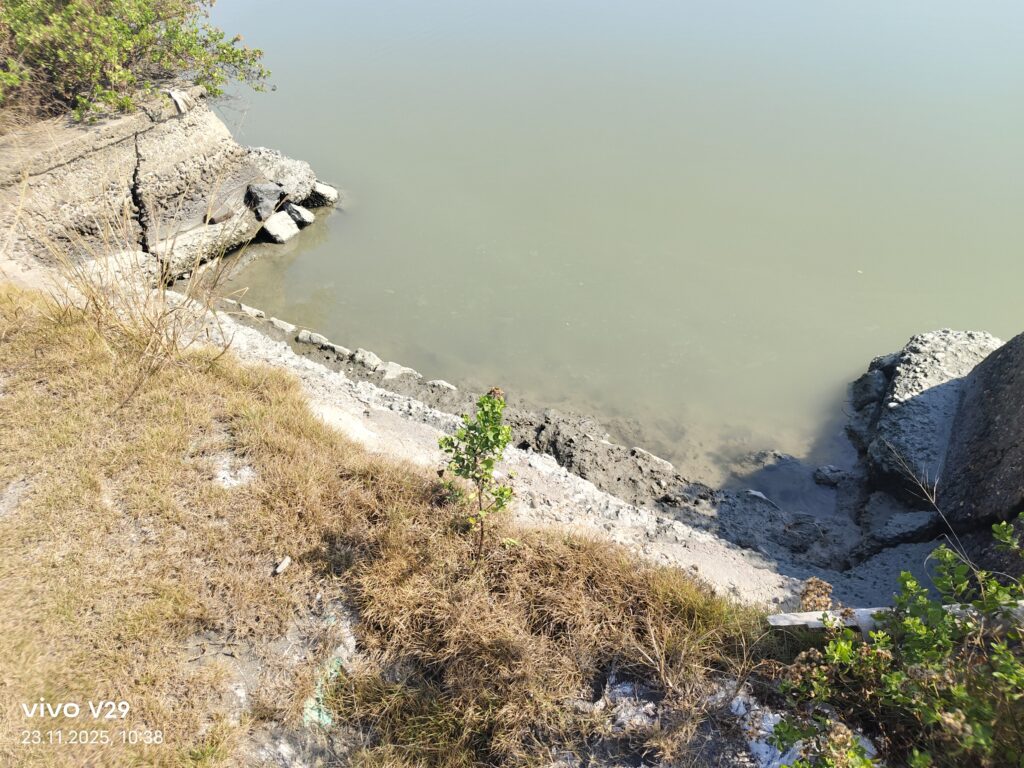
The southern part of the Anshun Salt Field has become a wild bird reserve, while the northern part has become part of the Tainan Technology Industrial Park.
Fort Zeeburg
In the summer of 1624, ships of the Dutch East India Company (VOC) moved from Penghu to Taiwan and constructed Fort Zeelandia on the sand dunes. At the same time, they built a Dutch trading post on the southern tip of Beishanwei Island, opposite the fort, to facilitate trade with Chinese and Japanese maritime merchants.
To further strengthen and secure the Fort Zeelandia stronghold, the Dutch built a bastion on Beishanwei Island in 1627, known as Redoubt Zeeburg (Redoudt Zeeburch), that is, the Sea Fort. Together with Fort Zeelandia, it formed a mutually supporting defensive position to safeguard the shipping routes of the time and to control the surrounding waters of the Taijiang area.
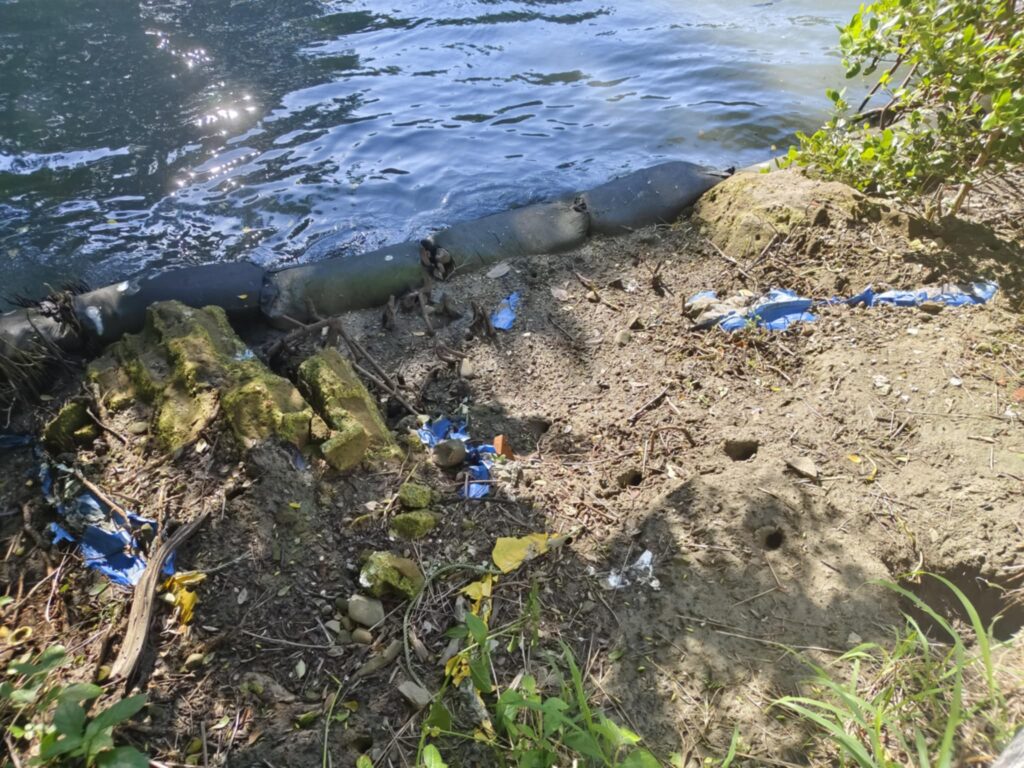
The remains (really)
(Copyright Claudius Petzold)