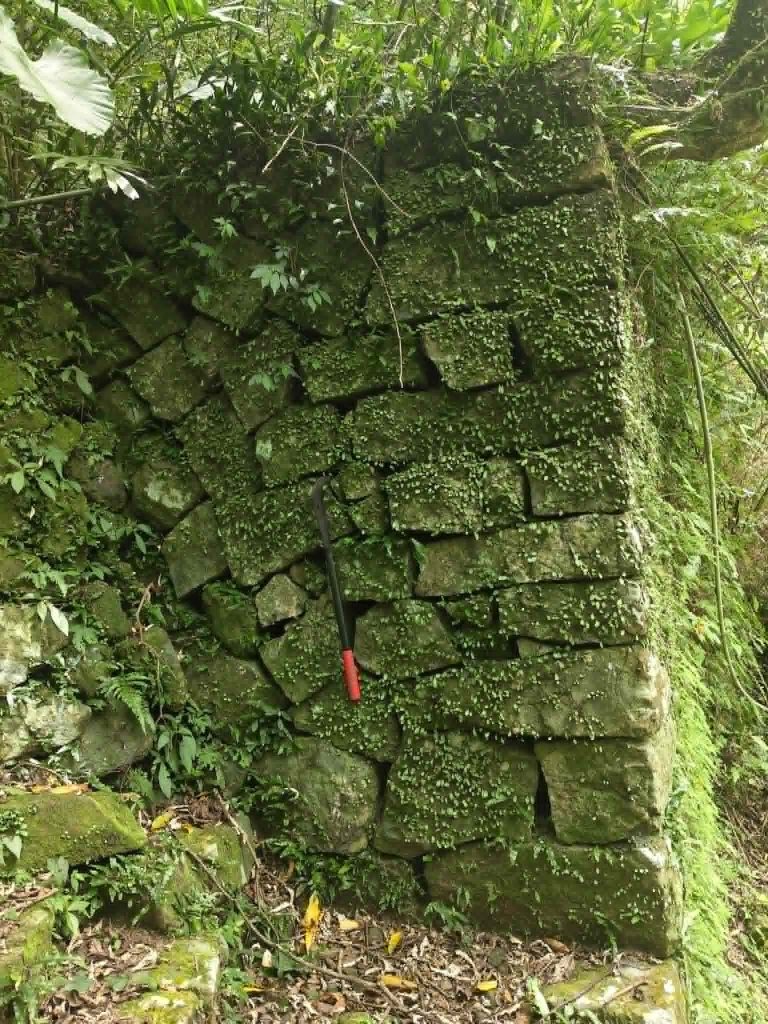
ed. 2026/6/11
risky, holes, stray dogs, green frogs
The site is linked to the company Yu-Hong Technology (宇鴻科技), formerly known as Kun-Ye Incineration Plant (坤業焚化廠). The facility was investigated due to environmental issues and violations, which led to orders for its shutdown and subsequent cleanup measures. It has been closed since 2018, following a 2015 directive issued because of pollution in the Shenmei Pond. It is a typical example of the weak environmental awareness and negligence of government authorities in earlier years.

(An earlier photo — the technical installations on the left have already been removed. https://www.chinatimes.com/realtimenews/20230131003926-260402?chdtv)
Investigations by environmental agencies revealed serious violations, including the uncontrolled discharge of contaminated water. The Taoyuan City Government demanded more than NT$200 million in compensation from the company for cleaning up both the pond and the waste materials on its premises. According to the Environmental Protection Bureau, the remediation of Shenmei Pond alone cost about NT$150 million, and an additional NT$60 million was spent between 2017 and 2018 to remove industrial waste from the site.
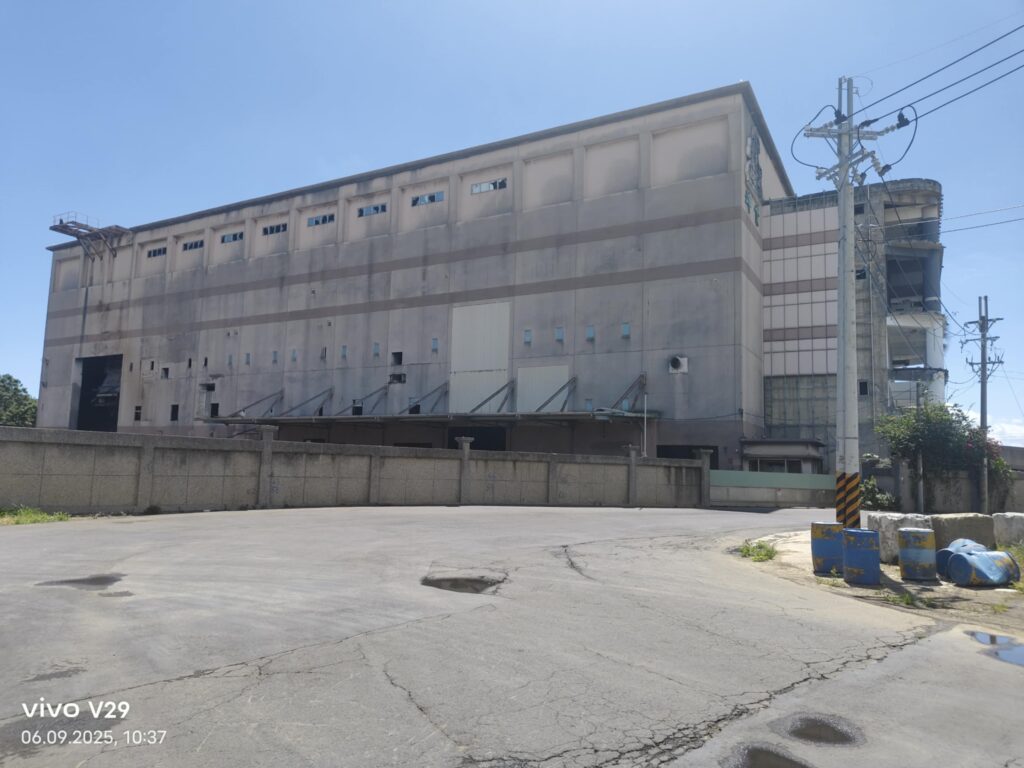
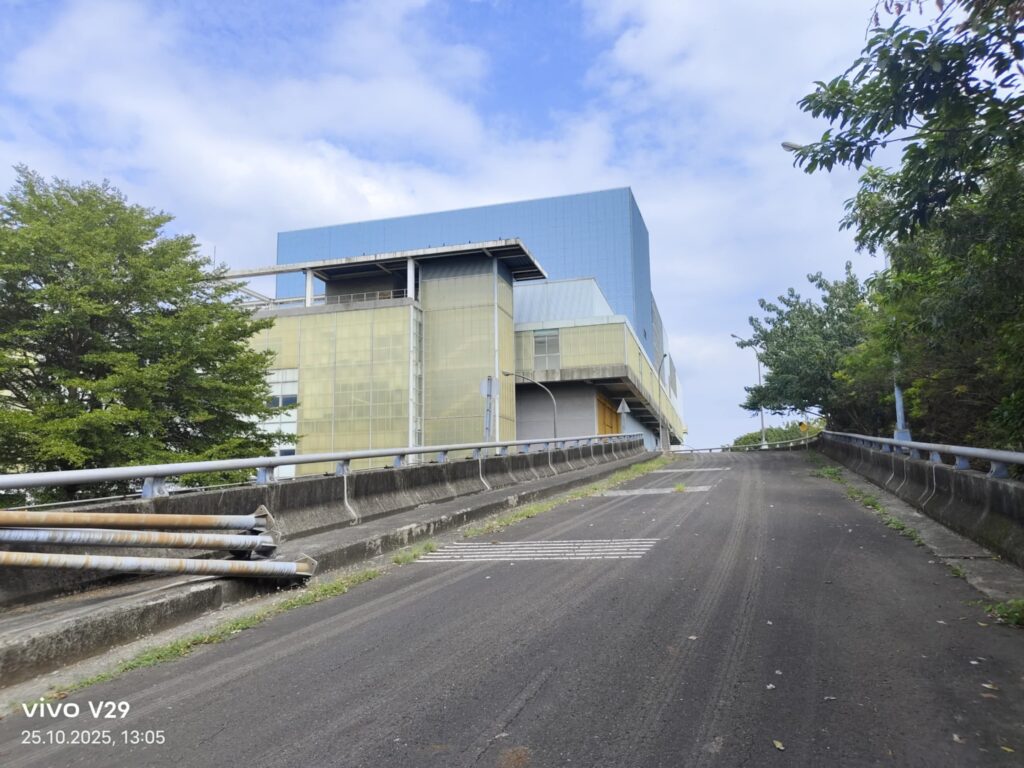
(today)
Since Yu-Hong Technology has failed to repay these expenses, the Enforcement Agency initiated compulsory execution proceedings. Although the Shenmei Pond cleanup and the removal of waste within the plant site have been completed, soil tests revealed that contamination levels still exceeded legal limits. In October 2016, the Environmental Protection Bureau officially designated the site as a Soil Pollution Control Site and Control Area. To lift this designation, the owner must conduct a detailed investigation to determine the extent and concentration of contamination — a process that is unpredictable and potentially very costly.
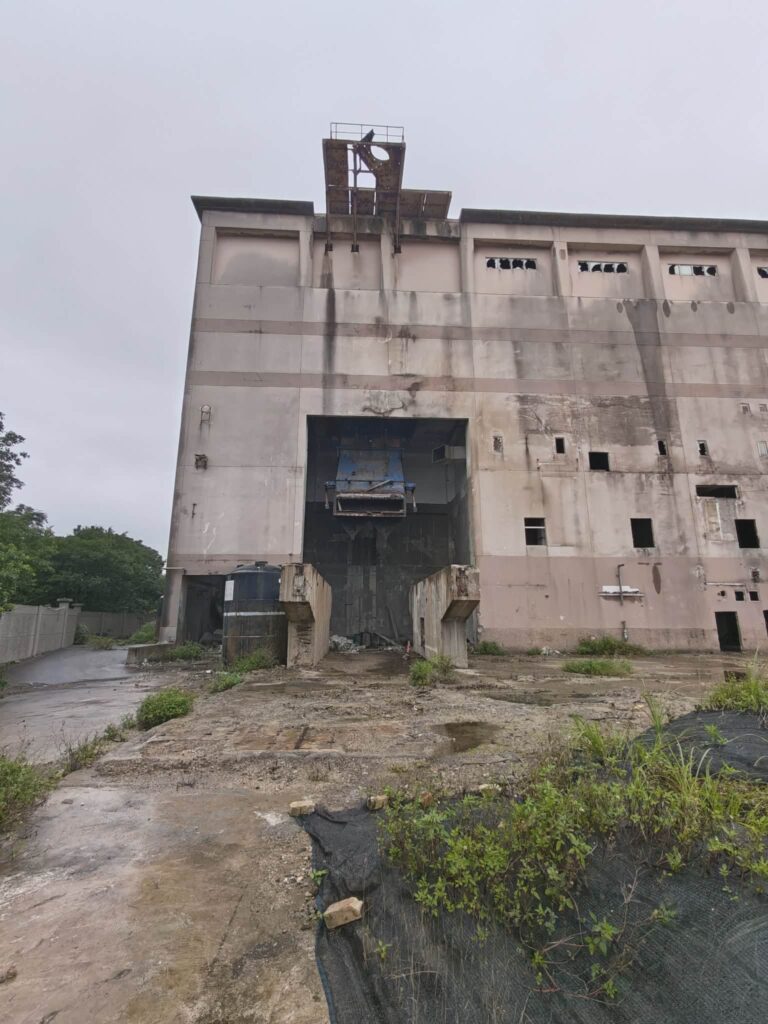
(An photo — without technical installations.)
The Taoyuan Branch of the Administrative Enforcement Agency has since put the plant up for auction, with a reserve price of about NT$120 million. However, because the site has been designated as a Soil Pollution Control Site and Restricted Zone, potential buyers must also take into account the high cost of subsequent soil remediation. The property is now being auctioned for the third time, with the base price lowered to around NT$120 million.
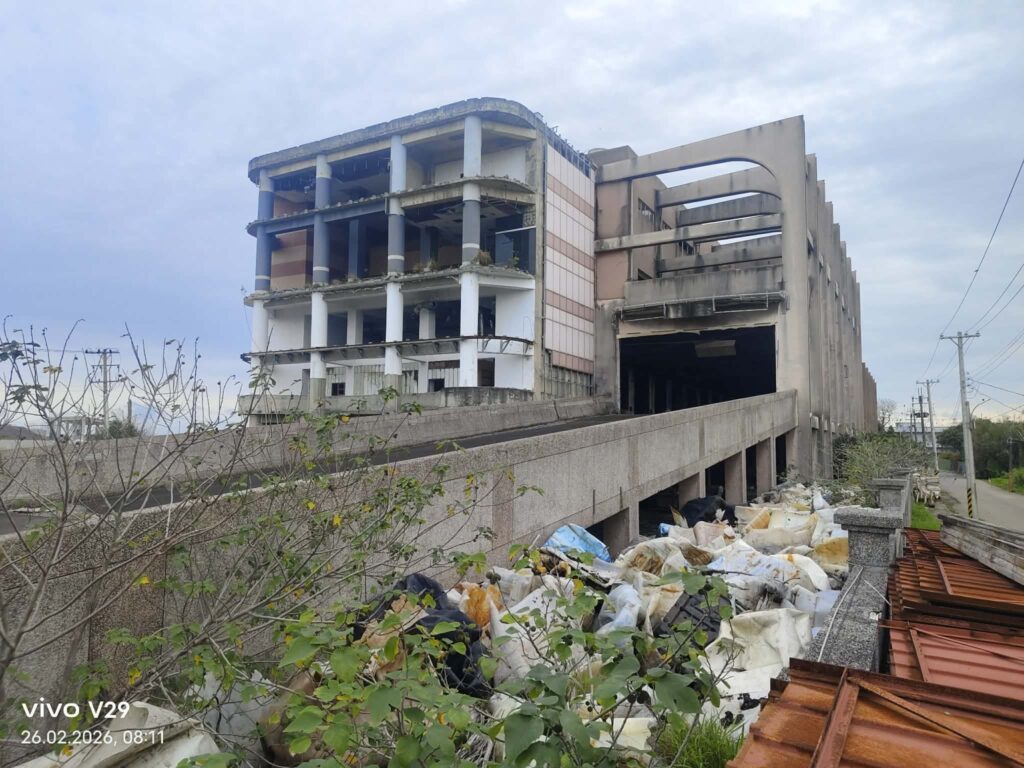
The land lies within the Phase 2 Taoyuan Aerotropolis expropriation zone and is classified as special agricultural land. Based on current market values of NT$70,000–80,000 per ping, the land could be worth about NT$240 million if resold after acquisition. However, land reference data indicate the presence of buried slag and industrial sludge, meaning that buyers must carefully assess remediation costs and the likelihood of the land being resold at market value. Numerous construction activities can be observed in the surrounding area.
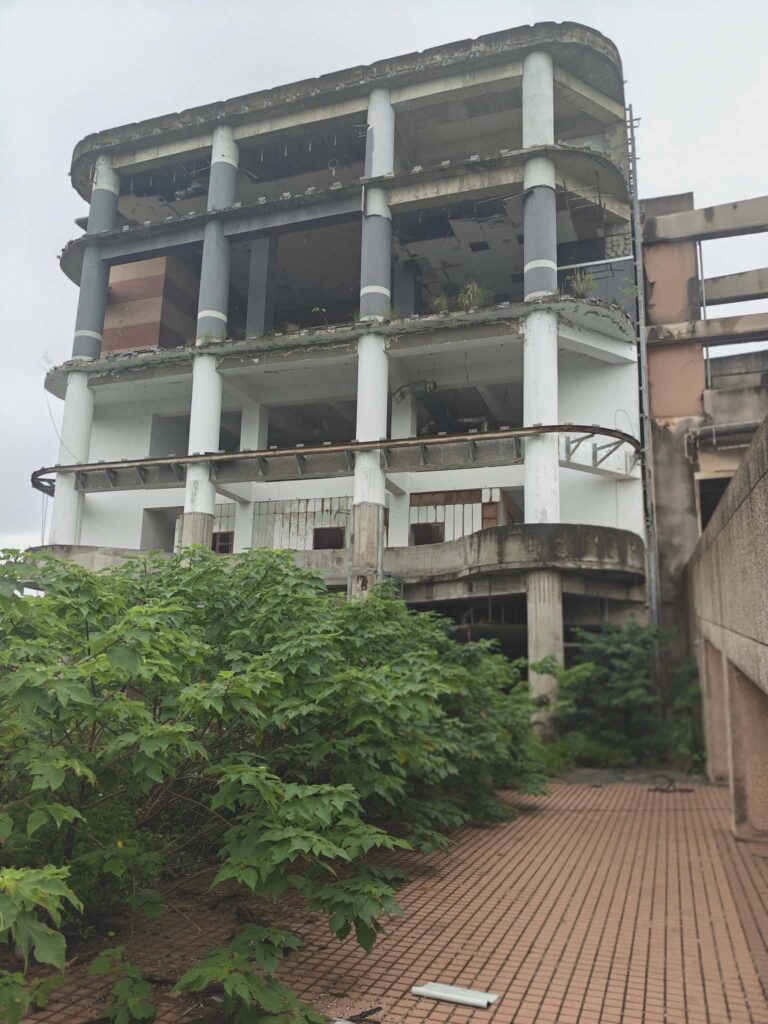
Unfortunately, this beauty is facing her final farewell, so I felt I had to pay her one last visit. Of course, I am sharing our farewell photos. Due to aging and her former use, the smell inside is extremely intense. How the stray dogs manage to survive here is beyond me.
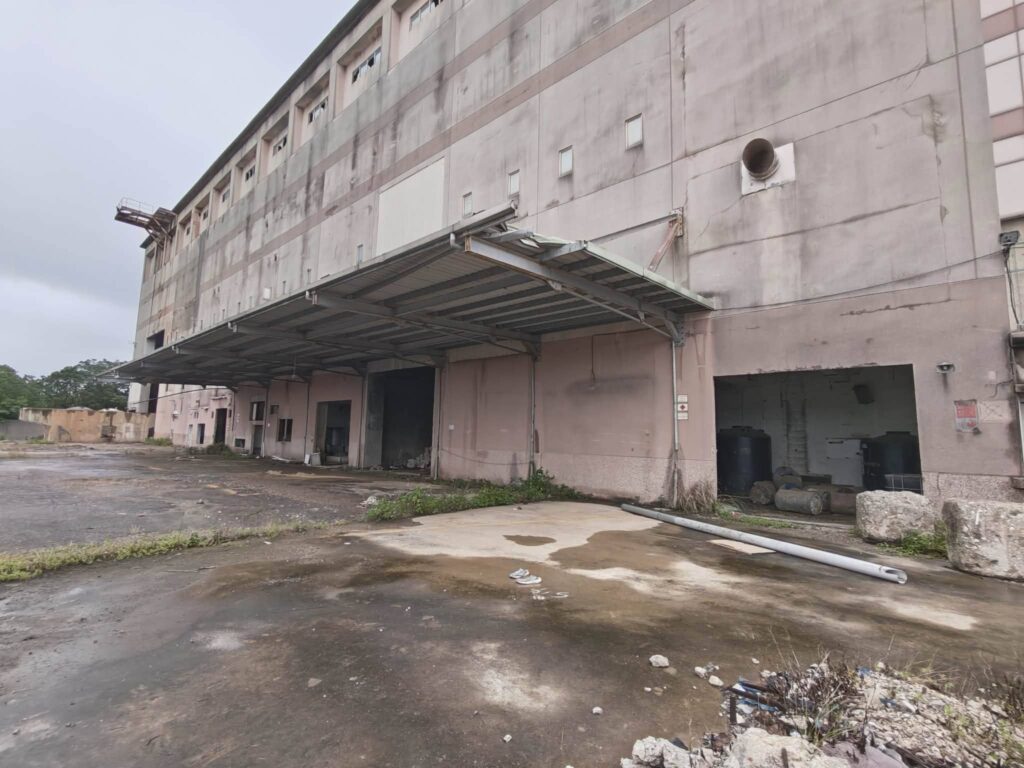
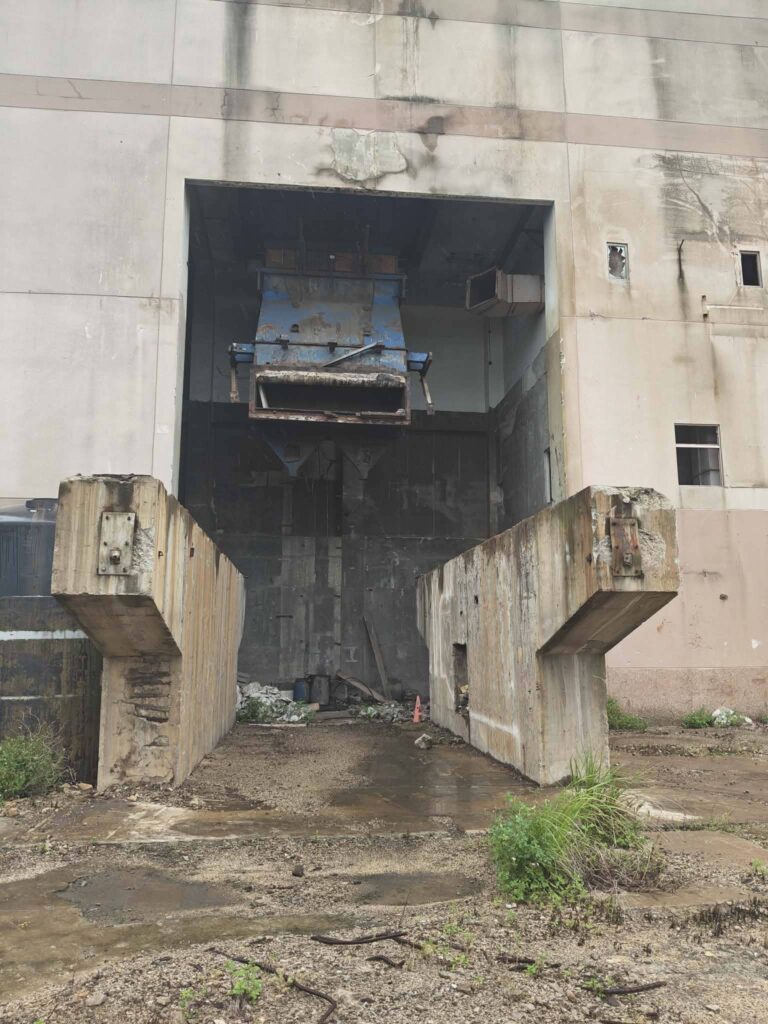
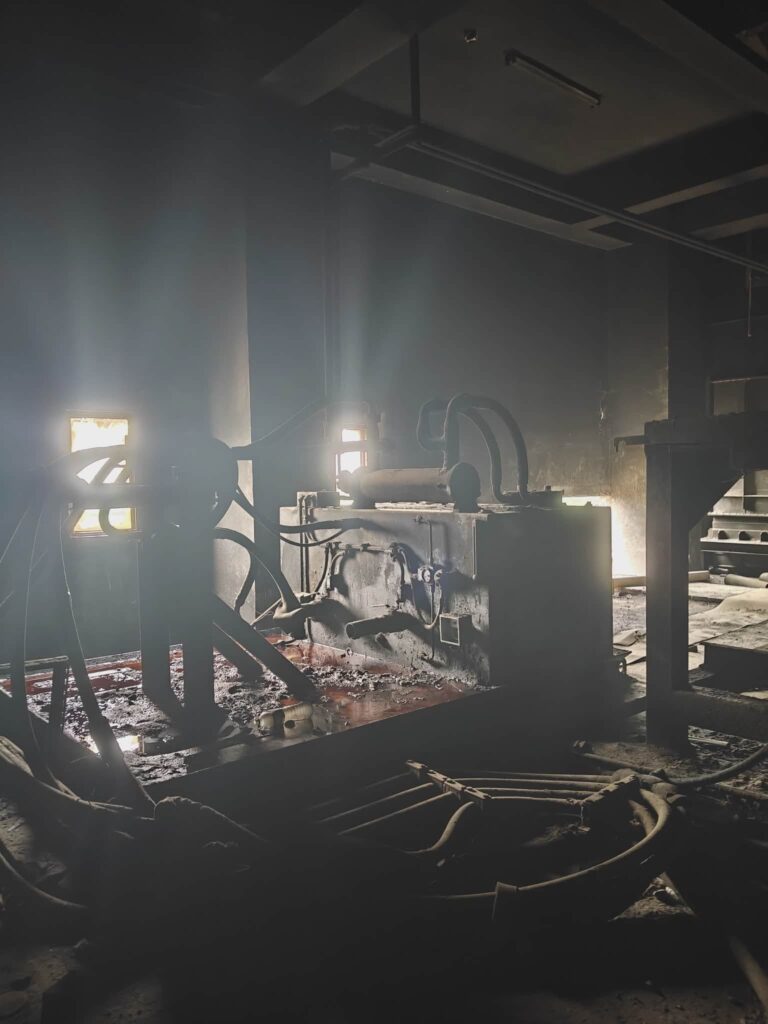
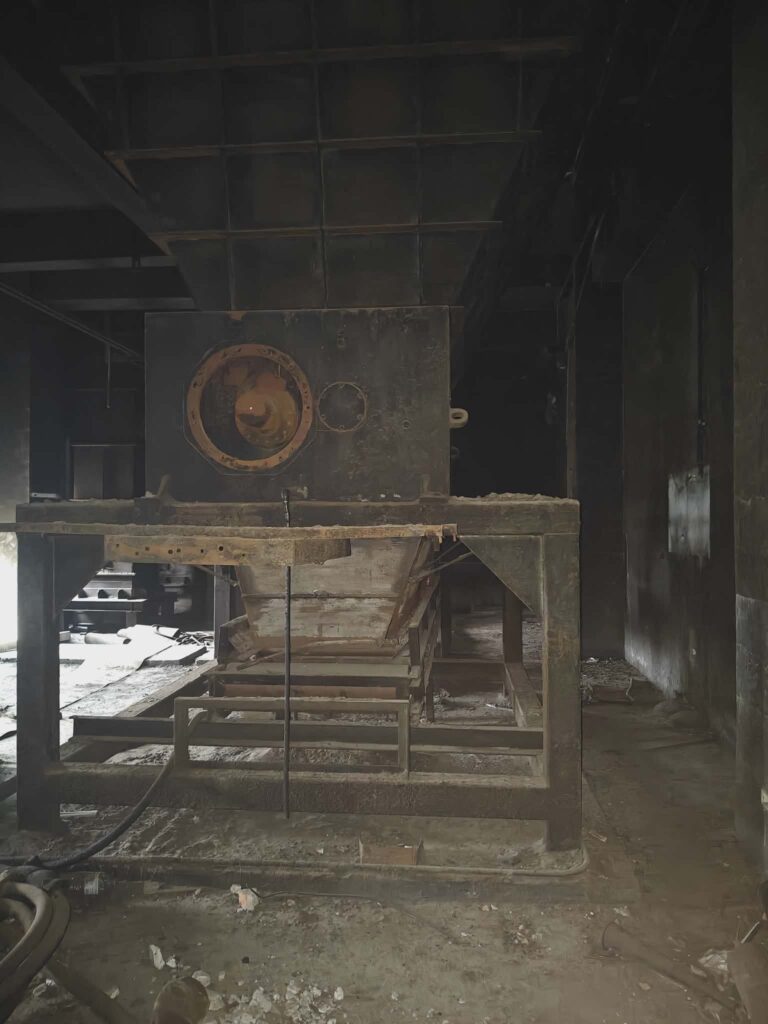
(The remains of the incineration unit.)
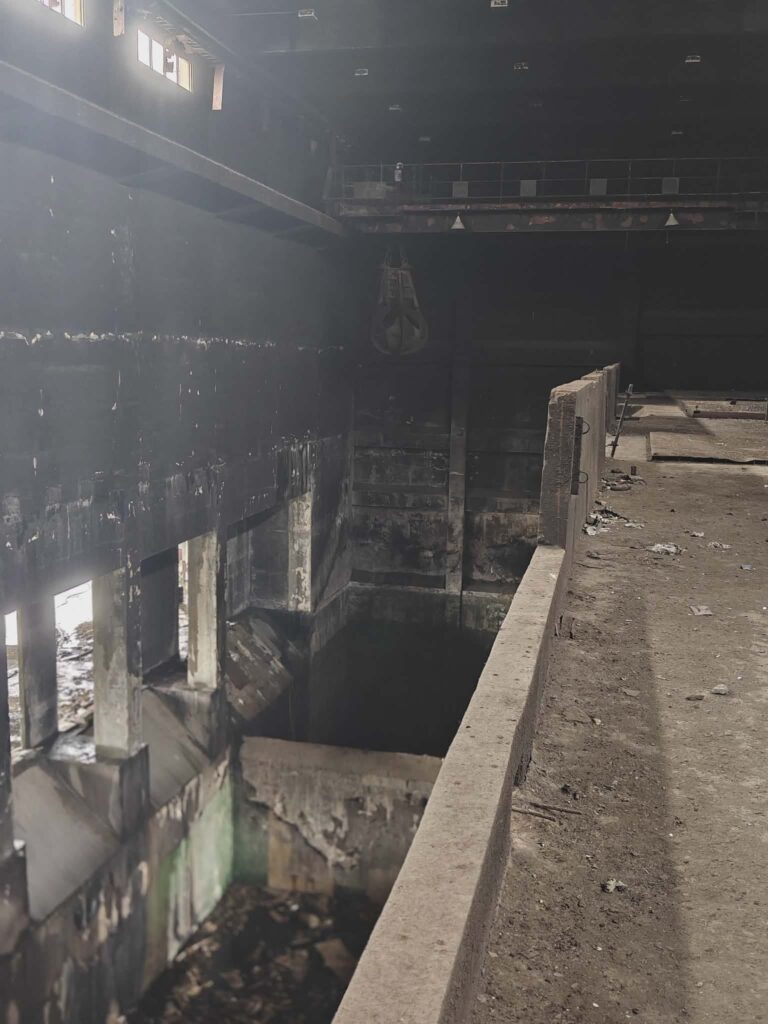
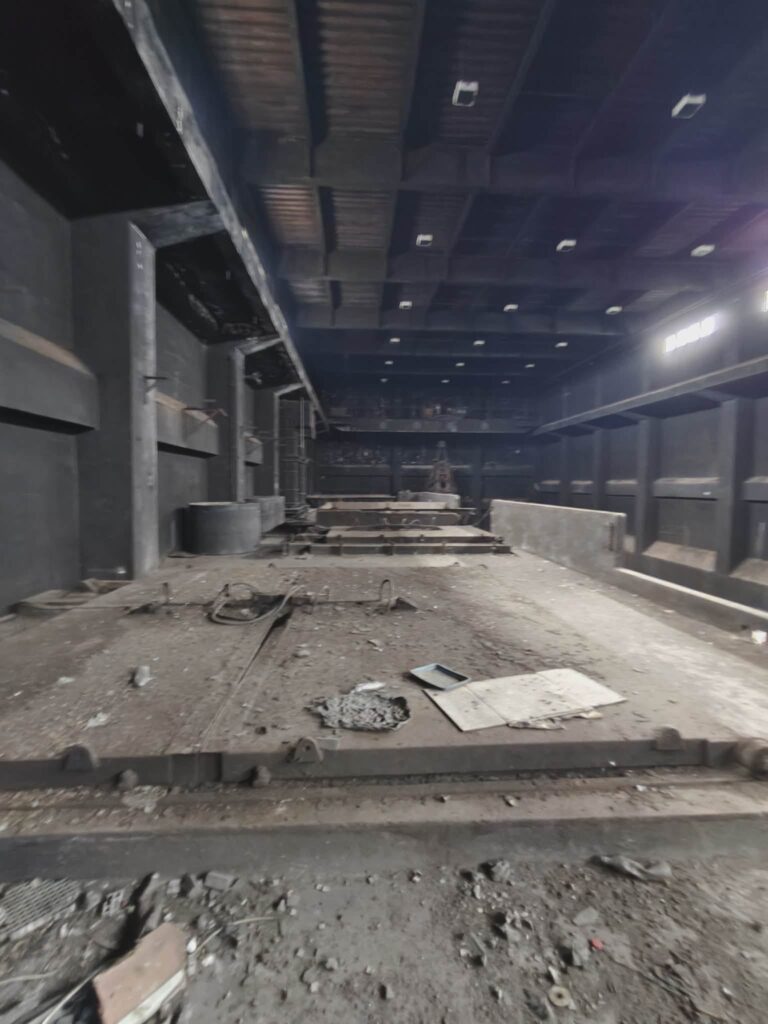
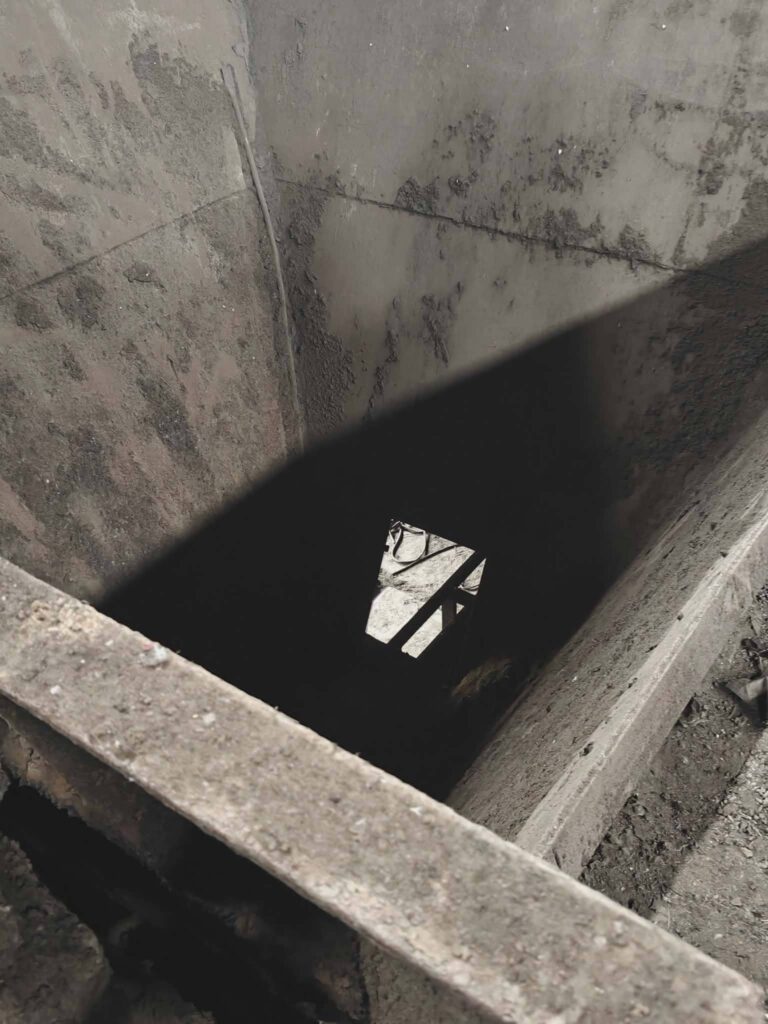
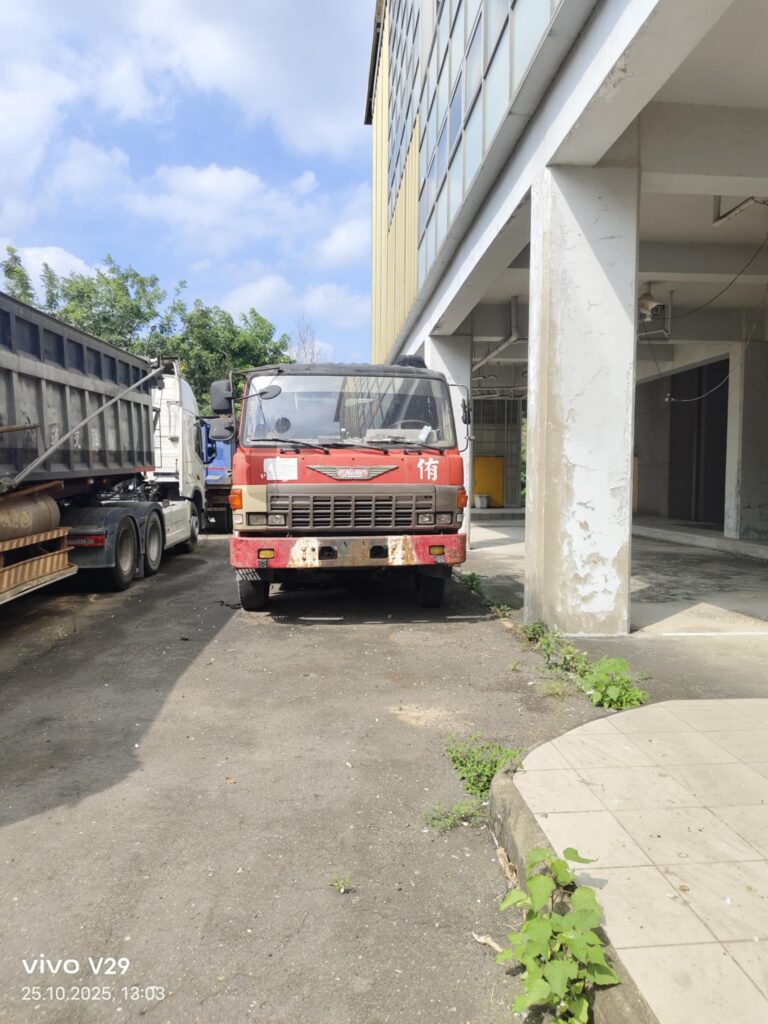
(The side of the building facing the courtyard.)
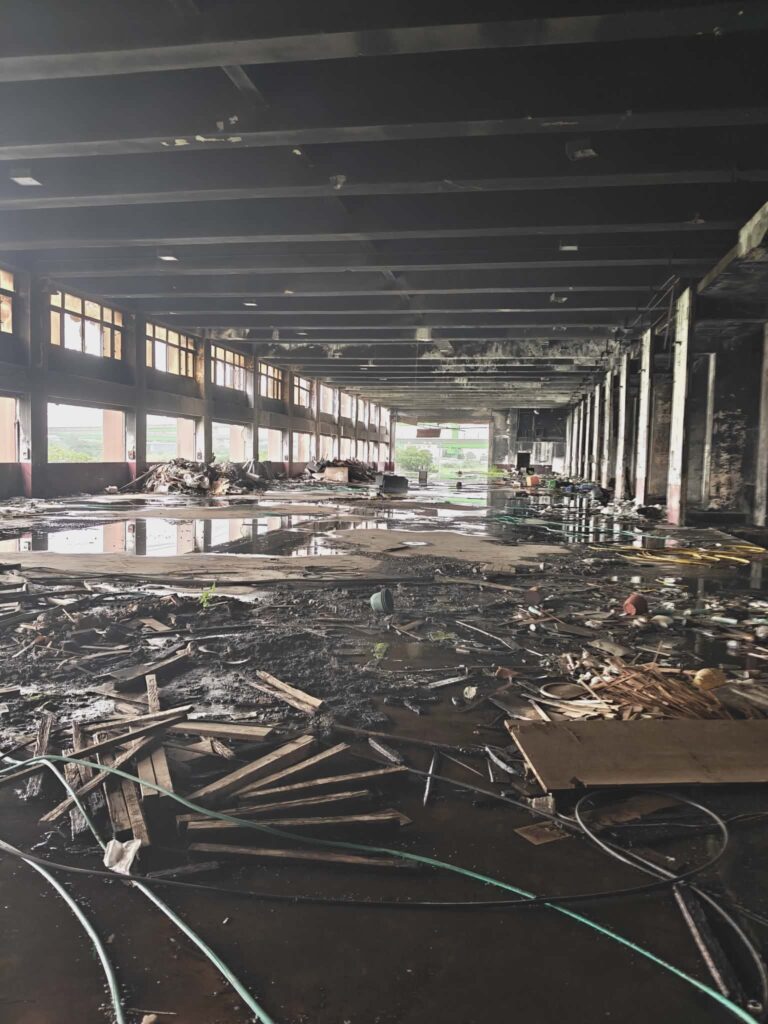
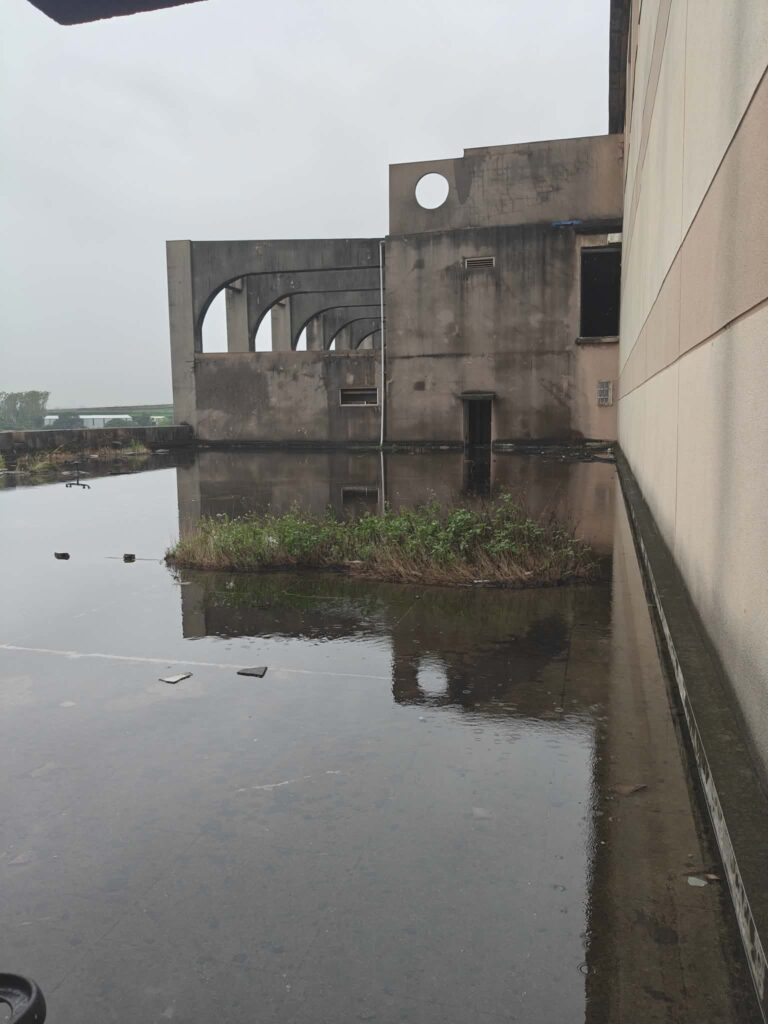
Opposite, at the far end, is the long truck ramp (not easily visible in the photo).
Sources:
https://www.chinatimes.com/realtimenews/20230131003926-260402?chdtv
https://www.tycg.gov.tw/NewsPage_Content.aspx?n=10&s=300499
Linnei Incinerator
Similarly, the situation applies to a factory in Linmei: the Linnei Incinerator in Yunlin County’s Linnei Township has remained unused for nearly 20 years since its completion in 2005, and debates over whether it should be reactivated continue to this day.
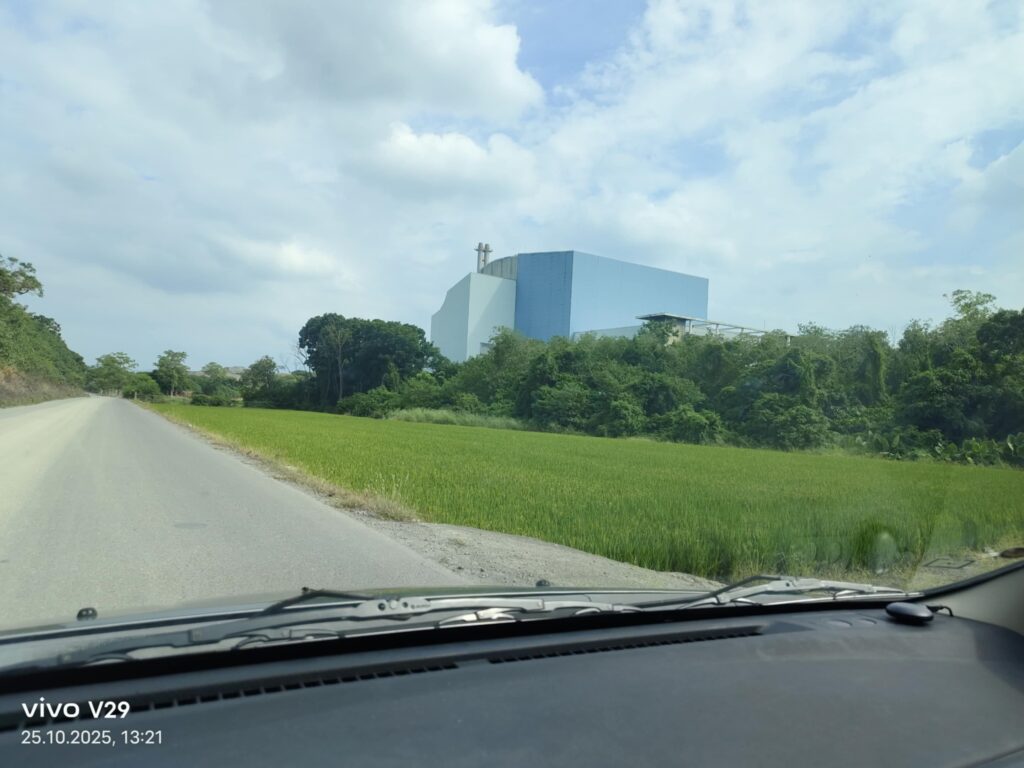
(It looks like a normal company.)
To address Yunlin’s growing waste disposal problem, the county government has proposed using Solid Recovered Fuel (SRF) technology to convert waste into fuel, aiming both to reduce excessive waste and support environmental goals. However, the plan has faced repeated criticism over technical feasibility, pollution risks, and high operational costs. After nearly two decades, the incinerator’s internal equipment is heavily corroded and likely unusable, and no final decision has yet been made regarding its reopening.
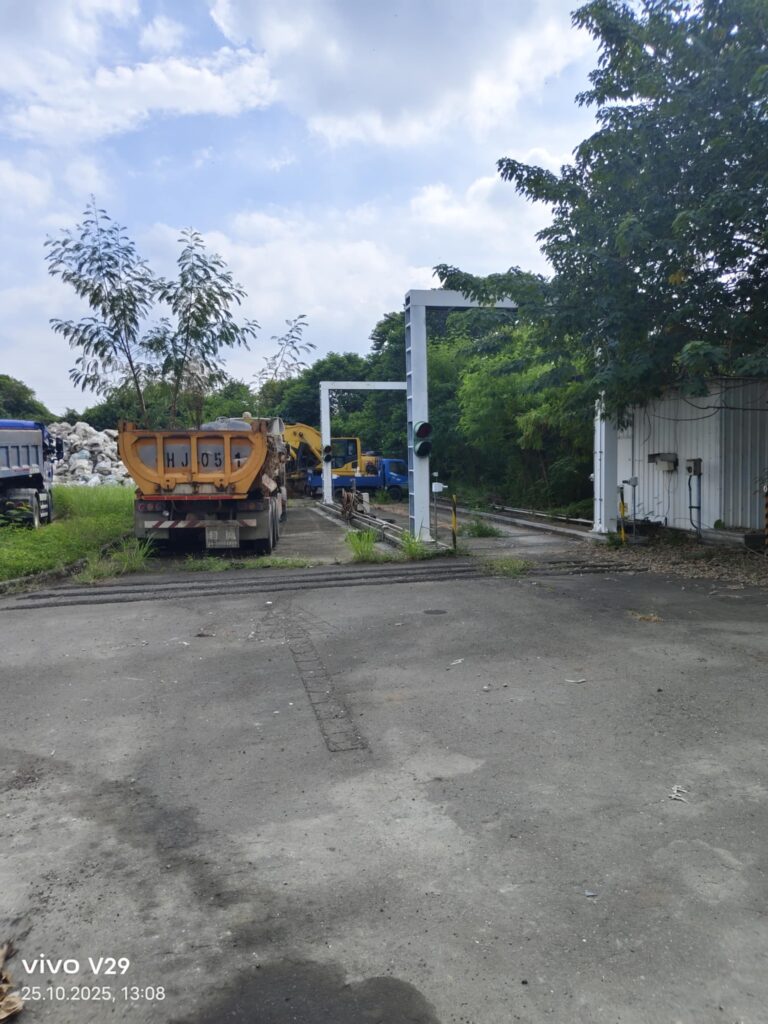
The government’s lack of supervision during the project’s planning phase contributed to the ongoing controversy, compounded by the facility’s problematic location near a wastewater treatment plant that supplies water to much of central Taiwan. If reactivated, the incinerator could affect water resources across Yunlin, Chiayi, and Tainan, impacting domestic, industrial, and agricultural use. Environmental concerns are particularly significant: the facility sits in a major seismic zone near the Zhuoshui River and the Central Mountain Range, its chimney is too short to disperse emissions effectively, and northeasterly winds prevail for roughly nine months of the year, allowing airborne pollutants to spread to Douliu and surrounding towns and exacerbating regional air pollution.
Operational challenges further complicate matters, as the incinerator requires a “minimum guaranteed waste volume” of approximately 350 metric tons per day to operate profitably; combining household and industrial waste to meet this quota could generate additional pollution, while the seasonal nature of agricultural waste creates the risk of waste accumulation when volumes fall short.
As so often happens, the entire project was plagued from the start by mismanagement, overconfidence, and corruption, which eventually led to multiple lawsuits and legal proceedings. After being implicated in the Linnei Incinerator corruption case, Magistrate Chang repeatedly ignored prosecutors’ summonses. In 2004, the Yunlin District Prosecutors Office issued a wanted notice for his arrest, making him the first sitting county magistrate in Taiwan’s history to be officially declared a fugitive. He was finally apprehended in December 2004 — the day before his sister, Chang Li-shan (張麗善), ran for election to the Legislative Yuan.