2026/1/18
For approximately twenty years, I have been hiking in the Wuliaojiang area. Until now, I had passed by without paying attention to the beauty that reveals itself further on.
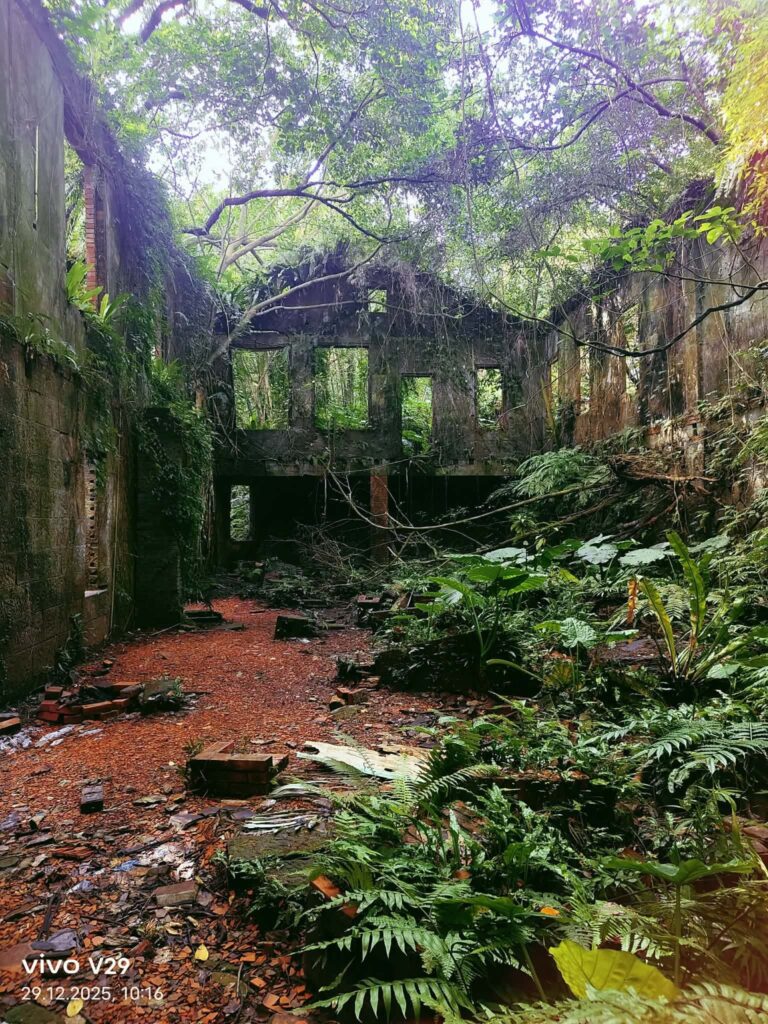
This is actually quite remarkable, especially given how well preserved the mine remains are. Yongda Coal Mine (永達煤礦礦坑口遺跡) is located in Sanxia District, New Taipei City, and was first established on 9 August 1919 by Lin Kaijun. Several structures can still be found along the sides of the site.
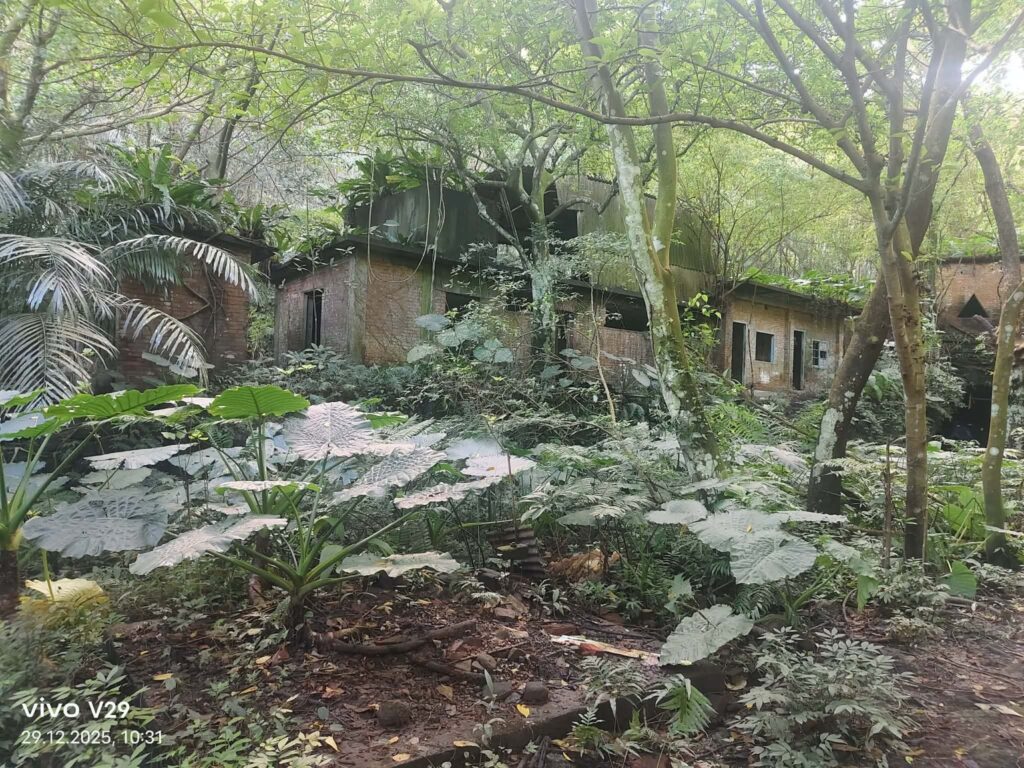
The history is short. 1942, the mining area was expanded to 235,040 ping. After trial excavations had confirmed workable seams, preparations were underway to begin full-scale extraction; however, stopped due to the outbreak of war. In 1947, Lin Kaijun applied for a reissuance of the mining license as Mining No. 248 with a total area of 77.6992 hectares. After some changes in ownership, Lin Xianda subsequently acquired full ownership of the mining rights and expanded the concession under Mining No. 394, merging it into a single operation with a total area of 119.8979 hectares.
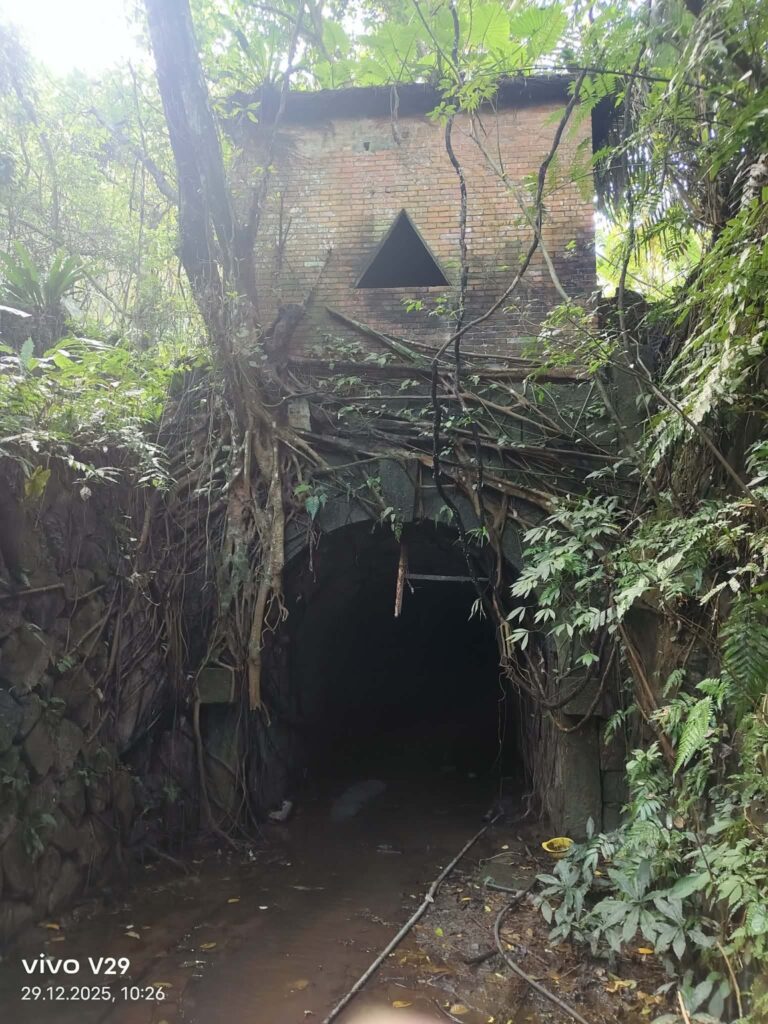
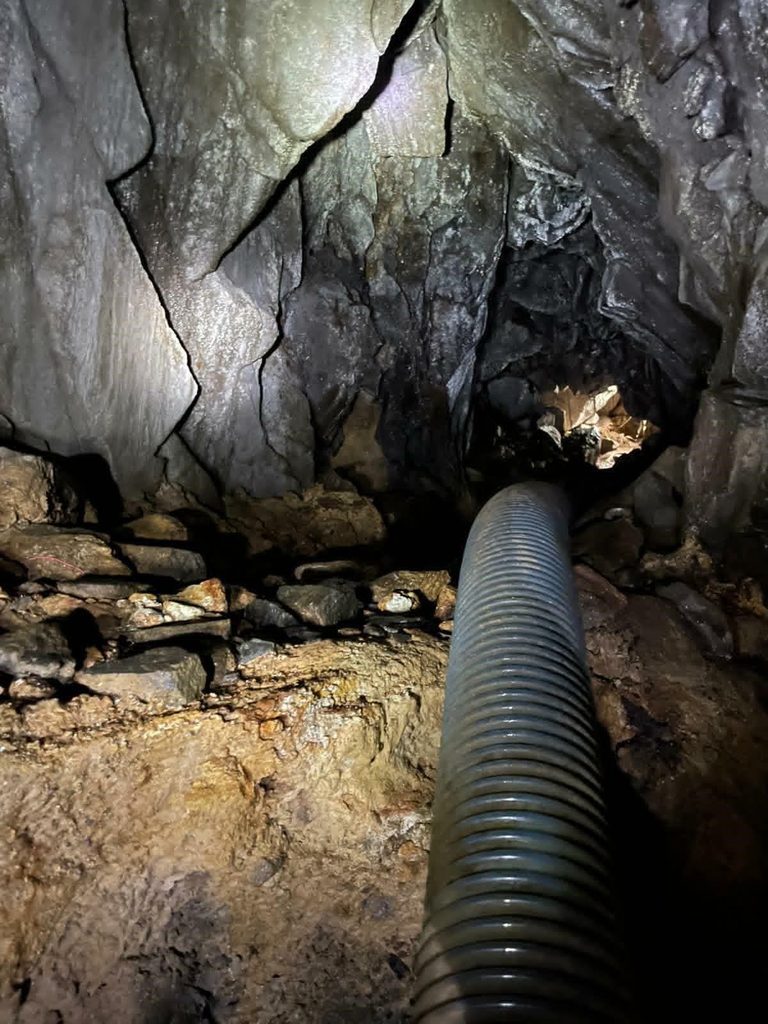
Part of the adit can still be entered, for a distance of approximately 200 meters, before it collapses.
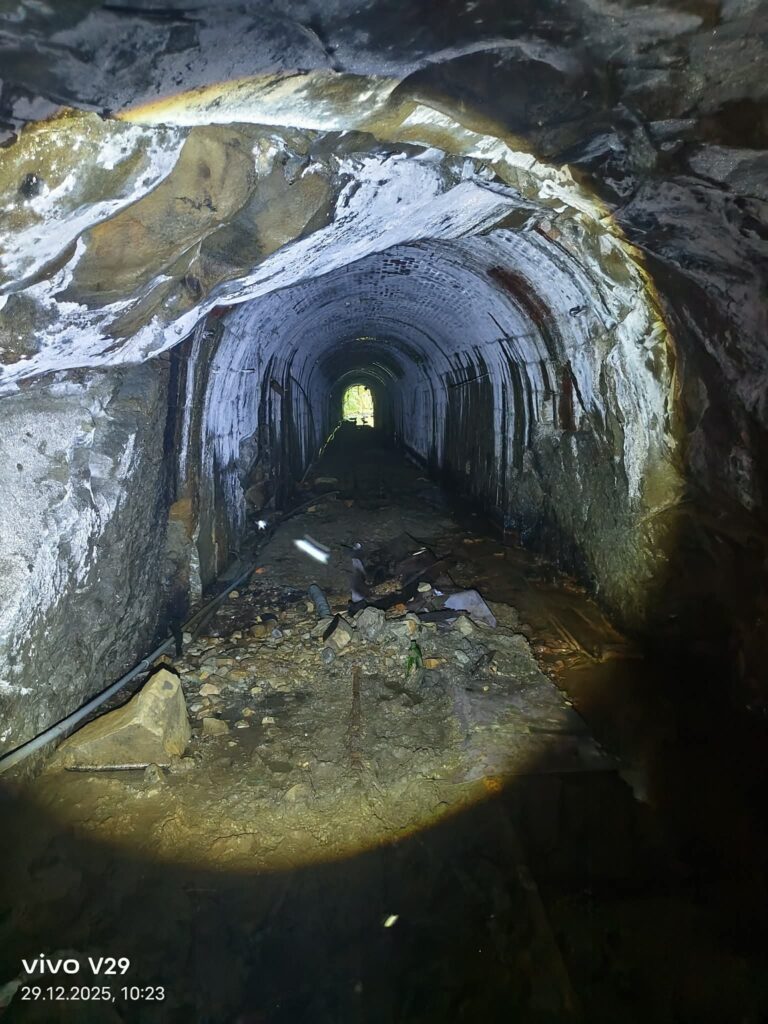
It is good for kids, safe but they get a feeling about mines. The coal seams occurred at the base of the rock strata. The upper seam had a thickness of 50 cm, and the lower seam 30 cm. The coal was classified as medium-caking coal suitable for raw material use. The mine consisted of four horizontal adits. Coal was transported by truck over a distance of approximately 6 km from the mine to Yingge Railway Station.
It was a large mining area, of which only limited remains have survived. For example, remnants of the unloading station can still be seen along the road below, while the access roads from above have completely disappeared.
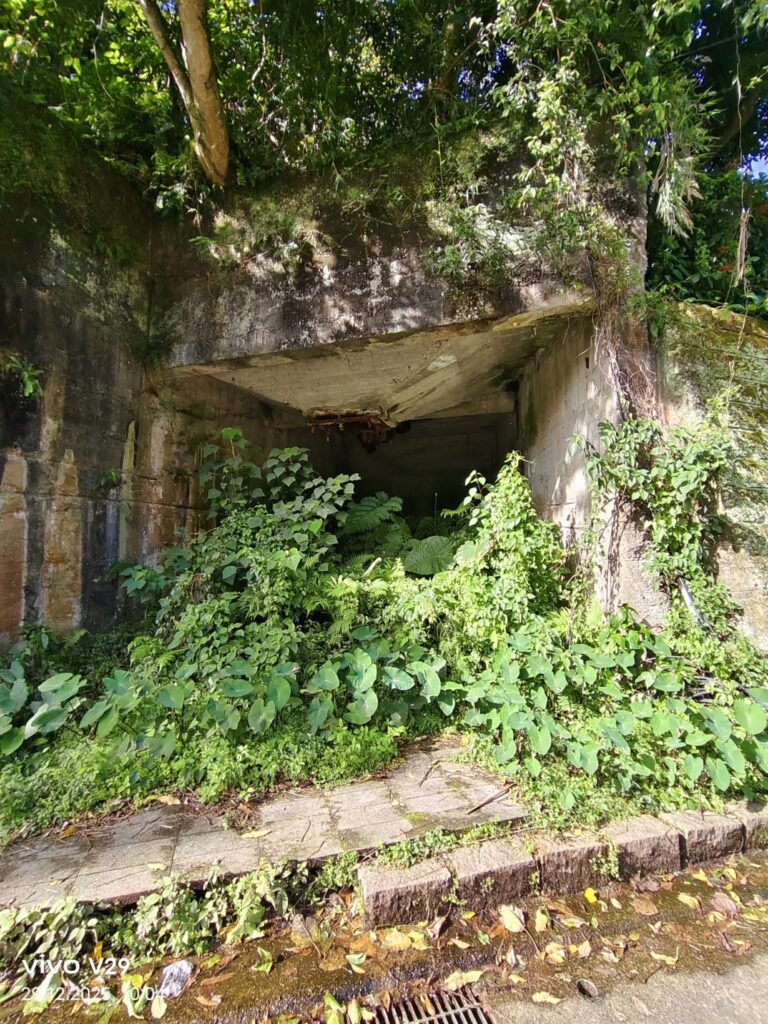
The mining area was extensive; according to online research, there were subsidiary adits on the opposite side of the mountain range, in what is now Taoyuan District.
According to production records, mining at Yongda Coal Mine began in 1957 and ceased in 1983. There was a seven-year suspension during this period. Over a total of 20 years of active operation, cumulative output reached 172,489 metric tons, with an average annual production of 8,624 metric tons.
Haishan II Mine
I happened to pass by here by chance and saw the abandoned building from below. Rather unmotivated, I went inside. It quickly became apparent, however, that this must have been a coal mine.
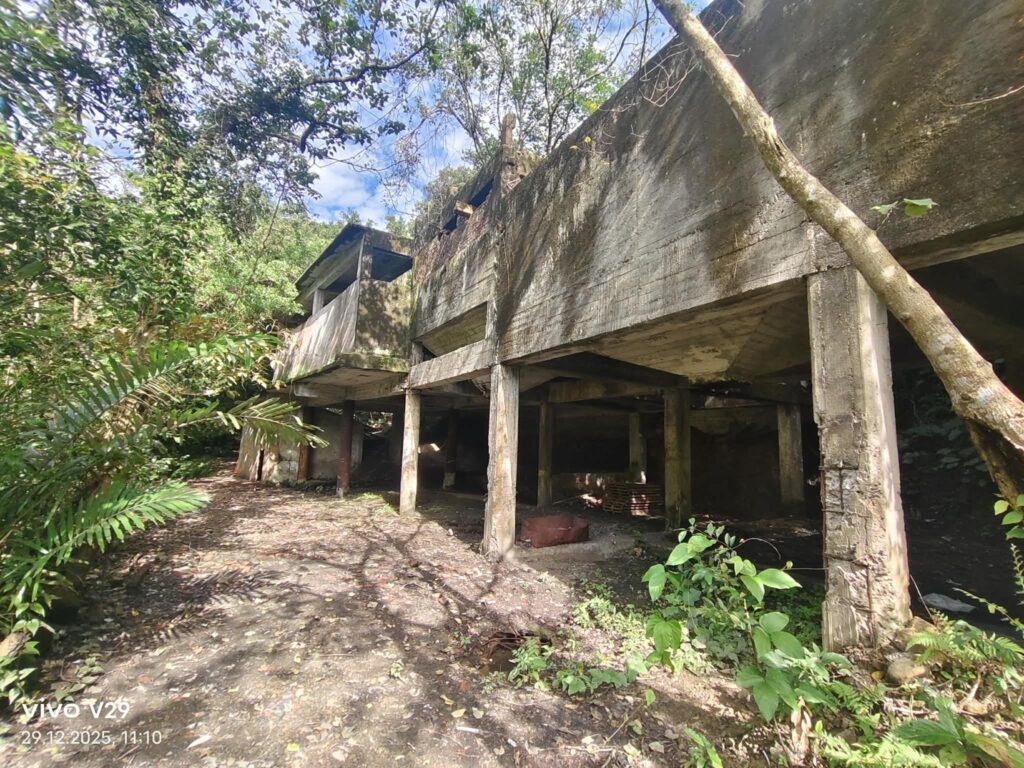
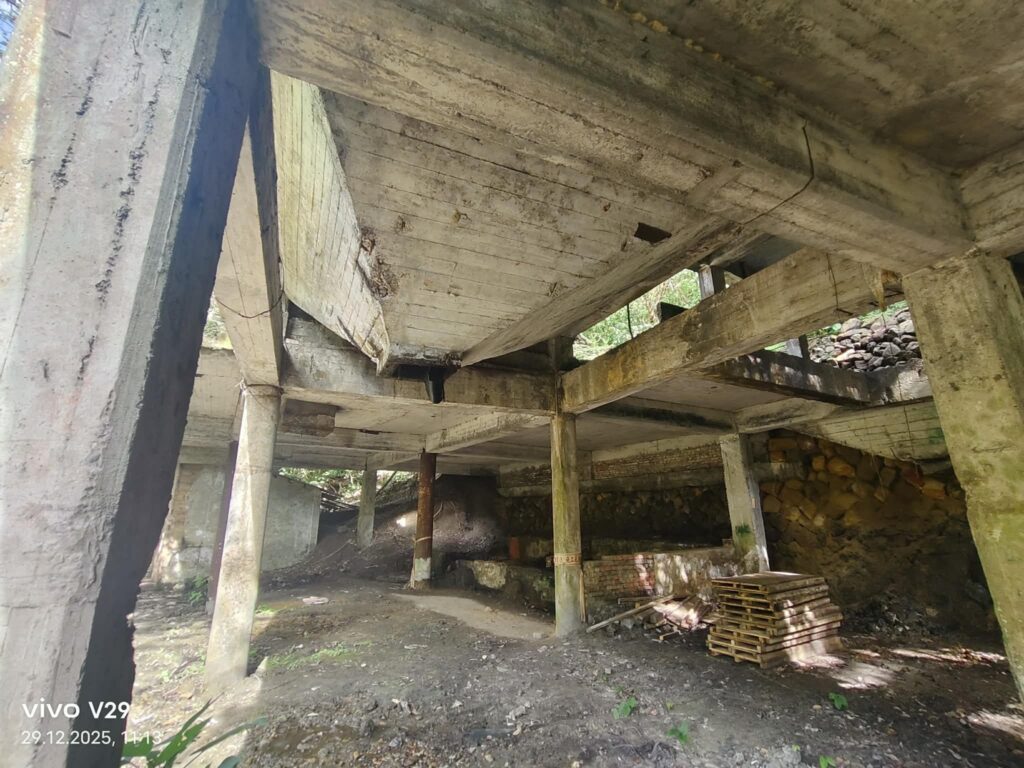
So I took a detour up the hill. Behind the parking lot stood a dilapidated garage. At first it seemed rather insignificant, but it turned out to be more than that. Behind the inconspicuous remains, entire complexes of buildings suddenly appeared. From above, it became clear that I was actually already on the third level. These are typical structures, though their original functions can no longer be clearly identified.
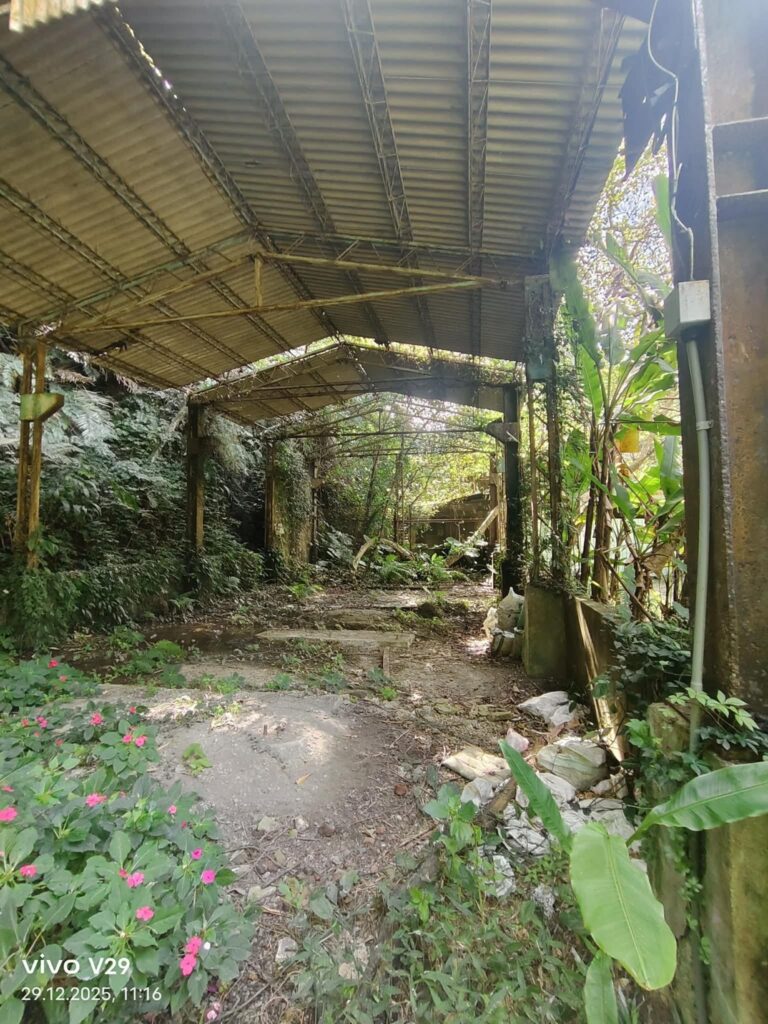
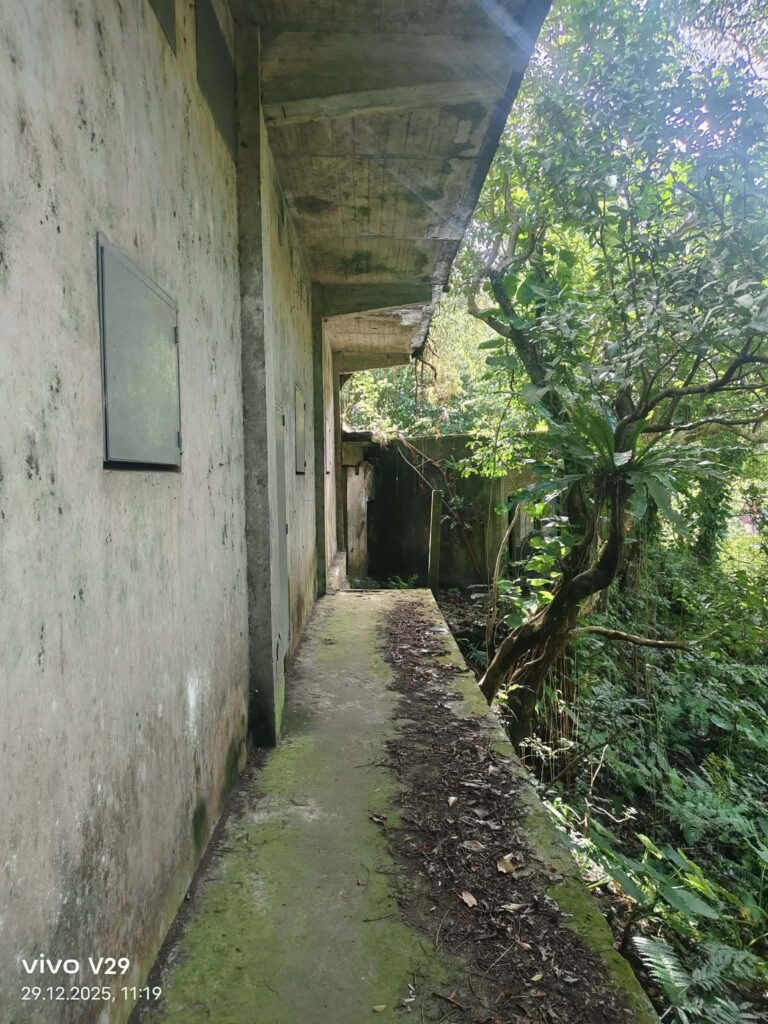
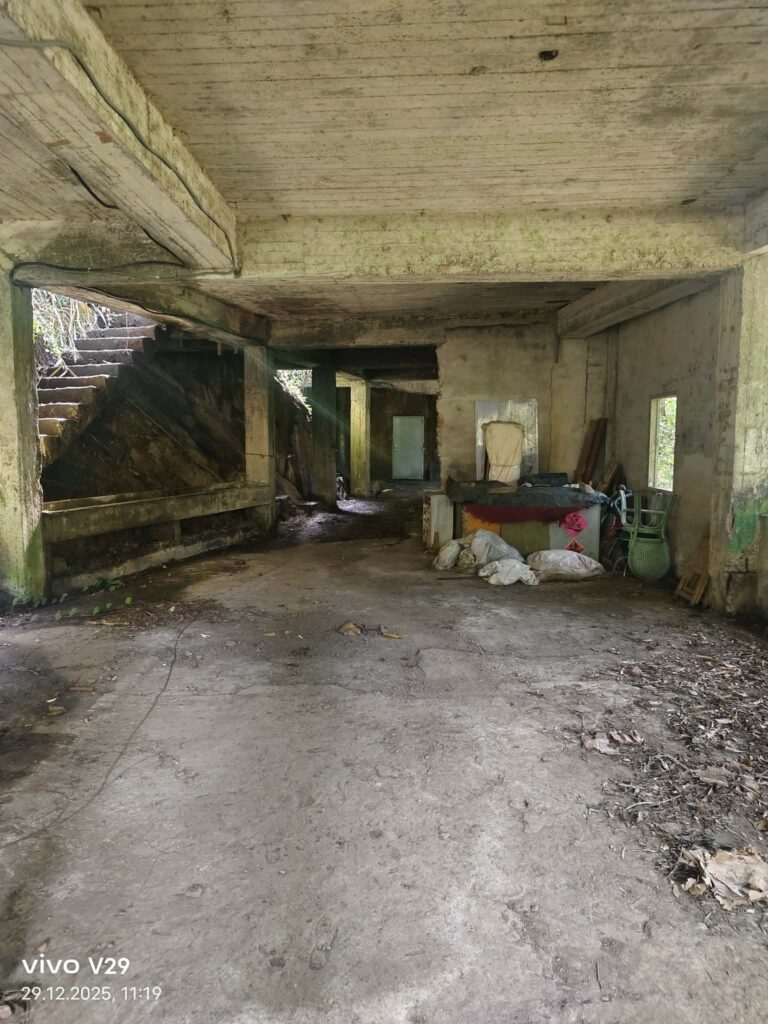
I then went back down and looked for an entrance to the second level, or better yet, into the adits. At this point, I noticed the remains of a transport system.
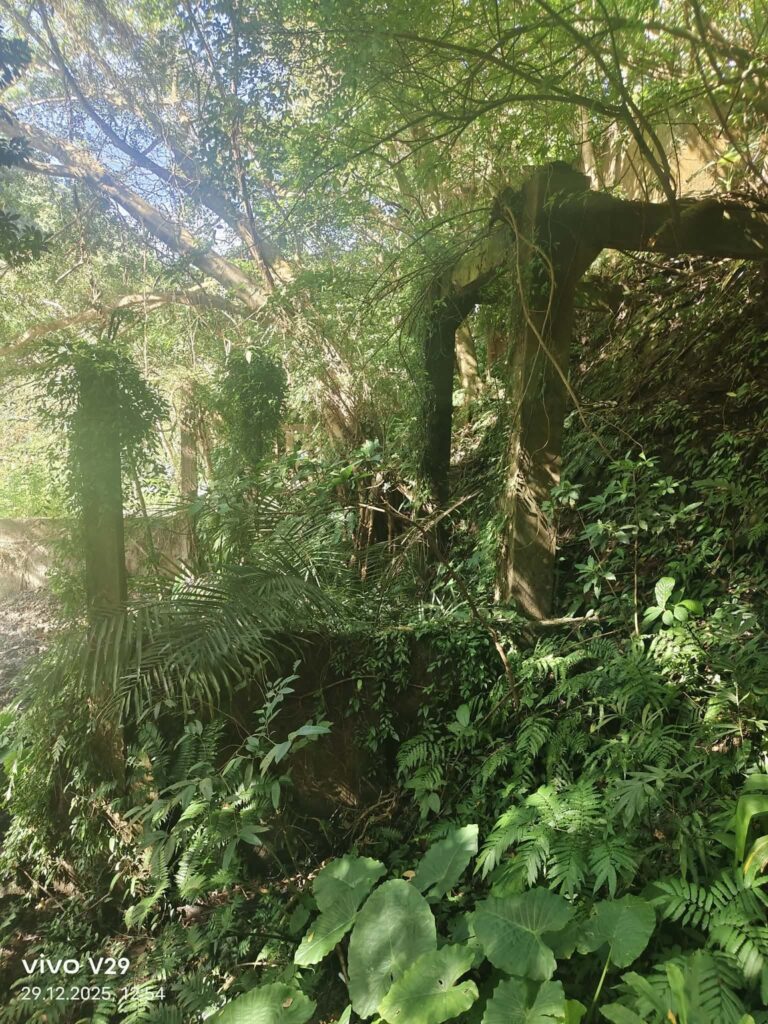
From below, I was able to climb up fairly well using roots, and narrow remnants of a path began to appear, initially leading across other roofs and ruins.
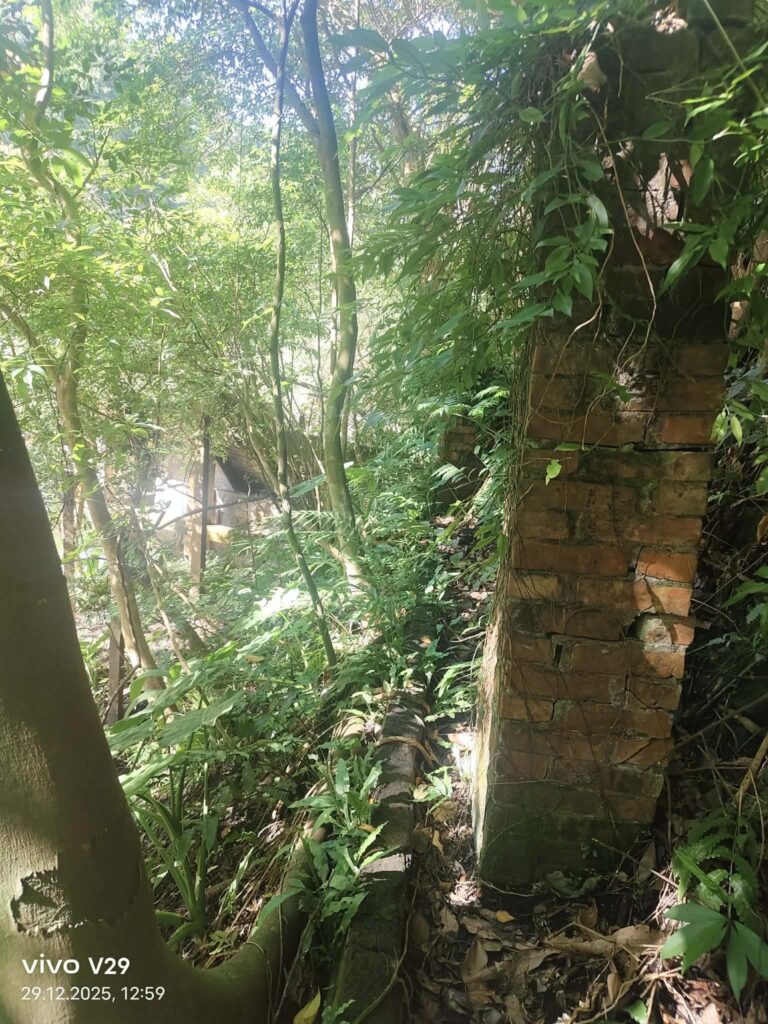
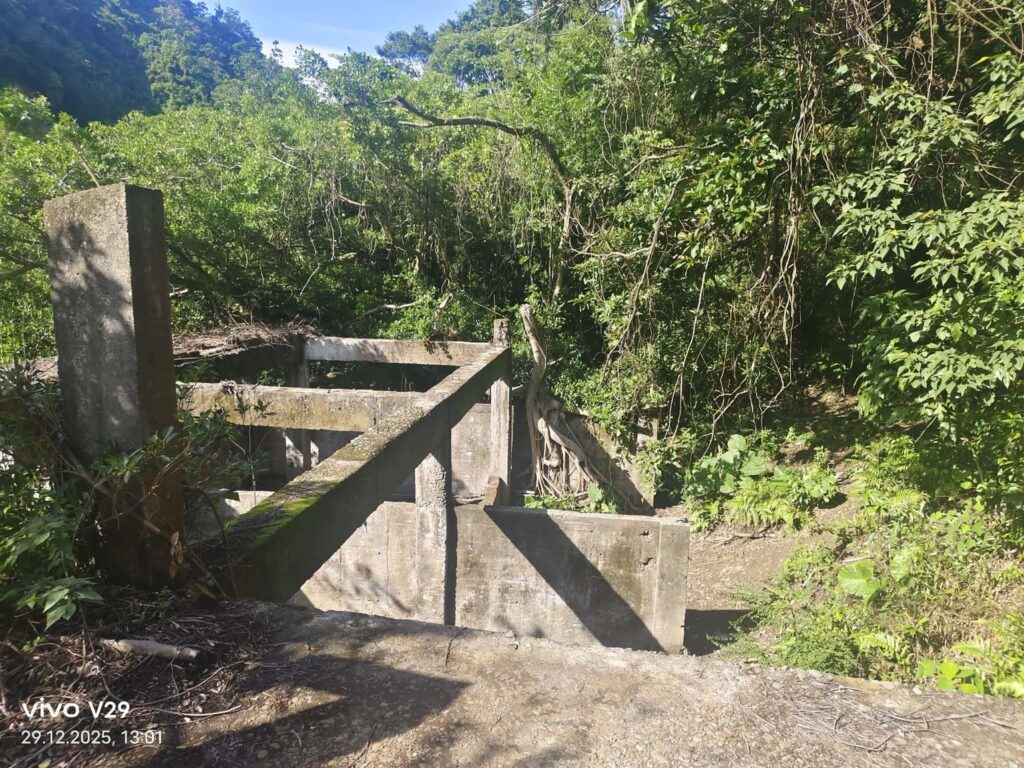
I then expanded the search radius. On the opposite side, an interesting art studio has been established — Mineless. They have restored several buildings.
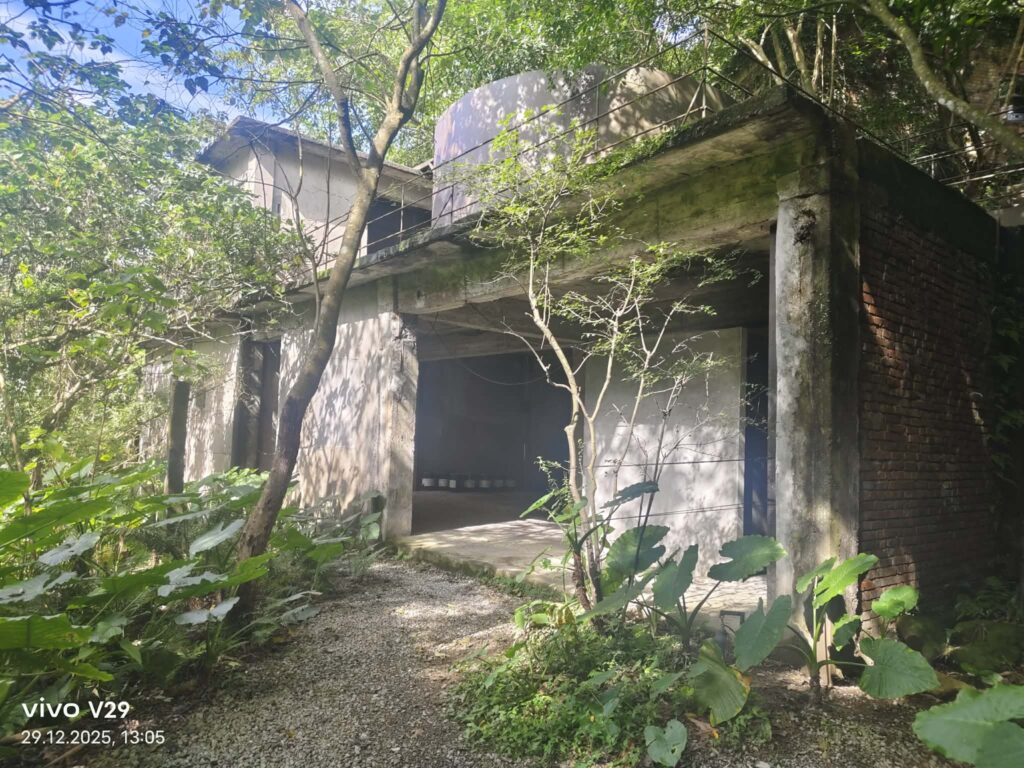
Things became even more interesting, so I expanded the search radius once more. The remains of a path were barely recognizable, and I ended up at two platforms.
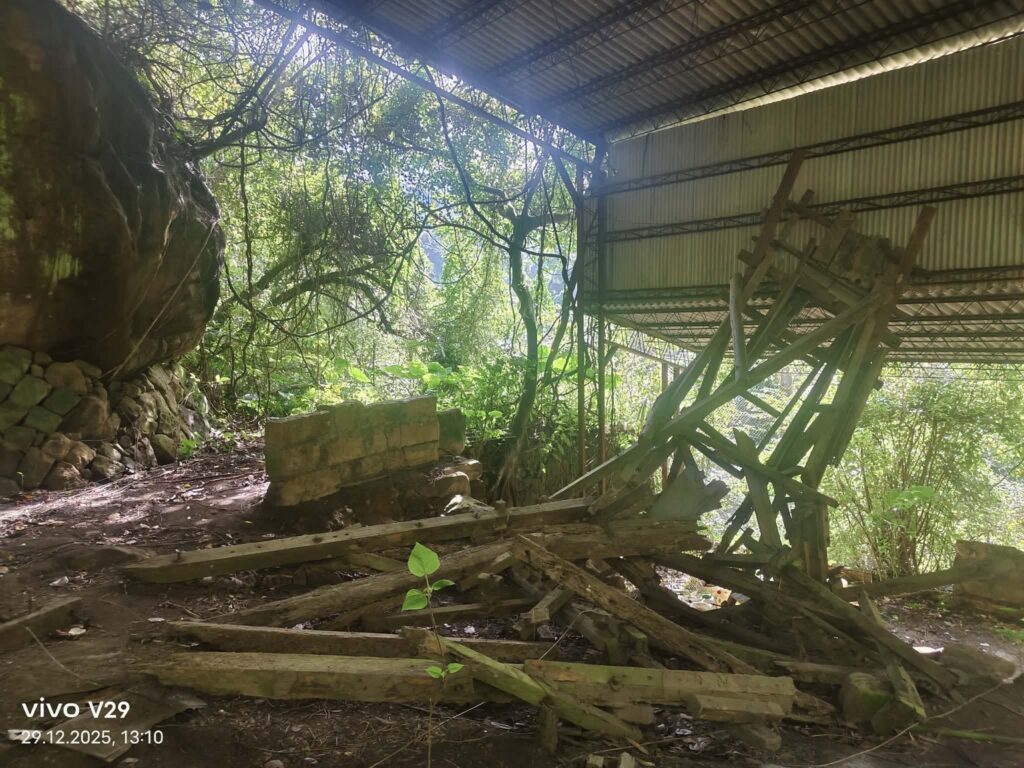
I then went back and crossed to the opposite side of the small stream; there was likely once a settlement there.
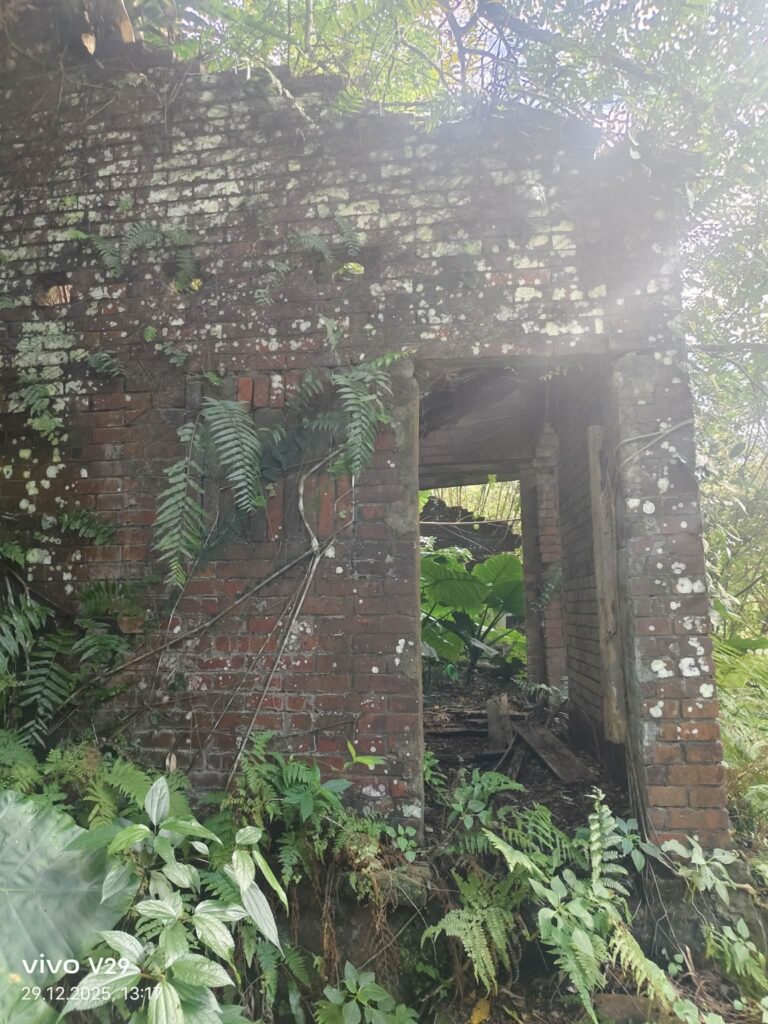
The internet was helpful — I found explanations about the mine and its history. It was Haishan II. Anyone who is interested should visit the website.
About 關於無礦 | Mineless 無礦-野茶・僻靜之所
Down by the river there is a strange spot. Even from the road I noticed a strong smell of sulfur — but it shouldn’t be there. So I climbed around and found the entrance to something, whatever it was. It stinks.
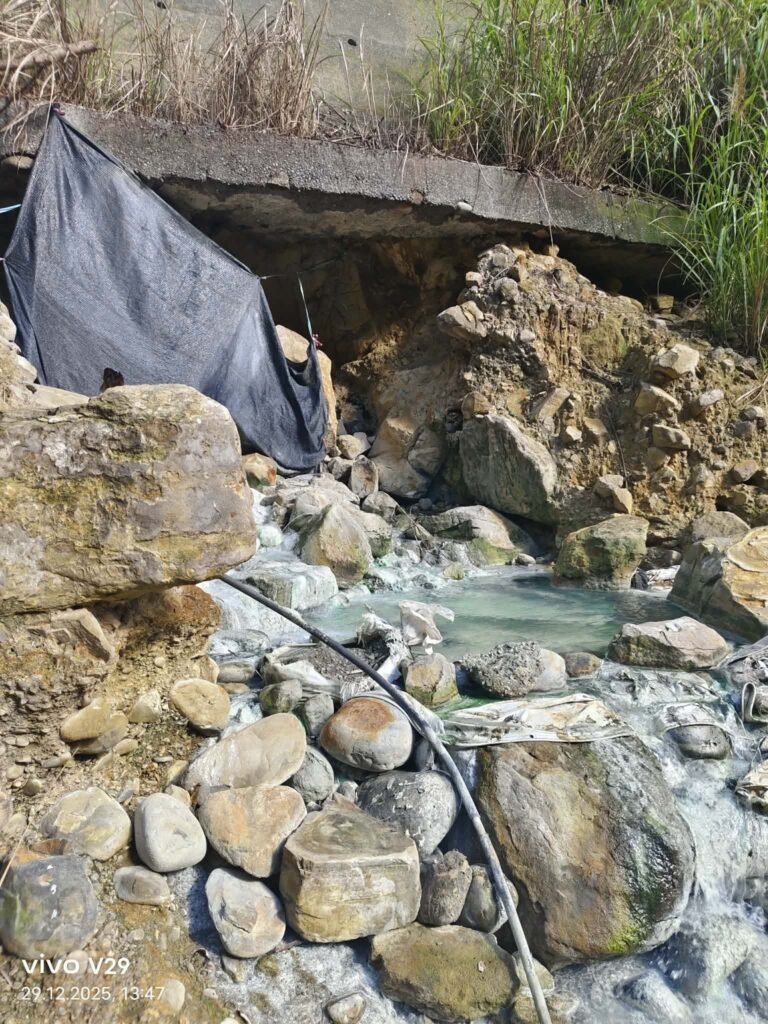
Alcohol is the best researcher, so I walked a few kilometers further to a restaurant and asked. They said that this was the last somewhat preserved area, and that there used to be many more entrances. So, the search continues.
copyright Claudius Petzold