ed. 2026/9/12
(very dangerous, risk of collapse)
Puli Guanyin Bridge (觀音吊橋) is a beautiful place that gives an idea of how remote Puli once was. There is surprisingly little information available about this bridge and the surrounding area.
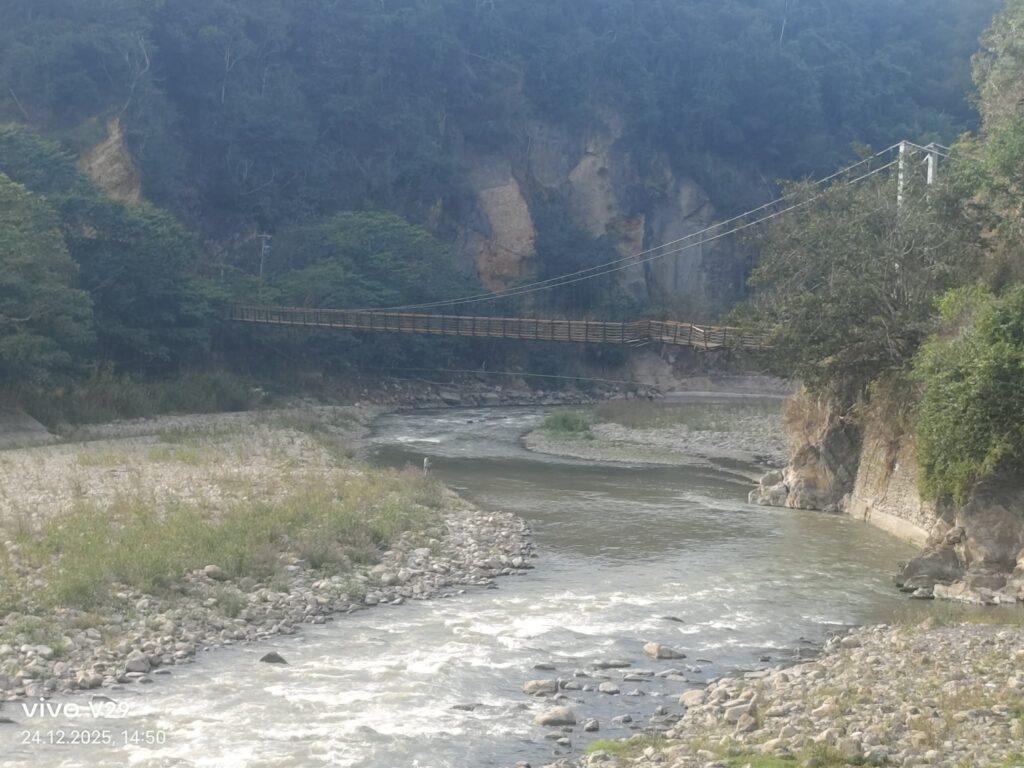
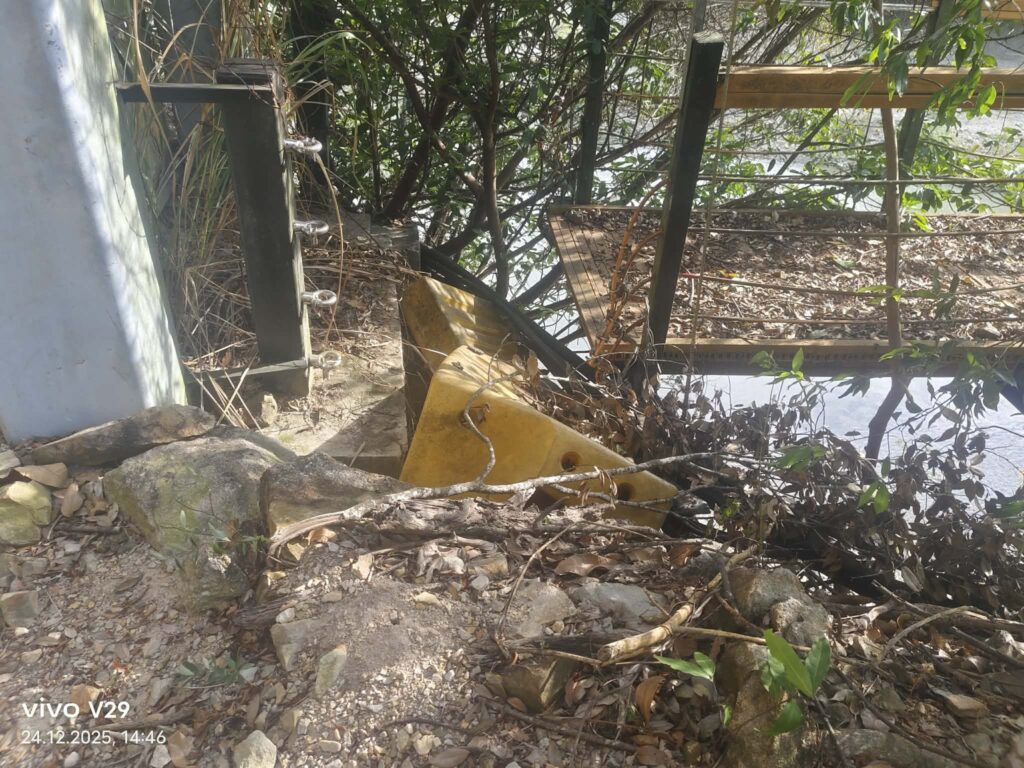
I first saw this beautiful bridge two years ago, but because I had an injured leg, I didn’t dare to cross it. This time, however, I had to try. The connection to the road has already broken away, which makes everything very unstable.
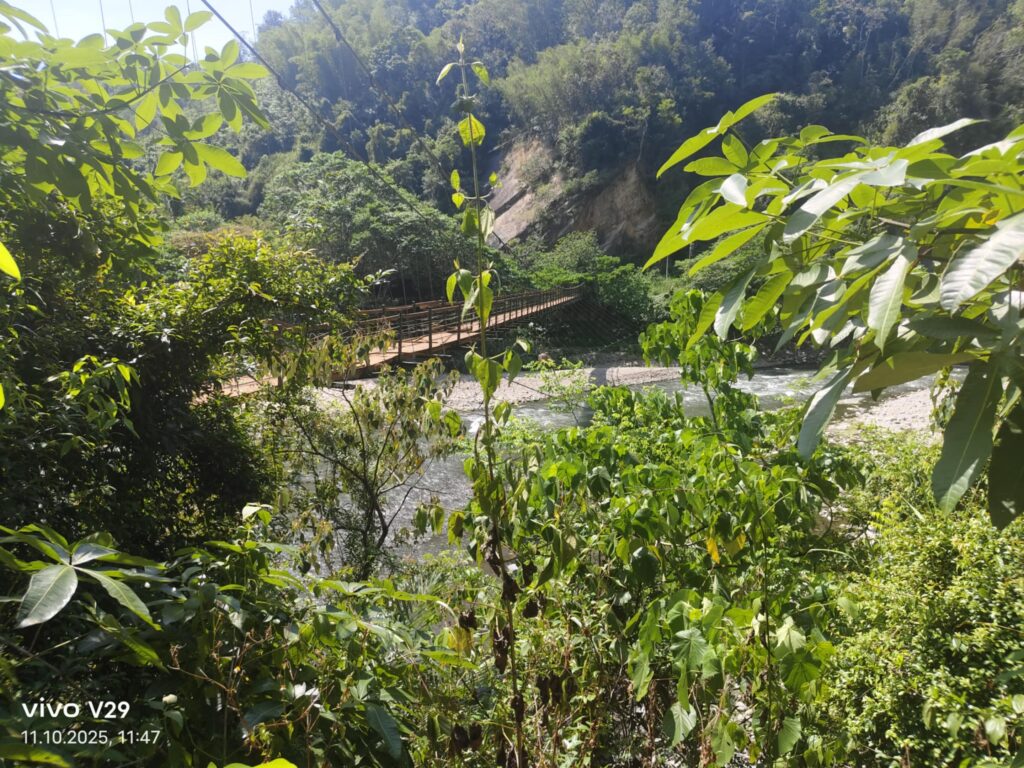
I spent some time on the bridge; at the beginning it was still quite okay.
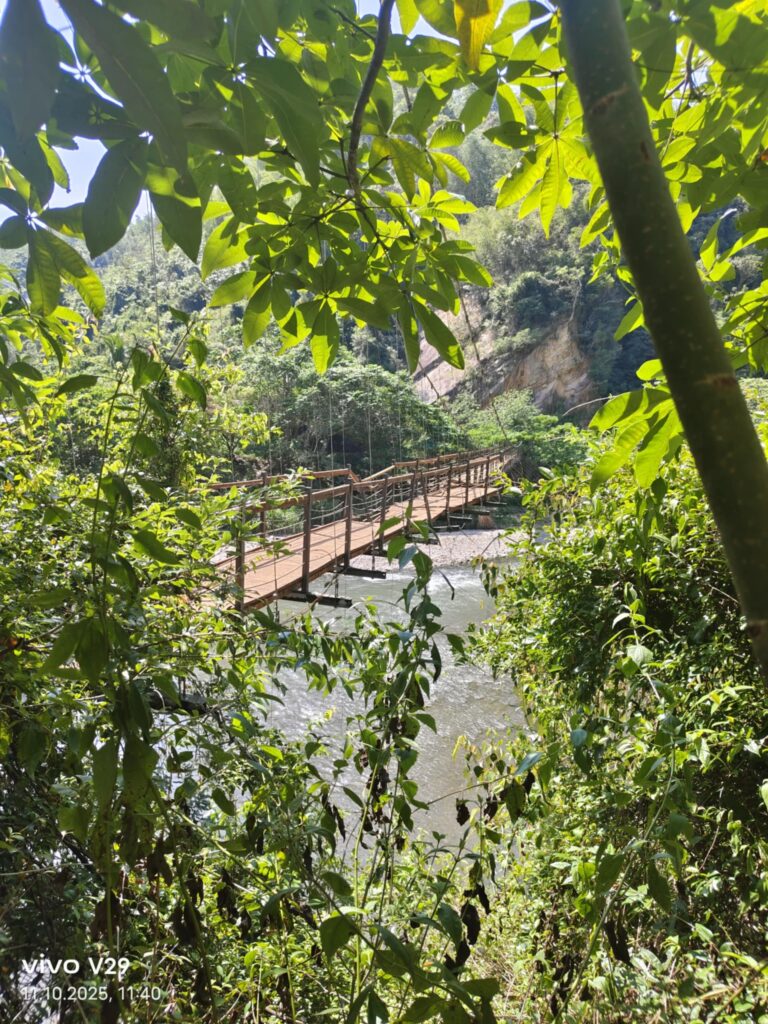
But the closer I got to the broken section, the more unstable it became. Both the railing and the steel connections on the ground were moving against each other. So it was better to turn back.
There isn’t much more information available anymore. Since 2021, it has been classified as a protected road with a special numbering system, but it no longer appears on Google Maps. In 2013, it was still a normal farm road with a different bridge.
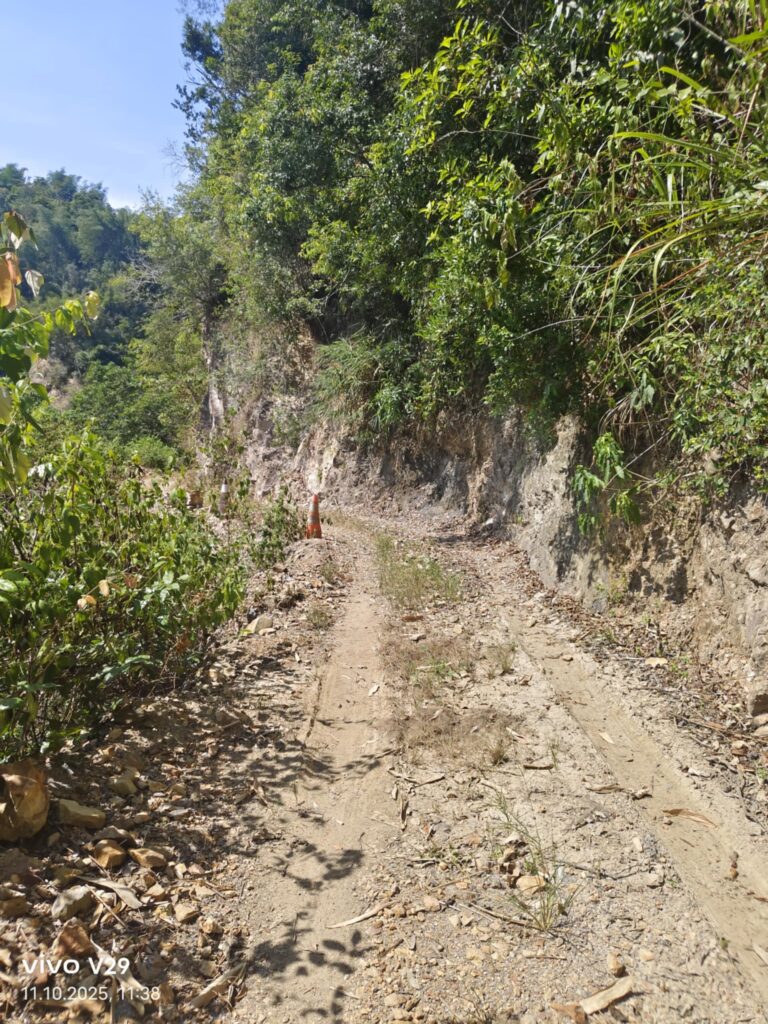
From 2021 onward, there has been a new bridge, but in the photos it already appears to be damaged. It is located near Provincial Highway 14. On one side, there was apparently the original road to Guoxing, which was later bypassed by a tunnel.
Sanatorium for tuberculosis patients
I had wanted to visit this former sanatorium for tuberculosis patients and other sick people for a long time, but somehow never got around to it. For the full story, the best thing is to follow the link below;
there is not much more for me to explain. The video gives a good impression of the current condition of the site:
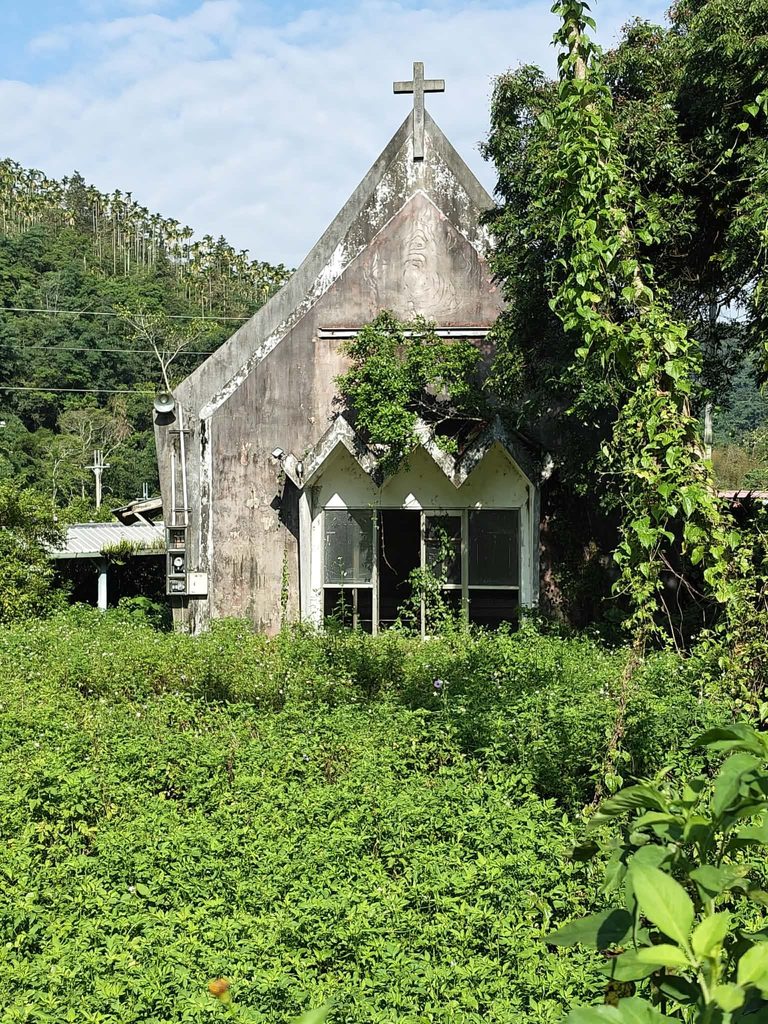
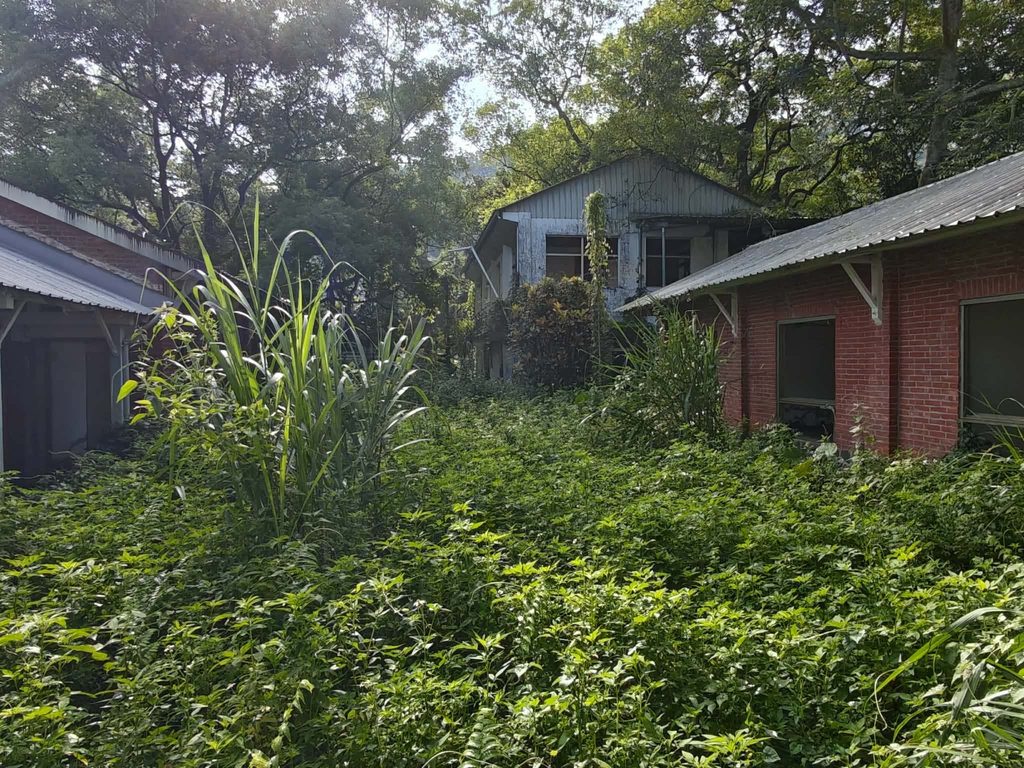
The site is easy to visit. It has been abandoned for a long time, and the fences are gone. In contrast to the report mentioned above, however, everything is now much more heavily overgrown. The church itself is still in quite good condition. Although I am rather critical of missionary efforts in general, the Catholic Church has also done quite a lot of good in Taiwan.
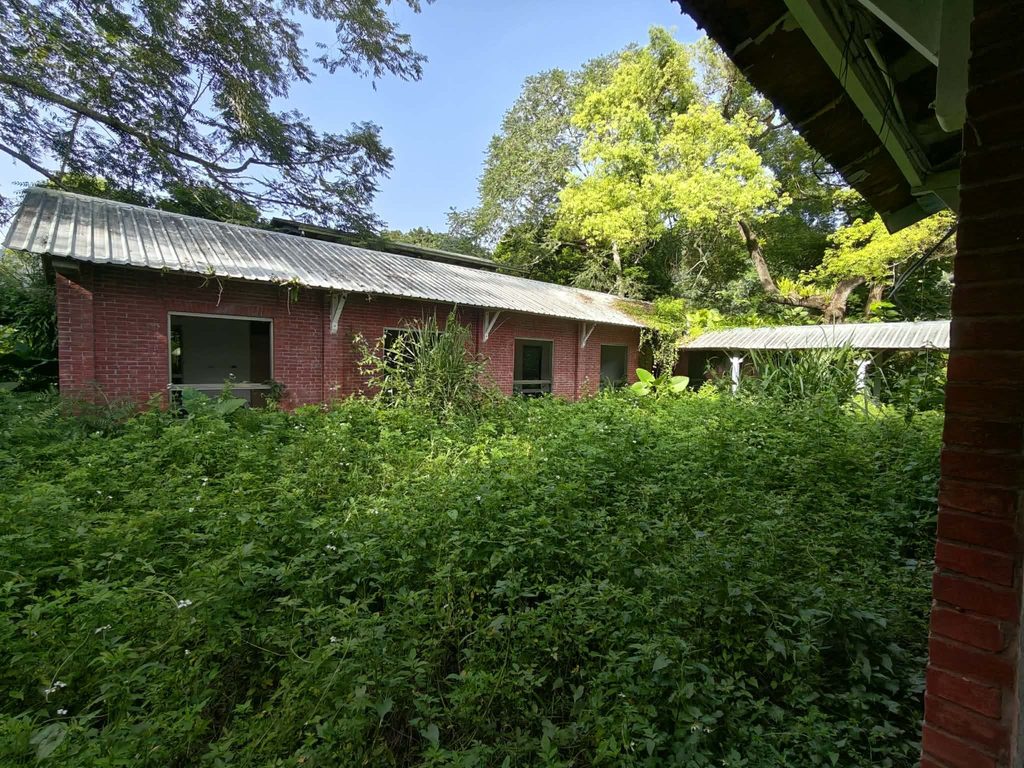
This is an administrative building. The second floor should no longer be entered.
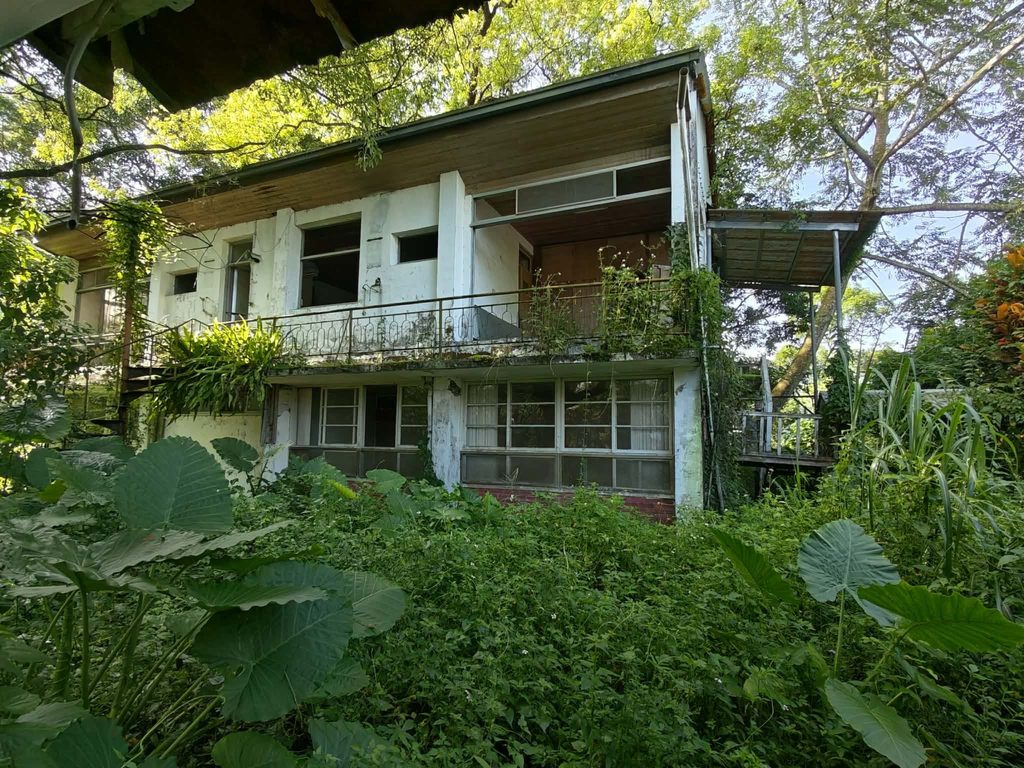
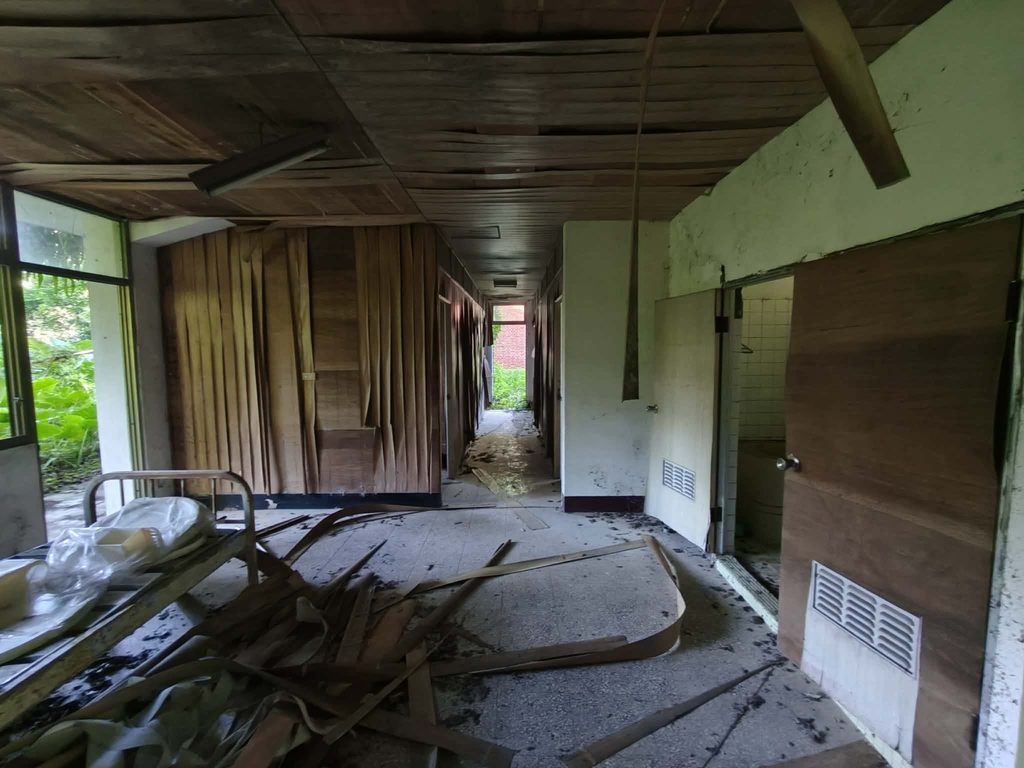
Several buildings are scattered across the grounds. It must once have been a beautiful place, with relatively few buildings and only a limited number of rooms.
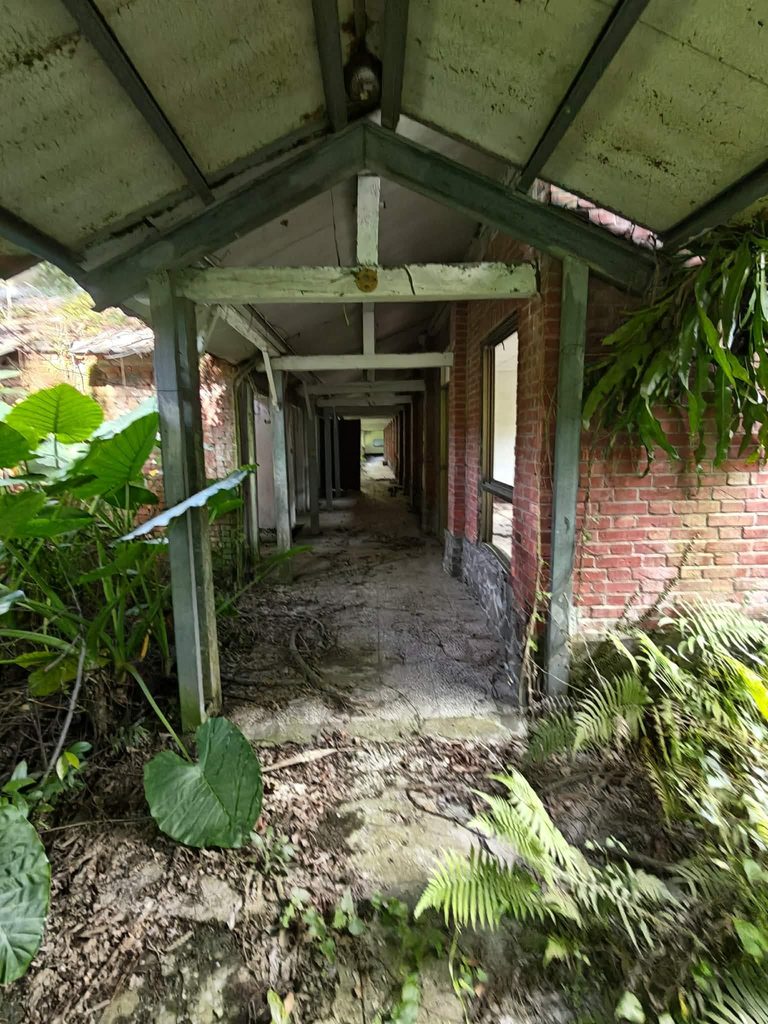
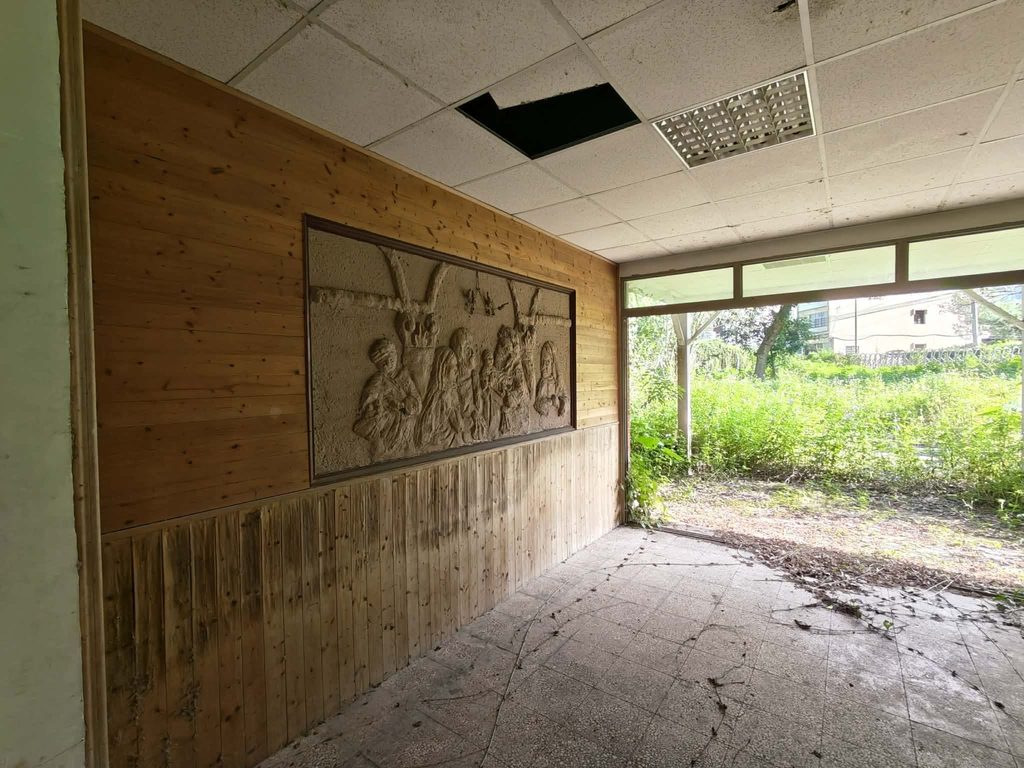
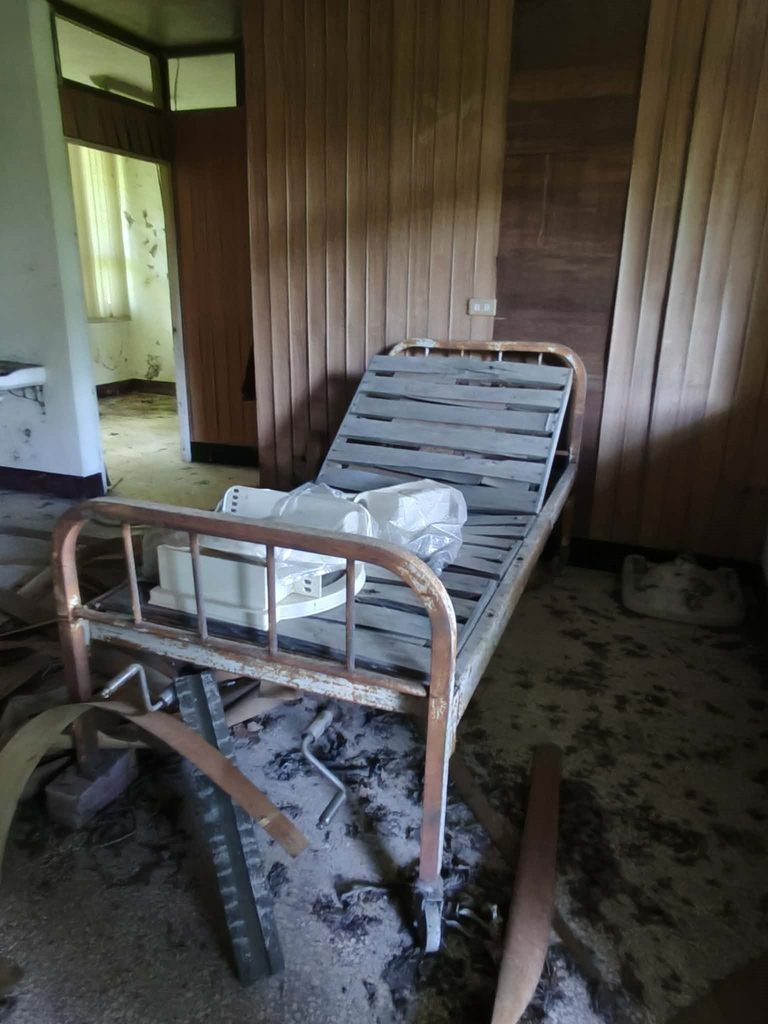
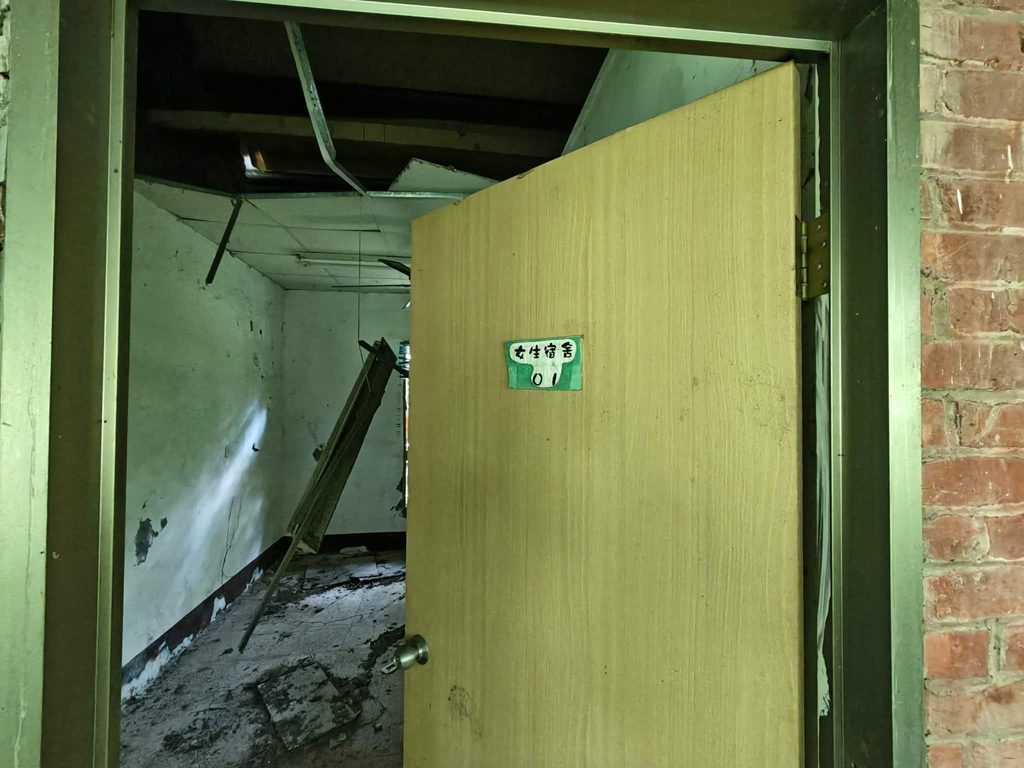
The later conversion into a holiday camp can be recognized by the newer doors.
(copyright Claudius Petzold)