2026/7/22 (in process)
High risk (unstable, overgrown, poisonous snakes like habu, green viper)
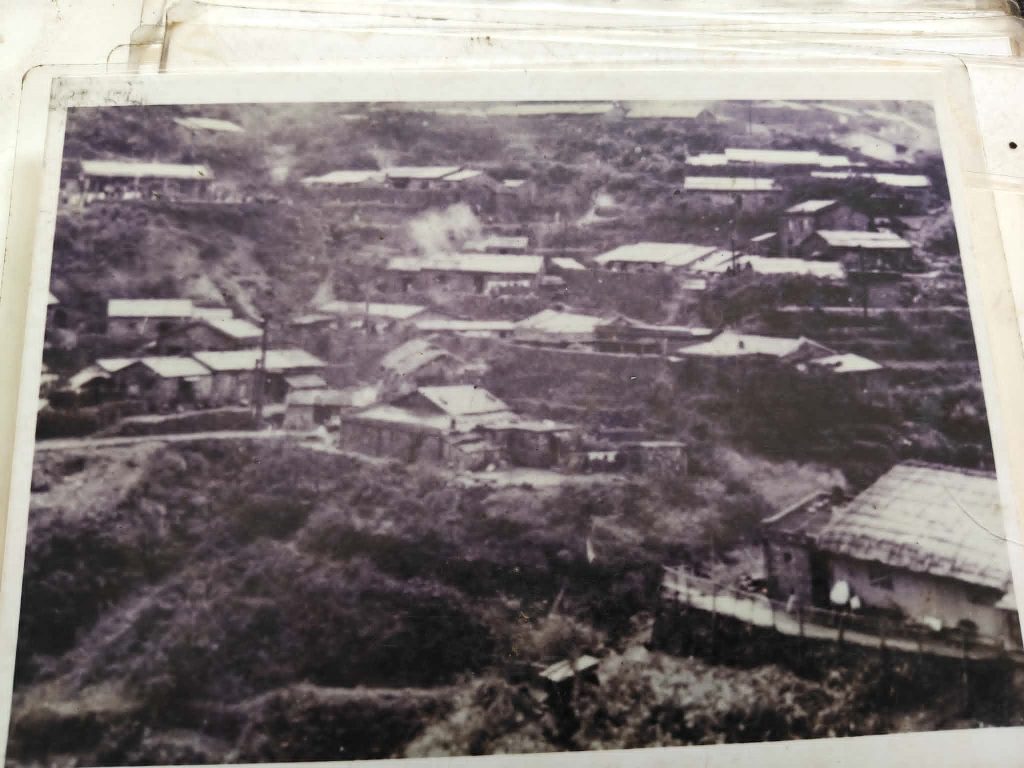
Remark: The old photographs are now preserved in the temple.
Dacukeng and the movie
This post weaves together the story of a little-known village, the search for long-forgotten mines, and the acclaimed Taiwanese film A Borrowed Life, whose story unfolds in this remarkable setting. The quest to rediscover the vanished mines has only just begun, promising further insights into the area’s forgotten past. The village appears unassuming, yet it is a place of great historical significance and the gateway to countless adventures.
“A borrowed life (Dosang)” is the title of a 1994 Taiwanese film. It tells the story of Dosang (“Vater”), a Taiwanese miner, and his family through the eyes of his son, with strong autobiographical elements. The film was directed by the renowned Wu Nien-jen. It is very much a product of its time—somber in tone, with a slow, deliberate pace that allows the story to unfold gradually. The result is an exceptionally moving and deeply poignant film.
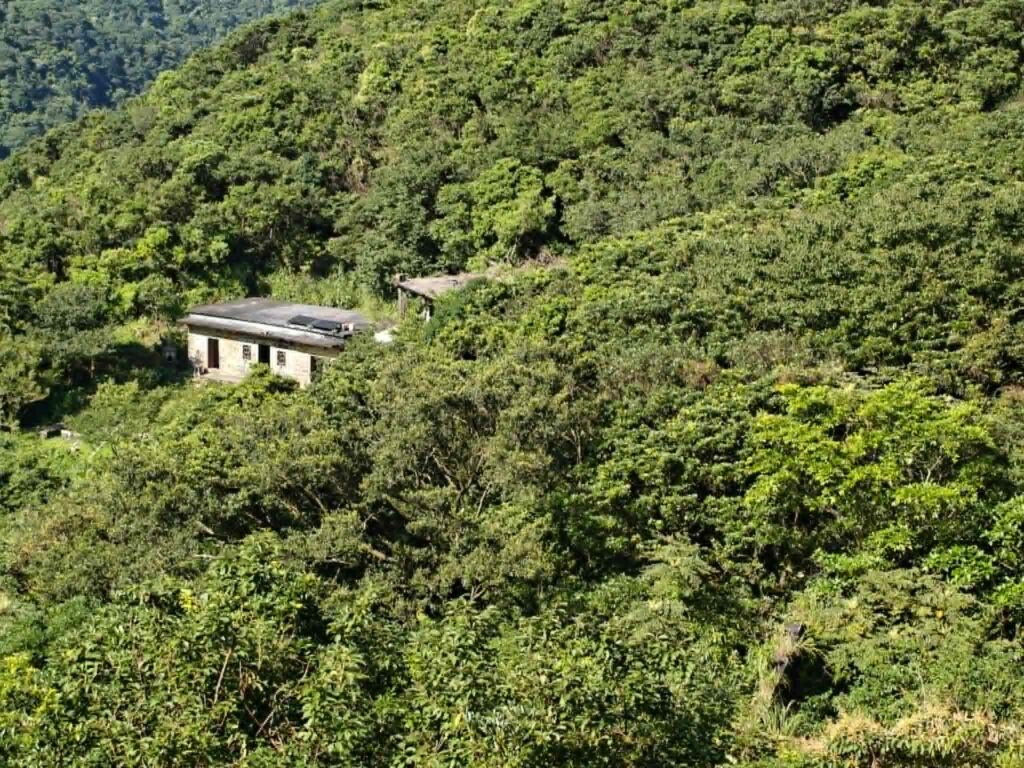
(2026) Try to imagine looking out over an entire village. The foundations are still there, but they are completely overgrown.
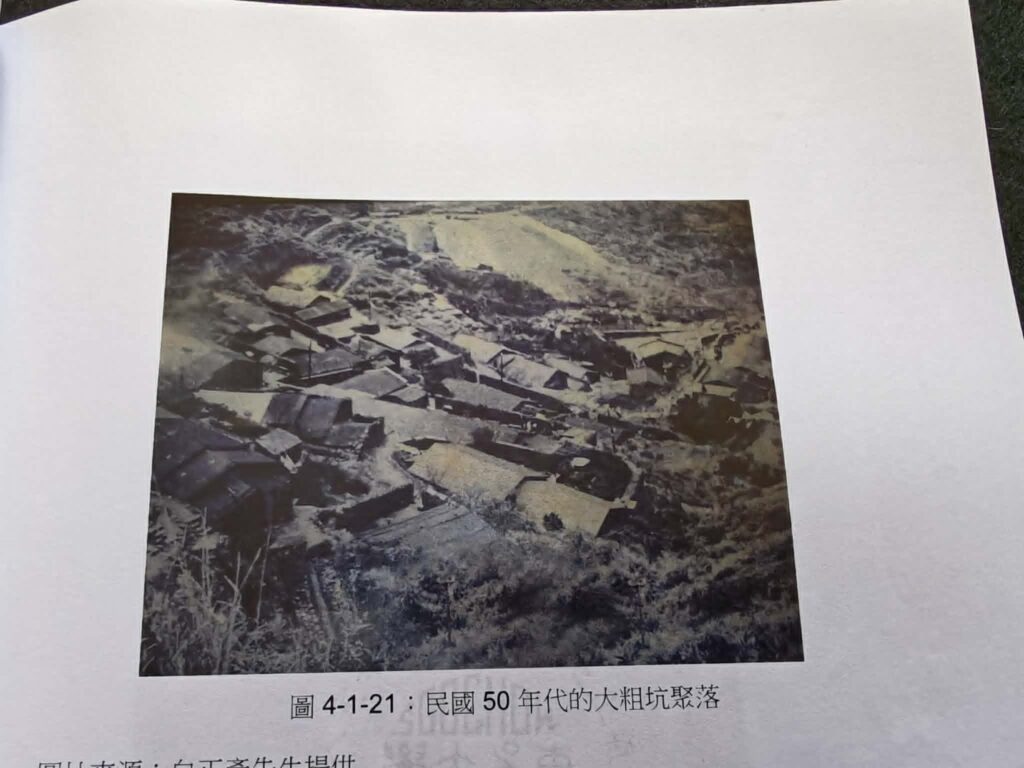
(ca. 1961)
Dosang initially works as a gold miner in the mining area around Dacukeng, where parts of the film were also shot. Life for the miners was harsh, and accidents were all too common. The father embodies the spirit of his generation: hardworking but somewhat immature in his youth. At times, however, he demonstrates remarkable courage and responsibility, even rescuing people after a mining accident. When he loses his job for a period, he struggles deeply with the loss of purpose and dignity.
Like many miners of his generation, he eventually develops severe pneumoconiosis (“black lung” disease). During the final years of his life, the illness subjects him to unbearable physical suffering, ultimately driving him to take his own life. The story is told from the perspective of his son. The film provides an excellent portrayal of everyday life during that era and offers valuable insight into the culture of Taiwan’s mining communities. It also features many authentic mining locations, although not every scene is geographically accurate. Director Wu Nien-jen himself grew up in Dacukeng, lending the film a strong sense of authenticity and personal connection.
Golden Times
Pebbles have been found in the Dacukeng Stream, indicating that this area was once beneath the sea. At its peak, the settlement was home to nearly 200 households and around 1,000 residents living in this secluded mountain valley. During the height of the gold rush, the Tiemenzikeng (Iron Gate Pit) yielded exceptionally rich gold deposits.
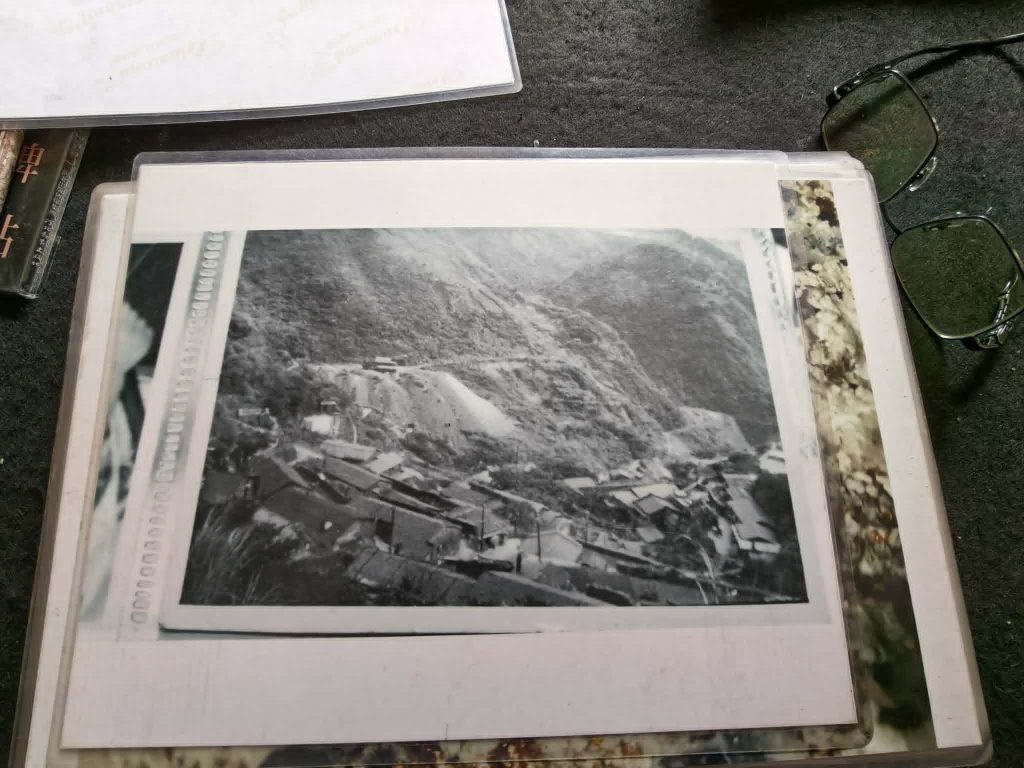
(Shaft No. 6)
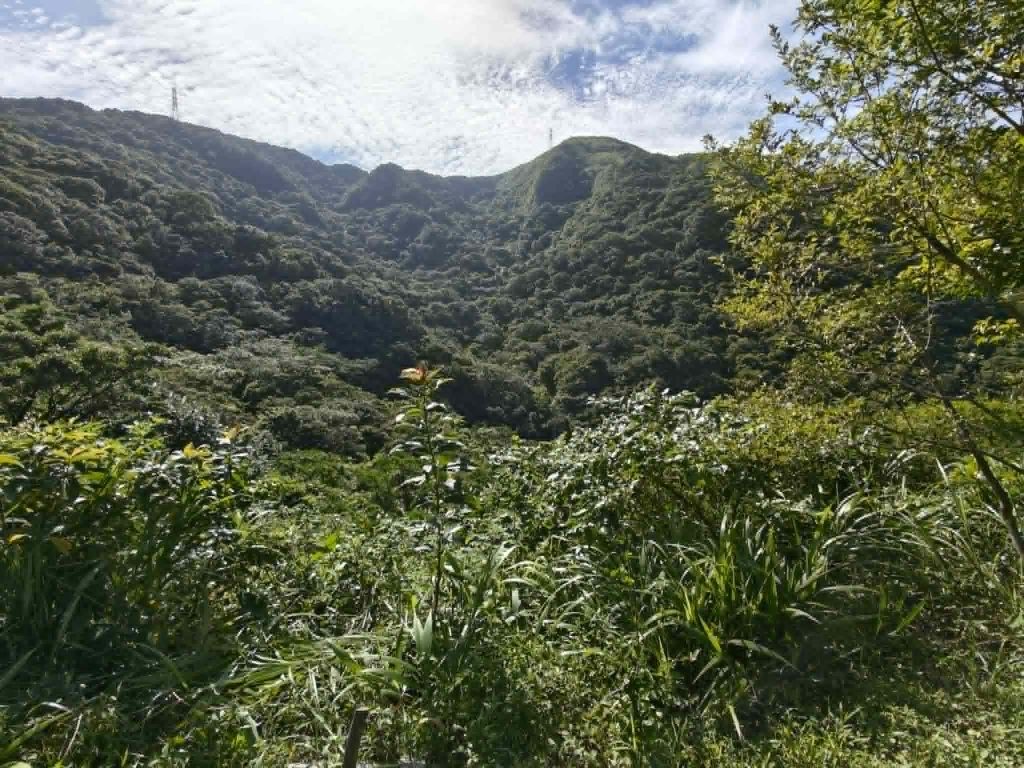
(and today, nothing left)
The prosperity earned Dacukeng the nickname “Little America,” reflecting the wealth of its inhabitants. Although the village had amenities such as a billiard hall and noodle shops, those seeking nightlife or entertainment still traveled to Jiufen’s famous “Little Shanghai” red-light district. The miners’ strong spending power became well known. Whenever wealthy miners from Dacukeng arrived at the brothels in Jiufen, the hostesses would call out, “The Americans are here!” (阿啄仔, A-tuah-á, a local term for “Americans”), highlighting that they were considered even wealthier than the people of Jiufen themselves.
Source: https://tcmb.culture.tw/zh-tw/detail?indexCode=Culture_Object&id=216022
Mining
The gold was less tightly bound to the surrounding rock and could, in part, be extracted mechanically. Mining focused primarily on alluvial and weathered gold ore. Unlike in Jinguashi, the gold was often not tightly locked within sulfide ores but occurred as fine particles or in quartz-rich rock.
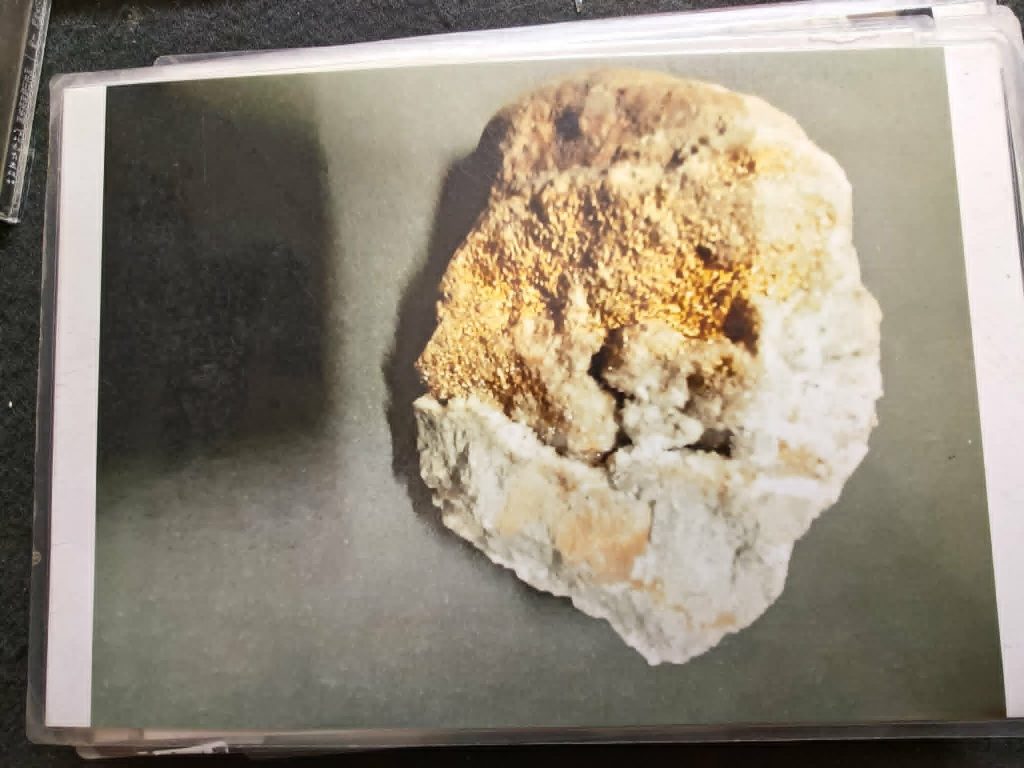
As a result, the ore could be processed using comparatively simple methods. The ore was first crushed into smaller pieces. Separation was carried out partly by washing, although heating the material to high temperatures was also necessary. Overall, the mining and processing methods were technically less complex.
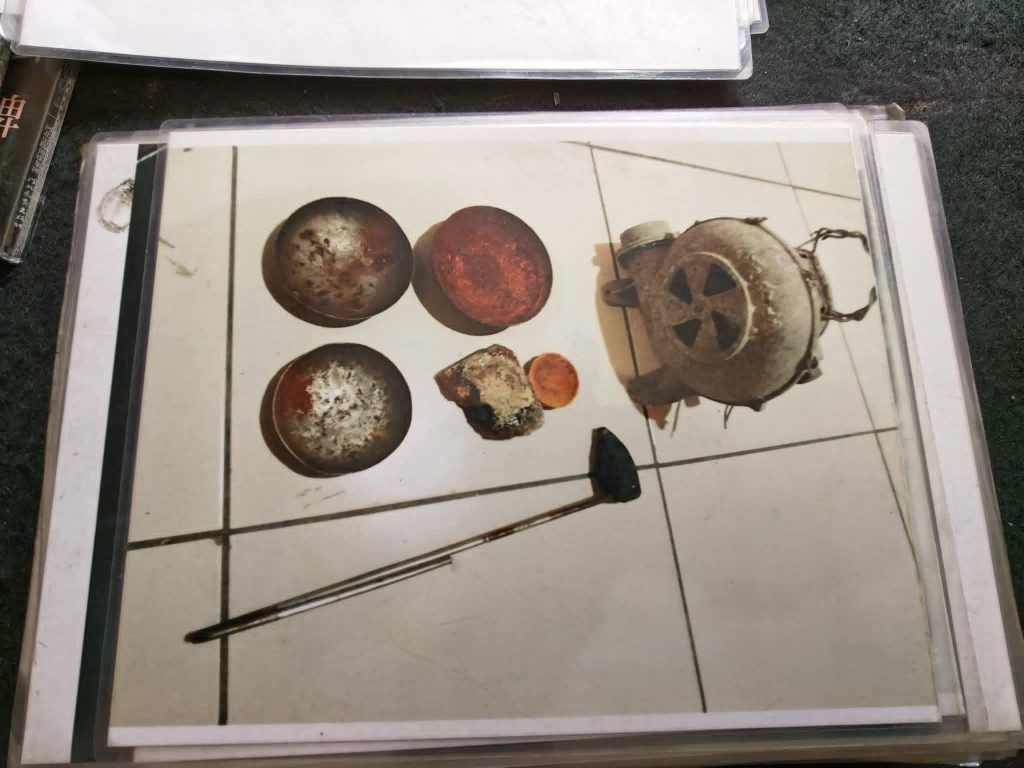
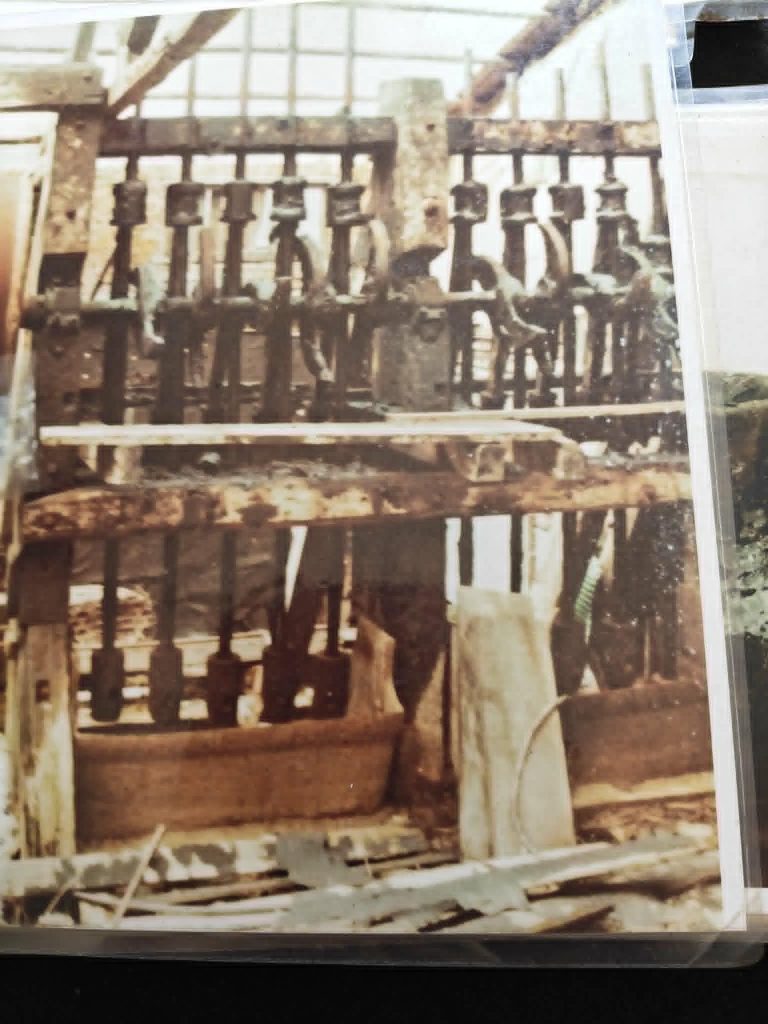
(ore crusher)
The exact number of gold mines and shafts in the Dacukeng and Houtong area can no longer be determined with certainty today. At the entrance of the trail from Houtong to Dacukeng lies the former 昇福坑礦場 (Shengfu Mine). The entrance to the adit has survived, but it is now closed and inaccessible. Local accounts mention a total of nine numbered shafts (坑) in the Dacukeng mining area, although not all of them can still be identified today. It is also no longer possible to determine precisely how names such as 鐵門仔坑 (Tiemenzikeng) correspond to individual shafts, mining sections, or ore deposits.
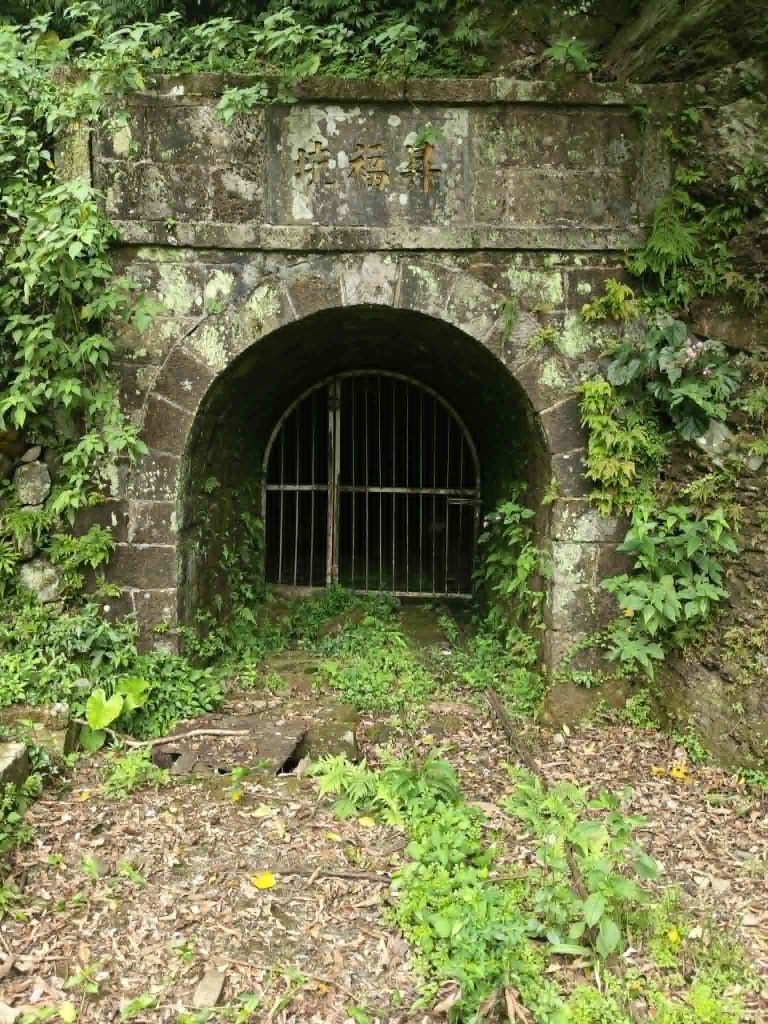
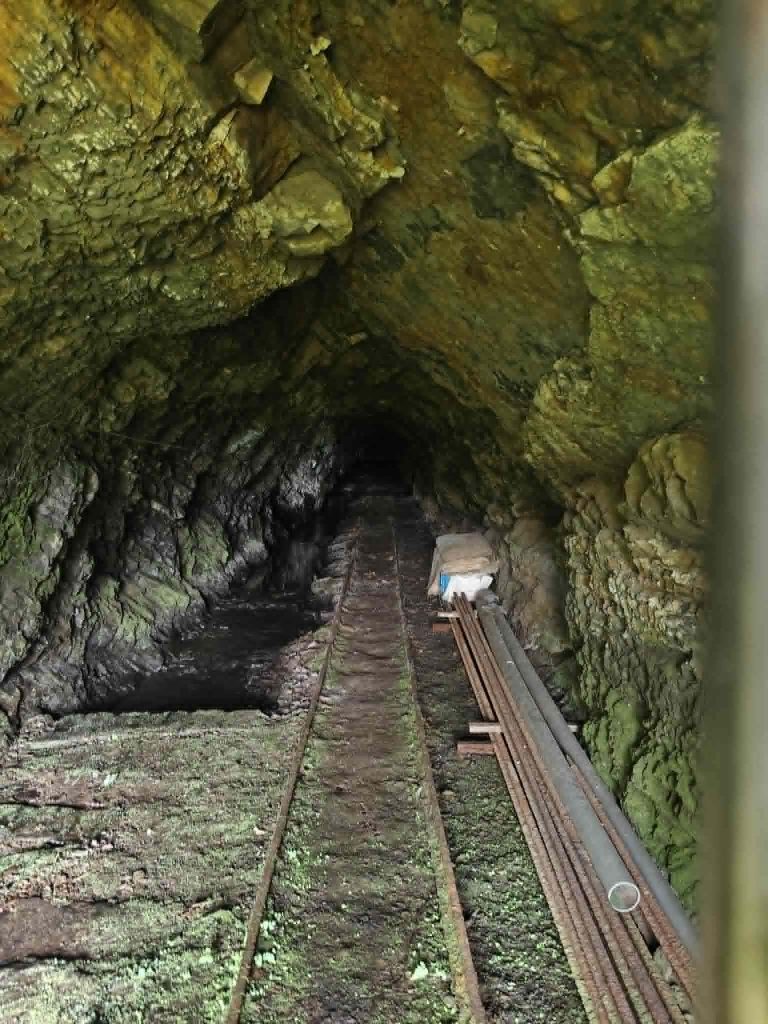
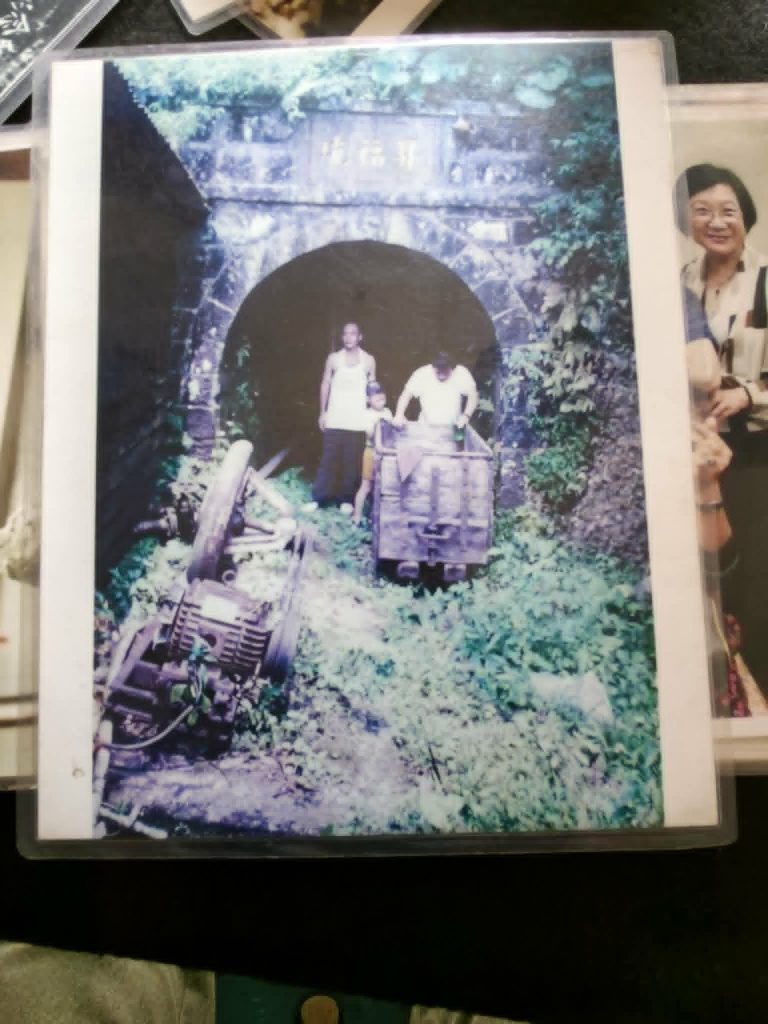
(Shengfu Mine, around 1990)
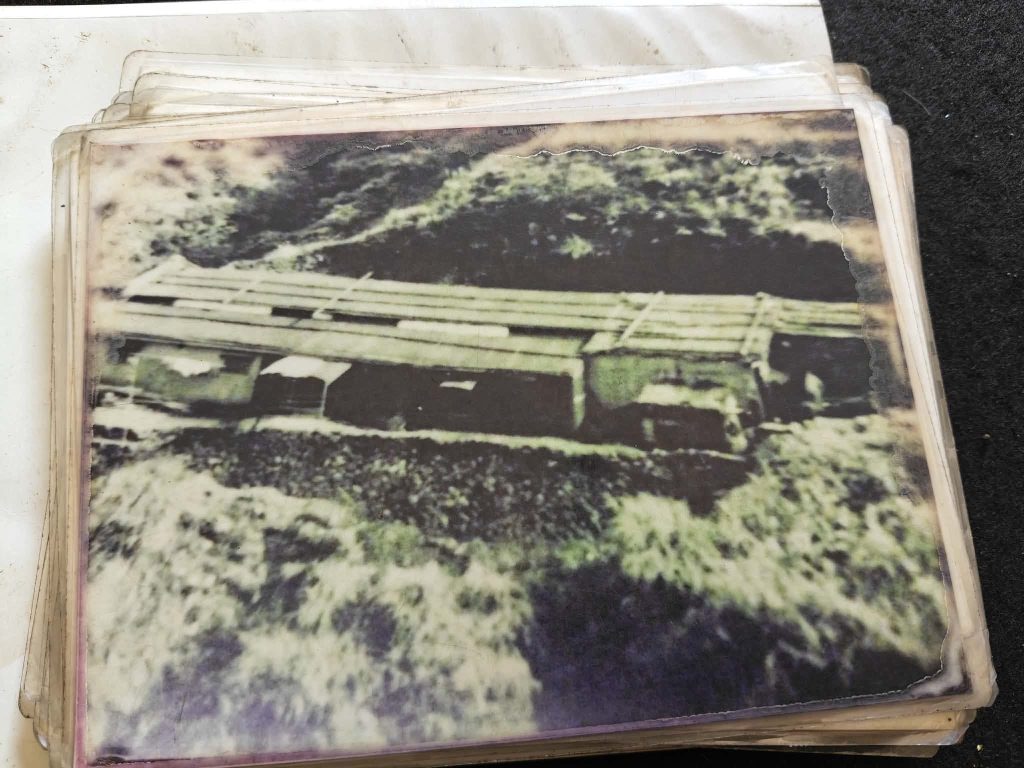
(around No. 6)
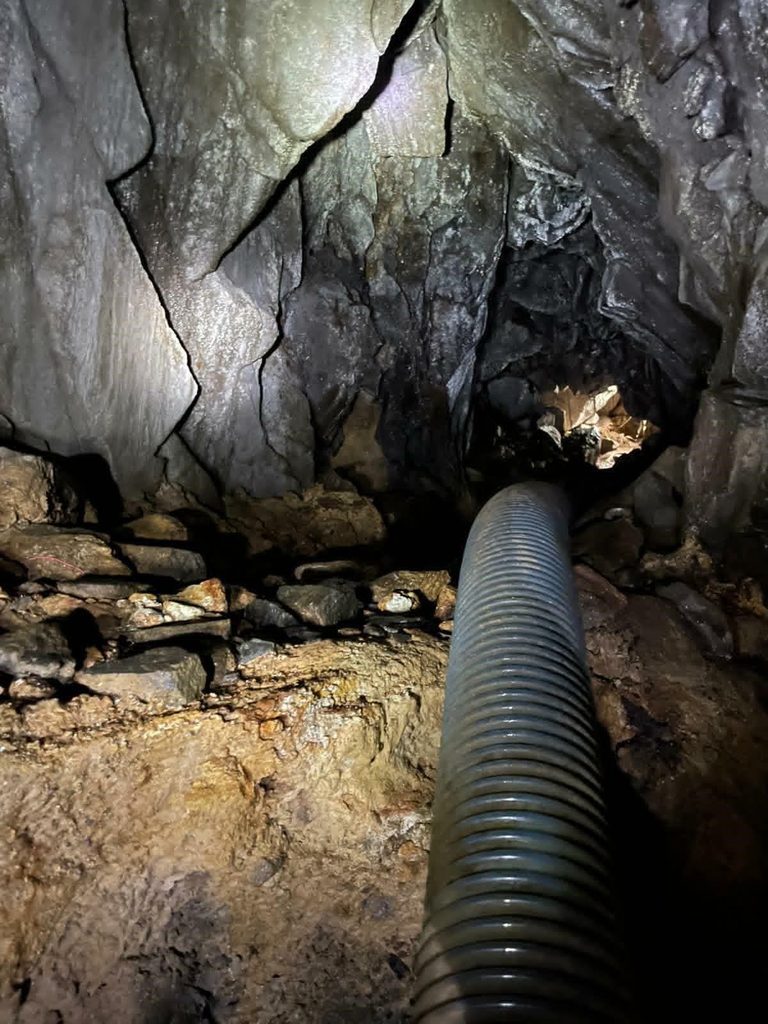
In addition to the better-known mines, numerous smaller and mostly undeveloped adits also existed in the area. Many of these were only used temporarily, and their history has largely disappeared over time. I found that one, would you try it?
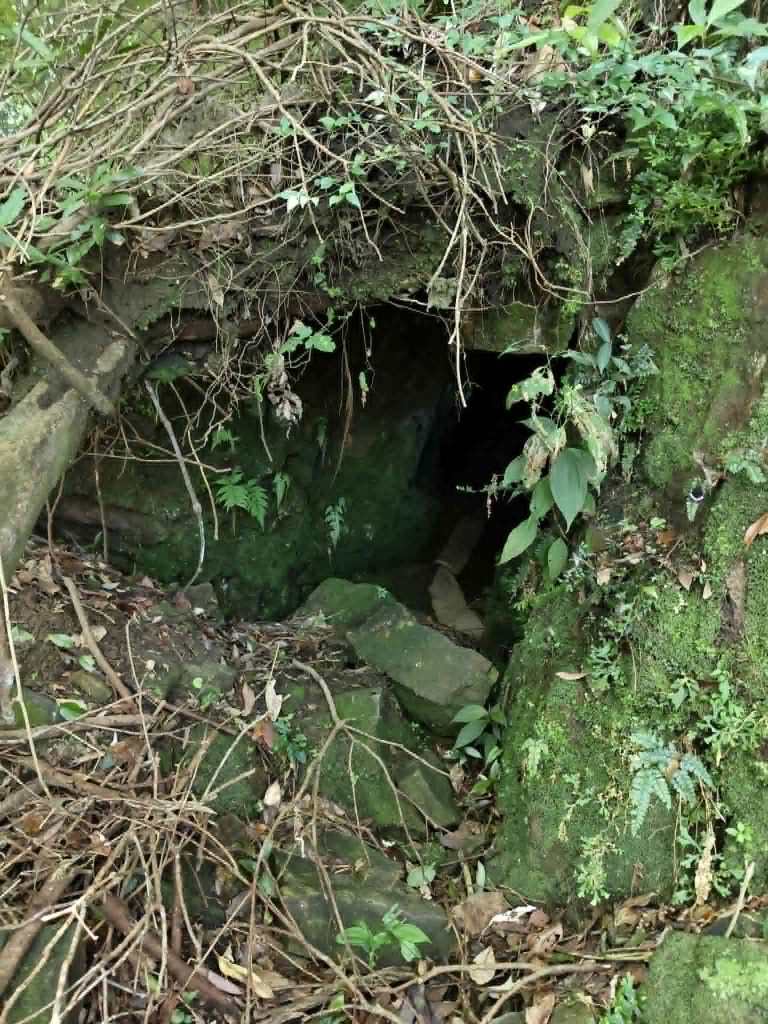
Today
This prosperity, however, came to an abrupt end. Around 1961, the Zhenshan Company, which operated the Dacukeng mines, ceased mining activities. The villagers lost their only source of income, and with poor living conditions—chronic water shortages, little opportunity for other industries, and inconvenient transportation—they eventually decided to relocate. In 1979, the entire community moved away as a group. Most residents settled in Ruifang, while others moved to Jiufen or Taipei.
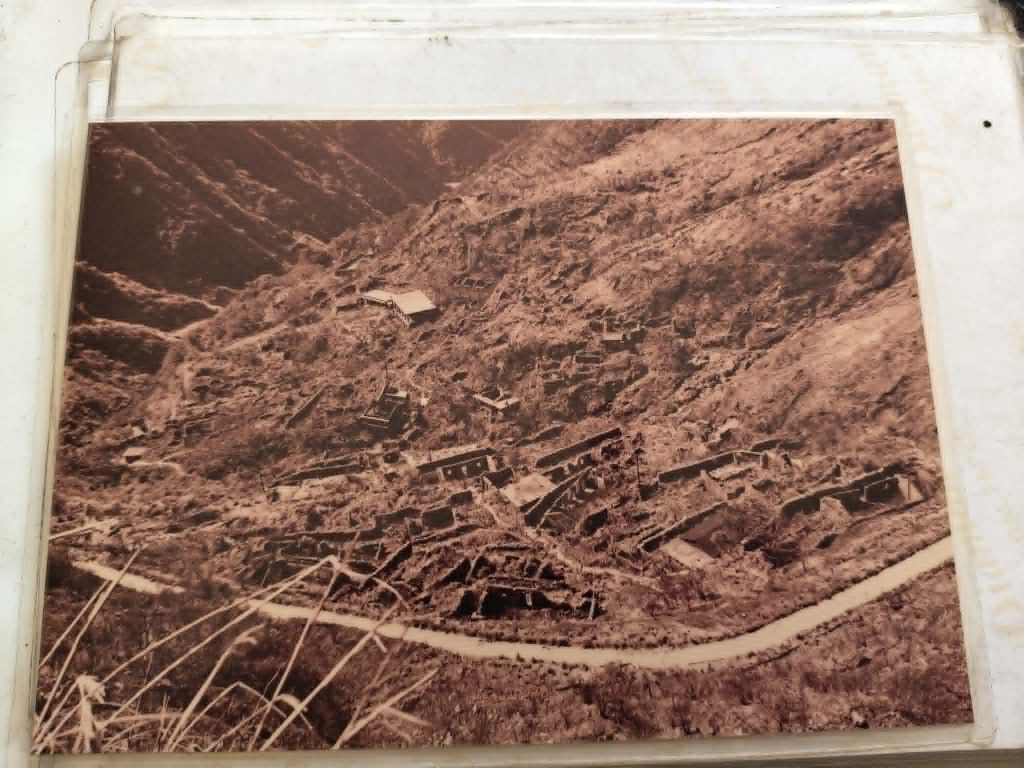
(around 1990, after cutting)
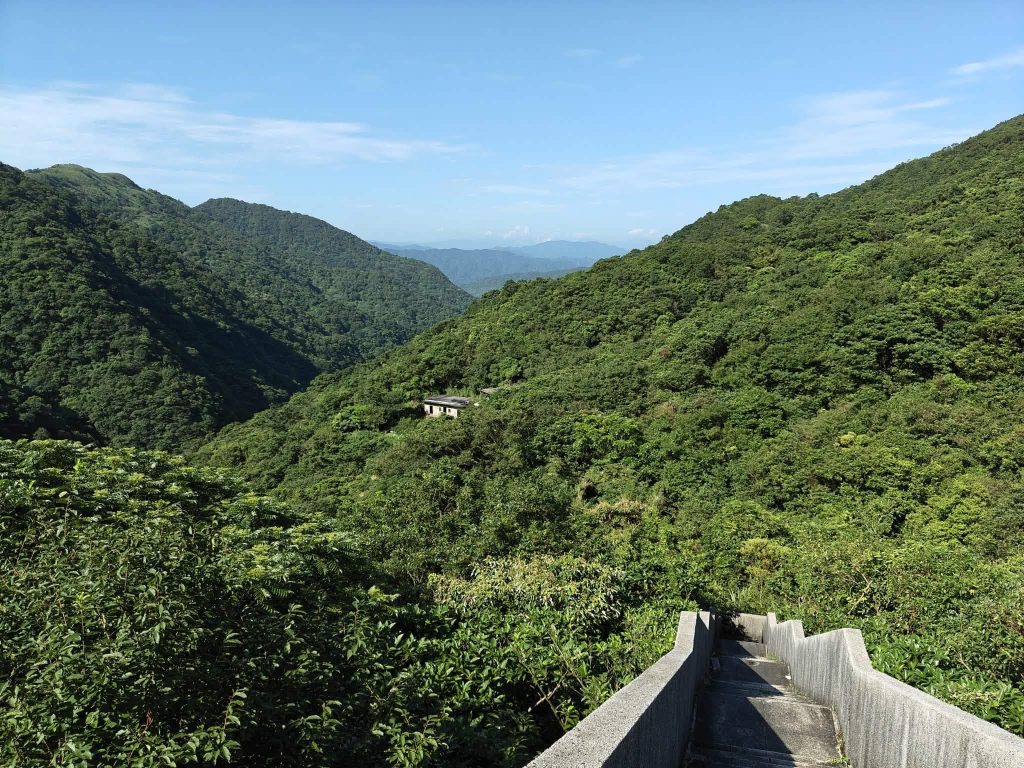
Today, only the local temple and the former school remain as standalone buildings. In the early days, the school was merely a small branch campus, and the first teachers even held classes inside or in front of the temple. As the community grew, this arrangement soon became inadequate, making it necessary to construct a proper school building.
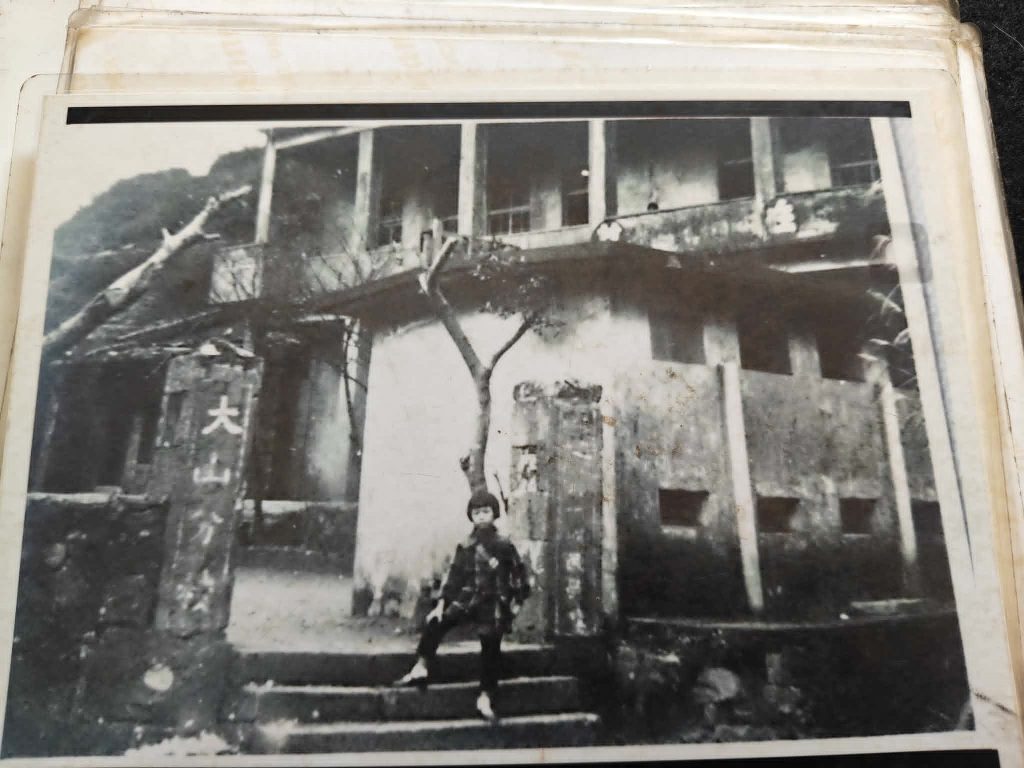
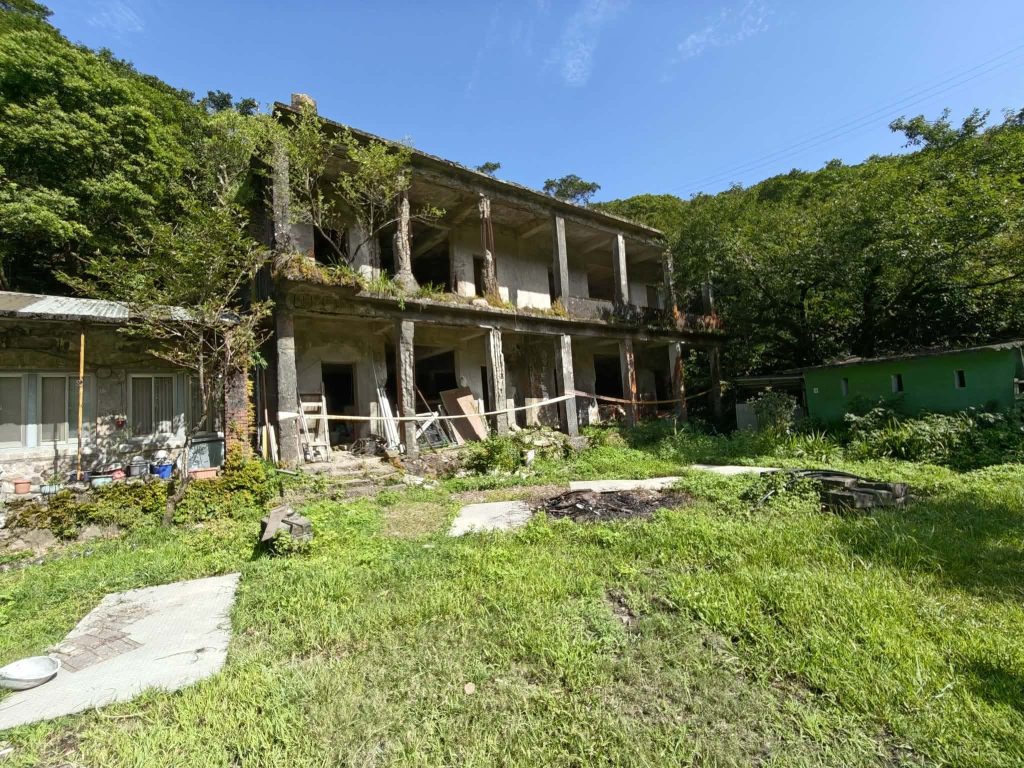
(the school)
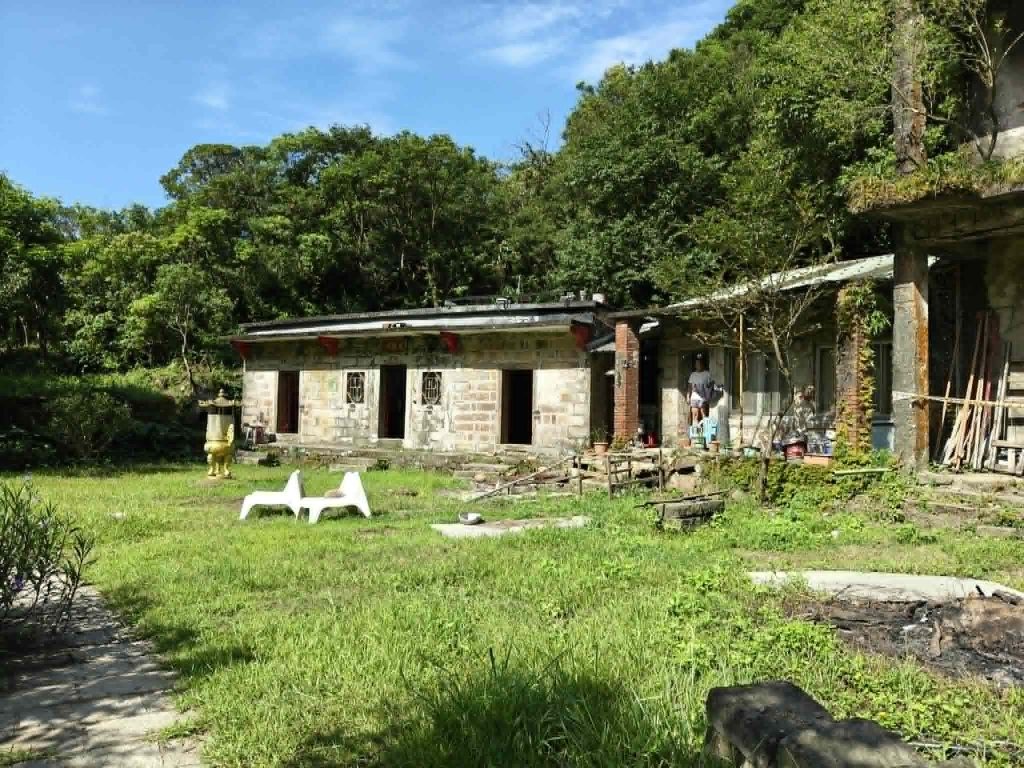
(the temple)
The man living in the house next to the temple was rather reserved at first. I asked if I could come in. I explained that the heavy stick I was carrying was only meant to keep his dogs under control and that I would never use it to hit the dogs. As we continued talking, he gradually became friendlier. He showed me the old photographs and explained what they depicted. Our conversation grew more relaxed, and when he realized that I spend a great deal of time exploring remote places in Taiwan—and that I was wearing the thick rubber boots commonly used by local hikers and carrying a stick/bush knife—he became increasingly open. He shared a wealth of information with me, most importantly where I should look for Shaft No. 6.
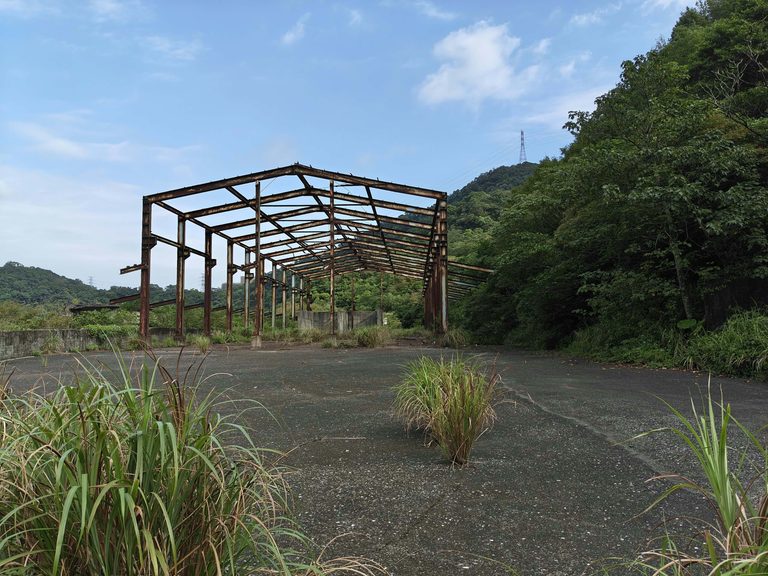
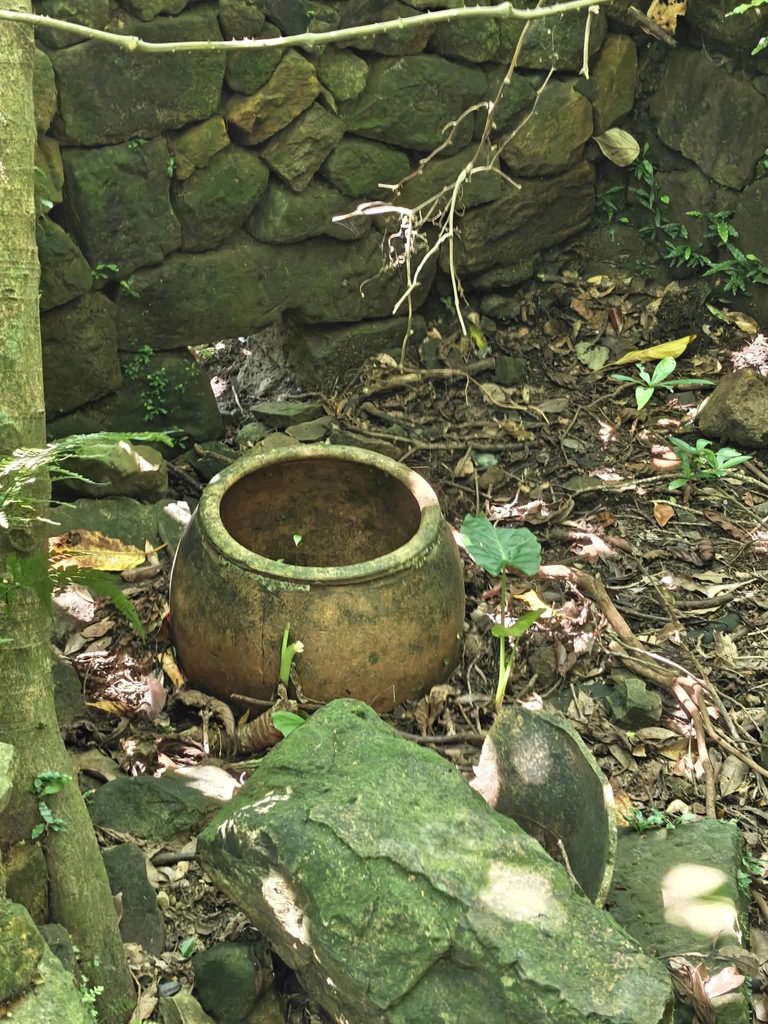
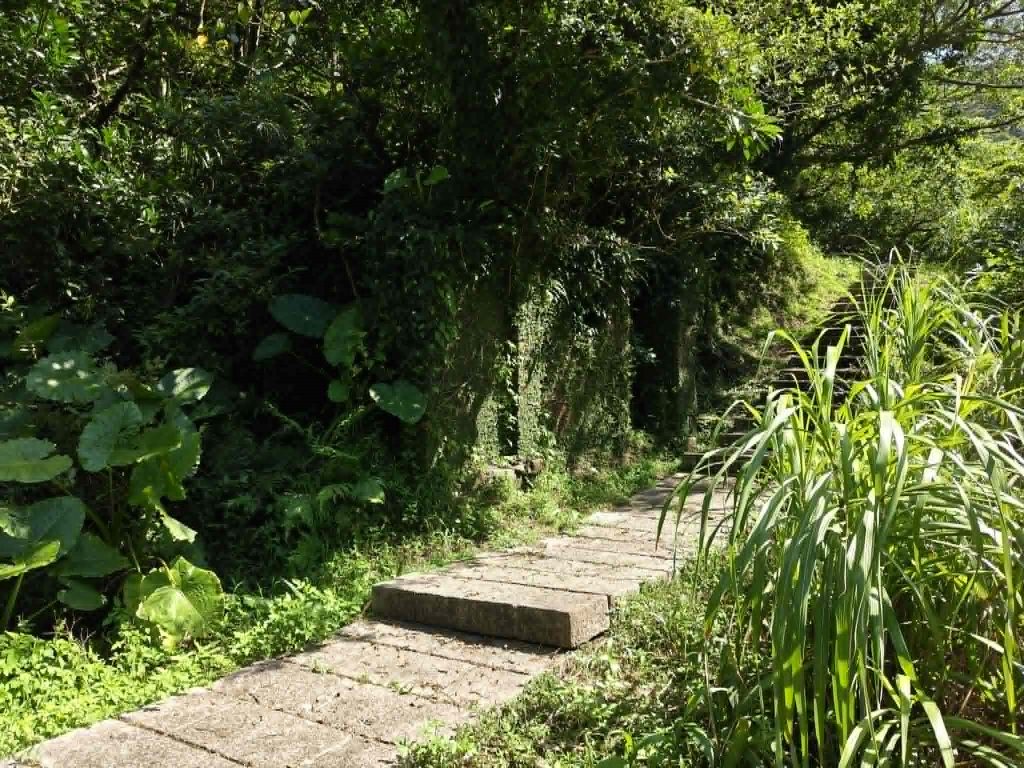
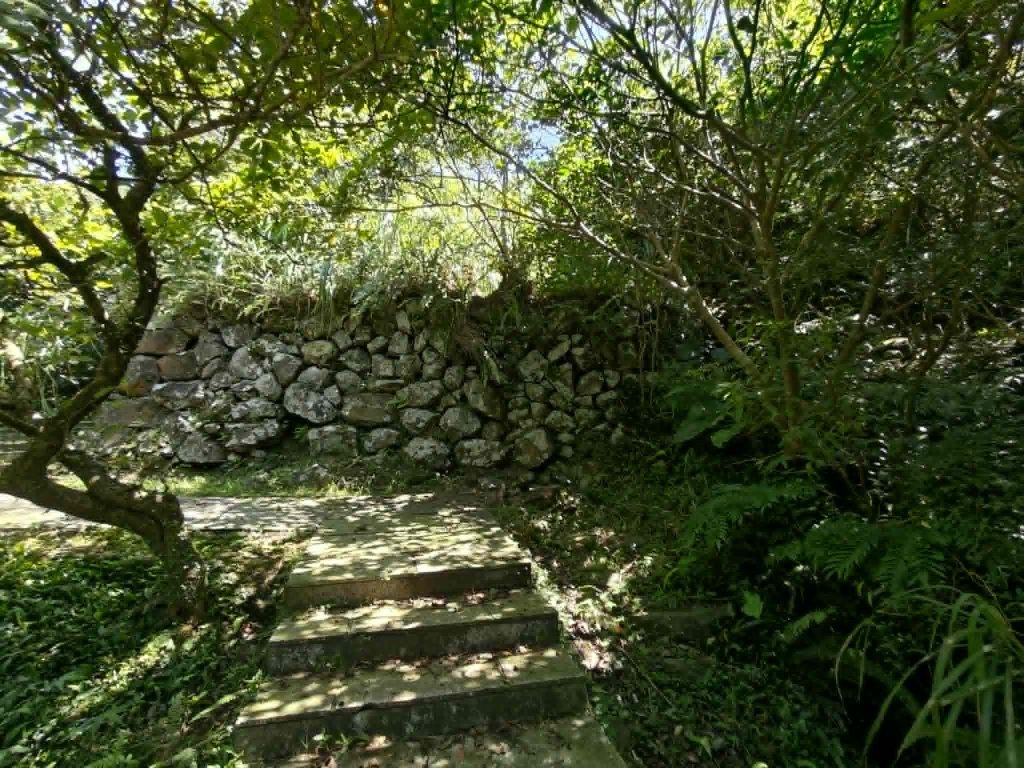
Of almost all the houses, only the foundations remain, with just a few exceptions. However, the foundations are now largely hidden by dense undergrowth and are difficult to make out. These walls were built to provide protection from the wind.
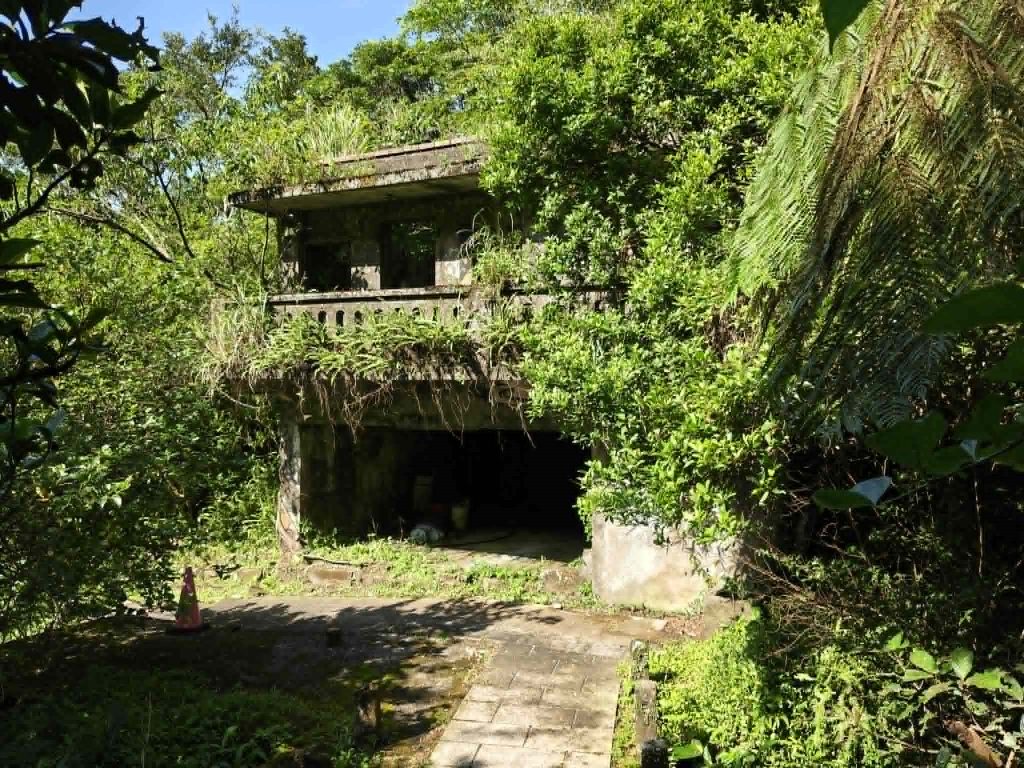
(above the school)
My Search
An elderly resident gave me a rough description of where Mine No. 6 was located, so I set out to find it. Google Earth was of little help because the entire area is overgrown. I could only rely on the contour lines and his descriptions.