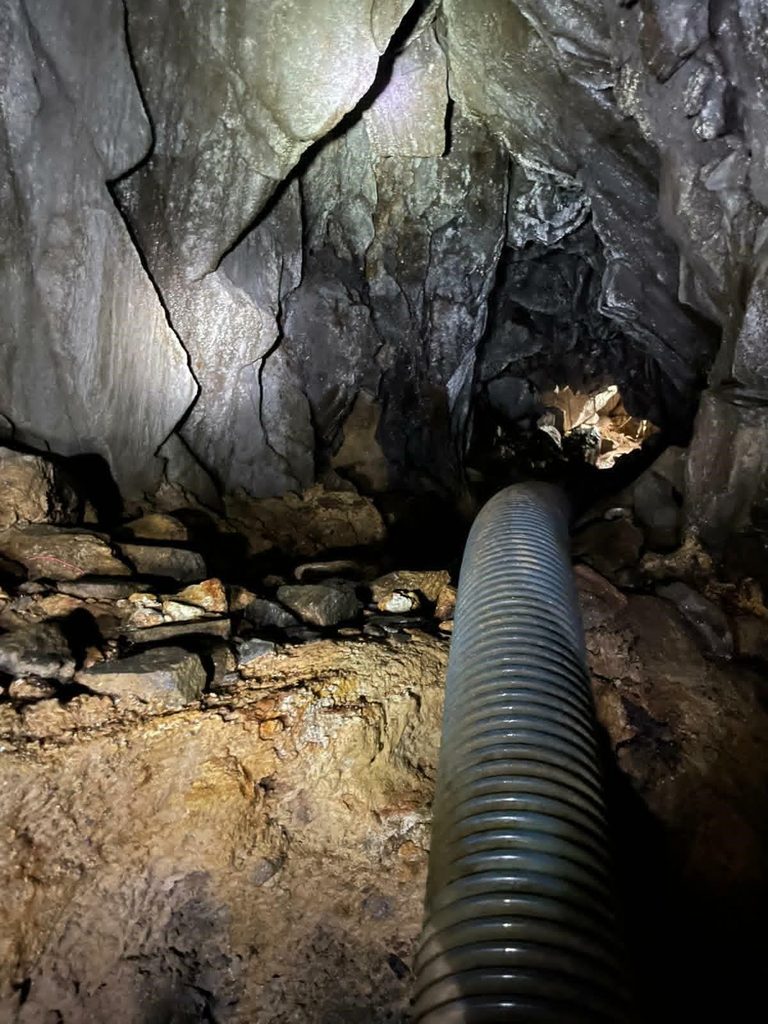
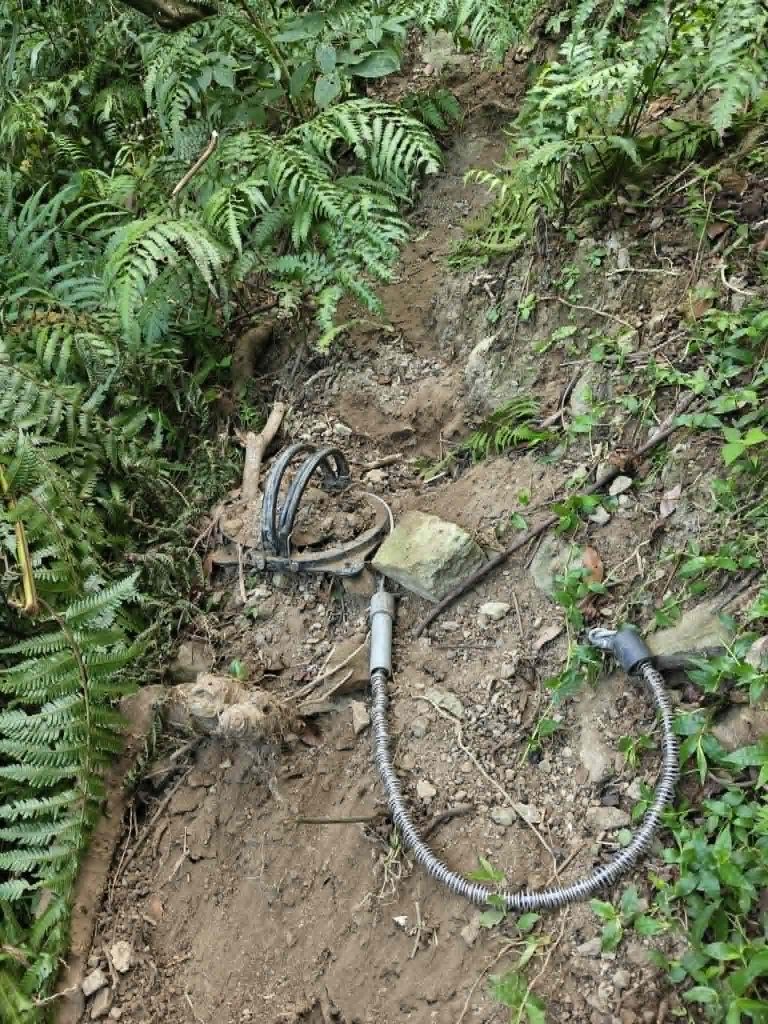
Taiwan still has countless old factory buildings that look unremarkable at first glance. Yet they tell the story of Taiwan’s economic development. Industrial history tells us far more about how a society developed than philosophical writings ever could. With all the media attention focused on Taiwan’s immensely important semiconductor industry, it is easy to forget that the country’s industrial roots lay in low-cost manufacturing. Alongside an abundant workforce and low wages, cheap coal was one of the main driving forces behind Taiwan’s industrialization, providing the electricity needed to power its factories at low cost. Northeastern Taiwan still preserves physical traces of this industrial era, although many are now well hidden. As so often happens, economic progress came with a darker side: environmental pollution and the wasteful use of natural resources.
Old Factories I (Longtan)
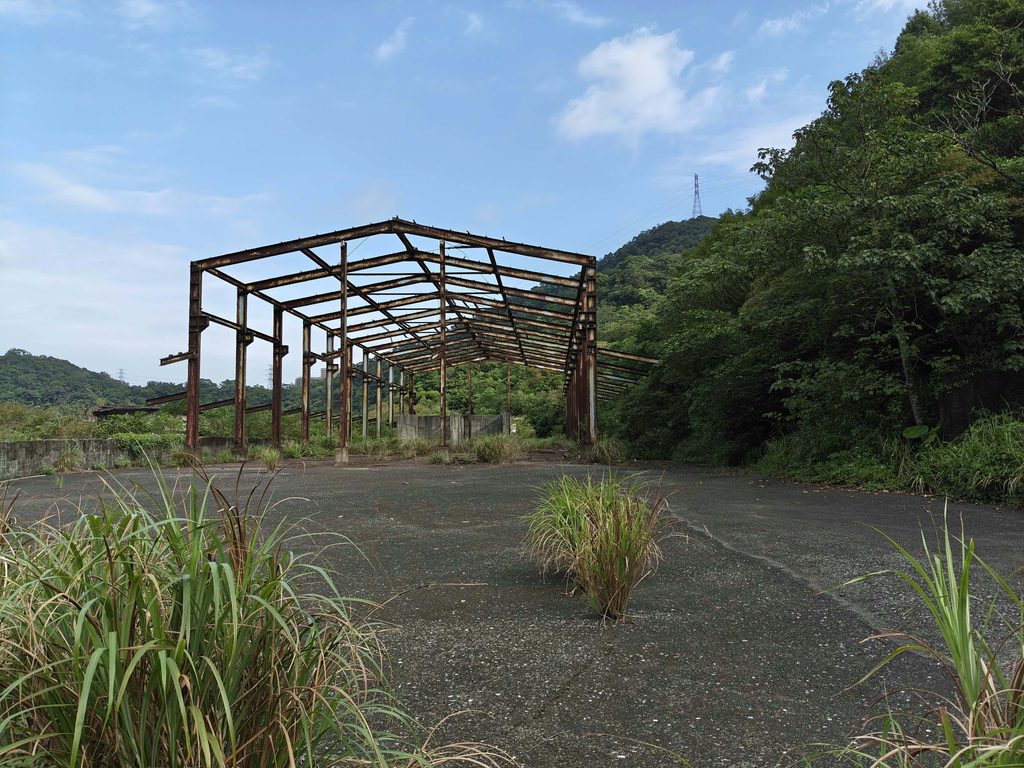
What I found here was a very large industrial hall, apparently typical of factory buildings from the 1990s to 2000s: a simple steel framework covered with corrugated metal sheets.
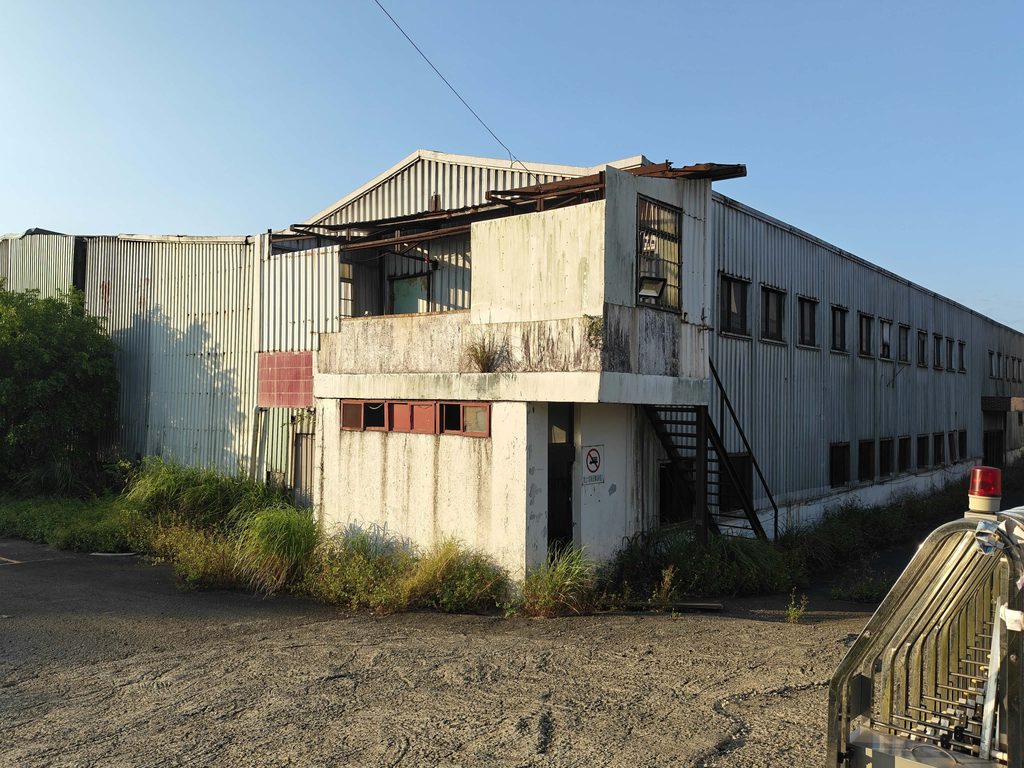
The hall has several wide vehicle entrances, and along its right side are a few offices, relatively small compared to the enormous interior space. Based on this layout, I suspect that the building may once have served as a recycling or waste storage facility.
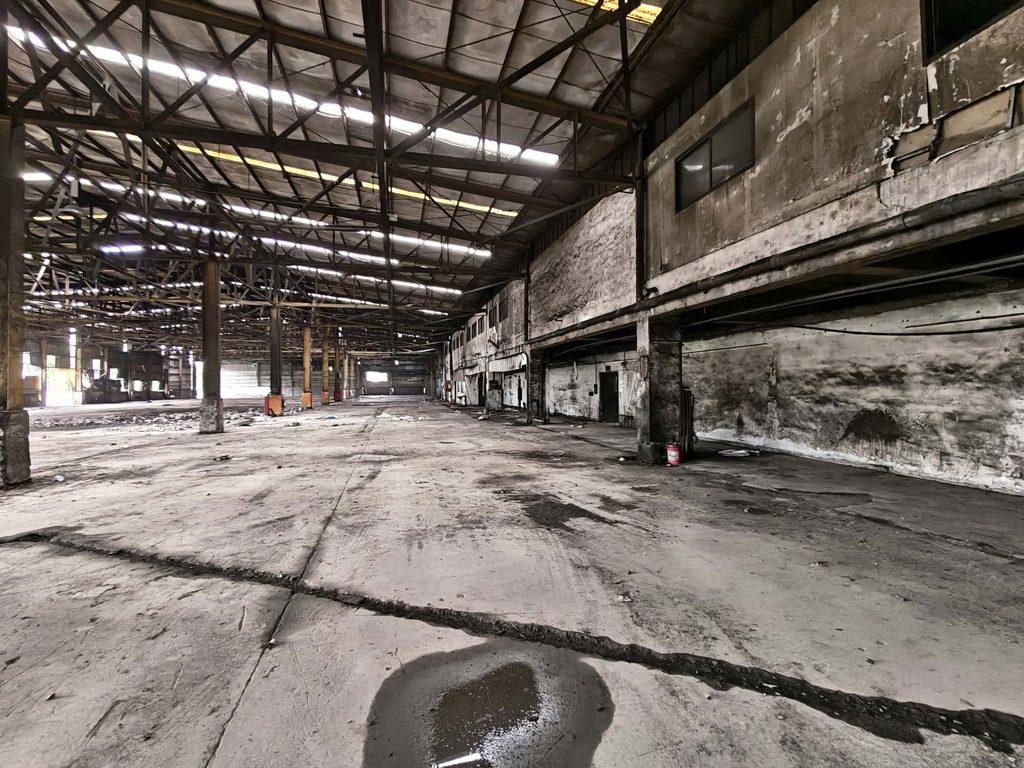
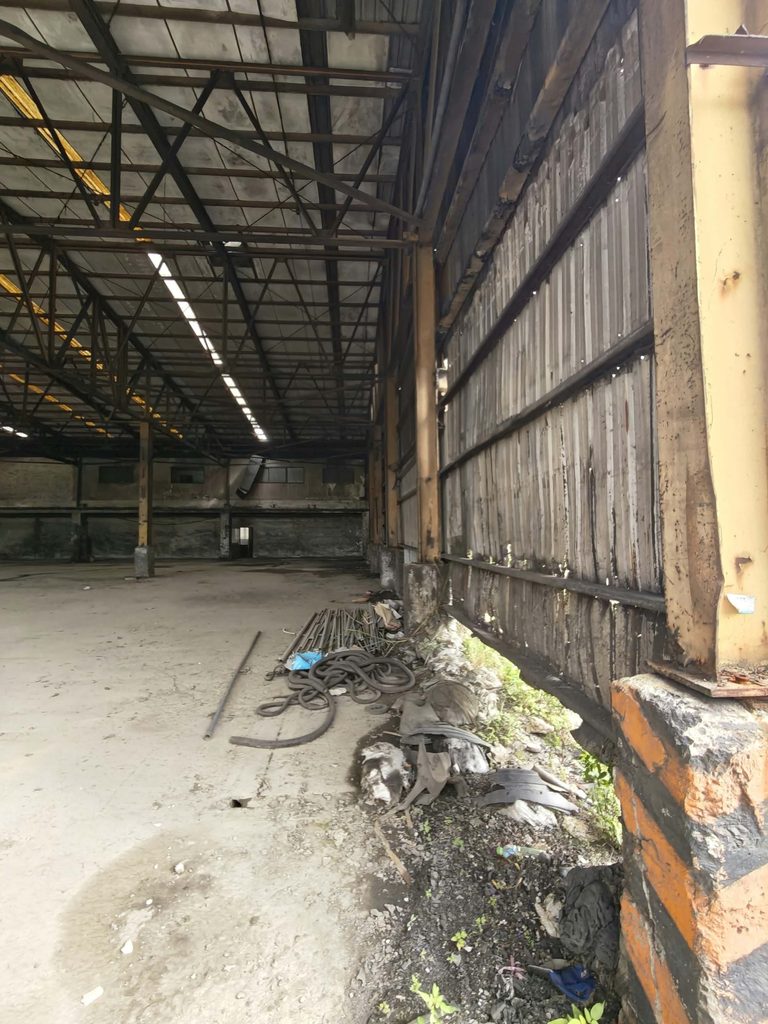
However, this is only an assumption based on the building’s appearance. I have not established what the factory originally produced or how it was used. The premises may also have changed owners or functions over time.
Old Factories II (Houtong)
This area is still heavily shaped by its coal-mining history. You pass this former industrial site on the way to Houtong: 榮積工業股份有限公司 (Rong Ji Industrial Co., Ltd.).
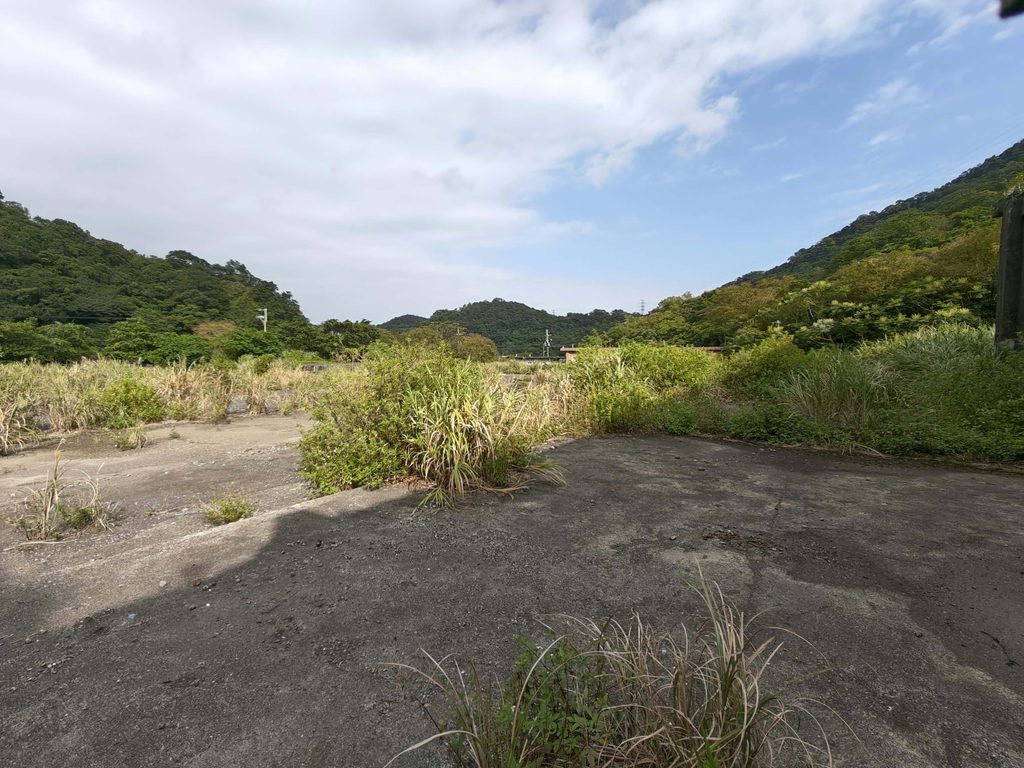
This large company was established in 1997 with a registered capital of NTD 198.5 million and was deregistered in 2004. Its registered business activities included the production of activated carbon and carbon black, rubber processing, waste and wastewater treatment, and the manufacture of petroleum- and coal-based products.
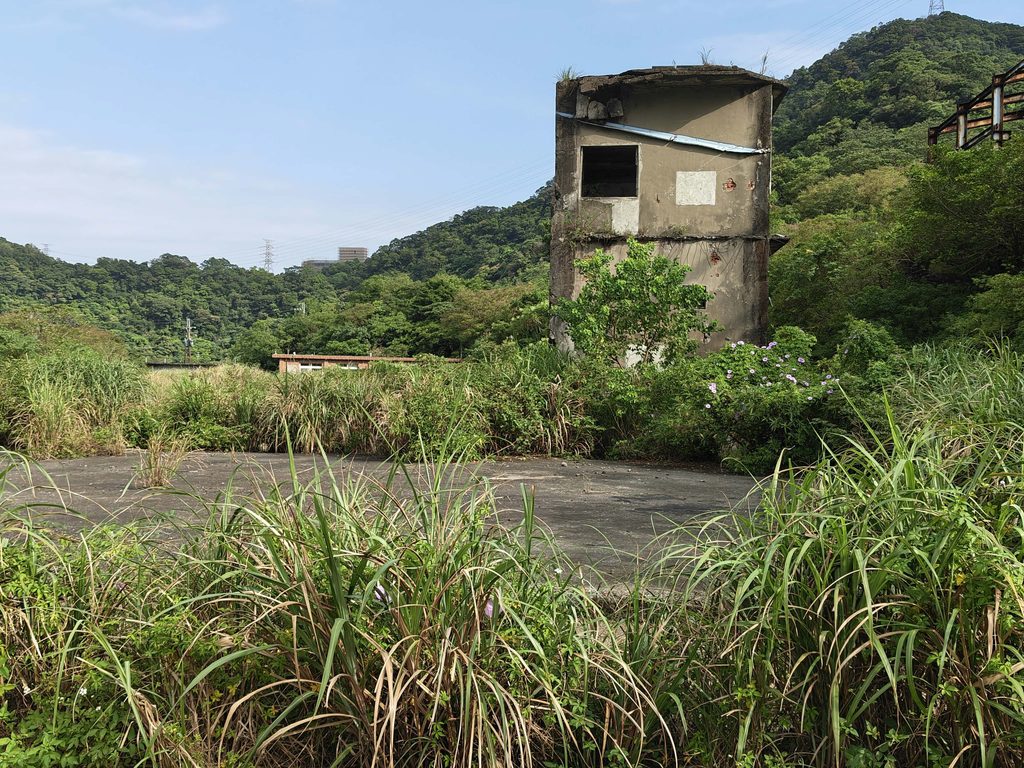
The company records therefore suggest that this was not simply a small recycling operation but a substantially capitalized industrial business. Further research revealed considerable financial difficulties. An official Taiwan Business Bank list of written-off non-performing loans records an amount of NTD 183,979,000. Even more interesting is a court case concerning the property. According to the proceedings, the land and factory buildings belonged to 華立公司 (Hua Li), not Rong Ji Industrial. Hua Li had leased the premises to Rong Ji Industrial.
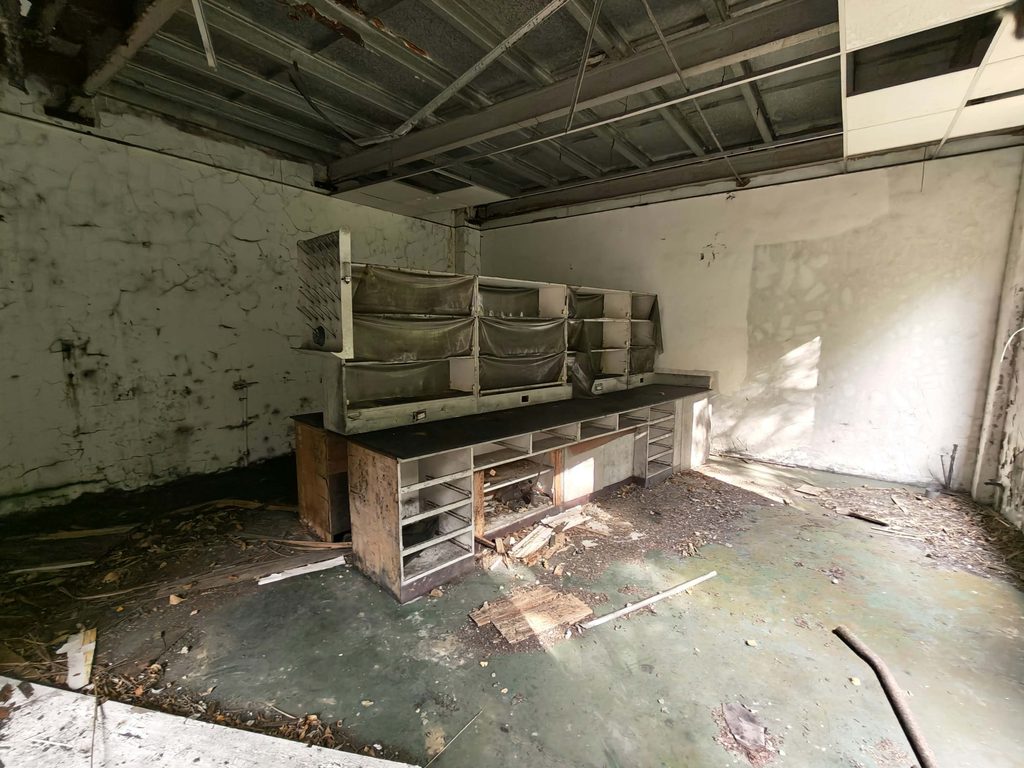
The records also describe substantial outstanding bank claims against Hua Li and an environmental problem discovered in 2006, when the authorities found illegally deposited waste on the property. The authorities eventually arranged for its removal and sought reimbursement of the cleanup costs.
These are findings from historical company records and legal proceedings, not things that can be established simply by looking at the abandoned buildings today. One detail is particularly interesting: Rong Ji Industrial had already been deregistered in 2004, two years before the authorities discovered the illegal waste deposits. The environmental case therefore cannot automatically be considered the reason for the company’s deregistration.
What initially appeared to be just another abandoned industrial property turned out to have a much more complicated history involving corporate ownership, financial difficulties, and environmental problems.