ed. 2026/8/23 still in process
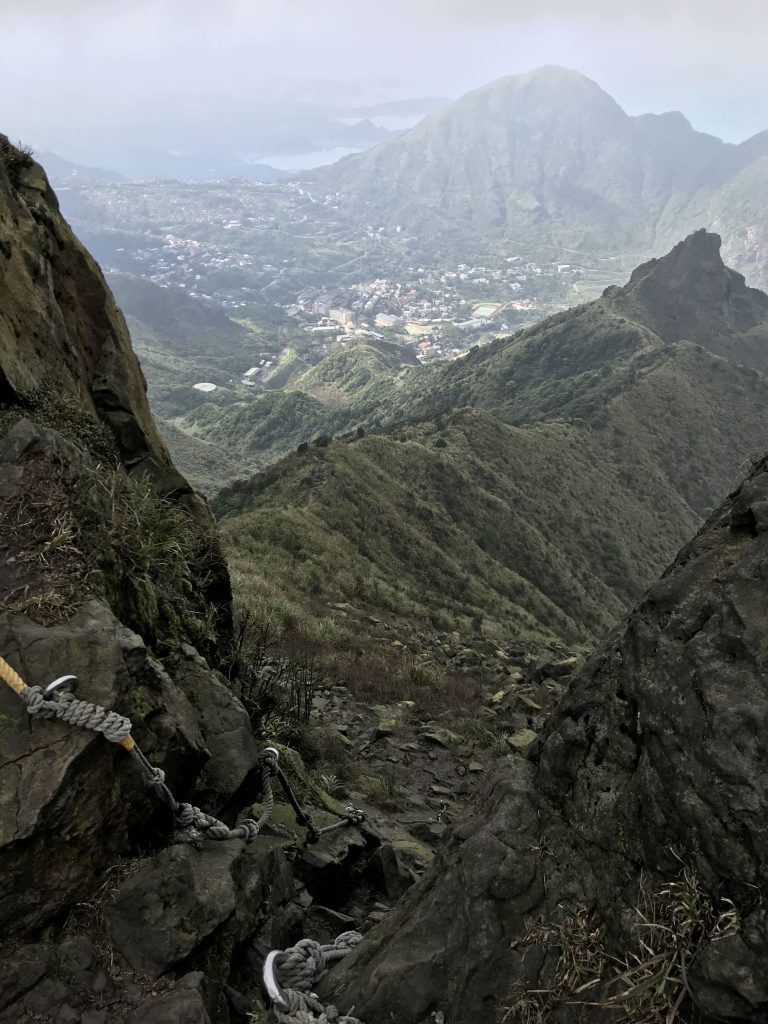
dangerous (traps, snakes)
Humans have done nature a great deal of wrong. They not only destroy themselves in the process—probably not a great loss to nature—they alter it, destroy it, and poison it. But whatever happens, nature ultimately wins and reclaims what belongs to it. This description may sound less idealized or theatrical to many Indigenous people in Taiwan. Nature, spirits, ancestors, and souls are interconnected.
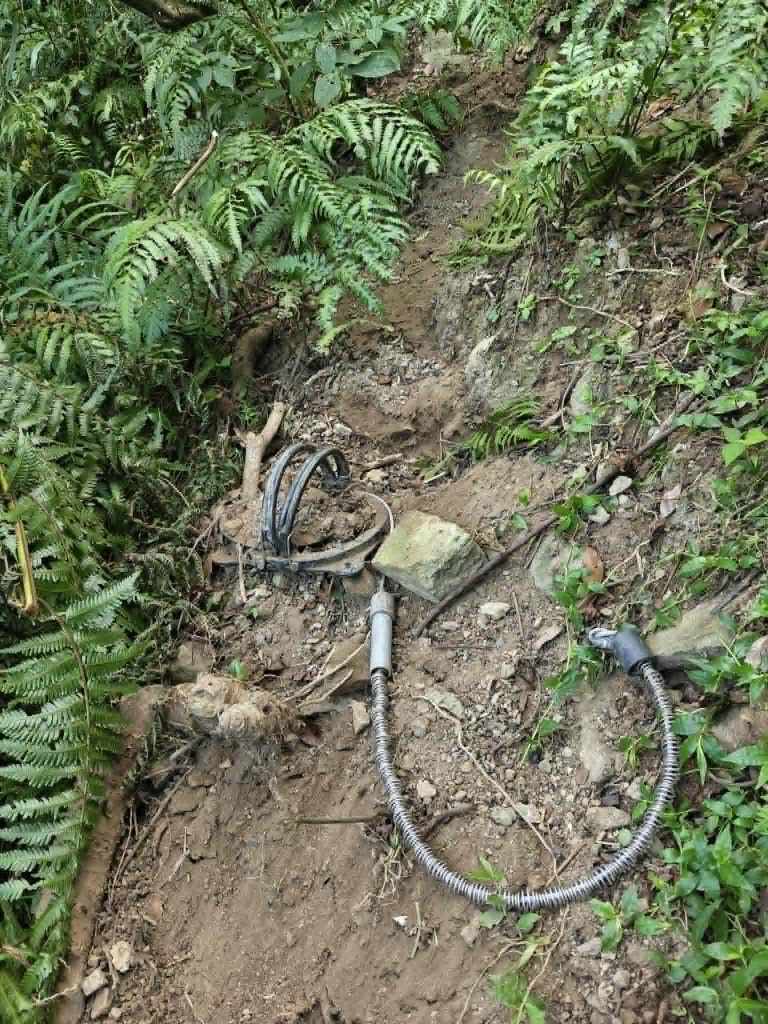
(Snap traps, probably the most cruel form of hunting in Taiwan, and frowned upon by traditional Indigenous hunters)
What today looks like a naturally formed landscape around Jiufen is actually the result of decades of destruction. I have described the poisoning of the area in other posts. But around Jiufen, things went even further: the geographical structure of the landscape itself was destroyed.
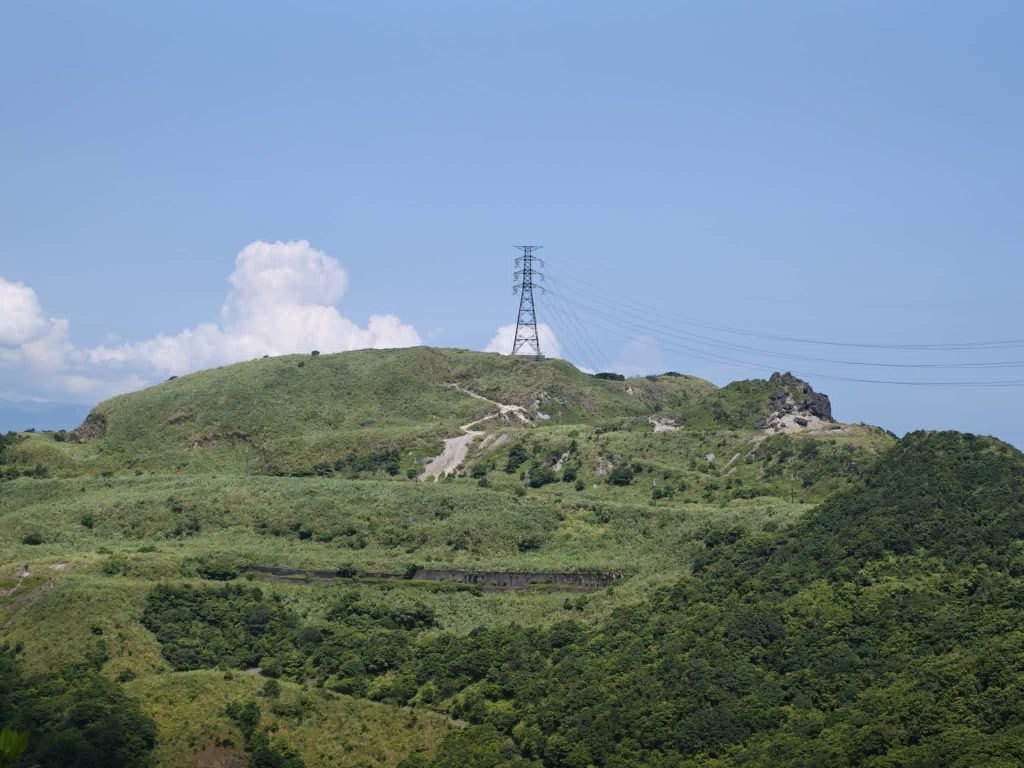
This mountain is not naturally formed. It was formerly known as “Greater Pumpkin.” It lost this shape after decades of mining operations.
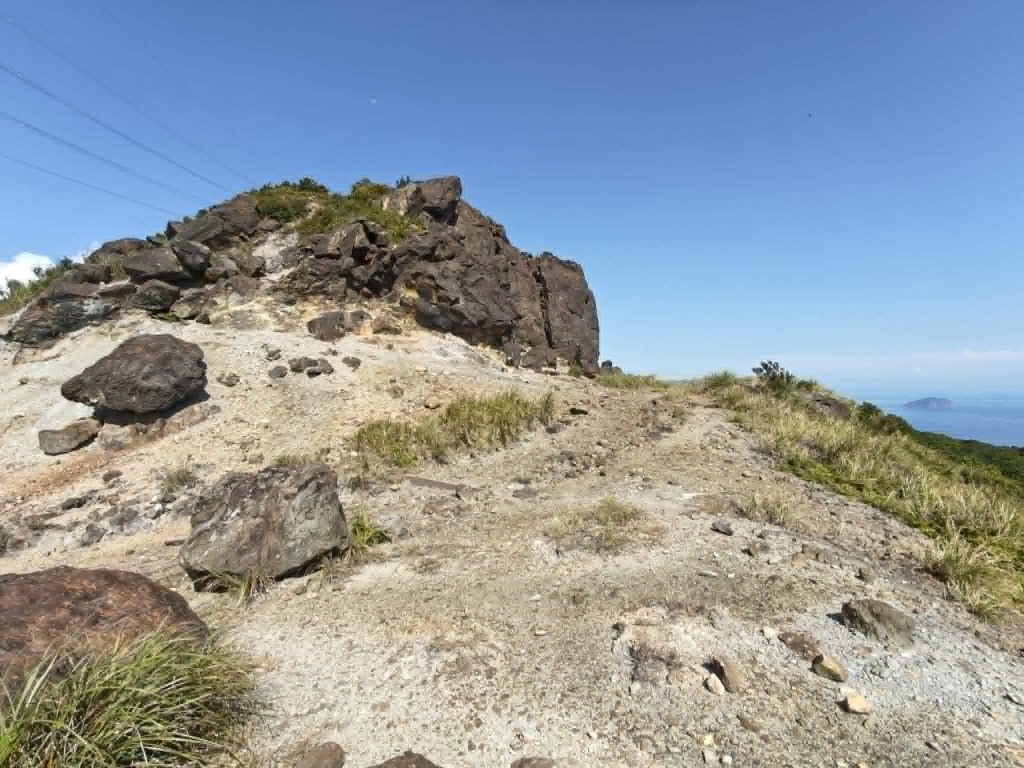
Small Jinguashan Outcrop is located south of Qin Xian Junior High School, at an elevation of approximately 554.77. It was the earliest gold-bearing vein discovered in Jiufen and was also the richest in gold deposits. At its peak, it was said that a bowl of ore could be panned down to half a bowl of gold. Since gold-bearing veins extended throughout the entire mountain, the hill has now been almost completely exhausted by open-pit mining. Its shape has also changed from that of a pumpkin to that of a hippopotamus’s head.
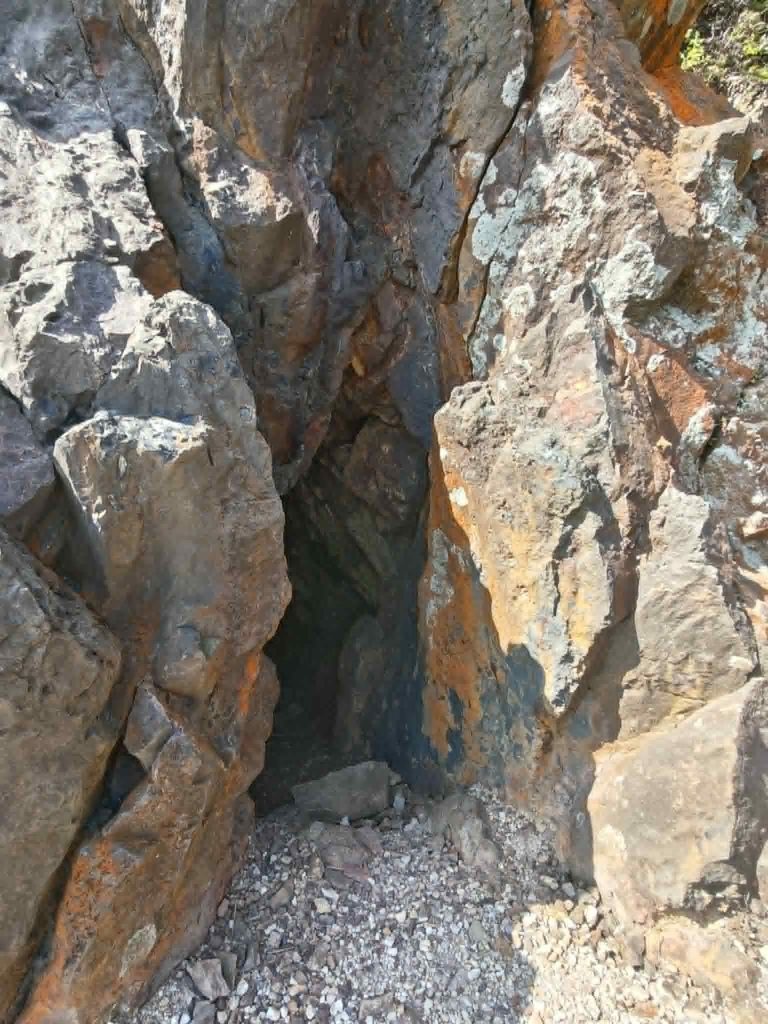
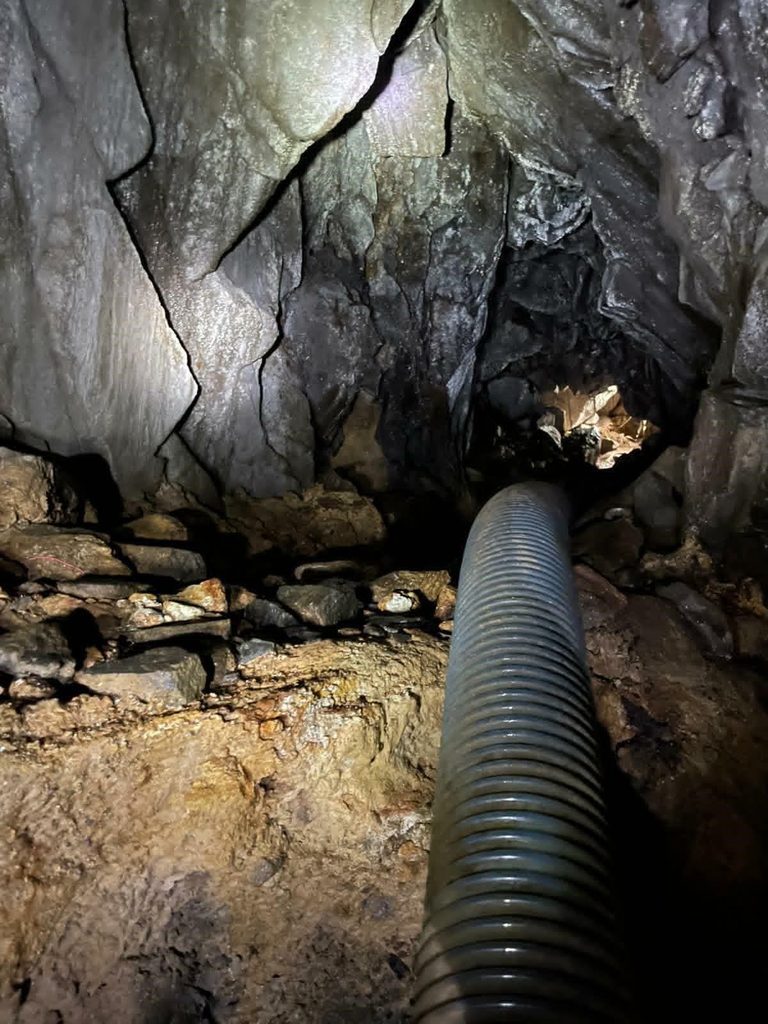
(Forget it: dead end)
Geologically, the area consists of silicified sandstone and shale, making the rock extremely hard. According to assessments by scholars and experts, the average gold grade is currently approximately 8 grams of gold per metric ton of ore, meaning that it still has economic potential for mining. However, environmental concerns and various other issues have meant that there has been little interest in further exploitation. Based on its morphology and the breccia-textured ore excavated from the underground workings, it is inferred that the formation itself may also be a breccia. Very red-colored rocks can sometimes be found around Small Jinguashan. These are mixtures of secondary minerals such as realgar, orpiment, hematite, and limonite.
Source: https://tcmb.culture.tw/zh-tw/detail?id=205903&indexCode=Culture_Object&utm
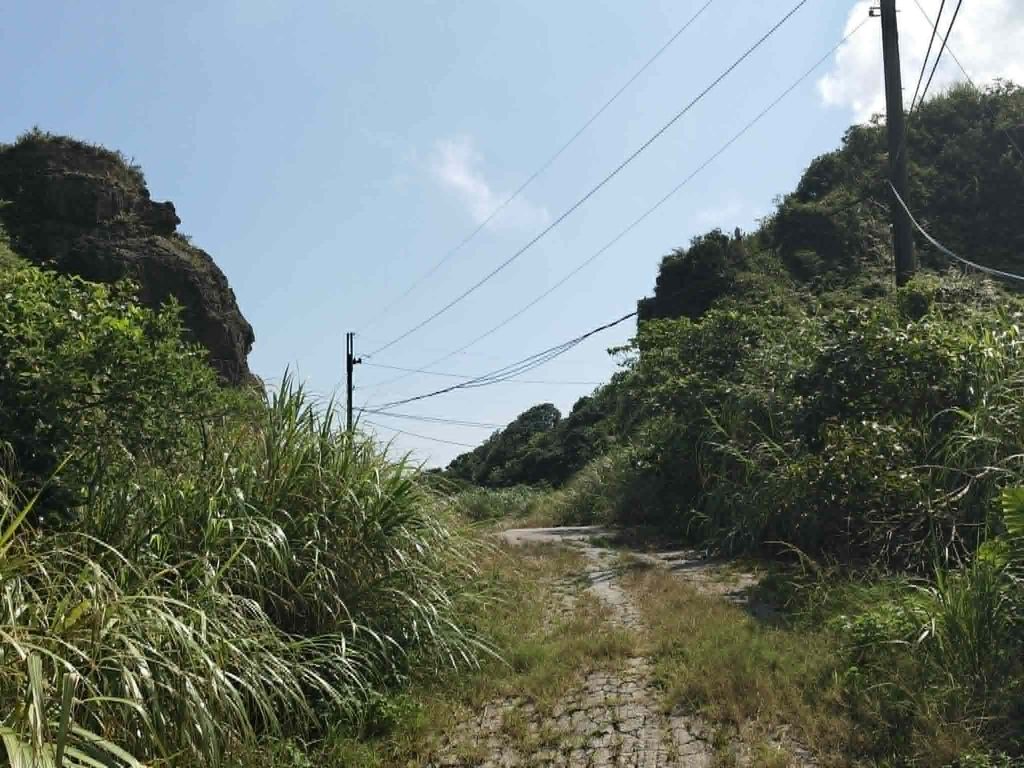
(Some scenes from the film A Borrowed Life were filmed here.)
Mine No. 16 – Jianshu
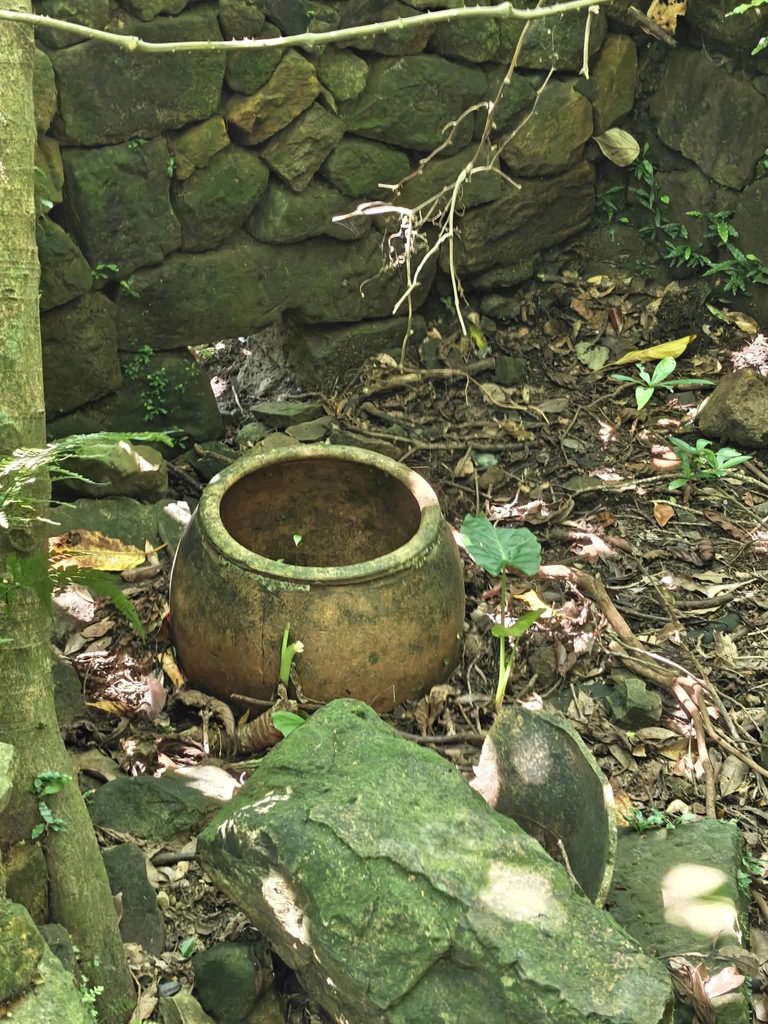
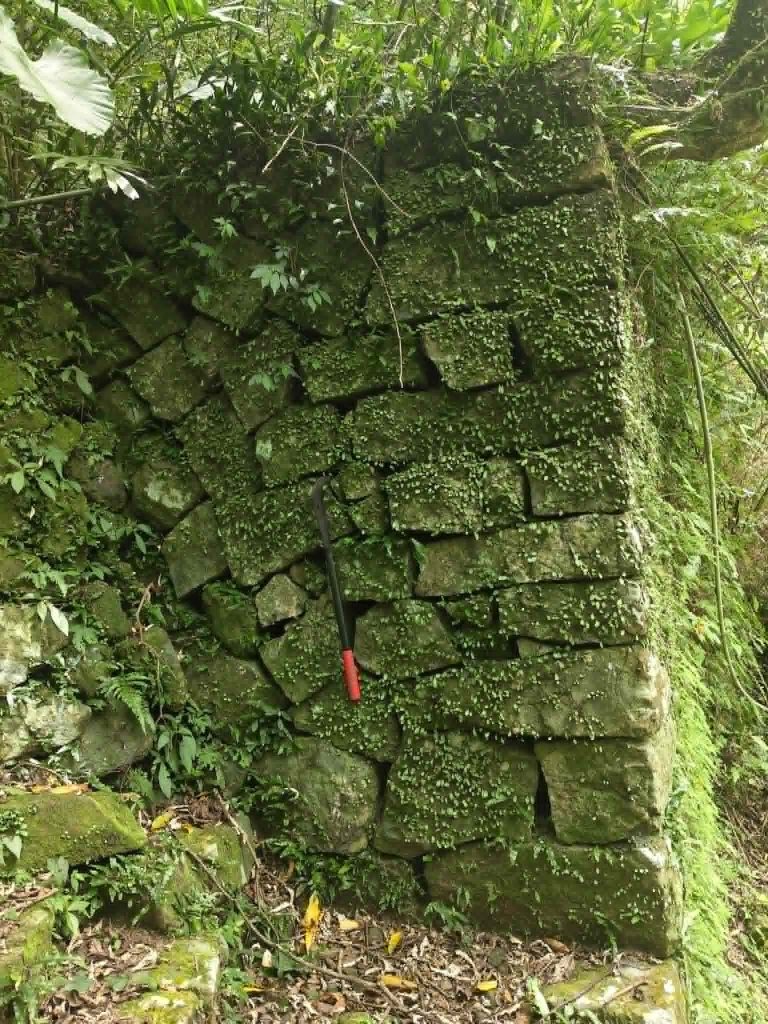
I stumbled upon this village in Neiwan more by chance while looking for a different path. Road construction projects ceased in 1992, and mining operations were abandoned in the late 1980s. The village must have been huge—as the water basin suggests—yet hardly anything of it remains visible today.
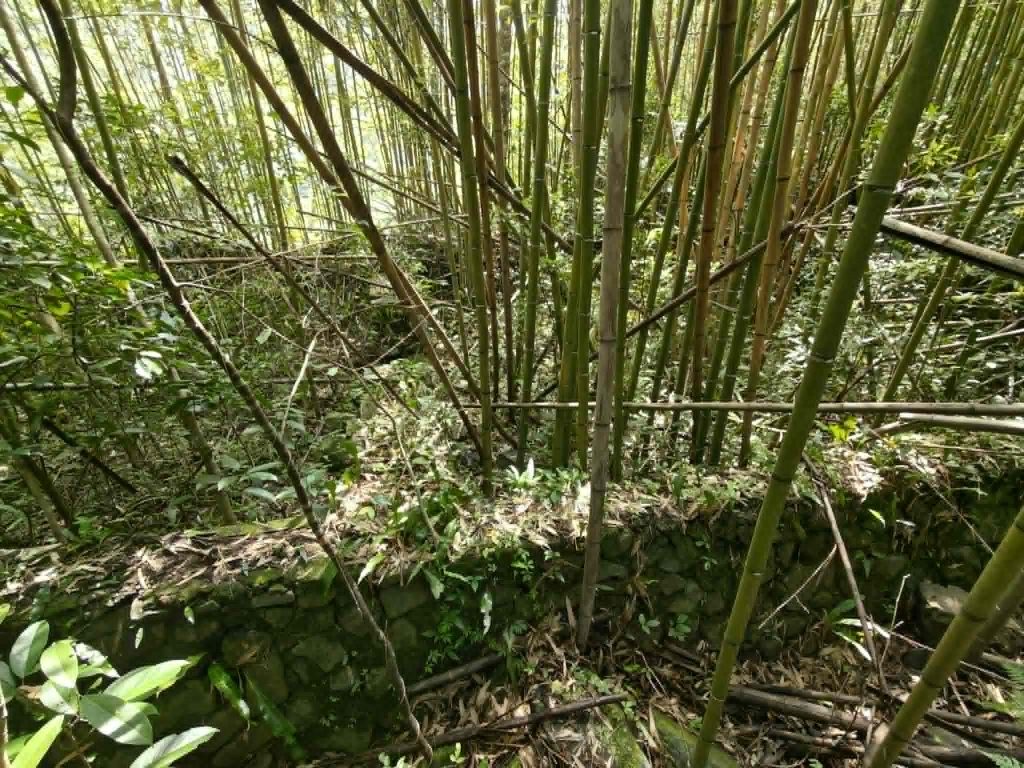
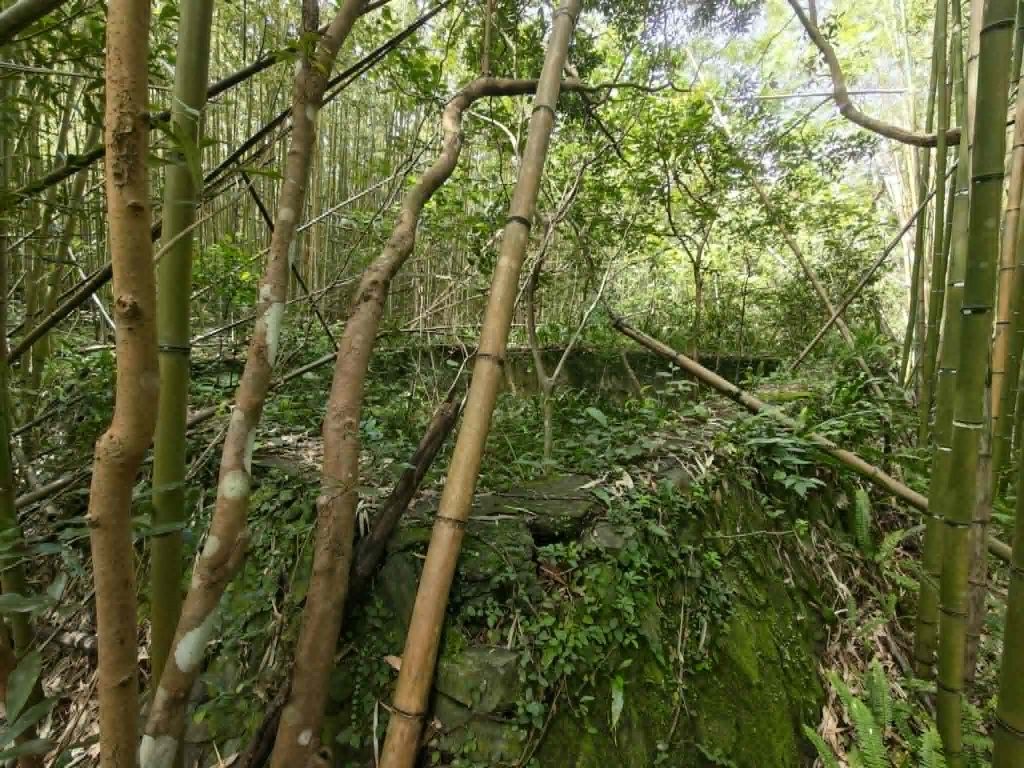
Trails disappear within a few months if they are not regularly walked.
Copyright Claudius Petzold