ed. 2026/7/17
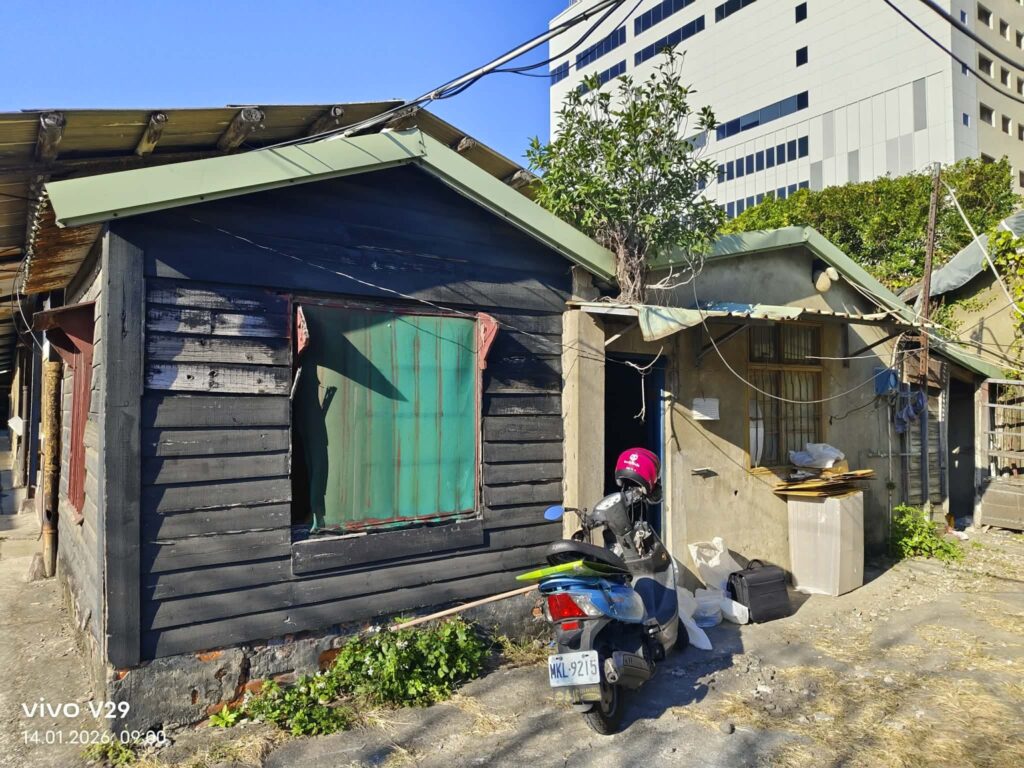
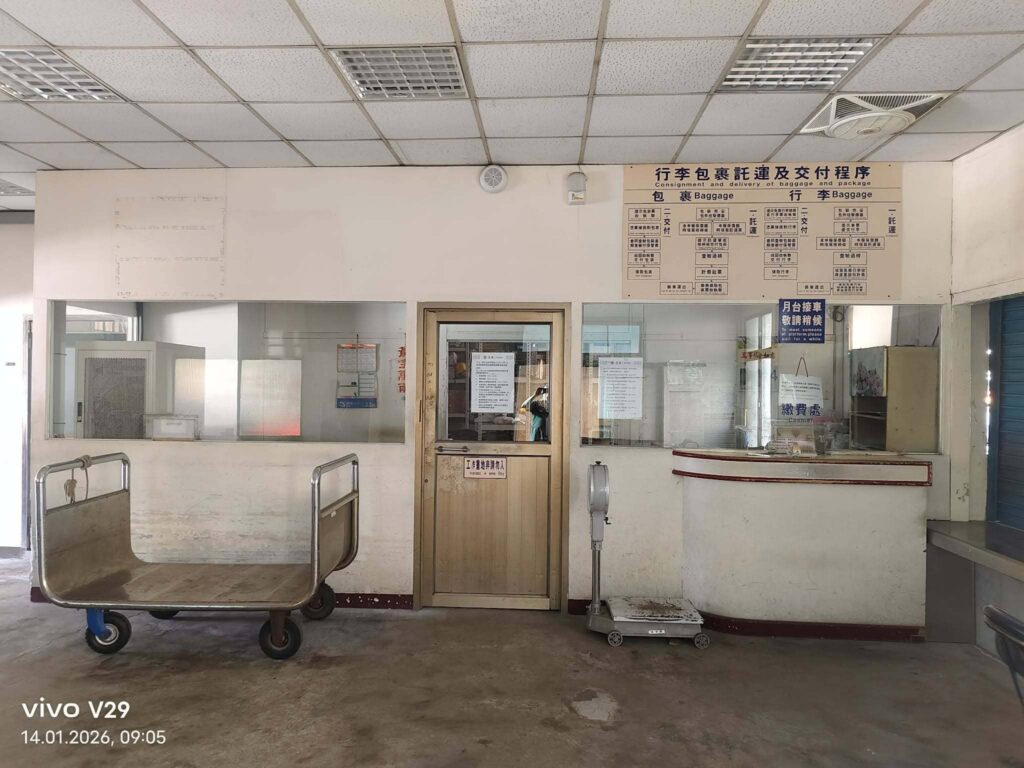
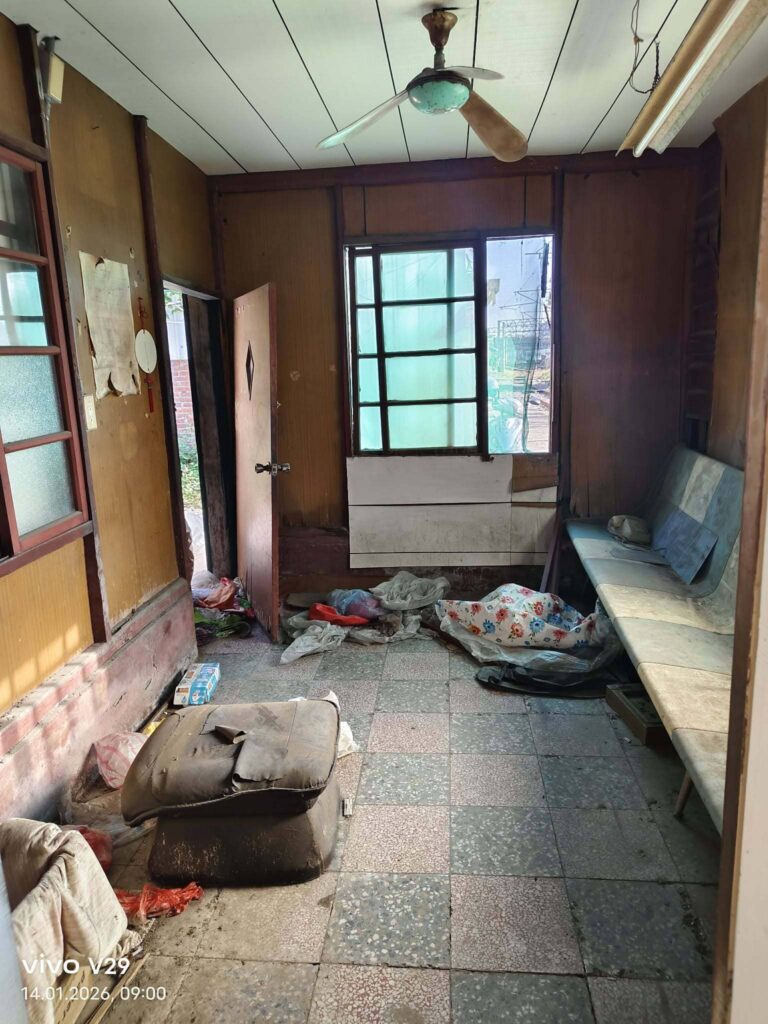
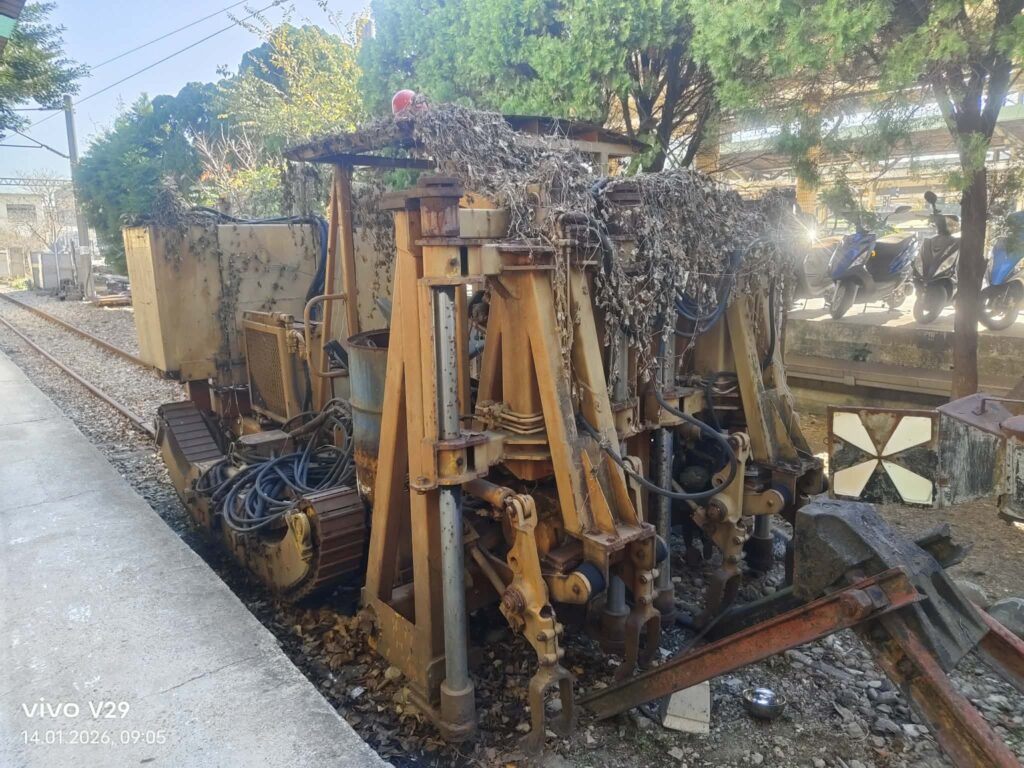
As a resident of Yangmei, I tend to focus on this part of the line. These are not particularly spectacular photos or classic “lost places,” but they illustrate the development of Taiwan’s railways and the sad fate of many old railway buildings.
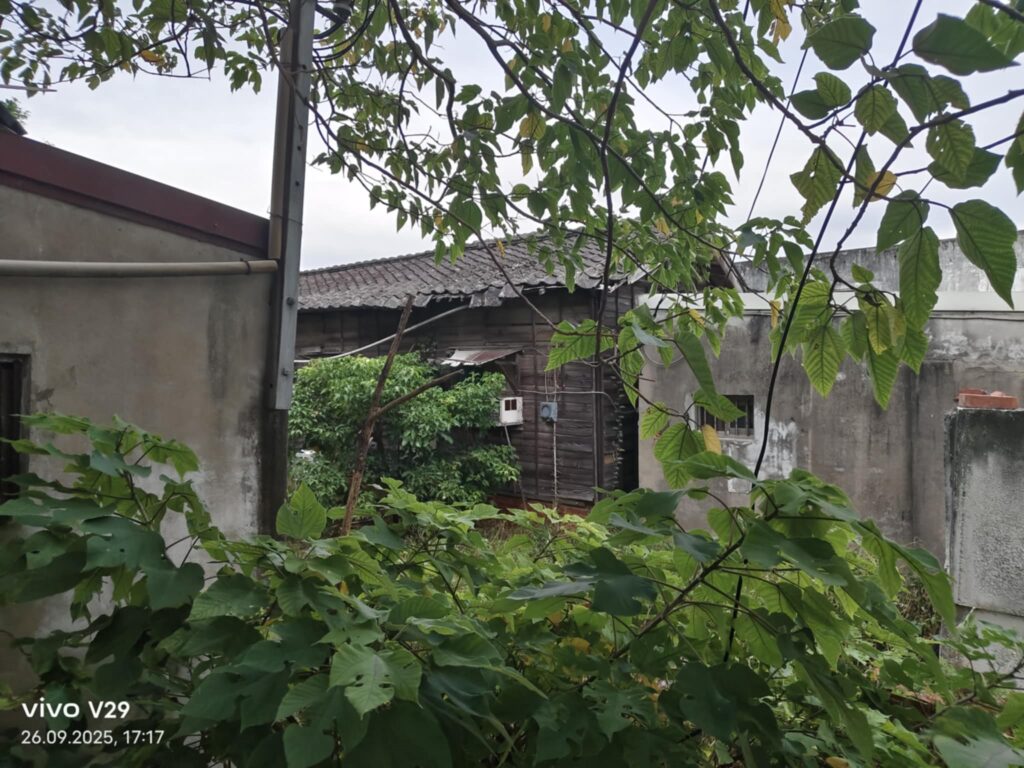
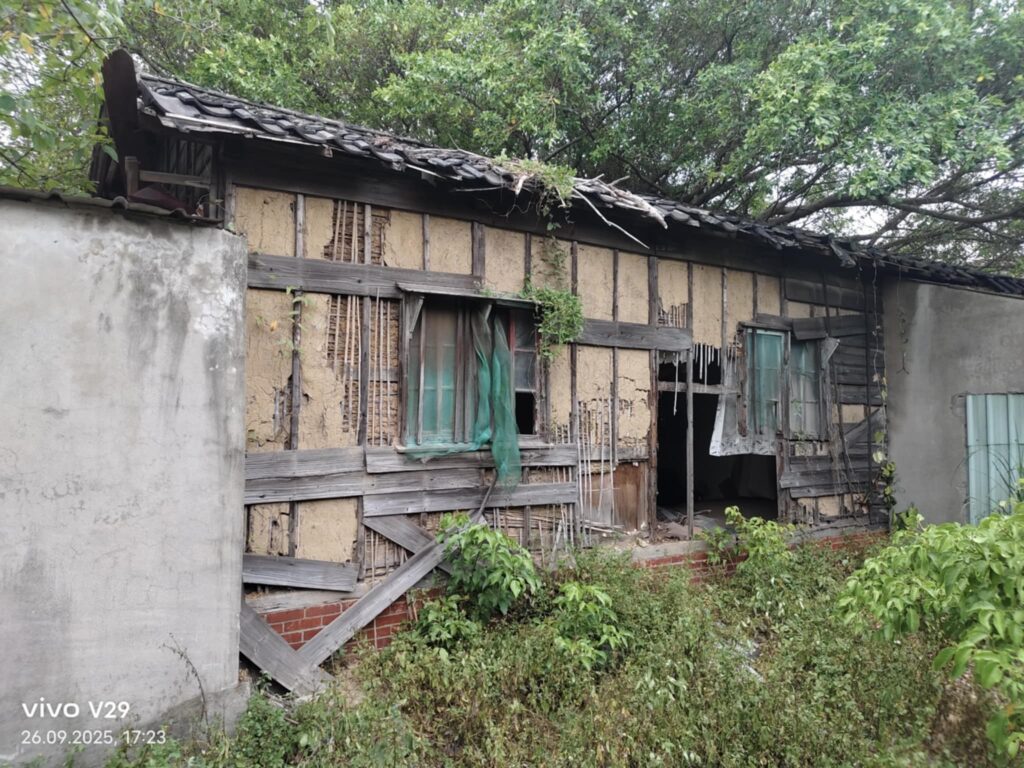
A common feature along the line is that the railway company built staff housing near its stations—often Japanese wooden houses that are now falling apart. Within twenty years, most of them will probably have decayed completely. The railway itself dates back largely to the Japanese colonial period: The completion in 1908 of the north–south railroad linking Taipei to Kaohsiung brought prosperity to many towns along Taiwan’s western corridor. The present-day route still follows the alignment built by the Japanese, except for certain sections, especially around Yangmei and Sanyi—more on that later.
Section: Yangmei to Hsinchu
During the Qing dynasty, the railway originally ran from Yangmei to Dà Hukou (Old Hukou), passing through Hongmaotian. However, the gradient on this stretch was steep, and locomotives often struggled to climb it. The unstable roadbed also caused frequent accidents.
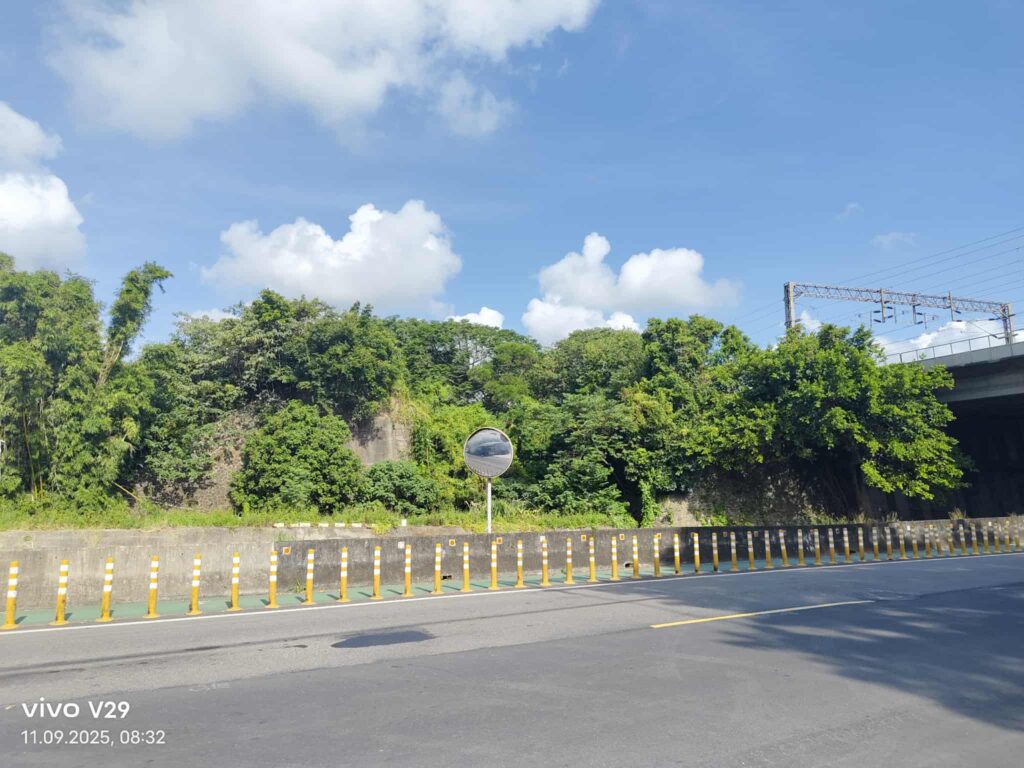
(Just behind Yangmei, the lines diverge. To the right runs the new alignment, and directly opposite lie the remains of the old bridge.)
Under Japanese rule, engineers decided that part of the line needed to be relocated closer to the Taiwan Strait, since the section between Yangmei (楊梅) and Hukou lay on a slope prone to instability. The colonial authorities therefore rerouted the railway.
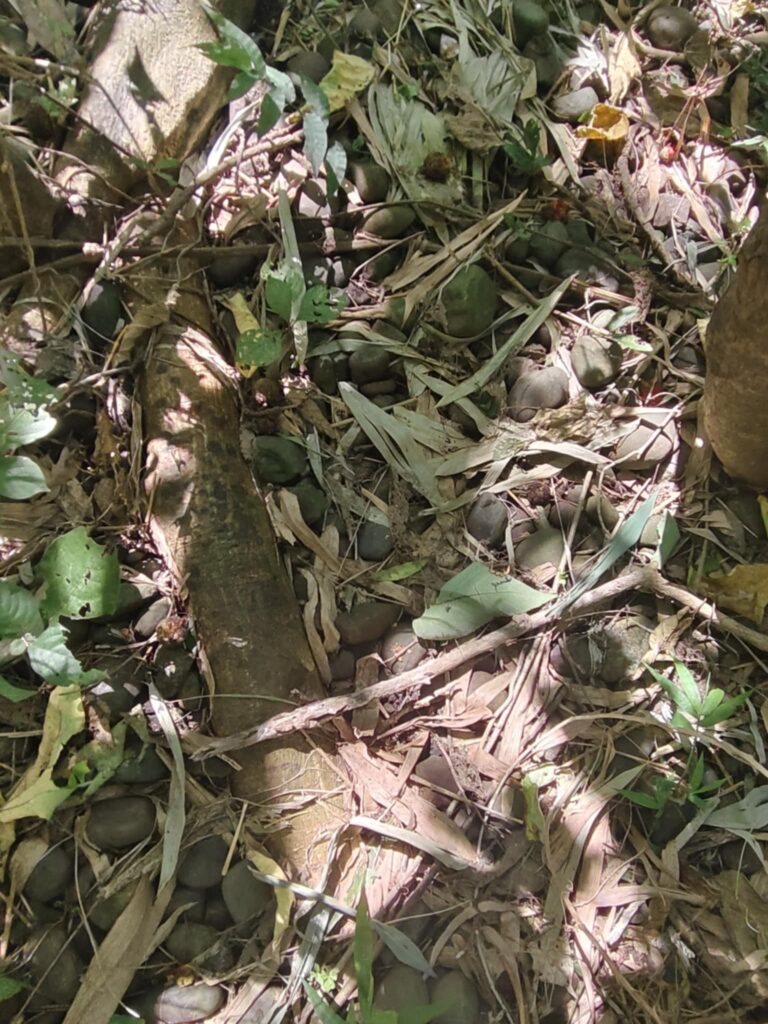
You can even walk along the old trackbed all the way to the next intersection. The gravel is still visible.)
Traces of the old line can still be found in Yangmei—right behind the current station you can see where the original branch diverged.
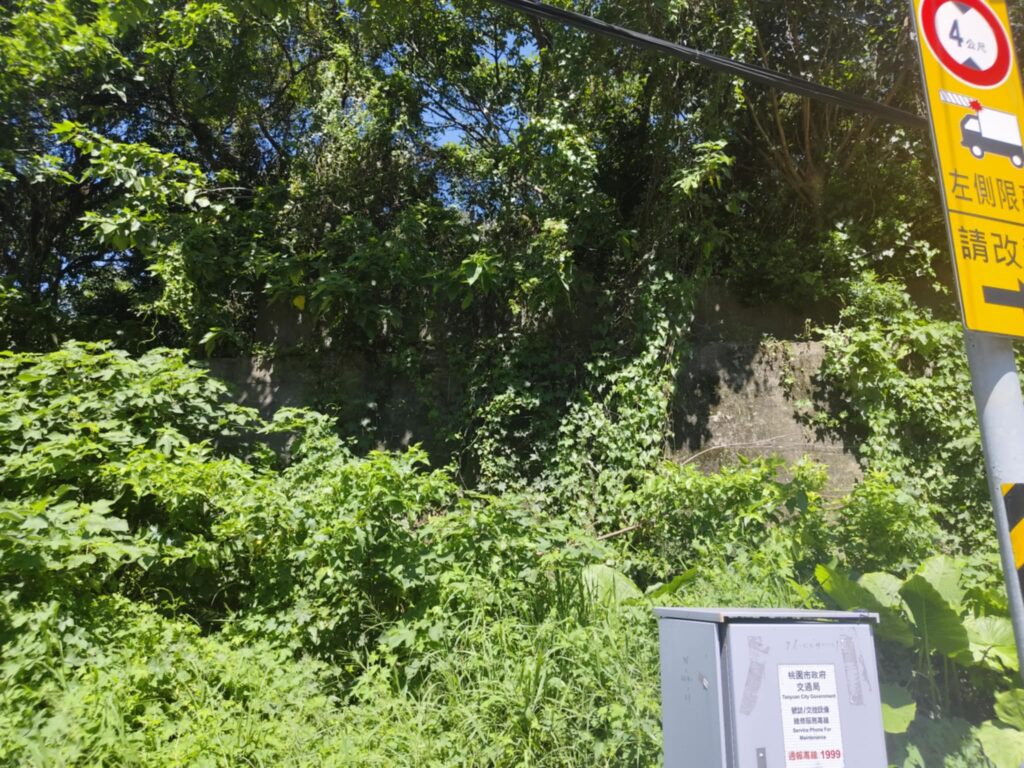
(At the next intersection, the track comes to an end—the rails disappear, and the alignment is no longer visible. Remnants only reappear again in Xinfeng.)
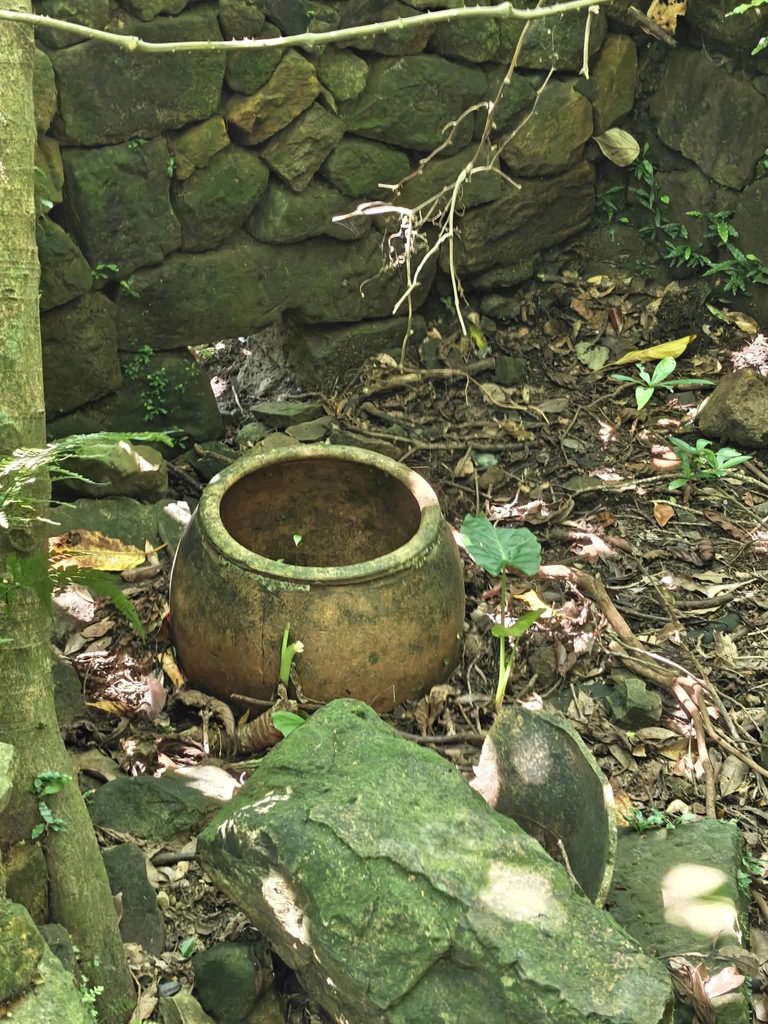
I spent a lot of time studying maps, Google Maps, and Earth imagery. There are no remains left because the area has been completely built over, and iron was expensive—so everything was dismantled. Behind it, about 200 meters away as the crow flies, I found a farmhouse that was probably once quite large and is located close to the former railway line. The former recreational park is also nearby. What stands out is the enormous water reservoir, which seems oversized for the area.
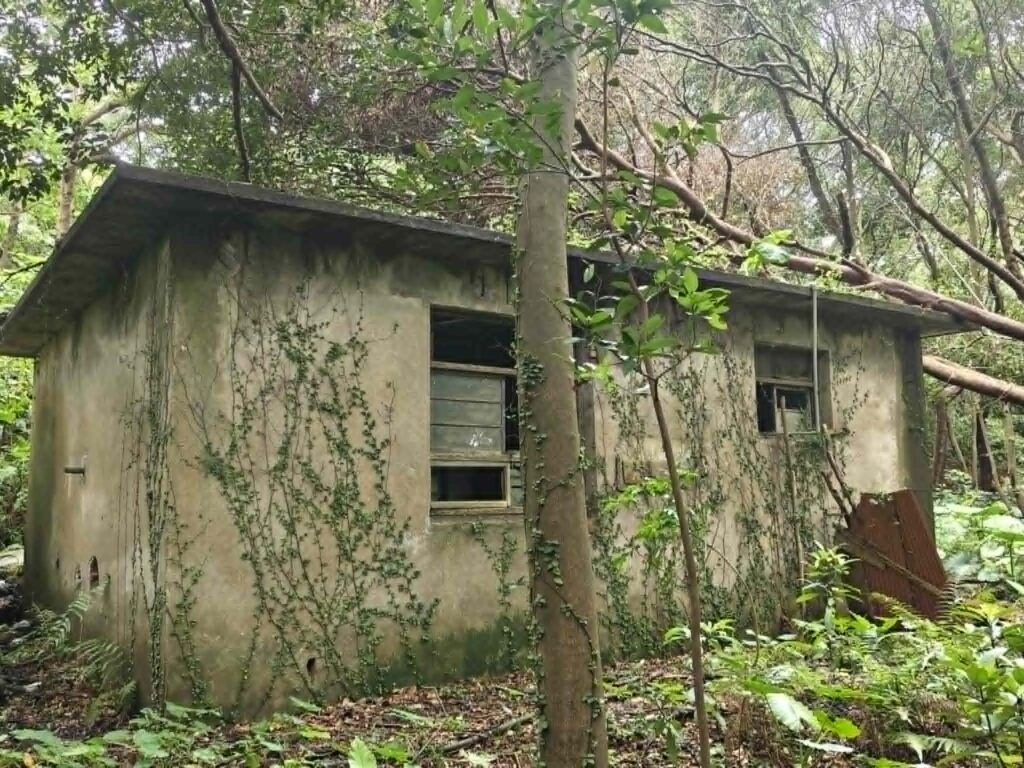
I met an elderly man who told me that about 50 meters uphill, “it’s dirty.” It took him a while to explain, and he initially avoided giving a direct answer. Eventually, he admitted that there had once been Japanese graves there. Many Taiwanese still avoid places associated with old cemeteries or graves.
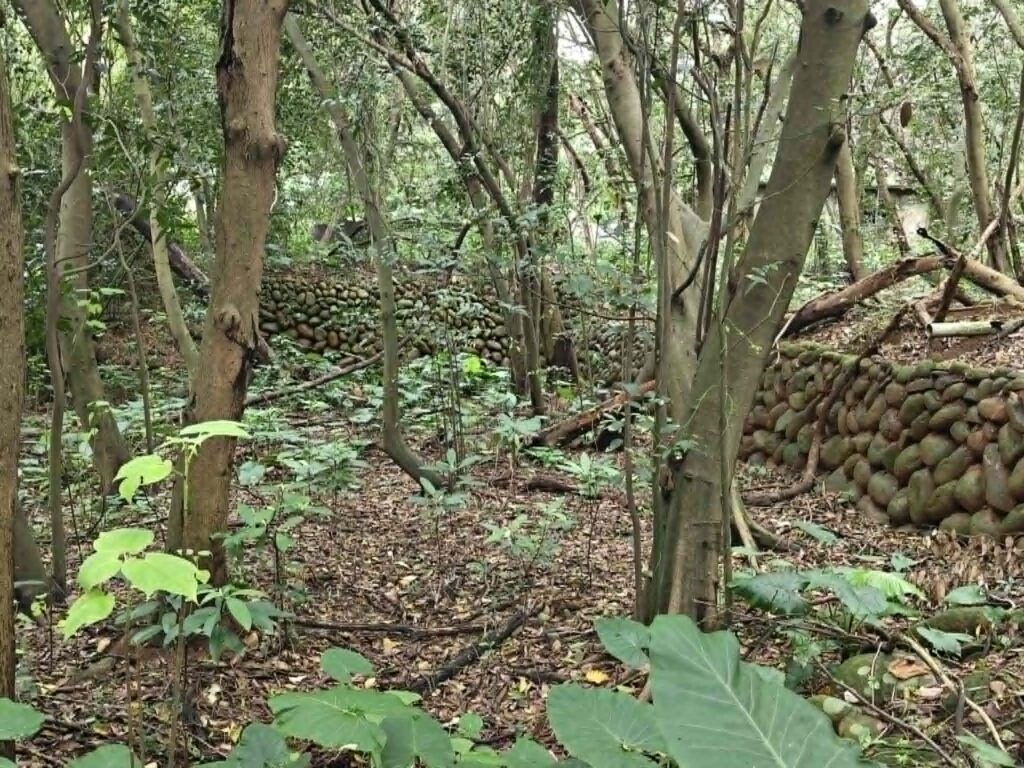
Hukou (湖口
Hukou was one of those stations. One former station can still be located just before Hukou, around No. 142, Section 2, Bade Road (八德路二段142巷一帶). A police station now occupies the site. There also used to be a train station near the spot where the Catholic church stands today, and the area quickly developed into a lively commercial hub. The neighborhood flourished until 1929. Today, only a quaint old street remains—a reminder of the town’s lost importance.
Ruins of Xinfeng/Jhubei
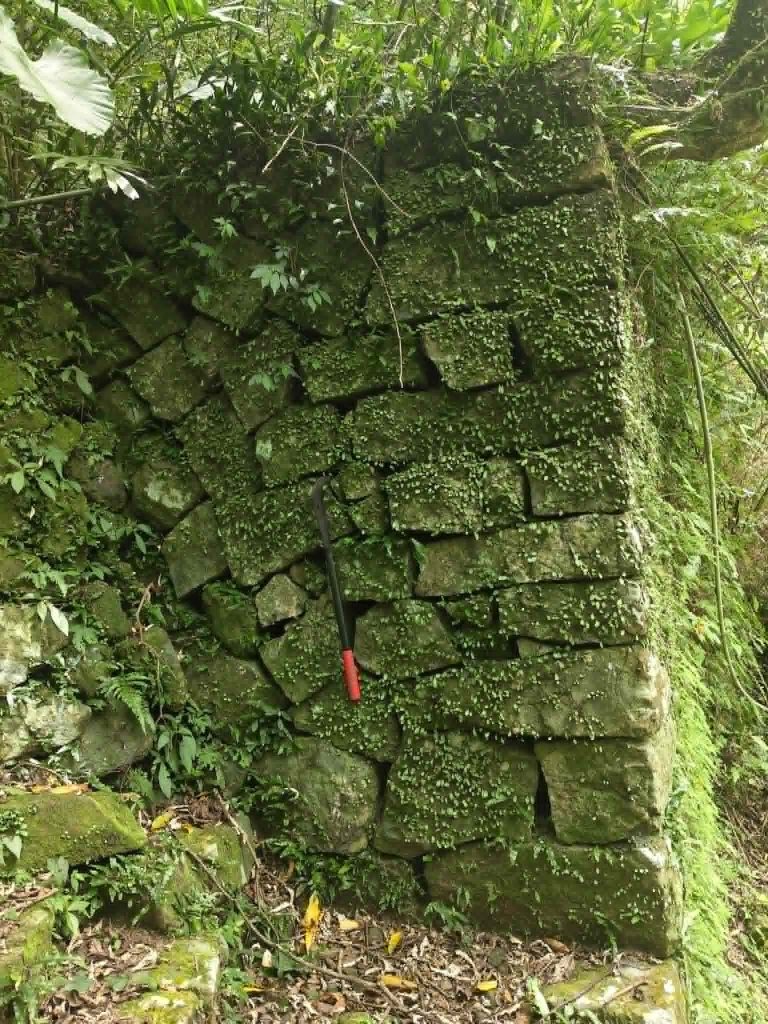
Here, the old line seems to converge with the new one again. The first time I saw the ruins was from the railway itself. It took a long time to find the entrance, as the path had been eroded and undermined.
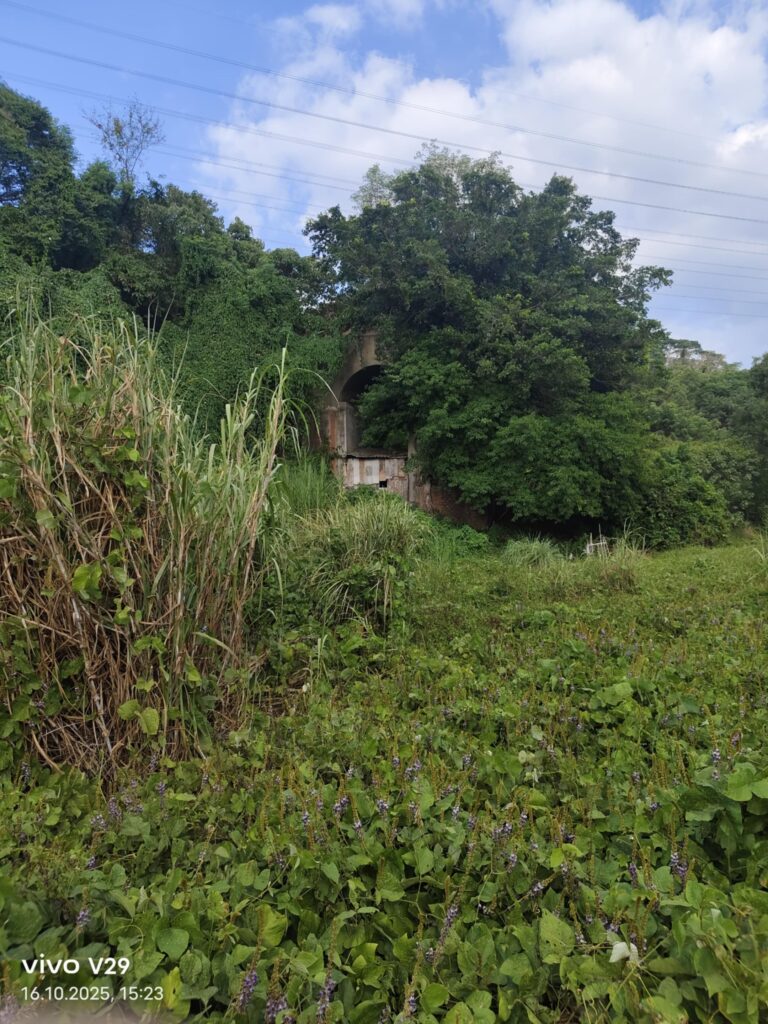
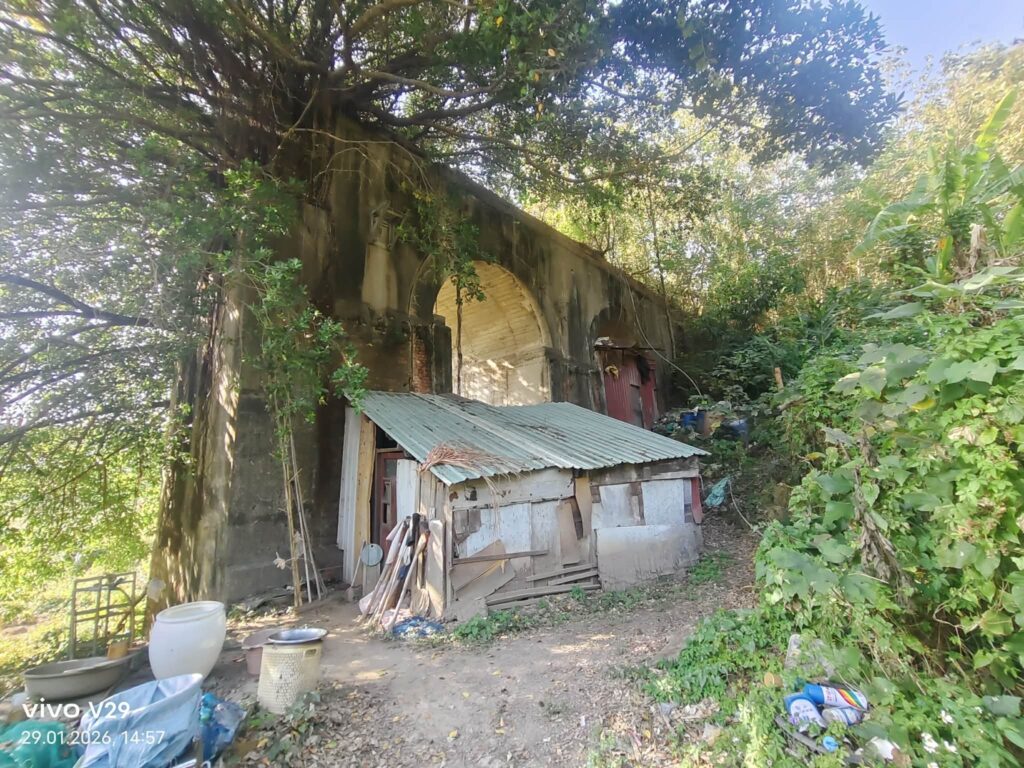
Again: I found a way in – it was surprisingly easy. They are the remains of an old bridge; the last pillars are still standing. Underneath the bridge, someone has set up a large shack; I very much doubt that it’s legal.
I was able to follow the old alignment for several hundred meters; at first, it was clearly recognizable. The remains of houses indicate that this place must once have been very lively.
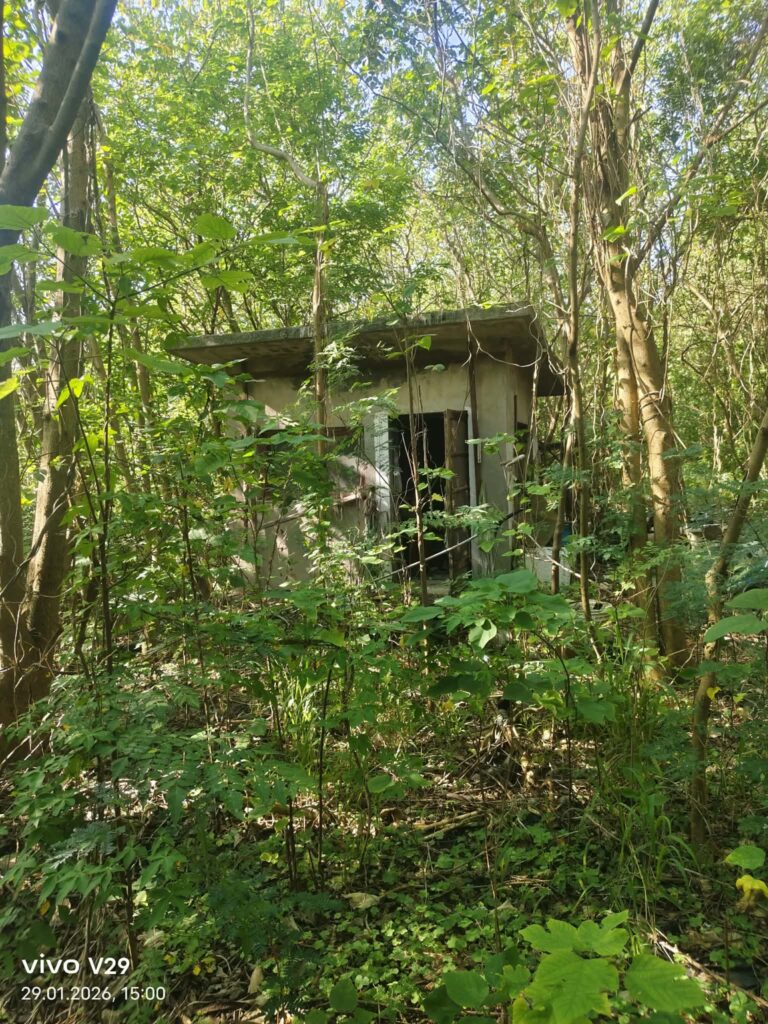
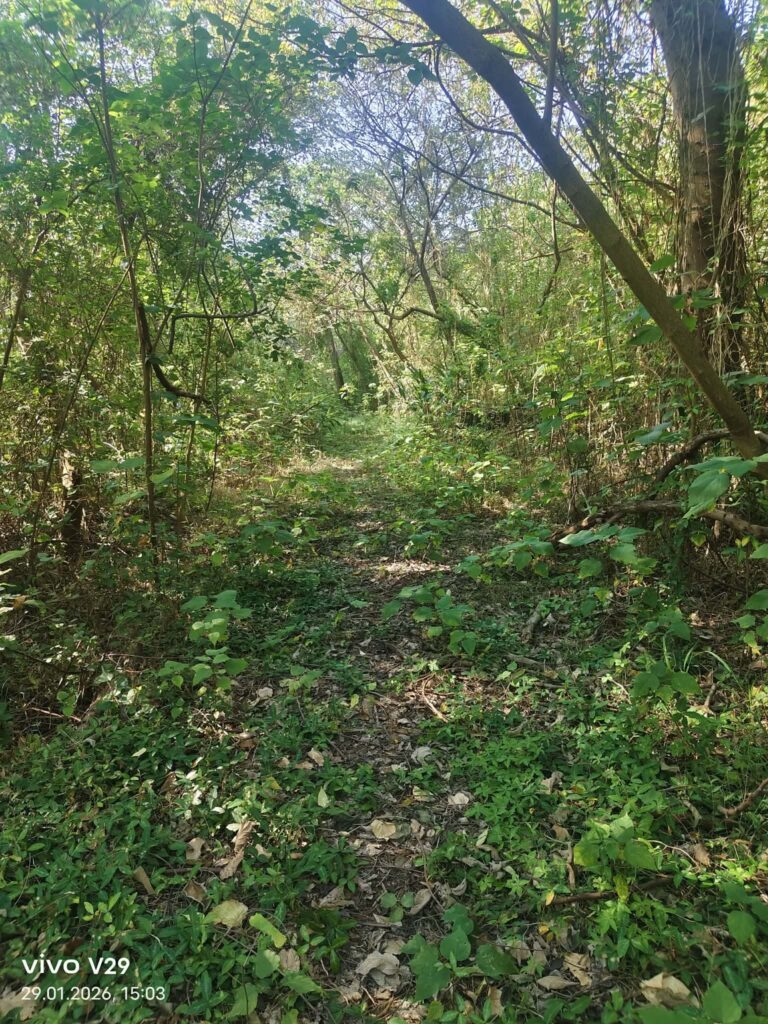
It even seems to me that there are two alignments – was the route separated into northbound and southbound tracks? Unfortunately, it’s not that easy to make out in the photos.
Hsinchu
Hsinchu has a beautiful old station that’s still in great condition. OK, the front is very beautiful. Hsinchu is often unfairly reduced to its semiconductor industry. Yet the city has much more to offer, from historic temples in the old town to a handful of charming bars that make for a pleasant evening.
—Ah, is that so?