2026/9/22
dangerous (snakes)
Although, by name, it may have been the smaller counterpart to Dacukeng, the settlement of XiaocuKeng must nevertheless have covered a considerable area, with numerous fields. From the Keelung River, a small path once led up to the village. Today, it is only a hiking trail, but it is still well preserved, including its original green stone paving. Along the way, the path passes a small Earth God (Tudigong) temple.
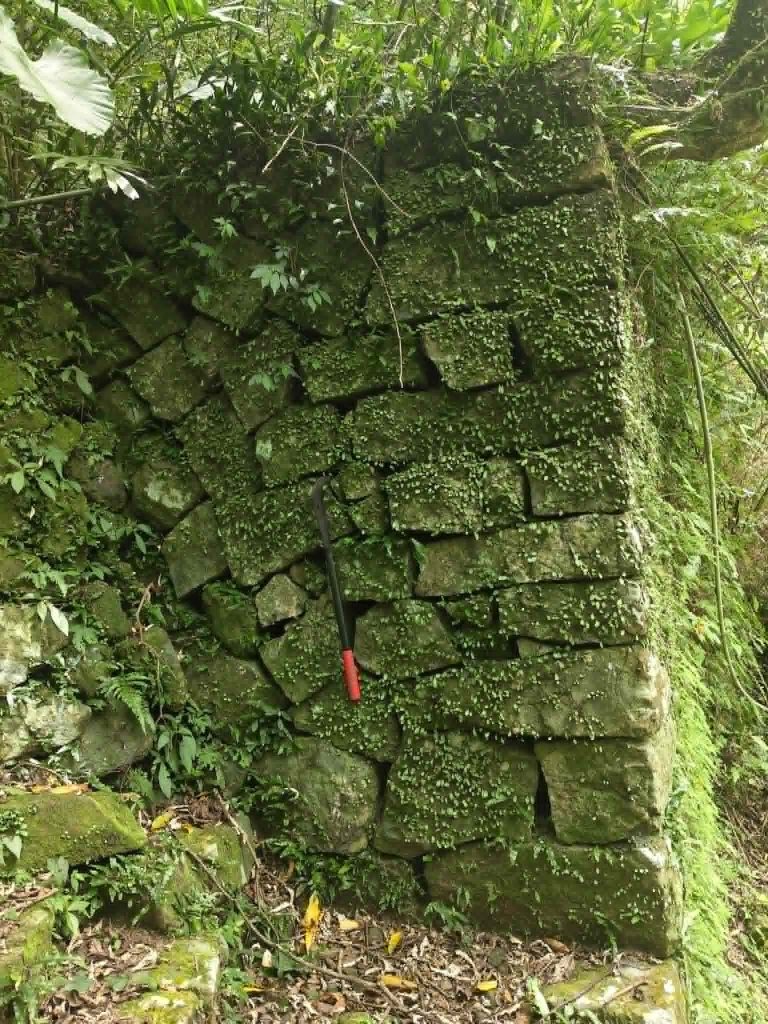
At first, you pass this rather insignificant-looking block. On closer inspection, however, you realize that it is actually a building that has been buried by sediment. The first floor housed an ore-processing facility; you can still look inside through a small window. The second floor, which contained offices, has disappeared. Workers could also collect explosives here. The ore rocks, which had already been crushed into smaller pieces at a now-vanished water-powered mill, were brought here for further crushing and processing until the ore was ready for sale.
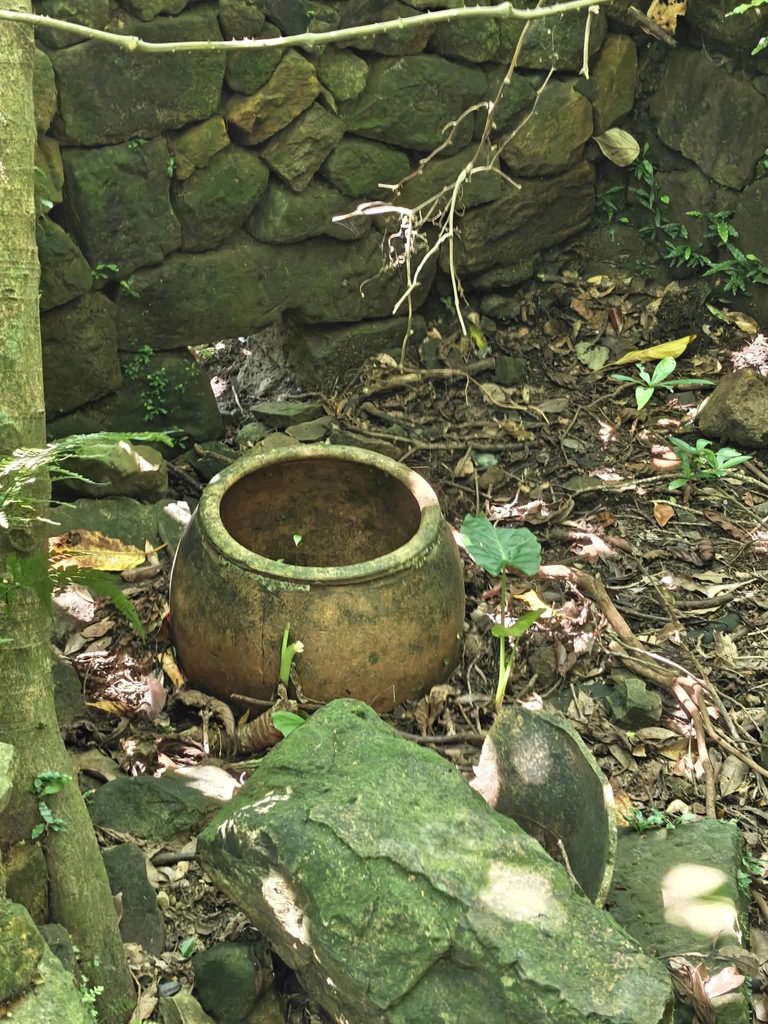
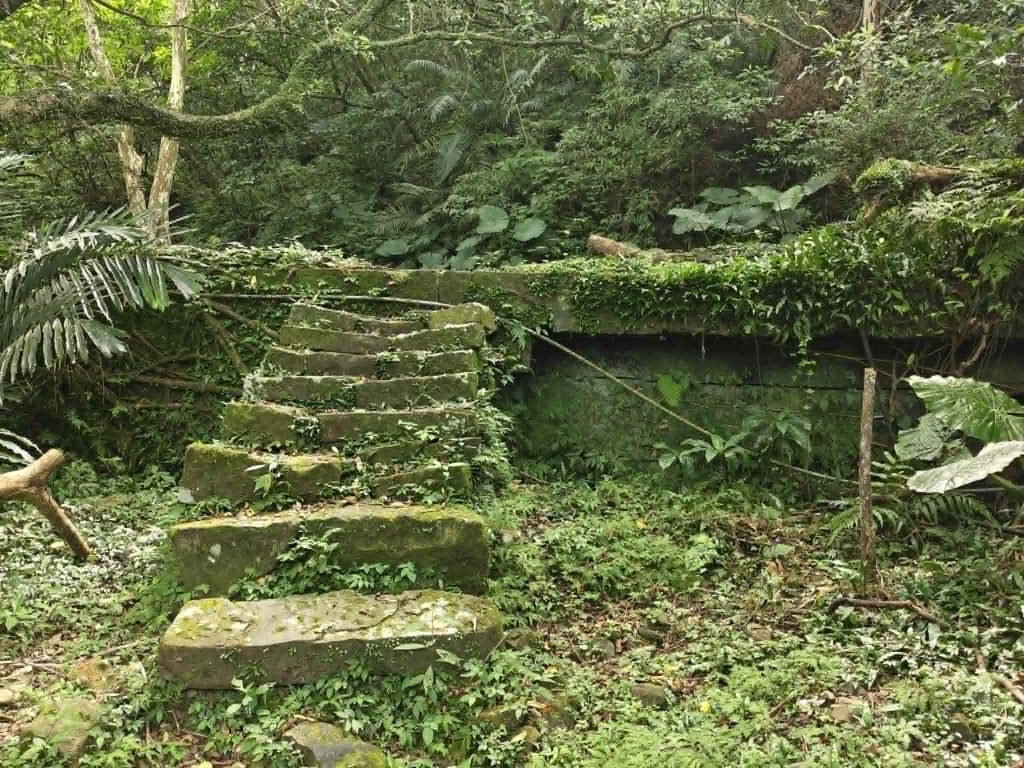
Here, the first substantial walls and terraces appear. Small remnants of walls indicate that houses once stood here. The present-day center of the settlement is still at least another 200 meters away. Along the way, further overgrown terraces can be seen. I can no longer determine whether these were fields or the sites of houses.
This small mining settlement was formed after the discovery of gold deposits. It was located along the tributary of the Keelung River known as the “Xiaocukeng Stream.” Because the valley contained many large rocks and faced Dacukeng, it became known as Xiaocukeng (“Little Rough Pit”). The settlement belonged administratively to Jiufen, Ruifang, Taipei. During the peak period of gold mining, around 200 residents lived here. After the Japanese withdrawal in 1945, conflicts took place in this area involving local groups (the exact wording is unclear). Because the terrain of the mining area was especially suitable for hiding, anti-Japanese activists often took refuge here, causing
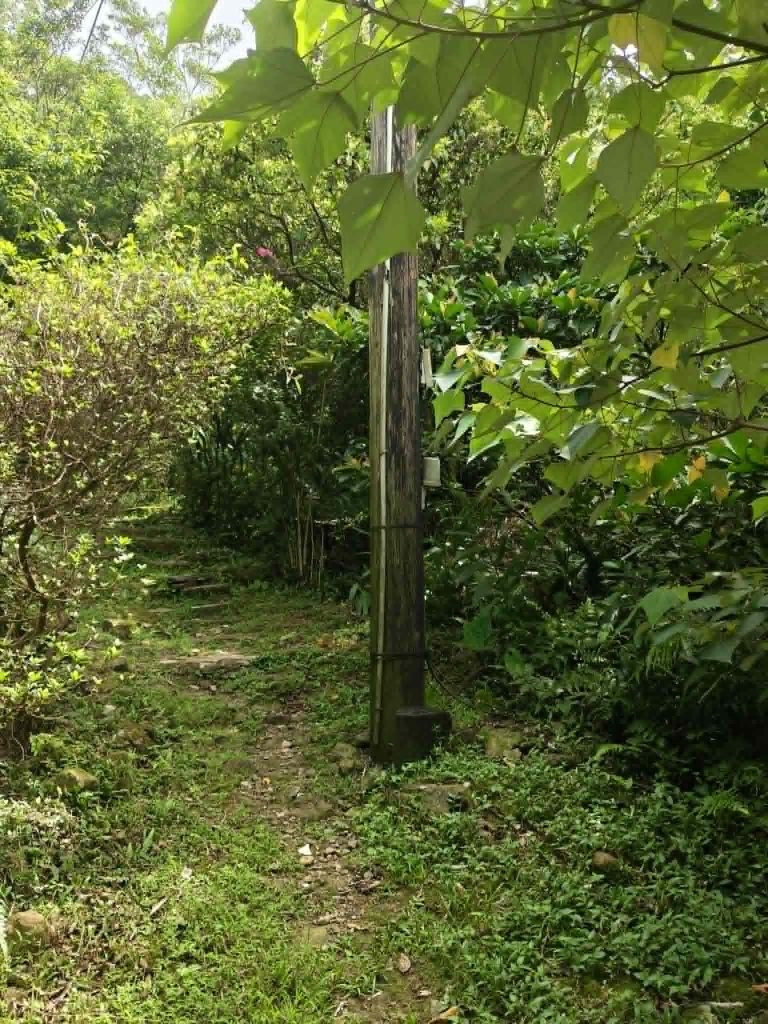
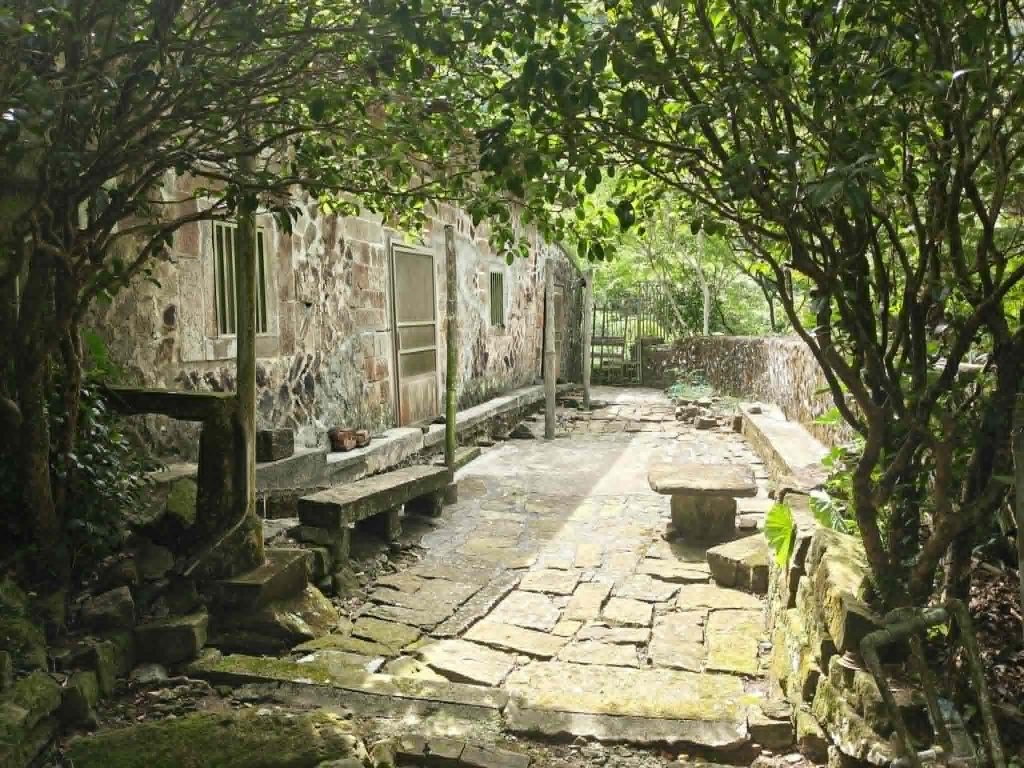
(Only two blocks of houses remain, and they are still inhabited.)
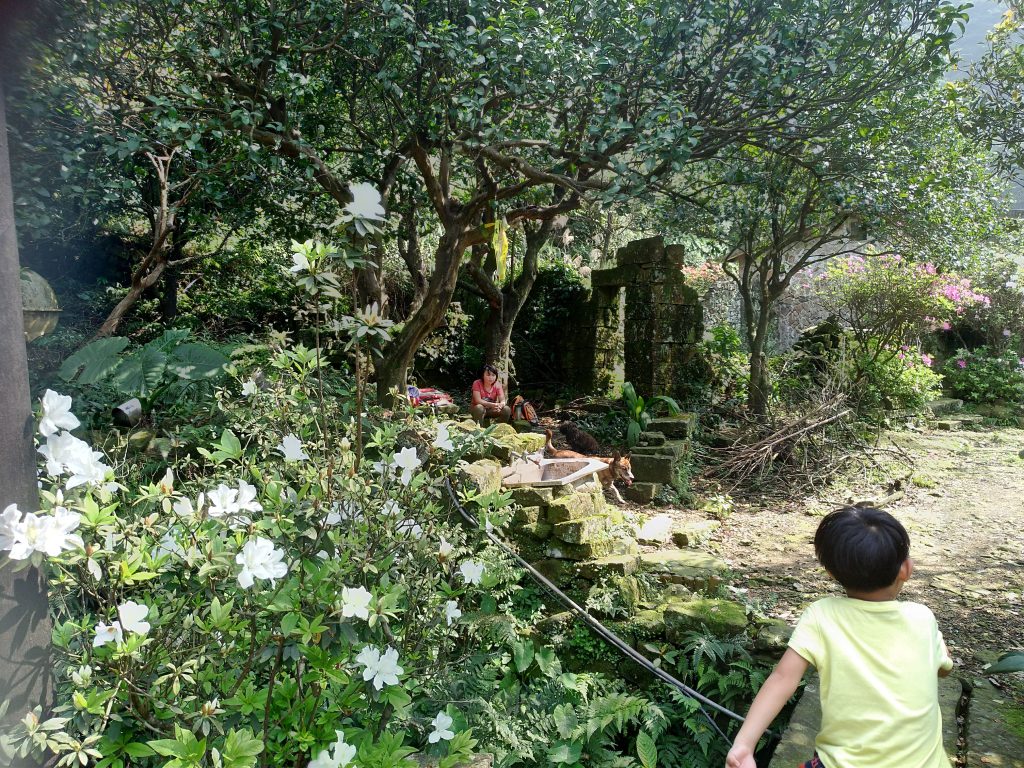
(Six years before, not so overgrown)
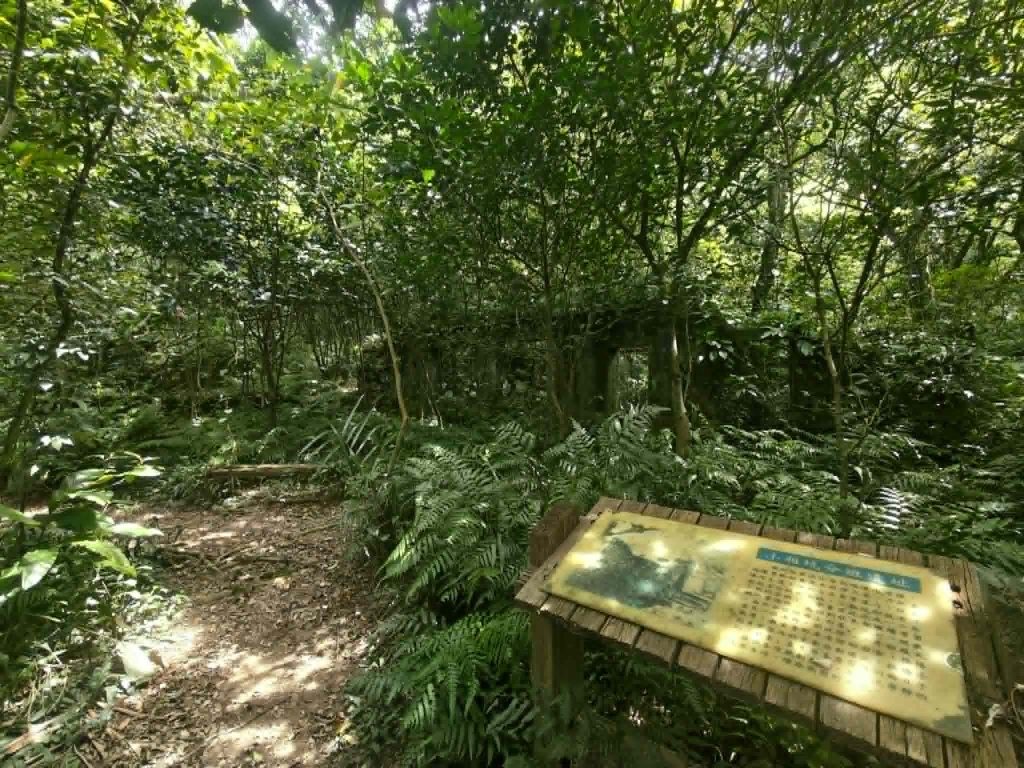
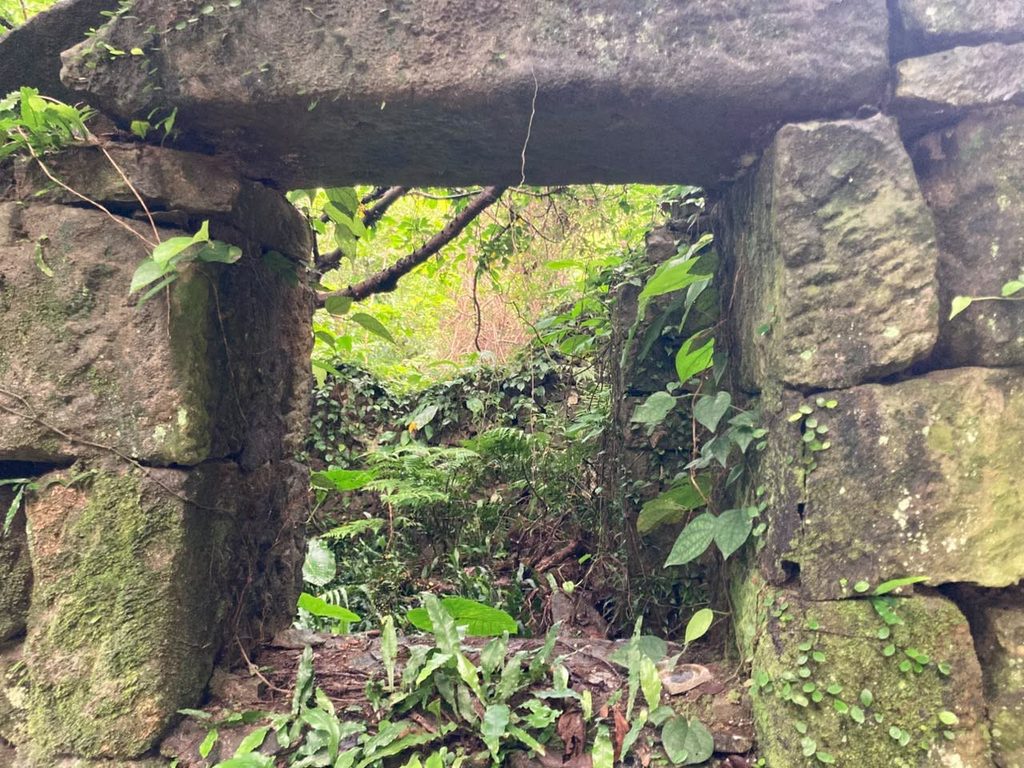
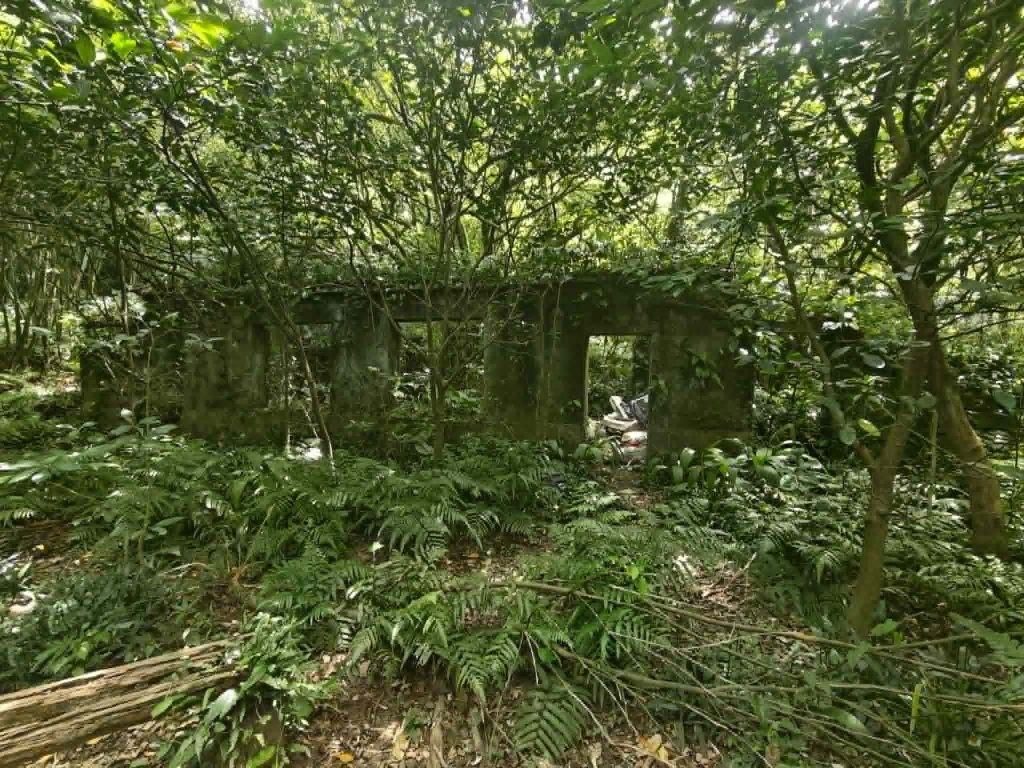
Because the Houtong area was separated by mountainous terrain, the remote settlements, in order to spare school-age children the hardship of trekking, established branch schools or branch classes in the major settlements along the upper reaches of the Long River tributaries according to local needs. Xiaocukeng therefore had the “Xiaocukeng Branch Class.” After pupils completed the first and second grades here, they returned to the main school to continue their studies. Because the branch class was small but well equipped, it had only one classroom and one teacher. Therefore, combined first- and second-grade teaching was adopted. Beside the classroom was the teacher’s dormitory, while the playground served as the settlement’s main activity area. Next to the playground, the “opera stage” (theatre stage) provided various theatrical performances on special occasions such as New Year festivals and celebrations, adding a lively atmosphere to the otherwise plain and tranquil life in the mountain settlement.
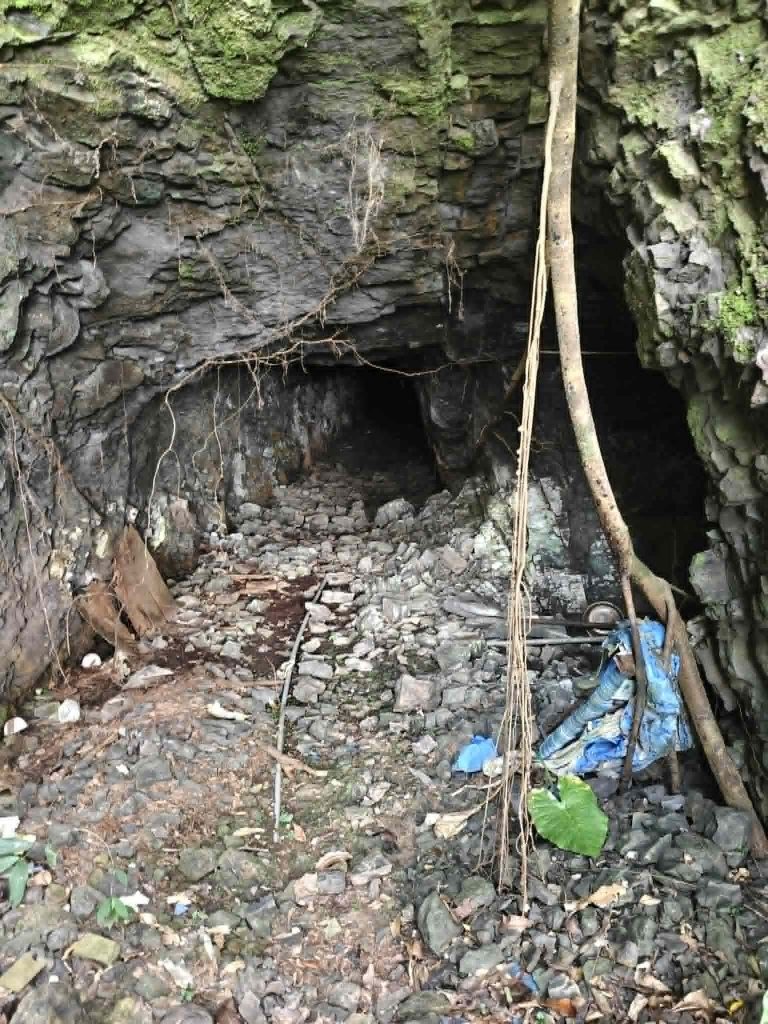
Gold was mined here.
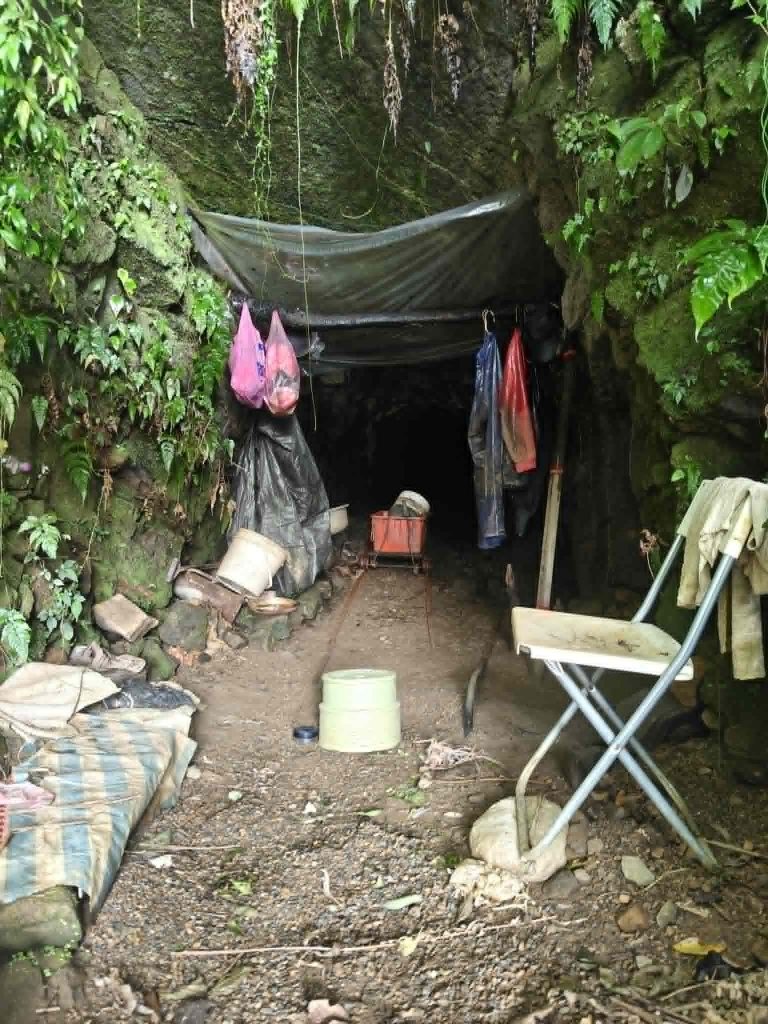
I met an older Taiwanese hiker who told me that hikers in the past used to climb into nearby mines. She described the route to me and led me to the starting point. There are two entrances.
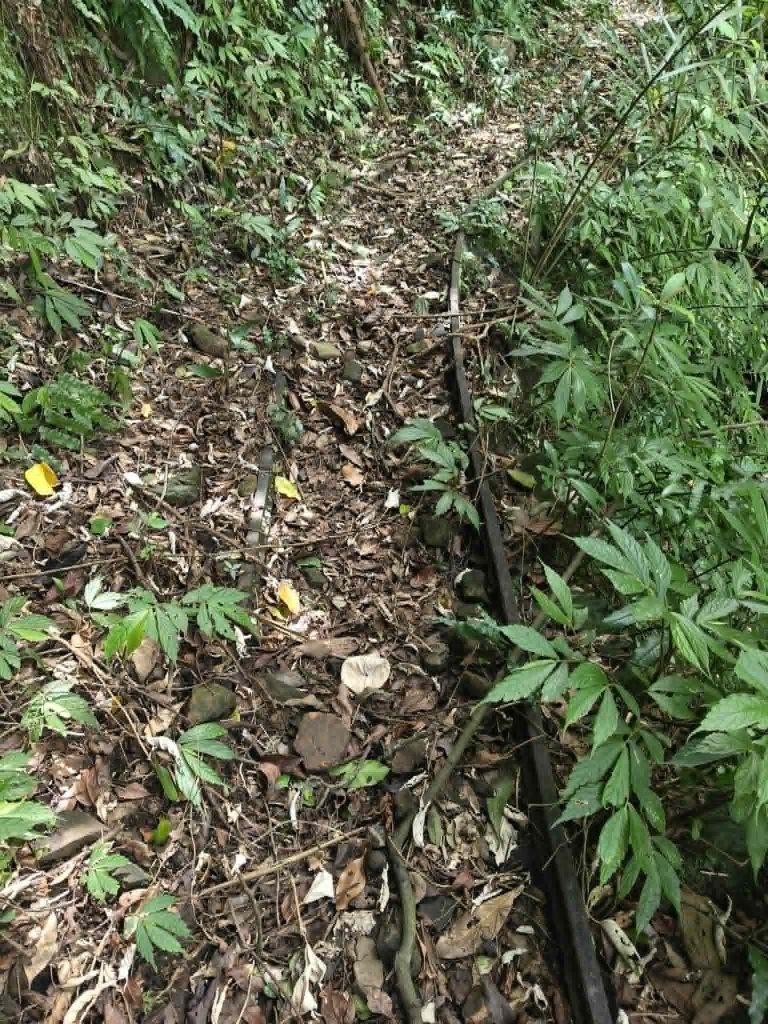
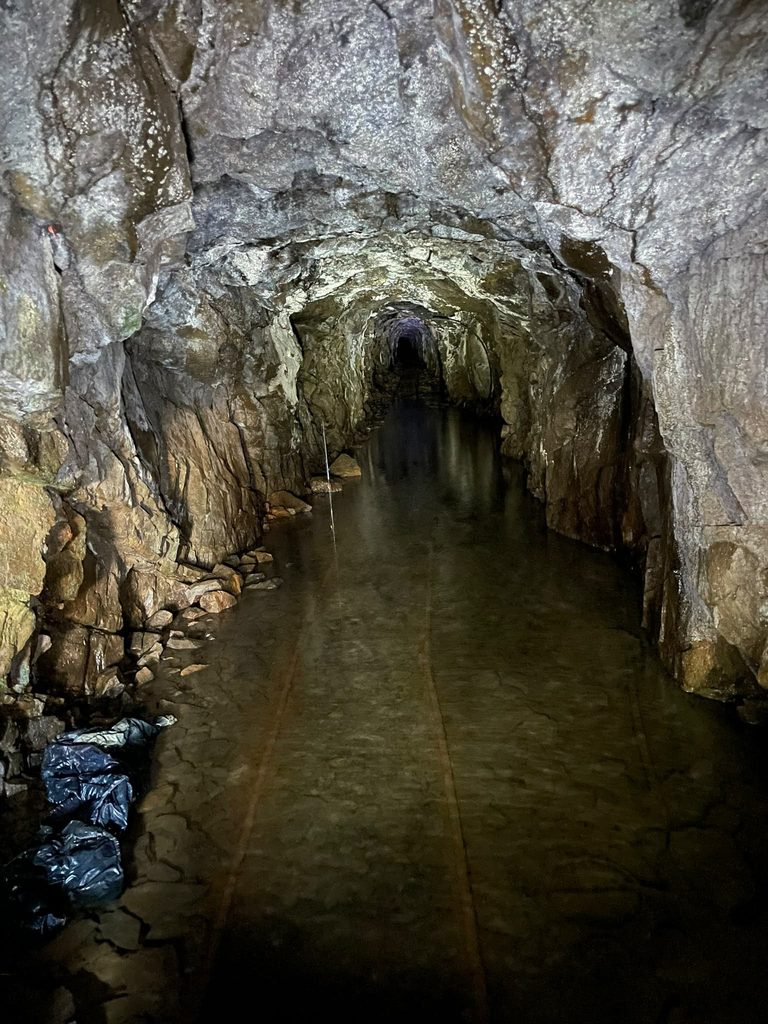
The rails are still visible, which means there must once have been a good connection between the village and the mine shafts. Today, large sections of the path have deteriorated. Yet it seems that people still regularly enter the mines.
Second Visit
Although the weather forecast had predicted nice weather, it was drizzling and the trail was muddy. Nevertheless, we set off. The first tunnel was fairly easy to walk through. After a short distance, the passage straight ahead ended at a small temple.
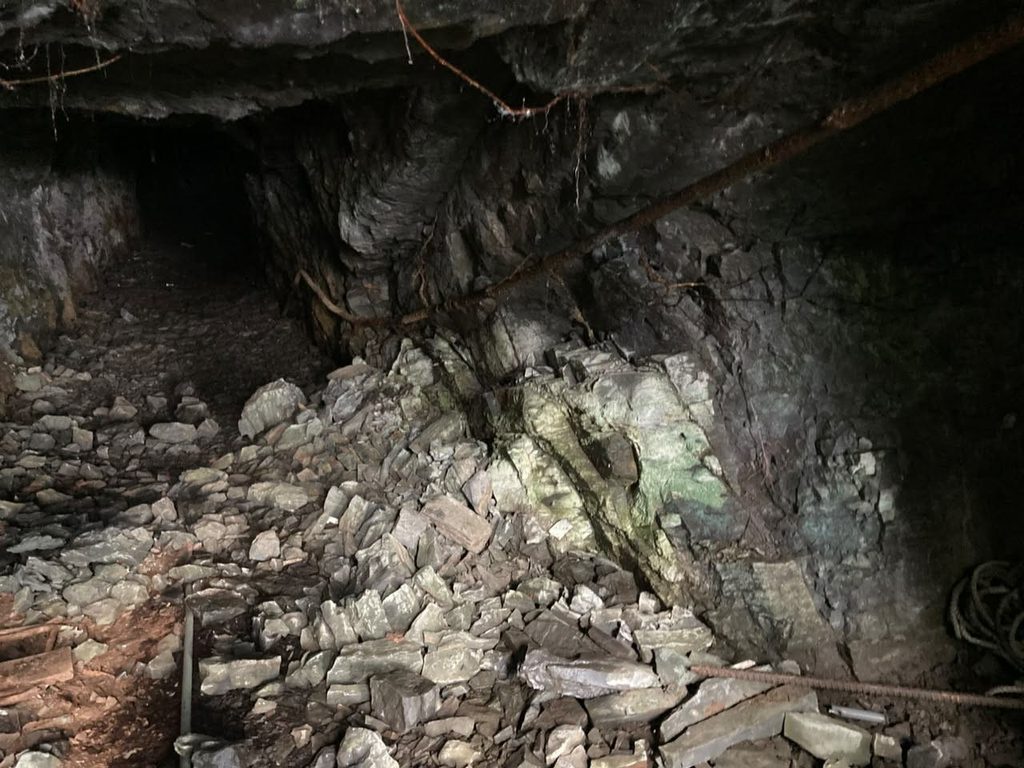
It did not look as though the tunnel had collapsed there.
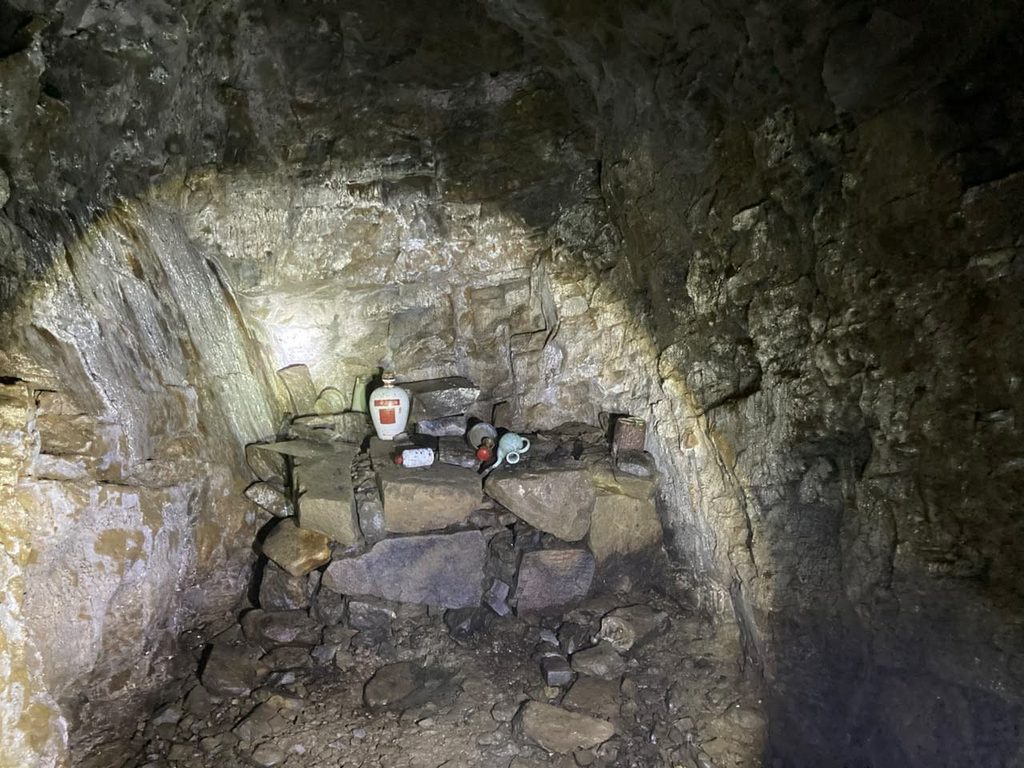
This beauty smiled at us.
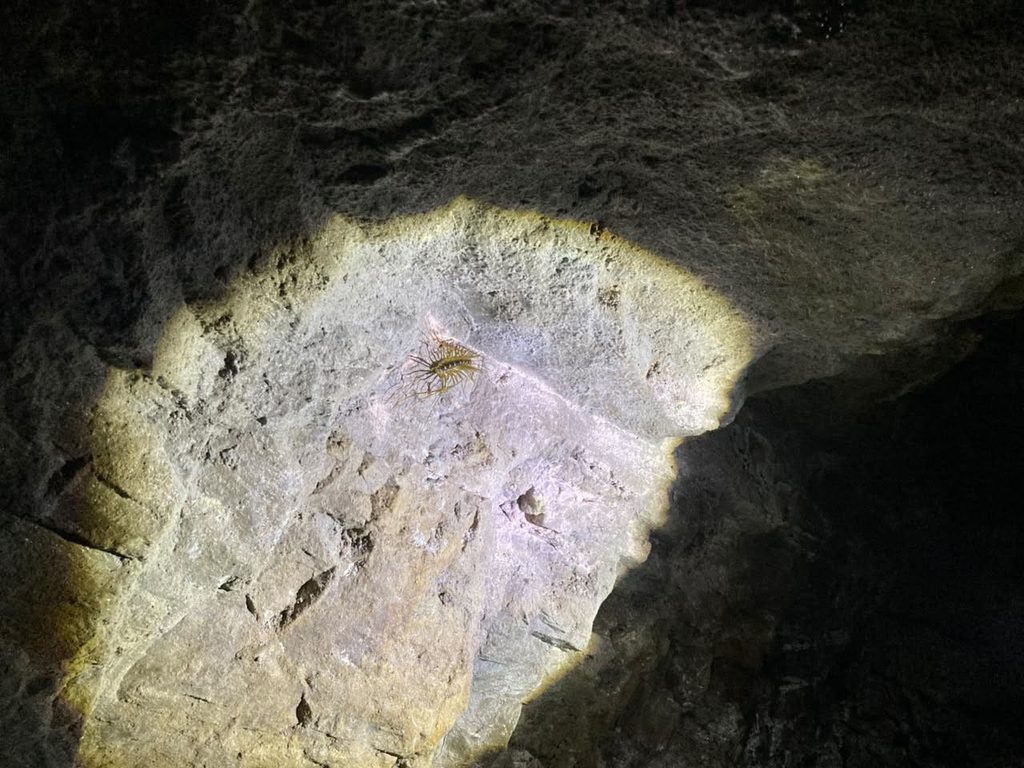
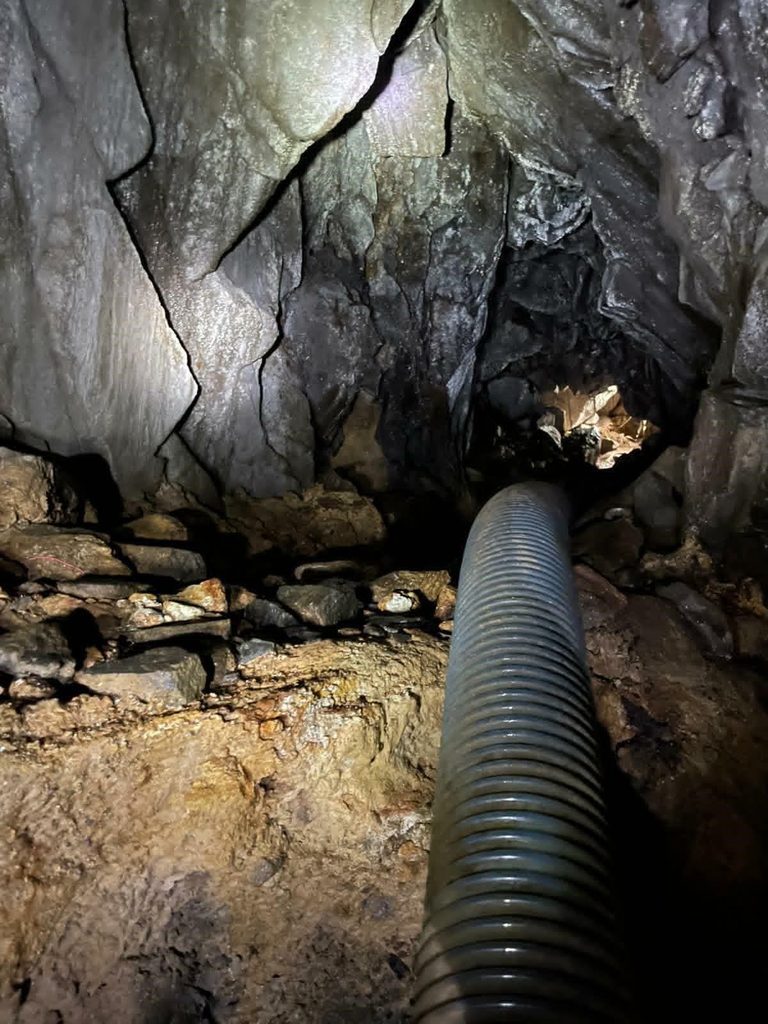
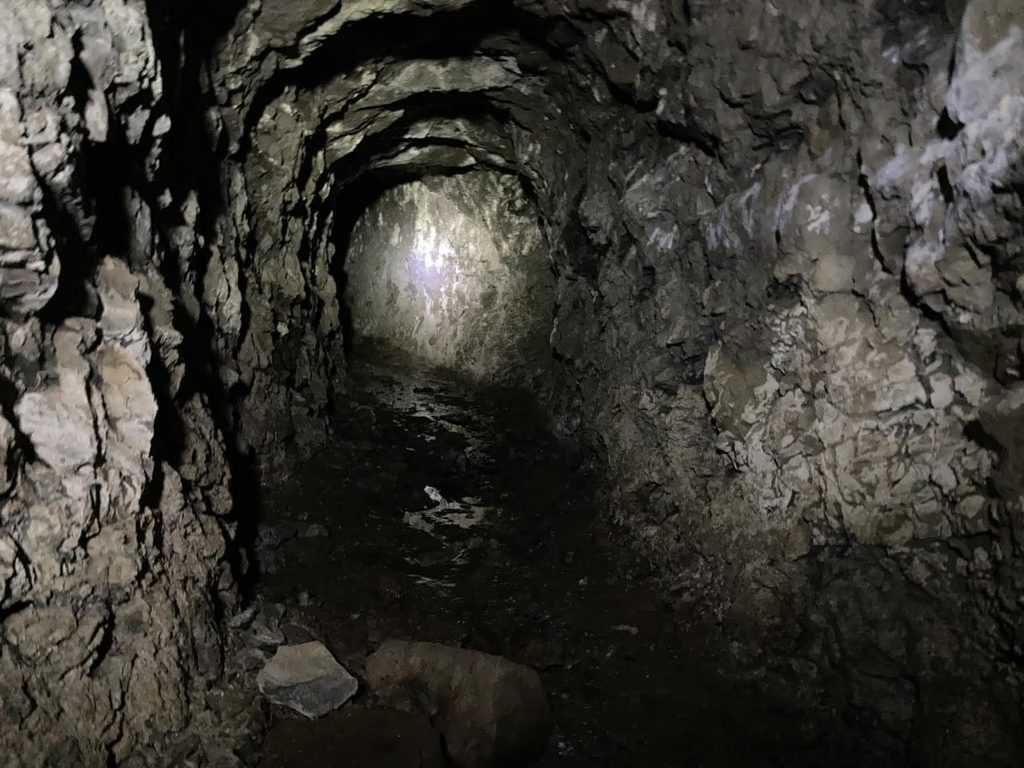
A small passage branching off to the right turned out to be more interesting and, above all, much longer. We went some way inside; definitely not suitable for anyone over 1.70 m tall. After a while, our cheap gas detector sounded the alarm, and we could smell sulfur—so we got out immediately.
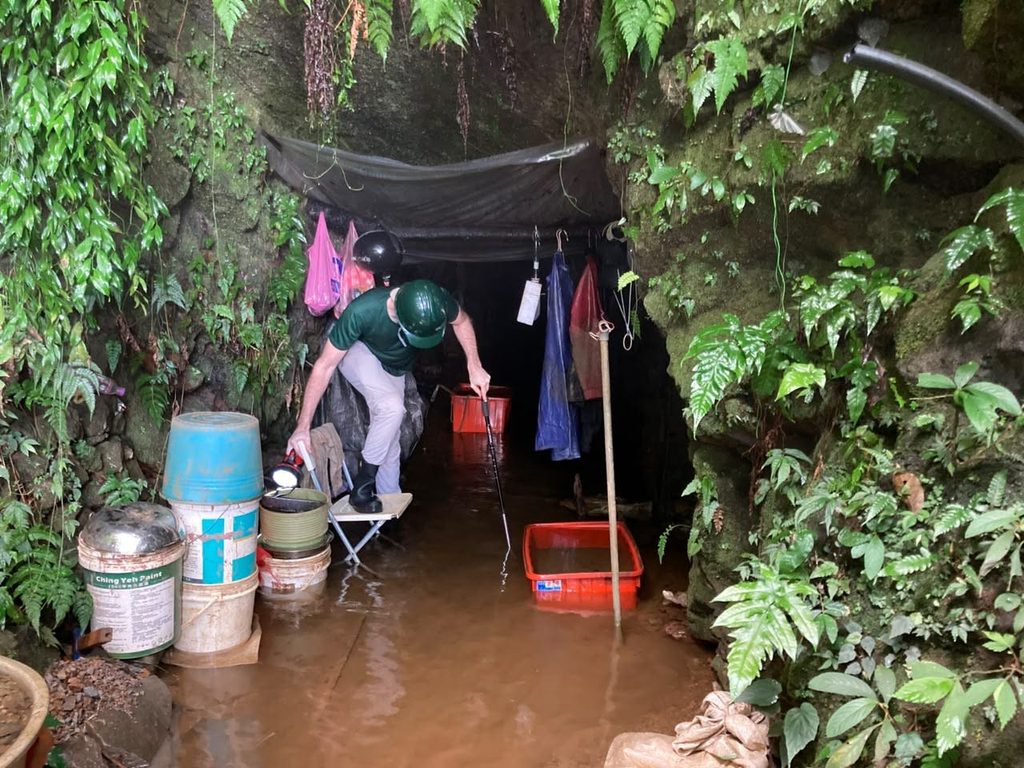
We then went to the second shaft. It looks as though people use sandbags during the rainy season to dam up and slow down the flowing water, allowing heavier sediment containing copper or perhaps gold to settle at the bottom, where it can later be collected. Cheap tools can be found lying around everywhere.
The front section was flooded. But everyone has that one friend who just has to explore every hole. Once he went in, it would have been embarrassing if I hadn’t followed. So in I went. We carefully balanced our way along the old rails to keep our boots out of the water.
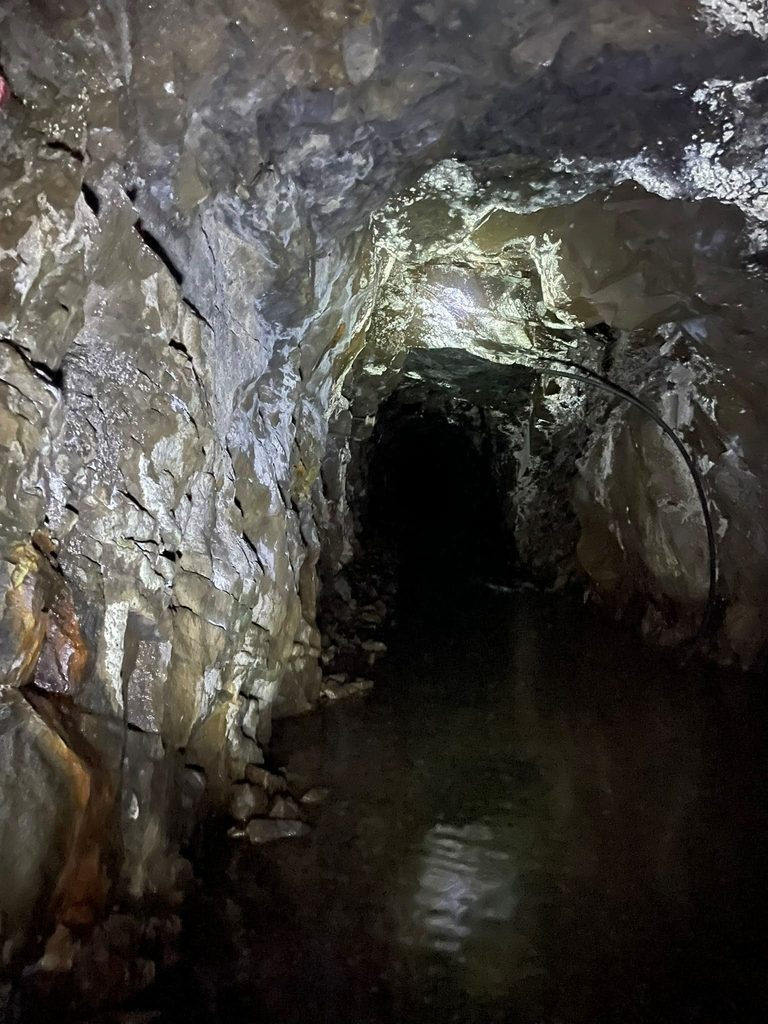
But once again: the smell of sulfur and an alarm from the gas detector. Time for a quick exit. I urgently need a proper detector.