Category: Closed mines

Mines are landmarks of history. Mines can teach us a great deal about the past, revealing how people once lived and worked. Taiwan is home to a large number of mines, many of which have been completely forgotten and can be risky to enter.

Some mines and factories took me weeks to locate, requiring numerous inquiries and extensive research.

Posts

A refuge

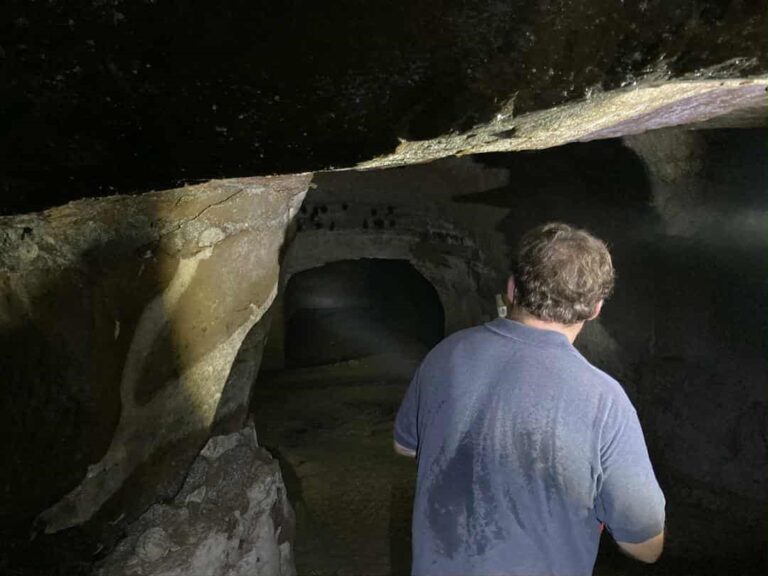
Last update: 2025/9/1 Near the Tongjing Village is a Cave System. The residents of the village put up fierce resistance against the Japanese, protected by the cliffs near the Emei River, the terrain was easily defensible. They constructed a long tunnel system and stationed troops there. The Americans also attempted to destroy the bunker facilities because the Japanese stored materials there. Little remains of a former sugar factory at the end of the road. The factory was later taken over by the KMT. Subsequently, the surrounding area and the abandoned bunkers provided good protection for fruit bats. A typhoon later destroyed

Read More »

Raiders of the Lost Treasure

ed.: 2026/4/17 snakes, aggressive dogs, hornets, collapsed buildings … this could have been filmed here at the Daxi Shunhe Coal Mine. A once majestic place is slowly being swallowed by the jungle. At first glance, it seems like just a few buildings. But as you walk through the area, more and more work zones, conveyor systems, and mine entrances start to reveal themselves. Description A road leads to within about 1 kilometer of the mine. Along this stretch are illegal homesteads guarded by aggressive large dogs that can only be driven off with a big stick. They may attack or even

Read More »

Explorers’ little sisters

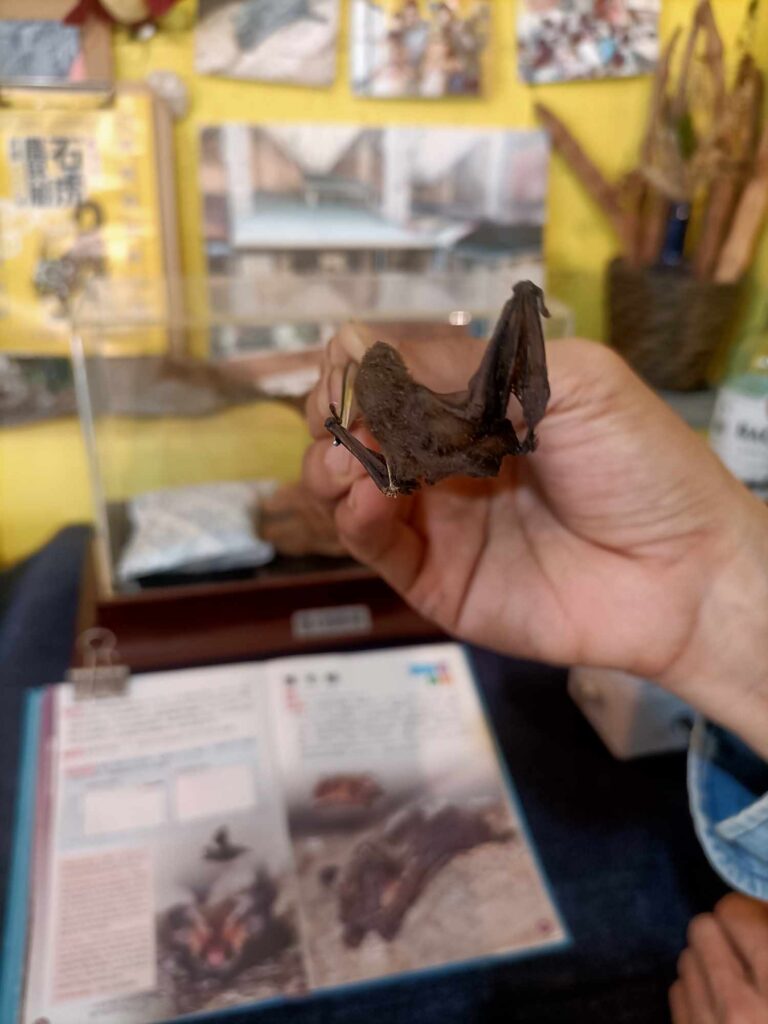
ed. 2026/5/6 Anyone who explores old mines, houses, or ditches will inevitably encounter them: our little bat sisters. Most of the time, you’ll first notice a strong odor, and then you’ll hear their screeches. Here are a few things to keep in mind: Bats are not inherently disease carriers, but there are a few things to consider:Bats have a very robust, yet unusual immune system. They can carry many viruses without getting sick. This means they are often silent “hosts” – viruses survive for long periods within them and can adapt to new conditions. Flight regularly stresses their bodies and raises

Read More »

Mines and plants in Jiufen

last update: 10/2025 Highly dangerous (risk of collapse, unstable, corroded, holes in the floor), hazardous to health Many remnants of the old mining industry can still be found around Shuinandong, the Northeast Coast, and Teapot Mountain. These include old tunnels, abandoned mining areas reclaimed by nature, and a factory. In 1893, a large and rich outcrop of a gold ore deposit was first discovered in the area. The mine began formal mining operations in 1896. In 1931, large-scale mining and milling operations for gold and copper ores were started by the Nippon Mining Company. However, the copper concentrate, cement copper, and

Read More »

Mines in Guanxi: Explanation about the Area

Very dangerous (risk of collapse, hornets, aggressive dogs, snakes) This post features fewer crazy pictures or paths and instead focuses more on the development of the area. After all, the goal of this blog is also to gather knowledge. It’s astonishing how few sources about the area can still be found. Newspaper reports are slowly being removed from archives. (Area for maschine maintenance, car depot on the backside, oil depots) The Indigenous People It was an Atayal area, specifically the Mabudu Settlement in Jinshan Village (馬武督部落). Originally called “Wudu” (武都) in the Atayal language, the name means “a place where people

Read More »

Mines in Guanxi: The Transport System

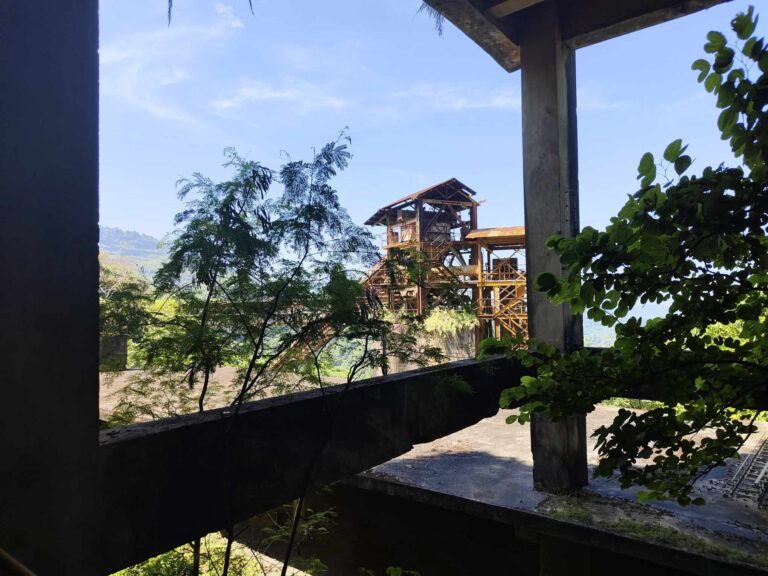
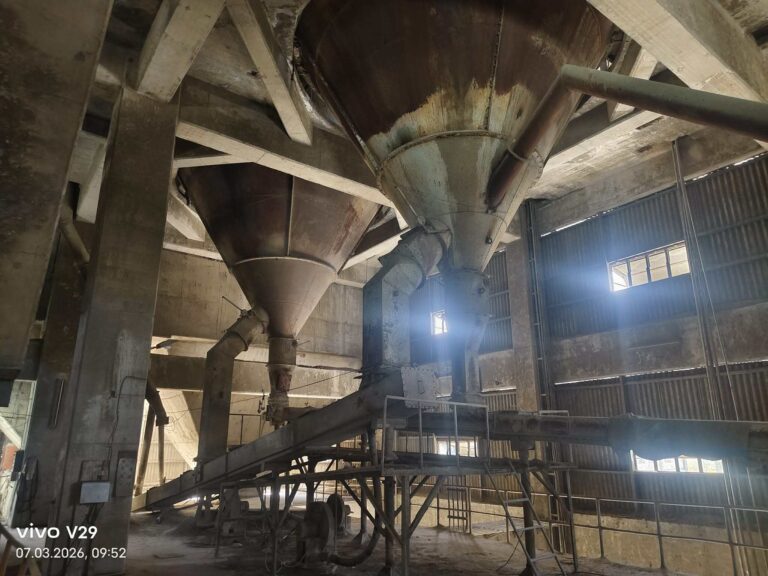
Very dangerous (risk of collapse, hornets, aggressive dogs, snakes) The most impressive part of the mines is the transport system, which can be seen from afar. The entrance is somewhat difficult to find. It is a vast, branching complex, and the two towers are visible from a distance. (These are parts of the machine hall for the ropeway and the storage area for the stones before transportation.) The stones were transported via two systems: Conveyor belts in the upper part and a rope way car system. The latter stretched across the entire mountain range all the way to the road leading

Read More »

Mines in Guanxi: Dormitories

dangerous (hornets, dogs, sakes) The lodges were heavily concealed and located about 200 meters from the main entrance—once again, a knife was necessary. The entrance road is overgrown and significantly narrowed. There are numerous individual buildings. The entrance and the administration building: After about 60 meters, additional accommodations followed—but a knife was necessary. While they do not feature any special characteristics, they offer a glimpse into the former lives of their inhabitants. Furniture and calendars are still intact. The view is impressive. The guard at the entrance forbade me from taking direct photos inside the site because they don’t want to

Read More »

Mines in Guanxi: First attempts

Very dangerous (risk of collapse, hornets, dogs, sakes) These mines are a unique hobby that fascinates me. They are a monument to history and the hard work of early Taiwanese people, especially women. The project is not yet finished but is under time pressure because the factories are set to be demolished. The first time I saw the already abandoned cableways on Road 3, I didn’t pay much attention to them. In 2024, I encountered this beauty for the first time, and my interest was sparked. My first attempt failed at the entrance, but giving up was not an option! A

Read More »