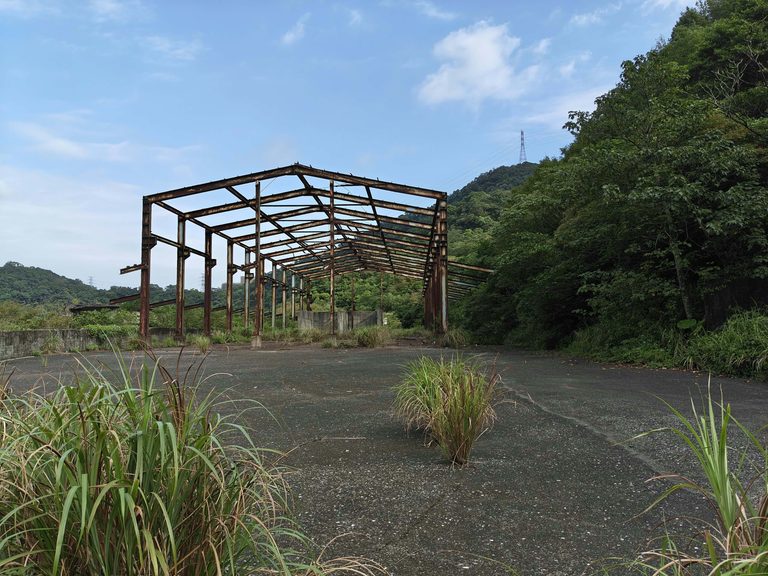
The Cutting Room Floor
Taiwan still has countless old factory buildings that look unremarkable at first glance. Yet they tell the story of Taiwan’s economic development. Industrial history tells us far more about how a society developed than philosophical writings ever could. With all the media attention focused on Taiwan’s immensely important semiconductor industry, it is easy to forget that the country’s industrial roots lay in low-cost manufacturing. Alongside an abundant workforce and low wages, cheap coal was one of the main driving forces behind Taiwan’s industrialization, providing the electricity needed to power its factories at low cost. Northeastern Taiwan still preserves physical traces of
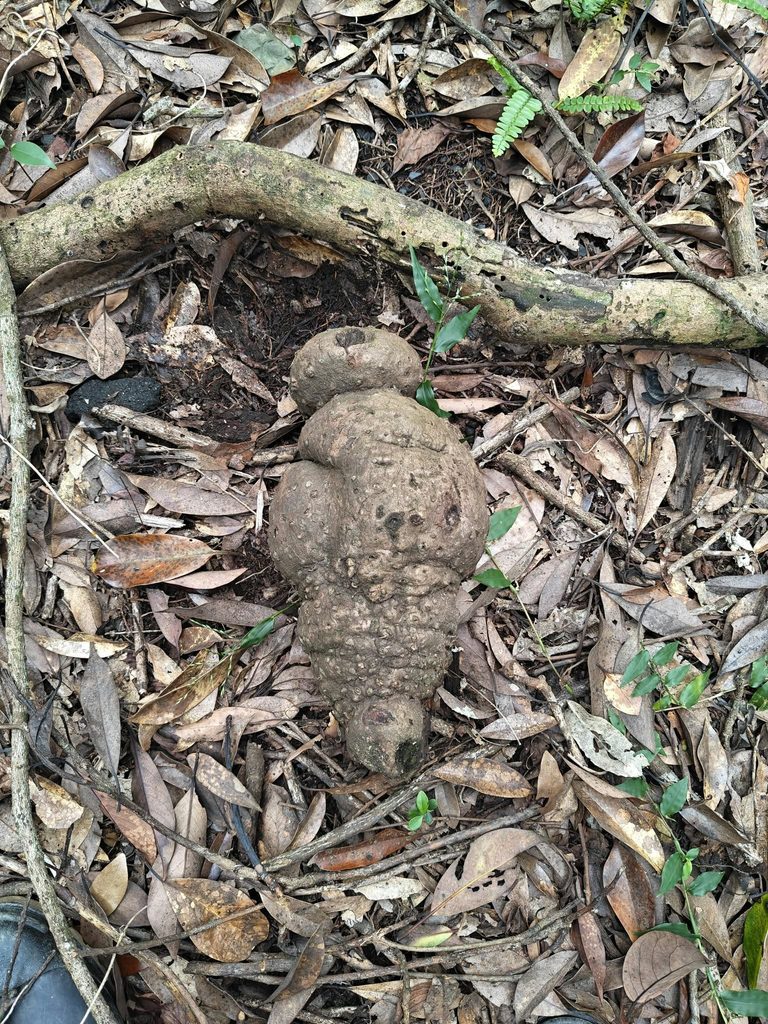
A voodoo doll
Today, we were exploring the area above Jiufen, which once belonged to the former Benshan Shaft No. 3 mining complex. After decades of mining activity, these shafts have almost completely disappeared, and the topography has changed considerably due to typhoons and collapses. However, the underground network was much more complex than one might imagine, consisting of main shafts, secondary shafts, ventilation tunnels, and connecting shafts. Therefore, there is often still a chance of finding something. Another interesting feature of this area is that gold and coal mining overlapped. Some of the tunnels and facilities were even used for both, although at
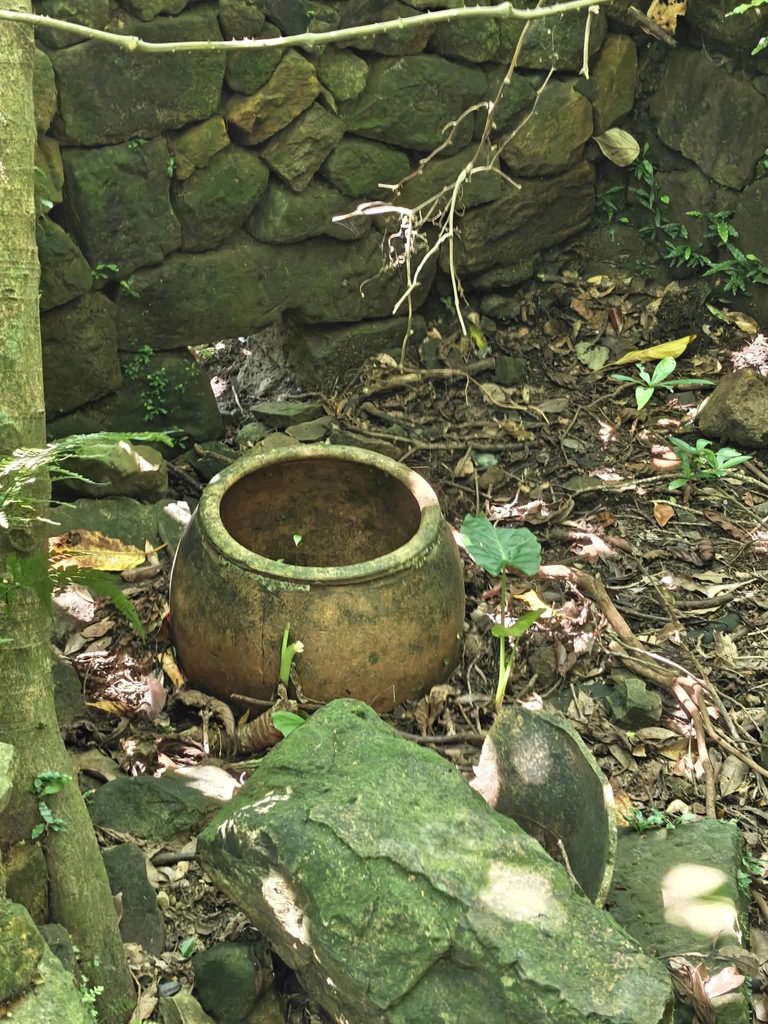
The Search
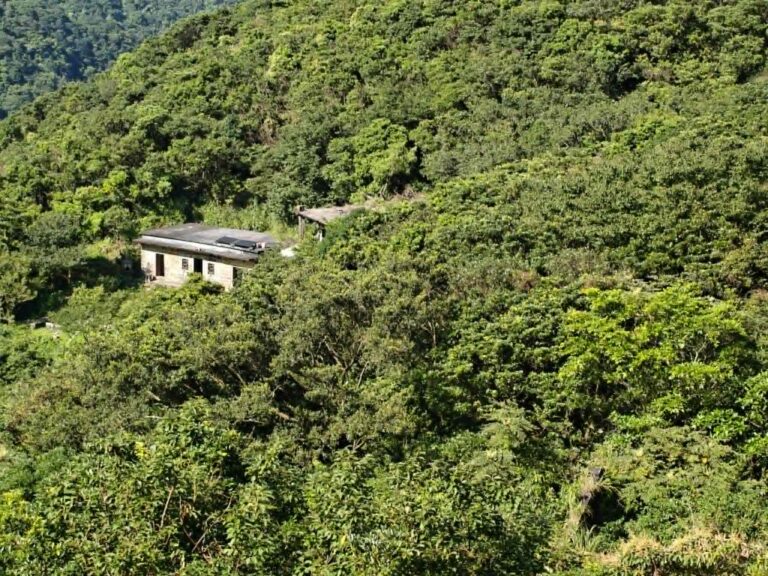
Dangerous (snakes, landslides) The post describes an attempt to locate Dacukeng Mine No. 6. For general informationen about Dacukeng, please see: https://lostplaces.tw/a-borrowed-life/ An elderly resident gave me in July a rough description of where Mine No. 6 was located, so I set out to find it. Google Earth and Google Maps are of little help because the entire area is completely overgrown. I could only rely on the contour lines and his description. However, Google Maps does show an old road that has since disappeared. Near the beginning of the creek crossing, there is one of the many small adits in
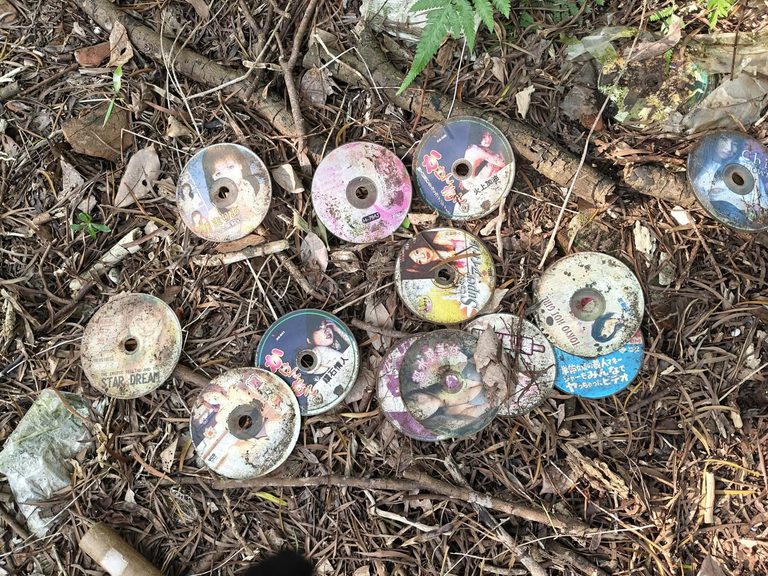
A strange one: Or the erotic in Lost Places
in process I had been seeing the chimney, which indicates the presence of a former brick factory, from the train to Hukou for a long time. When I finally managed to locate the site, I found some rather peculiar CDs near the entrance — more about that strange discovery below. Despite searching extensively, it took me ages to finally locate this brick factory. Google Maps and Google Earth were of little help, so it was back to old-fashioned grandpa-style navigation: a sense of direction and plenty of patience. At first, the chimney did not look particularly promising. It was badly damaged,
Secondary Shafts
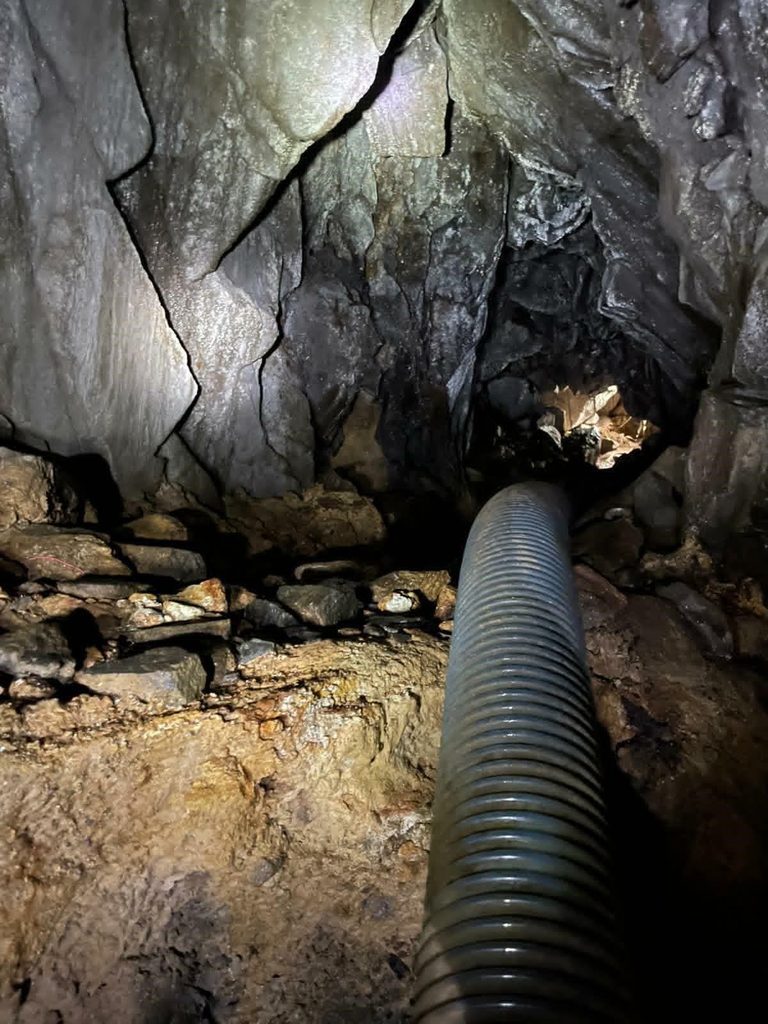
2026/8/30 dangerous (snakes, traps, collapse) In addition to the large open mining areas and the more than 600 km of interconnected mine shafts, there were numerous smaller mines. Some may extend only a few metres into the hillside, while others can run for several hundred metres. They were often quite small and, in some cases, uncomfortably cramped. We have been inside shafts like these, but we had little desire to crawl through the dampness on our hands and knees. Judging from the footprints, it seems that someone has recently been trying to get in. Here the passage splits. This tunnel leads
Mine No. 16
In process The Jialuopai coalfield near Neiwan has, with a few exceptions, largely fallen into oblivion. I think this is where a new project begins: searching for the remains of a mine that still exist deep in the mountains. Today, I only explored the first trail. There must have been large villages further down the mountain. Here are some pictures: I then spoke with an elderly Atayal woman who was still able to explain quite a few things to me. I will probably have to ask a hunter to act as my guide. The trail is very steep and crossed by
The Queen reclaims what is hers
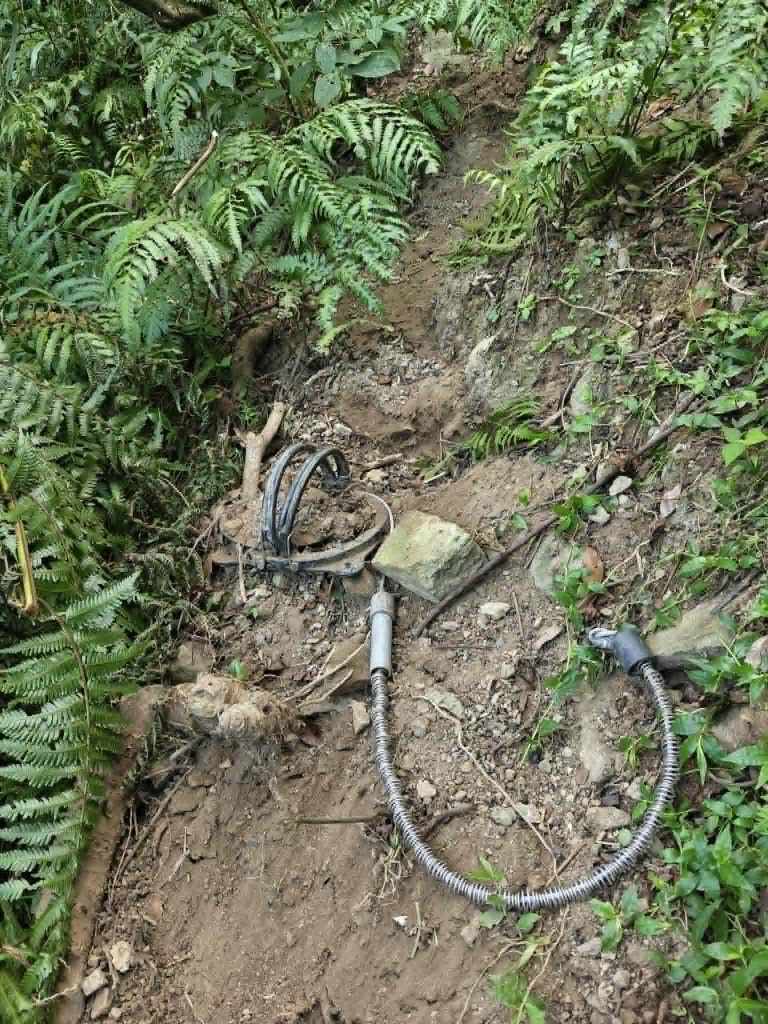
ed. 2026/8/23 still in process dangerous (traps, snakes) Humans have done nature a great deal of wrong. They not only destroy themselves in the process—probably not a great loss to nature—they alter it, destroy it, and poison it. But whatever happens, nature ultimately wins and reclaims what belongs to it. This description may sound less idealized or theatrical to many Indigenous people in Taiwan. Nature, spirits, ancestors, and souls are interconnected. (Snap traps, probably the most cruel form of hunting in Taiwan, and frowned upon by traditional Indigenous hunters) What today looks like a naturally formed landscape around Jiufen is actually
A little shaft
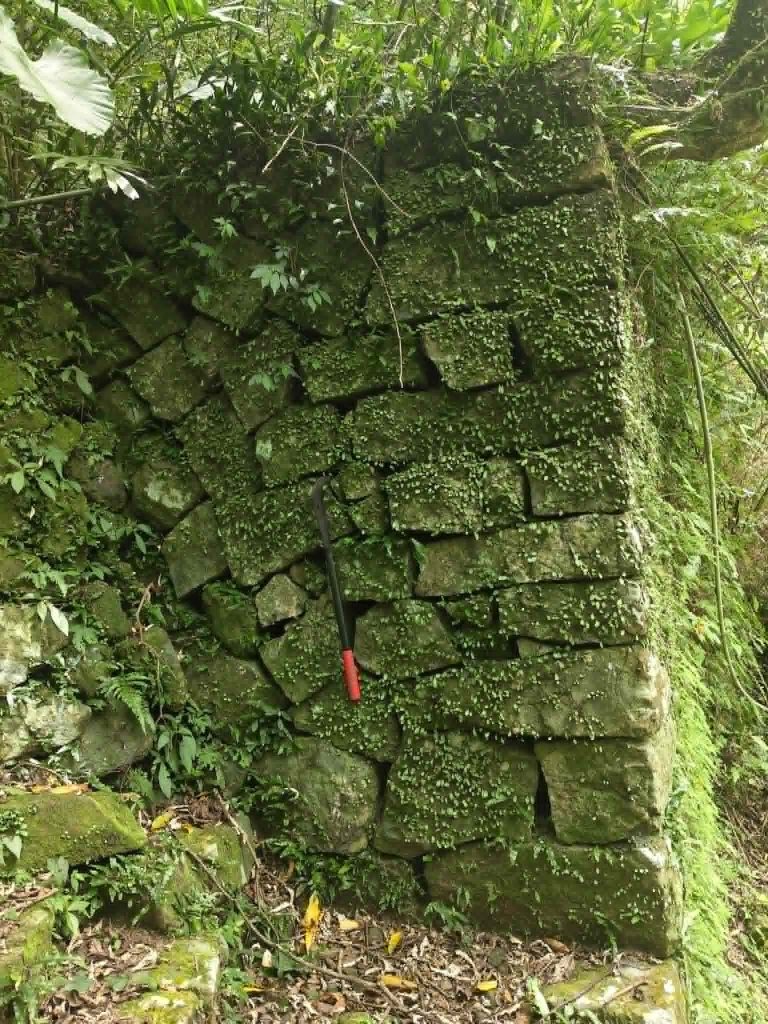
2026/9/22 dangerous (snakes) Although, by name, it may have been the smaller counterpart to Dacukeng, the settlement of XiaocuKeng must nevertheless have covered a considerable area, with numerous fields. From the Keelung River, a small path once led up to the village. Today, it is only a hiking trail, but it is still well preserved, including its original green stone paving. Along the way, the path passes a small Earth God (Tudigong) temple. At first, you pass this rather insignificant-looking block. On closer inspection, however, you realize that it is actually a building that has been buried by sediment. The first
History of mining area around Jinguashi and Houtong
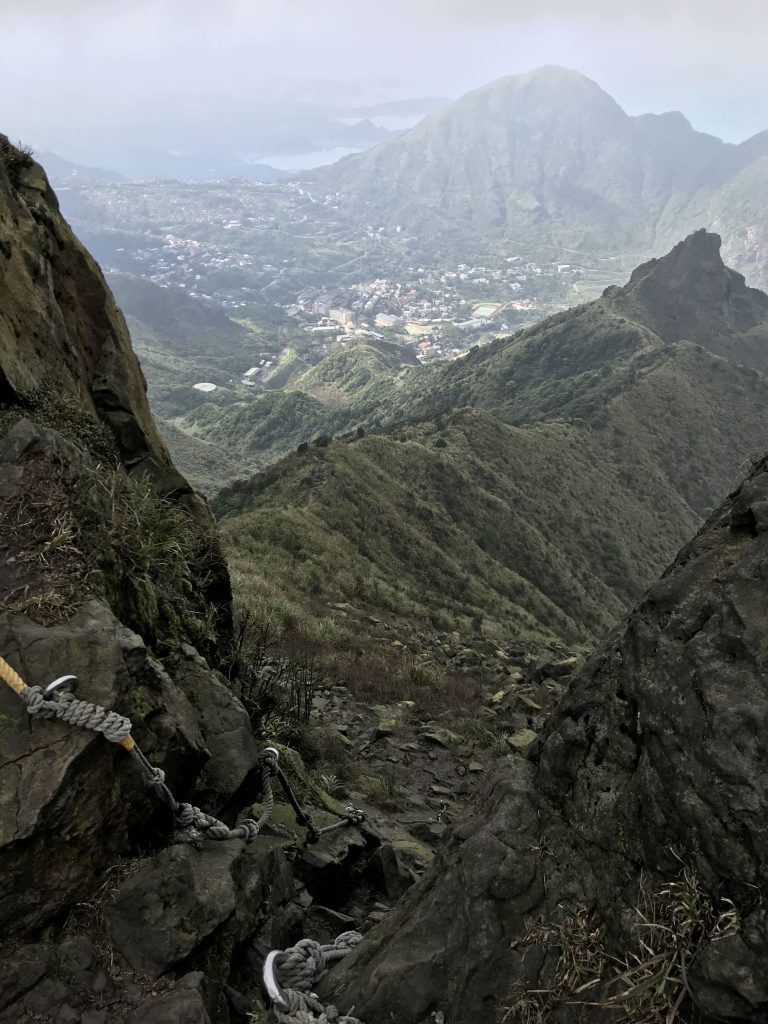
ed. 2026/10/17 very dangerous! (toxic, snakes, unstable, green frogs) in process It is actually quite remarkable how little well-organized information can be found about the Shuinandong Smelter and its surroundings. While bits and pieces are scattered across various websites, comprehensive and coherent background information is surprisingly rare. I’ve already covered parts of the story elsewhere, but here I have tried to present everything in a more structured and accessible way. I’ll simply include a selection of photographs without any particular order, allowing them to speak for themselves. General Description Today, it is difficult to imagine what this area once looked like.
A borrowed life
2026/7/22 (in process) High risk (unstable, overgrown, poisonous snakes like habu, green viper) Remark: The old photographs are now preserved in the temple. Dacukeng and the movie This post weaves together the story of a little-known village, the search for long-forgotten mines, and the acclaimed Taiwanese film A Borrowed Life, whose story unfolds in this remarkable setting. The quest to rediscover the vanished mines has only just begun, promising further insights into the area’s forgotten past. The village appears unassuming, yet it is a place of great historical significance and the gateway to countless adventures. “A borrowed life (Dosang)” is the
History and nature
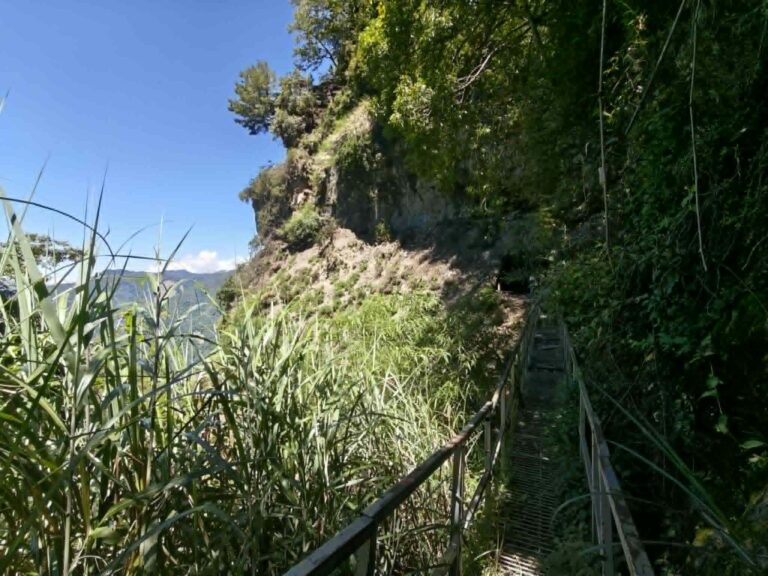
Few people realize that the Alishan Forest Railway once had an extensive network with numerous branch lines. Today, almost nothing remains of most of these branches, with the Mianyue Line being the notable exception. Hidden beside the road, this tunnel esides the highway No. 18 has survived, although the railway tracks that once led to it have long since disappeared. One of the most beautiful, yet lesser-known, trails is the 石山引水道. It is neither abandoned nor closed, but it offers a fascinating glimpse into the history of Alishan. It was originally a branch line of the Japanese-built railway used to transport
Rotten Yangmei II
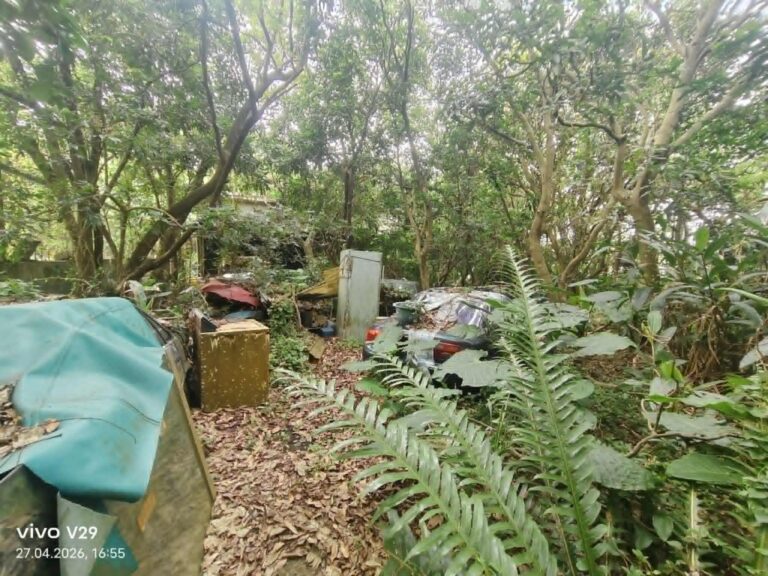
My report on my adopted hometown continues. The title is pure clickbait, of course. What you see here is a former motel. It actually seems to have been quite nice in its day. What purpose do Taiwanese motels serve? Traditionally, they provided a retreat for newly married couples who were still living with their parents or in-laws. Every now and then, they wanted a little privacy to consummate their marriage without the risk of constant supervision from an overbearing mother-in-law. Motels are also notorious as venues for extramarital adventures. Oh, and of course they can serve as accommodation during a vacation.
Horse Head
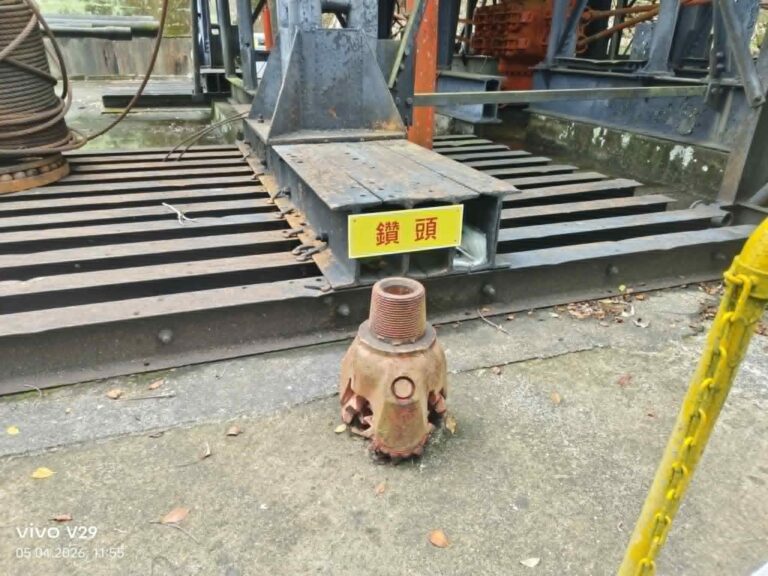
Oil was first discovered in Taiwan at the Chuhuangkeng Oilfield in Gongguan Township, Miaoli County. Oil extraction has been carried out there since 1877. During the Japanese colonial period, development became much more advanced, and approximately 98 oil wells were drilled. The site of Taiwan’s first oil well has since been transformed into the Taiwan Oil Field Exhibition Hall. (drill head) At the lower end of the site, directly beside the road, you will find the museum, which provides an excellent introduction to the history of Taiwan’s oil industry and drilling technology. Further uphill, several former residential and office buildings have
Administrative ping-pong
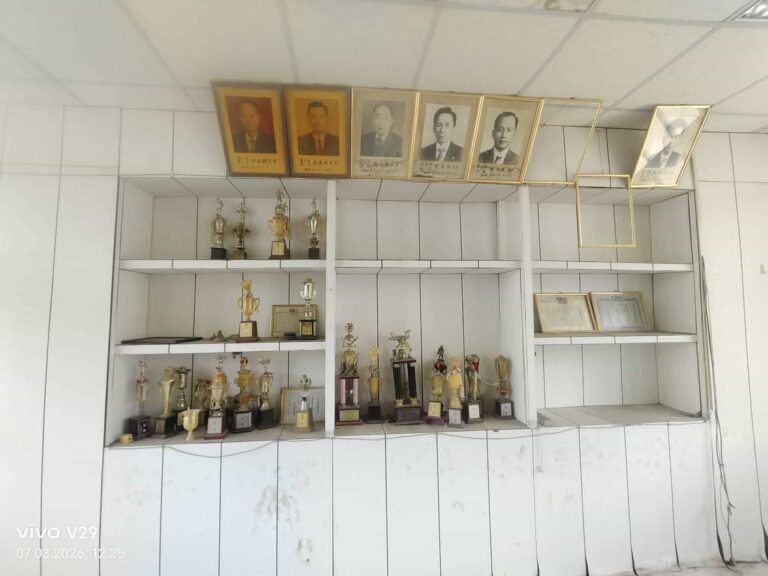
Longyan Elementary School (龍岩國小遺址) is located on a series of gently rolling hills on Qiongjiao Mountain in Dalin Township, Chiayi County. In 2007. It was closed due to a declining number of students. The school building itself is still structurally well preserved. However, the interior has deteriorated significantly due to decay, and parts of it have been affected by vandalism. The school follows a traditional design, with two or three building wings surrounding a large central courtyard. The Longyan Community Development Association was reluctant to see their alma mater abandoned and has worked to transform the school into a tourist attraction
The transition
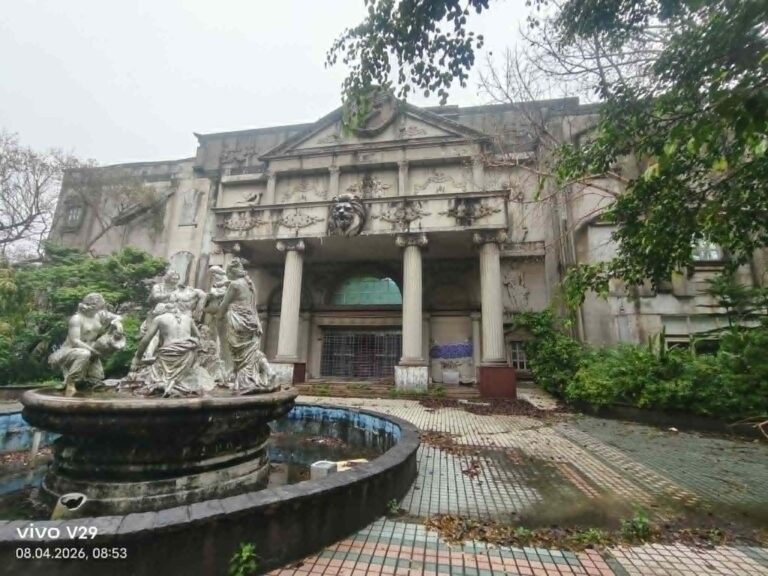
It was more by coincidence that Mr. X found these buildings. It is a connected complex consisting of several hotels. In the past, it must have been quite an attractive place. Today, however, it has been completely left to decay. This is related to the general development of domestic tourism and the trouble during transition in Taiwan. The rain was too heavy, and everything downstairs was so dirty that Mr. X did not feel like going inside. The lower complex is a large hotel, while the upper section is more resort-like, with a swimming pool. It must once have been a
The garbage indicator
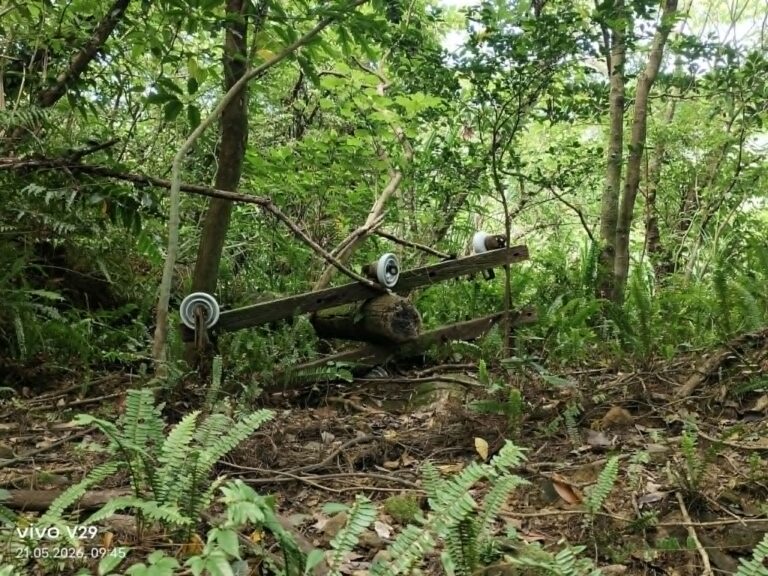
As the post goes on, you will understand this sentence. This post does not feature spectacular photos or semi-suicidal actions, but rather shows what such a search is actually like. It usually begins with looking from a distance for unnatural ridgelines, changes in vegetation, or flat terraces. Can you see them? (View from Silent Hill) This depression runs from the entrance of Tunnel No. 6 (in the direction of view) toward an old railway tunnel. Remains of rails can still be seen at both locations. On the left-hand side are large concrete blocks, presumably the remains of collapsed houses. In the
Addicted to Cement?
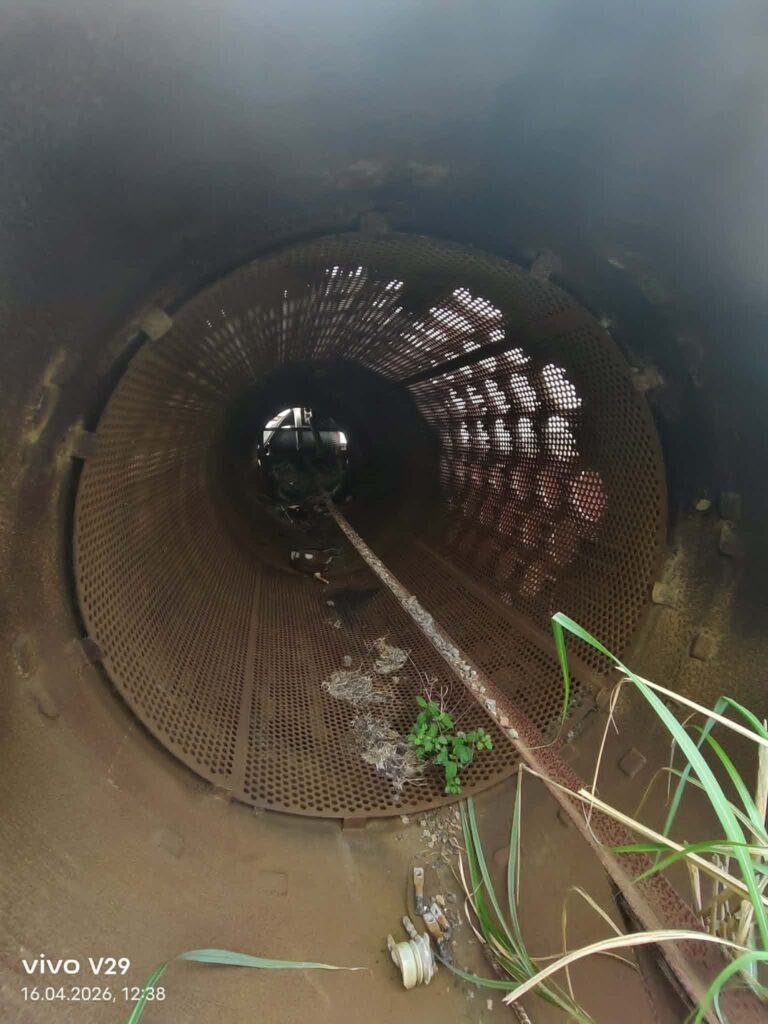
I could already see this beauty from an elevated road. As someone addicted to cement, of course I became curious — but it took a while before I found access. This is the outer area visible from the road. You can climb into it a little, but it is terribly unstable. And there I saw the beauty. But I had to look for another way and passed an old garage. Obviously, the company has been closed for ages. The entrance shows neither a name nor a warning sign. Inside, everything is heavily overgrown. Somehow romantic, snakes are mating. Like in Goethe’s
The structure of mines
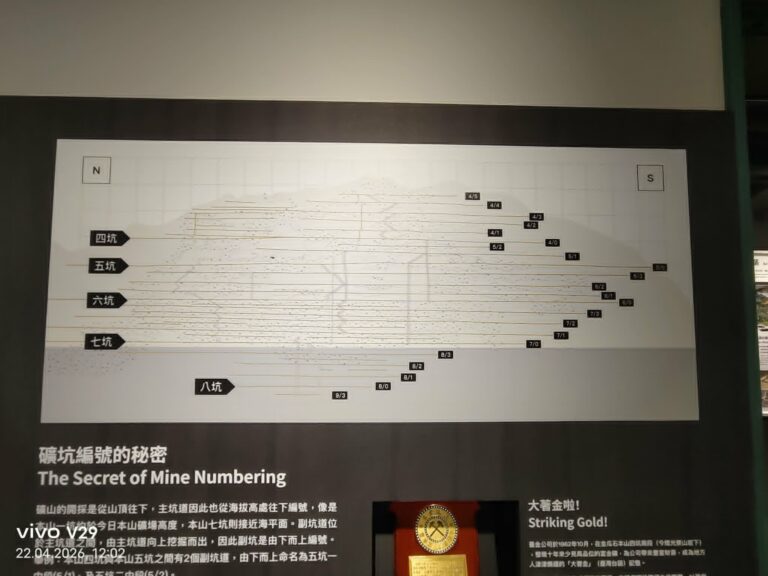
2026/9/21 very dangerous (collapse, snakes, green frogs, get lost, heavy metal contamination, please read the explanation at the end of this text) After a tour of the smelter, I went to the Gold Museum and took a photo of this diagram. It looked quite confusing and hard to understand. Then I had everything translated and discussed it with Professor ChatGPT. As the professor himself points out, I should verify everything—which I do. So far, the professor has been right. (Jinguashi Museum) The Secret of Mine Numbering Here the translation of the text above: Mining in the deposit proceeds from the top
In the backyard
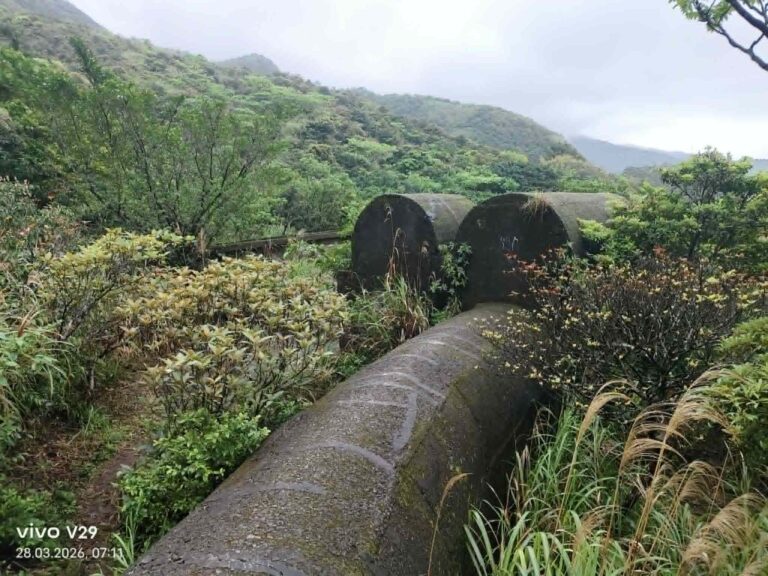
ed. 2026/10/17, still in process (very dangerous, snakes, hornets, risk of collapse, toxic inside the flues, arsenic) I am morbidly fascinated by the mines, tunnels, and flues behind the Shuinandong Smelter. From the funicular railway or Liukeng Slope Ropeway (六坑斜坡索道), it’s not that hard to find some tunnels, old buildings, and mines. You can already get a first overview using Google Maps. The rest is basically old-fashioned legwork and a bit of effort with a machete. It started off quite nicely, with a few tracks—some well preserved, others less so. (Thanks to the Jinguashi Museum) Along the sides, you can make
From a lost place to a theme park
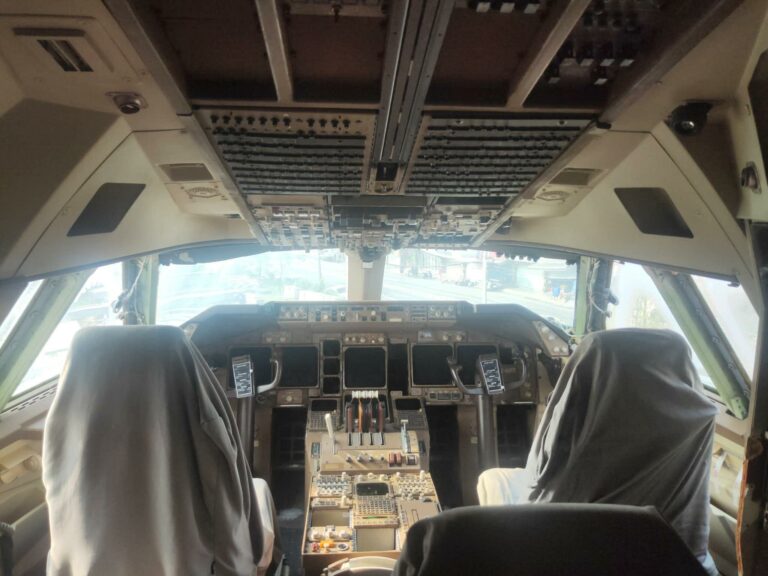
still in process At first, I thought it was an aircraft graveyard, since the planes are definitely decommissioned. The owner cleared things up for me in a very interesting 90-minute conversation. It’s a very large site in Guanyin that is privately owned. The owner used to fence it off, but that didn’t really stop people, so he eventually gave up—now it’s only monitored by cameras. He doesn’t mind visitors. He just asks that people check in with him first. If he has time, he’ll even show them around the aircraft. However, he’s had trouble with drunk visitors. He does take legal
A Journey Back in Time to Taichung’s Amusement Parks
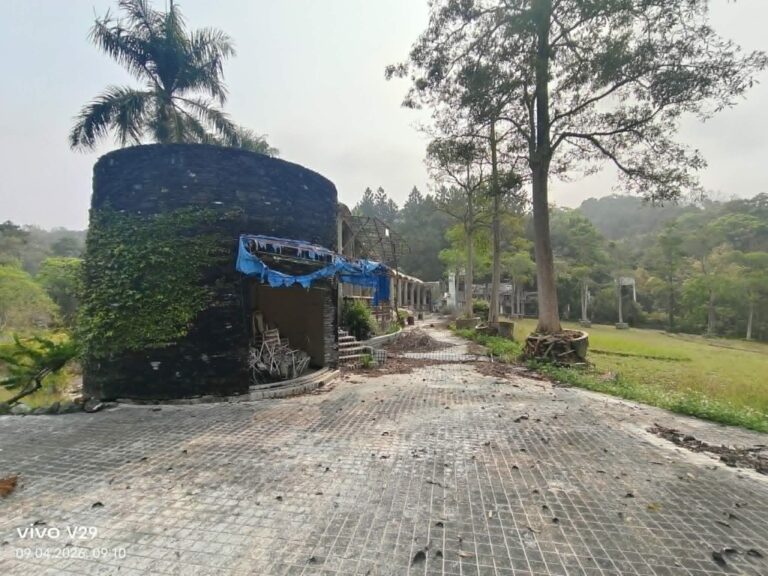
Encore Garden Encore Garden (亞哥花園), located in the Dakeng Scenic Area of Beitun District, Taichung, is a now-closed amusement park and was Taiwan’s first European-style garden-themed amusement park. It was once one of the major recreational destinations in Taiwan and ranked among the top ten privately operated amusement parks for many years. (The entrance today) The park was known for its wide variety of flowers and exotic trees, as well as Taiwan’s only nighttime water dance show and water-screen movie at the time. It also featured amusement rides and live theater performances, including singing and dancing. Encore Garden was founded in
Striking
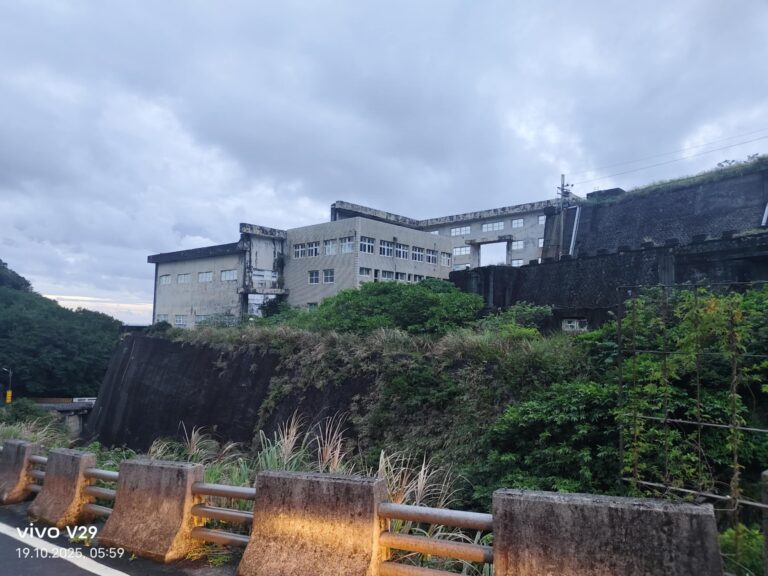
edit: 2026/10/26 toxic (arsenic), snakes in the higher levels, unstable ground, green frogs with very low tolerance Warning: For some time, there seemed to be a certain lack of interest on the part of both the authorities and the owner. However, after an influencer entered the site without having the slightest idea of how dangerous and toxic it was, the authorities tightened the security measures. There are now strict controls and a zero-tolerance policy. He simply went in with a selfie stick, wearing shorts and a tank top, without gloves or a mask. At one point, he even licked a wall
Not lost yet — but perhaps soon.
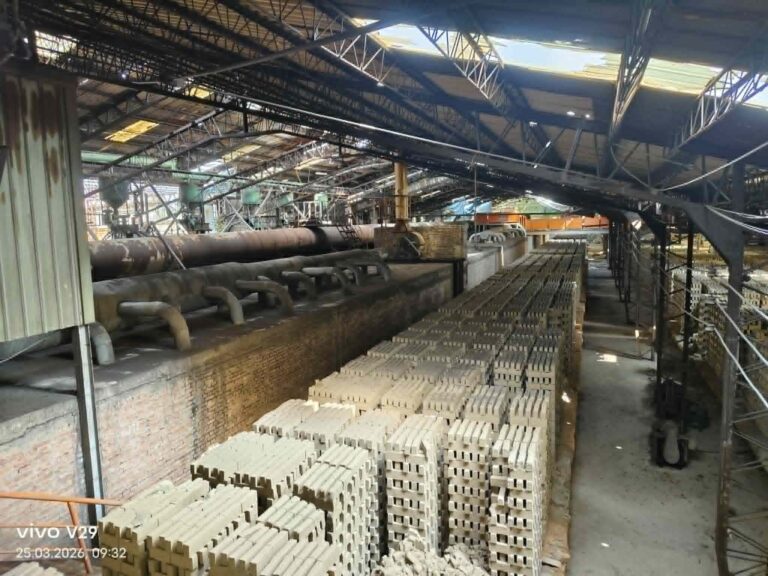
My last visit left me feeling sad. I used to come to this brick factory often with my children. About seven years ago, production was shut down and the site was turned into a demonstration factory. One of the owners hoped it could survive as an industrial museum. However, visitor numbers were too low, and there was no government support. During the last earthquake, the long kiln was partially destroyed. Now the owner will likely have to sell the factory in the coming months. The front part is still well preserved, while the rear section is more suited for the adventurous.
Cement—and more and more cement!
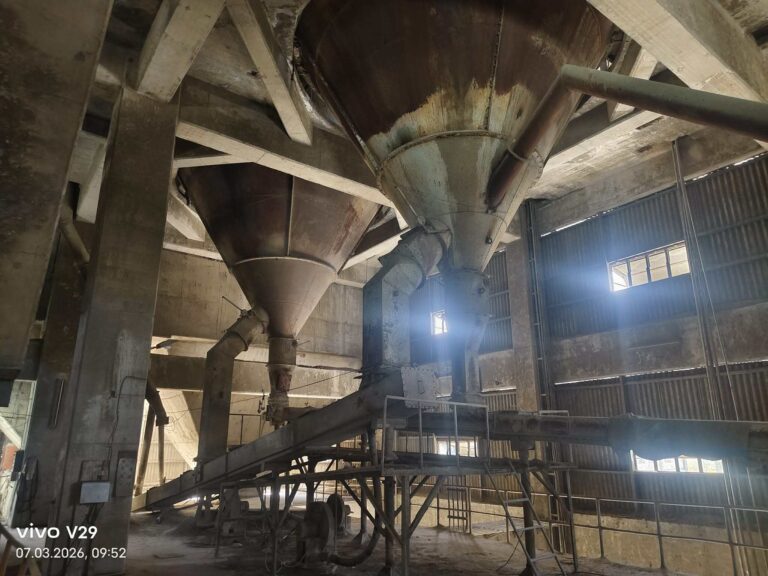
ed. 2026/7/11 This is a very good place to get an introduction to cement production. Located on the way to Ali Mountain, it makes for a nice stop for families. Children can easily understand how cement is made here—well, maybe not in every single area. Reminder: During my recent visits, it was evident that many entrances and structures were heavily corroded by rust. Climbing up has become risky. The owner is also cordoning off more and more areas. (Packing station, cement silo, clinker silo) You can spot the cement silos from far away. It’s a former cement factory that has now
Mei Li (Mylee) and Nack Suk Cao
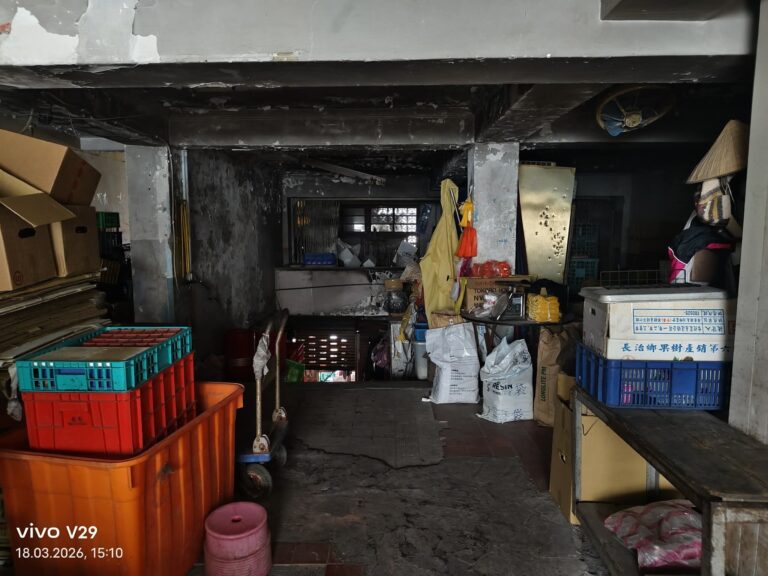
Ah, I think this sublime love tragedy of modern film history has come to an end, some years before. It certainly won’t be shown in this cinema ((中壢新明戲院)) anymore. Here, fortune favored the diligent—or perhaps the stubborn. I passed by several times, and it seemed impossible to get in. Until one day, a door to the second floor was open. I talked the Vietnamese migrant worker into letting me in. The structure of the cinema is still recognizable. Not everything is exactly safe, of course. The cinema was on the second floor; the third floor was probably a market hall. The
Pursued … Cursed …Haunted…
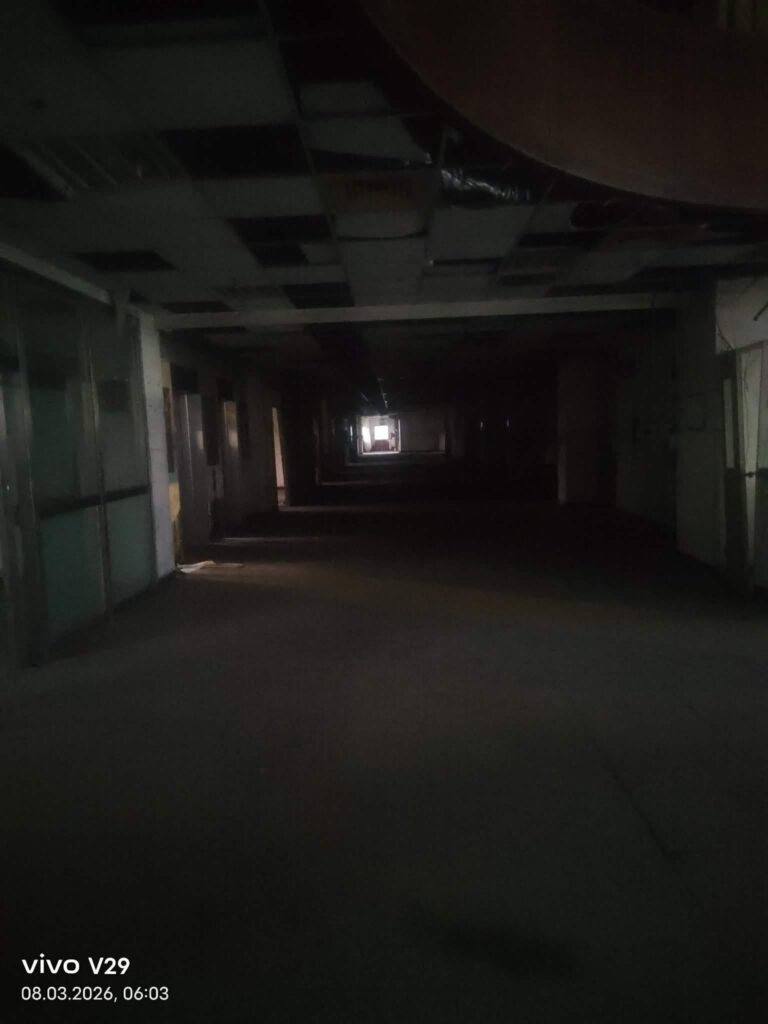
still in process Hospitals are closely connected with Taiwanese culture, but also with fear. Similar feelings exist in Western culture as well—after all, hospitals are often an inspiring source for horror movie ideas—but this sentiment is even stronger in Taiwan. This post also offers a glimpse into Taiwanese folk beliefs and the ways they still shape daily life. Taiwanese people tend to avoid places where people have died, especially if the death was unnatural. There is a fear of provoking the anger of the deceased soul or spirit. As a result, no Taiwanese person would normally visit cemeteries or abandoned hospitals—it
Kindheitserinnerung/Nieces
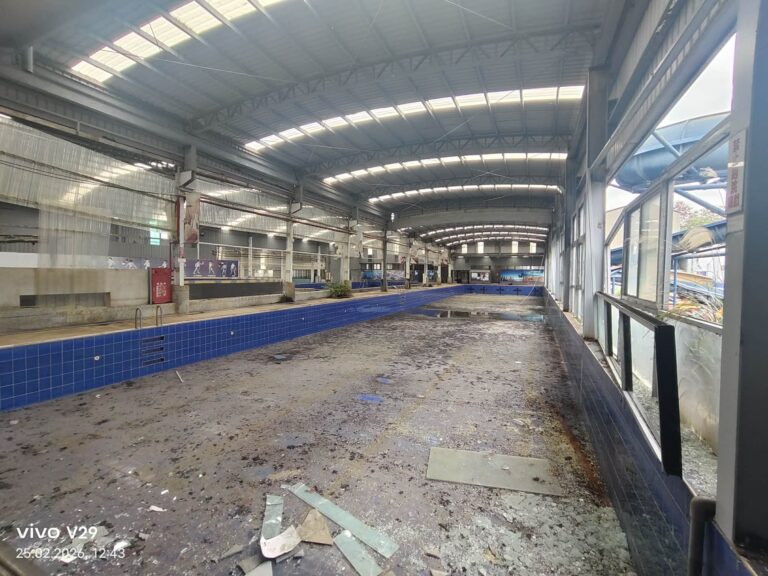
It is difficult to generate profits with swimming pools because the costs are quite high. This is especially true for traditional pools with long swimming lanes and only limited spa facilities. My nieces learned how to swim at this pool. Unfortunately, the stray dogs there are not very friendly. When we were in the process of adopting my daughter, she went to a swimming pool for the very first time. She just sat on the edge and cried because she was so scared.
They cannot leave
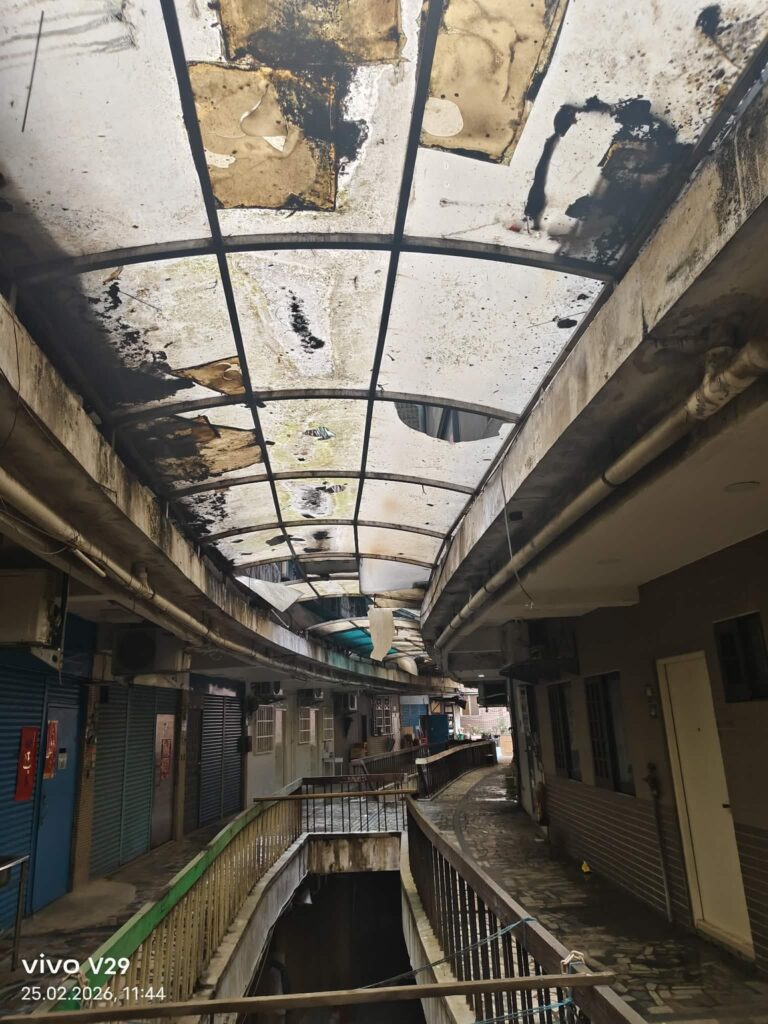
ed. 2026/4/10 in process Taiwan is a wealthy country that can offer a decent standard of living to many people. Unfortunately, not to everyone. Some places are deeply saddening. Among these sad places are the decaying shopping malls. Most of them were built during the first wave of rapid economic growth in Taiwan. They all share the same story: the buildings aged, new centers were constructed, the area became less attractive, and investment in the properties declined. As a result, fires broke out, accidents increased, and wealthier tenants moved away. It is usually a vicious cycle. People from more vulnerable social
Lose Yourself in the View
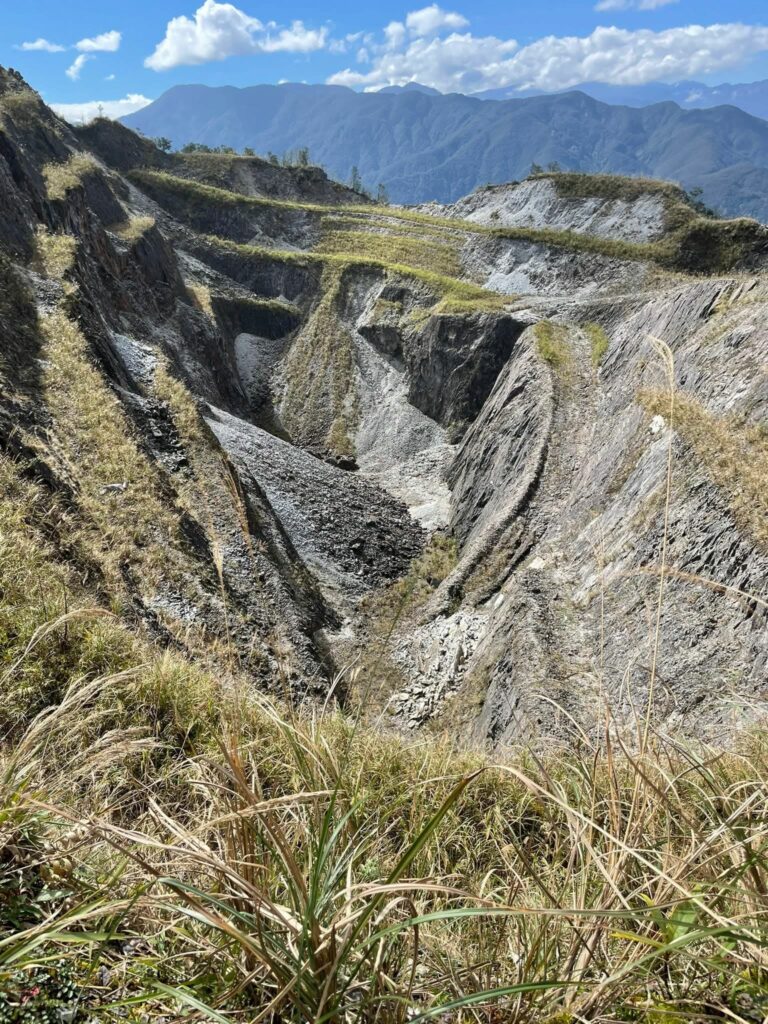
ed. 2026/3/1 It’s not really a vanished or enchanted place. The road and the ruins at its end are considered an excursion destination, even if the beginning of the road is somewhat steep. On the way up, you can see the endless concrete plants—some modern, others decaying. This is where the stone used to be delivered. Along the way, you can repeatedly see the pylons of the cable car. A few kilometers further uphill, you encounter the first non-human beauty: the turning station of a cable car. A few photos to get pleasantly lost in. Lets interrupt for some explanations: Anpingkeng
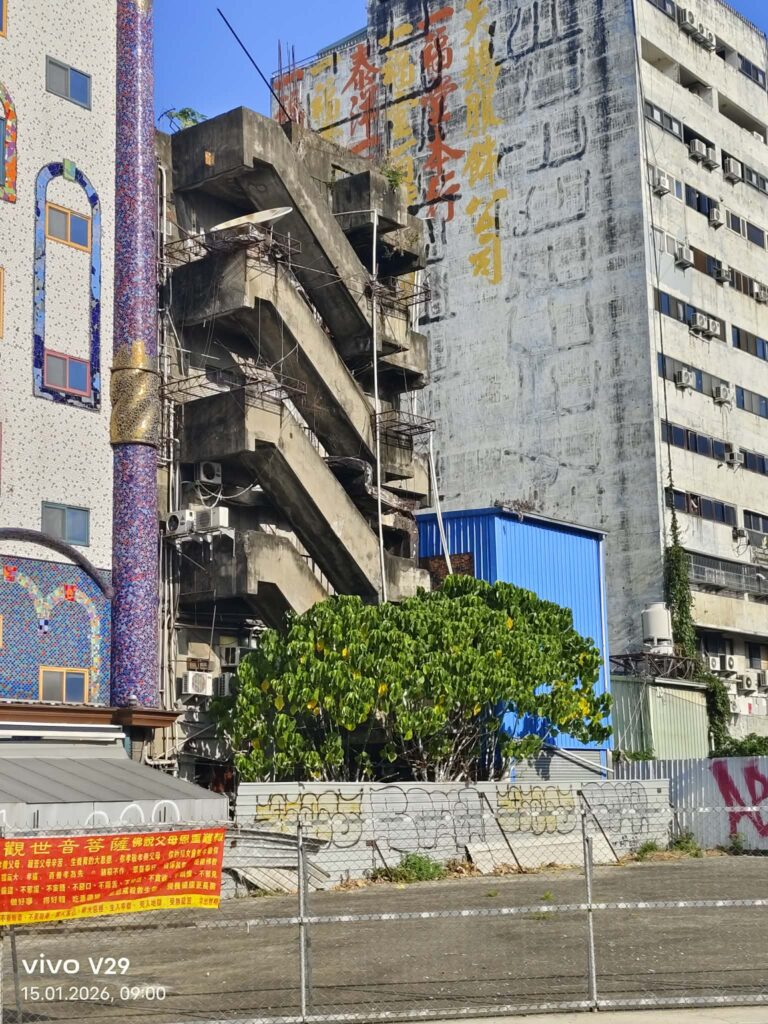
Taichung: Between Decay and Modernity, a Jewel of Ugliness
ed. 2026/5/10 Once again, pure clickbait — but I genuinely love Taichung. It is both the most modern city and the most decayed one. And I love it for exactly that. (Modern architecture, as Taichung likes to present itself) Taichung is home to Taiwan’s most famous truly haunted building (or ghost house, the Chien-Yueh Building, 千越大樓). This ugliness—or beauty, which is really a philosophical question—lies just two minutes from the main railway station. After all, the building has even made it into the Taiwan Cultural Memory Bank. Originally operating as the Chien-Yueh Department Store, it once housed Taichung’s first ice-skating rink